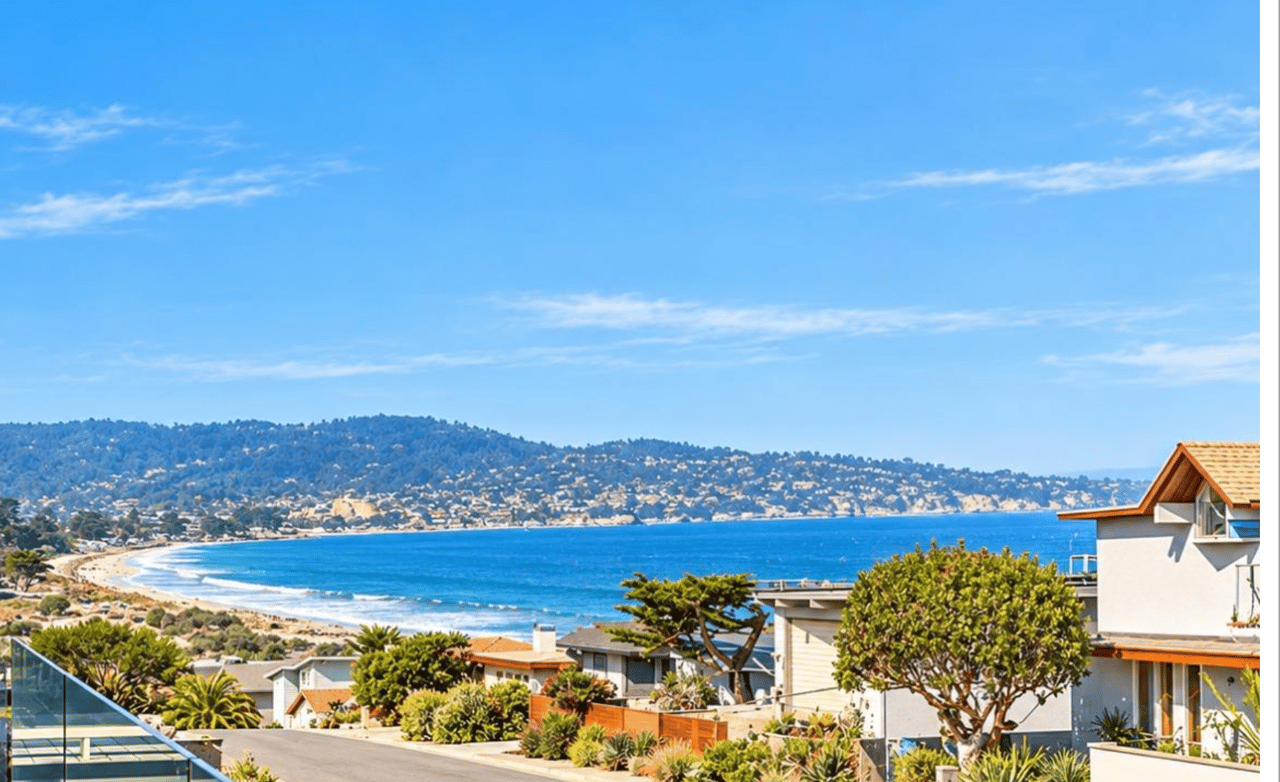
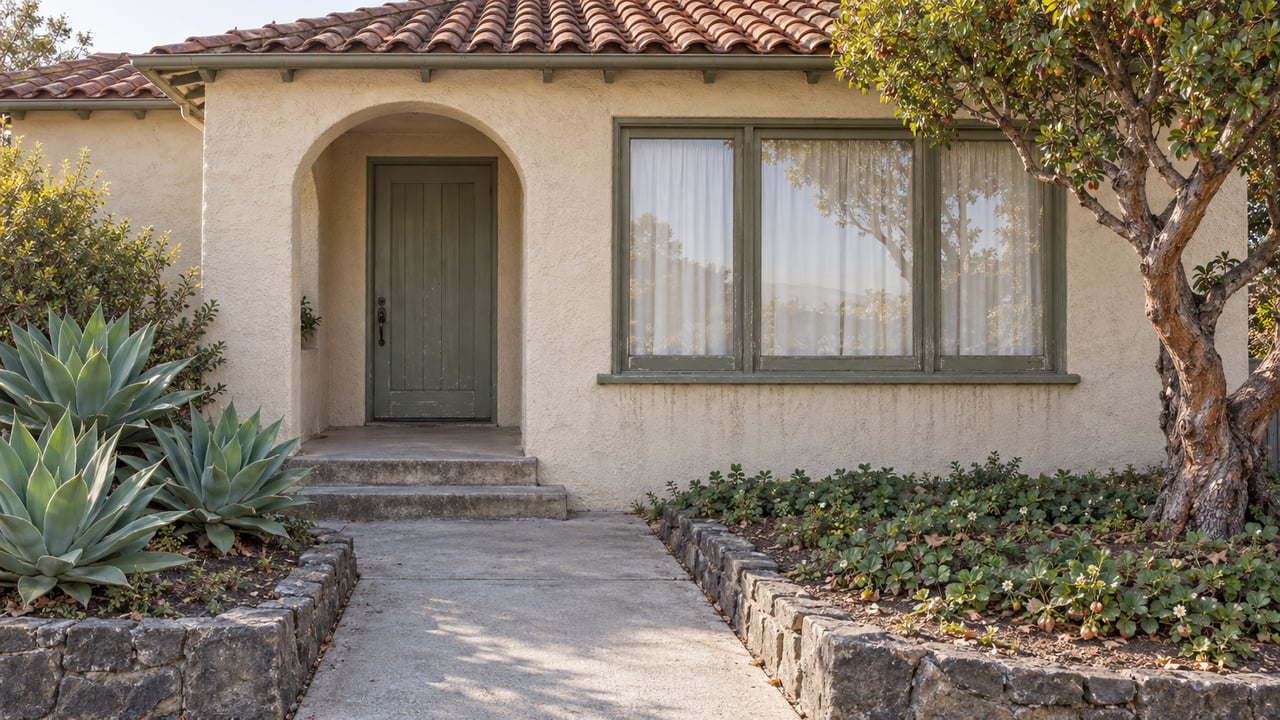
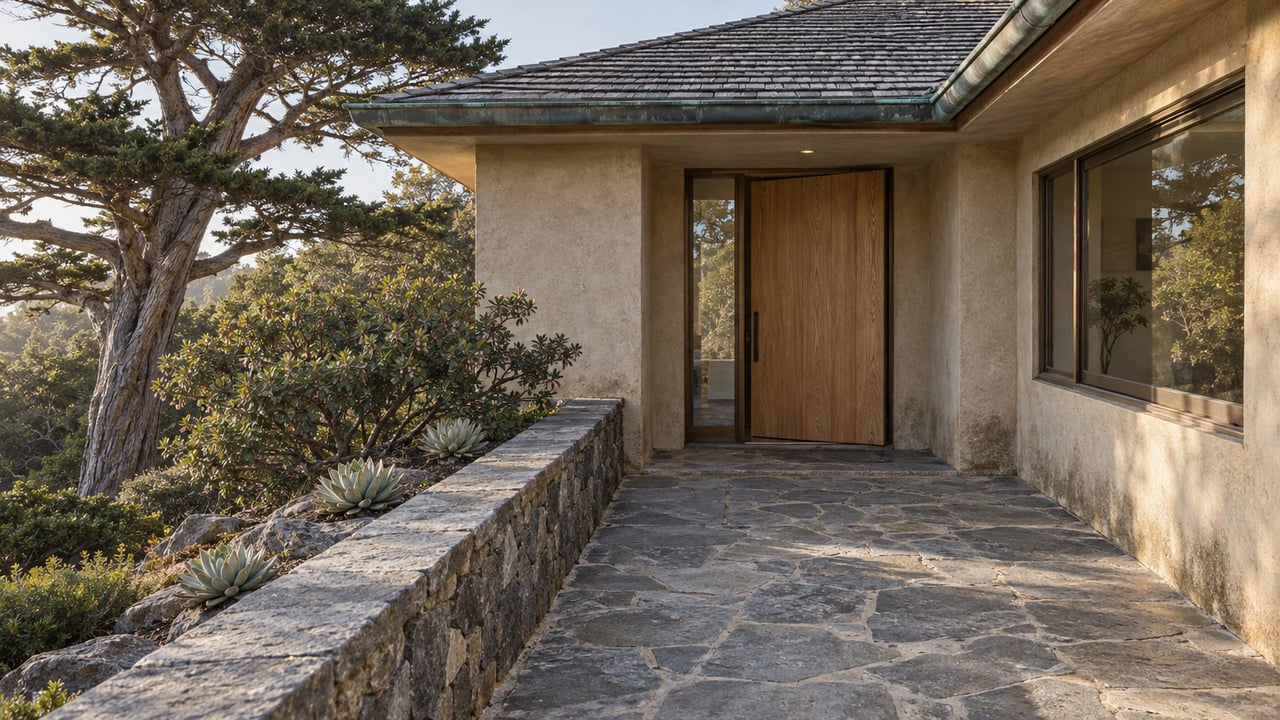
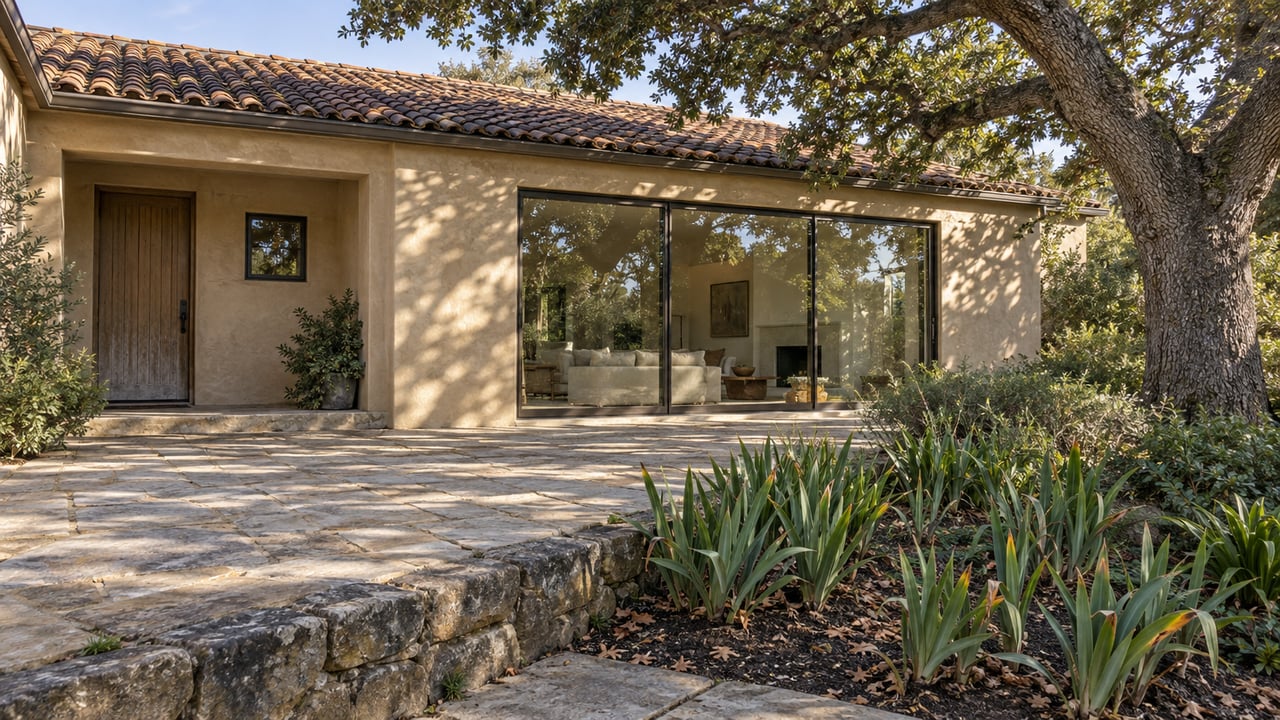
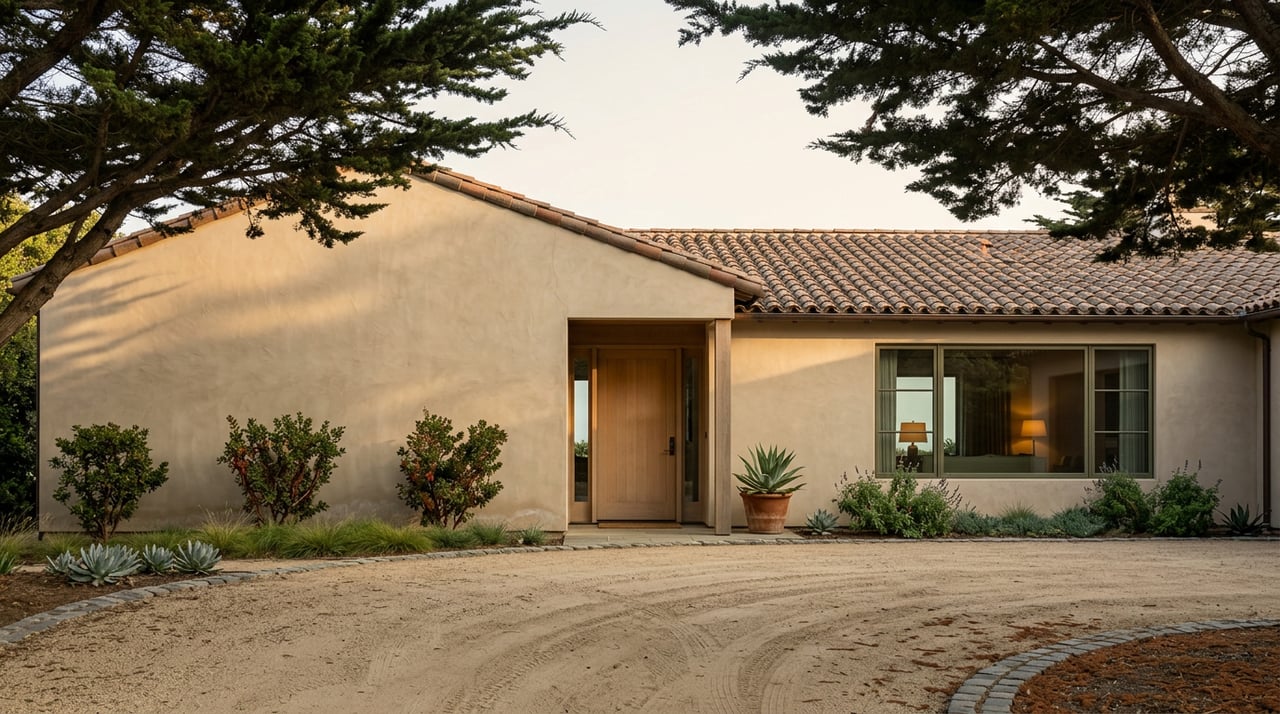
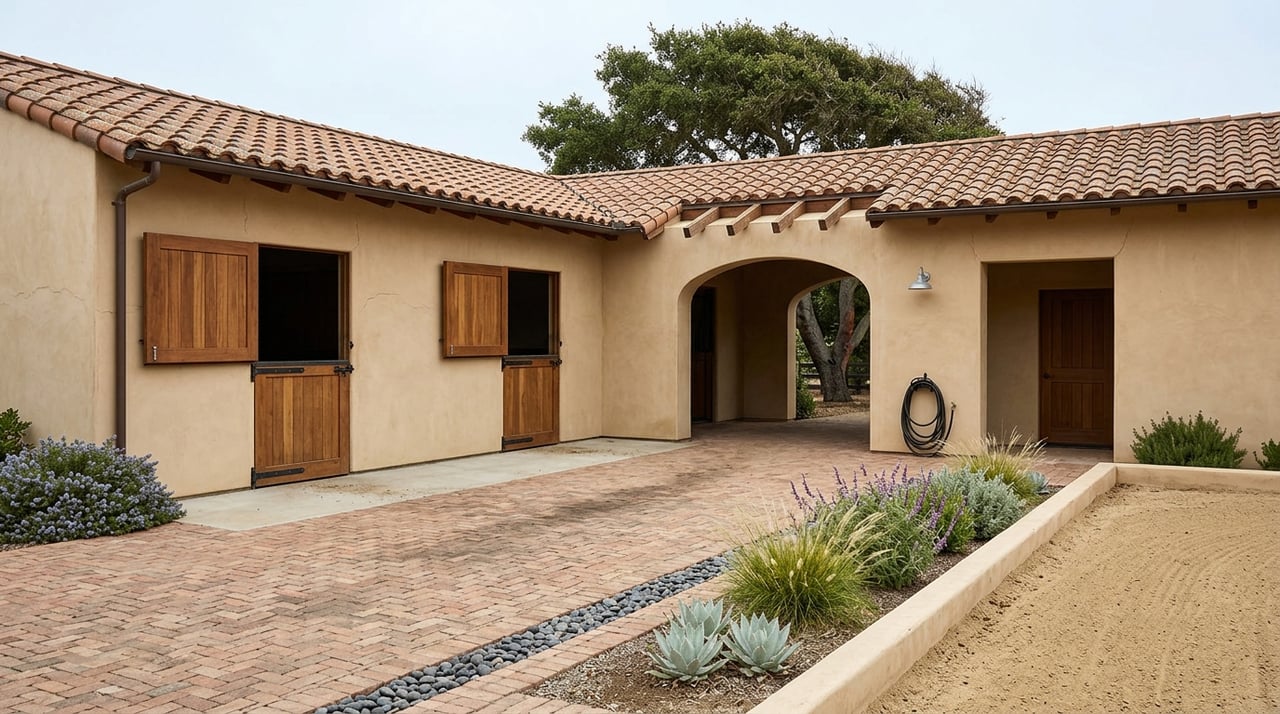
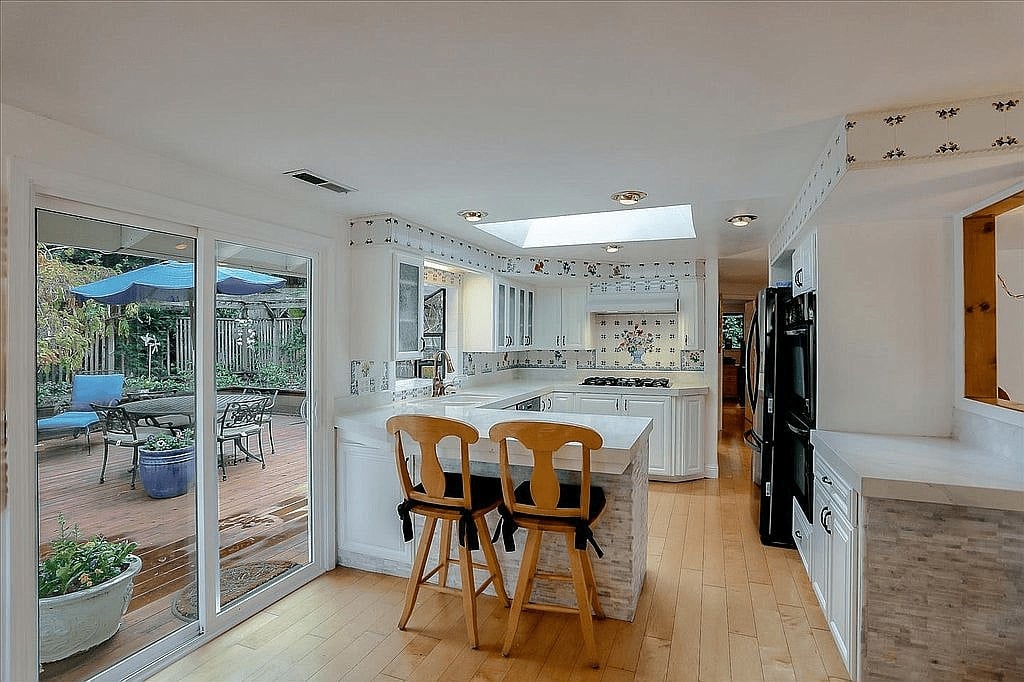
A 1,872-square-foot house on 2.52 acres in the San Benancio corridor came onto the market this year with its interior gutted down to the studs. The permits were already stamped and approved by Monterey County. A new septic system and a shared well system had been installed. The listing flagged financing as a consideration for a buyer.
Fifteen minutes away by car, inside the same Highway 68 corridor, a Toro Park condo tied to the Creekside Village complex went from listed to sold in ten days.
Those two outcomes did not diverge because of school district, or curb appeal, or acreage. They diverged because of what each property draws its water from and where its wastewater goes. That distinction, more than any other variable in this corridor, is what a buyer needs to understand before comparing a Corral de Tierra estate to a Toro Park single-family home to a condo in the same zip code.
The Corridor Isn't One Market. It's a Patchwork of Water Systems.
Highway 68, also called the Monterey-Salinas Highway, runs about 17 miles between Highway 1 in Monterey and South Main Street in Salinas, threading through Corral de Tierra, Toro Park, San Benancio, Laureles Grade, Pasadera, Ryan Ranch, and several smaller developments in between. It carries roughly 25,000 to 30,000 vehicles a day, which is why Caltrans has an active drainage and lighting improvement project running its length. The road is one thing. The properties along it are not.
Toro Park's condominiums, many of them inside HOA-managed complexes with centralized water hookups, behave like a normal suburban market. Recent twelve-month figures put the condo median around $452,000, down about 15 percent from the prior year, but moving in an average of 10 days. That is a fast, liquid, financeable market.
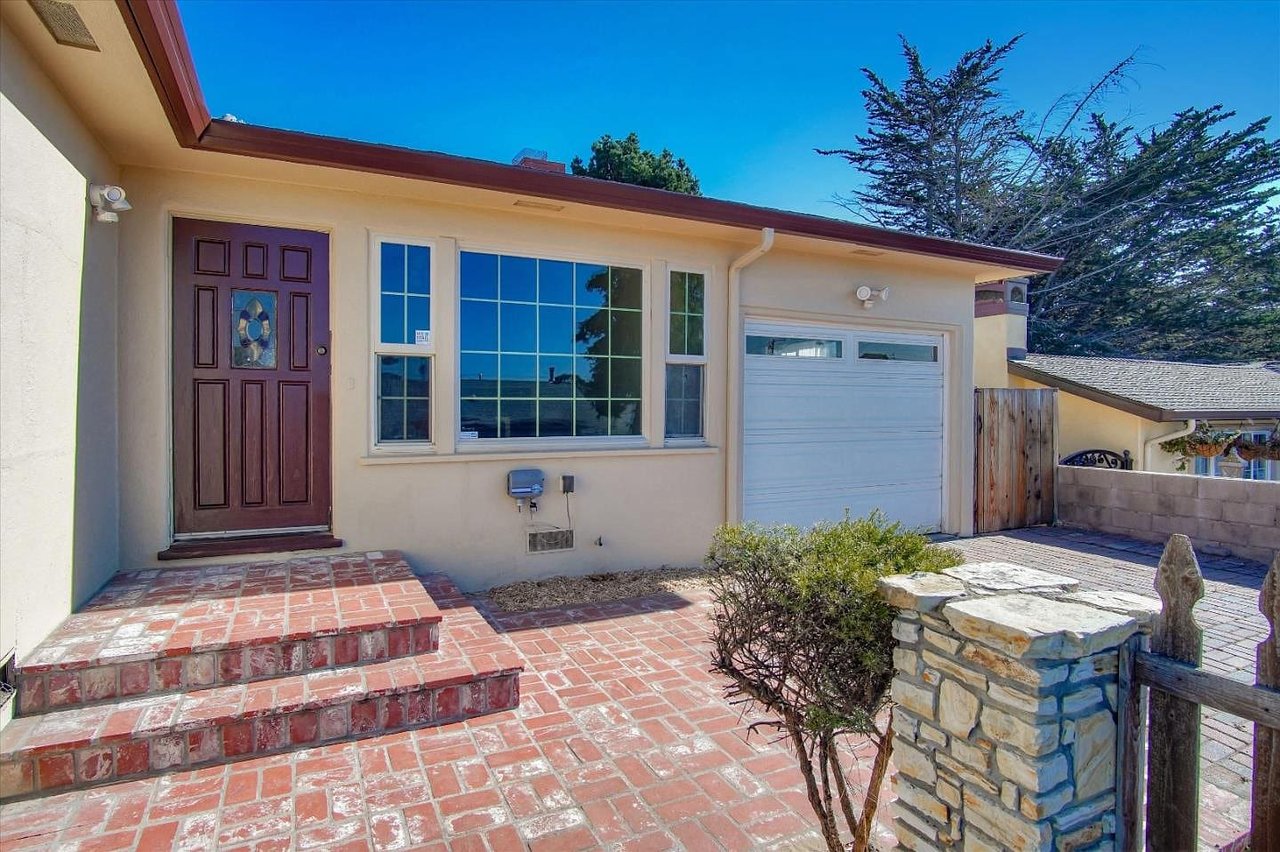
Move a few hundred yards to Toro Park's single-family homes, most on private lots but still largely tied to public or mutual water systems, and the median sits closer to $1.2 million with days on market in the 29 to 39 day range, depending on which twelve-month window you pull. Still brisk. Still financeable in the conventional sense.
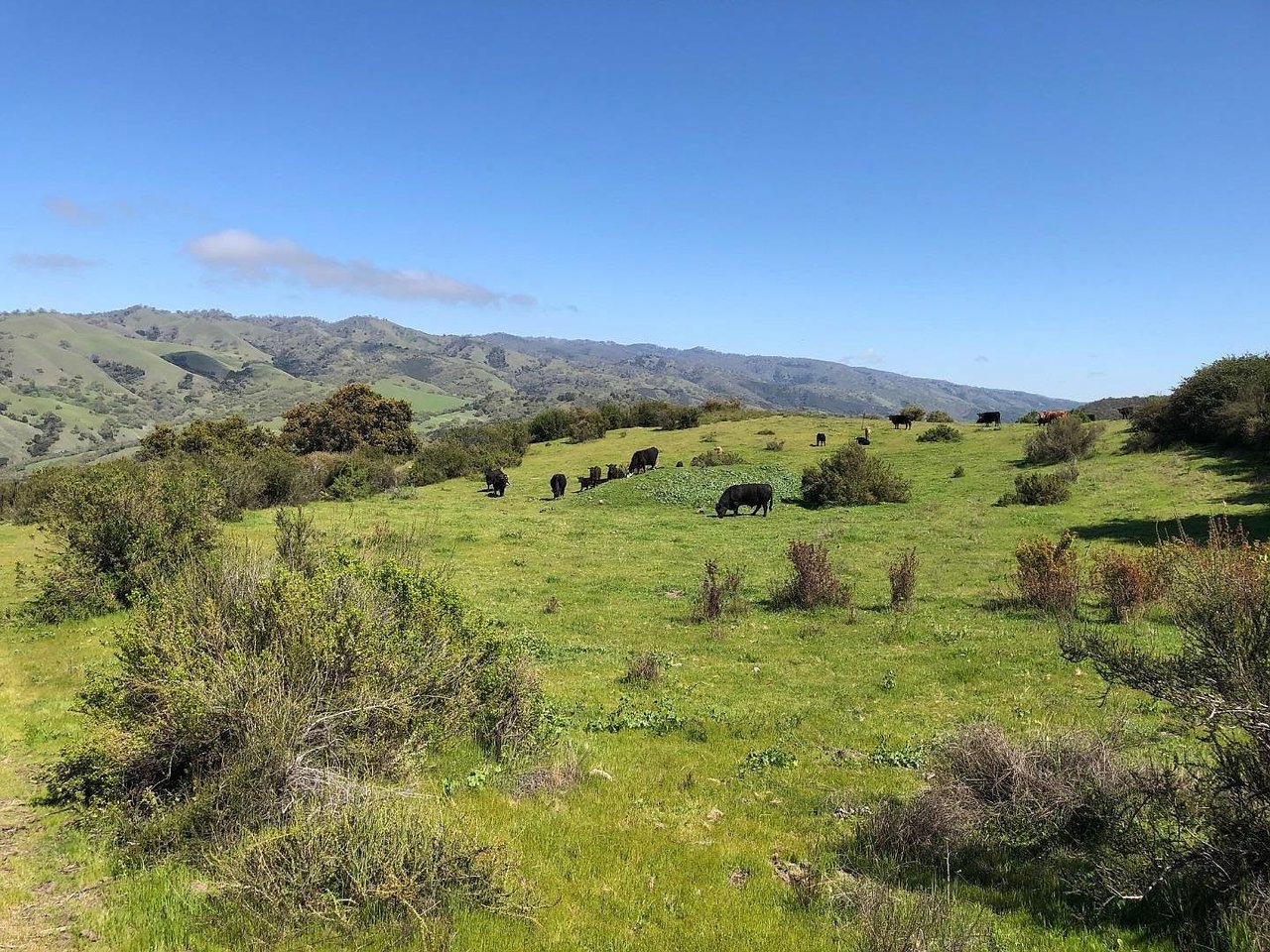
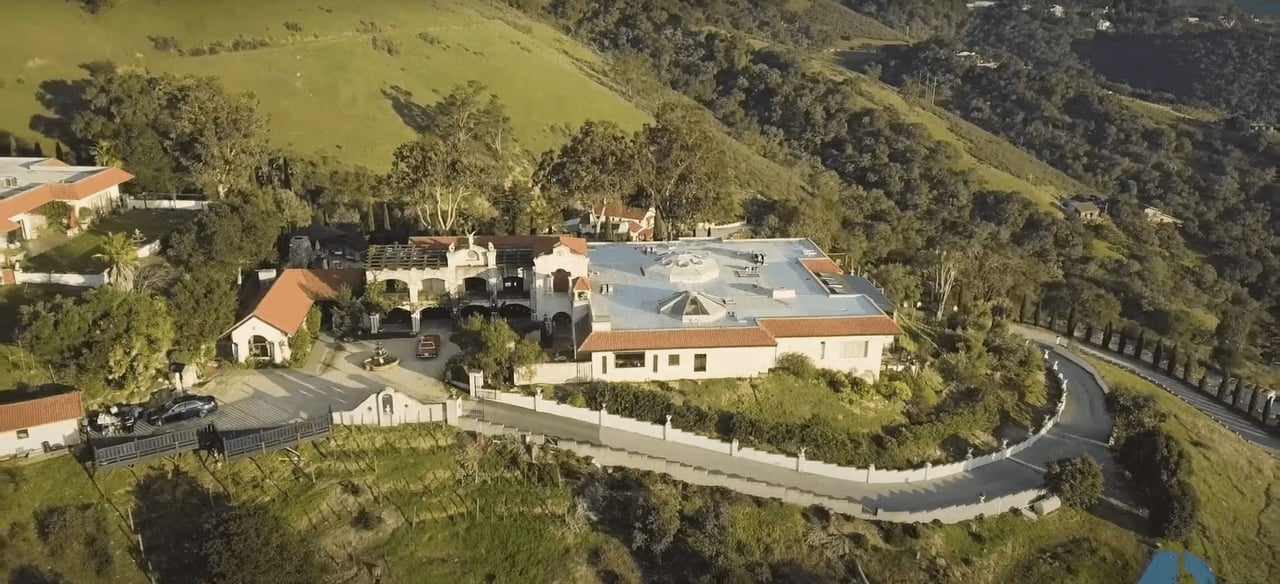
Then you cross into Corral de Tierra proper, where lot sizes swell to three or four acres and sometimes past a hundred, and the water picture fractures. Some homes sit on Corral de Tierra Villas HOA water. Some draw from small mutual water companies like Mesa del Toro, where one recent land listing disclosed a monthly fee of $85 plus tiered usage charges. Others rely on private wells, sometimes shared under multi-party agreements, like the 20-plus acre parcel currently marketed with a four-party well and road agreement already in place, or the buyer's option to drill their own. Median prices here have been reported anywhere from $1,264,500 to $1,499,000 across different pulls of the same rolling twelve months, and homes are taking 63 to 64 days to close on average, nearly double Toro Park's pace. The overall price range for the neighborhood spans from around $660,000 to $10.5 million, a spread wide enough that the word "median" barely means anything without knowing which water system the home in question sits on.
That inconsistency in published medians is not a data error. It is what happens when a single neighborhood label covers HOA-metered condos, mutual-water ranch homes, and private-well estates on shared agreements, all sold in small enough numbers that one or two transactions can swing the average by six figures.
What the Well Actually Costs You
A well that produces 250 gallons per minute, as one Corral de Tierra equestrian listing advertised, is a selling point precisely because low-producing wells are common enough to worry about. A shared well and road agreement, like the one attached to that 20-acre parcel, means your water security depends on a document, not just a pump. And Monterey County's septic rules, formally reorganized under the Local Agency Management Program approved in 2018, can substantially raise the cost of repairing or replacing an onsite wastewater system compared to the pre-2018 standard, according to the county's own supplemental buyer disclosure.
There is also a regulatory shift working through the county right now that bears directly on any Corral de Tierra or San Benancio buyer relying on a private well. Monterey County's Board of Supervisors introduced an ordinance amending Chapter 15.06 of the county code on August 18, 2026, with a second reading that was scheduled for September 1. The ordinance authorizes point-of-use and point-of-entry treatment devices as a compliance pathway for private wells and small water systems that exceed primary drinking water standards for contaminants including nitrate, arsenic, fluoride, cadmium, hexavalent chromium, and 1,2,3-Trichloropropane. If adopted, that framework would be the operative rule for any vacant lot or accessory dwelling unit in the unincorporated county relying on a well or small system that would otherwise fail those standards. You can read the ordinance language directly on the county's Point-of-Use/Point-of-Entry Ordinance page.
None of this means a well-served property is a bad purchase. It means the due diligence period on a Corral de Tierra estate looks different than the due diligence period on a Toro Park condo. A buyer needs the well's flow test, its most recent water quality results, and, if it is shared, the actual agreement governing who maintains it and who pays when it needs work. Those documents, not the listing photos, are what a lender and an appraiser will eventually want to see too.
The Neighborhood That Inspired "Pastures of Heaven" Still Runs on Well Water
It is worth remembering that Corral de Tierra is not an anonymous exurb. John Steinbeck set his novel "The Pastures of Heaven" in this valley, and the name has stuck to everything from a local coffee shop, Castle Rock Coffee & Mercantile, to the way longtime residents still describe the canyon's light. Toro Place Café and Corral Market & Deli round out the small commercial cluster near the "Four Corners," and the Corral de Tierra Country Club's 18-hole course anchors the community's social life the way it has since the 1950s. Toro Park, a few minutes north, has its own gravitational center in Toro Regional Park, whose roughly 4,756 acres border the neighborhood and connect to Bureau of Land Management trails favored by hikers, mountain bikers, and horseback riders alike.
None of that changes the plumbing. A buyer drawn to the corridor for its literary pedigree, its golf course, or its riding trails is still going to sign closing documents that specify where the water comes from and where the waste goes. The charm of the place and the mechanics of owning property in it are two separate transactions, and the second one is the one that determines how long your escrow takes.
Three Questions to Ask Before You Write an Offer in This Corridor
Is the water source public, mutual, or a private well, and if it's a well, is it exclusive or shared? A single-owner well is a simpler asset to evaluate than one governed by a multi-party agreement, which needs its own legal review alongside the standard inspection contingencies.
When was the septic system last permitted, and under which county standard? Systems permitted before the 2018 LAMP reorganization may face different repair and replacement costs than newer ones, and that gap is worth pricing into your offer.
If the property relies on a small water system, has it been tested against current primary drinking water standards? If adopted, the county's POU/POE ordinance would give a non-compliant system a defined path to compliance, but that path would involve equipment, permitting, and in some cases annual renewal, all of which are negotiable line items rather than assumptions.
None of these questions will show up on a portal listing sheet. They show up in the well report, the septic permit history, and the water system's compliance record, which is exactly the kind of documentation a transaction built around a ranch, a large lot, or a legacy estate tends to require.
If you are weighing a property along the Highway 68 corridor against something on the coast, or trying to make sense of why two homes a mile apart sold at wildly different paces, the Carmel Luxury Group can walk the well report and septic history with you before you ever write an offer. Start a confidential consultation and get the paperwork read the way a longtime Peninsula buyer would want it read, line by line.
This article is general information, not legal, tax or financial advice. Consult a qualified professional about your situation.