Carmel Luxury Group

At Coldwell Banker Realty Nancy Nino - Team Leader | CA DRE# 02168301 William Smith - Founding Broker | CA DRE# 01064866
Carmel Luxury Group

The Carmel Luxury Group, at Coldwell Banker Realty

William Smith as Founding Broker, Nancy Nino as Team Leader, and their Sales, Marketing, & Admin Team comprise the award-winning Carmel Luxury Group, a team with decades of real estate and escrow experience, proven pricing strategies, and robust negotiation skills. With the help of their supportive administrative staff, they utilize the cutting-edge marketing tools of Coldwell Banker Global Luxury® and serve their clientele with the philosophy that “Luxury is Beyond Price – It is a Level of Service".
 

Spotlight on Our Press Releases

Where Exceptional Real Estate Meets Distinguished Recognition Discover the stories, achievements, and noteworthy properties that define The Carmel Luxury Group’s presence in the world of luxury real estate. Our press releases highlight exceptional estates, significant market developments, industry insights, and the recognition our team has earned through its unwavering commitment to excellence. Rooted in the extraordinary beauty and prestige of California’s Monterey Peninsula, The Carmel Luxury Group brings a distinctive perspective to luxury living, architectural significance, and the art of representing remarkable properties. Explore our latest news and media features, where local expertise, global sophistication, and a passion for extraordinary real estate come together.

title

Equestrian Properties

Read More

October 25, 2026

Pacific Grove's Coastal Equestrian Properties Explained

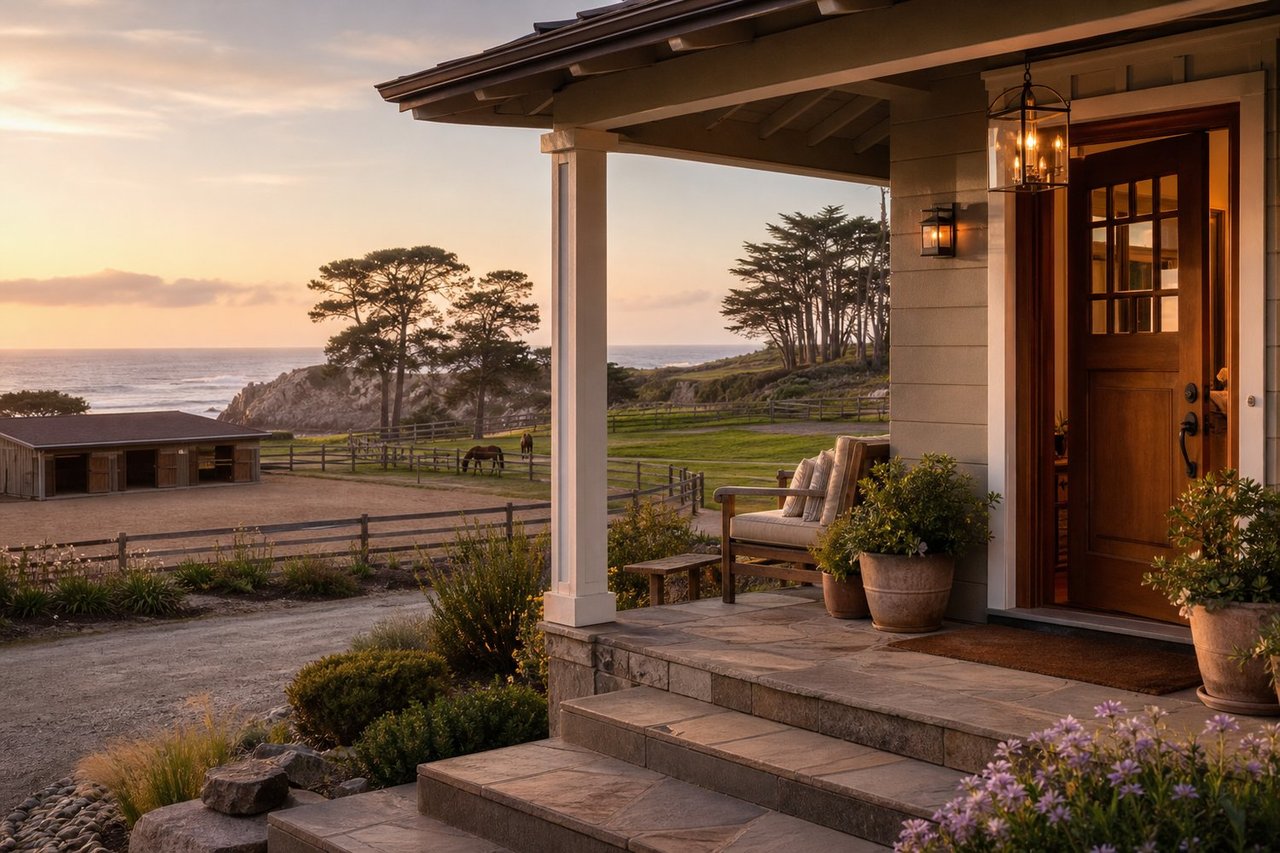
Is Pacific Grove's Coastal Equestrian lifestyle realistic? Yes, but usually as a coastal home paired with horse facilities elsewhere, not a barn and pasture behind the house. Pacific Grove's Coastal Equestrian lifestyle works best when you treat the ocean setting and the horse setting as two locations you connect, because the city is a compact, built-out community on the Monterey Peninsula, not a large-lot ranch market. William walks buyers through this trade-off early, before a listing photo of an ocean view gets mistaken for a property that can legally house horses. Key Takeaways Pacific Grove is a compact, built-out coastal city, so a buyer who wants horses, barns, paddocks, or an arena on site should treat that as the exception and verify every detail. The practical model for many coastal buyers is a home near the ocean plus a boarding stable or riding facility elsewhere on the Peninsula or in the Salinas area. Zoning, permitted animal uses, lot size, setbacks, and whether existing structures were legally permitted control what a parcel can do, and the property's actual jurisdiction decides which rules apply. Salt air, wind, fog, and moisture make corrosion-resistant fencing, drainage, ventilation, and secure feed storage condition issues that deserve a close look. Horse amenities should not be assigned a price premium or discount without property-specific comparable sales, which is what a local market analysis provides. Can you keep horses on a property in Pacific Grove? Only if that specific parcel's zoning and the city's animal regulations allow it, and in a compact, built-out city you should not assume they do. The City of Pacific Grove and its Community Development Department hold the controlling zoning and land-use rules, so that is where a buyer's verification starts. Check the jurisdiction first A search for "Pacific Grove equestrian properties" often surfaces listings in nearby Monterey, Pebble Beach, Carmel, Carmel Valley, or unincorporated Monterey County. The property's actual jurisdiction controls zoning, animal regulations, permits, setbacks, and allowable accessory structures. A mailing address alone does not tell you which rulebook applies. Run a feasibility check before you write an offer For any parcel where horses are part of the plan, confirm the following in writing: Zoning designation and which animal uses are allowed Minimum lot area and required setbacks Barn, stable, paddock, arena, and manure-storage permissions Driveway width and emergency access Water supply, drainage, and utility capacity Coastal or environmental constraints Whether the existing improvements were legally permitted That last item matters more than most buyers expect. An older barn or fenced paddock that was built without permits can become your problem the day you close. This is exactly the kind of question William works through with clients before they commit, because the answer shapes both the offer and the plan for the property afterward. How does coastal exposure affect a horse property? It raises the importance of materials and drainage. Salt air, wind, fog, and moisture wear on fencing, roofing, siding, and hardware faster than inland conditions do, and limited flat land can make drainage and turnout space harder to solve. These are property-condition issues to inspect, not a citywide cost figure. What to inspect on a coastal horse property near Monterey Corrosion-resistant fencing and hardware, since salt air attacks bare metal Roofing and siding condition, especially on barns and outbuildings Drainage and footing, because fog and moisture keep ground wet Ventilation in stalls and tack or feed rooms Secure, dry feed storage Water supply and utility capacity for the number of animals planned For owners planning to sell a horse property, William's view is that preparation creates the result. Repairing fencing, correcting drainage, and documenting permits before the property goes to market is far better than spending months explaining to buyers why it is not selling. What the coastal side of the lifestyle offers The appeal of Pacific Grove is real. It borders Monterey Bay, sits next to Monterey and Pebble Beach, and offers shoreline walks, marine wildlife viewing, and the historic Point Pinos Lighthouse area. If the ocean is the priority, William's post on coastal versus inland living in Pacific Grove and the guide to outdoor activities in Pacific Grove show what daily life looks like. Where should you look if you want horses and the coast? Most buyers choose between two models: keep a coastal home and board horses regionally, or buy acreage in a rural part of Monterey County and accept less ocean proximity. Pacific Grove's Coastal Equestrian appeal usually lands on the first model, because larger parcels and established horse facilities are more likely to be found outside the city. Consideration Coastal home plus regional boarding Acreage with on-site horse facilities Coastal access Daily, close to shoreline and trails Usually less direct, depending on location Land and permits No barn or arena to permit on a small parcel Zoning, setbacks, and permitted structures must be verified Daily horse care Handled at the boarding facility Handled on the property, with more owner responsibility Travel to horses A drive to the stable that should be tested in person Horses are steps from the house Maintenance burden Primarily the house House, fencing, barn, drainage, and footing The boarding model Horseback-riding providers operate elsewhere on the Monterey Peninsula and in the Salinas-area region, not within Pacific Grove itself. One regional provider listed by the Monterey Peninsula Chamber of Commerce is Monterey Bay Equestrian Center on Pesante Road in Salinas. This model keeps your coastal address and avoids the land, permitting, and upkeep demands of horses on a small urban parcel. Do not trust map distance alone. Drive the real route between the home, stable, veterinary services, feed suppliers, and preferred riding areas at the times you would actually haul a trailer. Narrow roads, seasonal congestion, and trailer maneuverability change the picture. The acreage model If horses on your own land are the priority, widen the search to rural Monterey County. William's related posts on equestrian properties in Prunedale and communities along the Salinas-Monterey Highway show how different those markets are. A property's coastal feel does not guarantee it can host horses, and a large parcel does not guarantee ocean access. Weigh coastal proximity against acreage, riding infrastructure, transport time, and local land-use permissions. A note on pricing: no verified equestrian-specific comparable set exists for Pacific Grove itself, so assigning a premium or discount to horse amenities without property-specific comparable sales would be guesswork. William's ranch and equestrian background (he is himself an equestrian) means a valuation looks at the actual improvements, permits, and condition, then compares them against the right sales. The bottom line on Pacific Grove's Coastal Equestrian question is that the coast and the horses may live in two places, and the right choice depends on how you ride and what you want to maintain. To test a specific property or compare models, schedule a consultation for a Home Valuation with William, or send over the address you are considering. You can read what clients say about working with William on Google, Zillow, and Realtor.com. FAQ Can you legally keep horses on a residential property in Pacific Grove? It depends entirely on the parcel's zoning and the city's animal regulations, and you should not assume it is allowed. Confirm the zoning designation, allowed animal uses, lot area, and setbacks with the City of Pacific Grove's Community Development Department before making an offer. Where are the closest horse boarding stables to Pacific Grove? Riding and horse facilities are found elsewhere on the Monterey Peninsula and in the Salinas-area region, not within Pacific Grove. One regional provider is Monterey Bay Equestrian Center, listed in the Monterey Peninsula Chamber of Commerce directory. Contact any facility directly to confirm services, availability, and terms, and test the drive yourself. Can I ride horses on beaches or trails near Pacific Grove? Do not assume so, and confirm with the managing agency first. The Monterey Bay Coastal Recreation Trail through Pacific Grove is described as a separated multiuse route for walking and cycling, and Monterey County Parks is a starting point for questions about permitted uses. Is Pacific Grove suitable for an equestrian lifestyle, or should I look outside the city? Pacific Grove suits a coastal home with horses kept elsewhere, while buyers who want horses on their own land should look outside the city. The compact urban form limits space for barns, paddocks, and arenas, and larger parcels are more likely in rural parts of Monterey County, such as those covered by Monterey County's park and open-space system context. What should I inspect before buying a coastal horse property near Monterey? Start with whether the existing barns, fencing, and paddocks were legally permitted, then check water, drainage, driveway and emergency access, and utility capacity. Coastal conditions add inspection items such as corrosion on fencing and hardware, roofing and siding wear, ventilation, and dry feed storage. About William Smith Licensed as a Real Estate Broker since 1990, William brings more than 36 years of real estate experience and more than 1,700 completed transactions to his work with buyers and sellers. His practice spans entry-level through ultra-luxury property, including coastal homes, ranches, horse properties, vineyards, and historic homes, with particular depth in pre-sale improvements, strategic pricing, probate and trust sales, and remotely managed estate sales. He is himself an equestrian and has helped assemble specialist teams for ranch, vineyard, and major pre-sale improvement projects. Carmel Luxury Group at Coldwell Banker Realty · (831) 626-2400 Equal Housing Opportunity. William Smith, Founding Broker, Carmel Luxury Group at Coldwell Banker Realty, CA-DRE #01064866. Affiliated real estate agents are independent contractor sales associates, not employees. This article is general information, not legal, tax, or financial advice; confirm your own numbers and property details with your title company, tax advisor, lender, and the City of Pacific Grove.

By William Smith

title

Ranch and Equestrian Properties

Read More

October 24, 2026

Equestrian Properties in Monterey County Buyer Checklist

What makes equestrian properties in Monterey County different from other homes? Equestrian properties in Monterey County are judged on land use, permitted improvements, water, and daily-care facilities, not just on the house. A listing that mentions a barn or arena tells you what exists, not whether it is permitted, usable, or allowed to serve the way you intend to use it. The strongest properties pair verified permits and workable ground with a layout that supports daily horse care. Key Takeaways A barn, arena, or paddock in a listing does not prove zoning compliance, permit status, water supply, or drainage adequacy; each needs to be confirmed with Monterey County Planning, Building Services, and the applicable water or private-well authority. Stabling and turnout are separate needs, so evaluate stalls, paddocks, pastures, round pens, wash racks, hay storage, tack rooms, and arenas as a working system rather than as a feature list. Monterey County's Long Trail is an 11-mile equestrian ride that requires a permit, a trail-etiquette video, and a signed waiver each time, so nearby open space is not automatically a riding amenity. Commercial boarding, lessons, clinics, and training are separate questions from keeping your own horses, and they must be confirmed for the specific parcel before you count on that income. Sellers who document permits and prepare the facilities before listing spend less time explaining questions to buyers later. What should you verify before buying equestrian properties in Monterey County? Verify four things before you fall for the setting: permitted use, permit history for every improvement, water, and drainage. Equestrian properties in Monterey County range from a few paddocks behind a home to full facilities with multiple barns, and the diligence is the same for both. William walks clients through this sequence early, because the answers change what a property is worth to you. Does the zoning allow horses, and how many? Zoning determines whether you can keep horses on a parcel at all, and the answer is specific to the parcel, not to the town name in the listing. A Carmel or Carmel Valley address does not guarantee that the intended use is allowed. Confirm the allowed use directly with Monterey County Planning before you write an offer, and make that confirmation part of your contingency period. Are the barn, arena, and paddocks permitted? Existing improvements are not automatically legal improvements. Barns, arenas, paddocks, grading, and drainage work may each require permits in Monterey County, and the listing descriptions alone do not establish permit status. Ask for permit records, then compare them with what you see on the ground. An older barn or an arena that was graded without review can become your problem the day you close. How do you evaluate water, irrigation, and manure management? Water is the quiet constraint on horse property. Horses need a dependable supply for drinking, wash racks, and irrigated pasture, and a property's water arrangement can be a public system, a private well, or a shared arrangement. Water rights, well capacity, and drainage adequacy are not established by a listing description. They need confirmation with the applicable water or private-well authority. Manure handling and runoff belong in the same conversation. Look at where water moves across paddocks and arenas in wet conditions, where manure is stored, and how close those areas sit to drainage paths. Poor drainage can turn a good arena into a maintenance burden quickly. Can you board, teach, or train horses at the property? Not automatically. Commercial boarding, lessons, clinics, and training are different from keeping your own horses, and the right to do them depends on the parcel and the County's rules. If a business use is part of why you are buying, make that confirmation a condition of your decision, not an assumption. William can help you frame the right questions for Monterey County Planning before you commit. How do you tell a working horse facility from a property with a barn? A working horse facility supports daily care, safe turnout, feed storage, and riding from one layout, while a property that merely has a barn may lack one or more of those. Use the categories below to test any property you tour. Advertised feature What to confirm on site Barn with stalls Ventilation, flooring, door and stall condition, electrical safety, and whether the structure is permitted Tack room and hay storage Dry, secure space, access for deliveries, and distance from living areas Arena Footing condition, drainage, fencing, and permit history Paddocks and pasture Fencing integrity, shade, water access, and how the ground drains Wash rack and grooming area Water supply, drainage away from the barn, and usable layout Round pen Placement, footing, and whether it fits the property's permitted improvements What should you inspect in a horse barn? Start with the structure and the systems that keep animals safe: roof and framing, electrical, lighting, water lines, ventilation, and flooring. Then look at how the barn works in practice. Can you move a horse from stall to wash rack to turnout without crossing a hazard? Is feed storage separate from the stalls? Equestrian properties in Monterey County often carry older outbuildings, so ask an inspector with agricultural or barn experience to look alongside your standard home inspection. How much usable pasture do you need? There is no single acreage that works for every owner. Usable pasture depends on the number of horses, the quality and slope of the ground, how the land is managed, and how much you rely on hay instead of grazing. Acreage on a listing sheet includes land that may be steep, wooded, or otherwise unusable for turnout. Walk the ground and ask what portion is genuinely flat, fenced, and watered. What do local property descriptions actually tell you? Current Carmel-area descriptions use a consistent vocabulary: stalls, paddocks, pastures, round pens, wash racks, hay storage, tack rooms, and arenas, as shown in this Carmel property listing. That list is a useful checklist for evaluating whether a property supports daily care. Another Carmel Valley listing on HorseProperties.net describes a four-stall barn, a tack room, and a professional-grade arena. Those are features of those listings, not a countywide standard, and each should be verified through permits, inspection, and a site visit. Does trail access come with equestrian properties in Monterey County? Not automatically. Proximity to open space is not the same as a right to ride on it, so confirm trail access rules before you treat any nearby land as an amenity. The County of Monterey's Long Trail is an 11-mile permitted equestrian ride. Equestrians need a permit, must view a trail-etiquette video, and must sign a waiver each time. The trail is restricted to permitted equestrians rather than general hikers. The County also states that there is no separate permit fee for the Long Trail, though day-use and horse fees may apply when entering North Shore or Lake San Antonio, per the same County page. Carmel Valley also has established equestrian infrastructure. Stonepine Estate's equestrian center describes two barns serving dressage, show jumping, western pleasure, and racing, with grooming areas, wash racks, tack rooms, arenas, and access to trails. It is a useful reference for the kind of facility depth some owners want, and for the kind of boarding and training resources that may sit within reach of a property that does not have its own full facility. If you are comparing areas for horse property, William's overview of equestrian properties in Prunedale and his look at communities along the Salinas-Monterey Highway add useful context on how land and lifestyle trade off across the county. What should sellers do before listing a horse property? Sellers should document permits, repair the working parts of the facility, and present the land as a functioning system before the property goes to market. William's view is that the sale of a ranch begins well before the listing date, and equestrian property shows why. A buyer who sees clean fencing, sound stalls, tidy drainage, and a clear permit record asks fewer defensive questions than one who finds gaps on the first tour. For sellers, that preparation usually means gathering records for every barn, arena, and grading project, addressing visible wear, and being ready to explain water and drainage plainly. For estate and trust owners managing from out of the area, William coordinates the specialists who handle that work remotely. If you are weighing timing, his piece on Monterey Peninsula seasonality and listing speed is a useful companion. Buyers and sellers alike are better served by a local read of current conditions than by a generic number on a page. The Monterey Peninsula's equestrian segment is smaller and more specialized than the general housing market, and it moves on property-specific factors rather than headline trends. Your own property or search depends on land, improvements, and permits, which is where a conversation with William and the team starts. You can read what clients say about William on Google, Zillow, and Realtor.com. FAQ What zoning allows me to keep horses on a Carmel or Carmel Valley property? Zoning is set parcel by parcel, so no town-level answer applies to every property. Confirm the allowed use and any limits on animal numbers directly with Monterey County Planning for the specific parcel before you make an offer. William can help you build that confirmation into your purchase timeline. How much usable pasture do I need for the number of horses I own? There is no single figure, because usable pasture depends on slope, soil, water, fencing, and how you manage feed. Walk the property and separate flat, fenced, watered turnout from acreage that cannot be used for horses. Your veterinarian or an equine professional can help you judge a specific parcel. Do I need permits for a barn, arena, paddocks, grading, or drainage improvements in Monterey County? Often yes, and you should check with Monterey County Building Services and Planning before building or buying on the assumption that existing work is legal. Listing descriptions do not establish permit status, so ask for permit records and compare them with what is on the ground. Can I run boarding, lessons, clinics, or training at a residential equestrian property? Only if the parcel and the County's rules allow it, and that must be confirmed rather than assumed. Commercial activity is a separate question from keeping your own horses. Raise it with Monterey County Planning before you count on any business use in your purchase decision. Which Carmel Valley properties have direct access to riding trails? Access is property-specific, so ask for the exact rights and rules tied to the parcel you are considering. Nearby open space is not the same as a right to ride. For example, the County's Long Trail requires a permit, a trail-etiquette video, and a signed waiver each time. William can help you confirm what a specific property offers. Where to go from here The best equestrian properties in Monterey County pair verified permits, dependable water, and a layout that works every day, and finding one takes local knowledge and patience. If you are buying, selling, or preparing a ranch or horse property, schedule a consultation for a Home Valuation with William and the Carmel Luxury Group, and ask about any property you are considering. About William Smith William Smith is a California-licensed real estate broker and Founding Broker of the Carmel Luxury Group at Coldwell Banker Realty, with Nancy Nino as Team Leader, serving Carmel, Carmel-by-the-Sea, Carmel Valley, Monterey, Pacific Grove, Pebble Beach, Big Sur, Seaside, Marina, Salinas, and surrounding Monterey County communities. Licensed since 1990, William brings more than 36 years of experience and more than 1,700 completed transactions, including ranch, horse, vineyard, coastal, and historic properties, and he is himself an equestrian. He is known for patient guidance, careful communication, and practical problem-solving through complex pre-sale improvements, probate and trust sales, and remotely managed estate sales. Carmel Luxury Group at Coldwell Banker Realty · (831) 626-2400 Equal Housing Opportunity. William Smith, Founding Broker, Carmel Luxury Group at Coldwell Banker Realty, CA-DRE #01064866. Affiliated real estate agents are independent contractor sales associates, not employees. This article is general information, not legal, tax, or financial advice; confirm your own details with Monterey County, your title company, tax advisor, or lender.

By William Smith

title

Selling

Read More

October 24, 2026

Evaluating Offers on Monterey Luxury Homes

When selling a luxury home in Monterey, is the highest offer always the best? Not necessarily. The purchase price is one data point among many. Contingency terms, financing structure, verified buyer funds, and closing timeline all affect whether an offer actually closes, and at what cost to you. In Monterey's luxury segment, where a single transaction can represent years of equity, evaluating offers on execution risk is just as important as evaluating them on price. Key Takeaways In August 2026, the median days on market in Monterey city was 34 days with 2.3 months of inventory, according to MLSListings, a competitive but not frenzied environment where offer terms carry real weight. A cash offer is not automatically non-contingent: a cash buyer can still request inspection, title, or property-condition contingencies, while a financed buyer can remove or shorten contingencies with strong documentation. The California Association of REALTORS® advises that sellers verify sufficient funds before accepting any offer represented as all-cash or without a loan contingency. A buyer's home-sale contingency ties your closing to a separate transaction you don't control, that dependency deserves its own risk assessment, regardless of the headline price. Comparing offers side by side on a structured basis, price, deposit, financing type, contingency terms, and proposed closing date, is the only reliable way to rank execution risk across multiple offers. What factors beyond price determine offer strength on a Monterey luxury property? William tells every seller who asks this question the same thing: price is what a buyer is willing to pay, but terms are what determines whether you actually get there. A $50,000 premium means nothing if the deal collapses during the inspection period or stalls because a buyer's financing falls through. According to the California Department of Real Estate, a standard residential offer addresses far more than price. It covers deposit timing, loan-application and verification-of-funds deadlines, inspection and investigation periods, and contingencies including the buyer's potential sale of another property. Each of those terms introduces a different kind of execution risk. For a luxury seller in Monterey, where the August 2026 MLSListings report showed a median sale price of $1,271,250 and 34 days on market citywide, the stakes of a failed transaction are significant. Going back to market after a deal collapses costs time, momentum, and often price. The financing structure How a buyer plans to pay for the property is the first thing William examines. A cash offer, a conventional loan, and a jumbo loan each carry different levels of lender involvement, appraisal exposure, and timeline certainty. Cash is not automatically the cleanest path. A cash buyer can still request inspection, title, or property-condition contingencies, the word "cash" describes the payment method, not the absence of conditions. What matters is what the written contract actually says. A financed buyer, on the other hand, can strengthen an offer through a substantial verified down payment, a short contingency period, a credible lender preapproval, and an appraisal-gap commitment. A well-documented financed offer from a qualified buyer can be more reliable than a loosely documented cash offer. The California Association of REALTORS® specifically emphasizes that when an offer is represented as all-cash or without a loan contingency, the seller should verify that the buyer has sufficient funds to close. Contingency terms and duration Not all contingencies are equal, and their duration matters as much as their existence. The California DRE's residential-contract guidance identifies 17 days as the general inspection and investigation period in the standard framework it describes, though the actual offer and contract control. A buyer requesting 30 days for inspections is asking for significantly more exposure than one requesting 10. William walks sellers through each contingency individually: what it covers, how long it runs, and what the removal mechanics look like. A contingency that removes passively (automatically at deadline unless the buyer objects) is structurally different from one that requires active written removal. Those mechanics affect how cleanly you can move forward if a buyer goes quiet. For a deeper look at how Monterey Peninsula market conditions affect offer dynamics and timing, William's analysis of Monterey Peninsula market seasonality and listing speed provides useful context. The buyer's home-sale contingency A contingency tied to the buyer's sale of another property deserves special attention. The California DRE identifies this as a distinct contract consideration, and for good reason. An offer with an attractive price but a home-sale contingency ties your closing to a transaction you don't control, in a market you may not know, with a buyer you've never met. If that outside sale falls apart, your deal falls with it. That doesn't mean a home-sale contingency is automatically disqualifying. If the buyer's property is already in escrow with a short timeline, the risk is meaningfully lower than if it hasn't yet listed. The key is understanding exactly where the buyer's other transaction stands, and getting that in writing, not just as a verbal assurance. How should a Monterey luxury seller compare multiple offers side by side? William's approach is to build a structured comparison before making any recommendation. When every offer is laid out on the same framework, the tradeoffs become visible in a way that a headline-price comparison never reveals. Here is the comparison framework William uses with luxury sellers reviewing multiple offers: Offer Element What to Evaluate Purchase price Gross offer; consider net after any requested credits or repairs Initial deposit amount and timing Size relative to purchase price; when it is due and when it becomes non-refundable Financing type Cash, conventional, jumbo, or other; lender reputation and preapproval quality Proof of liquid funds Documentation showing funds are available, accessible, and sufficient for deposit and closing Loan contingency Present or waived; duration; removal mechanics (active vs. passive) Appraisal terms Appraisal contingency present; any appraisal-gap commitment Inspection and investigation period Duration; scope; removal mechanics Buyer's home-sale contingency Present or absent; if present, status of buyer's other property Requested credits or repairs Any pre-acceptance conditions that reduce net proceeds Proposed closing date Match to seller's timeline; whether timeline is realistic given financing structure Every one of these elements affects execution risk. A buyer who scores well across all of them at a slightly lower price may be a stronger choice than a buyer who leads on price but trails on everything else. Verifying buyer credibility before you accept For luxury properties, buyer credibility is evidence-based, not assumption-based. Useful documentation includes a current preapproval from a reputable lender, proof of liquid funds showing the source and accessibility of assets, confirmation that funds cover the required deposit and all closing obligations, and, where a home-sale contingency is involved, evidence that the buyer's other property has already sold or is in escrow. For all-cash or non-loan-contingent offers, the California Association of REALTORS® is explicit: verify that the buyer has sufficient funds for the entire purchase price. A buyer who declines to provide that documentation in a luxury transaction is a buyer worth scrutinizing before you take your property off the market. It's also worth noting that the Monterey County Recorder maintains recorded real-property documents and provides record-search access, a resource a seller's representative can use to verify ownership-related information as part of due diligence, though it is not a substitute for reviewing the buyer's financial documentation directly. Closing timeline: faster isn't always better A compressed closing can be genuinely valuable if you have a purchase, relocation, or carrying-cost deadline. It can also be a liability if the buyer's shortened timeline leaves financing, inspection, or title issues unresolved. The written contract and escrow schedule, not a buyer's informal promise, establish the operative dates. A buyer who offers a 21-day close with a full loan contingency and no verified preapproval is not offering you a fast close; they're offering you uncertainty with an optimistic label on it. William also notes that preparation before going to market affects the offers you receive. A property that is thoroughly prepared, accurately priced, and well-presented tends to attract more credible buyers, which means more leverage when it comes time to compare terms. The work done before the first showing shapes the quality of the offers that follow. For context on what drives value in the broader Monterey Peninsula luxury market, see William's post on interpreting Monterey Peninsula market trends. If you're weighing multiple offers on a Monterey luxury property, the only way to know which one is actually strongest is to run the full comparison, and that's exactly the kind of analysis William does with every seller before a decision is made. Schedule a consultation to walk through your specific situation. Clients who want to read firsthand accounts of William's work with sellers can find more than 50 five-star reviews on his profiles at Google, Zillow, and Realtor.com. Frequently Asked Questions Is a lower cash offer better than a higher financed offer for a luxury home in Monterey? It depends on the full terms of each offer, not just the payment method. A cash offer eliminates lender-related delays and appraisal risk, but a cash buyer can still include inspection, title, or property-condition contingencies, so "cash" doesn't automatically mean "clean." A financed buyer with a strong preapproval, substantial verified down payment, and short contingency period may present less execution risk than a cash buyer with minimal documentation and broad contingency terms. William compares both structures in full before making a recommendation. How can a Monterey seller verify that a cash buyer really has the funds to close? Request documentation showing the source and accessibility of funds, bank or investment account statements that confirm liquid assets sufficient to cover the full purchase price, deposit, and closing costs. The California Association of REALTORS® specifically advises sellers to verify sufficient funds before accepting an all-cash or non-loan-contingent offer. A buyer who declines to provide that documentation in a luxury transaction is a meaningful red flag. Which contingencies should I compare when reviewing multiple offers? Compare the loan contingency (present or waived, duration, removal mechanics), the appraisal contingency (present or waived, any appraisal-gap commitment), the inspection and investigation period (duration and scope), and any contingency tied to the buyer's sale of another property. The California DRE identifies all of these as standard residential contract considerations. For each one, note not just whether it exists but how long it runs and what triggers removal. What does a buyer's home-sale contingency mean for a Monterey home seller? It means your closing depends on a separate transaction you don't control. If the buyer's other property fails to sell or falls out of escrow, your deal is at risk regardless of the agreed purchase price. The risk level varies significantly based on where that other transaction stands, a buyer whose property is already in escrow with a short timeline is meaningfully different from one whose property hasn't listed yet. Always ask for written evidence of the other transaction's status before accepting an offer with this contingency. How should I compare a quick closing with a higher purchase price? Test the closing timeline against your actual priorities first. A faster close has real value if you have a purchase deadline, relocation timeline, or carrying-cost pressure, but only if the buyer's financing and contingency structure can actually support it. A compressed timeline with an unverified preapproval and a full loan contingency is not a fast close; it's a risky one. The written contract and escrow schedule establish the operative dates, not a buyer's informal promise. William helps sellers weigh these tradeoffs against their specific situation before deciding. When you're ready to review offers or want to understand how your property would be positioned in today's market, schedule a consultation with William for a full market analysis and offer-comparison strategy. You can also review William's transaction history and client feedback on Zillow. About William Smith William Smith is a California-licensed real estate broker and Founding Broker of the Carmel Luxury Group at Coldwell Banker Realty, serving Carmel, Carmel-by-the-Sea, Carmel Valley, Monterey, Pacific Grove, Pebble Beach, Big Sur, Seaside, Marina, Salinas, and surrounding Monterey County communities. Licensed since 1990, William brings more than 36 years of experience and more than 1,700 completed transactions to his work with buyers and sellers, with approximately 70% of his practice representing sellers. His experience spans entry-level through ultra-luxury residential, coastal, historic, investment, ranch, equestrian, vineyard, and estate properties, with particular depth in complex assignments including strategic pricing, multiple-offer situations, probate and trust sales, and remotely managed estate transactions. The Carmel Luxury Group is an award-winning Coldwell Banker Realty team utilizing Coldwell Banker Global Luxury marketing resources, and William's Zillow profile carries more than 50 five-star reviews documenting extensive activity across Monterey County. Carmel Luxury Group and Coldwell Banker Realty · (831) 626-2400 https://carmelluxurygroup.com/ Equal Housing Opportunity. William Smith, Founding Broker, Carmel Luxury Group at Coldwell Banker Realty, licensed by the California Department of Real Estate (CA-DRE #01064866). This article is general information only and does not constitute legal, tax, or financial advice. Confirm your specific costs, tax obligations, and transaction terms with your title company, tax advisor, or lender.

By William Smith

title

Selling a Home

Read More

October 24, 2026

Luxury Home Staging in Carmel That Attracts Serious Buyers

Does luxury home staging actually make a difference in Carmel? Yes, and the evidence is specific. According to the National Association of REALTORS® 2025 Profile of Home Staging, 83% of buyers' agents reported that staging made it easier for buyers to visualize a property as their future home. In a market like Carmel, where a Carmel-by-the-Sea property may sit 51 days on market and a Carmel Valley home 53 days, how your home presents from day one shapes both buyer perception and final outcome. Key Takeaways Recent local market data shows median days on market ranging from 30 days in Carmel to 55 days in Seaside, a well-staged home that commands attention at launch has a measurable timing advantage. 83% of buyers' agents said staging made it easier for buyers to visualize a property as their future home, according to the NAR's February 2025 staging report. The living room, primary suite, and dining room are the three most commonly staged spaces nationally, and in Carmel luxury listings, the entry, outdoor entertaining areas, and any view-facing room belong on that list too. Luxury home staging in Carmel should prioritize open sightlines to ocean, forest, or golf-course views, tall furniture, heavy window treatments, or excessive accessories work against the property's strongest asset. Staging must be complete before professional photography, video, and virtual-tour production, inconsistency between marketing materials and in-person showings undermines buyer confidence. What does luxury home staging in Carmel actually involve? Staging a luxury home in Carmel is not about decorating. It is about making architecture visible, views legible, and scale understandable, so a buyer walking through the front door immediately grasps what the property offers. William walks sellers through this distinction early. The goal is not a styled interior that photographs well and then feels theatrical in person. The goal is a presentation that holds up across photography, video, virtual tours, and live showings, because those are four separate moments where a buyer forms an opinion. Start with the rooms that shape first impressions The NAR's 2025 staging data shows the living room was staged in 91% of cases, the primary bedroom in 83%, and the dining room in 69%. Those numbers reflect where buyers spend their attention, and in Carmel luxury listings, the entry, any view-facing room, the primary outdoor entertaining space, and a home office round out the priority list. A practical staging sequence for most Carmel properties looks like this: Remove excess furniture, personal collections, and items that reduce perceived scale Complete repairs, paint touch-ups, and any deferred maintenance Deep-clean the entire property, including windows Finalize lighting, both fixtures and natural light, and window treatments Install or rent furnishings and accessories Photograph, film, and launch The exact timeline depends on property size, whether the home is occupied or vacant, and whether furniture needs to be sourced or shipped. William typically builds this sequence into the pre-market plan well before a listing date is set, because preparation that starts late almost always shows. Vacant versus occupied: the staging approach differs A vacant luxury home generally requires more comprehensive furnishing. Without furniture, buyers struggle to read scale and function, a 600-square-foot great room with ocean views can feel cold and directionless if it is empty. Rented or owned furnishings give the space a frame. An occupied home is a different problem. The staging priority is usually selective: the principal entertaining rooms, primary suite, entry, and key outdoor areas. Personal items, family photographs, and highly specific collections are typically removed or reduced. The objective is to let the architecture and setting carry the presentation rather than the current owner's taste. An individual home's value depends on condition, street, build year, and timing, these are area-level medians. Your specific number is worth a conversation. How should staging account for Carmel's views and setting? This is where luxury home staging in Carmel diverges most sharply from generic staging advice. A property with an ocean outlook, a forest garden, or a golf-course view has an asset that most staging guides do not account for, and it is an asset that can be obscured just as easily as it can be showcased. William's approach on view-oriented properties is consistent: keep sightlines open from the entry, the main living area, the primary suite, and any outdoor entertaining space. Tall furniture placed in front of windows, layered drapery that reduces light, and accessories clustered near glass all work against the property's strongest selling point. The factors that drive value in Carmel-by-the-Sea are closely tied to setting and outlook, staging that obscures either undermines what buyers are paying for. Design language: restrained, not themed The design approach that tends to serve Carmel luxury listings well is neutral, not coastal-themed. A palette of warm whites, natural stone tones, and soft greens; warm wood furniture with quality upholstery; and a limited number of well-chosen decorative objects. The objective is to make the architecture and the setting more visible, not to impose a coastal identity on a property that already has one. Thematic staging, heavy nautical references, oversized driftwood, or aggressively coastal accessories, can actually narrow buyer appeal by making the home feel like a vacation rental rather than a primary or secondary residence. According to the NAR 2025 staging report, 26% of buyers' agents said staging affected most buyers' perceptions, and 60% said it affected some buyers' perceptions, which means design choices that polarize are a real risk at the luxury price point. Indoor-outdoor flow matters as much as interior staging Carmel luxury marketing consistently benefits from staging that makes indoor-outdoor living immediately legible. A terrace, courtyard, or deck that is furnished and styled, with seating scaled to the space, clean hardscape, and any fire feature or water feature operational, extends the perceived square footage and communicates how the home actually lives. This is especially relevant for properties in Carmel Valley and the broader Carmel area, where outdoor entertaining space, privacy, and acreage are significant value drivers. The design trends shaping Monterey Peninsula homes have moved consistently toward blurred interior-exterior boundaries, staging that reinforces that tendency reads as current rather than dated. Carmel-by-the-Sea versus the broader Carmel area: two different staging contexts A compact in-town property in Carmel-by-the-Sea calls for staging that emphasizes efficient circulation, architectural character, and the transition between interior and garden or courtyard. Scale is the primary challenge, furniture that is too large makes a well-proportioned room feel cramped, and buyers lose confidence in livability. A larger property outside the village requires a different emphasis: acreage, privacy, guest accommodations, parking, and outdoor entertaining space. The staging brief is broader, and the photography and video plan needs to capture the full scope of the property, not just the interior rooms. William has sold properties across both contexts and structures the pre-market plan accordingly. If you are considering a listing in either area and want to understand what preparation is likely to involve, that conversation is worth having before you commit to a timeline. What does staging cost, and is it worth it for a Carmel luxury listing? Staging costs vary based on property size, whether the home is vacant or occupied, the scope of furnishing required, and the duration of the rental period if furniture is brought in. For a luxury property, costs can range considerably, and the right answer depends on your specific situation, not a general estimate. What the research supports is improved buyer perception, not a guaranteed price premium. The NAR 2025 staging data shows that 21% of sellers' agents staged every listing, while 10% staged only homes that were difficult to sell, which suggests that staging is applied strategically, not automatically. For a Carmel luxury home, the decision depends on the property's current presentation, its price point, the competitive inventory it will face, and how much of the home's best features are currently visible to a buyer walking through the door. William's view is straightforward: the sale of a property begins well before it goes on the market. How a home is prepared, presented, priced, and positioned has a direct bearing on the final result. Spending time and resources getting the presentation right before launch is almost always more effective than explaining to buyers why the home has been sitting. The specific cost categories for staging, professional staging consultation, furniture rental, accessories, pre-staging repairs, and photography coordination, are worth reviewing in detail with William before you build a pre-market budget. Every property is different, and the return on any individual investment depends on what the property needs and what the market will reward. You can read William's client reviews on Google, Zillow, and Realtor.com. Frequently Asked Questions Is luxury home staging worth it in Carmel, California? For most Carmel luxury listings, yes, staging improves buyer visualization and perceived appeal, which matters in a market where properties in Carmel-by-the-Sea and Carmel Valley are spending 51 to 53 days on market on average. The research does not support a guaranteed price premium, but a property that presents poorly at launch loses ground it rarely recovers. The right scope of staging depends on the property's current condition, price point, and competitive inventory. What rooms should I stage first in a Carmel luxury home? Start with the living room, primary suite, and entry, these are the spaces that shape a buyer's first and most lasting impression. According to the NAR's 2025 staging report, the living room was staged in 91% of cases and the primary bedroom in 83%. For a Carmel luxury property, any view-facing room, the main outdoor entertaining space, and a home office should follow closely. Should I use traditional staging, partial staging, or virtual staging? Traditional staging with physical furnishings is generally the strongest choice for a luxury property because buyers touring in person need to read scale and function accurately. Partial staging works well for occupied homes where the principal rooms need refinement but the rest of the home is already well-presented. Virtual staging can support online marketing but creates a disconnect if in-person showings reveal an empty or differently furnished space, use it selectively, and always disclose it clearly. How can staging highlight a Carmel home's ocean, forest, or golf-course views? Keep sightlines clear from the entry and main living areas by avoiding tall furniture, heavy drapery, or accessories placed near windows. Furniture arrangement should direct attention toward the view rather than toward a focal point that competes with it. Clean windows, well-calibrated lighting, and unobstructed glass transitions to outdoor spaces all reinforce what buyers are actually paying for in a Carmel view property. How far in advance of professional photography should a Carmel home be staged? The home should be fully staged before photography, video, floor-plan capture, and any virtual-tour production, not after. Changing furniture or removing accessories after photography creates inconsistency between marketing materials and in-person showings, which erodes buyer confidence. For a luxury property, William typically builds the staging completion date into the pre-market timeline as a hard deadline, not an afterthought. Should I remove personal artwork and furnishings before listing a Carmel home? Personal collections, family photographs, and highly specific artwork typically reduce a buyer's ability to see themselves in the home. Removing or significantly reducing them is one of the most cost-effective steps a seller can take. This does not mean stripping the home, quality furnishings that complement the architecture and setting can stay, and in some cases, a seller's own pieces are better than rented alternatives. William reviews this room by room during the pre-market consultation. If you are preparing a Carmel luxury property for market and want to understand what staging investment makes sense for your specific home, the right starting point is a current market analysis and a walkthrough. Schedule a home valuation consultation with William to get a clear picture of where your property stands and what preparation will move the needle before you list. About William Smith William Smith is a California-licensed real estate broker and Founding Broker of the Carmel Luxury Group at Coldwell Banker Realty, serving Carmel, Carmel-by-the-Sea, Carmel Valley, Monterey, Pacific Grove, Pebble Beach, Big Sur, Seaside, Marina, Salinas, and surrounding Monterey County communities. Licensed since 1990, William brings more than 36 years of experience and more than 1,700 closed real estate transactions to his work with buyers and sellers, with approximately 70% of his practice representing sellers. His expertise spans entry-level through ultra-luxury residential, coastal properties, historic and architecturally significant homes, investment properties, ranches, vineyards, and properties requiring substantial pre-sale improvement. William is particularly experienced in complex assignments including strategic pricing, multiple-offer situations, probate and trust properties, and remotely managed estate sales. Carmel Luxury Group @ Coldwell Banker Realty · (831) 626-2400 This article is general information only and does not constitute legal, tax, or financial advice. Readers should confirm transaction costs, tax obligations, and net proceeds with their title company, tax advisor, or lender. Equal Housing Opportunity. William Smith, Founding Broker, Carmel Luxury Group at Coldwell Banker Realty, CA-DRE #01064866. Affiliated real estate agents are independent contractor sales associates, not employees.

By William Smith

title

Selling

Read More

October 24, 2026

Selling Your Pacific Grove Home Remotely

Can I sell my Pacific Grove home if I live out of state or can't be there in person? Yes. Selling a Pacific Grove property from a distance is entirely workable when you have the right local team in place. A listing representative handles the on-the-ground work, property walk-throughs, vendor coordination, inspection attendance, and showing management, while your title company manages the transaction, document delivery, and closing logistics, including remote signing options for sellers outside California. Key Takeaways Recent local market data shows the Pacific Grove median sale price at $1,164,000, with homes taking a median of 54 days to sell, context that shapes how a remote seller should plan their timeline. A well-structured remote sale runs on three parts: a local listing representative for property and market work, a title company for transaction and signing logistics, and vetted local vendors for preparation and repairs. You do not need to return to Pacific Grove to sign closing documents, California allows electronic notarization and traveling notaries, and title companies routinely coordinate out-of-area and international signing; confirm the method early with your escrow holder. Pacific Grove's older coastal housing stock makes pre-listing attention to exterior paint, wood components, decks, drainage, and moisture conditions especially important, a local representative can assess these before you commit to a preparation budget. Setting a written spending threshold and requiring before-and-after photos, invoices, and warranties from every vendor gives you full approval control without being on-site. How does a remote sale actually work in Pacific Grove? William has managed remotely coordinated sales for out-of-area owners for years, and the process is more structured than most sellers expect. The key is replacing your physical presence with a clear system, documented authority, written approval thresholds, and a local representative who functions as your eyes and ears throughout. The most practical arrangement is a three-part team. First, a Pacific Grove listing representative who can physically visit the property, meet vendors, attend inspections, and report back with photographs and video. Second, a title company that coordinates all transaction logistics, document delivery, payoff instructions, signing arrangements, recording, and disbursement. Third, a roster of vetted local vendors: cleaners, landscapers, painters, contractors, stagers, and photographers who can be scheduled and supervised without the seller ever needing to appear. What makes this work is documentation at every step. Before any work begins, William walks clients through setting a written spending threshold for routine items and a separate approval process for anything larger. Every vendor provides before-and-after photographs, invoices, and applicable warranties. Nothing moves forward without the seller's sign-off, delivered by email or through an electronic transaction platform. The preparation sequence that protects your investment William's approach to a remote listing follows a deliberate order, because the decisions made before the property goes on the market have a direct impact on the final result. A rushed or poorly prepared listing, especially one managed from a distance, can cost far more in price reductions than the preparation would have. A workable sequence looks like this: Initial walk-through by the local representative, with a written condition report and photographs sent to the seller Repair and maintenance recommendations, prioritized by impact on marketability and buyer perception Written vendor bids submitted to the seller for approval Seller approves work electronically; vendors are scheduled and supervised Completion photos and invoices provided to the seller before the next phase begins Cleaning, staging, and professional photography Listing launch, showing coordination, and open-house scheduling Inspection attendance, appraisal coordination, and repair-response management Final pre-closing walk-through with a condition report to the seller Pacific Grove's coastal housing stock demands extra attention Pacific Grove's older neighborhoods sit directly in the path of Monterey Bay's marine layer, salt air, and seasonal storms. That coastal exposure accelerates wear on exterior paint, wood trim, decks, windows, and drainage systems in ways that aren't always visible in photographs. For a seller who hasn't been inside the property recently, the gap between what you remember and what a buyer's inspector will find can be significant. William pays particular attention to exterior wood components, moisture-related conditions, deck and foundation drainage, and window integrity on Pacific Grove properties, not because these are universal defects, but because they are the conditions most likely to surface in an inspection and most likely to affect negotiations if they haven't been addressed in advance. A Pacific Grove historic home adds another layer of consideration, since older construction often carries deferred maintenance that compounds when a property sits vacant. If the property has been vacant for any period, the remote plan should also include regular checks for leaks, plumbing issues, HVAC problems, storm damage, condensation, and unsecured entry points. William coordinates these checks as part of the listing management process. Sellers should also verify their vacant-home insurance coverage with their insurer before marketing begins, since coverage conditions vary by policy and vacancy periods. How does closing work when the seller is out of state or abroad? Closing logistics are the part of a remote sale that most sellers underestimate, and starting the conversation early makes a meaningful difference. The title company, not the listing agent, is the right party to confirm exactly how your documents will be executed, notarized, and returned in time for recording. California allows several paths for out-of-area sellers. The California Secretary of State notes that electronic notarizations are permitted when the legal requirements for a traditional paper notarization are satisfied, though specific rules apply to real-estate documents. Beyond electronic notarization, options typically include a traveling notary at your location, signing at an out-of-area title office affiliated with the escrow holder, or, for sellers outside the United States, notarization through a consulate or an apostille process. International sellers should start this conversation well before an offer is accepted. Identity verification, apostille requirements, courier timelines, and recording deadlines can all affect the closing schedule if they're addressed at the last minute. Your escrow officer should map out the signing path as part of the offer-acceptance discussion, not as an afterthought. Before accepting any offer, William walks remote sellers through a closing-logistics checklist: the anticipated closing date, the signing method, payoff-document timing, possession date, and how keys, access codes, remotes, and personal-property instructions will be transferred. These are details that can derail an otherwise clean transaction when a seller isn't present to handle them in person. What the current Pacific Grove market means for your timeline Recent local market data shows the Pacific Grove median sale price at $1,164,000, with a median of 54 days on market. With 33 active listings and only 7 new listings added in the past 30 days, inventory is relatively tight, 47 homes sold in the past 90 days. That context matters for a remote seller because it shapes how much preparation time you realistically have before listing, and how quickly you may need to respond to offers and inspection requests once you're under contract. For a broader read on how the Monterey Peninsula market moves through the year, Monterey Peninsula market seasonality is worth reviewing before you set your timeline. A remote sale with a compressed preparation window is manageable, but only if the coordination structure is in place before the listing goes live. Pacific Grove Market Indicator Recent Figure Median sale price $1,164,000 Median days on market 54 days Active listings 33 New listings (last 30 days) 7 Homes sold (last ~90 days) 47 Source: Recent local market data, aggregated public listing activity, trailing ~90 days as of September 2026. Area-level figures; individual property values depend on condition, location, build year, and timing. The right preparation timeline, pricing strategy, and offer-response window all depend on your specific property and situation. That's exactly the kind of planning William works through with remote sellers before anything goes on the market, and the conversation is most useful before you've committed to a timeline, not after. If you'd like a current read on what your Pacific Grove property is worth and what a remote sale would look like in practice, schedule a home valuation consultation with William. You can also read what past clients have said about working with him on Google, Zillow, or Realtor.com. Frequently Asked Questions Can I sell my Pacific Grove house if I live in another state? Yes, you can sell your Pacific Grove home from another state. A local listing representative handles the on-the-ground coordination, property access, vendor scheduling, inspections, showings, and the final walk-through, while your title company manages the transaction, document delivery, and a signing arrangement that works for your location. Most out-of-state sellers complete the process without returning to Pacific Grove at any point. Do I need to return to Pacific Grove to sign the closing documents? No. California permits electronic notarization for qualifying real-estate documents, and title companies routinely arrange traveling notaries, out-of-area signing offices, or consular notarization for sellers abroad. The method that works best for your situation depends on your location and the escrow holder's requirements, confirm the signing path with your title company early in the process, well before an offer is accepted, so there are no last-minute complications with recording deadlines. Can a Pacific Grove real estate agent manage repairs and vendors while I'm away? A listing representative can coordinate vendor access, collect bids, supervise work, and report back with photographs and invoices, but the authority to do so should be documented in the listing agreement or a separate written authorization. William's standard practice is to establish a written spending threshold with the seller upfront: routine items below the threshold move forward on approval by email, while larger repairs require explicit sign-off before any work begins. Who will attend the inspection and appraisal if I can't be there? Your listing representative can attend the home inspection, appraisal appointment, contractor visits, and the final buyer walk-through on your behalf. William attends these appointments for remote clients, then sends the seller photographs, video, written observations, and a clear list of action items. The seller receives the actual inspection report directly and approves any repair response before contractual deadlines pass. How does remote escrow work when the seller lives outside California? The escrow holder, a title company, coordinates all transaction logistics regardless of where the seller is located, including document delivery, payoff information, settlement instructions, recording, and disbursement. For sellers outside California, the key variables are identity verification, the notarization method (electronic, traveling notary, consulate, or apostille), courier timing, and recording deadlines. Start this conversation with your escrow officer as soon as you have an accepted offer, or ideally before, so the signing path is mapped out in advance. What happens if repairs are needed after I've already left Pacific Grove? Repairs that surface during inspection or that arise while the property is vacant can be managed entirely through your local representative. William coordinates contractor bids, sends the seller written proposals and photographs for approval, supervises the work, and collects invoices and completion photos, all without requiring the seller to return. The key is having a written approval protocol in place from the start, so repair decisions don't stall the transaction while waiting for a communication chain to resolve. About William Smith William Smith is a California-licensed real estate broker and Founding Broker of the Carmel Luxury Group at Coldwell Banker Realty, serving Pacific Grove, Carmel, Carmel-by-the-Sea, Carmel Valley, Monterey, Pebble Beach, Big Sur, Seaside, Marina, Salinas, and surrounding Monterey County communities. Licensed since 1990, William brings more than 36 years of experience and over 1,700 completed transactions to his work with buyers and sellers. His practice is strongly seller-focused, with particular depth in complex assignments, remotely managed estate sales, probate and trust properties, extensive pre-sale improvements, strategic pricing, and multiple-offer negotiations. Clients describe him as knowledgeable, patient, honest, and highly communicative, and his Zillow profile carries more than 50 five-star reviews. William Smith, Founding Broker of the Carmel Luxury Group at Coldwell Banker Realty · (831) 626-2400 https://carmelluxurygroup.com/ Equal Housing Opportunity. William Smith, Founding Broker, Carmel Luxury Group at Coldwell Banker Realty, California DRE# 01064866. This article is general information only and does not constitute legal, tax, or financial advice. Confirm closing costs, tax obligations, and signing requirements with your title company, tax advisor, or lender.

By William Smith

title

Selling a Home

Read More

October 23, 2026

Carmel Real Estate Transactions Issues Sellers Can Prevent

What goes wrong in Carmel real estate transactions, and how do you prevent it? The problems that most often slow Carmel real estate transactions are pricing set without segment-specific comparables, permit and square-footage records that don't match the house, and condition issues that surface only after an offer is accepted. Each one can be found and addressed before you list. With Carmel homes showing a 64-day median on market and selling about 3.89% below asking on average in September 2026, there is little room for avoidable surprises. Key Takeaways Carmel homes showed a median of 64 days on market in September 2026 per Realtor.com, and that figure covers only the marketing period, not preparation, escrow, or repair negotiations. The same September 2026 data shows homes selling an average of 3.89% below asking with a 96% sale-to-list ratio, so negotiation pressure is the norm rather than the exception. Carmel and Carmel-by-the-Sea are separate markets, with reported median listing prices of $2,690,000 and $3,197,500, so one area median should never set the price for your specific home. Permit history, square-footage records, roof and drainage condition, and wood-destroying organism concerns are far cheaper to uncover before listing than after a buyer's inspection. A strong offer is defined by financing, appraisal exposure, contingencies, credits, and closing schedule, not by the headline price alone. How does the 2026 market shape Carmel real estate transactions? It leaves less margin for error than an asking price suggests. For September 2026, Realtor.com's Carmel market data reports 218 active listings, a 64-day median on market, and an average sale price 3.89% below asking. Metric Carmel, September 2026 What it means for a seller Median listing price $2,690,000 Asking prices are a starting position, not a result Median sold price $1,712,500 Listings and sales are different mixes of homes, so don't read the gap as a discount Active listings 218 Your home competes with a sizeable field Median days on market 64 days Covers the marketing period only Average sale vs. asking 3.89% below Buyers expect to negotiate Sale-to-list ratio 96% Price and condition both get tested These are portal figures, a useful reference point but not a substitute for the MLS comparables William pulls for a specific property. The geography matters too. "Carmel" can mean the broader Carmel area, while Carmel-by-the-Sea is its own incorporated city. Realtor.com's Carmel-by-the-Sea data shows a median listing price of $3,197,500 and a sale-to-list ratio of roughly 100%, a noticeably different picture from the broader Carmel numbers above. Carmel Valley, Carmel Highlands, and nearby unincorporated Monterey County each have their own conditions as well. That is why a single median should never set your price. Lot type, age, architectural style, and view all move the number, a point William explores in what drives home value in Carmel-by-the-Sea. For help reading the broader data, see how to read Monterey Peninsula real estate trends. Which problems cause the most delays before and after listing? Records that don't match the house, deferred maintenance, and pricing that ignores the property's real segment cause the most trouble. All three are visible before you go to market, if someone looks for them. Do your permit and property records match the house? Start with the documented history of the property. Additions, remodels, converted spaces, and changes to bedroom or bathroom counts should line up with permit records and the square footage you intend to advertise. A mismatch discovered mid-escrow can stall a deal or reopen price talks. Which office holds those records depends on where the property sits: the City of Carmel-by-the-Sea, or Monterey County for unincorporated areas. Confirm your own property's records directly rather than assuming they are complete. This is a due-diligence step, not a prediction that your home has a problem. What condition issues do buyers' inspectors find in Carmel-area homes? Older and modified homes deserve a closer look before listing. A practical review covers: Roof and drainage, especially where coastal exposure or hillside lots are involved Wood-destroying organism concerns, which a buyer's inspector will look for Utilities and systems in older construction Deferred maintenance that makes an otherwise strong home show poorly William's view is that a sale starts well before the listing goes live. He would rather spend the time getting the preparation, presentation, and pricing right than spend months afterward explaining why a home isn't selling. Preparation of that kind also shapes how a home photographs and shows, which is covered in luxury home staging in Carmel. Oceanfront and hillside properties raise their own questions, outlined in oceanfront versus hillside living in Carmel Highlands. Why do some Carmel homes receive offers well below asking? Usually because the price, the condition, or both don't hold up against comparable sales. With an average sale 3.89% below asking in September 2026, buyers arrive expecting a discount, and a home priced above its true segment gives them an easy argument. Pricing a home below market to spark multiple offers can work in a genuinely competitive segment, but it is a strategy, not a default. Whether it fits your property depends on the comparables, which is exactly what a market analysis answers. Your number depends on your home's condition, location, and timing. How do you protect the sale once an offer arrives? Compare offers on execution risk, not just price, and know your property's weak points before the buyer's inspector finds them. That combination keeps Carmel real estate transactions on schedule. What makes one offer stronger than another? A higher number can carry more risk than a lower one. When William reviews competing or below-asking offers with a seller, he compares: Financing type and the buyer's ability to close Appraisal exposure if the price runs ahead of comparables Inspection and repair contingencies Requested credits Deposit terms Occupancy or rent-back requests Whether the proposed closing schedule is realistic What if the inspection uncovers expensive repairs? You have options: agree to the repair request, offer a credit, counter, or decline and let the buyer decide whether to proceed. Which one is right depends on the contract terms, the size of the issue, and how competitive your position is. The sellers who handle this best are the ones who already know what the inspector will find, because they looked first. How long should you plan for the whole process? Longer than the 64-day market figure suggests. That number does not include inspections, repairs, documentation, photography, staging, offer negotiation, escrow, or any renegotiation after inspection. Coastal weather, seasonal tourism, and limited contractor availability can stretch the preparation window, so treat them as planning considerations. Your title company handles escrow and closing, and a clean paper trail upfront keeps that final stretch uneventful. Every property is different, and the only way to know where yours stands is to review it with someone who knows this market. It is the kind of conversation William has with sellers before a listing agreement is ever signed. You can read what past clients say about working with William on Google, Zillow, and Realtor.com. FAQ How long are Carmel homes taking to sell? Carmel homes showed a median of 64 days on market in September 2026, according to Realtor.com. That covers the marketing period only. Preparation before listing and the time from accepted offer to closing come on top of it. Should I price my Carmel home below market to attract multiple offers? Only if your specific segment is competitive enough to support it. Underpricing can generate bidding in a tight niche, but across the broader market, homes sold about 3.89% below asking on average in September 2026. A comparables review of your exact property type tells you which situation you are in. What repairs are worth doing before listing a Carmel property? Start with items a buyer's inspector will flag or that change how the home shows: roof, drainage, deferred maintenance, and wood-destroying organism concerns. Which repairs pay off depends on the home and the price point. Walking the property with William before you commit to a budget helps you avoid both over- and under-spending. What property records should I review before listing in Monterey County? Review permit history, documentation of additions and remodels, and the records behind your square footage and bedroom and bathroom counts. Check them with the City of Carmel-by-the-Sea or Monterey County, depending on where the property is located. Resolving gaps before listing prevents delays during escrow. What should I do if the buyer's inspection uncovers expensive repairs after I accept an offer? Review the repair request against your contract, then decide whether to repair, credit, counter, or decline. Your leverage depends on the strength of the buyer's position and the market segment. Knowing your home's condition in advance makes that decision far less stressful. The bottom line on Carmel real estate transactions Problems in Carmel real estate transactions rarely come from nowhere. They come from pricing that ignores the property's segment, records nobody checked, and condition issues nobody looked for. William has spent more than 36 years finding these early, so sellers face them on their own timeline instead of the buyer's. If you're considering a sale, schedule a consultation for a Home Valuation with William and review your property's records, condition, and pricing position before you list. You can also send a property inquiry if you have a specific home in mind. About William Smith Licensed as a Real Estate Broker since 1990, William brings more than 36 years of real estate experience and more than 1,700 completed transactions to his work with buyers and sellers, with roughly 70% of his business representing homeowners and property owners. He is the Founding Broker of Carmel Luxury Group at Coldwell Banker Realty, and his experience spans entry-level through ultra-luxury homes, coastal properties, historic homes, ranches and horse properties, vineyards, and complex pre-sale improvement, probate, trust, and remotely managed estate sales. Coldwell Banker Realty · (831) 626-2400 Equal Housing Opportunity. William Smith, Founding Broker, Carmel Luxury Group at Coldwell Banker Realty, regulated by the California Department of Real Estate (CA-DRE). Affiliated real estate agents are independent contractor sales associates, not employees. This article is general information, not legal, tax, or financial advice; confirm your own numbers with your title company, tax advisor, or lender.

By William Smith

title

Selling

Read More

October 23, 2026

Selling Oceanfront Property in Pebble Beach
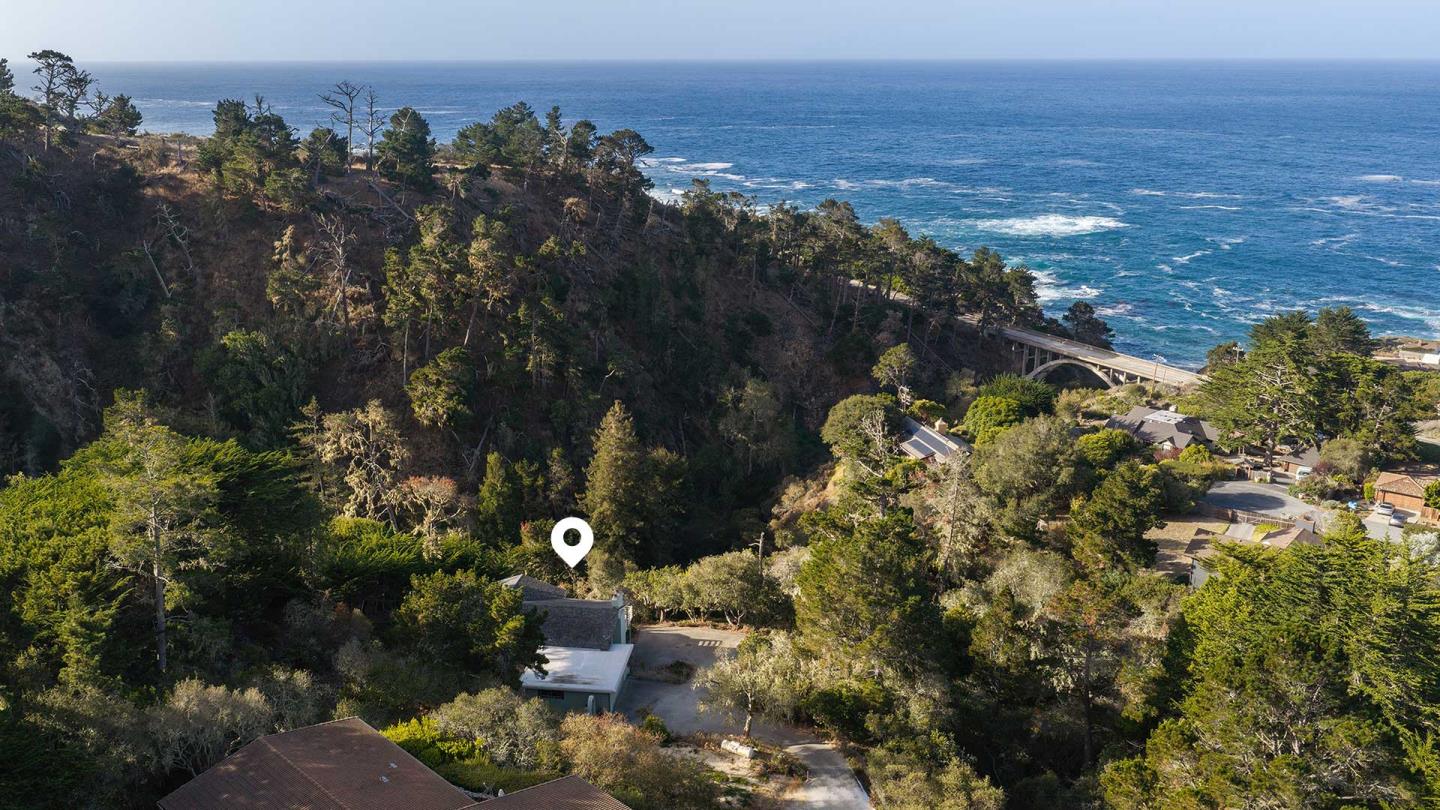
What should you expect when selling oceanfront property in Pebble Beach? Selling oceanfront property in Pebble Beach means preparing for a more technical buyer review than you'd see on an inland luxury home. Expect questions about bluff and shoreline conditions, insurance, wildfire exposure, and any seawall or access structures, along with pricing that treats your home as an individual asset rather than a line on a comparables sheet. William Smith of Carmel Luxury Group walks sellers through each of these before the home ever reaches the market. Key Takeaways Pebble Beach sits in Del Monte Forest, an unincorporated part of Monterey County, so county agencies rather than the City of Carmel-by-the-Sea govern many permitting, fire, and land-use questions. Oceanfront, bluff-edge, ocean-view, and inland comparables must be priced separately, because exposure, access, insurance, and maintenance differ for each. Buyers, insurers, and lenders will look hard at defensible space, roof and exterior materials, drainage, and any shoreline structure, so organized records shorten the review. A seawall, revetment, or private stairway has its own ownership and repair questions, and a listing should never imply it can automatically be rebuilt or enlarged. Carmel-by-the-Sea figures are not Pebble Beach figures, and broad Pebble Beach medians say little about an individual oceanfront estate. How should you prepare oceanfront property in Pebble Beach before listing? Start by confirming your parcel's jurisdiction and then assemble every record a buyer's team will eventually ask for. The goal is to find and address issues before an inspection or contingency period surfaces them on the buyer's schedule instead of yours. Who has authority over your parcel? Pebble Beach is part of Del Monte Forest, an unincorporated community of Monterey County. Carmel-by-the-Sea, a few minutes away, is its own incorporated city. That distinction matters because your permitting history, coastal review, zoning questions, and fire requirements may involve different agencies depending on where the parcel sits. Confirm this early with Monterey County and, where your property touches the shoreline, the California Coastal Commission. What records should you gather? William's approach is simple: the sale begins well before the sign goes up. A home that is documented, maintained, and positioned properly spends less time defending itself in negotiation. For oceanfront sellers, that means building a file like this one: Record What it addresses Why buyers ask Survey and title materials Boundaries, easements, and recorded rights Confirms exactly what is being purchased, including any shoreline or access rights Prior permits Additions, decks, stairs, and other improvements Verifies that existing improvements were properly approved Geotechnical or bluff assessments Bluff stability and erosion Helps buyers and insurers understand site conditions Seawall or shoreline structure records Ownership, maintenance, and repair history These structures can carry distinct permitting and repair implications Drainage and waterproofing information Water movement around the home and foundation Salt, wind, and moisture exposure drive long-term maintenance Roof, window, and mechanical records Age, specifications, and recent work Salt air can accelerate corrosion of metal, finishes, and equipment Insurance documentation Current coverage and claims history Coverage availability and terms influence who can buy and finance Should you order inspections or reports before listing? Often, yes, but the right reports depend on your parcel. A current site assessment, a review of any existing coastal or geotechnical reports, and an insurance conversation are the sensible starting points. Whether you commission a new bluff or structural evaluation depends on the property's age, exposure, and what documentation already exists. This is a judgment William makes with sellers after walking the property, and he can bring in the right specialists for it. How much does wildfire matter on a coastal property? More than many oceanfront sellers expect. Wildfire risk is a material consideration across the Monterey Peninsula, and buyers, insurers, and lenders will scrutinize defensible space, vegetation management, emergency vehicle access, and roof and exterior materials. A parcel-specific hazard determination is the only reliable way to know where you stand. Tidy, well-documented vegetation management is a real selling point here, not just good housekeeping. How do you price and market an oceanfront home? Price it in two steps: first establish a defensible value range from genuinely comparable recent sales, then separately assess the premium or discount tied to your home's oceanfront position, access, privacy, condition, and coastal-risk documentation. Broad Pebble Beach medians won't tell you what an individual oceanfront estate is worth. Why can't you price from a neighborhood average? Oceanfront, bluff-edge, ocean-view, and inland homes behave like different products. Blending them hides real differences in exposure, access, insurance, maintenance, and redevelopment potential. William documents the comparable-selection method for every seller so you can see exactly why each sale was included or excluded. The Carmel-by-the-Sea market is a separate municipality and market segment, so it's a useful regional reference but never a substitute for current Pebble Beach oceanfront comparables. For a look at how micro-areas within the Forest differ, see William's Pebble Beach neighborhoods guide. What makes one oceanfront home worth more than another? Each of these can move value, and each deserves its own line in your marketing: Direct beach or bluff access, and the condition of any stairs or paths View corridors and lot orientation Privacy from the road and neighboring parcels Architectural provenance and renovation history Outdoor entertaining areas and landscape design Seawall or shoreline structures, and what is known about them The extent to which future coastal restrictions may affect improvements You can see this kind of individual positioning in William's presentations of an oceanfront estate on 17 Mile Drive and Casa Cypress at Cypress Point. How should the lifestyle be presented honestly? Pebble Beach's appeal rests on ocean views, privacy, large estate parcels, access to golf and hospitality amenities, and proximity to Carmel-by-the-Sea and the wider Monterey Peninsula. Those attributes support strong lifestyle marketing, but they don't set your price. Photography and video should show the property as it actually is. Coastal light, wind, fog, and landscaping look different across seasons, and imagery should never imply unobstructed views or shoreline conditions that aren't consistently available. Buyers at this level notice, and an accurate presentation protects your credibility in negotiation. What happens after you accept an offer on oceanfront property in Pebble Beach? Plan for a longer and more technical buyer review than an inland sale would involve. Inspections, insurance underwriting, coastal documentation, title questions, permitting verification, and specialized lender requirements can all affect the schedule. The exact timeline depends on the property and the contract, so it's best discussed against your specific home. How does insurance shape your buyer pool? Coverage availability and terms for coastal, wildfire-exposed property can change what a buyer is able to close on. Sellers who bring recent maintenance records, roof and waterproofing information, drainage work, window specifications, and current insurance documentation reduce uncertainty for everyone involved. Financing matters too: many estate purchases use jumbo loans, and William covers the buyer's side in his piece on jumbo financing for Pebble Beach second homes. What about seawalls, stairs, and future additions? Treat shoreline structures as a separate risk category. A seawall, revetment, stairway, retaining structure, or private access route may carry distinct ownership, maintenance, and permitting implications. Your listing file should state what exists and what is documented, without suggesting an existing structure can be rebuilt, enlarged, or replaced. Whether coastal rules limit future decks, additions, or shoreline work depends on the parcel, so buyers should verify it with the county and the Coastal Commission, and you're better off knowing the answer before they ask. Who handles the closing? In California, a title company handles closing and settlement, including the escrow of funds. Bringing your title materials, survey, and permit records to that process early helps keep an oceanfront sale on schedule. Your specific preparation list, pricing range, and marketing plan depend on your parcel's condition, exposure, and documentation. That's where a private conversation about your property does more than any general checklist. William's approach to preparing a Santa Lucia Preserve home for sale shows how he applies the same preparation-first discipline to another distinctive Monterey County property type. Prefer to hear from past clients first? Read William's reviews on Google, Zillow, and Realtor.com. FAQ How long does it usually take to sell an oceanfront home in Pebble Beach? There's no reliable single number, because timing depends on pricing, condition, documentation, and the buyer's financing and insurance. Oceanfront homes generally involve a longer, more technical buyer review than inland properties. William can speak to realistic timing once he has seen your property and current comparable sales. What makes an oceanfront home worth more than an ocean-view home? Direct shoreline position, access, privacy, and exposure to the water set oceanfront apart, but those same traits bring added maintenance, insurance, and coastal-risk considerations. The premium varies by property, which is why oceanfront, bluff-edge, ocean-view, and inland comparables should be analyzed separately rather than averaged together. How do bluff erosion and sea-level rise affect selling? They affect what buyers, insurers, and lenders want to see. These are property-specific risks, so a current site assessment and any existing geotechnical or bluff reports are far more persuasive than general regional assumptions. Documenting the actual condition of your parcel lets buyers evaluate it with facts instead of worst-case guesses. Will insurance be difficult to obtain for a Pebble Beach coastal property? It can be, and availability and terms can change. Wildfire exposure, coastal conditions, and the age and materials of the home all influence underwriting. Sellers who organize roof, window, waterproofing, and defensible-space records and share current insurance documentation make the buyer's path clearer. Do coastal regulations limit future additions, seawalls, decks, or shoreline access? They may, depending on the parcel. Do not assume an existing shoreline structure can be rebuilt, enlarged, or replaced. Buyers should verify what is permitted with Monterey County and the California Coastal Commission, and sellers who gather their permit history early can answer those questions with confidence. Ready to talk through your oceanfront sale? The core of a strong oceanfront sale is preparation, honest presentation, and pricing that reflects your home as an individual asset. William brings more than 36 years of Monterey County experience and a track record with complex, remotely managed, and pre-sale-improvement assignments, backed by the Coldwell Banker Global Luxury marketing resources. Schedule a consultation for a Home Valuation and William will review your parcel, your documentation, and a pricing and marketing plan built around your timeline. About William Smith Licensed as a Real Estate Broker since 1990, William Smith brings more than 36 years of experience and more than 1,700 completed transactions to his work with buyers and sellers across Monterey County. His practice is strongly seller-focused, and his experience spans entry-level through ultra-luxury homes, coastal properties, historic and architecturally significant homes, ranches, horse properties, vineyards, and properties requiring substantial improvement. He is particularly experienced in strategic pricing, multiple-offer situations, probate and trust sales, and remotely managed estate sales, and he has trained hundreds of sales professionals over a 45-year career. William and his wife, Loretta, built two Prudential California Realty offices in Monterey and Carmel before moving the team to Coldwell Banker Realty in 2006. The Carmel Luxury Group is an award-winning Coldwell Banker Realty team that uses Coldwell Banker Global Luxury marketing resources. Coldwell Banker Realty · (831) 626-2400 Equal Housing Opportunity. William Smith, Founding Broker, Carmel Luxury Group at Coldwell Banker Realty, regulated by the California Department of Real Estate (CA-DRE). Affiliated real estate agents are independent contractor sales associates, not employees. This article is general information, not legal, tax, or financial advice; confirm your own numbers with your title company, tax advisor, or lender.

By William Smith

title

Selling Your Home

Read More

October 22, 2026

Pacific Grove Luxury Sales and Offers Beyond Price

Pacific Grove Luxury Sales and Offers Beyond Price What matters most in Pacific Grove Luxury Sales offers besides price? In Pacific Grove Luxury Sales, the strongest offer is the one most likely to close on terms you can live with, not automatically the highest number. Weigh the buyer's financing and proof of funds, the contingencies and their removal dates, the deposit, and the closing and possession timeline alongside price. A lower offer with solid documentation can carry far less risk than a higher one that is thin on support. Key Takeaways Pacific Grove single-family homes posted a $1,487,500 median sale price, 35 median days on market, and a 100% sale-to-list ratio in September 2026, but those are citywide figures, not a forecast for your luxury home. When homes are closing at roughly list price, the difference between serious offers often shows up in terms, not in the headline number. A buyer's written verification of funds, loan status, and contingency structure tell you more about the odds of closing than the offer price does. California purchase agreements set the close-of-escrow date by negotiation, so you can match the timeline to your move, replacement purchase, and title work, as the California Department of Real Estate's contract reference describes. A side-by-side worksheet that separates price from execution risk is the most reliable way to compare multiple offers. How do you compare offers on a Pacific Grove luxury home beyond the price? Look at four things next to the price: how the buyer is paying and can prove it, which contingencies they keep and for how long, how much deposit is at risk, and when they want to close and take possession. In William's experience, the offer that wins on those four often beats the highest number once the transaction is actually under way. This is the core of Pacific Grove Luxury Sales. A luxury buyer pool includes cash purchasers, jumbo-loan borrowers, and buyers who need to sell another property first. Each of those carries a different kind of risk. Does the buyer's financing hold up? Start with proof. The California Department of Real Estate notes that a buyer will typically provide written verification of sufficient funds for the down payment and closing costs, along with information about when the loan application must be completed. The exact deadlines come from the purchase contract and any negotiated amendments. For a luxury property, that means asking for more than a number on a cover page: A preapproval or underwriting status from a named lender you can verify Proof of liquid funds that covers the proposed down payment and closing costs A clear explanation of any dependency on the sale of another asset An appraisal-gap commitment, if the buyer is financing and offering above what a lender may support A high nominal price with weak documentation may carry more execution risk than a lower, well-supported offer. That is the single most common reason a "better" offer turns out to be the worse one. How much should contingencies matter? A great deal, because they decide how much certainty you actually have after you accept. California purchase agreements commonly address inspection, appraisal, and loan contingencies, and the DRE material supports the importance of these provisions without setting one universal deadline for every deal. So compare the structure, not just the number of days: Is contingency removal tied to objective deliverables, such as a completed inspection report or an appraisal, or to a vague date? Does the buyer have credible financing behind the loan contingency? Is there a sale-of-other-property condition? That is a significant flag. Preparation changes this part of the conversation. William would rather spend time getting a property right before it reaches the market than explain later why it is not selling, and a prepared, well-presented home gives inspection and appraisal less room to reopen the price. If you are planning a listing, our post on luxury home staging that attracts serious buyers covers the presentation side. Can you choose the closing date? You can negotiate it. The close-of-escrow date is set in the purchase agreement, and the parties can also agree on possession terms. Compare each buyer's requested timeline with your own needs: your move, a replacement purchase, tax planning, and the pace of title work. The title company you select coordinates title examination, payoff and lien information, escrow instructions, signing, recording, and disbursement. Confirm the close-of-escrow date, possession date, and any rent-back or post-closing occupancy in writing. Closing charges such as the documentary transfer tax (Revenue and Taxation Code section 11911) are allocated by the contract and can be negotiated, so confirm the specifics for your transfer with the title company. A worksheet that separates price from risk When William walks sellers through multiple offers, the comparison sits in one grid so no single number dominates the decision. Offer term What to look for Why it matters Price and purchase method Cash or financed, loan type, down payment Sets how much third-party approval stands between you and closing Proof of funds Written verification of liquid funds for down payment and closing costs Shows the buyer can actually perform Loan status Lender contact, underwriting progress, application timing Reveals how far along financing really is Appraisal-gap commitment Documented, not just promised Protects the price if the appraisal comes in lower Contingencies and removal dates Inspection, appraisal, loan, and any sale-of-other-property condition Determines how firm the deal is after acceptance Deposit timing When funds are delivered and how they are held Shows commitment and affects your leverage if the buyer withdraws Possession and rent-back Close-of-escrow date, move-out date, occupancy after closing Must fit your move and replacement purchase Inclusions Furnishings, equipment, or other items requested Can quietly shift the real value of the offer Your specific grid depends on your property, your timeline, and the offers in front of you. That is where a conversation with William before you list, or the moment offers arrive, pays for itself. What do September 2026 numbers say about Pacific Grove Luxury Sales terms? They show a market where single-family homes have been closing at roughly list price, so terms often decide between serious offers. They do not predict how your particular luxury home will perform, because price tier, condition, location, lot, and views all change the buyer pool. The most specific recent local data is for single-family homes. MLSListings reported 23 active listings, 12 closed sales, and 2.9 months of inventory for September 2026. Different sources measure different things, which is why the figures below do not match: Source (September 2026) Median price reported Days on market Sale-to-list ratio MLSListings (single-family homes) $1,487,500 median sale price 35 median 100% Redfin (three months ending September 2026) About $1.2 million median sale price 41 average Not reported Realtor.com (listings) About $1.8 million median listing price 66 median About 98% average Redfin also reported 40 homes sold in September 2026, compared with 34 in September 2025. Realtor.com reports portal statistics built on listing prices, so treat it as supplementary rather than equivalent to MLS sales data. The gaps reflect different property filters, geography, and reporting windows, not a contradiction. For Pacific Grove Luxury Sales, the practical takeaway is that a citywide median tells you very little about what one offer on one home should look like. If you want a clearer read on the broader market, our guide to reading Monterey Peninsula real estate trends explains how to interpret these reports. Should you accept a lower cash offer or a higher financed offer? Neither one automatically. Take the offer with the strongest combination of certainty and flexibility, which means you weigh the likelihood of closing and the fit with your timeline, not only the headline price. Picture two offers on a coastal home. The first is higher, financed, contingent on an appraisal, and conditional on the buyer selling another property. The second is lower, all cash, with verified funds, shorter contingencies, and a closing date that matches your move. The second may be the better offer even though it looks smaller on paper. The first only wins if every dependency in it resolves in your favor. Here is a practical way to run the comparison: Request documentation first. Ask for written verification of funds and lender contact information for every offer you are seriously considering. Fill out the worksheet. Put every offer in the same grid, with price as one column among many. Identify each offer's single biggest dependency. That might be a loan, an appraisal, a property sale, or an inspection outcome. Match timelines to your plans. Check the close of escrow and possession dates against your move and any replacement purchase. Counter on the weak points. If an offer's price is strong but its terms are not, you can negotiate the terms before you accept. If a buyer delays contingency removal, the protections come from what the contract says, so negotiate removal dates and deposit terms before you accept, not after a delay has started. Every situation is different, and the contract language for your sale should be reviewed with William and your title company. You can read what past clients say about working with William on Google, Zillow, and Realtor.com. FAQ Should I accept a lower cash offer or a higher financed offer for my Pacific Grove luxury home? Accept whichever offer has the stronger combination of certainty, terms, and timeline, not whichever shows the larger number. A cash offer with verified funds and short contingencies can carry less risk than a higher financed offer with an appraisal and loan dependency. Compare both side by side before deciding. What proof of funds should a Pacific Grove seller request with a cash offer? Request written verification of sufficient funds to cover the down payment and closing costs. The California Department of Real Estate notes that buyers typically provide this verification. Have your agent confirm the documentation is current and matches the offer. How can I tell whether a buyer's financing is reliable? Look for a verifiable lender, a preapproval or underwriting file, proof of liquid funds, and a clear timeline for completing the loan application. Vague or unsupported financing language is a warning sign. Dependencies such as selling another property make the offer less certain. Is an appraisal-gap clause important in a Pacific Grove luxury-home offer? Yes, when the buyer is financing and offering a price a lender's appraisal might not support. A documented commitment to cover a gap makes the price more dependable. A promise with no stated amount or support is worth far less. Can I choose the closing date when reviewing multiple offers? You can negotiate it, but you cannot dictate it. The close-of-escrow date is set in the purchase agreement, and buyers propose timelines that fit their own financing and plans. Compare each proposed date with your move, replacement purchase, and title work, and counter if one is close. The best offer on your property is the one that closes, on terms that serve your plans. Pacific Grove Luxury Sales reward a seller who reads past the price and compares financing, contingencies, and timelines side by side. To see how that comparison would look for your home, schedule a consultation for a Home Valuation with William, or call (831) 626-2400 to discuss a property inquiry. About William Smith Licensed as a Real Estate Broker since 1990, William Smith brings more than 36 years of experience and more than 1,700 completed transactions to buyers and sellers across Monterey County, with roughly 70% of his practice representing homeowners and property owners. His work spans entry-level through ultra-luxury, coastal, historic, ranch, and equestrian properties, and complex assignments such as pre-sale improvements, strategic pricing, multiple-offer situations, and probate, trust, and remotely managed estate sales. Coldwell Banker Realty · (831) 626-2400 Equal Housing Opportunity. William Smith, Founding Broker, Carmel Luxury Group at Coldwell Banker Realty, regulated by the California Department of Real Estate (CA-DRE). Affiliated real estate agents are independent contractor sales associates, not employees. This article is general information, not legal, tax, or financial advice; confirm your own numbers and contract terms with your title company, tax advisor, or lender.

By William Smith

title

Selling

Read More

October 22, 2026

Monterey Peninsula Probate and Trust Property Sales
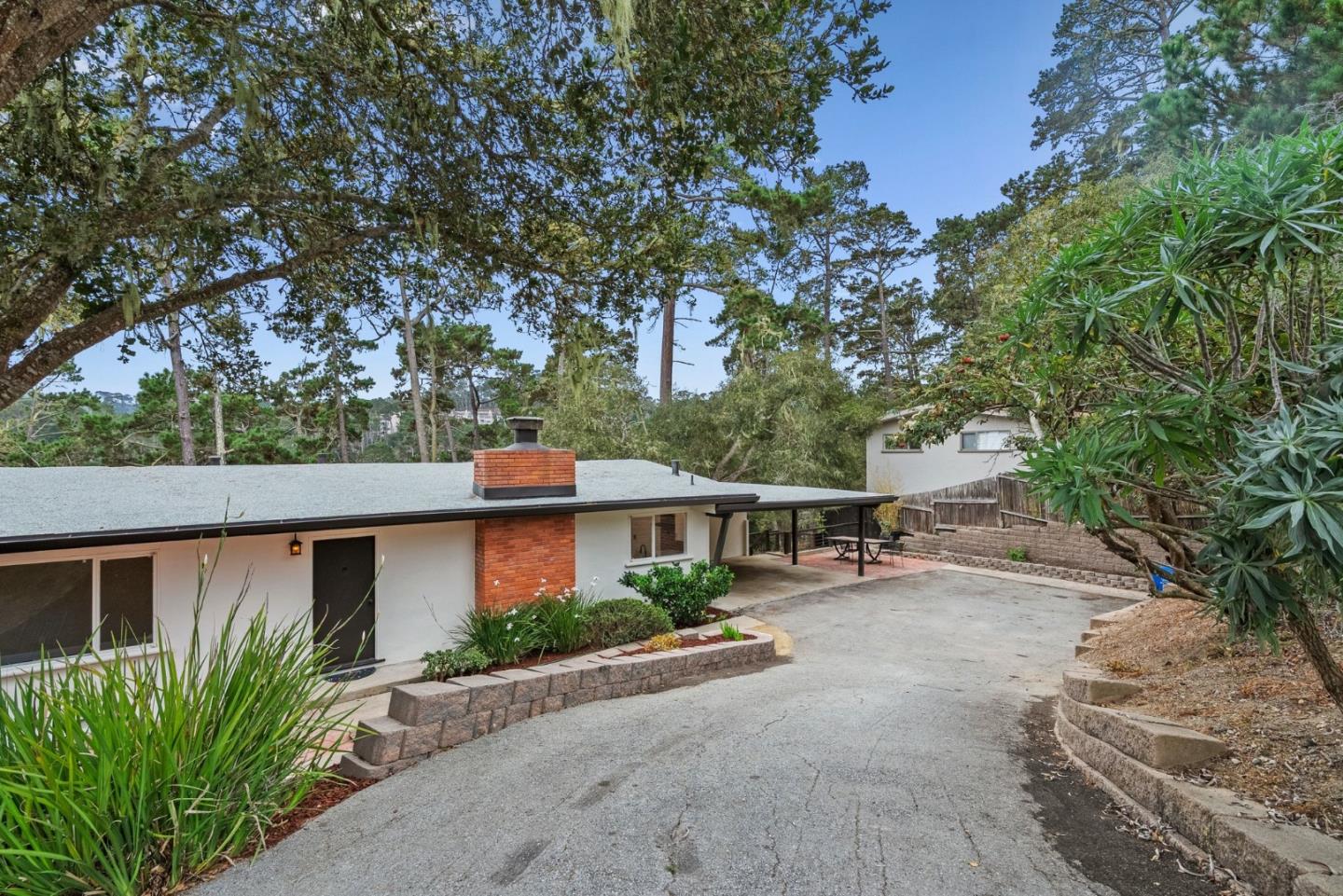
What do probate and trust property sales involve on the Monterey Peninsula? Probate and trust property sales on the Monterey Peninsula follow California law and Monterey County recording requirements. The two most important variables are whether the personal representative holds independent authority to sell or must seek court confirmation, and whether the property is held in a trust or passes through the probate estate. Getting those questions answered before marketing the property saves time, prevents delays, and protects everyone involved. Key Takeaways The Monterey Peninsula real estate market currently shows a median sale price of $515,000, with homes selling in a median of 31 days, based on recent local market data for the Carmel area. California probate sales may proceed under independent authority or require court confirmation, the distinction must be verified before a property is listed or marketed. A successor trustee or personal representative must file a Death of Real Property Owner statement with the Monterey County Assessor promptly after the owner's death to avoid reassessment complications. Court-supervised probate sales in California allow overbids at the confirmation hearing, which can affect pricing strategy and timeline in ways a standard sale does not. Trust sales can often close faster than court-supervised probate sales, but the trustee's authority must be clearly documented before any listing agreement is signed. How does legal authority determine what happens first in a Monterey Peninsula probate or trust sale? Before a property on the Monterey Peninsula can be listed, the personal representative or trustee needs to establish exactly what authority they hold. That single question shapes every decision that follows. In California, a personal representative may have been granted full independent authority under the Independent Administration of Estates Act, which allows the sale to proceed without court supervision. If the representative holds only limited authority, the sale generally requires court oversight, and the California Courts' official notice form makes clear that a court-supervised sale opens the door to overbidding at the confirmation hearing. That process can add weeks or months to the timeline. When court confirmation is required, the representative files the California Courts' DE-260 form to report the proposed sale and request the court's approval. A hearing is scheduled, and qualified buyers can submit higher bids at that hearing. The property doesn't close until the court confirms the sale. William walks every client through this distinction at the very start of an engagement, because the answer determines the marketing strategy, the pricing approach, and the realistic timeline. Trust sales follow a different track If the property is held in a living trust, it typically does not pass through probate at all. A successor trustee steps in after the owner's death and can often sell the property without court involvement, provided the trust document grants that authority and the trustee's identity is clearly established in the transaction record. That doesn't mean trust sales are paperwork-free. The transaction file needs to establish the trustee's authority, identify the trust, and confirm the successor trustee's standing. The Monterey County Assessor specifically recognizes transfers through a trust and requires the successor trustee to submit a Death of Real Property Owner, Change in Ownership Statement promptly after the owner's death. Filing that form on time matters; delays can create reassessment complications that affect the estate's financial outcome. The practical advantage of a well-structured trust is speed. Without a confirmation hearing, a trust sale can move on a timeline closer to a conventional transaction. On the Monterey Peninsula, where recent local market data shows homes selling in a median of 31 days, that flexibility has real value. What does the Monterey County process look like once authority is confirmed? Once the representative's or trustee's authority is clear, the transaction moves through a set of county-level steps that any Monterey Peninsula sale involves, plus a few that are specific to estate transfers. Title research and recorded documents Before listing, it's worth pulling the recorded history on the property. The Monterey County Recorder maintains the official record of deeds, liens, and other instruments. The Recorder's public office is at 168 W. Alisal Street in Salinas, and copy requests require the recording year, document number or reel-and-page reference, and the name of at least one recorded party. For an estate sale, confirming that the chain of title is clean before going to market prevents surprises in escrow. William's approach to estate listings mirrors his broader philosophy about preparation: the work that happens before a property goes on the market has an outsized effect on the final result. An estate sale with title questions, deferred maintenance, or unclear authority that surfaces mid-transaction costs far more in time and negotiating position than addressing those issues beforehand. Recording fees and transfer tax Two county charges apply to the recording of a real-property transfer in Monterey County. The standard recording fee is $23 per title, reflecting a fee-schedule update that took effect March 3, 2026, according to the Monterey County Assessor's published fee schedule. The documentary transfer tax is set by statute at $0.55 per $500, or fractional part thereof, under Revenue and Taxation Code section 11911. That rate is fixed by law; which party bears the cost is a matter of contract negotiation, not a fixed rule. Beyond those statutory charges, an estate sale involves escrow, title insurance, and estate administration costs. The allocation of those expenses depends on the contract, local practice, and sometimes the terms of the governing trust or probate order. William can walk you through how those categories typically work in a Monterey Peninsula transaction and help you understand what your specific situation looks like before you commit to a price or timeline. Assessor notification and reassessment considerations The Monterey County Assessor requires a successor trustee or personal representative to file the Death of Real Property Owner, Change in Ownership Statement when real property transfers as a result of a death. The county advises submitting this promptly. Whether the transfer triggers reassessment depends on the specific ownership structure, applicable exclusions under California law, and how the property is transferred. This is a question to take to a tax advisor or estate attorney early, not something to sort out after escrow opens. For context on how the current Monterey Peninsula market affects pricing and timing decisions in an estate sale, the post on Interpreting Monterey Peninsula Market Trends Today covers the indicators worth watching. And if timing the listing relative to seasonal patterns matters to the estate, Monterey Peninsula Market Seasonality and Listing Speed is worth a read. What does the current Monterey Peninsula market mean for an estate sale? Recent local market data for the Carmel area shows a median sale price of $515,000, a median of 31 days on market, and 276 active listings, with 116 new listings added in the past 30 days and 417 homes sold over approximately the past 90 days. That level of activity suggests a market with real buyer demand, which matters for an estate sale where the representative has a fiduciary obligation to achieve a fair price. A court-supervised sale has pricing constraints that a trust sale or independent-authority sale does not. The court will want to see that the proposed sale price reflects the property's market value, and an overbid at the confirmation hearing can push the final price above the accepted offer. That's not always a bad outcome for the estate, but it does mean the initial pricing strategy needs to account for the confirmation process. For a trust sale or independent-authority probate sale, the representative has more flexibility to time the listing, respond to market conditions, and negotiate terms. William has handled estate sales across the full range of Monterey Peninsula property types, from entry-level condominiums to coastal and architecturally significant homes, and the preparation and positioning work is the same regardless of price point. Every situation is different, and the only way to understand what a specific property will realistically achieve is to run a proper market analysis with someone who knows this market. Broker compensation in any sale, including an estate sale, is fully negotiable and not set by law. There is no standard or fixed rate. The listing-side fee is agreed in the listing agreement, and any compensation offered to a buyer's agent is a separate, optional decision made by the seller or estate representative. You can read what past clients say about working with William on Google, Zillow, and Realtor.com. Frequently Asked Questions Can a trustee sell a Carmel house without probate? Yes, in most cases. If the property is held in a properly structured living trust, the successor trustee can sell it without going through probate, provided the trust document grants that authority. The trustee's standing and the trust's terms must be clearly documented in the transaction file, and the successor trustee must notify the Monterey County Assessor of the ownership change by filing the required Death of Real Property Owner statement. Does a Monterey County probate home sale need court confirmation? It depends on the personal representative's authority. If the representative was granted full independent authority under California's Independent Administration of Estates Act, the sale can proceed without court confirmation. If the representative holds only limited authority, court supervision is generally required, and the California Courts' notice form explains that a confirmation hearing allows higher overbids to be presented. Verifying the scope of authority is the first step before any listing agreement is signed. How long does a probate real-estate sale take in California? A trust sale or independent-authority probate sale can close on a timeline similar to a conventional transaction, often 30 to 60 days once the property is under contract. A court-supervised sale takes longer because a confirmation hearing must be scheduled, noticed, and held before the court approves the sale. That hearing process can add several weeks to months to the overall timeline, depending on court scheduling in Monterey County. Planning for that timeline from the start is essential. What happens if heirs disagree about selling a Carmel property? Disagreements among heirs or beneficiaries can complicate or delay a sale significantly. In a probate, the personal representative has a fiduciary duty to the estate, but contested decisions may require court involvement. In a trust, the trustee's authority and the trust's terms govern, though beneficiaries can challenge actions they believe breach the trustee's duties. These disputes are legal matters that require an estate attorney, not just a real estate agent. William can work with the legal team once authority is clear and the parties are aligned. Who signs the listing agreement when the owner has died? The personal representative of the probate estate or the successor trustee of a trust signs the listing agreement, acting in their official capacity on behalf of the estate or trust. The listing agreement should identify that capacity clearly. Before signing, the representative or trustee should confirm their authority to sell real property, since signing without proper authority can create legal exposure for the estate. Does selling an inherited Carmel home trigger reassessment? It depends on how the property transfers, the ownership structure, and whether any applicable exclusions under California law apply. The Monterey County Assessor requires a Death of Real Property Owner statement when property transfers as a result of a death, and advises filing promptly. Whether reassessment follows is a question for a tax advisor or estate attorney who can evaluate the specific transfer and applicable exclusions. Can a probate property be sold as-is in Monterey County? Yes. Probate and trust properties are commonly sold in as-is condition, particularly when the estate lacks the resources or authority to make improvements. An as-is sale does not eliminate the seller's disclosure obligations under California law, but it does set a clear expectation with buyers about the condition. Pricing an as-is estate property correctly for the Monterey Peninsula market requires a realistic assessment of condition, comparable sales, and buyer demand, which is exactly the kind of analysis William provides before a property goes to market. Probate and trust sales on the Monterey Peninsula are manageable when the legal authority is clear, the county filings are handled promptly, and the property is positioned correctly for the market. William Smith has handled estate sales across Monterey County for more than 36 years, including complex assignments involving remotely managed estates, properties requiring substantial preparation, and transactions where multiple parties needed to reach agreement. If you're a trustee, personal representative, or family member trying to understand what the process looks like for a specific property, the right starting point is a direct conversation. Schedule a consultation and home valuation with William to get a clear picture of what your property is worth and what the sale process looks like for your situation. You can also review William's work and client history on his Zillow profile. About William Smith William Smith is a California-licensed real estate broker and Founding Broker of the Carmel Luxury Group at Coldwell Banker Realty, serving Carmel, Carmel-by-the-Sea, Carmel Valley, Monterey, Pacific Grove, Pebble Beach, Big Sur, Seaside, Marina, Salinas, and surrounding Monterey County communities. Licensed since 1990, William brings more than 36 years of experience and and over 1,700 completed transactions to his work with buyers and sellers, with particular depth in complex assignments including probate and trust sales, remotely managed estate sales, strategic pre-sale preparation, and luxury and coastal properties. His approach is built around business maturity, experience-based market knowledge, patient guidance, and practical problem-solving. https://carmelluxurygroup.com/ William Smith, Founding Broker of the Carmel Luxury Group at Coldwell Banker Realty · (831) 626-2400 Equal Housing Opportunity. William Smith, Founding Broker, Carmel Luxury Group at Coldwell Banker Realty, regulated by the California Department of Real Estate (CA-DRE #01064866). This article is general information only and does not constitute legal, tax, or financial advice. Readers should confirm their specific costs, tax obligations, and transaction details with their title company, tax advisor, or legal counsel.
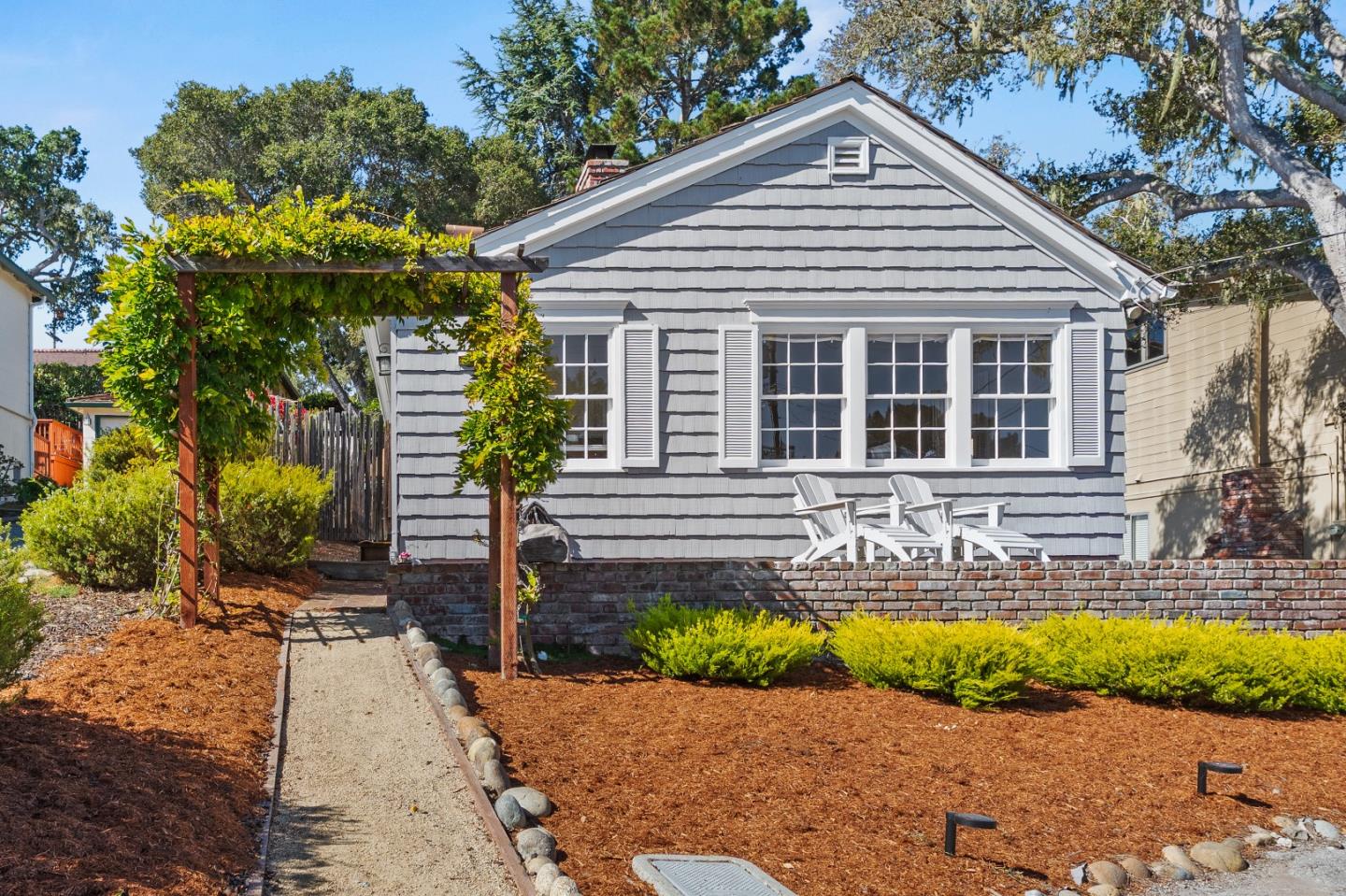
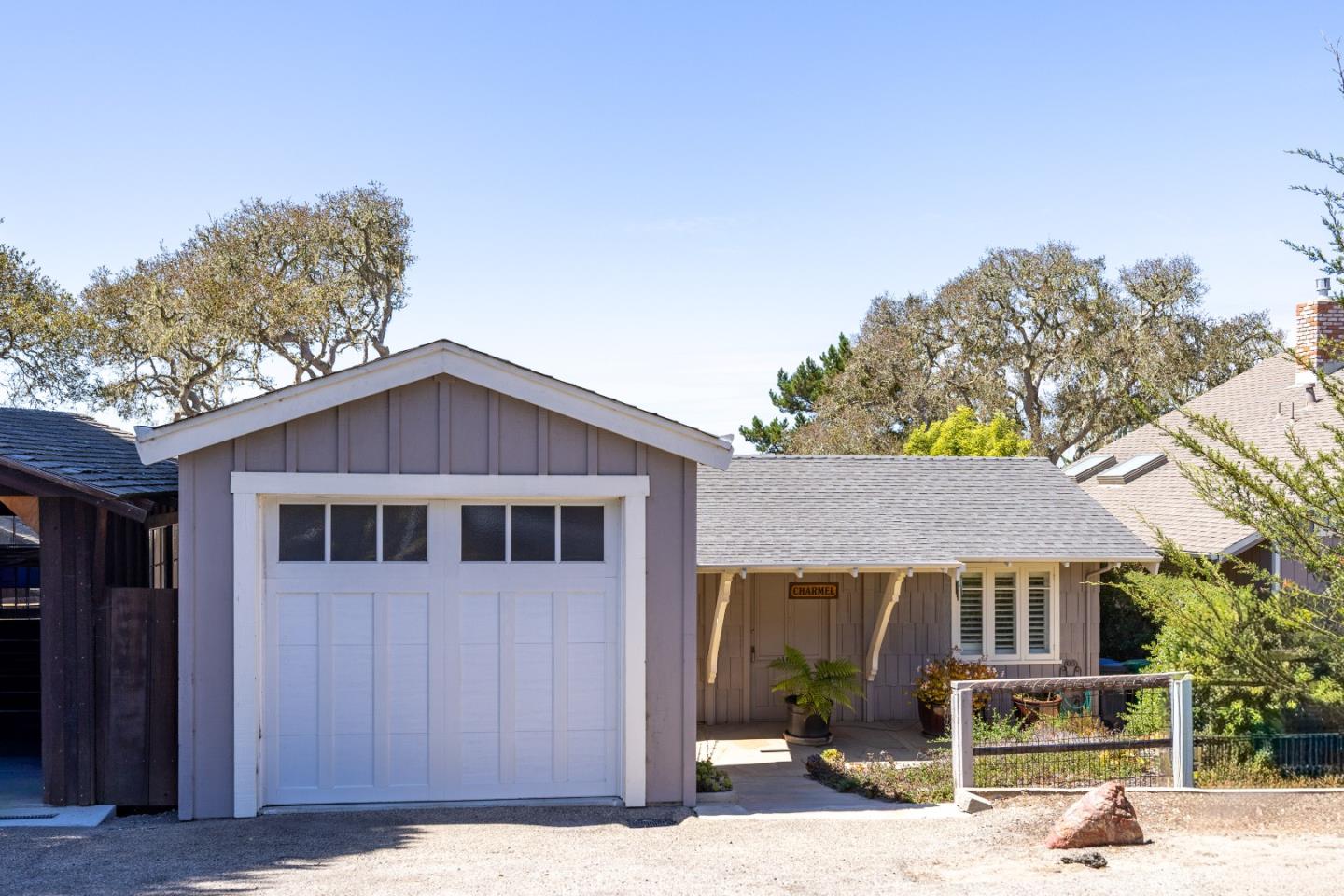
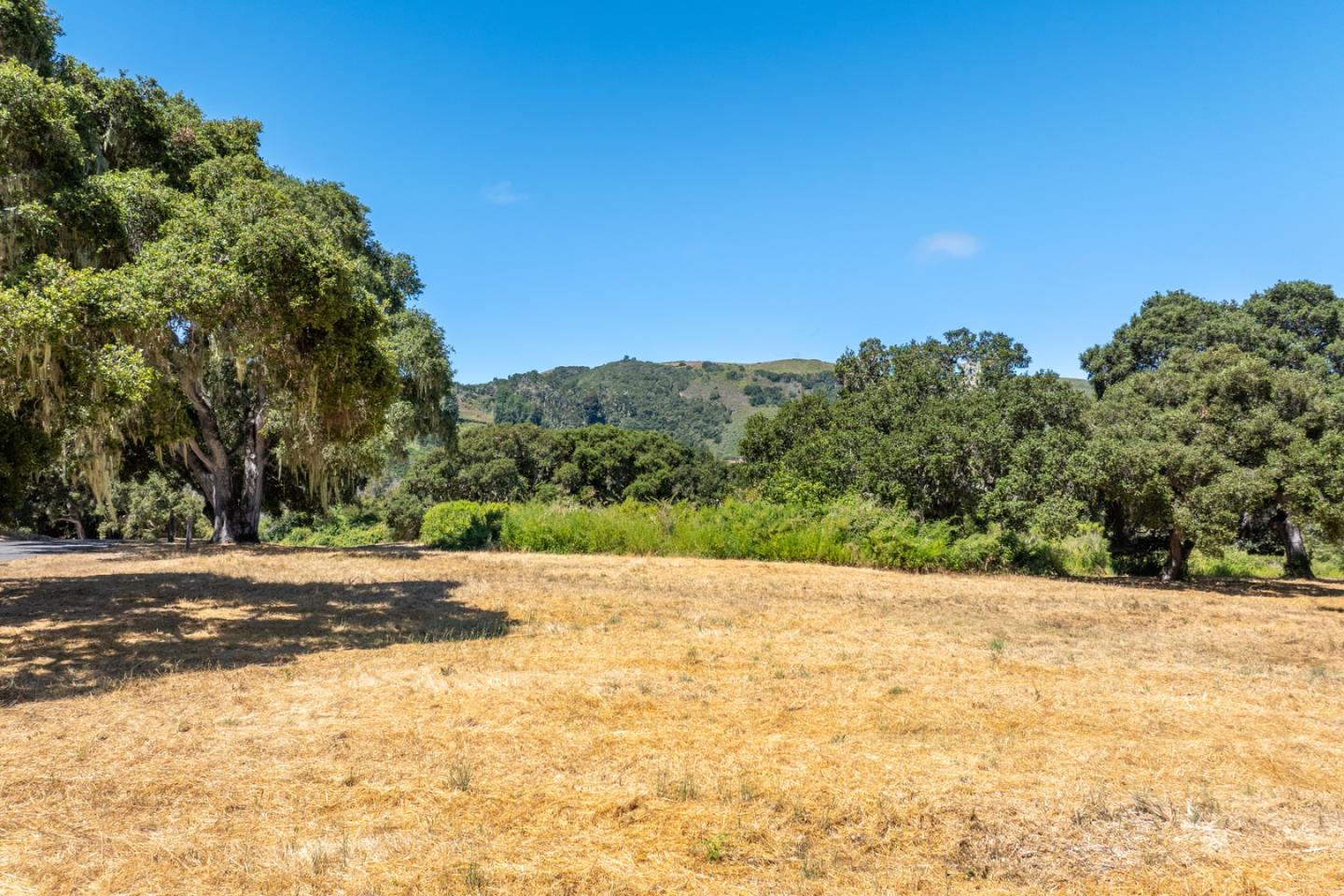
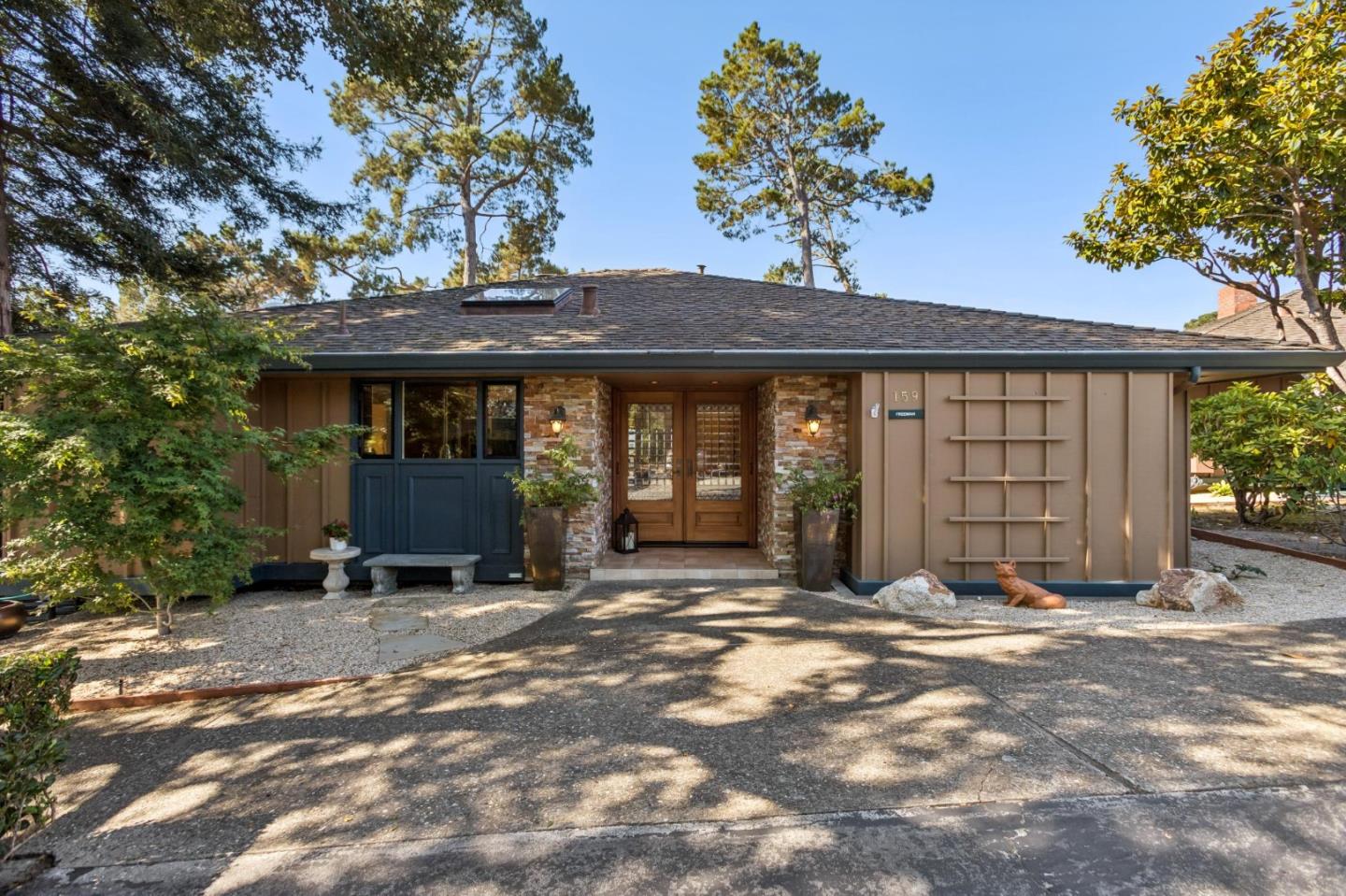
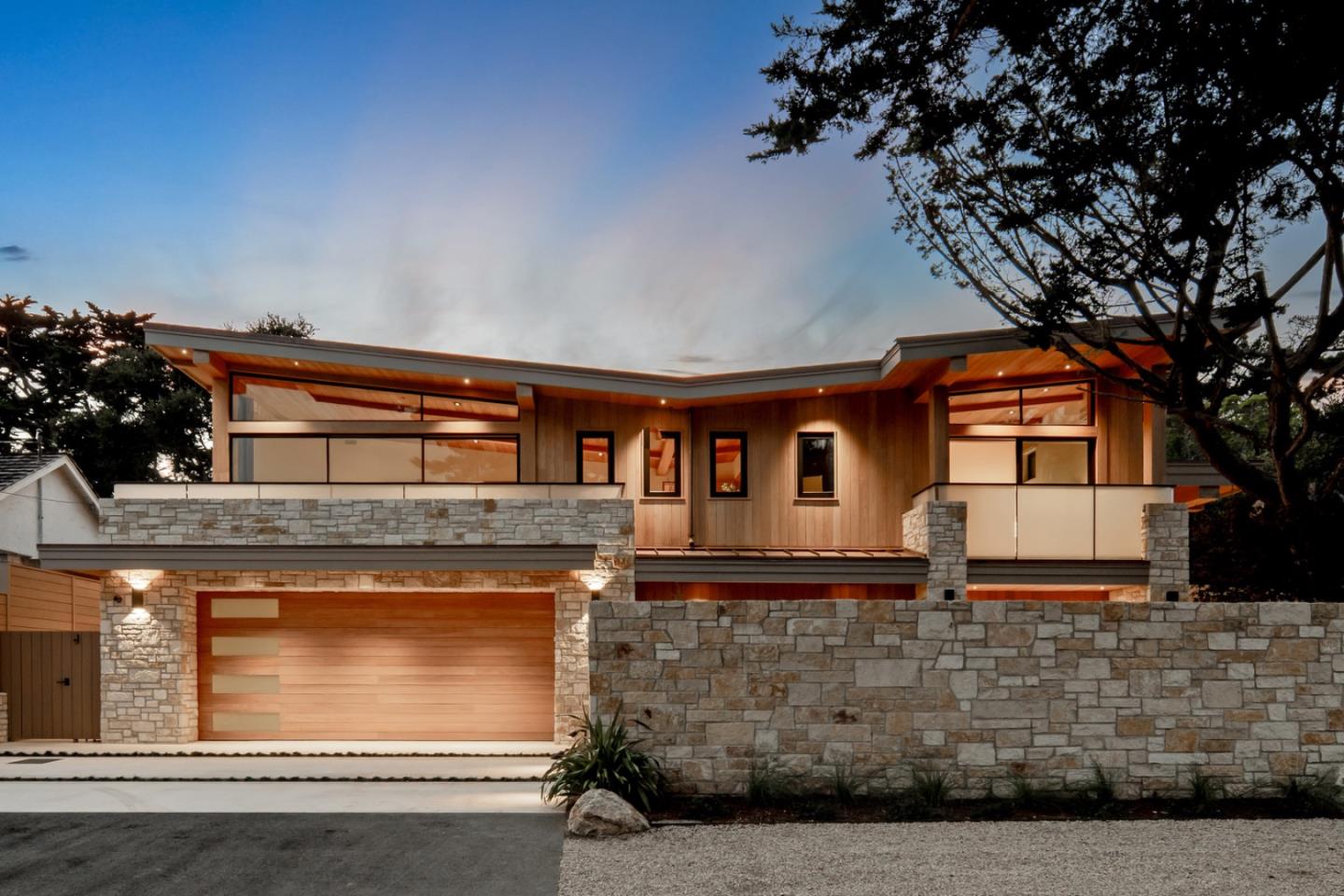
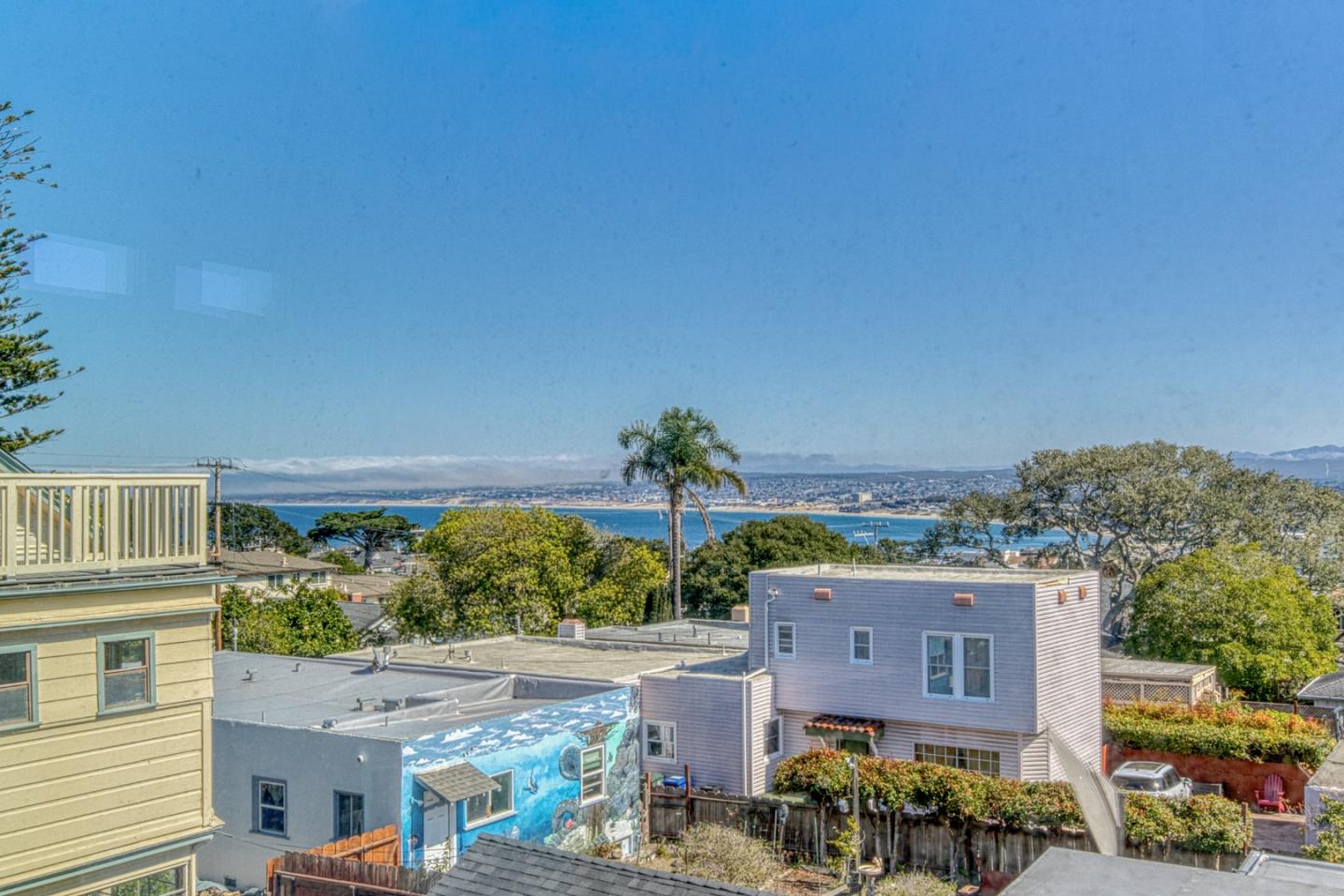
By William Smith

Follow Us on Instagram

Work With Us

Confidence, experience, and an intense focus on your personal needs and objectives; all qualities you notice first and foremost about the Carmel Luxury Group. William Smith, along with his teammates at the Carmel Luxury Group, will make your real estate transaction both enjoyable and rewarding.

Contact Us