Water shapes daily life at The Santa Lucia Preserve. In a place defined by oak woodlands, grasslands, and seasonal creeks, using water wisely protects both comfort at home and the landscape you love. If you are building, renovating, or simply refining your routines, you can align with the Preserve’s Community Services District (CSD) and enjoy a smooth, water-smart lifestyle. In this guide, you will learn how the CSD fits into your choices, which indoor and outdoor upgrades save the most water, and how to move forward confidently. Let’s dive in.
How the CSD supports water‑smart living
The Preserve’s CSD manages potable water delivery and wastewater systems for the community. That means it sets connection rules, meter standards, rates, and permitting for work that affects water or sewer service. When you plan irrigation changes, add greywater, or connect new devices to plumbing, you will coordinate with the CSD and the Preserve Association’s design review.
This coordination matters because Monterey County faces periodic droughts and statewide efficiency goals. The CSD must keep the system reliable and in compliance with permits, and your choices affect that balance. For context on California’s efficiency direction, review the California Department of Water Resources’ statewide efficiency standards. These policies guide how communities like the Preserve plan long-term use.
Before you begin any project, contact the Preserve CSD and the Preserve Association to confirm current rules, fees, and design standards. You will avoid delays, protect your investment, and keep your project aligned with community expectations.
Start inside: high‑impact fixture upgrades
Indoor use is a major share of household water. The best part is that the top upgrades are simple, proven, and usually pay back fast.
- Toilets: Replace older 3.5+ gpf units with WaterSense‑labeled models, typically 1.28 gpf. WaterSense ensures performance and efficiency. Explore options through EPA WaterSense.
- Showerheads and faucets: Older showerheads can flow at 3.5+ gpm. Swapping to WaterSense showerheads and faucet aerators, at or below 2.0 gpm, cuts water without sacrificing comfort.
- Clothes washers and dishwashers: High‑efficiency washers reduce water and energy use. Modern dishwashers, run full and on eco cycles, can use less water than hand washing.
- Leaks and habits: A silent toilet flapper leak or slow drip adds up quickly. Read your CSD meter monthly, scan for continuous flow, and fix issues promptly. Shorter showers and full loads multiply your savings over time.
Most interior upgrades do not require permits, but keep receipts and model numbers for possible rebates. When in doubt, ask the CSD if notification is needed for any visible plumbing changes.
Design the landscape for the land
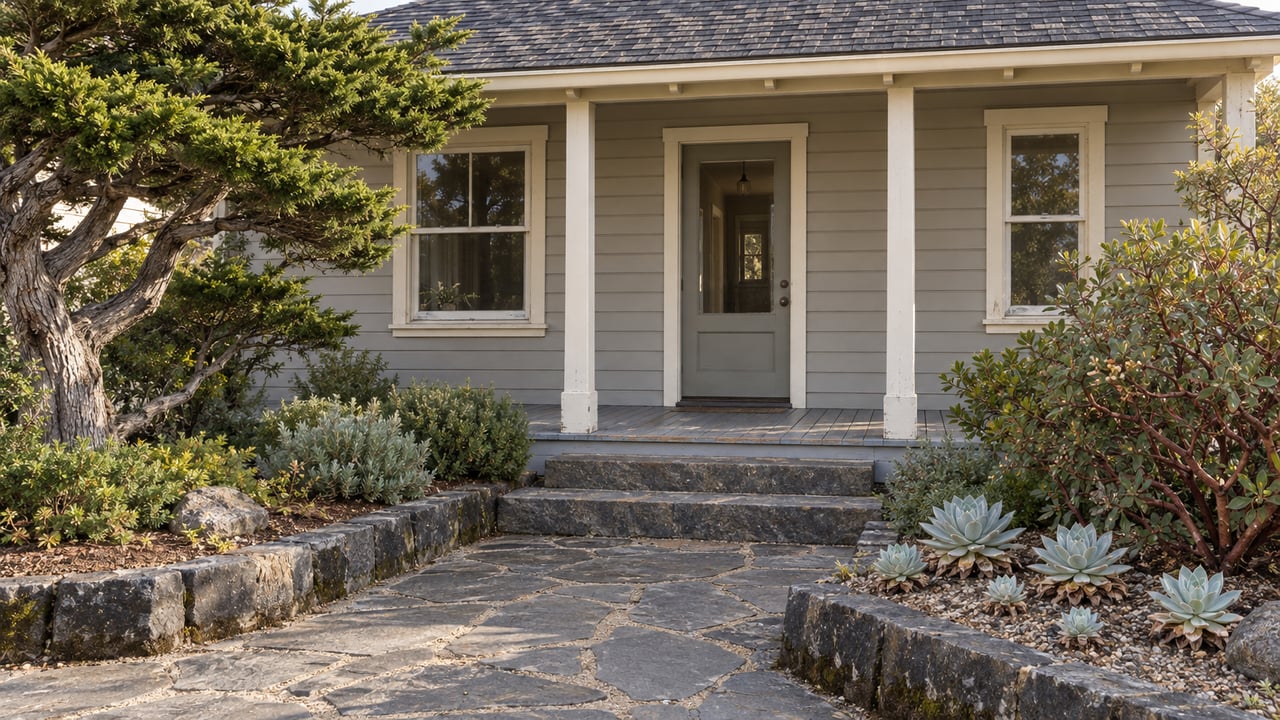
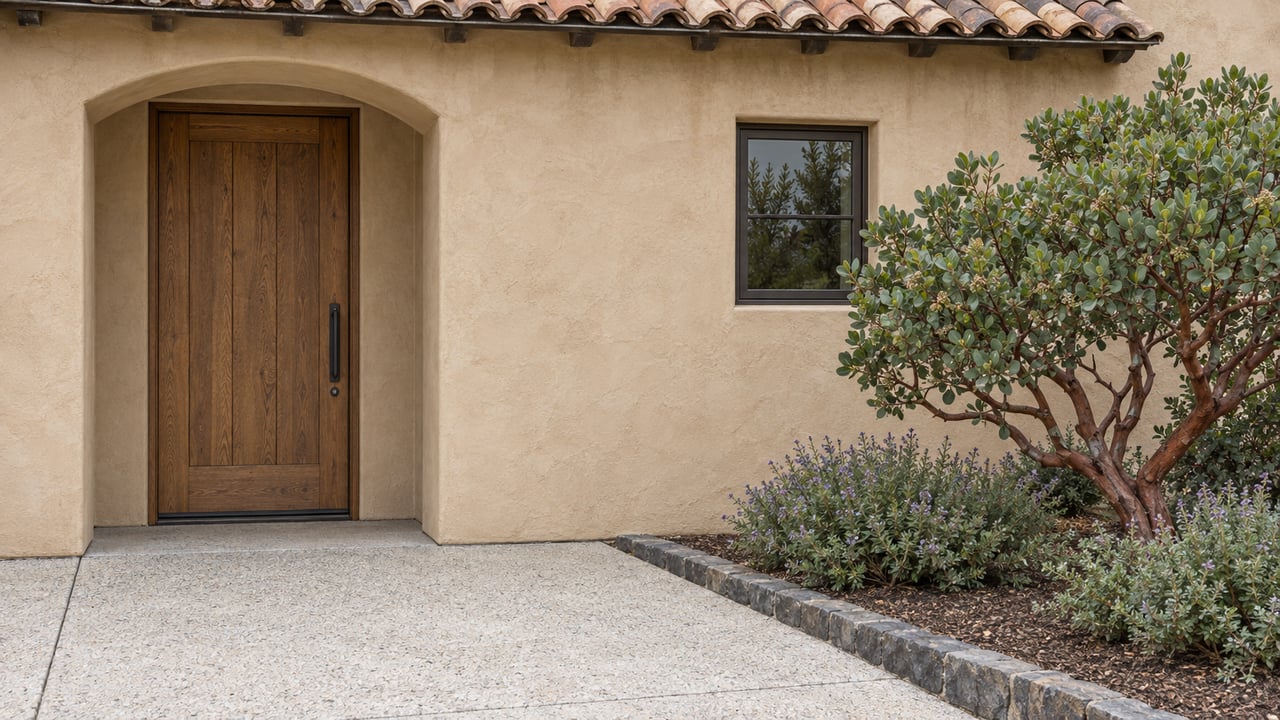
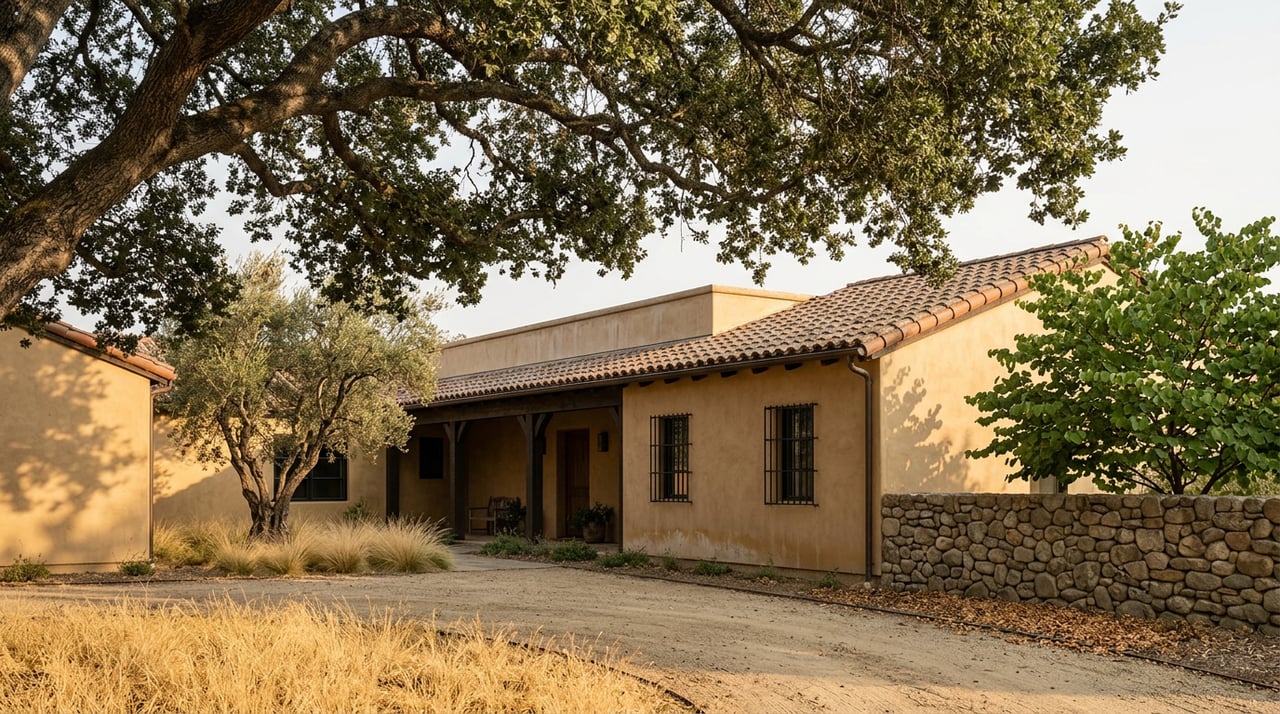
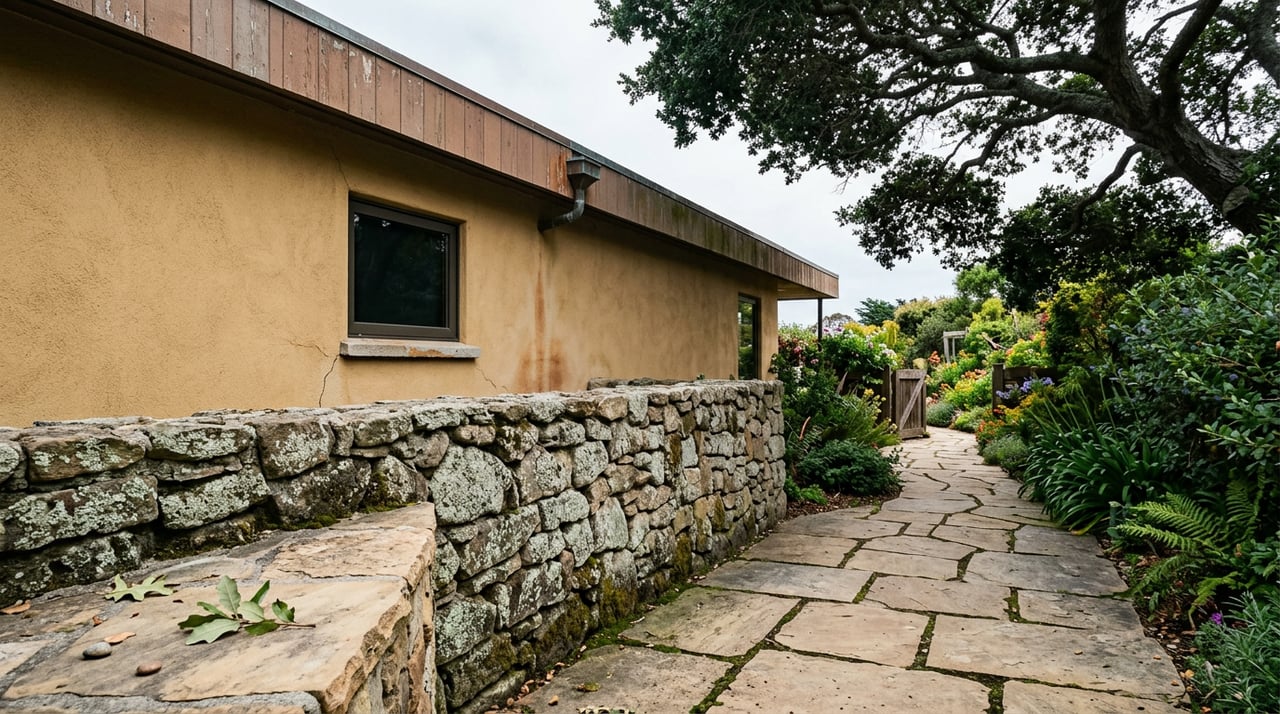
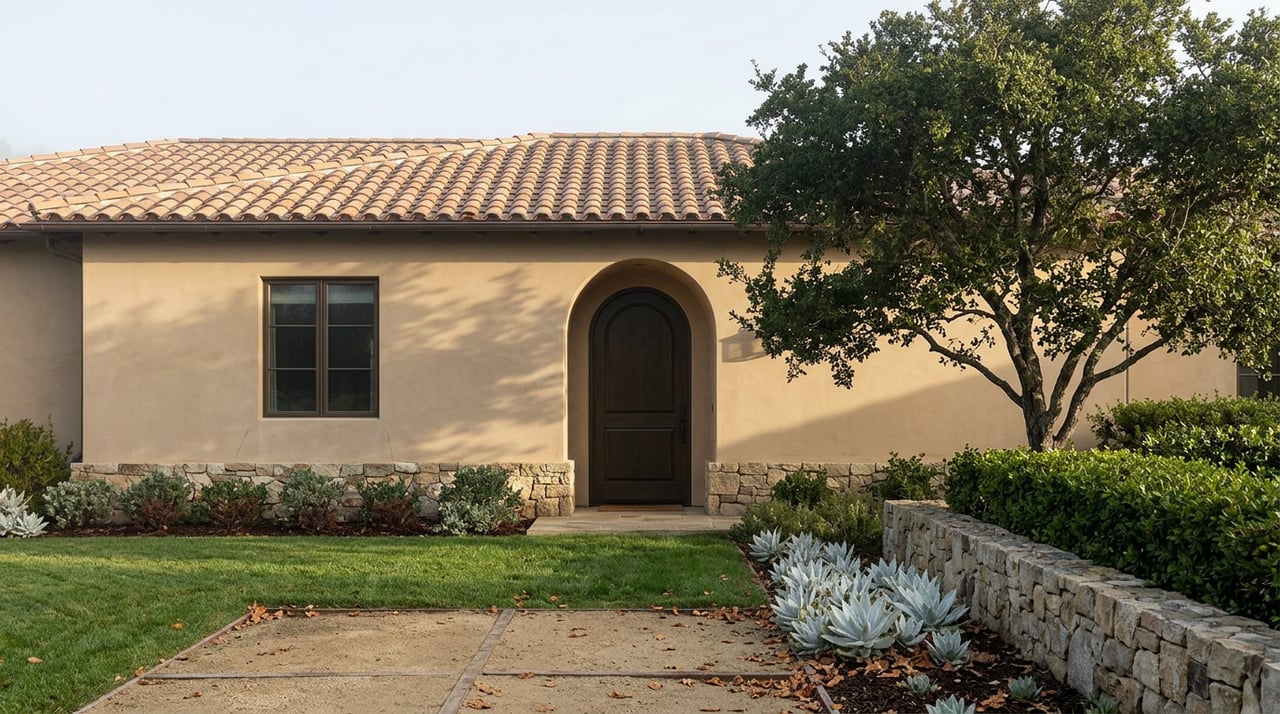
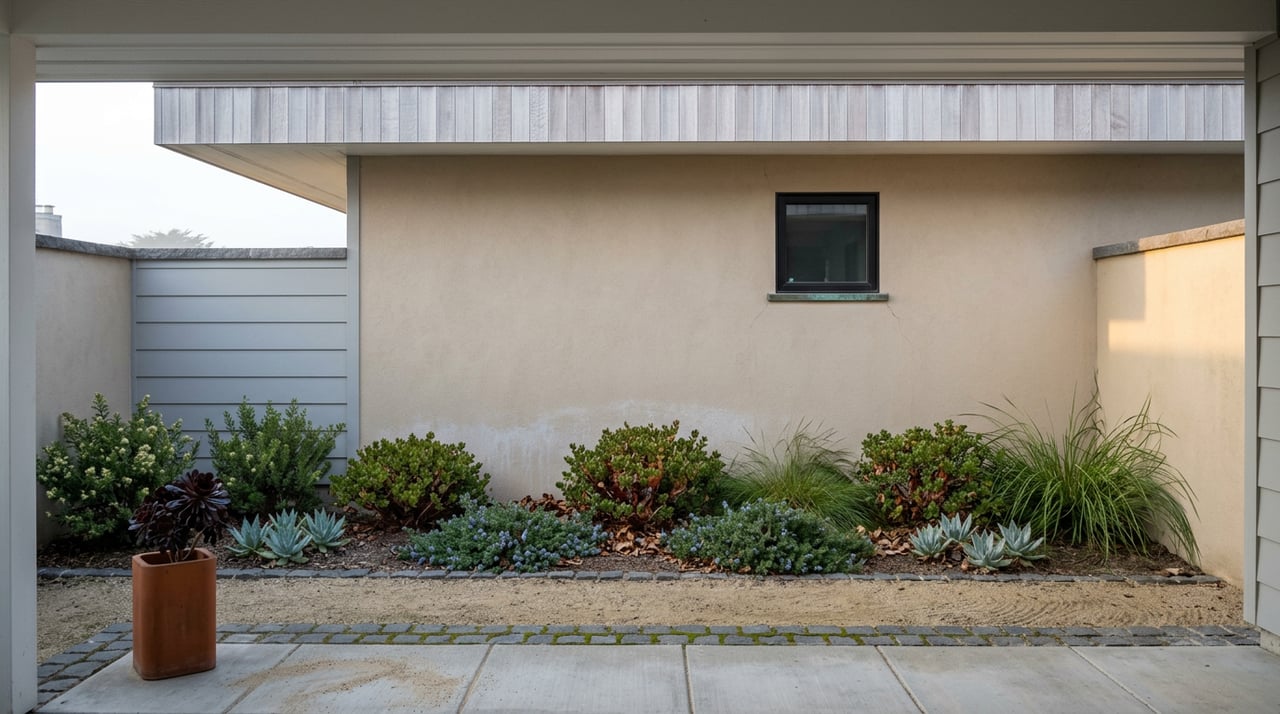
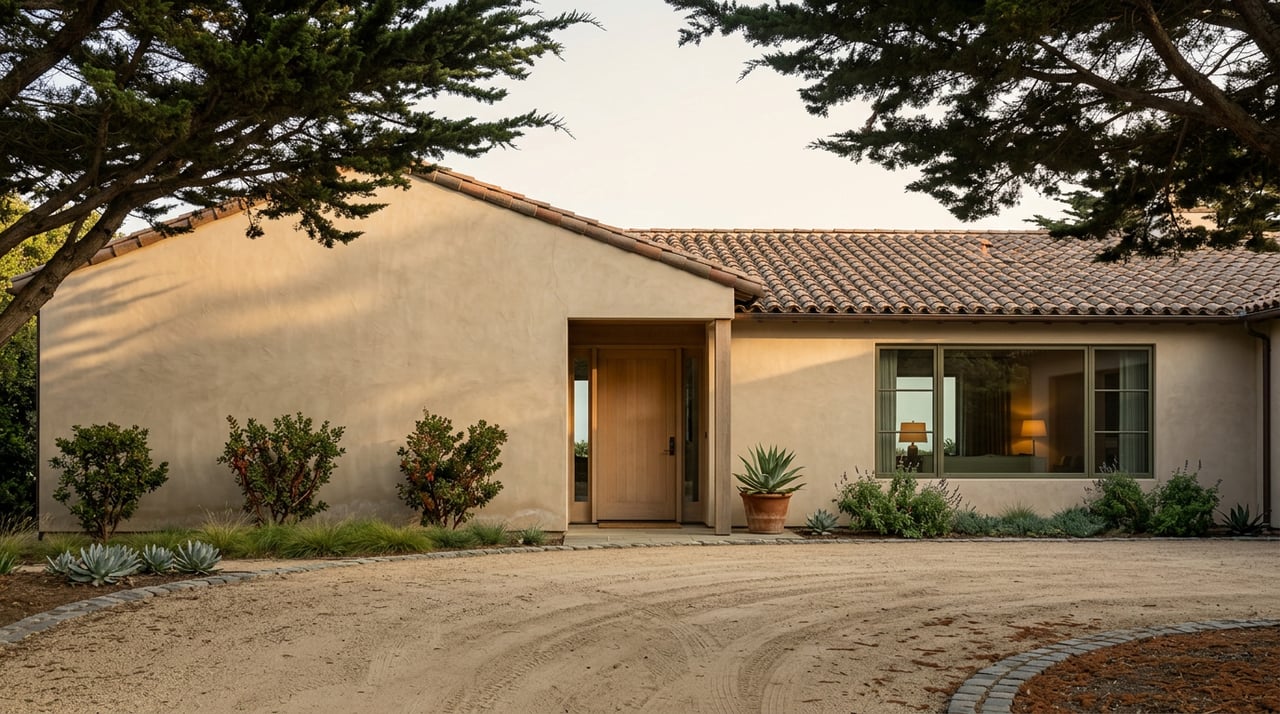
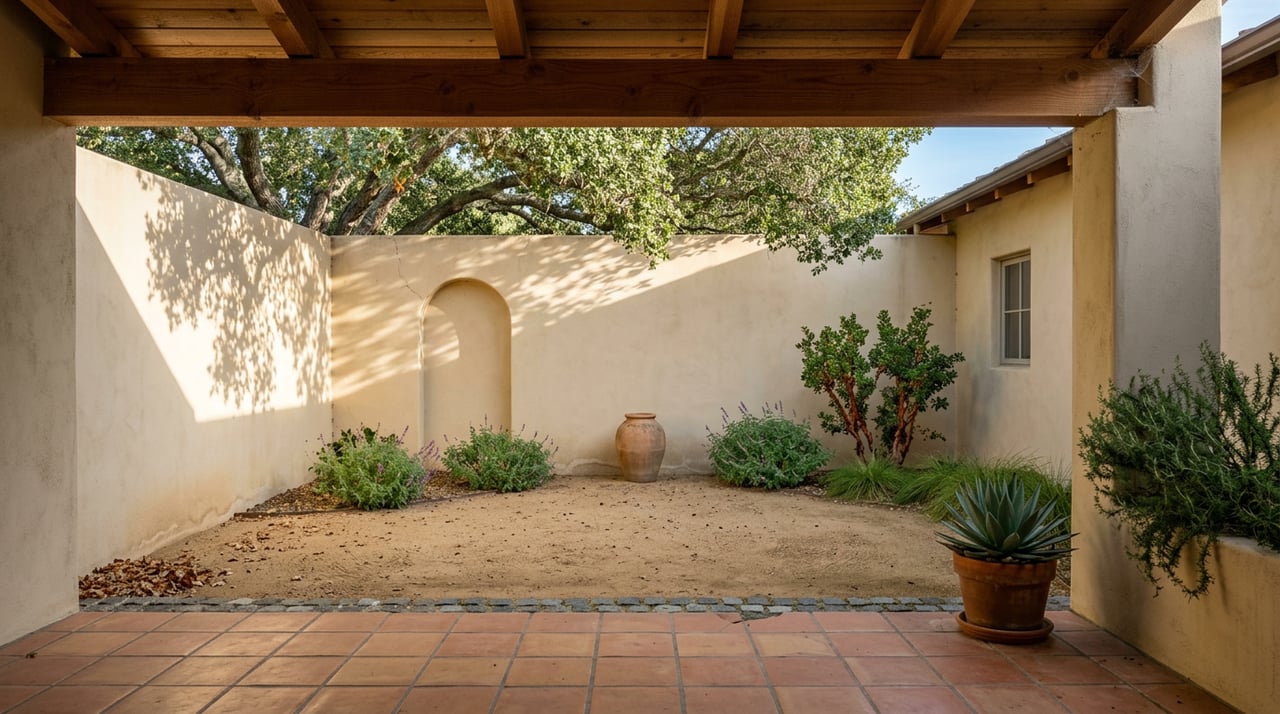
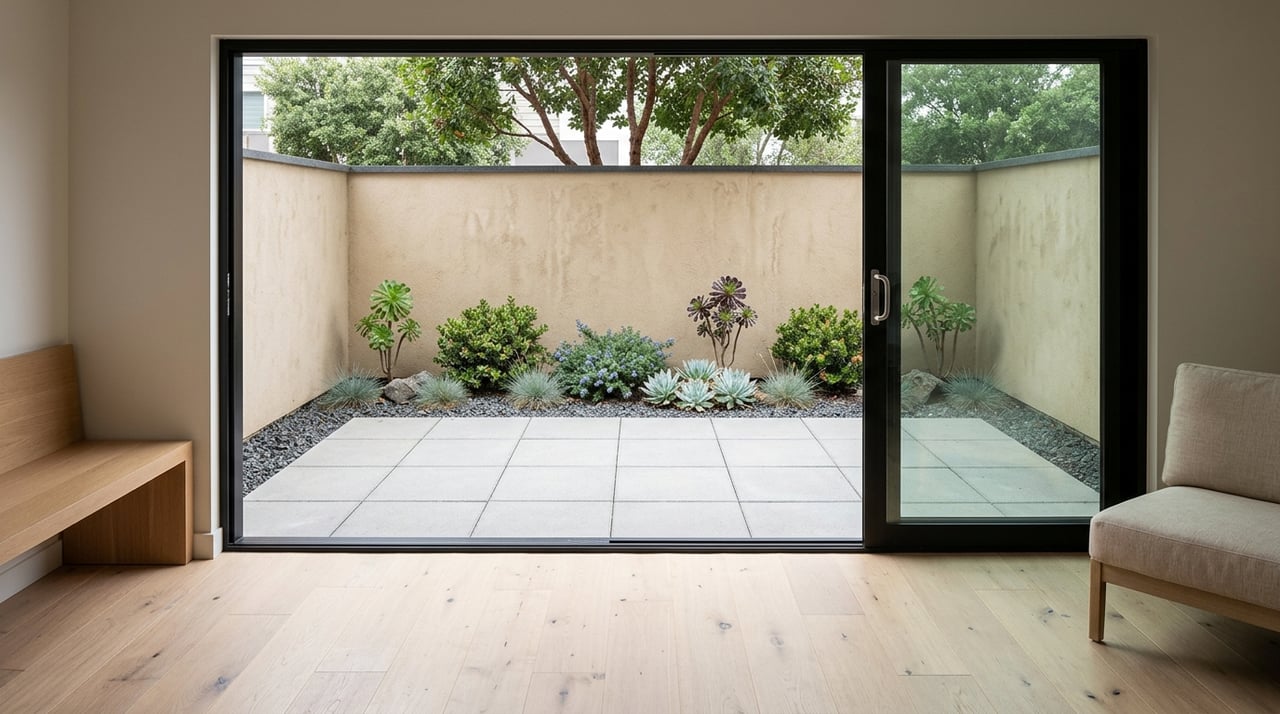
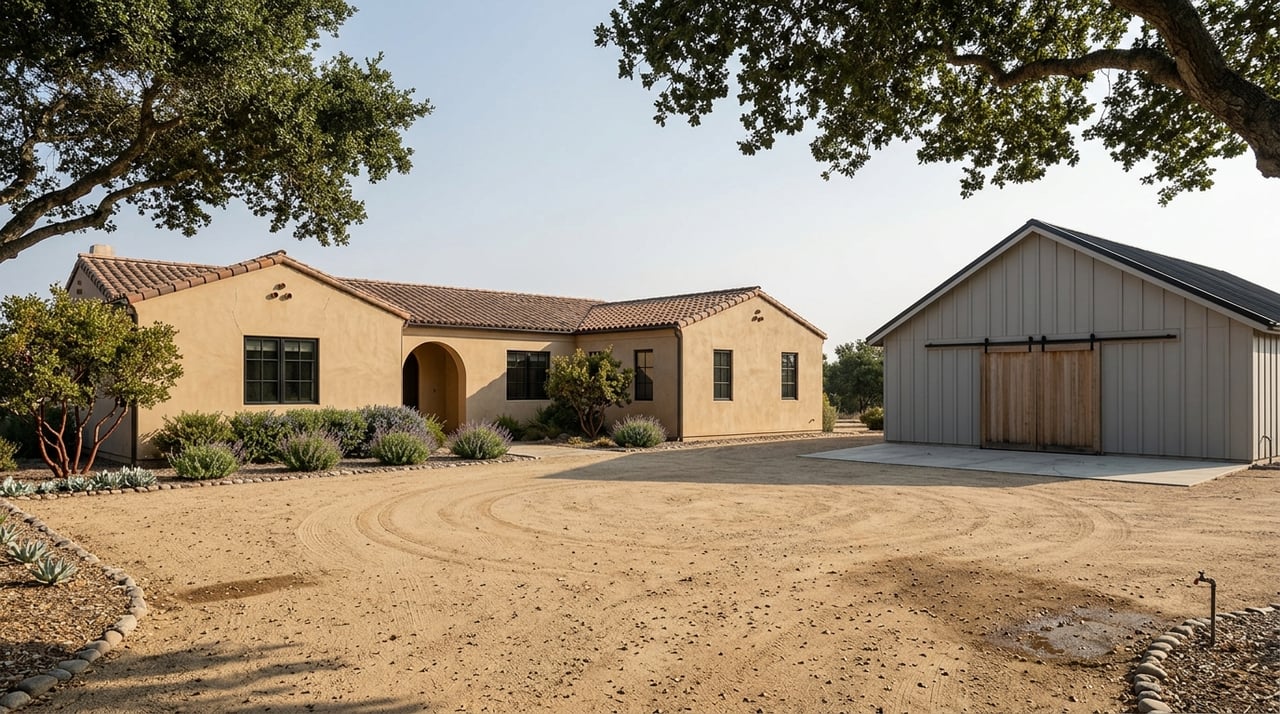
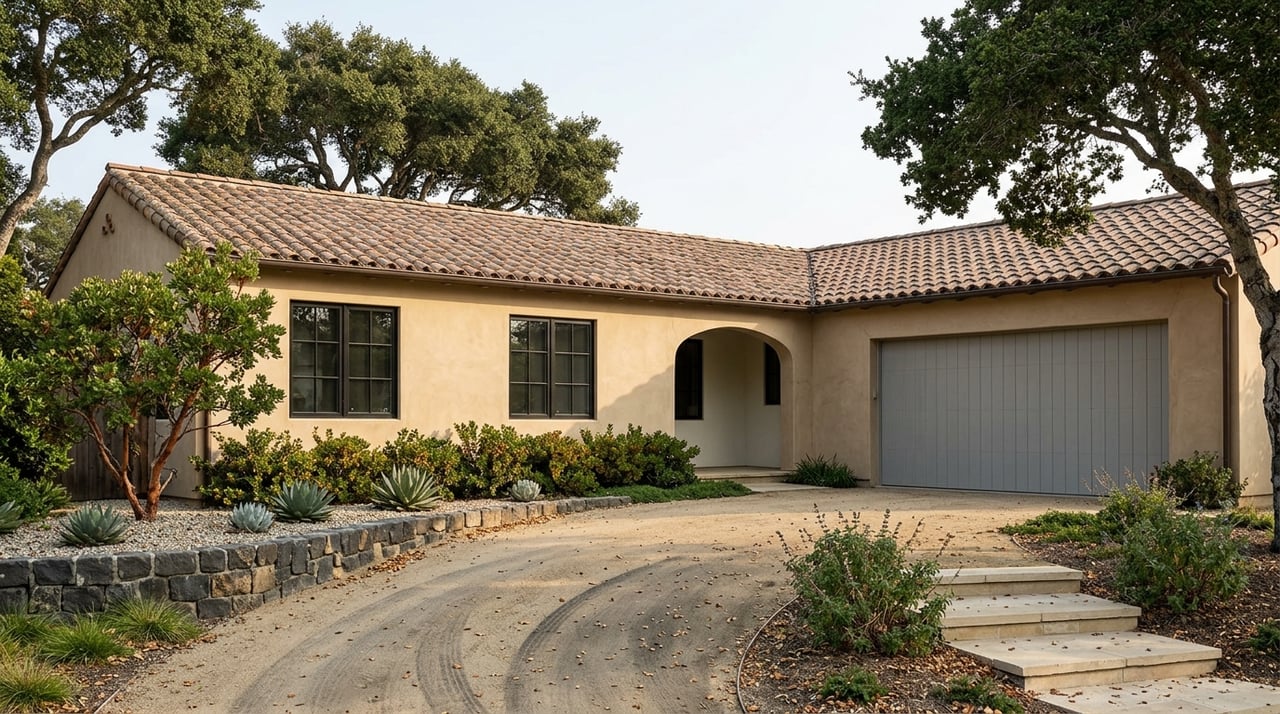
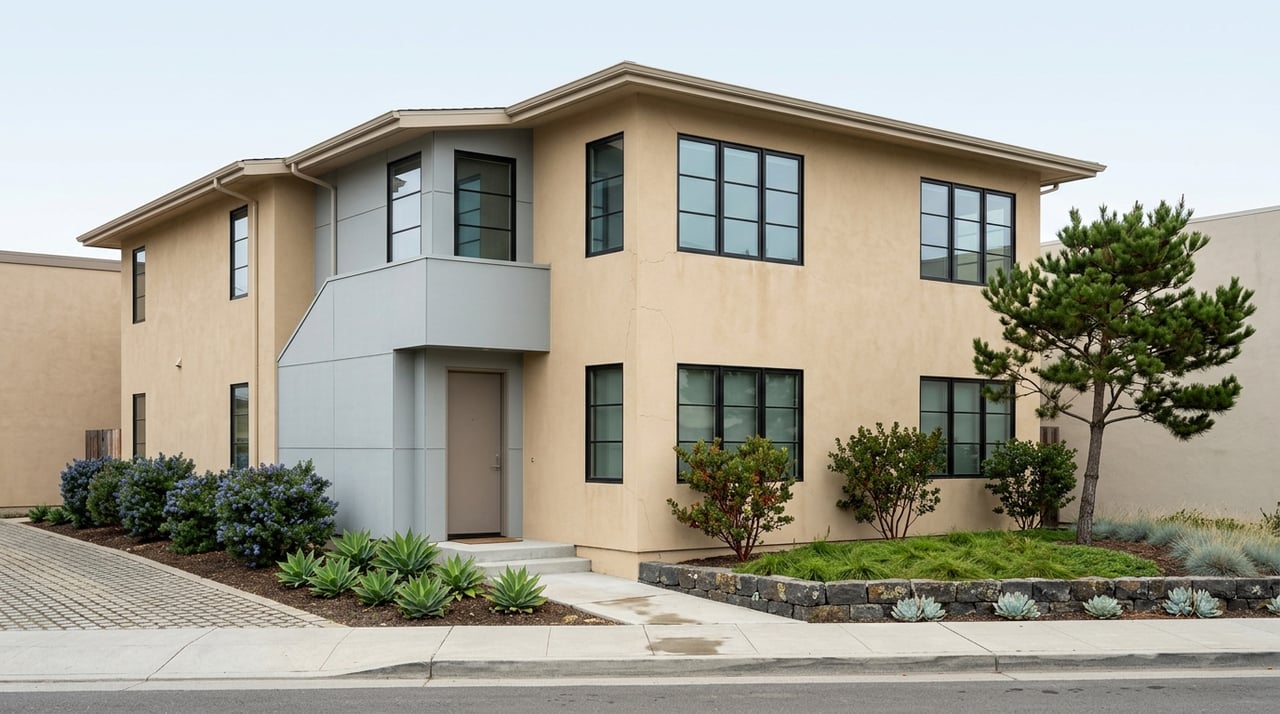
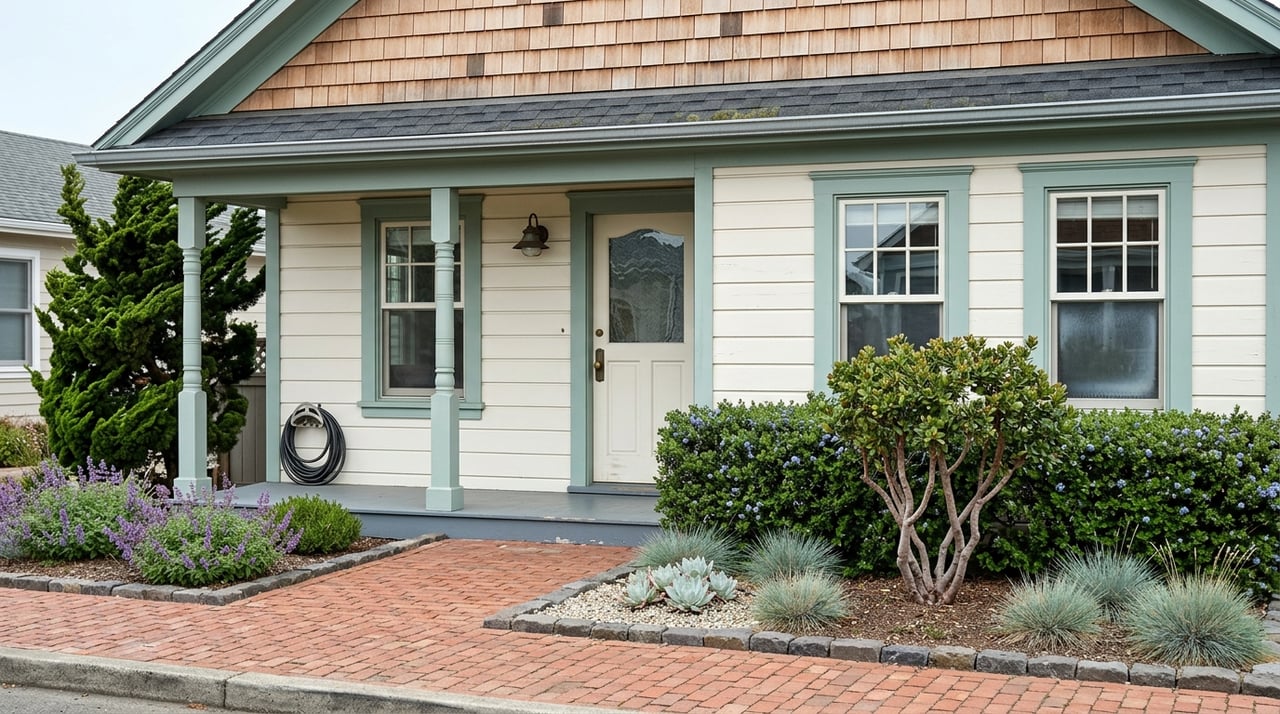
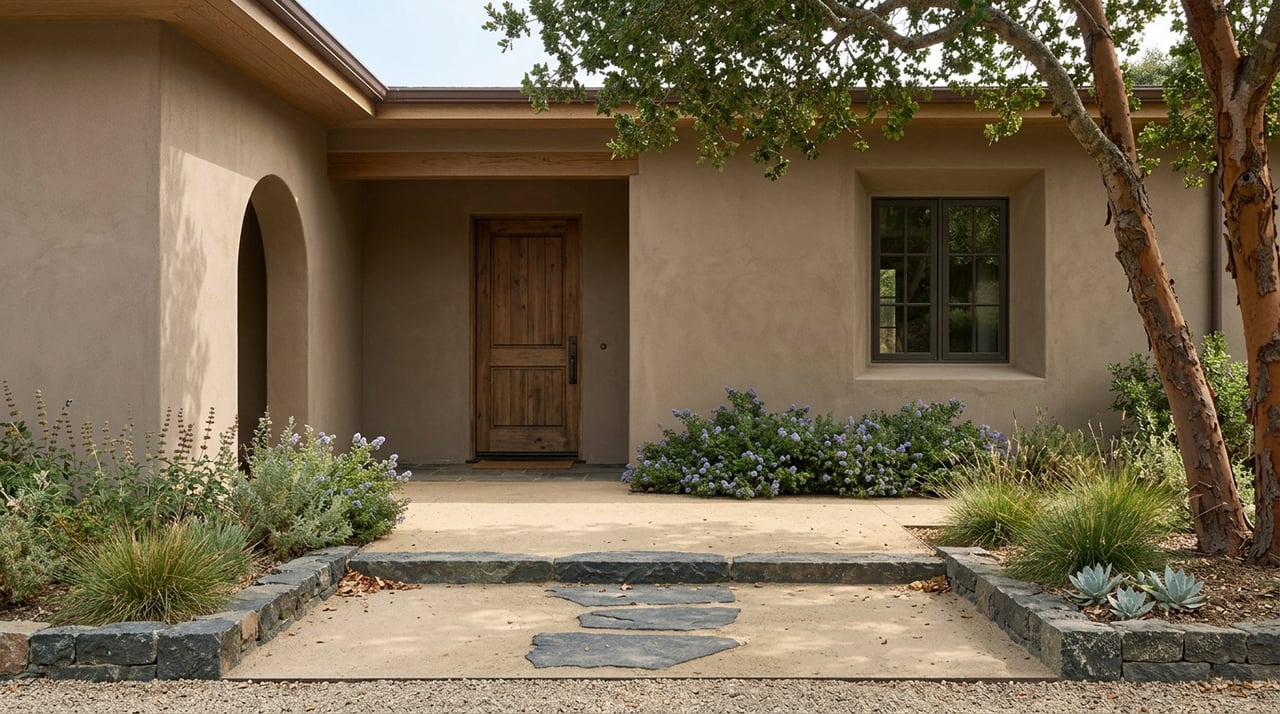
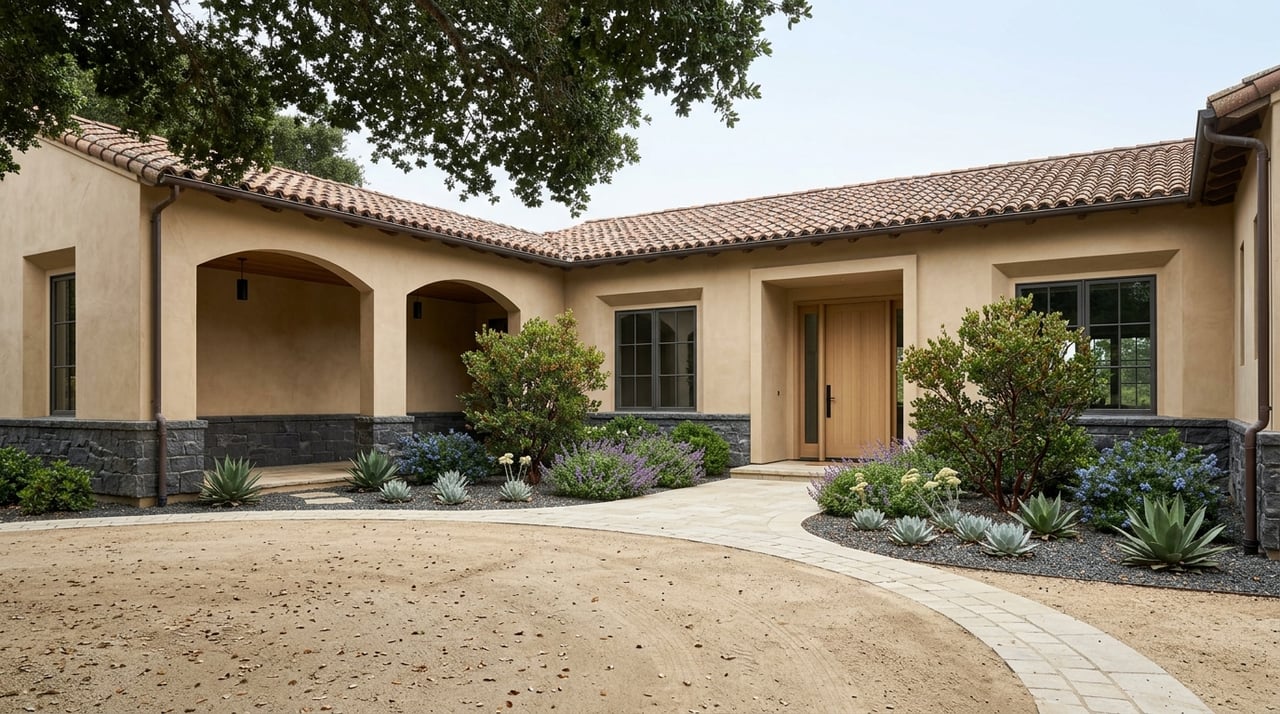
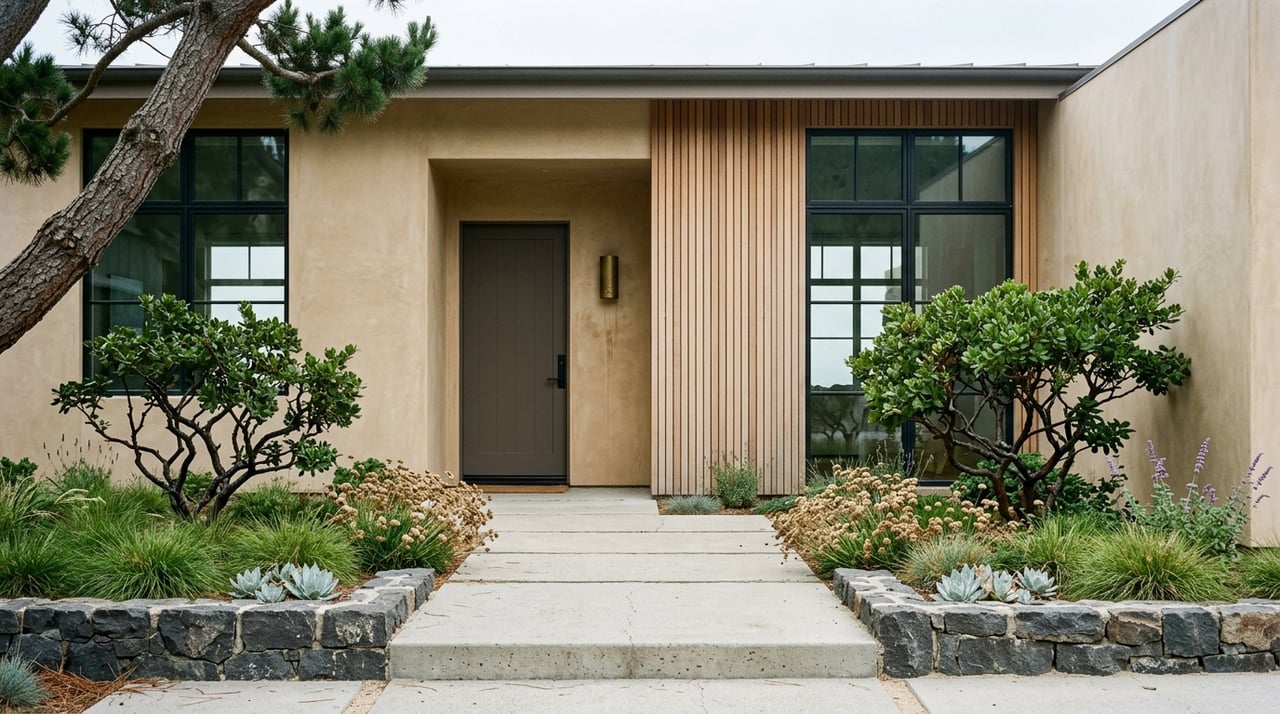
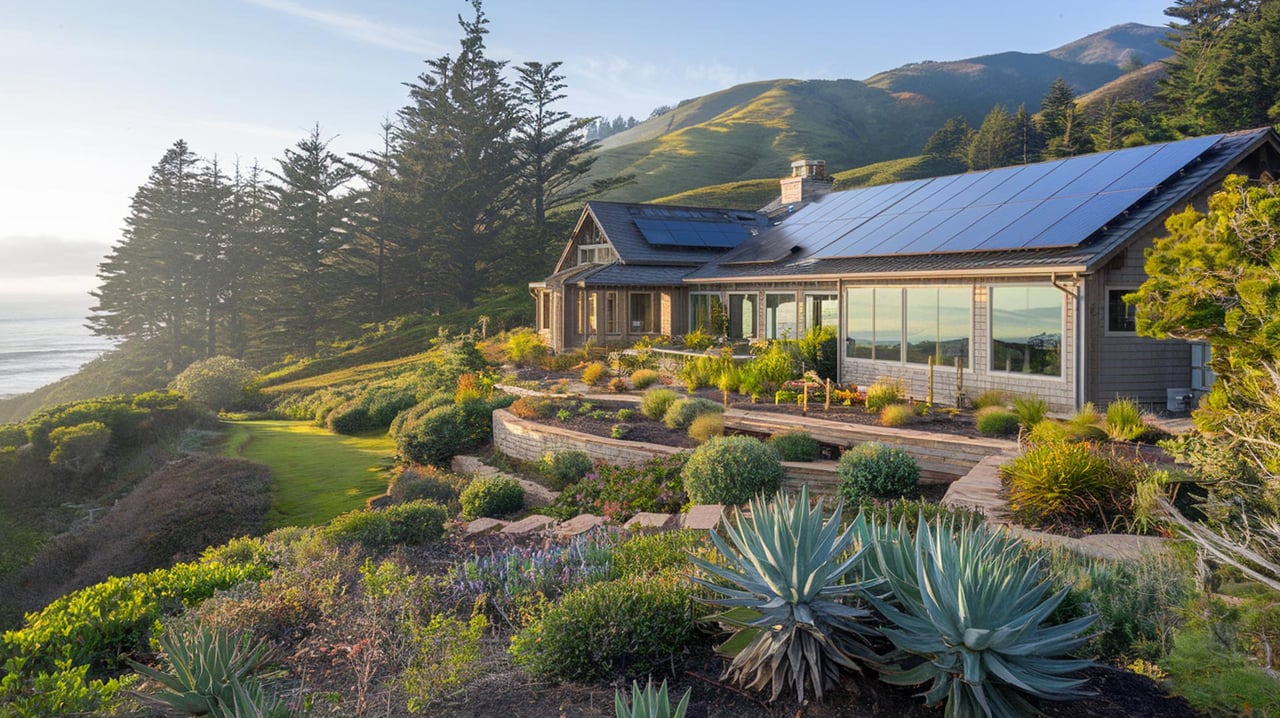
The Preserve’s Mediterranean climate and native plant communities are your allies. When you match the landscape, you reduce water needs and preserve the natural character.
- Hydrozoning: Group plants by water needs so you never overwater a low‑use area just to satisfy a thirstier zone.
- Native and climate‑adapted species: Select plants suited to Monterey County’s foothills and coastal valleys. Use resources like the UC Cooperative Extension’s regional guidance and the California Native Plant Society’s plant lists to identify species that thrive with minimal irrigation once established.
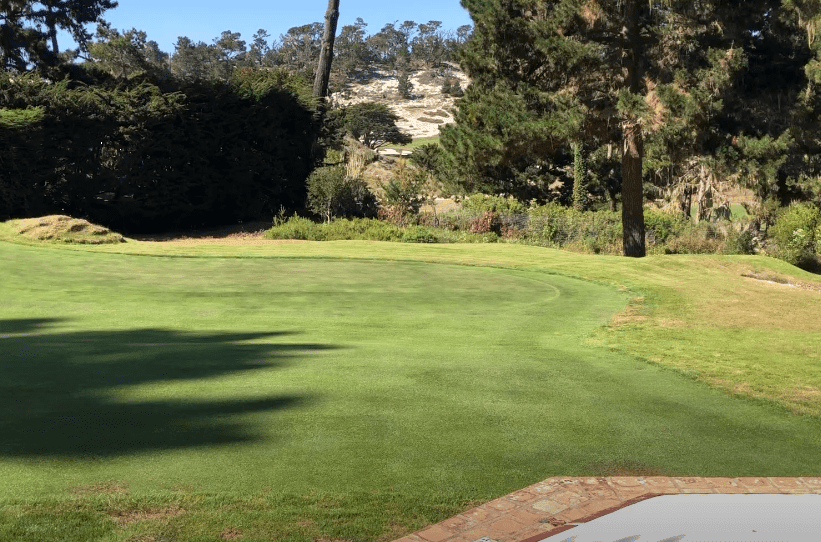
- Turf with purpose: If you want a small lawn for specific use, keep it compact and separate it from low‑water zones. Turf typically drives the highest outdoor water use.
- Soil and mulch: Improve soil structure to hold moisture, and apply 2–4 inches of organic mulch. Mulch dramatically reduces evaporation and moderates soil temperature.
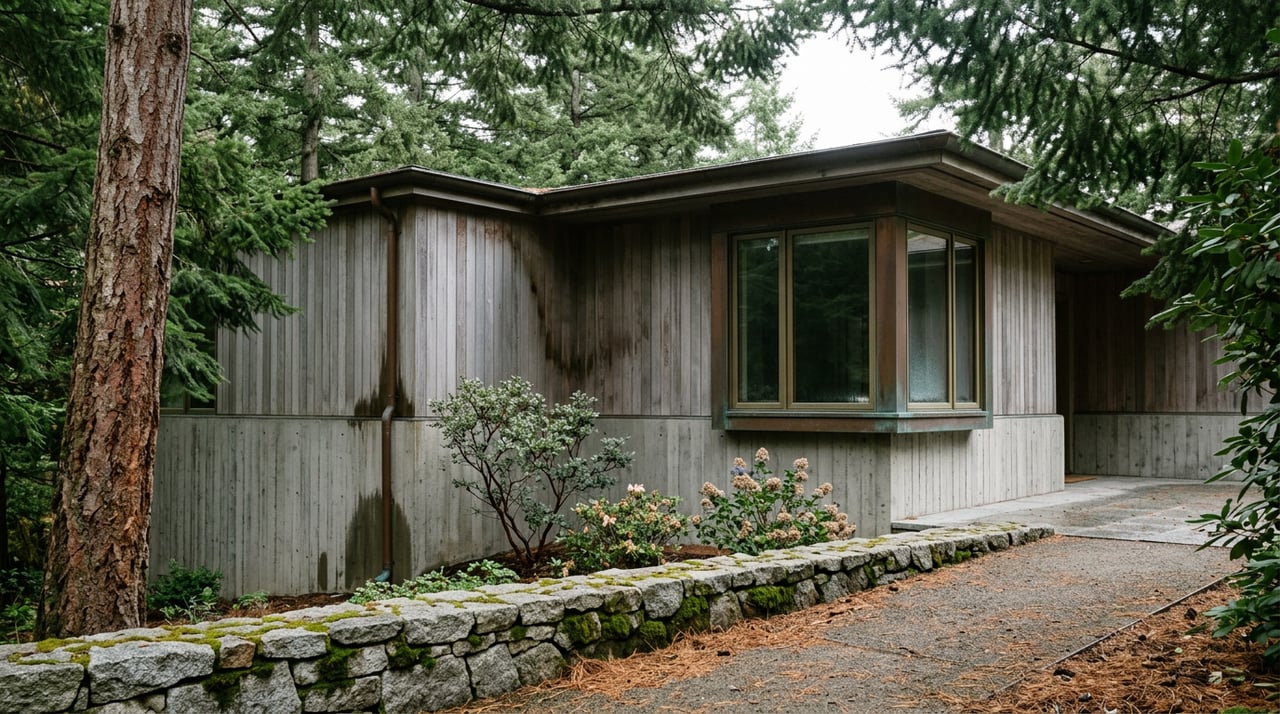
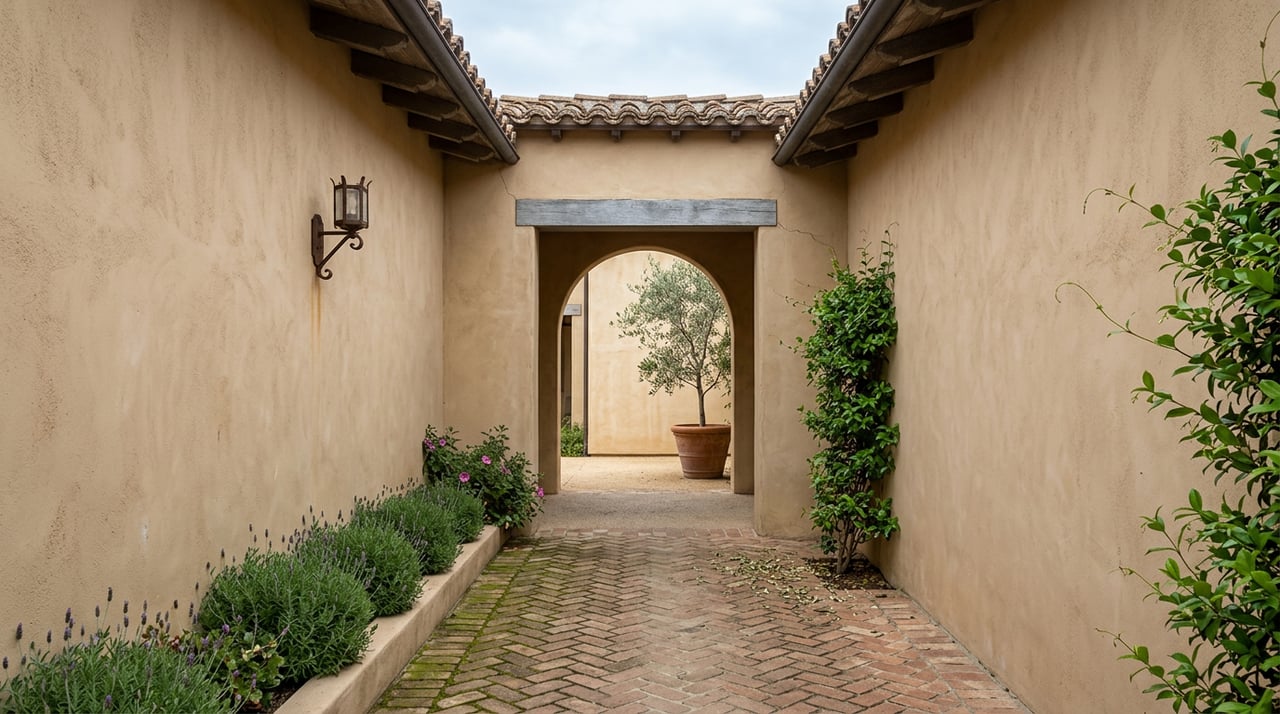
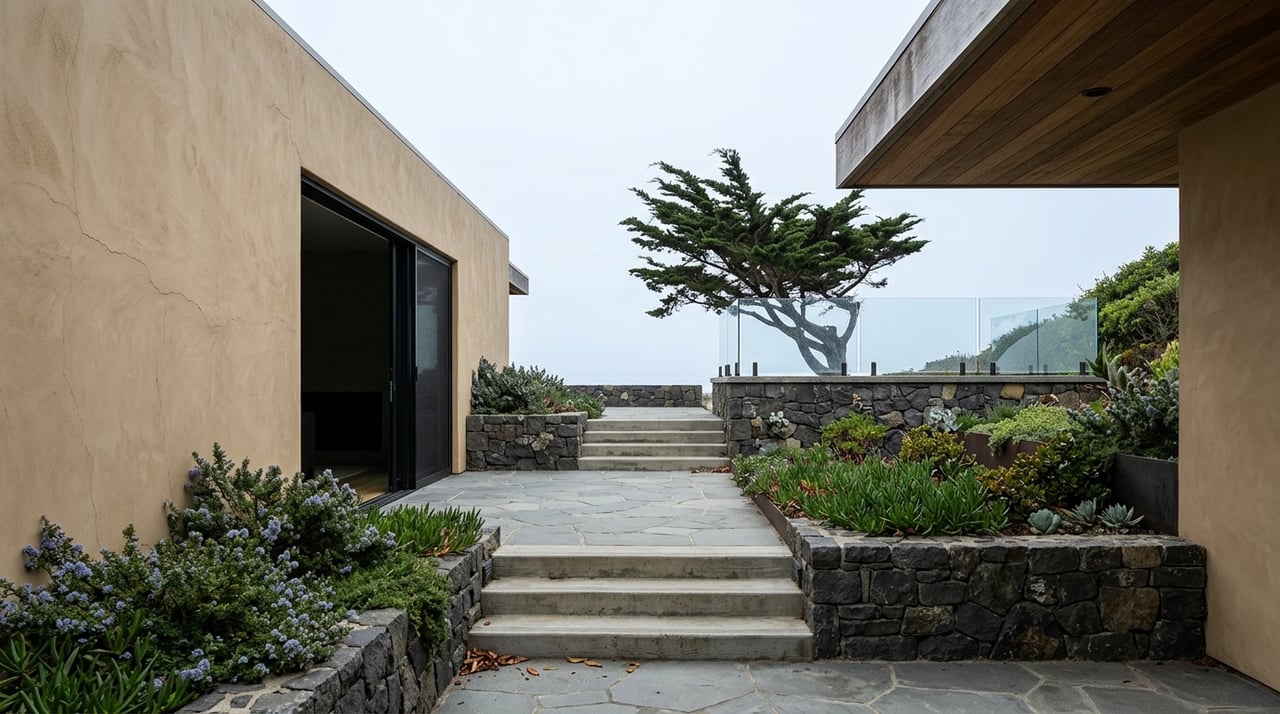
- Preserve aesthetics: Favor naturalistic palettes that mirror oak woodland edges and chaparral textures. Keep irrigation hardware unobtrusive to maintain views and community character.
These choices reduce irrigation demand and keep your plantings resilient during dry spells.
Smarter irrigation, less water
The right technology and setup can cut outdoor water use while keeping plants healthy.
- Drip and micro‑irrigation: For trees, shrubs, and beds, drip delivers water at the root zone and typically reduces waste compared to overhead sprays.
- Smart controllers: Weather‑based or soil‑moisture controllers adjust schedules automatically and can reduce outdoor use compared with fixed timers. Look for WaterSense‑labeled controllers that meet performance standards from EPA WaterSense.
- Uniformity and pressure: Use matched precipitation nozzles and pressure regulation to cut runoff and improve even coverage.
- Irrigation audit: Schedule periodic audits to find overspray, broken heads, or programming errors. Many homeowners see 20–40 percent savings when smart controls and drip pair with good design and plant selection.
After installation, recheck schedules seasonally or let your smart controller do the work for you.
Greywater, reclaimed water, and septic basics
Greywater can offset irrigation, but it is regulated to protect health and groundwater. California sets statewide code, and local agencies handle permits and enforcement.
- Greywater: Laundry‑to‑landscape systems are often simpler, while more complex designs with storage or treatment need permits and maintenance. Start with the State Water Resources Control Board’s guidance and confirm local requirements with the CSD and Monterey County Environmental Health.
- Reclaimed water: If non‑potable reclaimed water is available, the CSD will have strict rules for color‑coding, cross‑connection protection, and permitted uses. Ask the CSD about availability and standards before planning a connection.
- Septic considerations: If your property uses onsite wastewater treatment, respect setbacks and percolation rules. Coordinate any greywater or subsurface drip plan with the county and CSD to avoid system conflicts.
Never install or modify greywater or wastewater systems without approvals. Use licensed contractors who know California code and the Preserve’s standards.
A simple, Preserve‑ready action plan
- Connect with the CSD and Preserve Association
- Request current rates, meter policies, and any landscape or irrigation design rules.
- Ask about audits, rebates, or approved contractor lists if available.
- Audit your current use
- Review CSD bills and meter history for trends.
- Do a quick leak check indoors and schedule an irrigation audit outdoors.
- Tackle the fastest indoor wins
- Swap in WaterSense toilets, showerheads, and faucet aerators.
- Plan for a high‑efficiency clothes washer at your next replacement.
- Align the landscape
- Map hydrozones and choose native, drought‑tolerant species suited to the Preserve.
- Convert spray to drip where appropriate and mulch beds.
- Install a WaterSense‑labeled smart controller and pressure regulation.
- Explore greywater cautiously
- Discuss options with the CSD and county before design.
- Favor simple, no‑storage systems with clear maintenance plans.
- Monitor and maintain
- Read your meter monthly and log irrigation changes.
- Reprogram seasonally or let your smart controller adapt.
- Clean filters, fix leaks, and refresh mulch annually.
Season‑by‑season tune‑ups
- Spring: Check for winter damage, flush drip lines, and reset schedules as plants leaf out.
- Summer: Inspect mulch depth, verify root‑zone moisture, and avoid daytime watering to reduce evaporation.
- Fall: Scale back run times as temperatures drop and rains approach; plant natives that establish on winter moisture.
- Winter: Pause irrigation during steady rains and test leak alerts on your controller or meter.
Consistent, light maintenance keeps systems performing well and plants healthy with less water.
The value for buyers and sellers
Water‑smart homes at the Preserve do more than lower monthly bills. They align with community standards, support the CSD’s long‑term reliability, and protect the landscapes that make this place special. Efficient fixtures, native plant design, and smart irrigation are tangible signals of stewardship that future buyers will recognize.
If you are planning improvements, start with the CSD to confirm requirements, then sequence your upgrades for quick wins and long‑term gains. You will save water today and add resilience for the seasons ahead.
Ready for water‑smart living?
If you are exploring a new build, planning a renovation, or preparing to sell, thoughtful water strategy can simplify approvals and enhance daily comfort. For guidance on how efficiency and design choices intersect with the Preserve’s standards and your property goals, connect with Unknown Company to start a confidential consultation.
FAQs
What is the Preserve’s CSD and why should I contact them first?
- The CSD manages potable water and wastewater systems and sets rules for connections, permits, and standards. Contacting the CSD first helps you align projects with community requirements and avoid delays.
Which indoor upgrades save the most water in a Preserve home?
- WaterSense‑labeled toilets, showerheads, and faucet aerators, plus a high‑efficiency clothes washer, typically deliver the biggest, fastest savings. See specifications at EPA WaterSense.
How do I choose native plants for Santa Lucia Preserve conditions?
- Use Monterey County‑appropriate lists from the UC Cooperative Extension and California Native Plant Society. These plants fit the local climate and often require less irrigation once established.
Are smart irrigation controllers worth it at the Preserve?
- Yes. Weather‑based or soil‑moisture controllers, especially WaterSense‑labeled models, can reduce outdoor use compared with fixed timers, often by 20–40 percent when paired with drip and good design. Learn more at EPA WaterSense.
Can I install a greywater system at my Preserve property?
- Possibly. Greywater is regulated in California, and many systems need permits. Start with the State Water Resources Control Board’s guidance, then confirm CSD and Monterey County Environmental Health requirements before design or installation.
Will saving water at home help the community’s wastewater system?
- Yes. Lower indoor use reduces flows to treatment, which can ease system load and support reliable operations. Coordinate any reuse strategies with the CSD to ensure compliance with permits and standards.