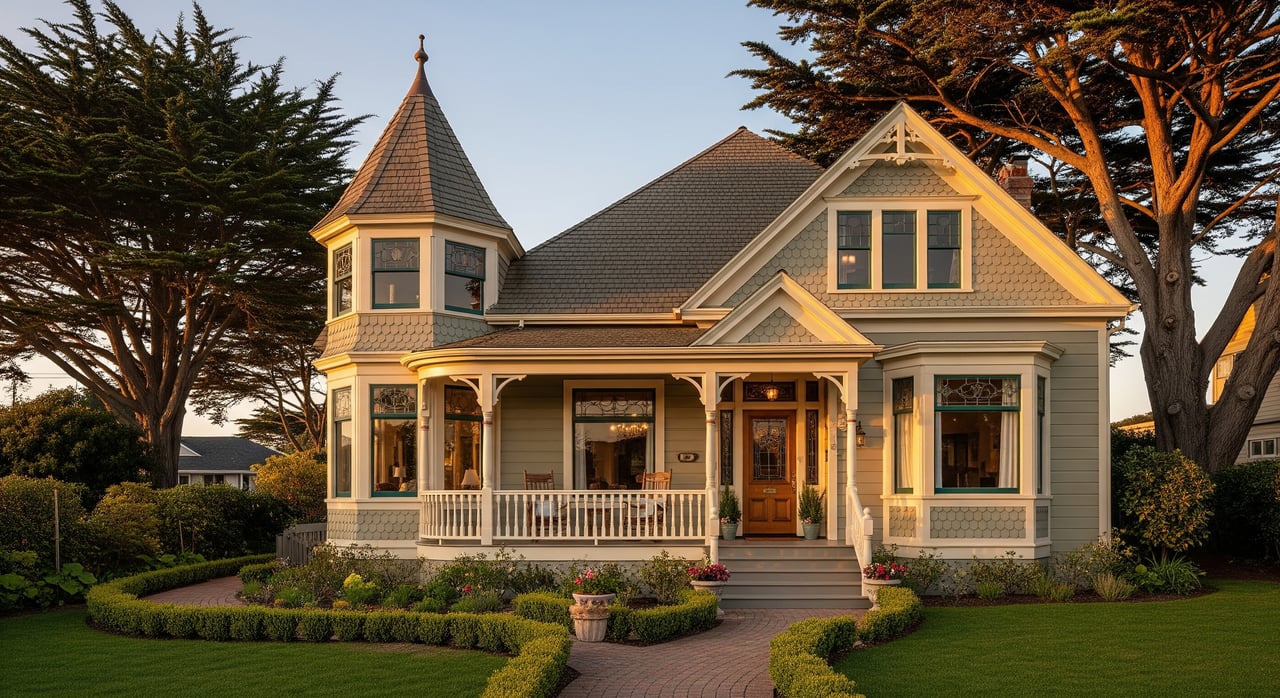
Love the idea of a Pacific Grove Victorian with wraparound porch, stained glass, and storybook charm? You’re not alone. Buying a historic home here can be incredibly rewarding, yet it works a little differently than purchasing a newer property. In this guide, you’ll learn what to expect with inspections, permits, timelines, costs, and incentives so you can move forward with clarity. Let’s dive in.
Why Pacific Grove Victorians stand out
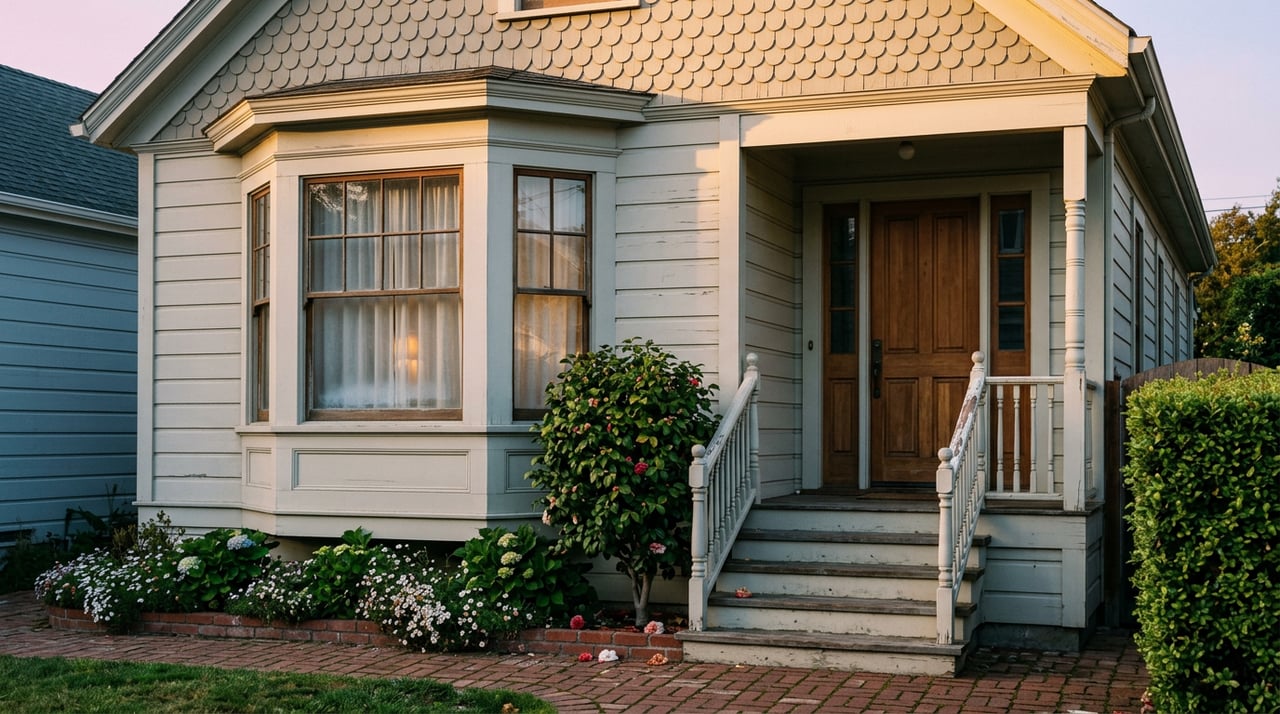
Pacific Grove is known for late 19th and early 20th century architecture. You’ll see ornamental woodwork, bay windows, and period details that create a sense of place. These homes draw buyers who value craftsmanship and provenance.
The city actively preserves its historic character. Local ordinances, a Historic Preservation Commission, and a Historic Resources Inventory guide what can and cannot change. Expect exterior features to be treated as historically important, especially on homes that are designated or located in historic areas.
Designations to verify
Local status and districts
Many homes are local landmarks or contributing resources in a historic district. Local designation often triggers design review for exterior alterations. Ask planning staff if a property is listed in the city’s inventory and which rules apply.
State and national listings
Some properties are listed on the California or National Register. These listings recognize significance and can open doors to certain programs. Local rules still govern most exterior changes, so you’ll coordinate closely with city staff.
Preservation easements
An easement is a recorded legal agreement that limits changes to protect historic features. Easements run with the land, so you’ll need to find them through title work and understand their requirements before you close.
Property condition: what to expect
Mechanical systems
Older electrical, plumbing, and heating systems often need updating for safety and capacity. Knob-and-tube wiring or ungrounded outlets are common in early houses, and galvanized plumbing can be near the end of its life. Plan for upgrades that respect historic finishes.
Structure and seismic
Foundations can be pier-and-beam or shallow, and some homes show settling. In California, seismic vulnerability is a key concern. Many historic homes benefit from bolting, bracing, and targeted retrofit work designed by a structural engineer.
Roof, siding, and trim
Historic roofing, wood siding, and millwork require careful repair to prevent water intrusion. In a coastal climate, moisture and wind-driven rain can expose weak points. Termites and wood rot are common risks, so detailed inspections are essential.
Hazardous materials
Pre-1978 homes may contain lead-based paint, and older materials can include asbestos. If you plan to disturb painted or insulated surfaces, plan for testing and proper abatement methods.
Character features
Stained glass, original flooring, built-ins, and plaster walls may be fragile. Skilled craftspeople can repair them, but expect specialized methods and costs to protect authenticity.
Permits and approvals
Exterior changes
Exterior alterations often require design review. Repainting may be exempt, but changing windows, siding, porches, or rooflines usually needs approval. The city may require “in-kind” repairs or compatible materials.
Interior work
Interior changes are generally less regulated unless an easement or covenant applies. Still, you will need building permits for structural, electrical, plumbing, and life-safety work.
Standards and timelines
The Secretary of the Interior’s Standards for Rehabilitation shape accepted best practices. Plan for longer permitting timelines when historic review is involved, especially for larger projects.
Budget, financing, insurance
Renovation costs
Historically appropriate repairs often cost more than standard replacements because they require specialized materials and labor. Seismic retrofits, foundation improvements, and full system replacements are common big-ticket items.
Incentives and taxes
The Mills Act can provide property tax relief for designated historic properties that enter into a maintenance contract. Availability depends on local participation and program rules. Confirm whether Pacific Grove participates, whether a property already has a Mills Act contract, and what the obligations are.
State and federal historic rehabilitation tax credits typically favor income-producing properties. Owner-occupied single-family homes have limited federal credit options.
Loans and cash flow
Conventional mortgages are widely used for historic homes. If you plan improvements, specialized renovation loans such as FHA 203(k) or Fannie Mae Homestyle Renovation can help finance the work. Lenders may require licensed contractors and holdbacks.
Insurance and earthquake coverage
Historic homes may need tailored coverage for custom materials and finishes. Earthquake insurance is a separate policy in California and is often advisable given seismic risk.
Your due diligence roadmap
Pre-offer
- Clarify your comfort level with ongoing maintenance and preservation rules.
- Ask the seller for permits, maintenance records, and any historic documentation.
- Run preliminary title checks for easements, covenants, and Mills Act contracts.
After offer accepted
- Order inspections: full home, wood-destroying organisms, structural/seismic, roofing, electrical, plumbing, HVAC, and hazardous materials if needed.
- Speak with city planning and historic preservation staff to confirm designation status and review requirements for planned work.
- Get at least one estimate from a contractor who specializes in historic homes for major items like foundation, roofing, seismic work, or siding and windows.
- Consult a lender about renovation financing and an insurance broker about historic and earthquake coverage.
Before closing
- Resolve any title-recorded easements and understand obligations.
- Satisfy contingencies tied to permits, cost estimates, and financing.
- Set a realistic renovation reserve. Older homes often benefit from a higher contingency.
After closing
- Keep a thorough file of permits, plans, photos, and invoices for future buyers and program compliance.
- If applicable, register maintenance and alteration plans with the city per any local program or Mills Act contract.
Build the right team
City planning and preservation staff
- Ask if the property is on the local Historic Resources Inventory.
- Confirm which exterior changes require design review and typical timelines.
- Verify whether the city participates in the Mills Act and how to apply.
- Clarify when the California Historical Building Code can be used for your project.
Preservation architect or consultant
- Identify character-defining features to protect.
- Explore repair options that meet code and preserve integrity.
- Understand likely cost drivers and phasing strategies.
Contractor and structural engineer
- Confirm experience with period-appropriate repair techniques.
- Review options for seismic retrofits tailored to your foundation and framing.
- Discuss phased permits and managing work through design review.
Lender, appraiser, and insurer
- Ask how historic status can affect appraisal and underwriting.
- Compare renovation loan products and qualification requirements.
- Get guidance on coverage for custom materials and earthquake insurance.
Real estate attorney
- Review title for recorded easements, covenants, or historic agreements and explain obligations.
Negotiation and contingencies
- Inspection contingency: allow time for multiple specialists.
- Records review contingency: permits, approvals, easements, and designation documents.
- Financing contingency: align with renovation plans.
- Cost-estimate contingency: tie to bids from qualified historic-rehab contractors.
- Repairs or credits: negotiate seller responsibilities or credits for known deficiencies.
Timelines and cost expectations
- Small maintenance: simple permits can be quick, but add time if historic review is needed.
- Larger projects: plan for months of design, review, permitting, and construction.
- Budgeting: historically appropriate work and seismic upgrades often drive costs. Build a robust contingency, and get multiple bids for major scopes.
Caring for your historic home
Owning a historic Pacific Grove home is about stewardship. Plan seasonal maintenance, address moisture early, and use qualified craftspeople for repairs. Preserve documentation of all work to protect value and make future approvals easier. With the right planning, you can honor the past while living comfortably today.
If you’re considering a Pacific Grove Victorian and want calm, expert guidance, let’s talk about your goals, budget, and timeline. Start a confidential conversation with William Smith.
FAQs
What is the Mills Act, and can it lower my taxes?
- The Mills Act can reduce property taxes for designated historic homes through a contract that commits you to long-term maintenance; verify local participation and property eligibility.
Do I need approval to replace windows on a historic home?
- Many exterior changes, including windows, require design review in Pacific Grove, so confirm requirements and timelines with city planning staff before you start.
How do seismic retrofits fit into a historic home purchase?
- A structural engineer can assess your foundation and framing, propose retrofit options, and outline permits; expect this to be a major cost and plan accordingly.
Can I remodel a kitchen or bath in a designated house?
- Interior work is typically less regulated, but permits are required for code items and any easements or covenants may add conditions; the California Historical Building Code can offer flexible compliance.
What inspections are most important for coastal Victorian homes?
- In addition to a full home inspection, order termite and moisture assessments, structural/seismic evaluations, and checks of electrical, plumbing, roof, and potential lead or asbestos.
Will a historic listing affect my loan or appraisal?
- Conventional financing is common, and renovation loans may help; appraisers and lenders will consider the home’s condition and character, so work with teams experienced in historic properties.