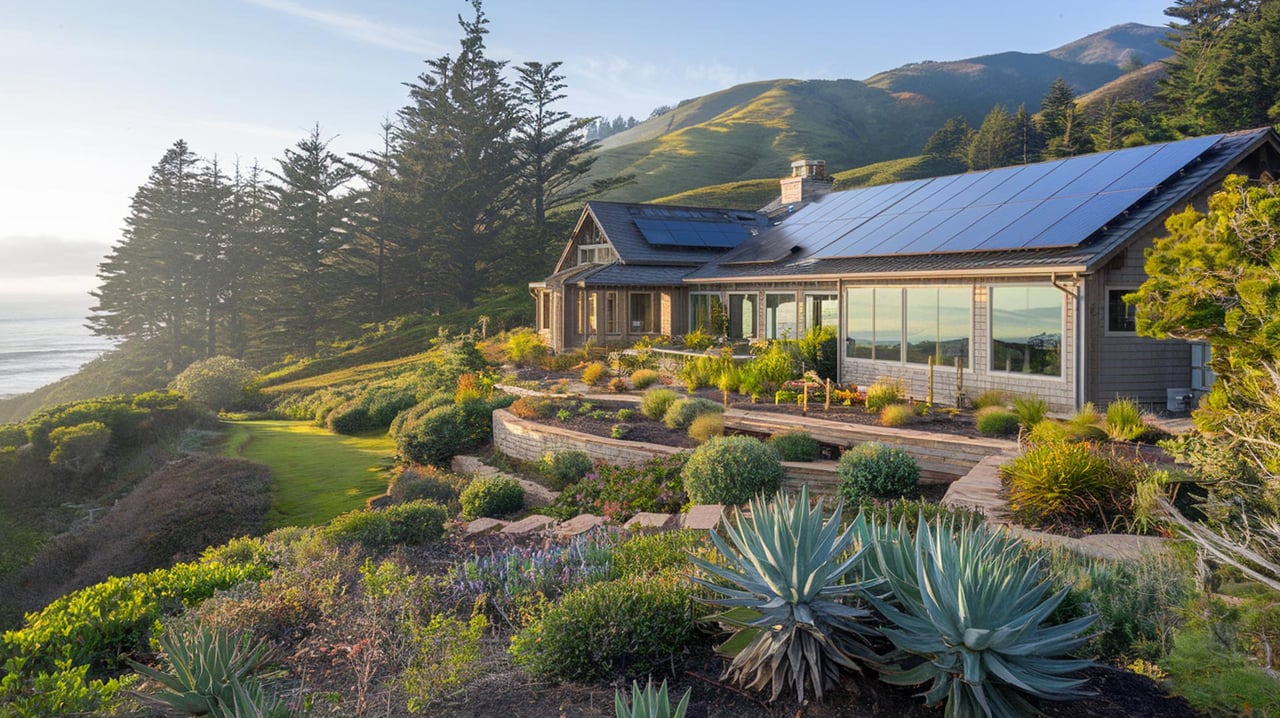
Owning land on The Santa Lucia Preserve comes with a rare opportunity to care for an extraordinary landscape. If you have Openlands on your lot, you may be wondering how to enhance habitat, manage views, and reduce fire risk while honoring the easement. The good news: you can partner with the Santa Lucia Conservancy to build a clear, science‑based plan. This guide shows you how an Openlands Stewardship Plan works, what to expect, and how to get started. Let’s dive in.
Openlands and OSP basics
An Openlands Stewardship Plan is a voluntary, site‑specific 3 to 5 year plan you create with the Santa Lucia Conservancy to manage your Openlands for biodiversity, scenic quality, and resilience. The Conservancy drafts the plan and provides complimentary technical guidance, while you decide on goals and fund implementation. You keep ownership and must follow the conservation easement terms. You can learn more about the process in the Conservancy’s overview of landowner partnerships.
When you need a plan
Some work in Openlands is simple and allowed with basic care. Other actions require an approved plan before you begin.
- Manual hand removal of invasive weeds is generally allowed without approval when you follow the Conservancy’s vegetation guidance.
- Mechanical treatments, mowing in Openlands, new native plantings, grading, or other large interventions typically require inclusion in an approved plan. See the Conservancy’s Openlands guidelines for rules and best practices.
How to start your OSP
Starting is straightforward and collaborative.
- Contact the Conservancy’s Restoration or Stewardship team to request a plan. Initiation is complimentary and includes a site visit to discuss goals and conditions. Details are outlined under landowner partnerships.
- Prepare for the visit with a map of your lot and Openlands, photos, and a short list of goals such as privacy screening, native planting, invasive control, habitat features, or fuel reduction.
- Review the draft plan with the Conservancy. Confirm which actions require approvals or permits and set a practical timeline and budget.
What your plan can include
Your plan is tailored to your site and goals. Common elements include:
- Invasive plant control with manual, targeted mowing, or, where appropriate, licensed herbicide applications following vegetation management guidance.
- Native revegetation to restore grasslands, oak understories, or riparian edges consistent with Openlands plan standards.
- Wildlife habitat features like nest boxes or pond margin enhancements, informed by the Conservancy’s monitoring of special‑status species such as California tiger salamander and red‑legged frog. See the Conservancy’s work on rare and protected species.
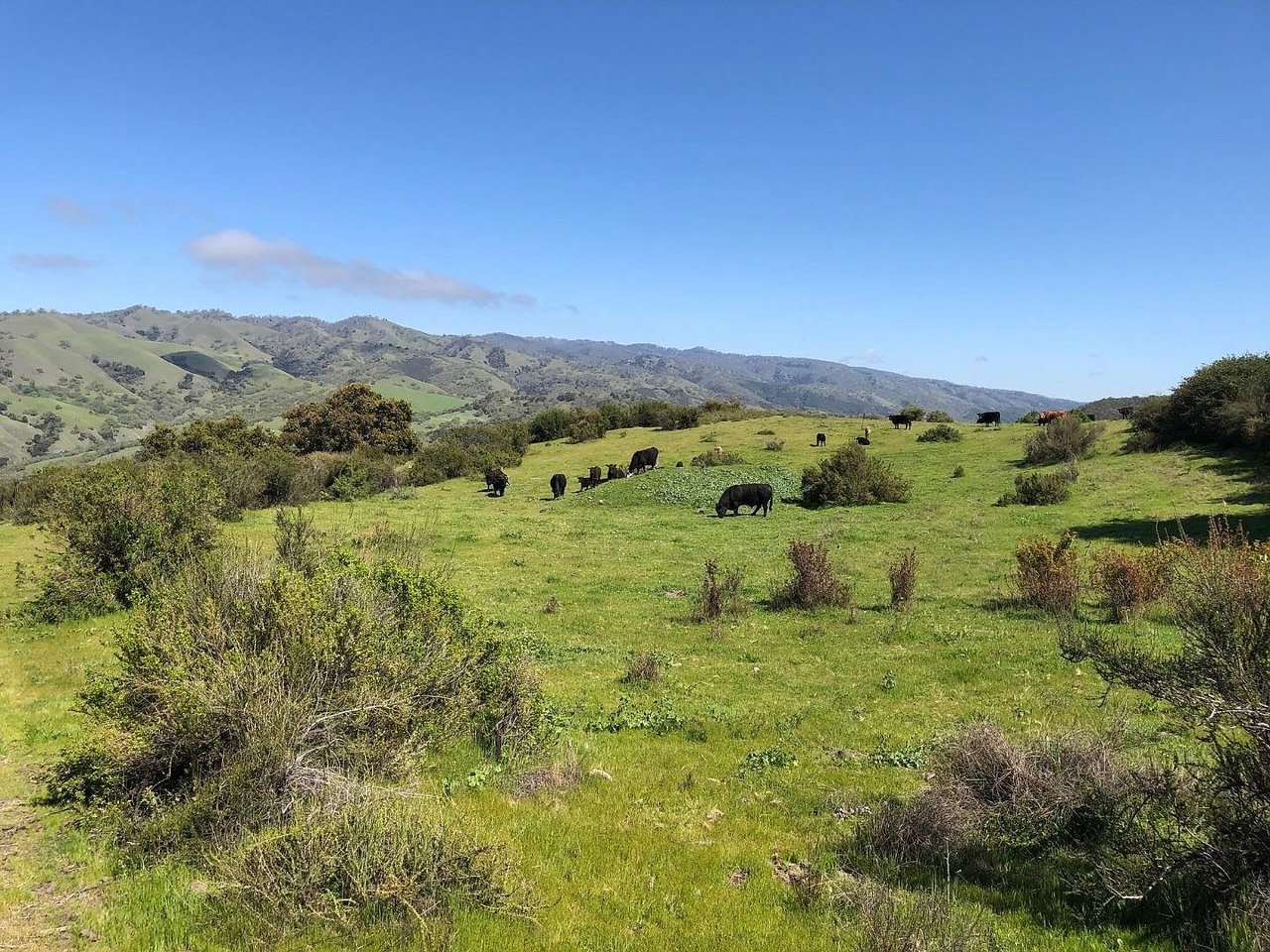
- Conservation grazing, which the Conservancy uses to reduce thatch and improve native grassland health. Learn about the program and its results in the overview of conservation grazing.
- Fuel reduction that complements your lot’s Fuel Management Plan when applicable.
Key rules to follow
Openlands are protected to sustain ecological and scenic values. Community rules include no motor vehicles or parking in Openlands, leash control for dogs, and avoiding creation of formal footpaths. Review the Conservancy’s Openlands rules and tips before you begin any work.
Permits and timing
Your OSP clarifies what the Conservancy will approve on Openlands. Some actions also require separate permits or licensed professionals.
- Work that alters a pond, wetland, or stream may need California Department of Fish and Wildlife Lake and Streambed Alteration notification and agreements. See CDFW’s LSA program.
- Many herbicide applications must be performed by licensed applicators and must follow current California Department of Pesticide Regulation rules. Review DPR guidance on restricted materials and applicator requirements.
- Tree removal and certain vegetation work can require County permits. Check Monterey County’s tree removal permit process.
- Time vegetation work to avoid nesting season and to protect sensitive species. The Conservancy’s vegetation guidance includes timing tips.
Timeline, monitoring, and costs
An OSP typically covers a 3 to 5 year window with clear actions by season. The Conservancy conducts annual monitoring and updates plans about every three years. Fuel Management Plans are updated on a multi‑year schedule. The Conservancy provides plan initiation and technical guidance at no charge, and landowners cover implementation costs for contractors, plants, materials, and specialized services. See the overview of landowner partnerships for roles and responsibilities.
Coordinate with neighbors
Invasive plants and wildfire risk cross lot lines. Coordinating timing for weed control, shaded fuel breaks, and grazing can improve results and lower costs. The Conservancy often organizes landscape‑scale efforts that complement your plan, especially through conservation grazing.
Why this matters for owners
A well‑designed OSP aligns your goals with conservation outcomes. You protect biodiversity, preserve views, and build wildfire resilience while staying squarely within your easement. You also add clarity for future projects, contractors, and potential buyers who value thoughtful land stewardship.
Ready to explore Preserve ownership or align your Openlands with a clear plan? For discreet guidance on properties and practical next steps, connect with William Smith for local insight and introductions to the right resources.
FAQs
What is an Openlands Stewardship Plan on The Santa Lucia Preserve?
- It is a voluntary, site‑specific 3 to 5 year plan you create with the Santa Lucia Conservancy to manage Openlands for habitat, scenic values, and resilience while honoring your conservation easement.
Do you need a plan to remove weeds or mow in Openlands?
- Hand pulling is generally allowed when you follow Conservancy guidelines, but mechanical removal, mowing, and larger interventions usually require an approved plan.
Who writes the plan and who pays for the work?
- The Conservancy drafts the plan and provides complimentary technical guidance; you fund implementation such as contractors, plants, and materials.
How long does an OSP last and how often is it updated?
- Plans typically span 3 to 5 years, include annual monitoring, and are revisited about every three years; related Fuel Management Plans follow a multi‑year update cycle.
What permits might be required for ponds, streams, or trees?
- Work in or near aquatic features can trigger CDFW Lake and Streambed Alteration review, and certain tree or vegetation work may require County permits; some herbicide uses need licensed applicators.
Can conservation grazing be part of my plan?
- Yes. The Conservancy may prescribe conservation grazing to reduce thatch and support native grasslands, often in coordination with broader Preserve programs.