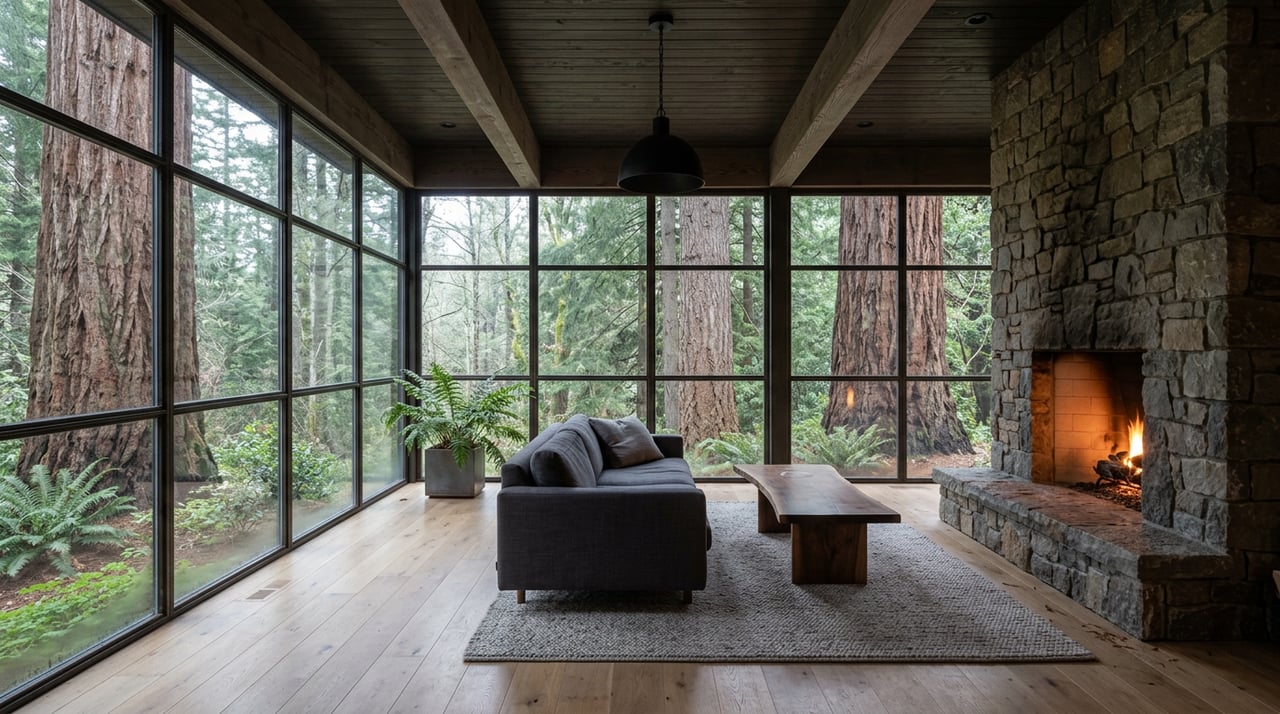
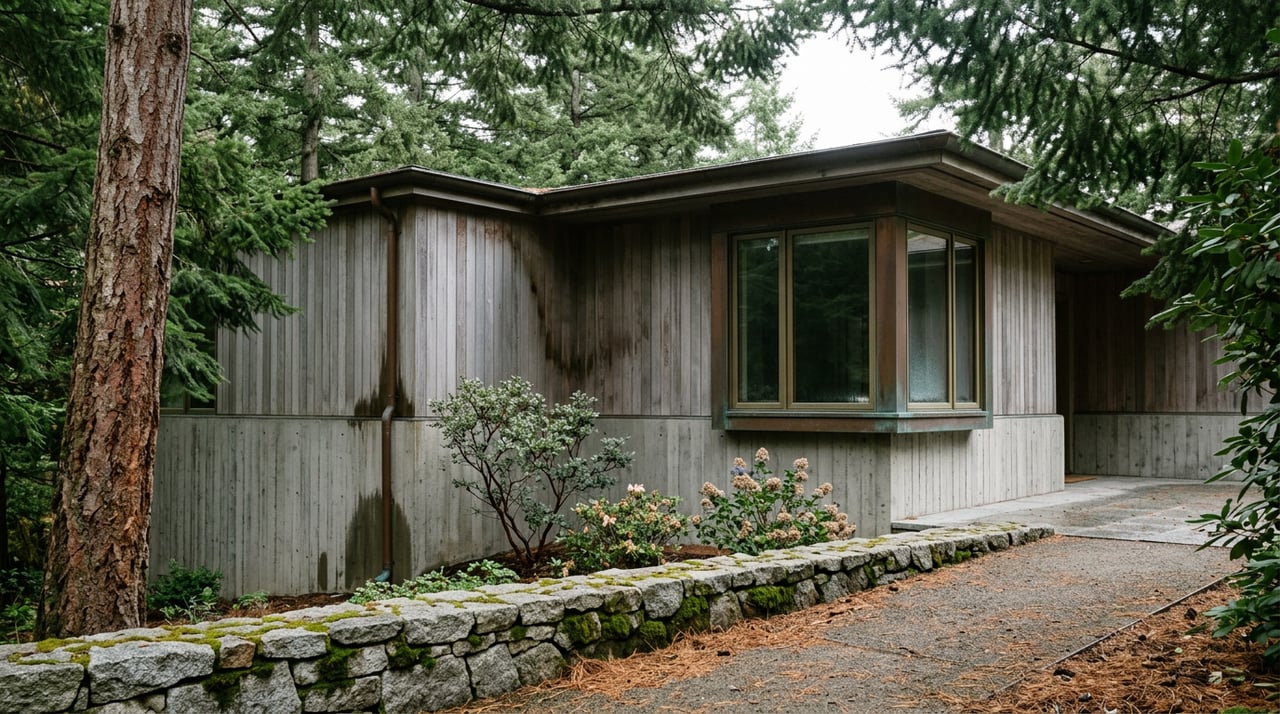
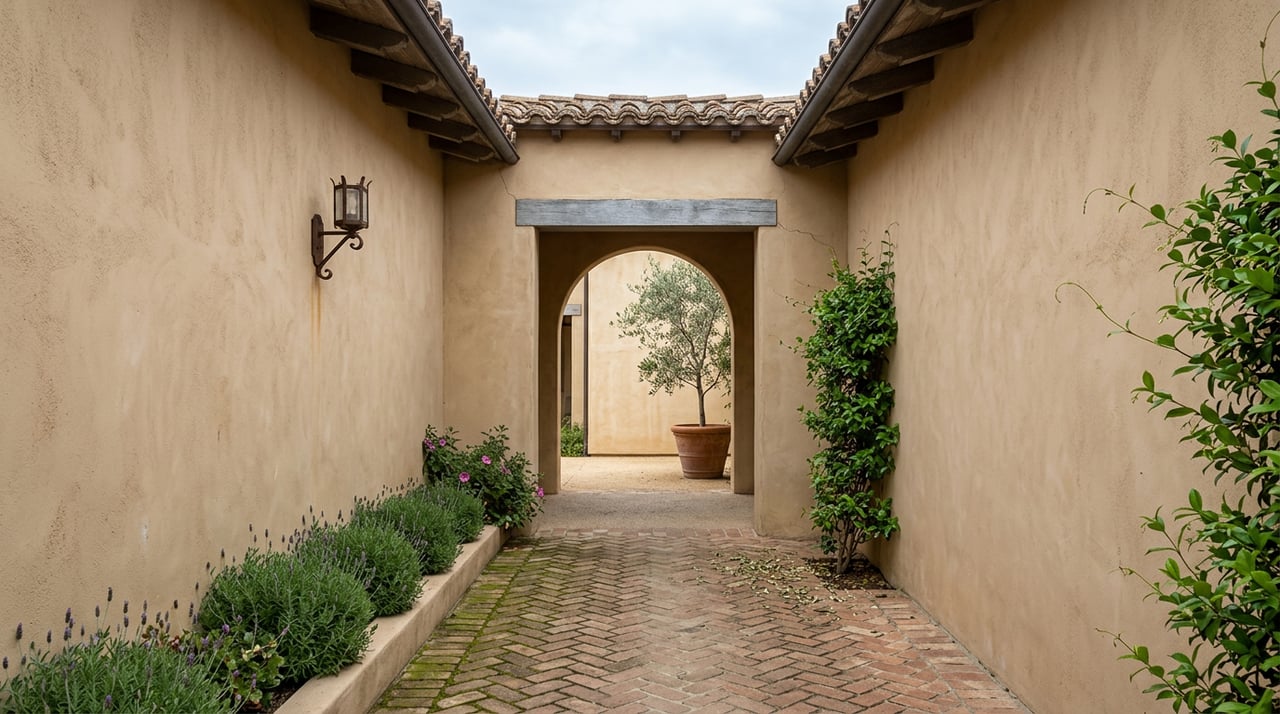
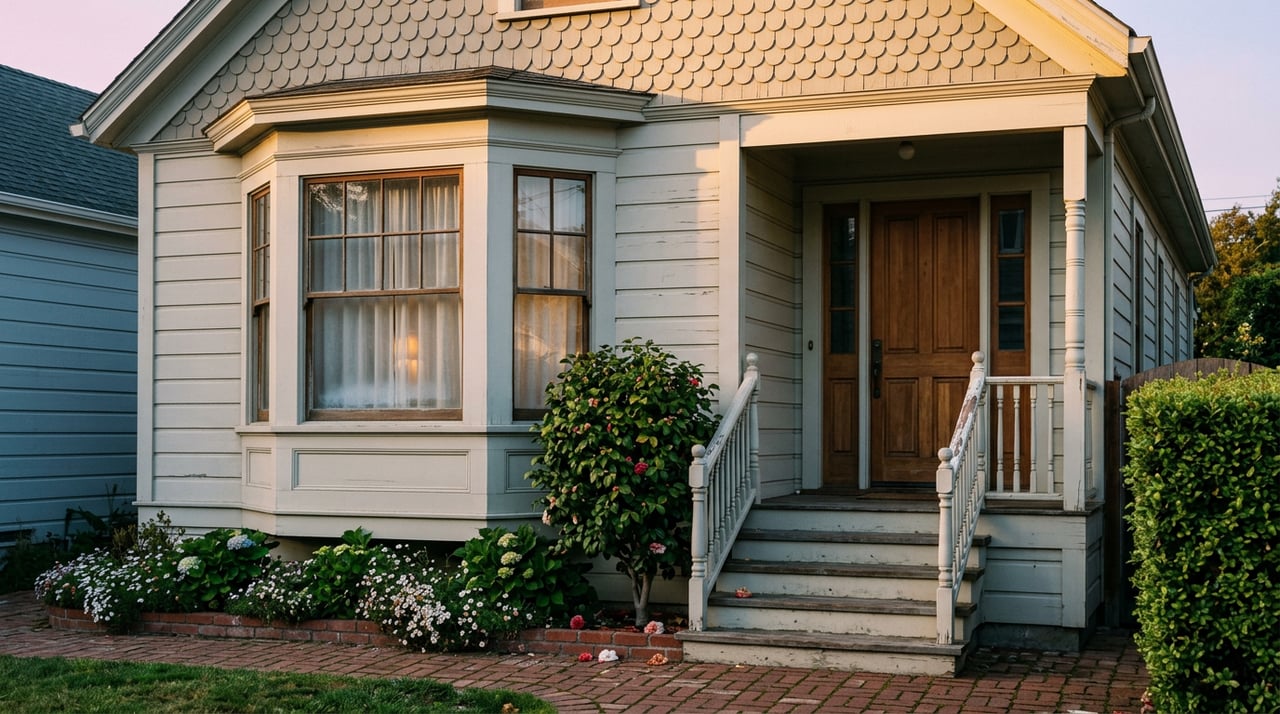
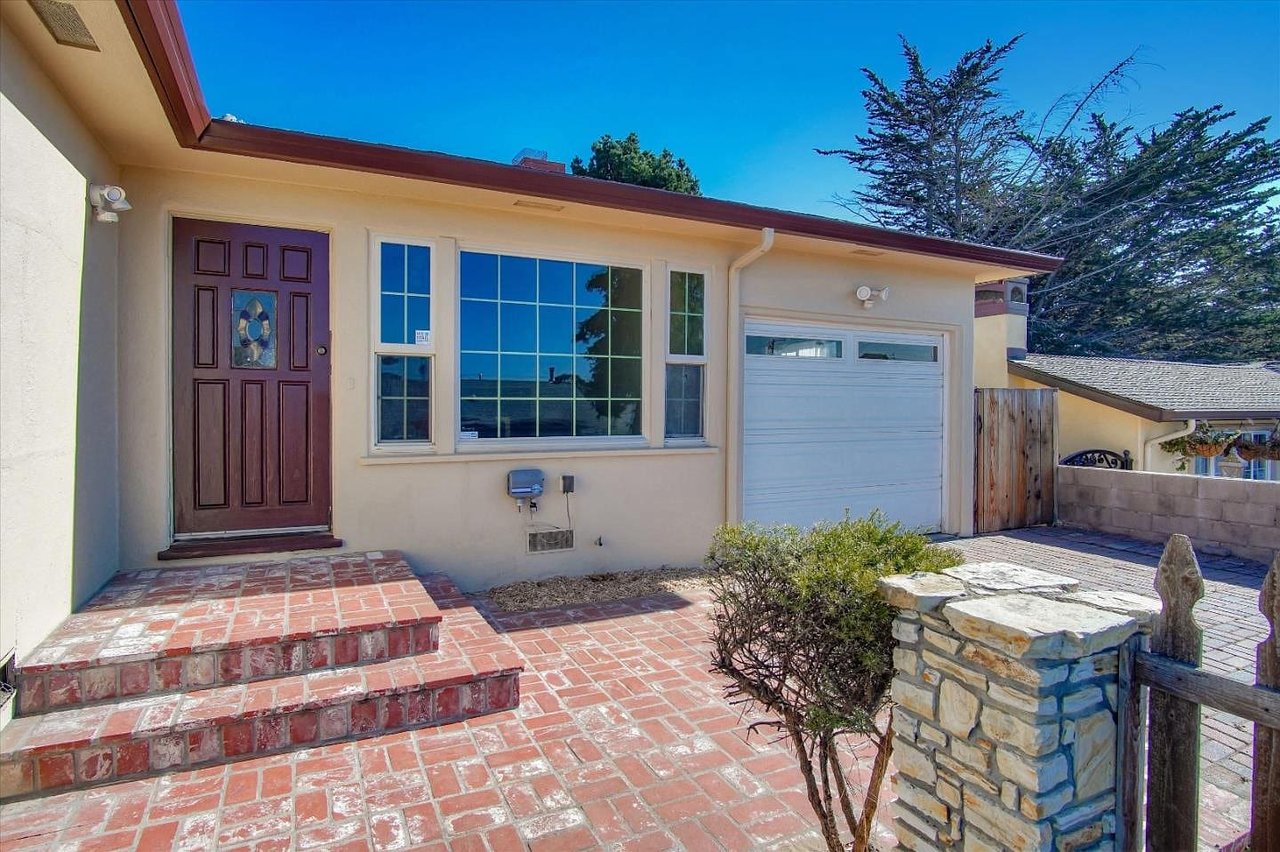
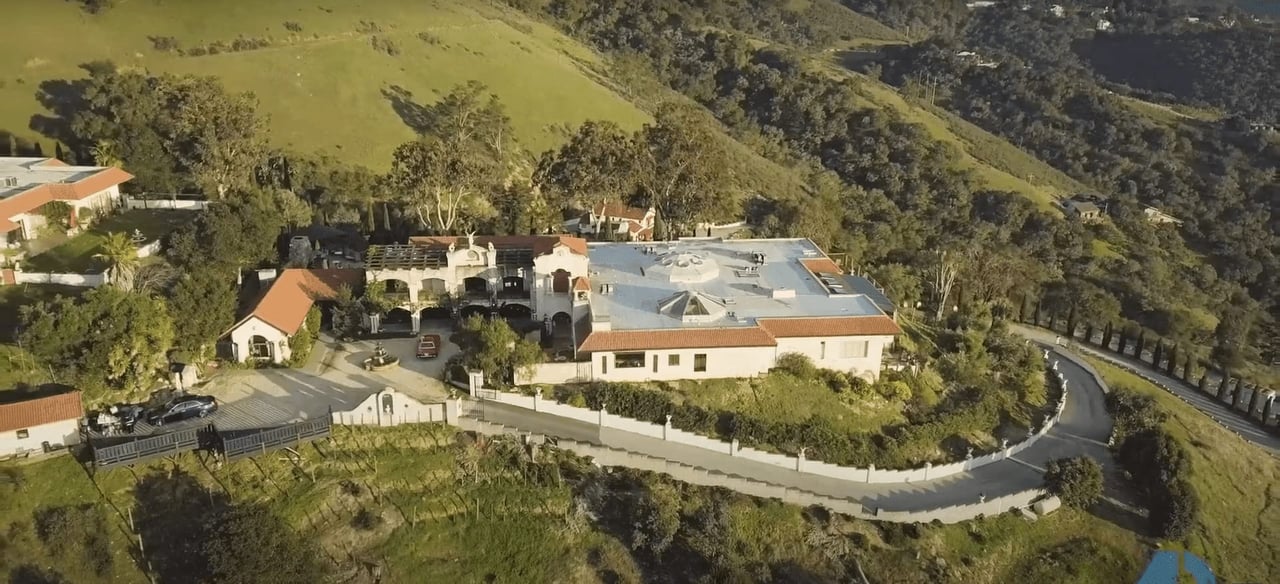
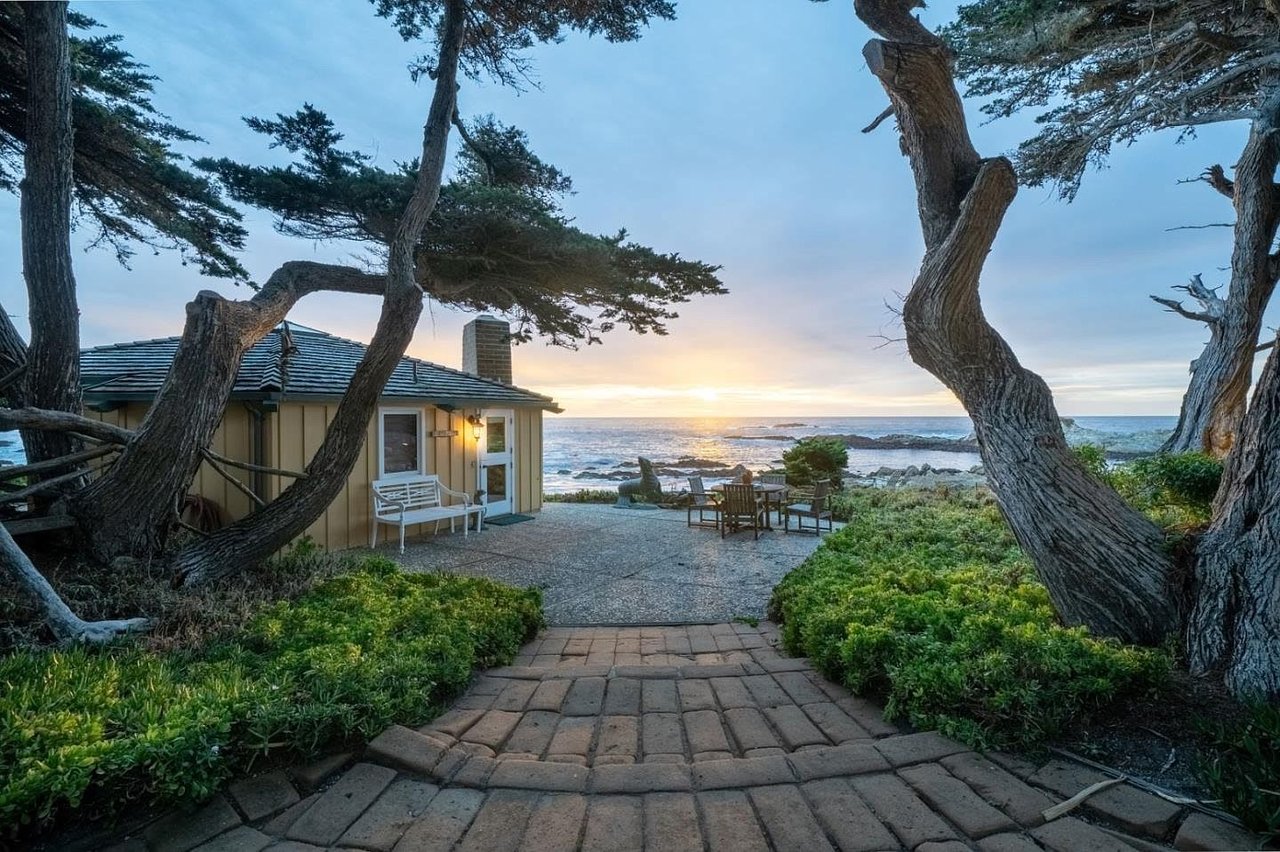
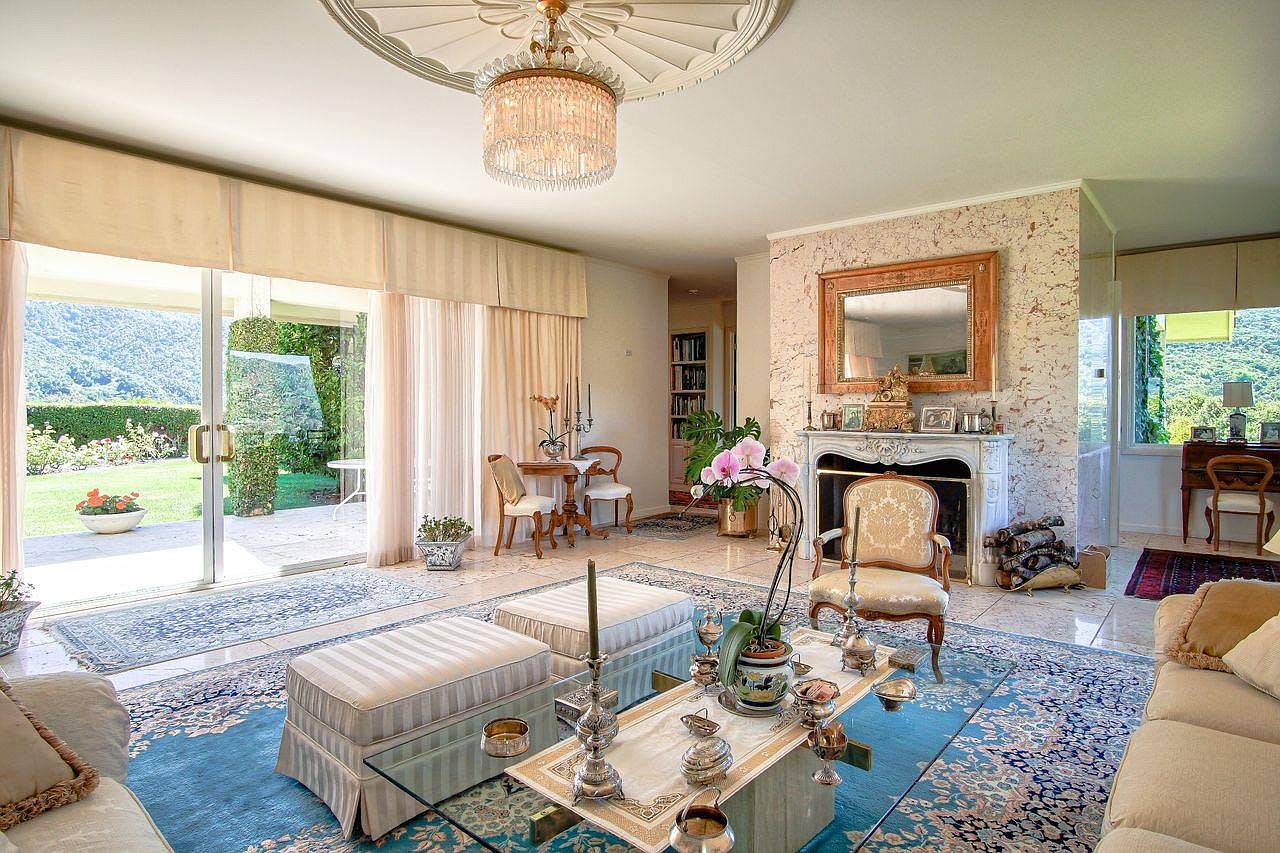
Why do two cottages that look alike from the curb sell for very different prices in Carmel-by-the-Sea? In this village, value hides in the details you notice only when you stand on the block, test the beach walk, and look through the trees toward the water. If you understand how lot, route, view, character, and street nuance interact here, you can price with confidence and buy with clarity. This guide walks you through the drivers that matter most and gives you a practical checklist to use on your next tour. Let’s dive in.
The Carmel market context
Carmel-by-the-Sea is small, scarce, and highly amenitized. The town’s limited land and strict design controls keep supply tight, which supports higher per-square-foot pricing than broader Monterey County. With many second-home and lifestyle buyers in the mix, demand concentrates around beach access, charm, privacy, and views.
Sales volumes are modest, so one standout transaction can move short-term stats. That is why you see wide variation between superficially similar homes. In this environment, narrative matters as much as numbers when you price or negotiate.
Lot size and usable outdoor space
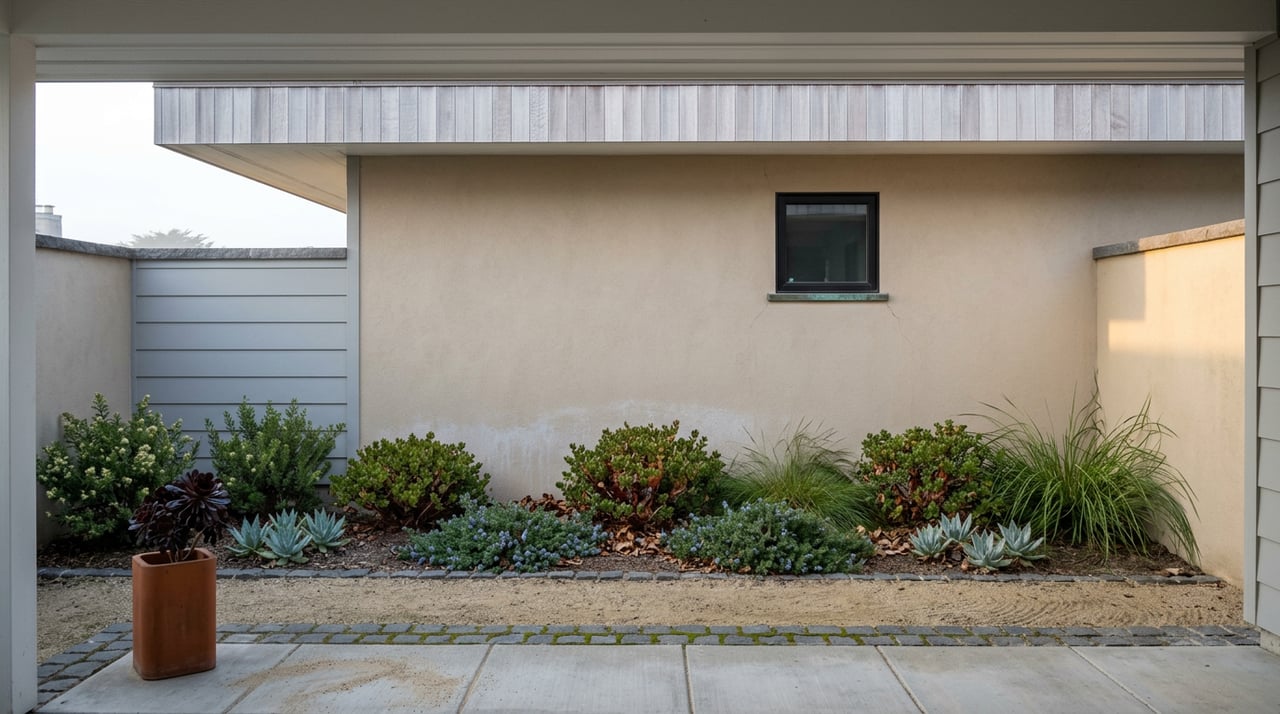
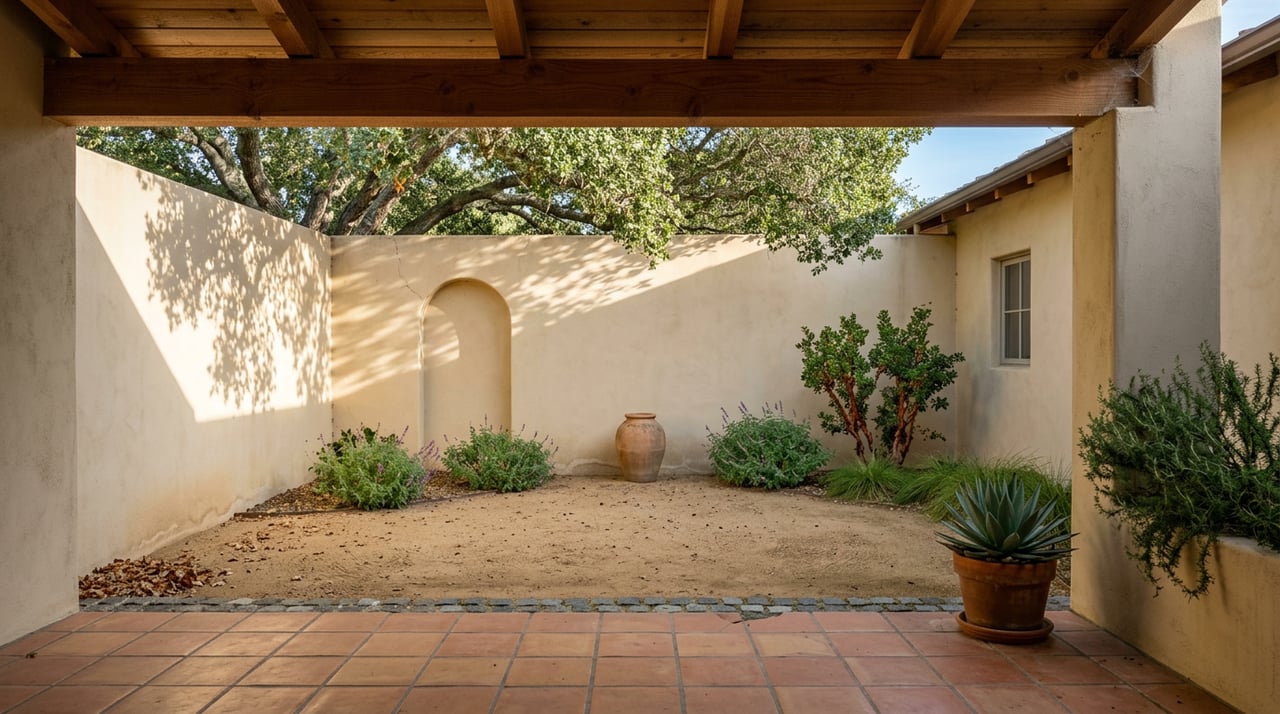
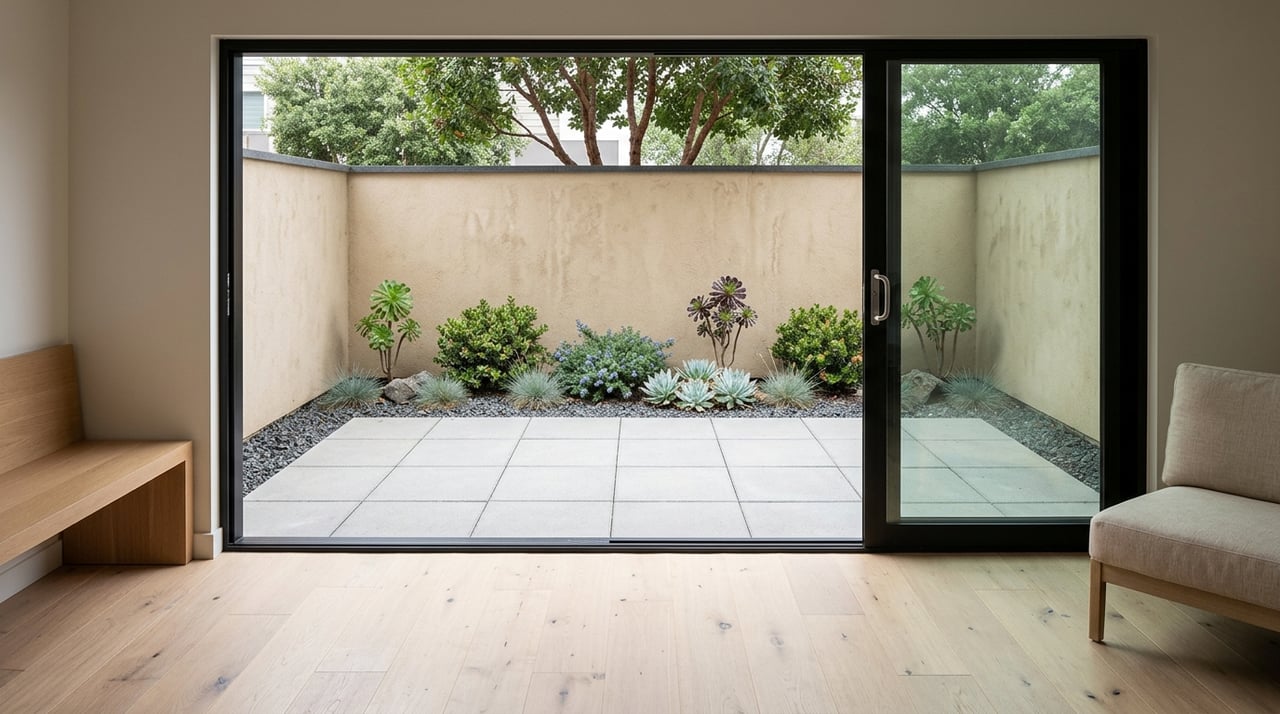
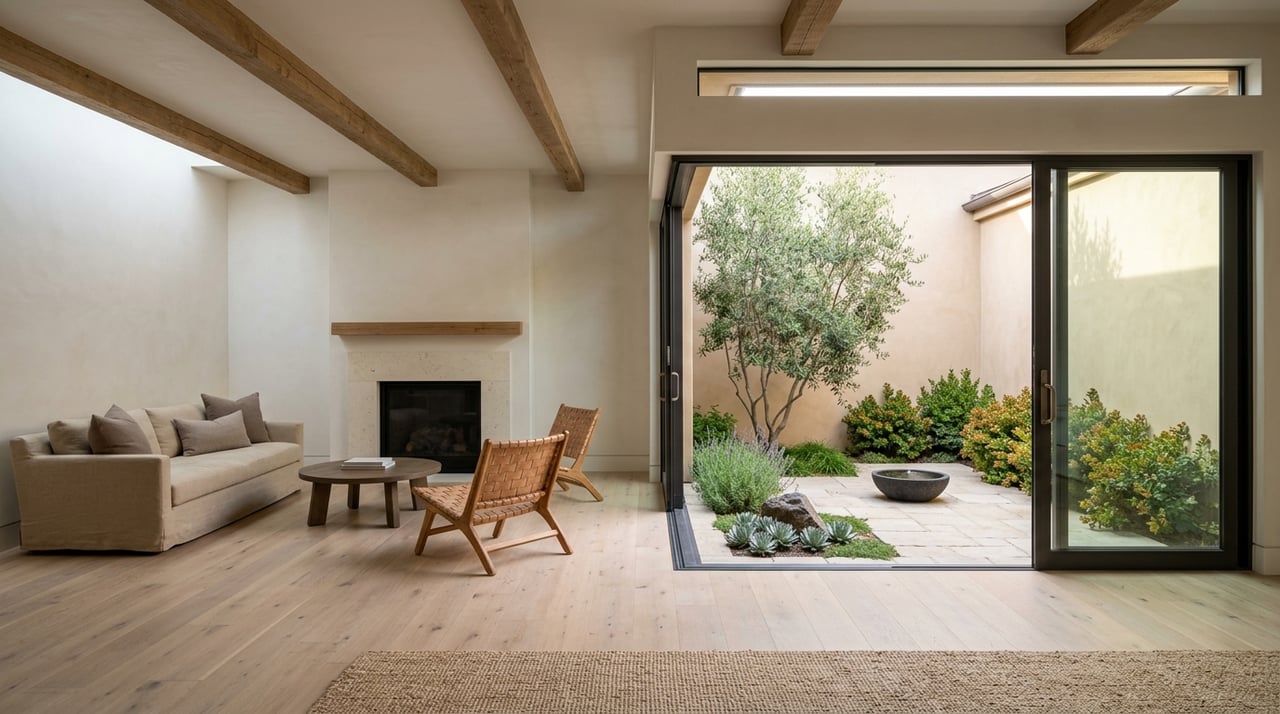
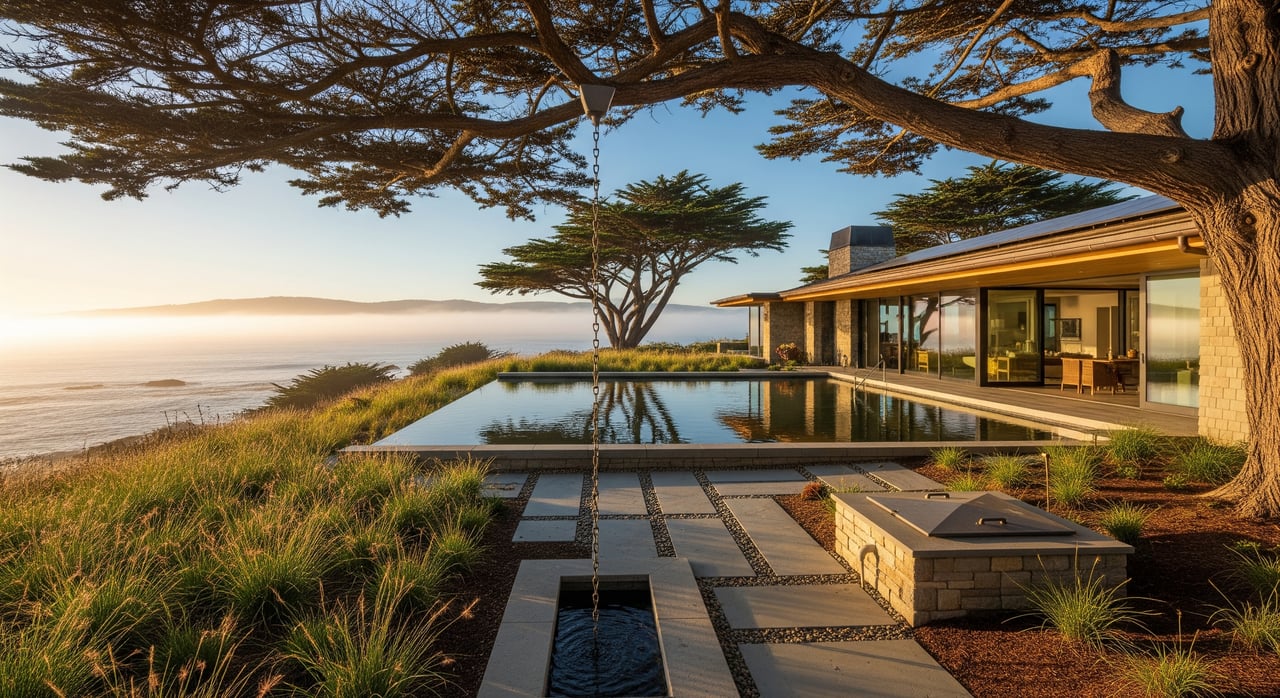
In Carmel, usable outdoor space beats raw acreage. Many village parcels are compact, so flat, private areas for dining, gardening, or a small court can command a premium. Larger or more buildable lots allow easier expansion and better outdoor living, which raises value.
Before you fall in love with a yard, confirm setbacks, easements, and whether any part of the property sits on a bluff or other encumbrance. Two lots with the same square footage can live very differently once you account for slopes, trees, and utility constraints.
Walk-to-beach proximity and route quality
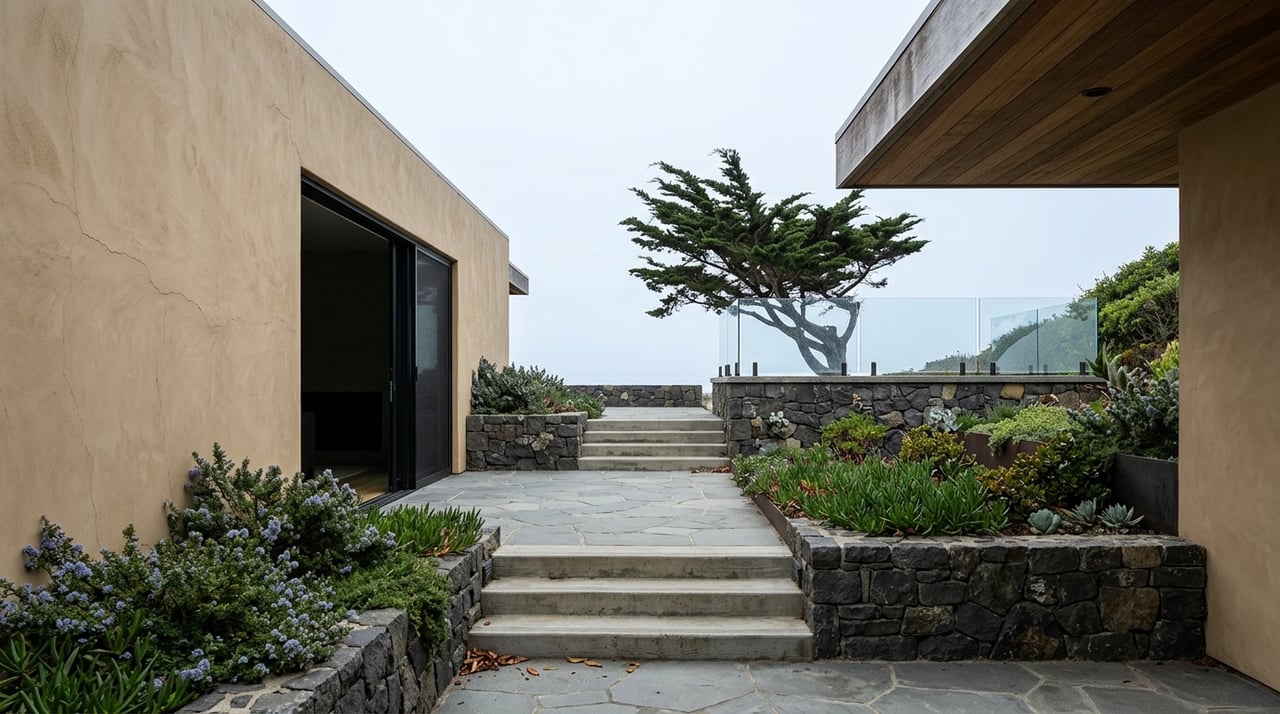
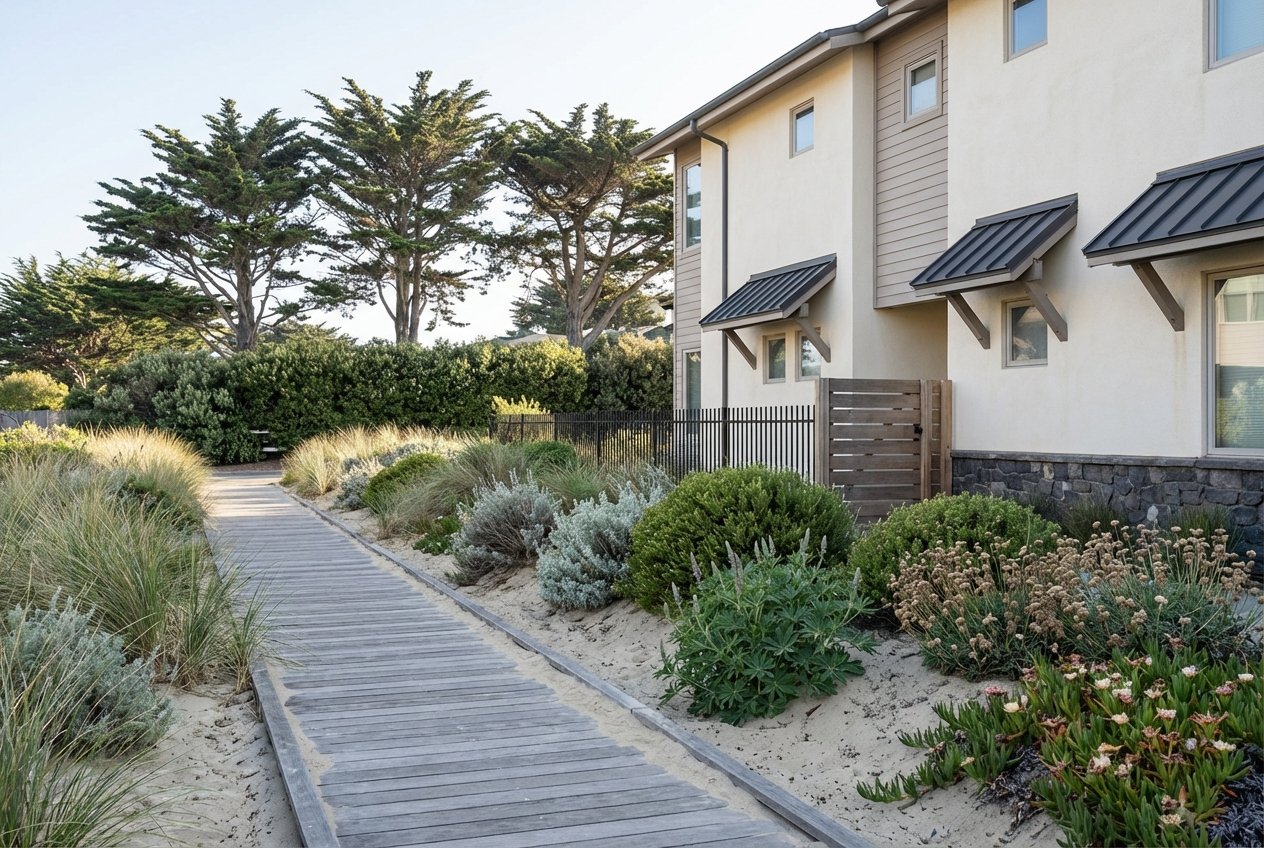
“Walk-to-beach” is more than a distance number. In Carmel, the route you take matters: flat paths feel different from long stair runs, and well-maintained public access points simplify daily beach time. Proximity to popular beaches like Carmel Beach or Carmel River State Beach influences desirability because the experience is effortless.
Many buyers will accept a smaller interior if the home delivers a short, pleasant walk to the sand. If you care about that lifestyle, test the route at different times of day and note where you cross public or private easements.
Ocean views: how they are classified
Not all views are created equal, and in Carmel the difference shows up in the price.
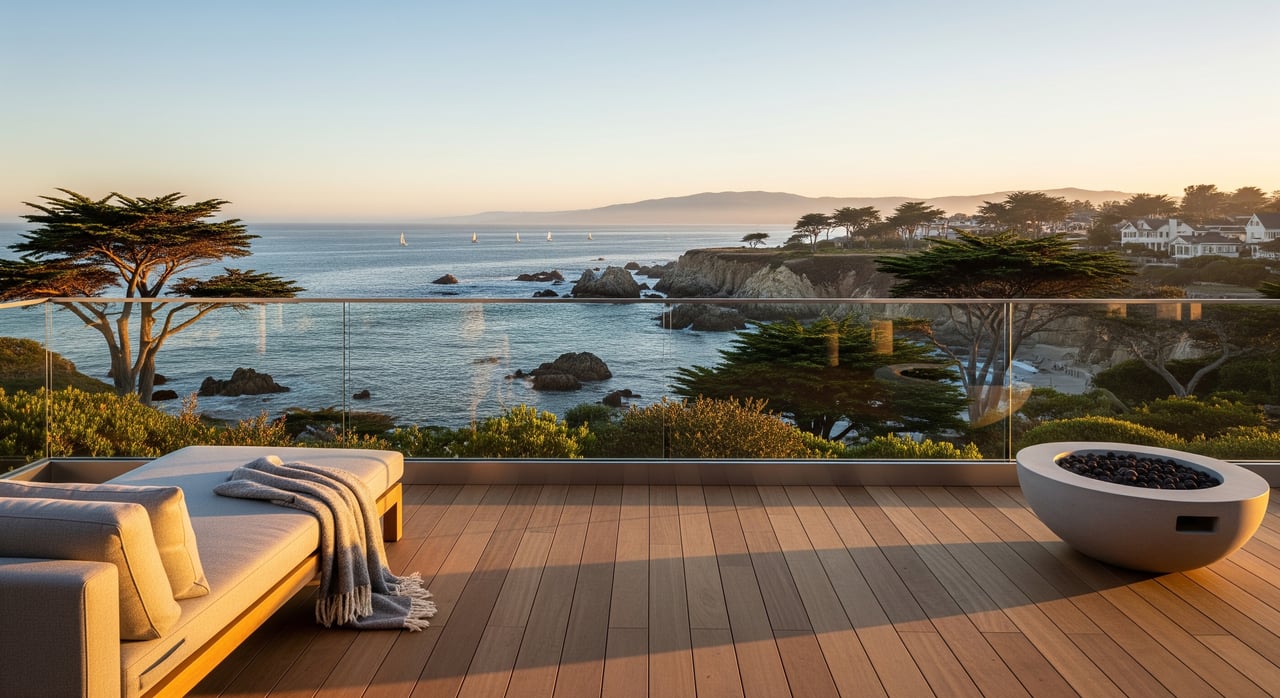
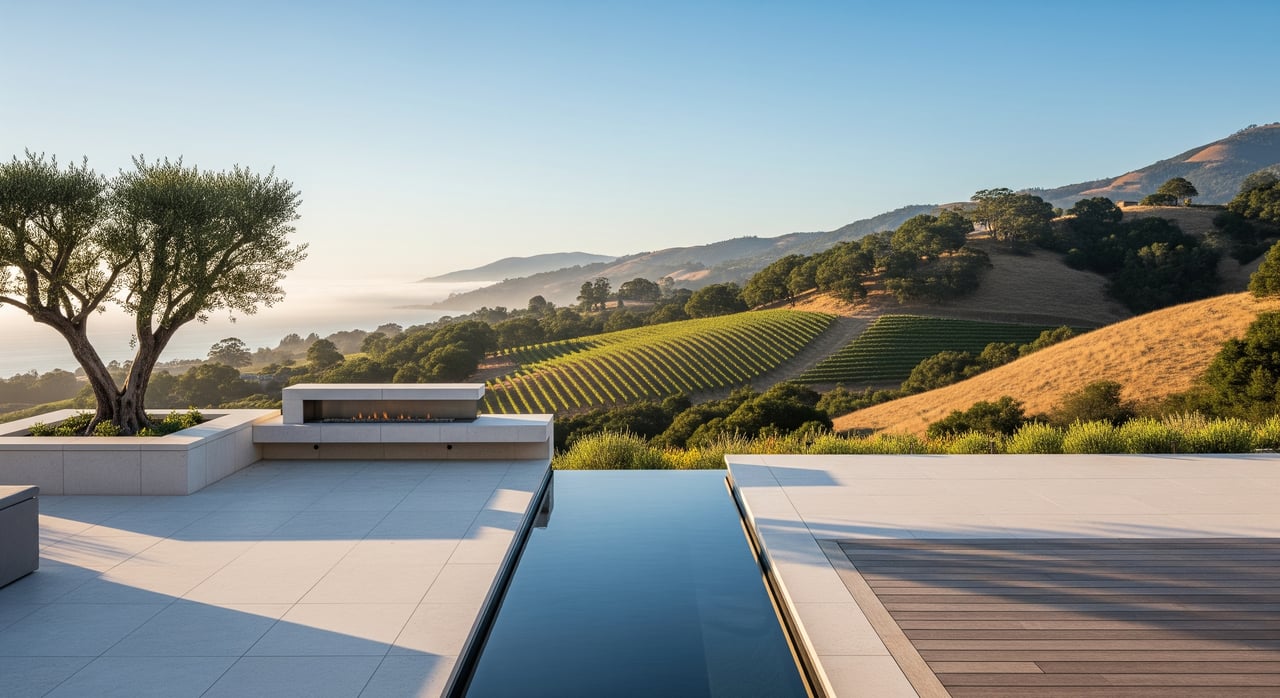
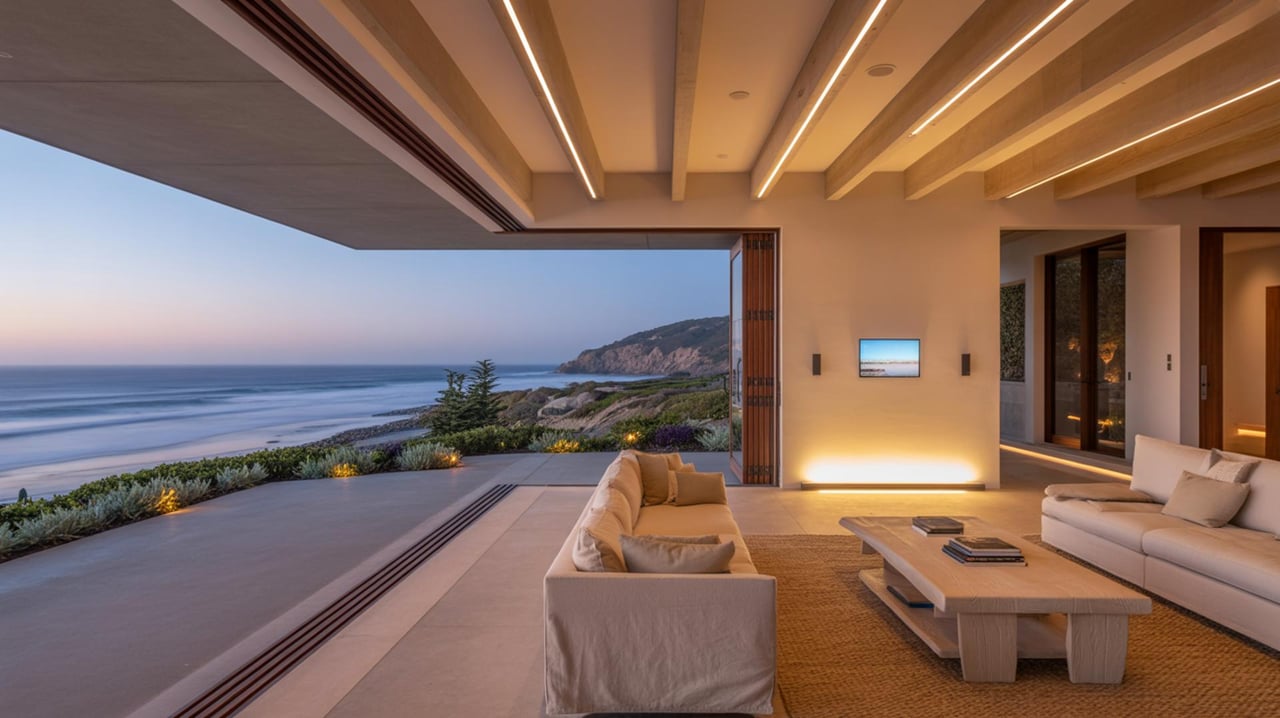
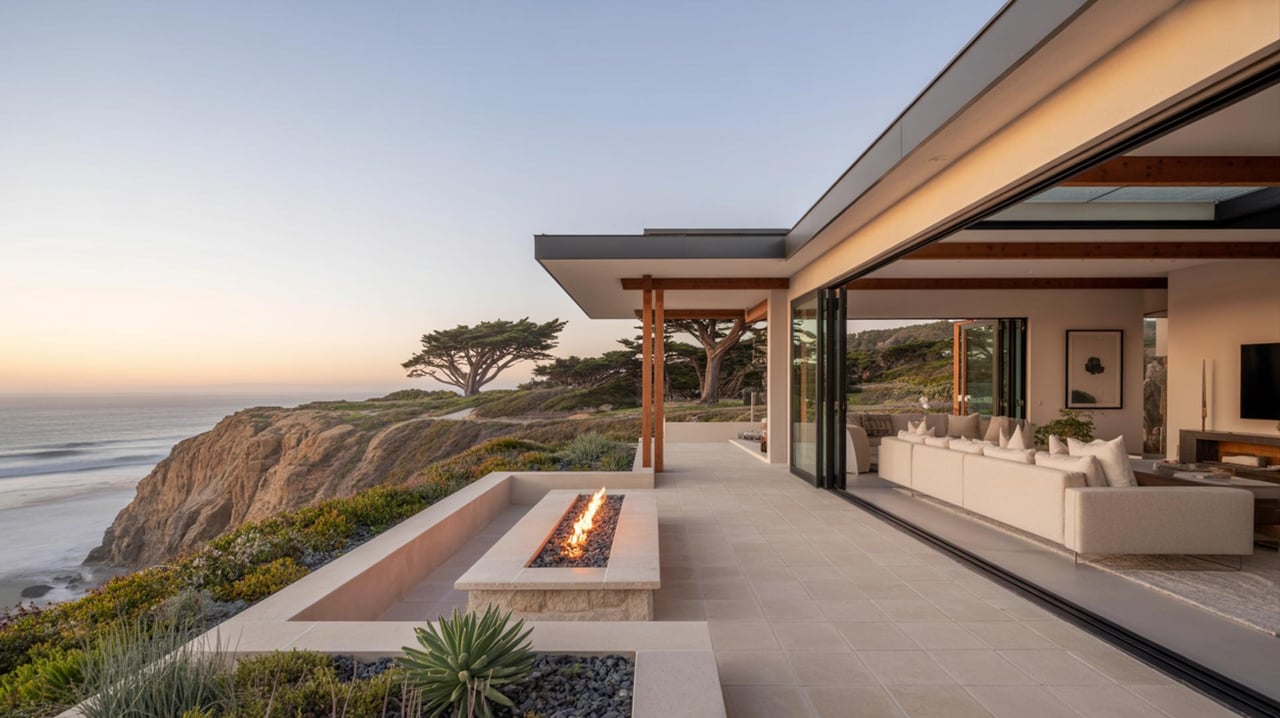
- Panoramic ocean views: Wide, unobstructed water outlooks typically drive the highest premiums.
- Framed or partial views: Look-throughs between homes or protected corridors create meaningful, mid-level value.
- Peek or seasonal views: Glimpses that depend on foliage or angle contribute smaller premiums.
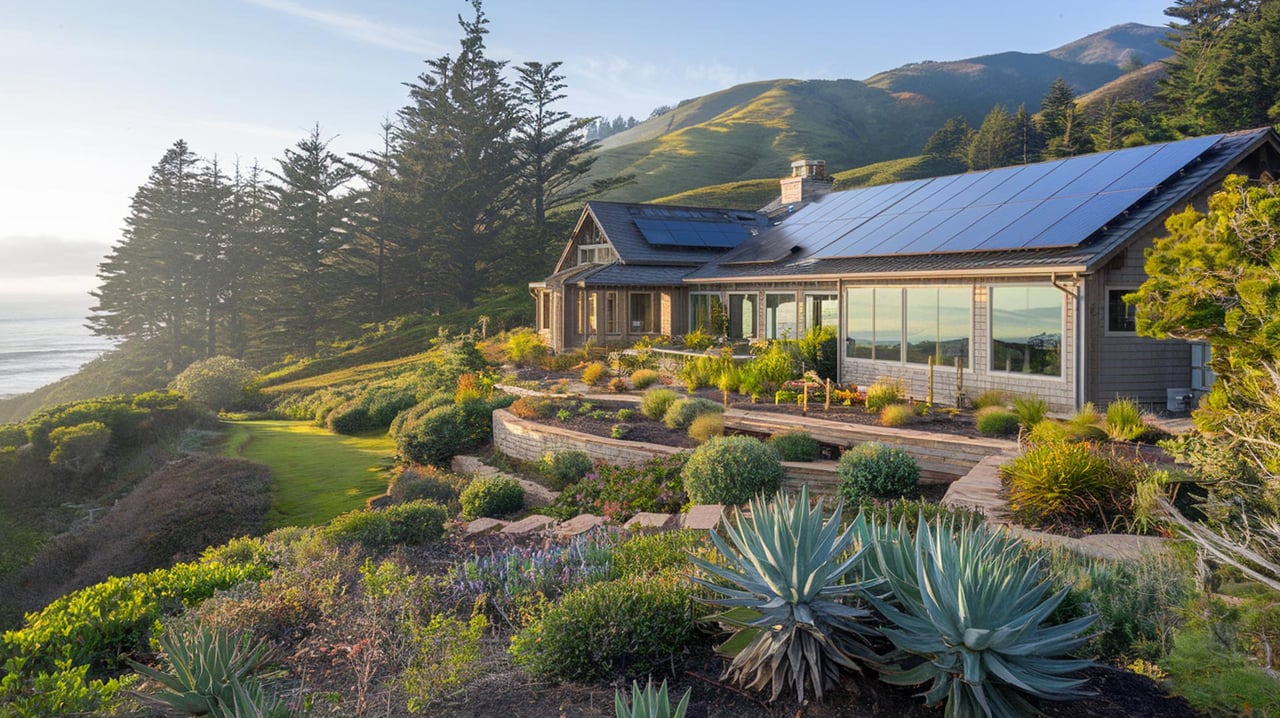
Elevation, orientation, and potential obstructions matter as much as the label. Ask how durable a view is over time given trees, growth, or future renovation nearby.
Architecture and historic character
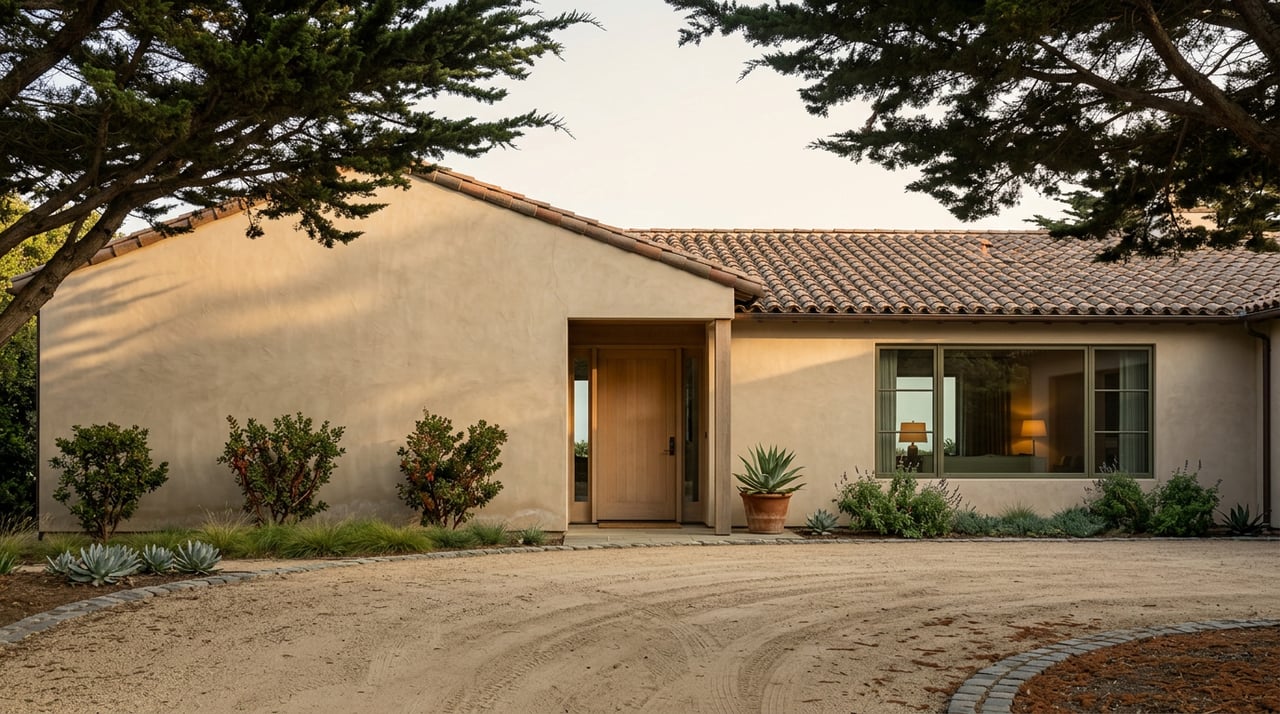
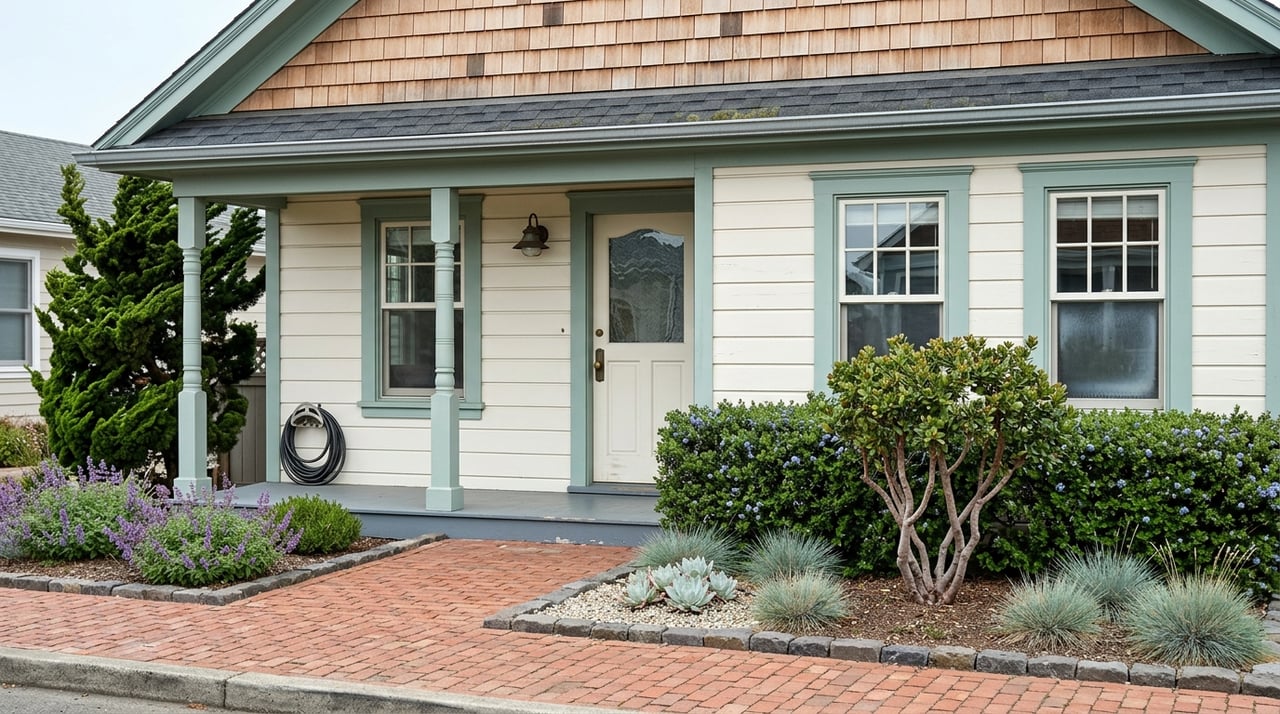
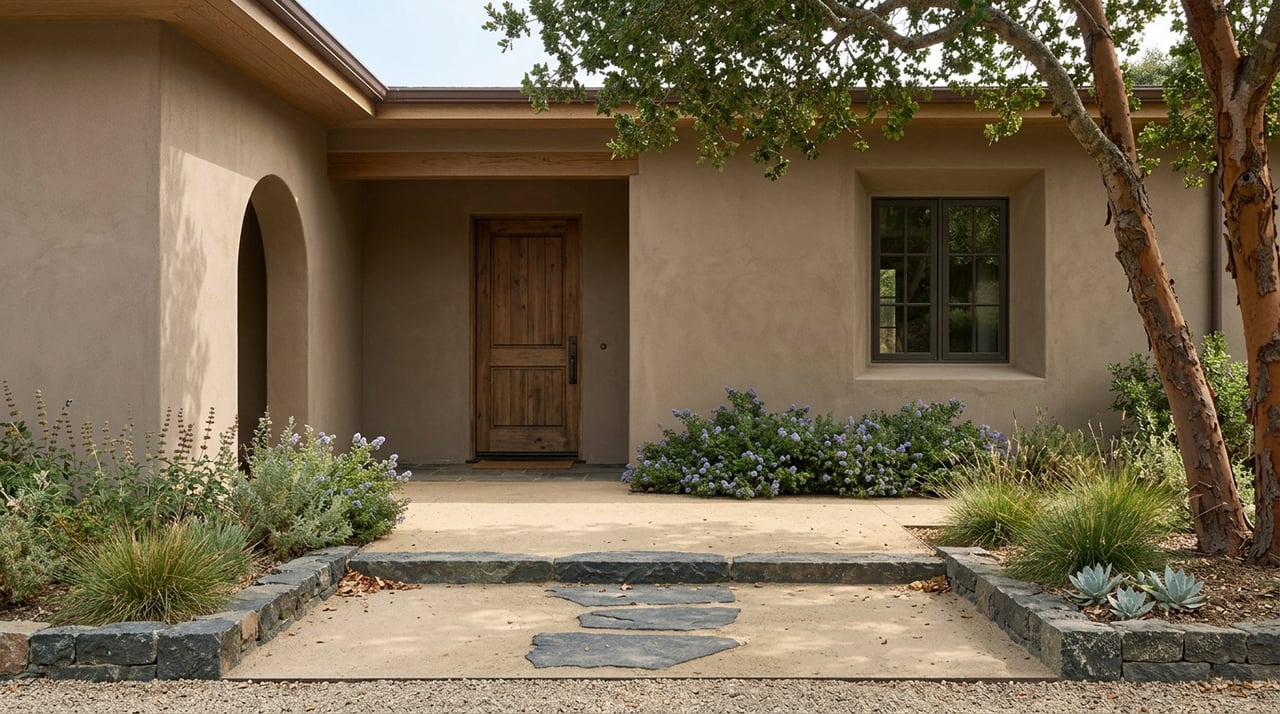
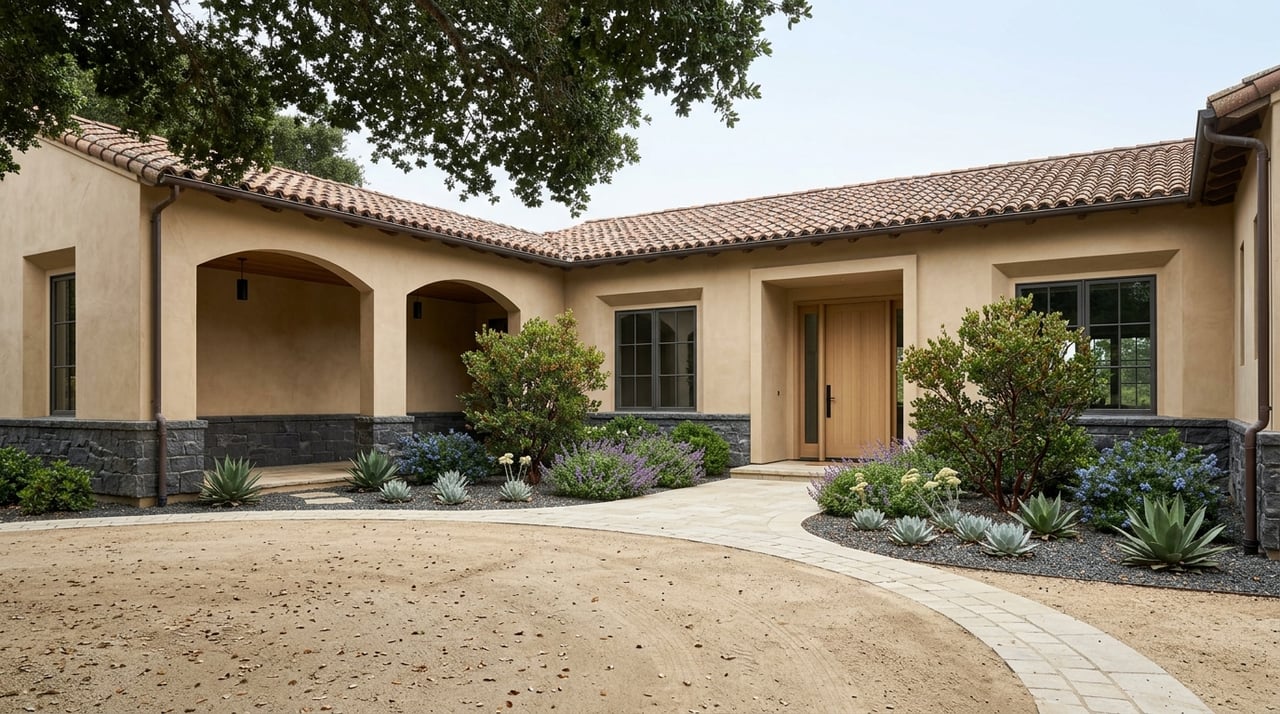
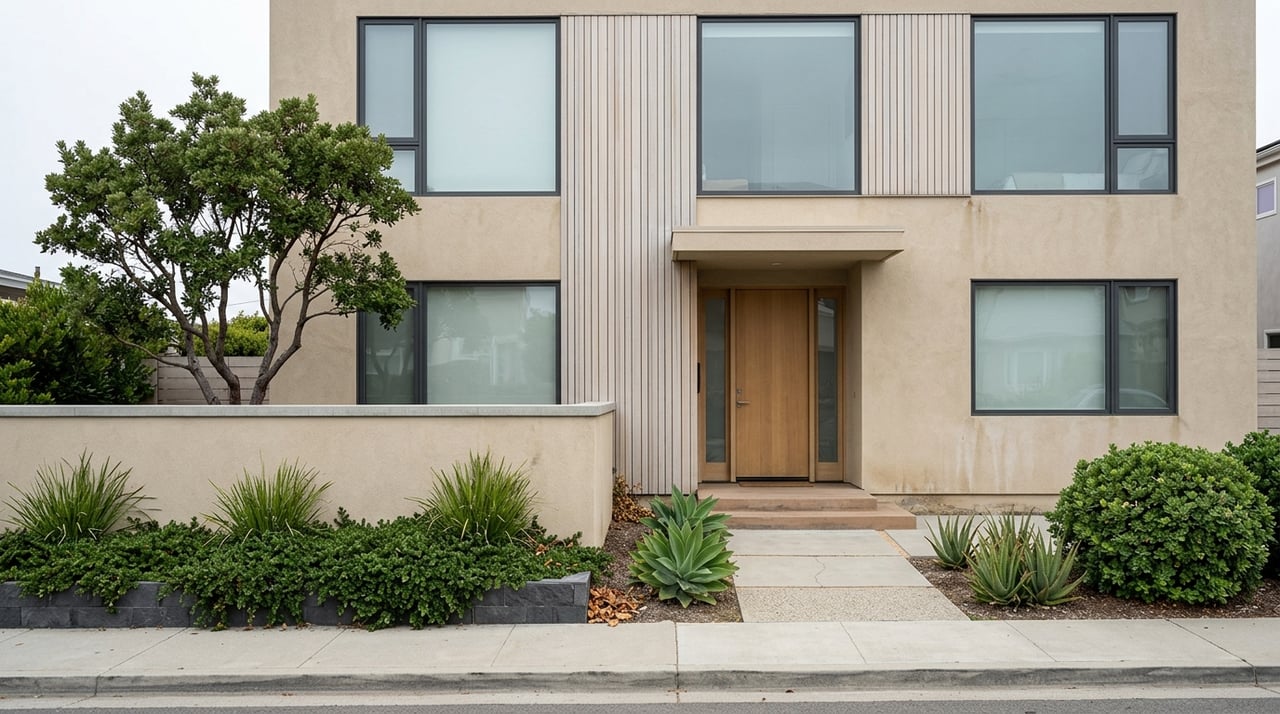
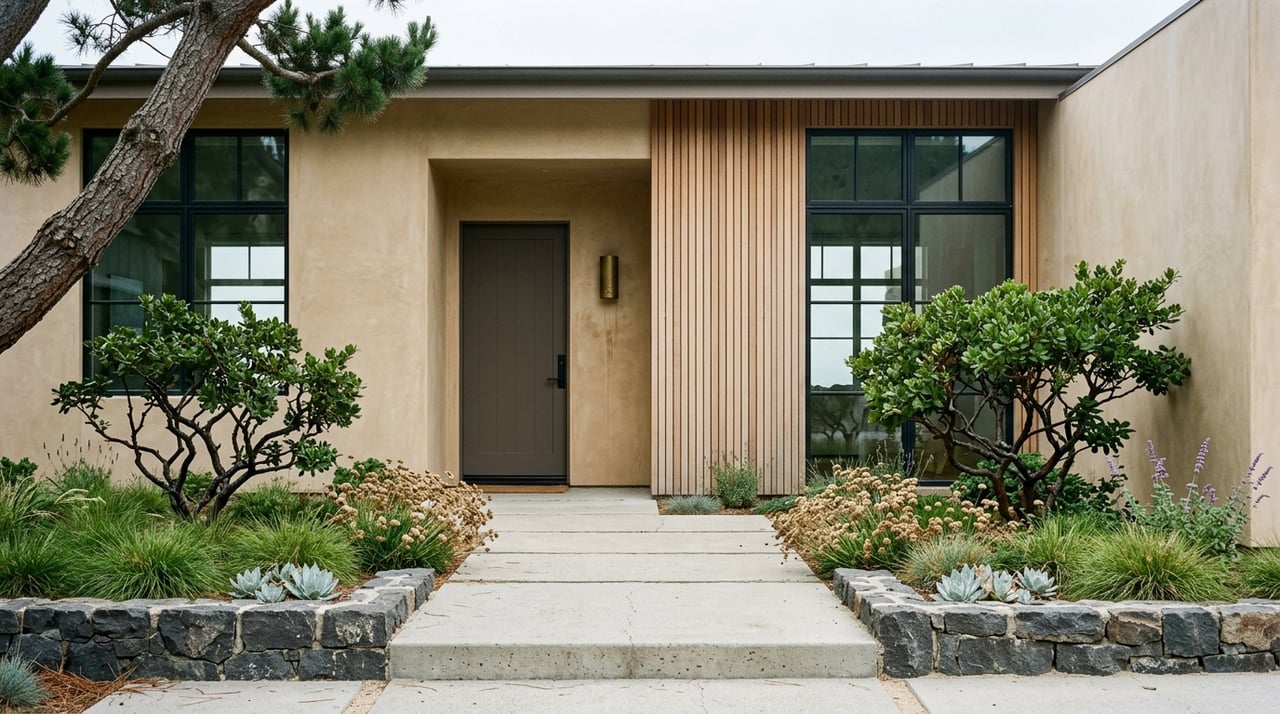
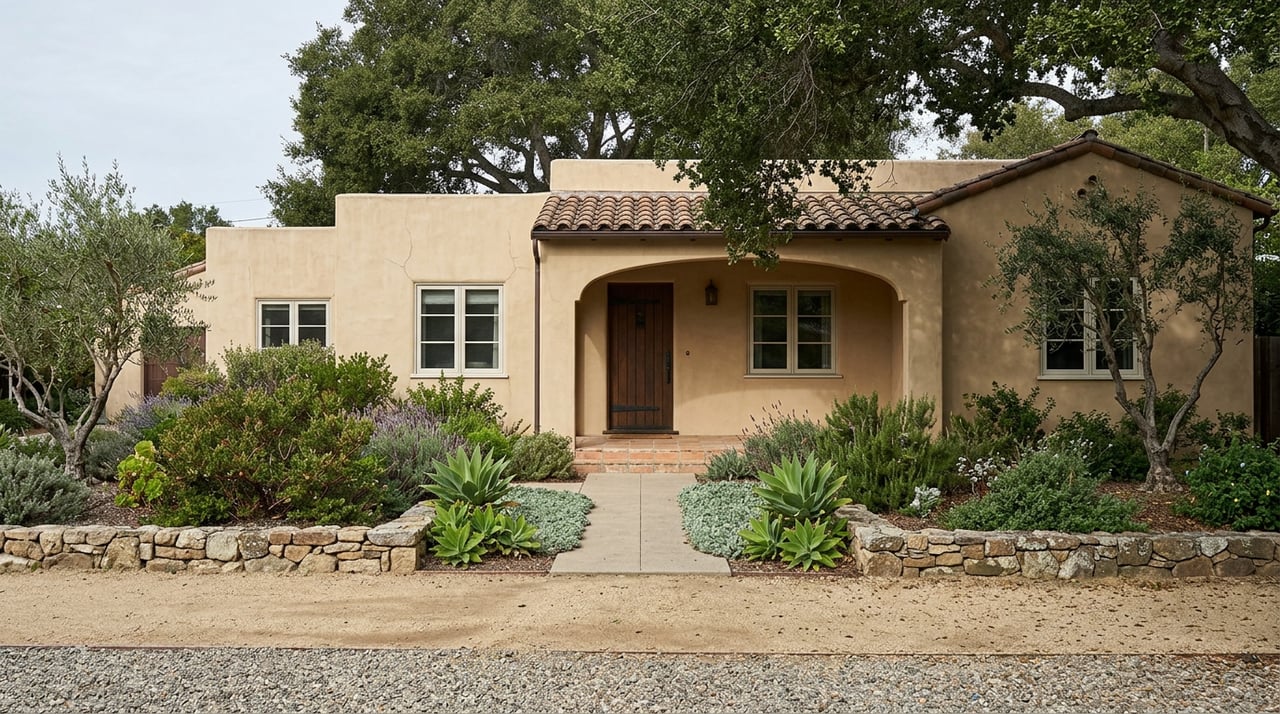
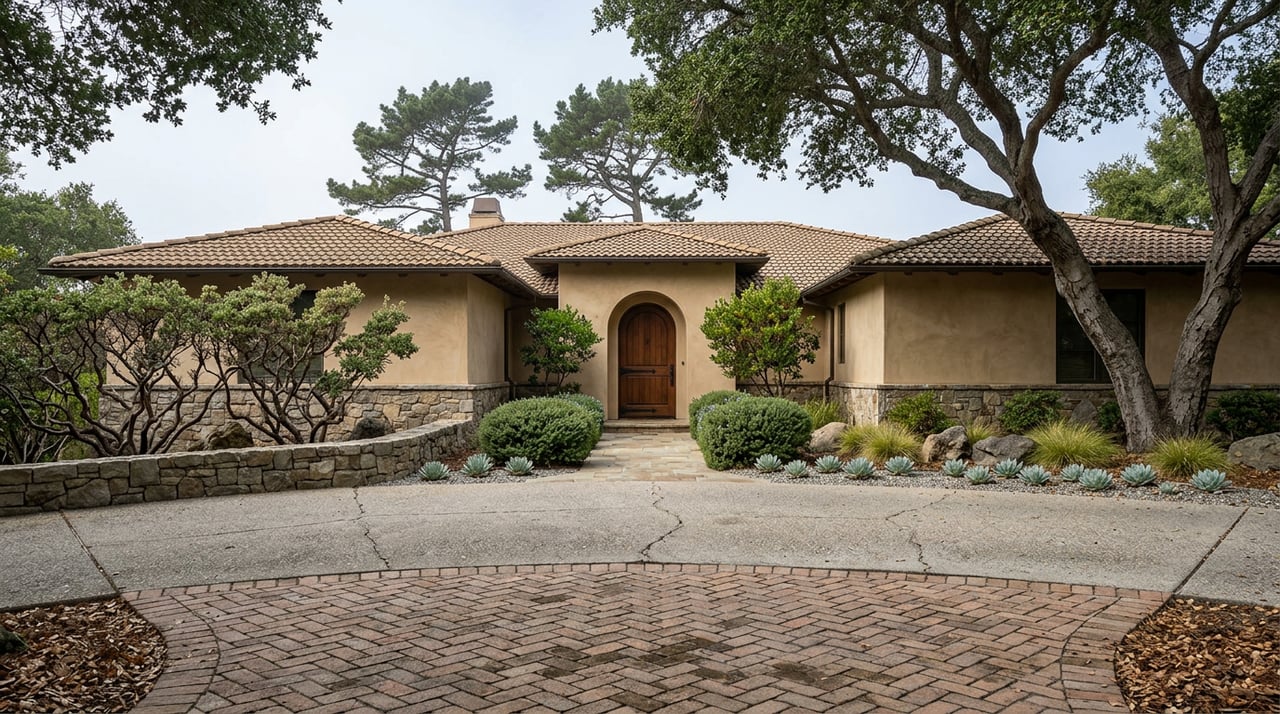
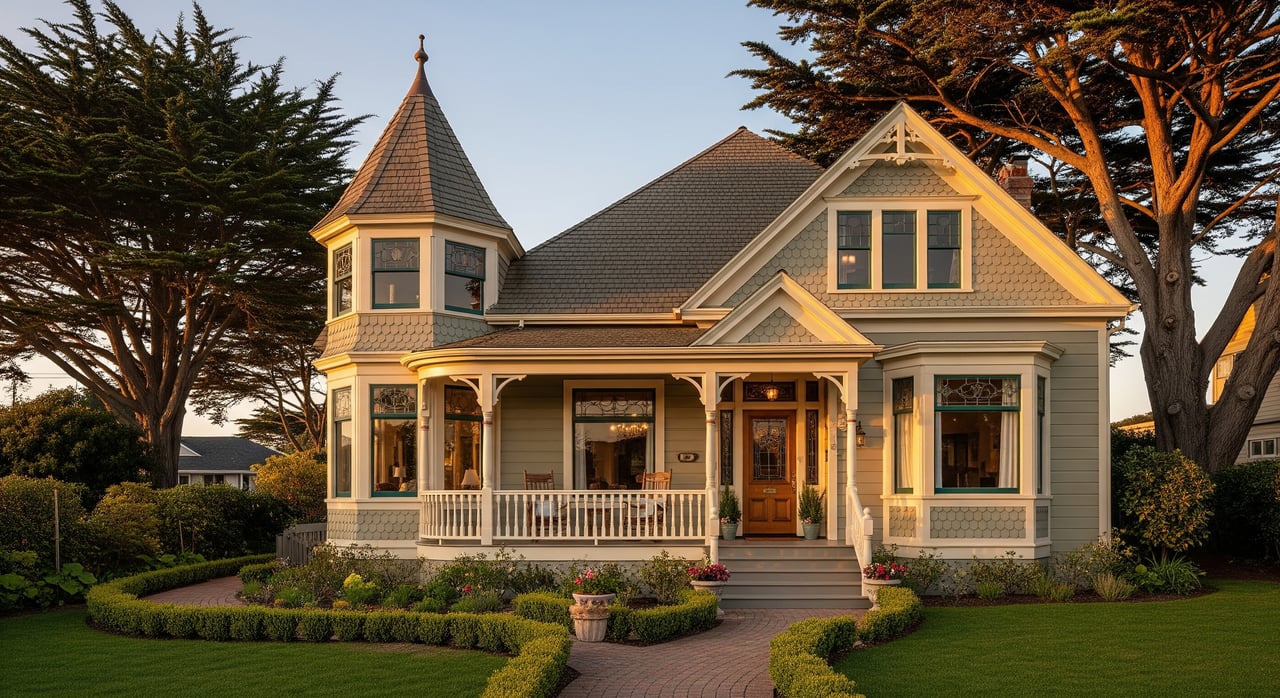
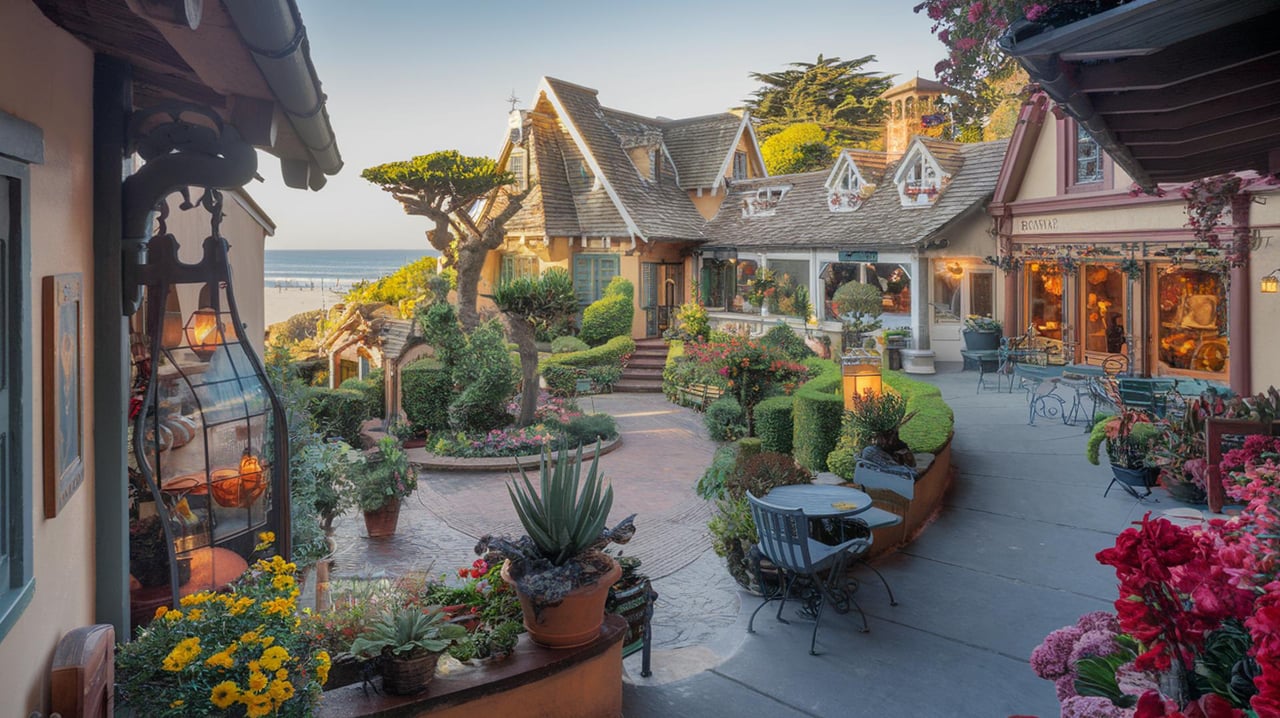
Carmel’s identity shines through its storybook cottages, Arts & Crafts influences, Mediterranean forms, and custom designs. Historic or architecturally significant homes, including recognizable cottage styles, often earn premiums for authenticity and charm. Thoughtful, period-appropriate updates can amplify value, while heavy-handed remodels that strip character can reduce appeal.
If a property carries historic status or sits within a preservation area, expect review requirements for exterior changes. Those controls help protect the village fabric and can enhance long-term value, but they also add complexity to renovations.
Street-to-street nuance
In Carmel, the next block can feel like a different market. Micro-factors shift value, including street character, proximity to shops and galleries, on-street parking rules, and subtle elevation changes that make or break a view.
Corner lots may offer openness and light; mid-block parcels often deliver more privacy. Buyers who prize village walkability will pay for streets that make daily errands and dining a short, pleasant stroll.
Regulations and constraints that shape value
Carmel uses design review and strong local controls to preserve its look and feel. Projects in the coastal zone may require additional coastal permits or need to align with the city’s local coastal program. These layers increase the scarcity value of well-located, fully permitted homes and can affect your construction timelines.
Short-term rental policies also matter. Rules determine whether you can rent a property short-term and at what frequency. That can influence both income potential and buyer demand.
Environmental factors such as bluff erosion, sea-level rise, and tsunami exposure sit on many coastal due-diligence lists. FEMA flood maps and other official tools help you evaluate risk and insurability. Insurance availability and premiums for coastal or seismic coverage can materially affect ownership costs.
How appraisers and buyers value in Carmel
With a small pool of comparable sales, valuation relies on the closest possible location matches and careful adjustments. The largest adjustments usually relate to view quality, lot usability, and walkability to the beach and village.
Design review and permitting history matter, too. Unpermitted work can complicate financing and add “cost-to-cure” pressures. Detailed documentation, including permits, surveys, and inspection reports, strengthens your position whether you buy or sell.
Appraisers and experienced agents prioritize a narrative that explains why a specific home commands a premium: the exact lane, the preserved view corridor, the flat usable garden, or the historically sensitive renovation.
A Carmel-specific value checklist
Use this to benchmark value and prepare for due diligence.
Physical and neighborhood checks
- Lot size and usability: confirm buildable area, slopes, easements, and encroachments.
- Walk times and routes: test the exact walk to the beach and to downtown; note stairs versus flat paths and public versus private crossings.
- View classification: label the view as panoramic, partial, peek, or none, and evaluate durability against future changes.
- Street character: observe pedestrian flow, access to shops and restaurants, on-street parking rules, and noise patterns.
- Privacy and sunlight: check orientation, trees that add charm but may block views or need maintenance.
Regulatory and legal checks
- Zoning and allowed uses: verify current rules, including accessory dwelling unit possibilities and any special overlays.
- Historic status: confirm if the property is a designated resource and what that means for exterior work.
- Coastal permit history: review whether past major work required and obtained approvals.
- Short-term rental status: if income matters, confirm rules and any existing permit.
Environmental and insurance checks
- Flood and coastal risk: review official maps and local guidance on bluff setbacks and sea-level rise.
- Tsunami evacuation zones: note if the parcel falls within an evacuation area.
- Insurance: verify availability and recent premiums for flood and earthquake coverage.
Practical marketability
- Parking: count off-street spaces, garage size, and proximity to public parking.
- Condition and finishes: assess whether updates respect “Carmel-style” character and the quality of the work.
- Utilities and infrastructure: confirm sewer connections, drainage, roof, and foundation condition; look for tree or water issues.
- Nearby comparable sales: gather the three closest relevant sales and note adjustments for view, lot usability, and walkability.
Documentation to request
- City permits and build history; recent property condition reports; recorded easements and any CC&Rs; property tax history and transfers; available surveys.
For sellers: positioning your asset
Lead with the attributes Carmel buyers pay for. Highlight the walk-to-beach route, view classification with photos at multiple times of day, the usability of outdoor space, and any historic or architecturally significant features. If you completed permitted work or sensitive restorations, showcase that documentation to support your price.
Narrative-driven marketing that pairs provenance with lifestyle details helps buyers connect the dots. In a town where small differences create big swings, clear storytelling reduces friction and protects value.
For buyers: making confident decisions
Decide which value drivers matter most to you, then weigh tradeoffs block by block. A framed view plus flat outdoor space on a quiet lane may beat a peek view closer to a busy corridor. Test routes, listen for ambient noise, and map sunlight through the day. If a home checks your top boxes, move promptly with tight due diligence to secure it.
Ready for tailored guidance on your street and segment? Start a confidential conversation with William Smith for local insight and a clear plan.
FAQs
How does beach proximity affect Carmel-by-the-Sea home prices?
- Buyers pay premiums for short, pleasant beach walks, and route quality (flat vs. stairs) often matters as much as distance.
What types of ocean views carry the most value in Carmel-by-the-Sea?
- Panoramic, unobstructed water views lead, framed or partial views follow, and peek or seasonal glimpses add smaller premiums.
How do historic or architecturally significant homes impact value in Carmel-by-the-Sea?
- Authentic character and well-executed, period-appropriate updates can command premiums, though review requirements may add renovation complexity.
Why do similar homes sell for different prices block to block in Carmel-by-the-Sea?
- Micro-location factors like street character, elevation, parking rules, and walkability to shops and the beach create meaningful price differences.
What should I verify before remodeling a home in Carmel-by-the-Sea?
- Confirm zoning, historic status, and whether coastal or local design approvals are required, and ensure all prior work was properly permitted.
How do short-term rental rules influence property value in Carmel-by-the-Sea?
- Local STR policies shape income potential and demand, so eligibility and permit status can affect pricing and buyer interest.
What are key environmental risks to evaluate for Carmel-by-the-Sea real estate?
- Assess bluff erosion, flood exposure, tsunami evacuation zones, and insurance availability, which can influence long-term value and costs.
How do appraisers handle limited comps in Carmel-by-the-Sea?
- They prioritize the closest location matches and adjust heavily for view, lot usability, and walkability, supported by strong local market narrative.