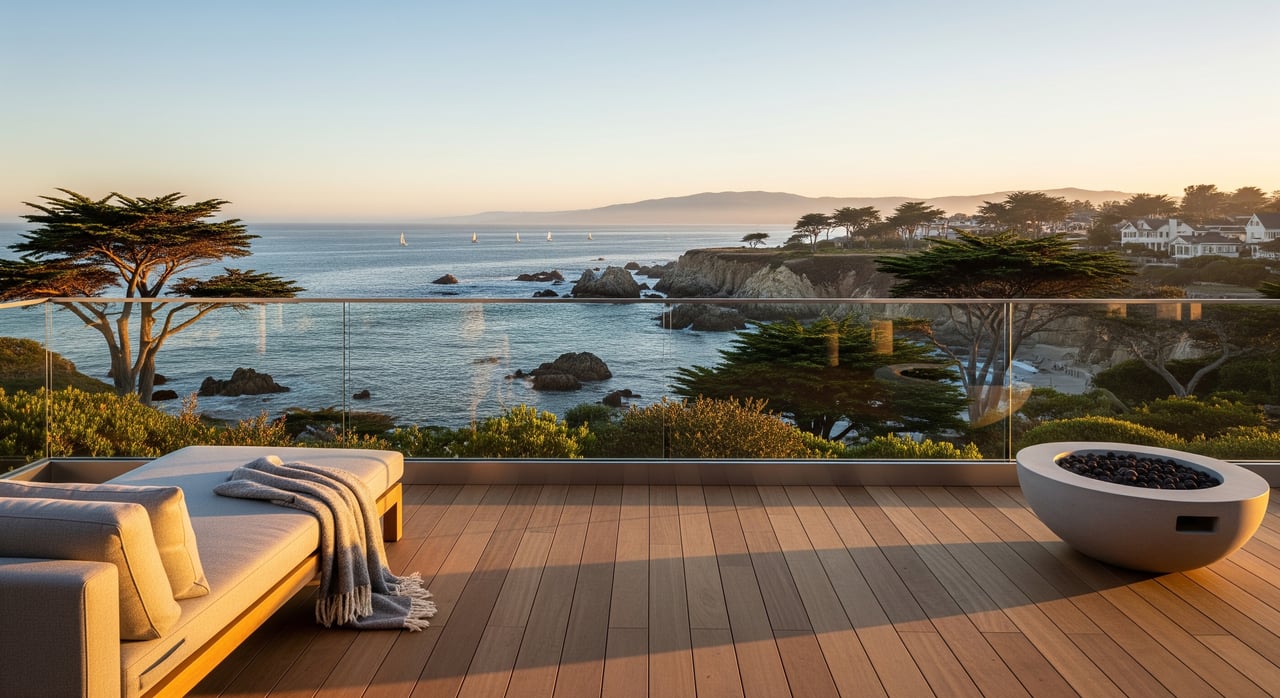
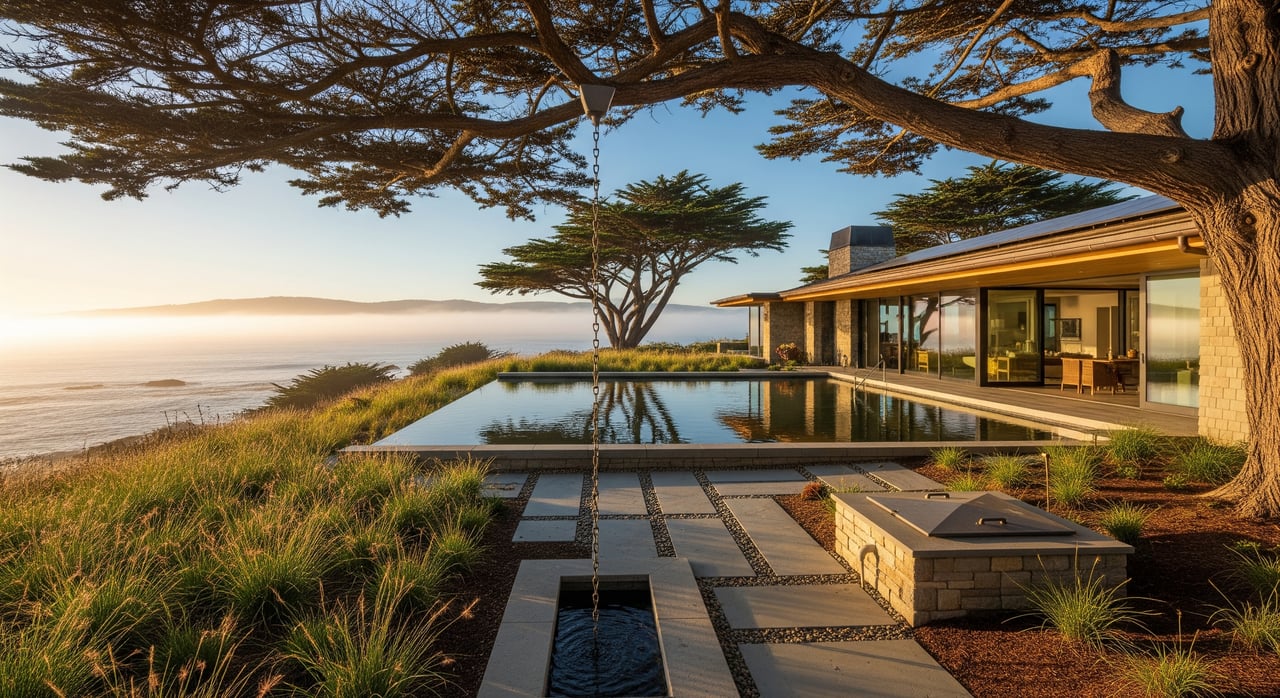
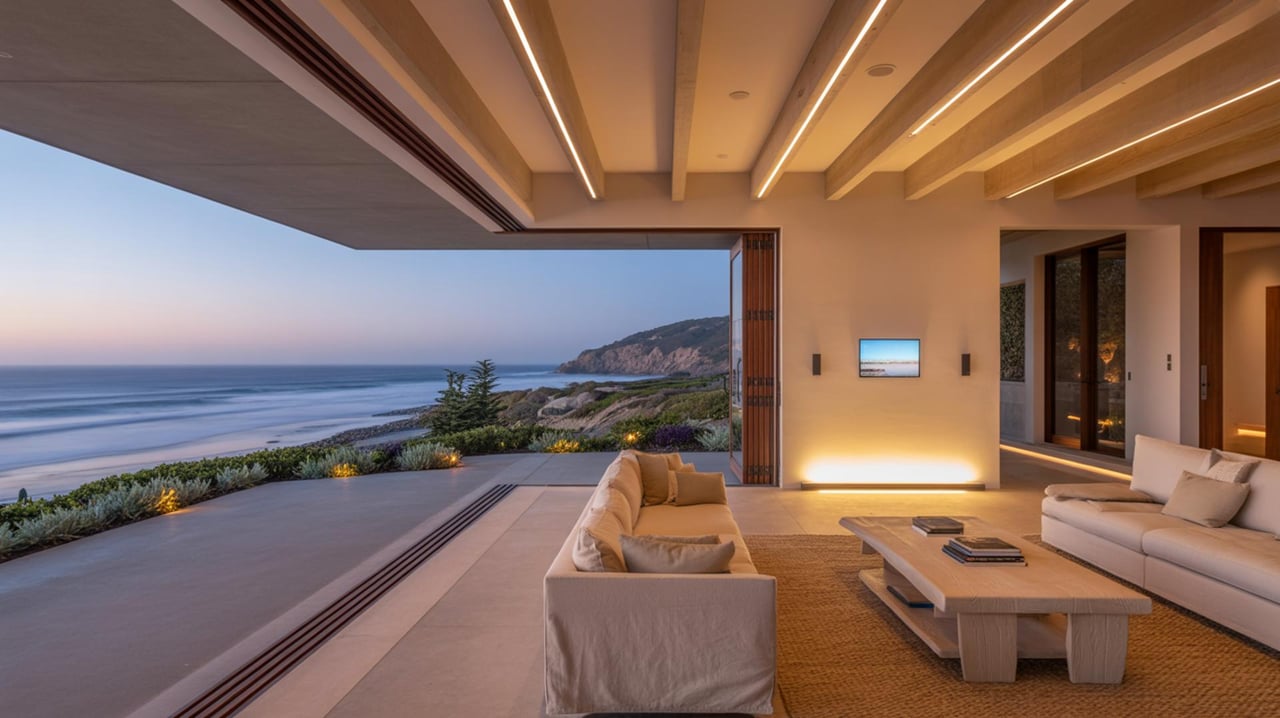
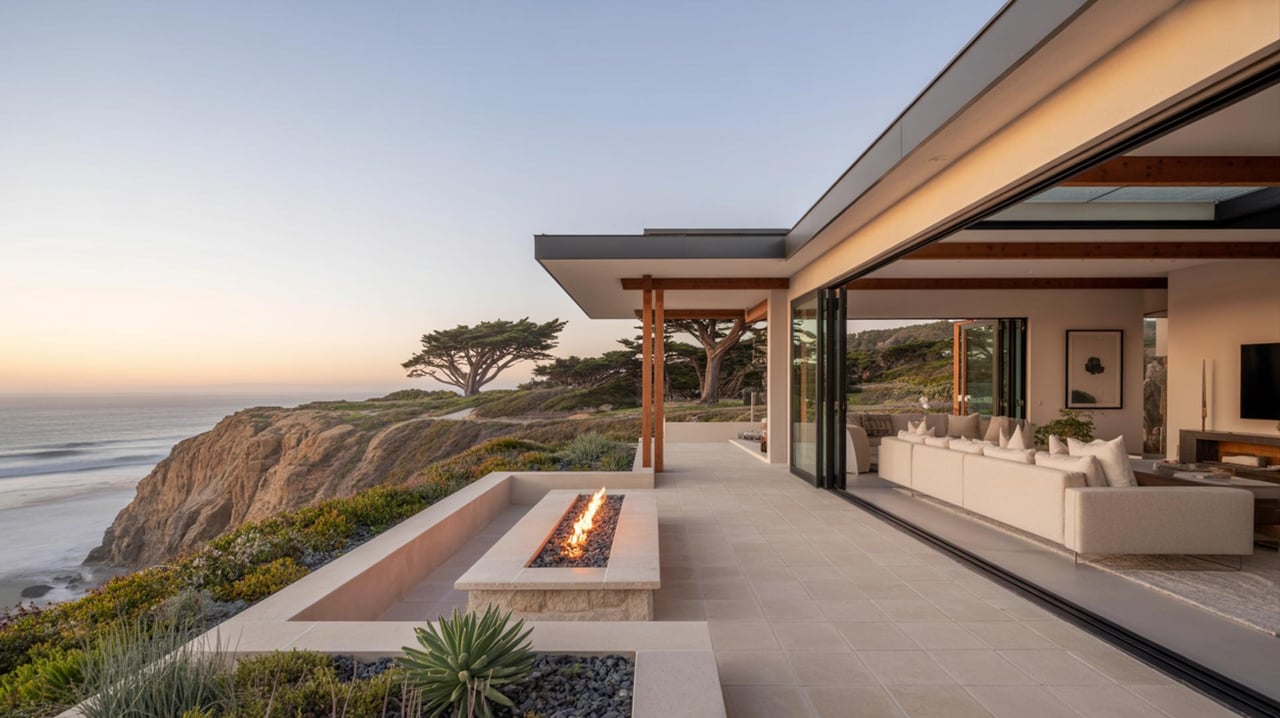
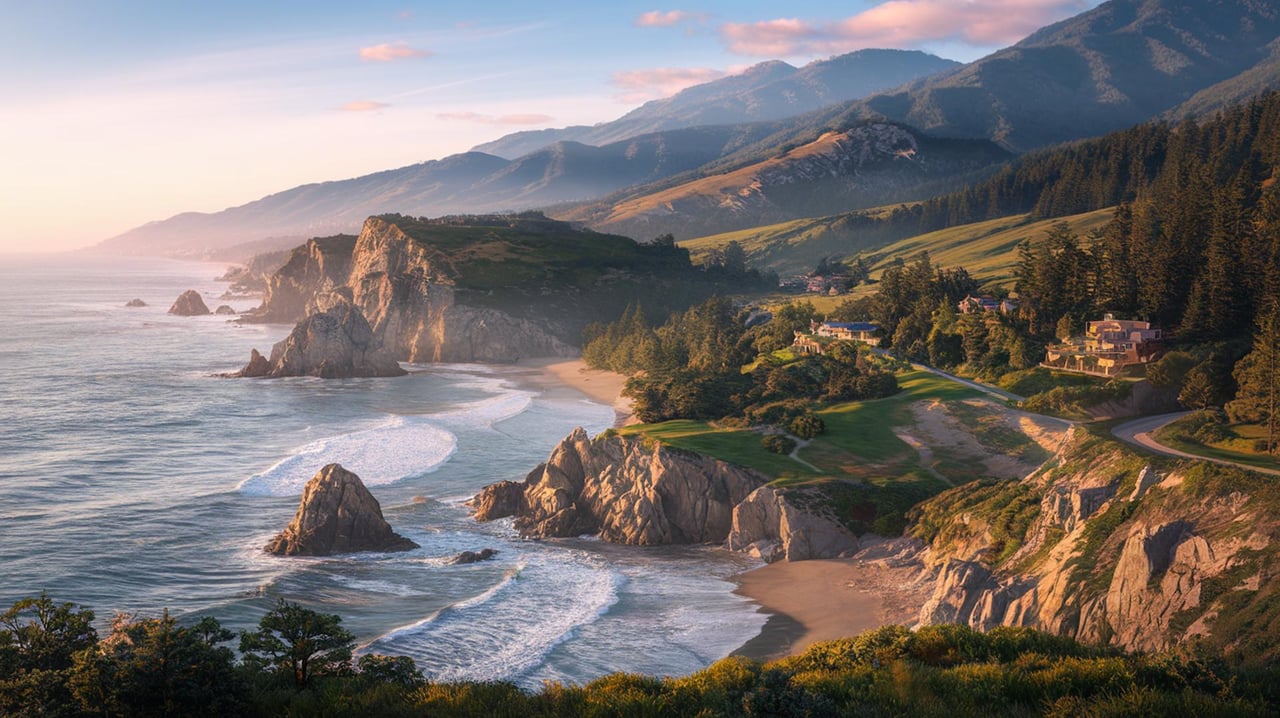
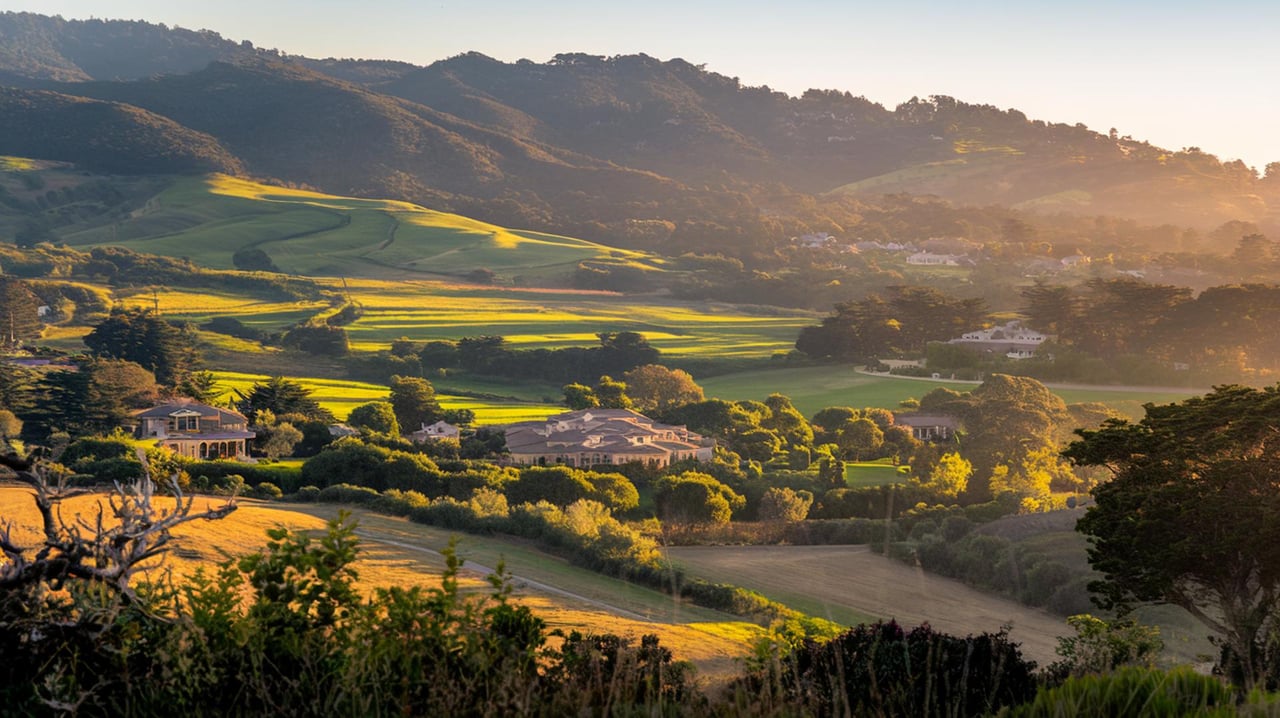
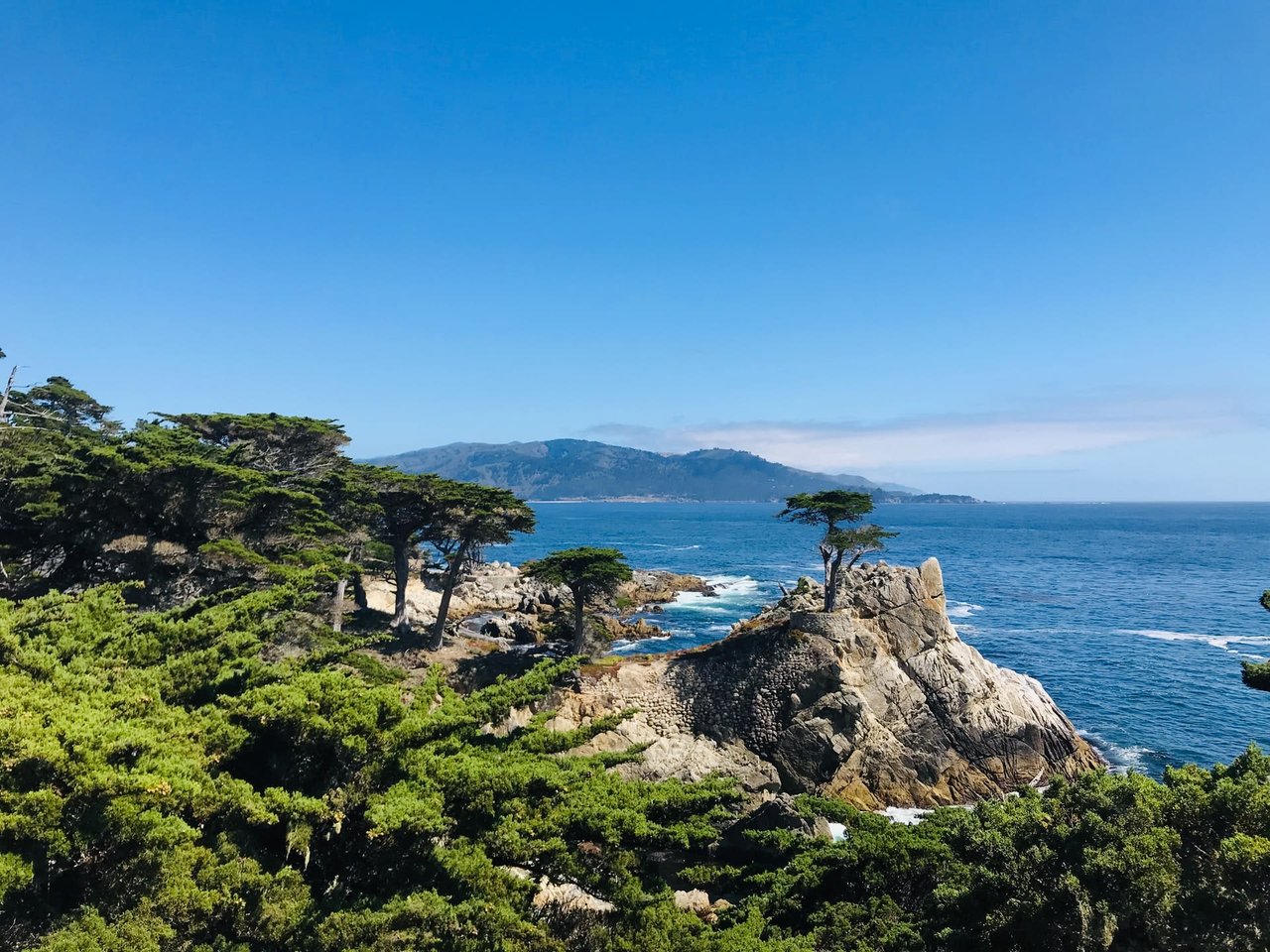
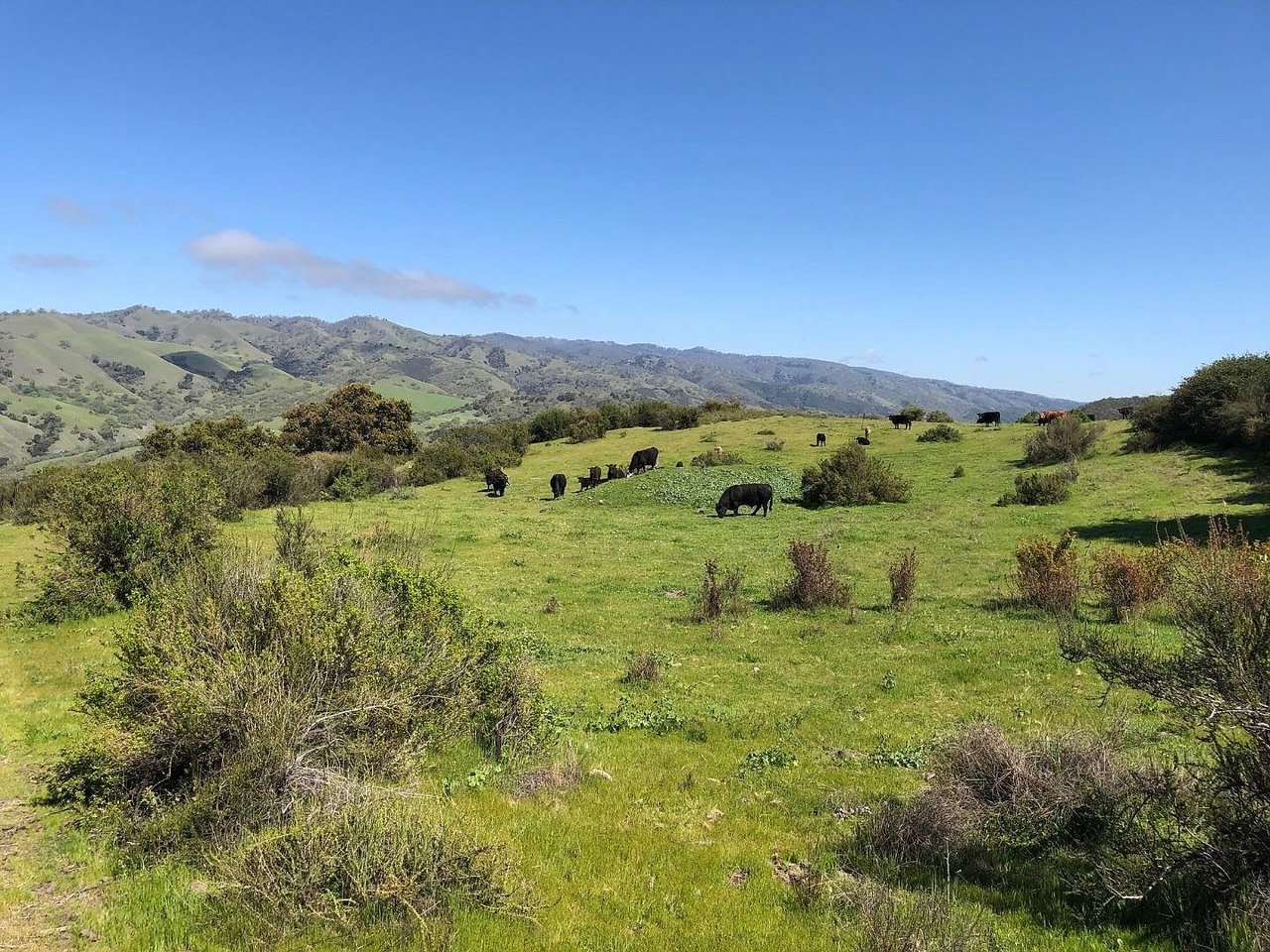
Ocean views or a sunny backyard? In Pacific Grove, that is often the core choice. You might be dreaming of morning walks along Lovers Point, or you may prefer a quieter inland street with more space and a touch more warmth. Both lifestyles are part of what makes this small coastal city so appealing.
In this guide, you will learn how coastal frontage and inland neighborhoods differ on architecture, microclimate, walkability, maintenance, rules, and resale dynamics. You will also get a checklist to help you choose with confidence. Let’s dive in.
Big picture: How Pacific Grove is laid out
Pacific Grove sits on the Monterey Peninsula with a population of about 15,000 residents. The city is compact, with a historic downtown core near the shoreline and residential streets that rise gently inland. Much of the city falls within California’s Coastal Zone, and several blocks near the water carry historic designations. That mix of coastline, preserved character, and low-rise streets creates two distinct day-to-day experiences.
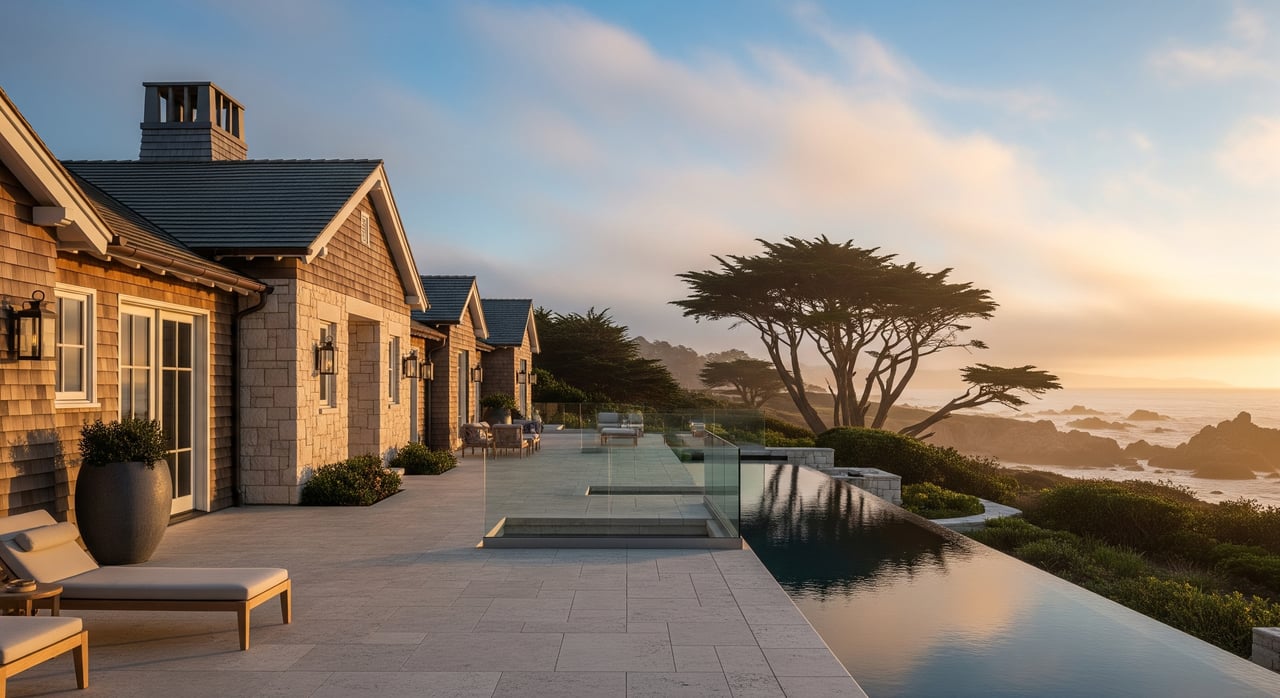
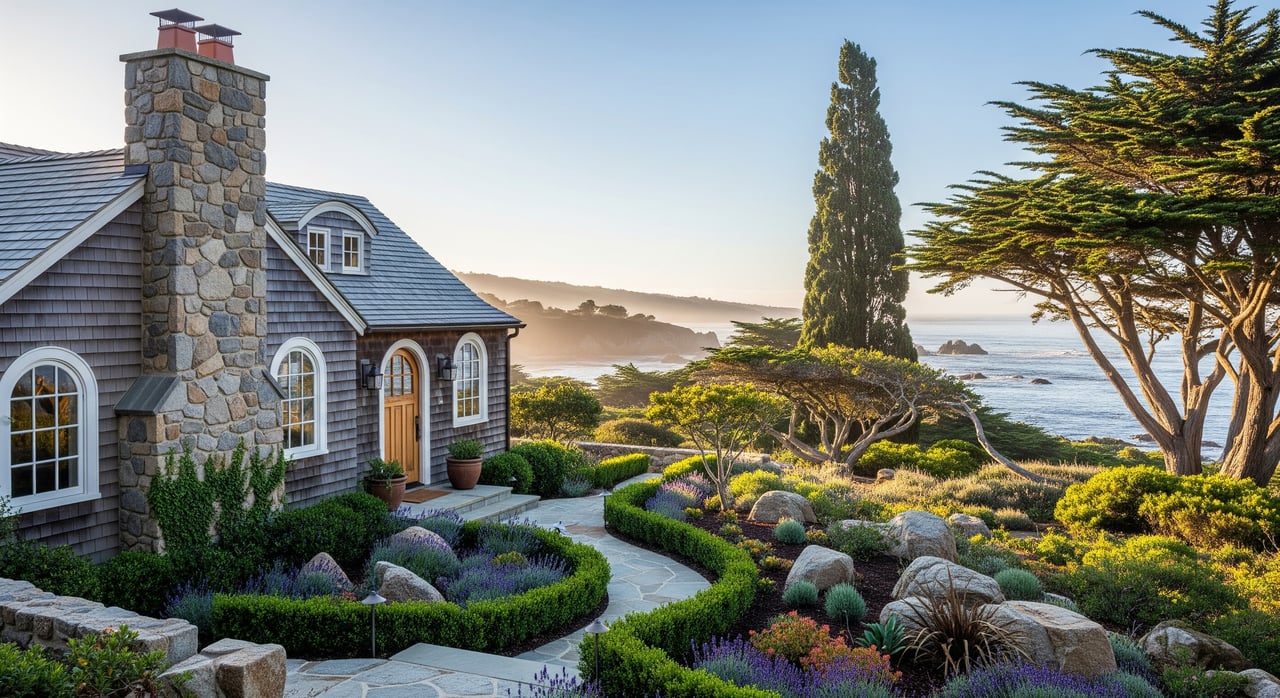
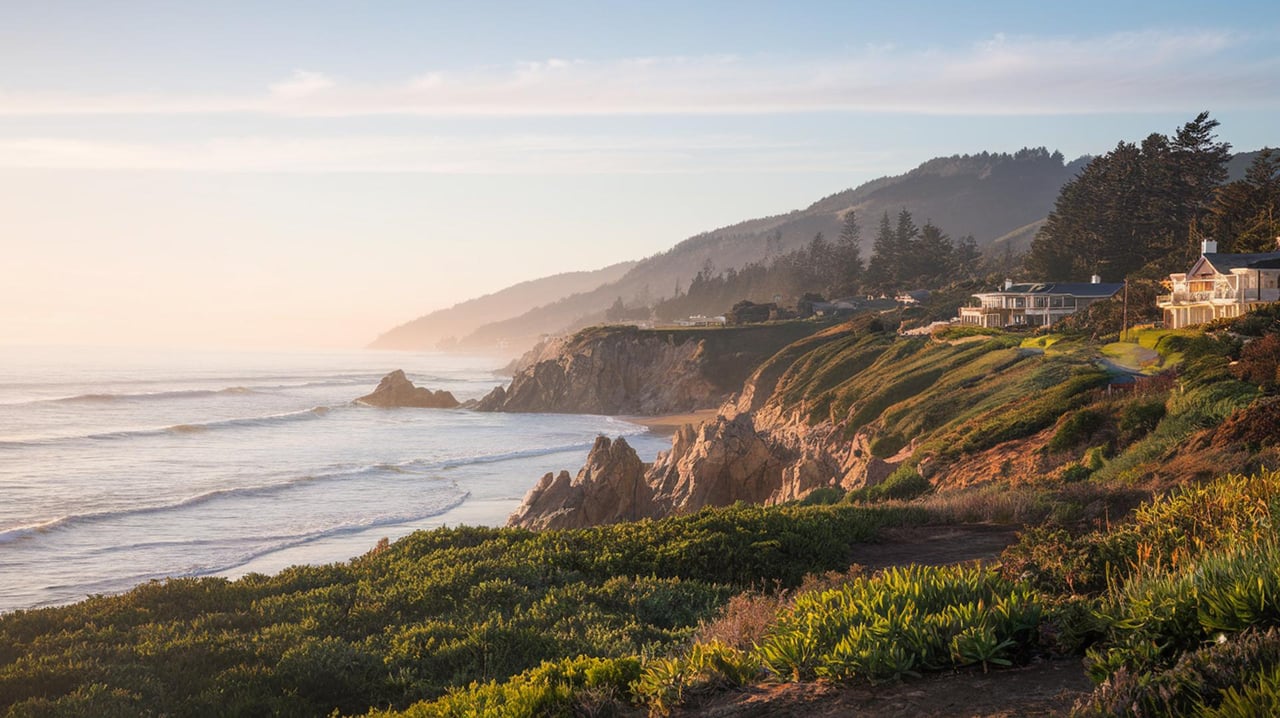
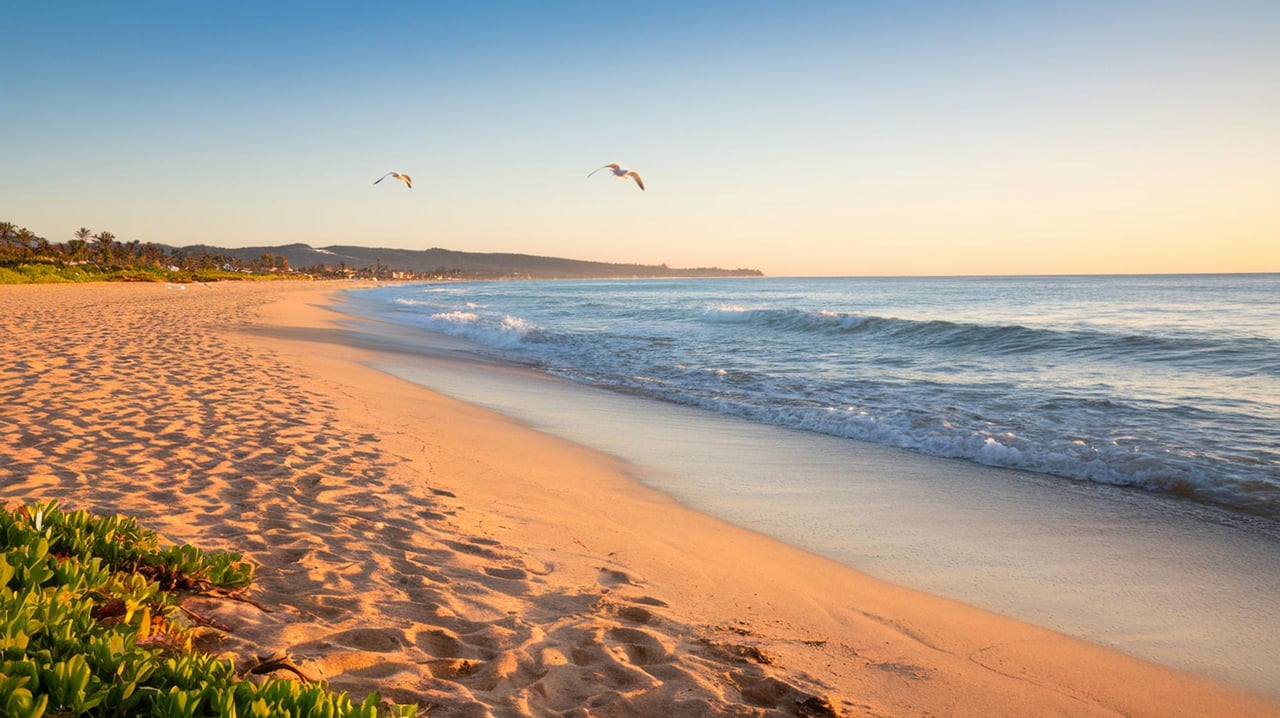
- Coastal frontage offers immediate access to the ocean, parks, and downtown amenities.
- Inland pockets lean more residential, with larger lots and a bit more sun.
Architecture and lot patterns
Coastal homes: Historic character and smaller lots
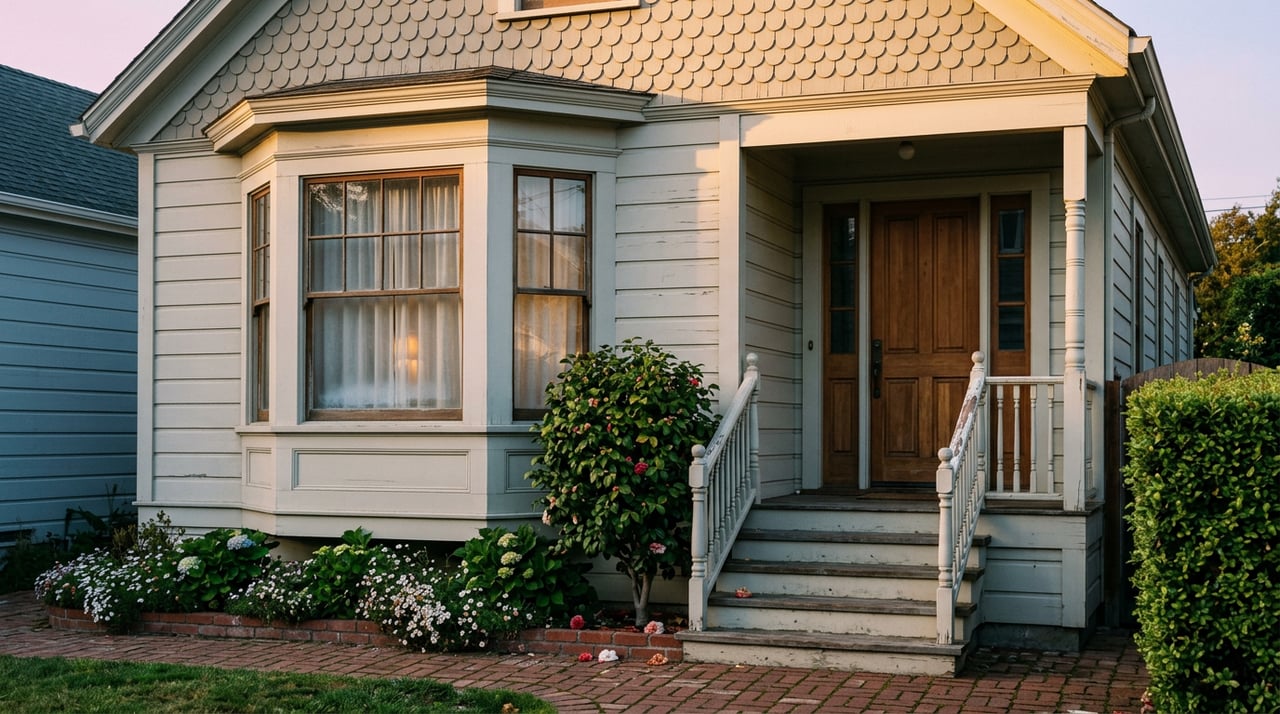
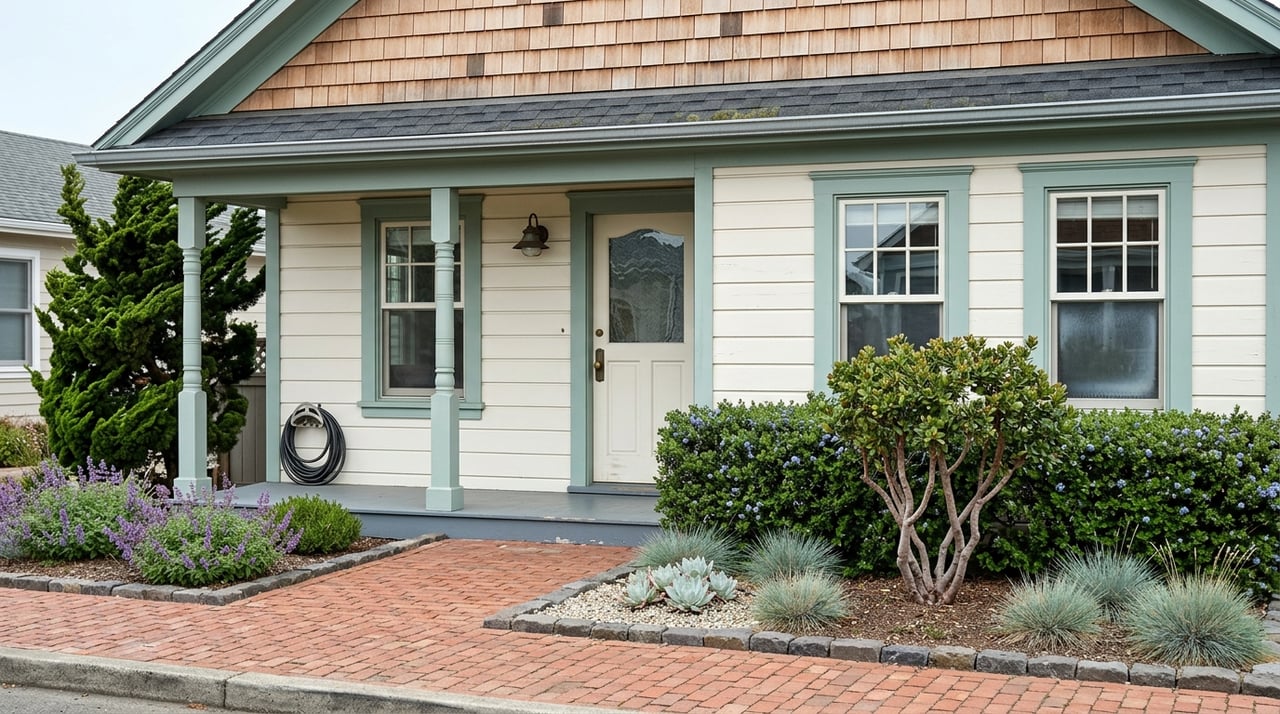
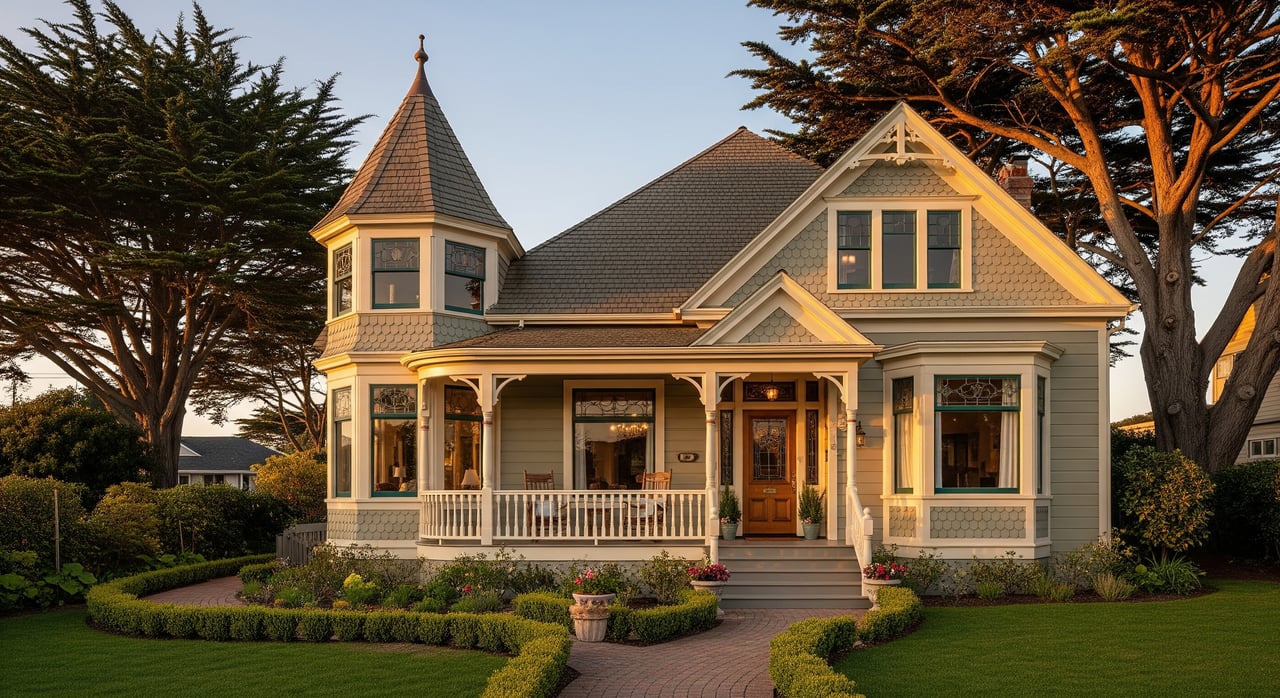
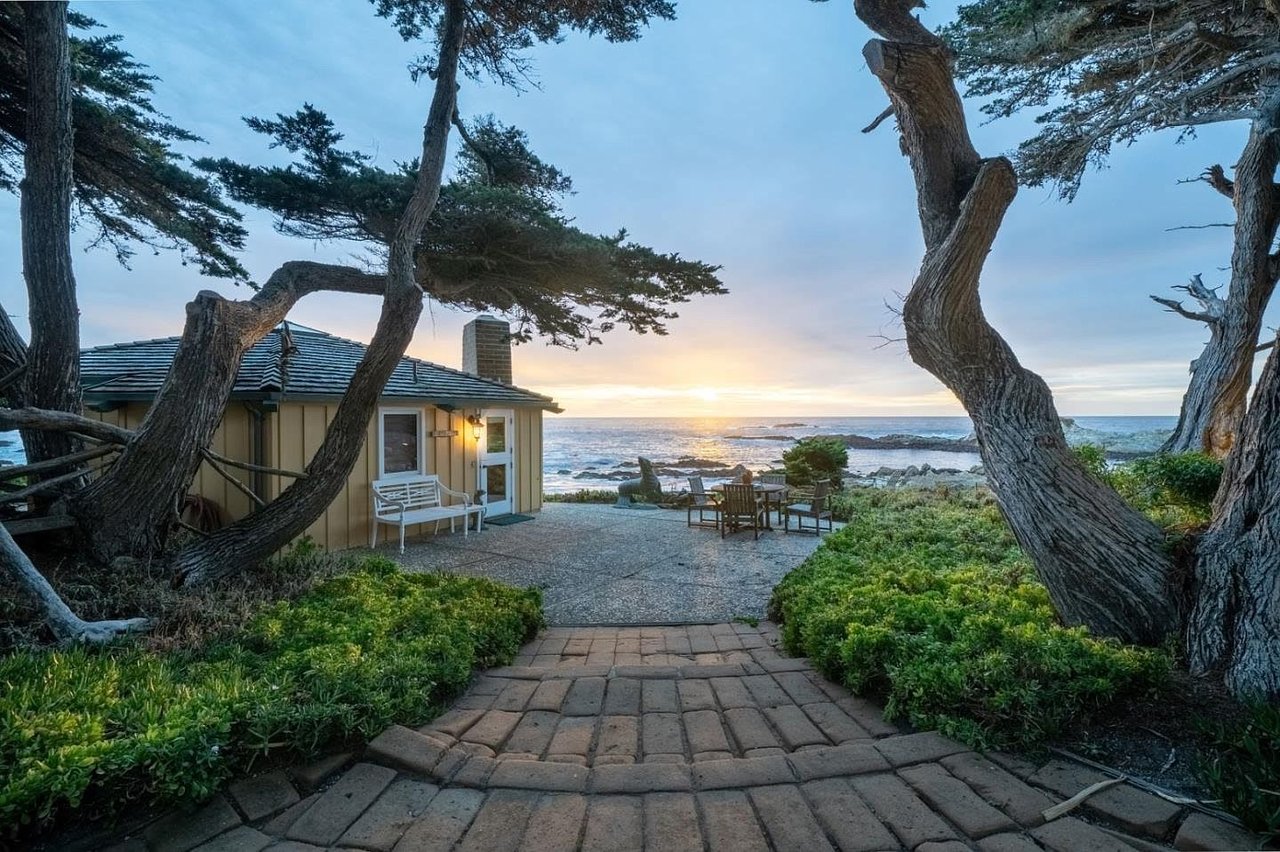
Along the oceanfront and near downtown, you will see a high concentration of Victorians, cottages, and early bungalows. Parcels tend to be smaller with tighter setbacks, and many homes orient toward views or street presence. In designated historic areas, exterior changes may be guided by preservation standards. Expect a strong sense of period architecture and a walkable street grid.
Inland neighborhoods: Variety, space, and flexibility
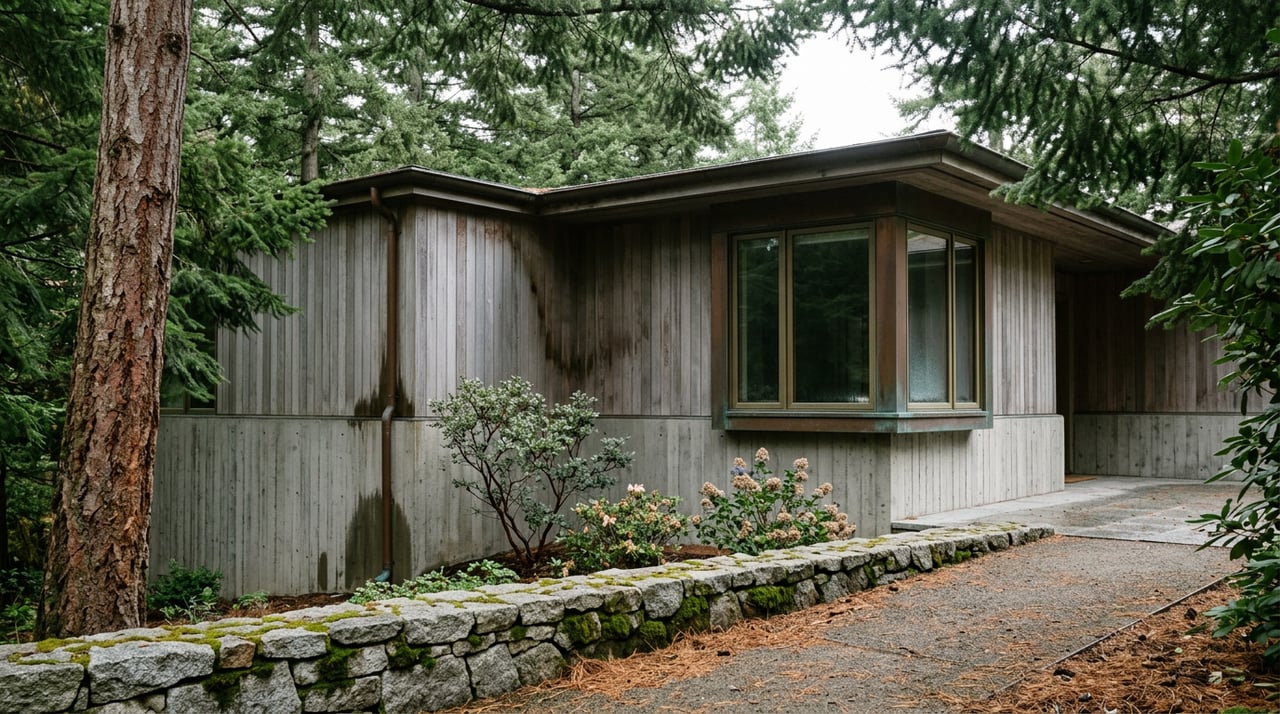
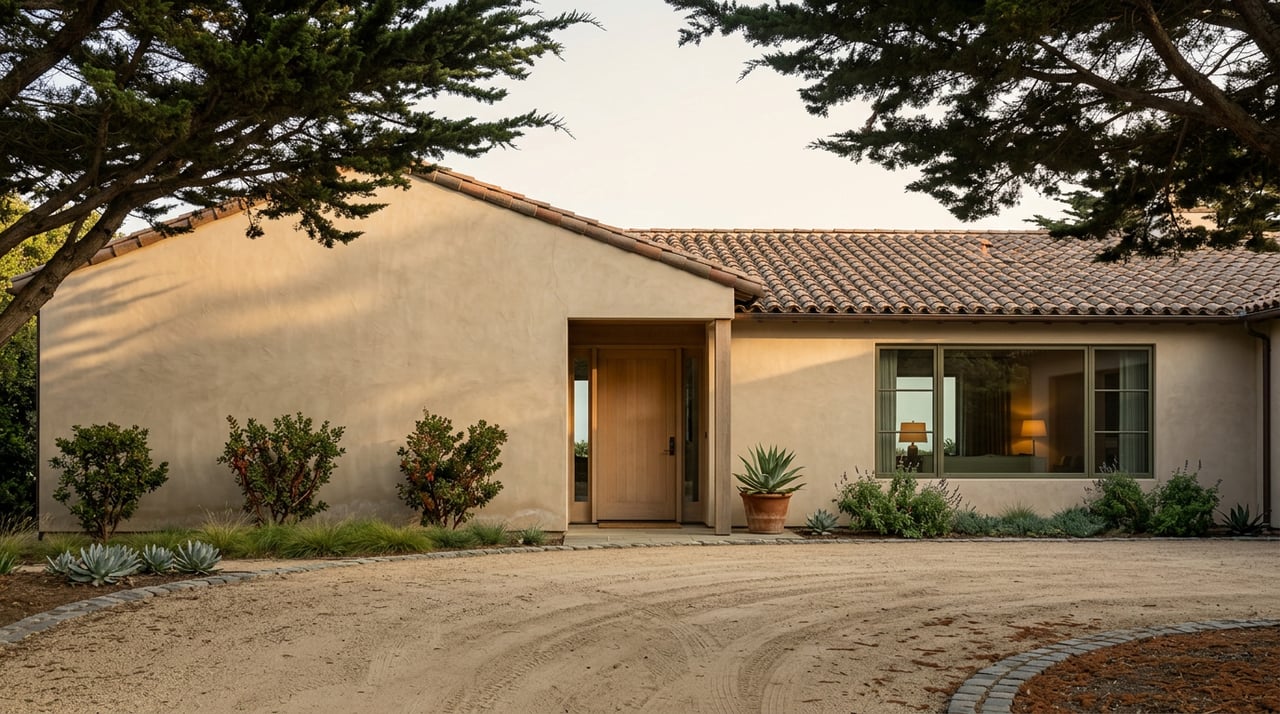
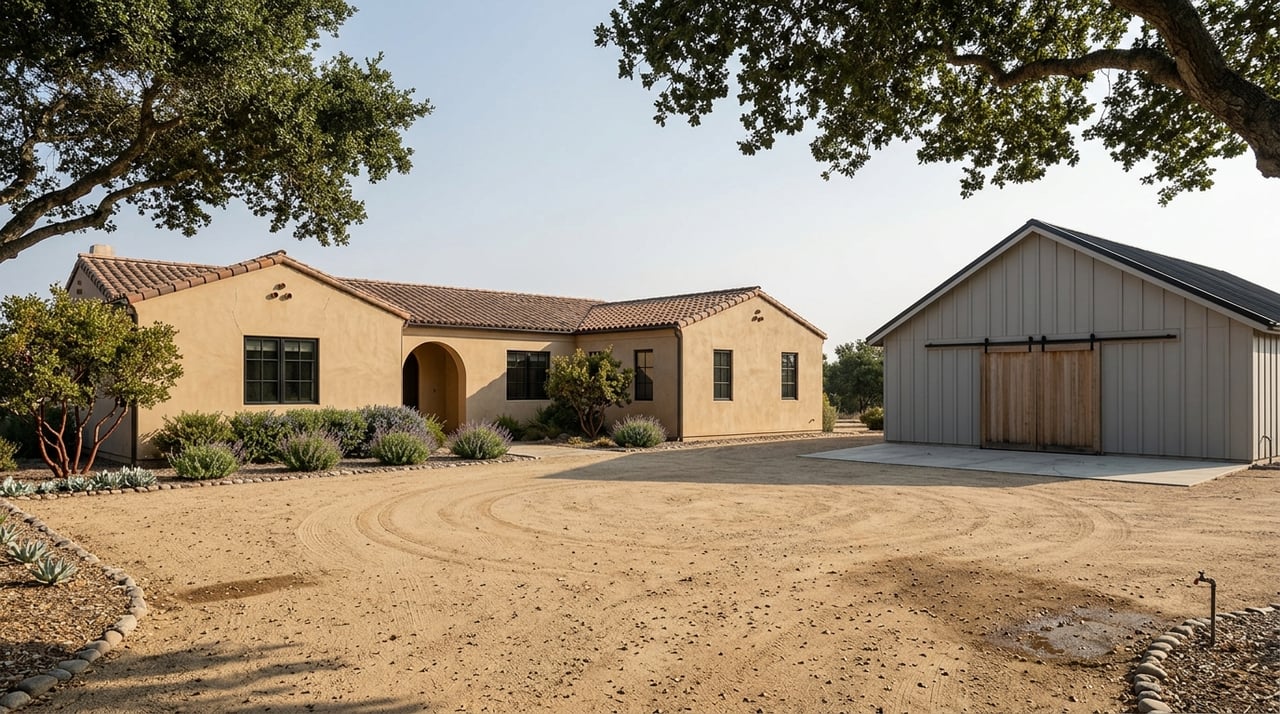
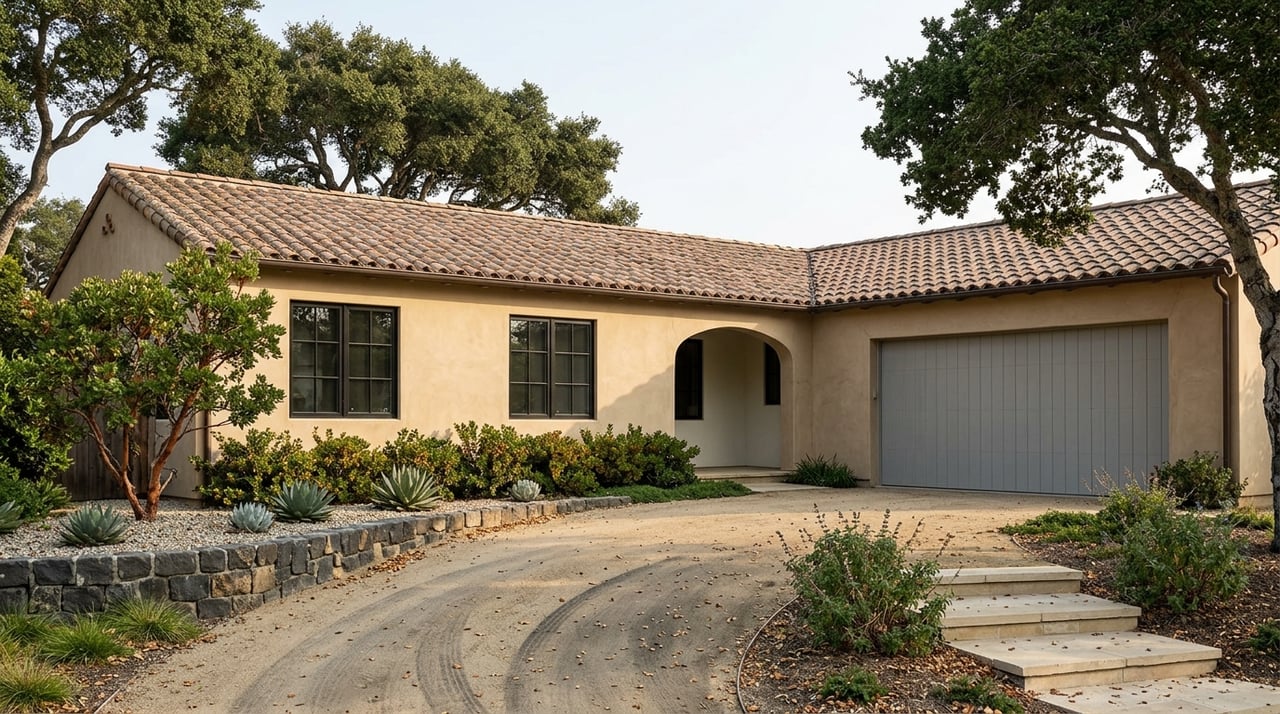
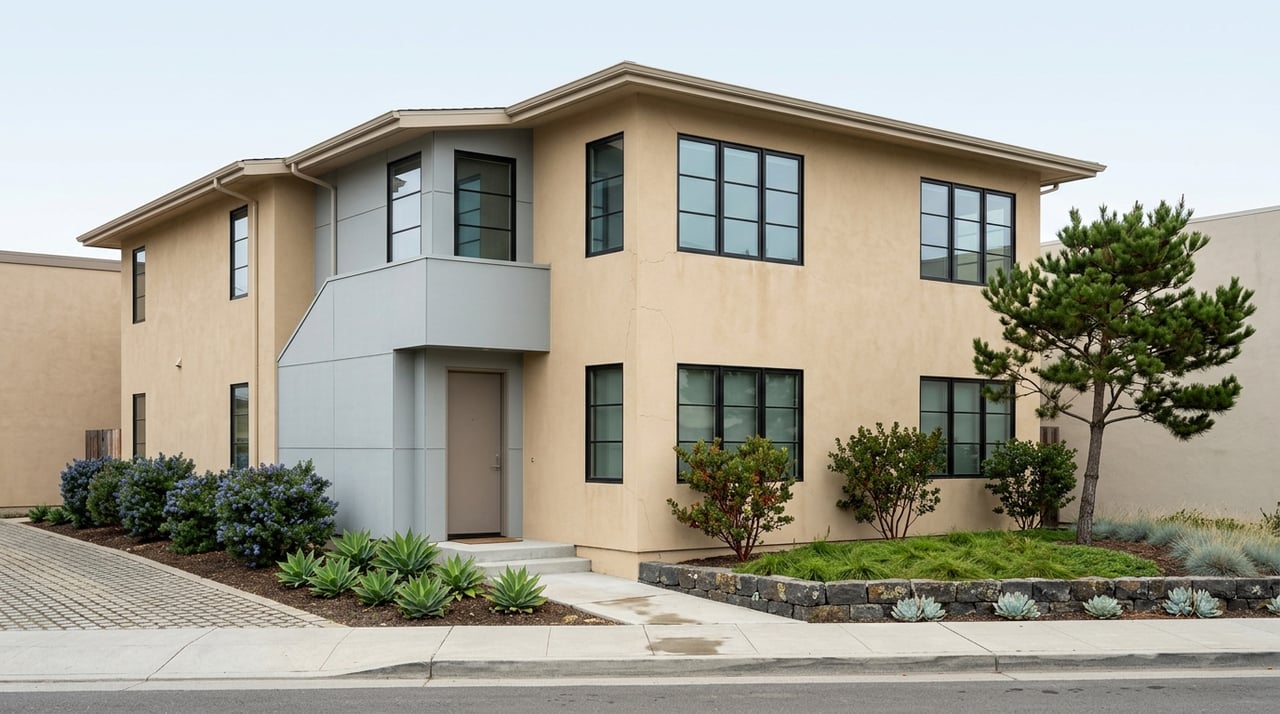
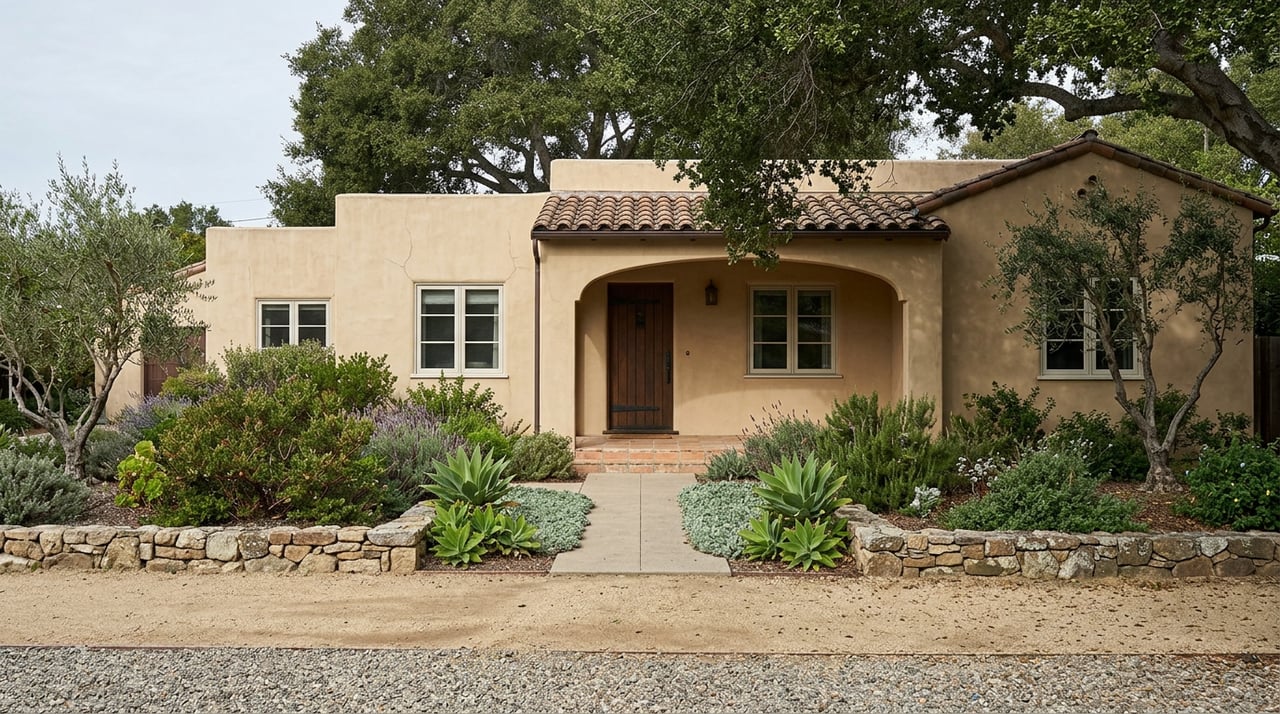
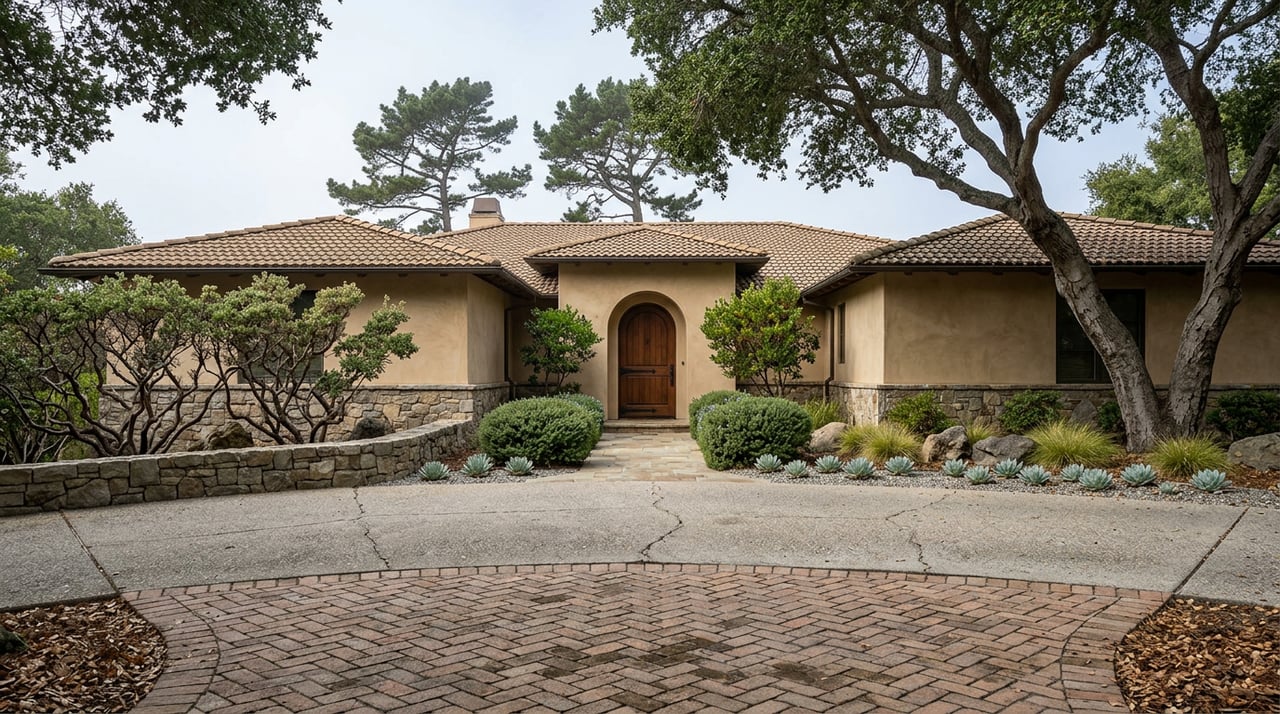
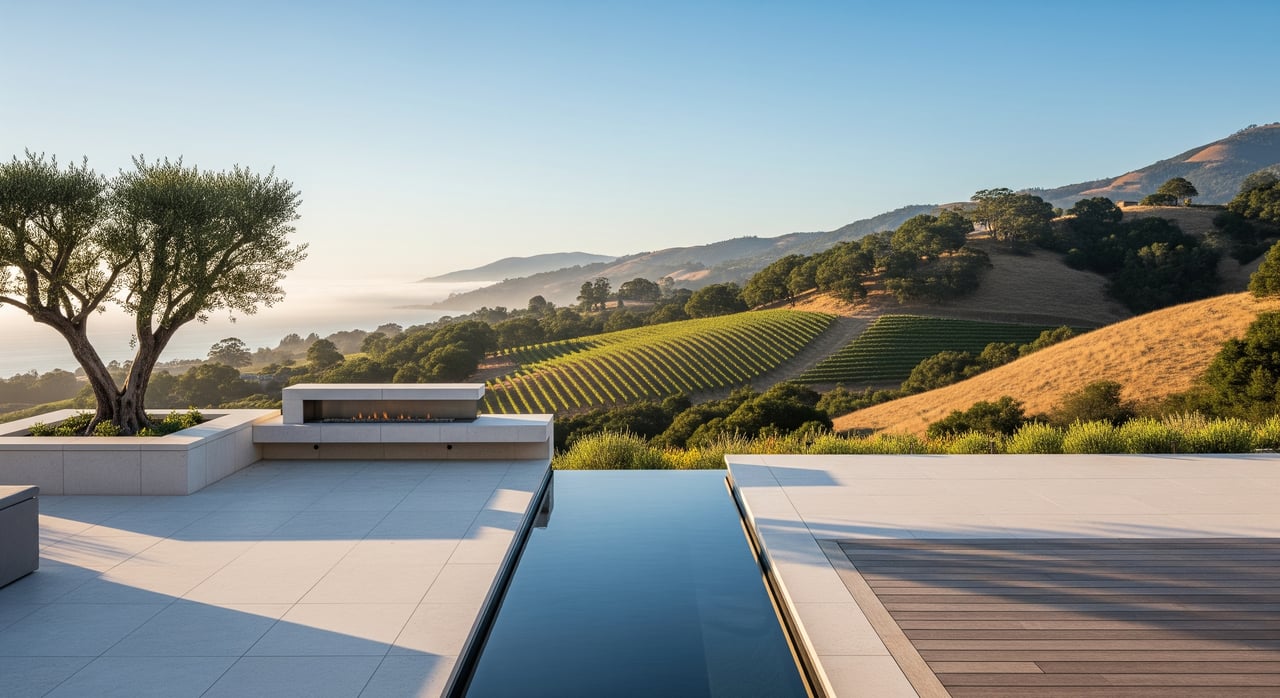
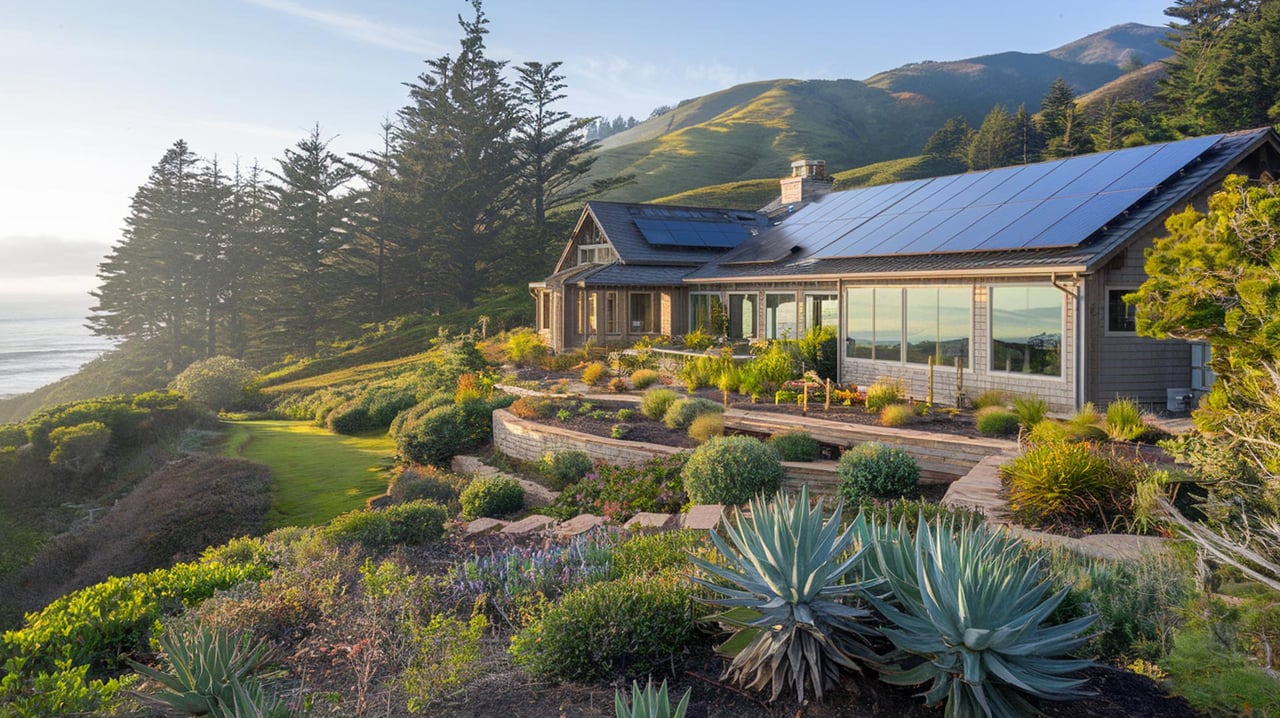
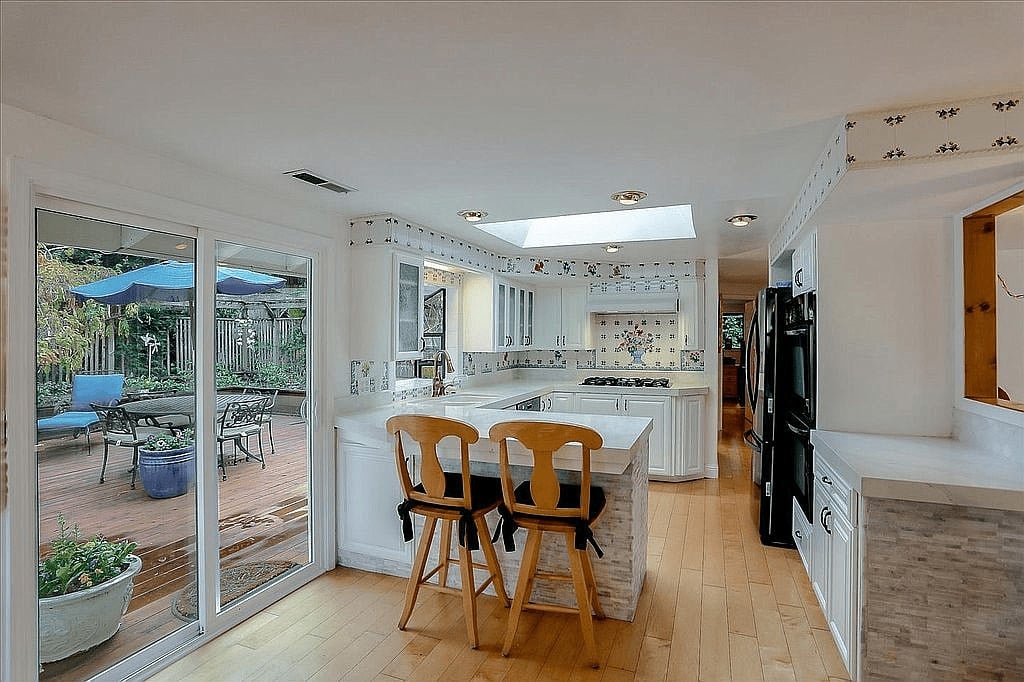
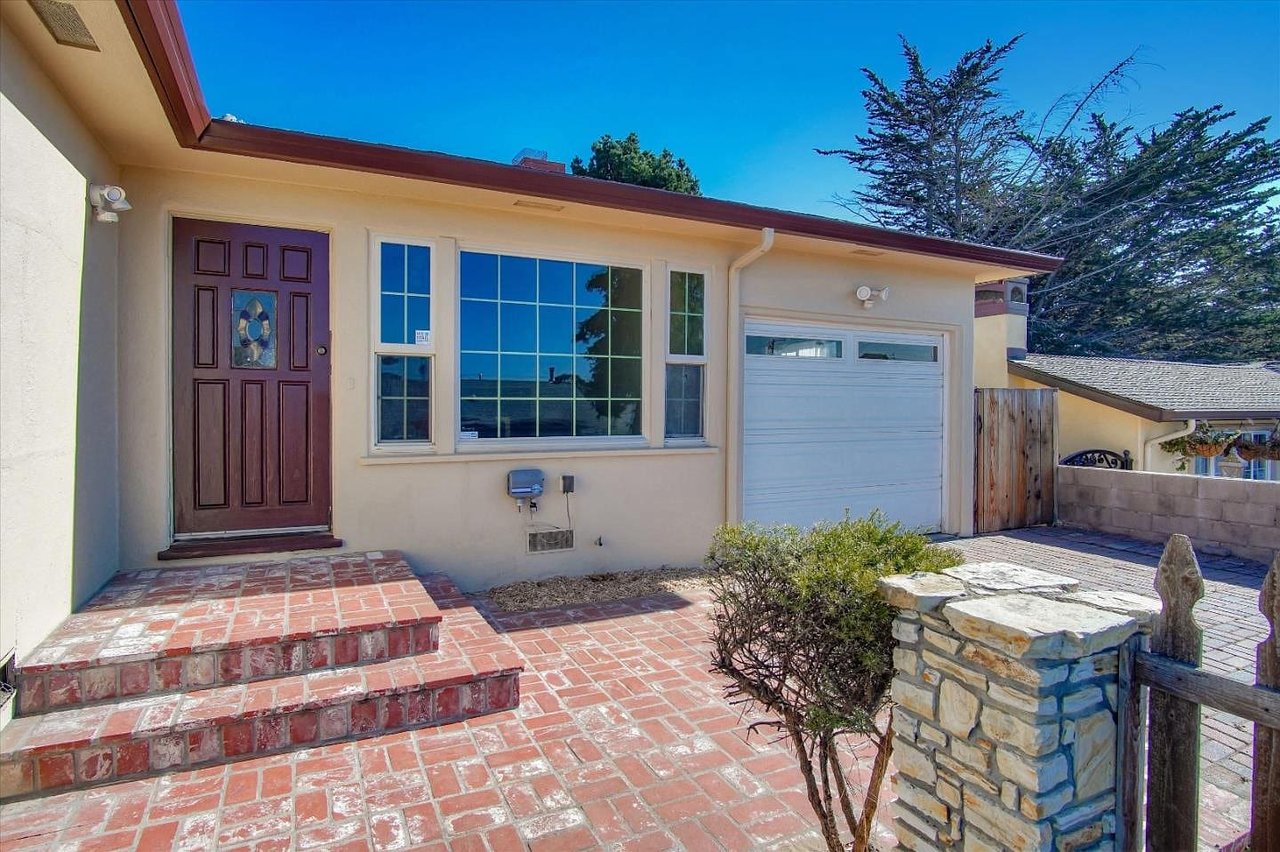
Move a few blocks inland and you will find more variation, including post-war bungalows, mid-century designs, and newer construction. Lots are generally larger with more privacy and room for outdoor living or accessory structures. Historic constraints are usually lighter here, though standard city planning rules still apply.
Microclimate and exposure
Coastal microclimate: Cool, breezy, and marine layer days
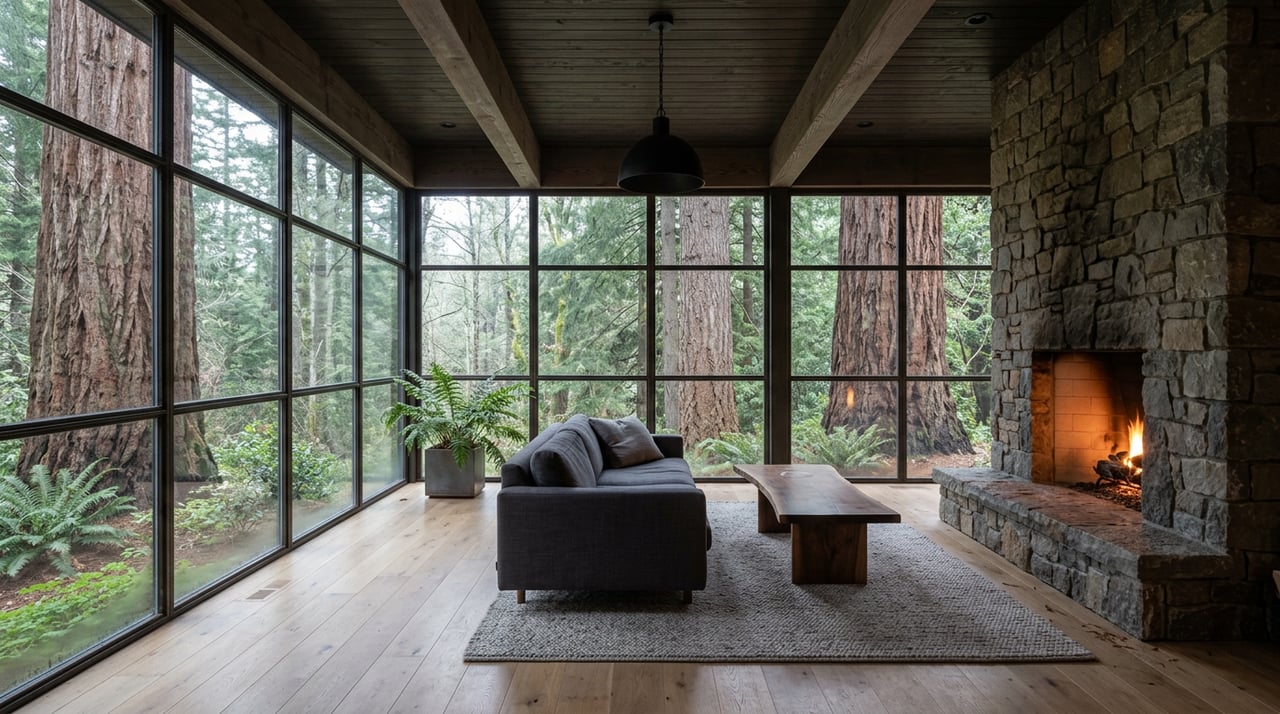
The bay moderates temperatures along the waterfront. Summers are cool with frequent fog and onshore breezes. Winters are mild and steady. This maritime influence creates a refreshing feel and beautiful coastal light, but salt air and moisture are part of the package.
Inland microclimate: A bit warmer and sunnier
Inland pockets typically enjoy more sun and a wider temperature swing between day and night. You will usually see fewer fog hours and less direct salt spray. Landscapes have more flexibility, and corrosion risk is reduced compared to the immediate coast.
Walkability and daily convenience
Coastal access: Step-out-the-door convenience
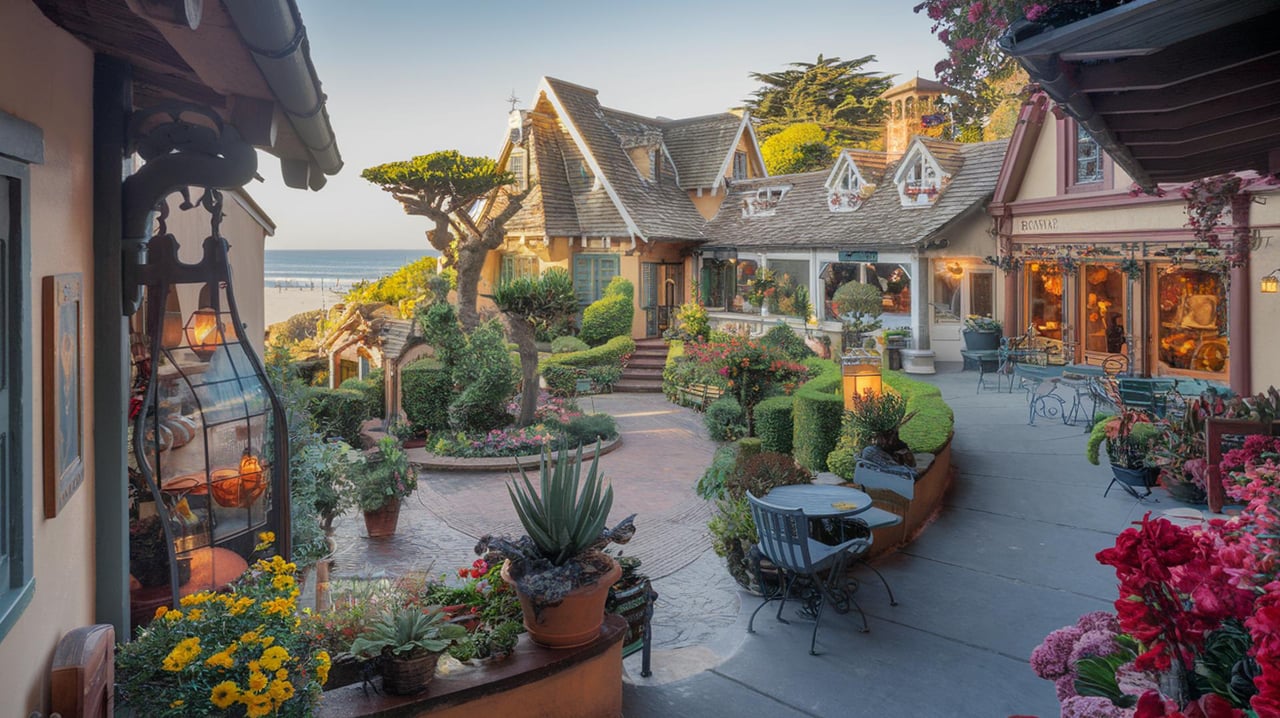
If you like daily walks to the Coastal Recreation Trail, Lovers Point, or Asilomar, a coastal address delivers. Cafes, galleries, and restaurants near Lighthouse Avenue are often an easy stroll or bike ride away. During peak seasons, expect more pedestrian activity and tighter parking near attractions.
Inland rhythm: Residential calm
Inland streets feel more residential and typically quieter. You may drive for errands a bit more often, although distances across Pacific Grove are short. Regional bus routes and local bike options offer added flexibility, but the pedestrian vibe is strongest near the shoreline and downtown.
Lifestyle, noise, and tourism
- Coastal blocks experience seasonal visitor energy, from weekend beachgoers to coastal events and wildlife viewing.
- Inland areas tend to have quieter evenings and more privacy.
If you thrive on a front-row seat to the coastline, the tradeoff is a livelier street scene on sunny weekends. If you prefer a retreat-like setting, inland neighborhoods may suit you better.
Price and resale outlook
Waterfront proximity and views command a premium. Coastal-facing homes are scarce by nature, which supports pricing and can help with long-term resale appeal. Inland homes often offer more square footage and larger lots at a lower price per square foot. Given Pacific Grove’s small scale and preserved fabric, new inventory is limited citywide, so overall supply remains tight.
Maintenance and insurance realities
Coastal upkeep: Plan for salt and moisture
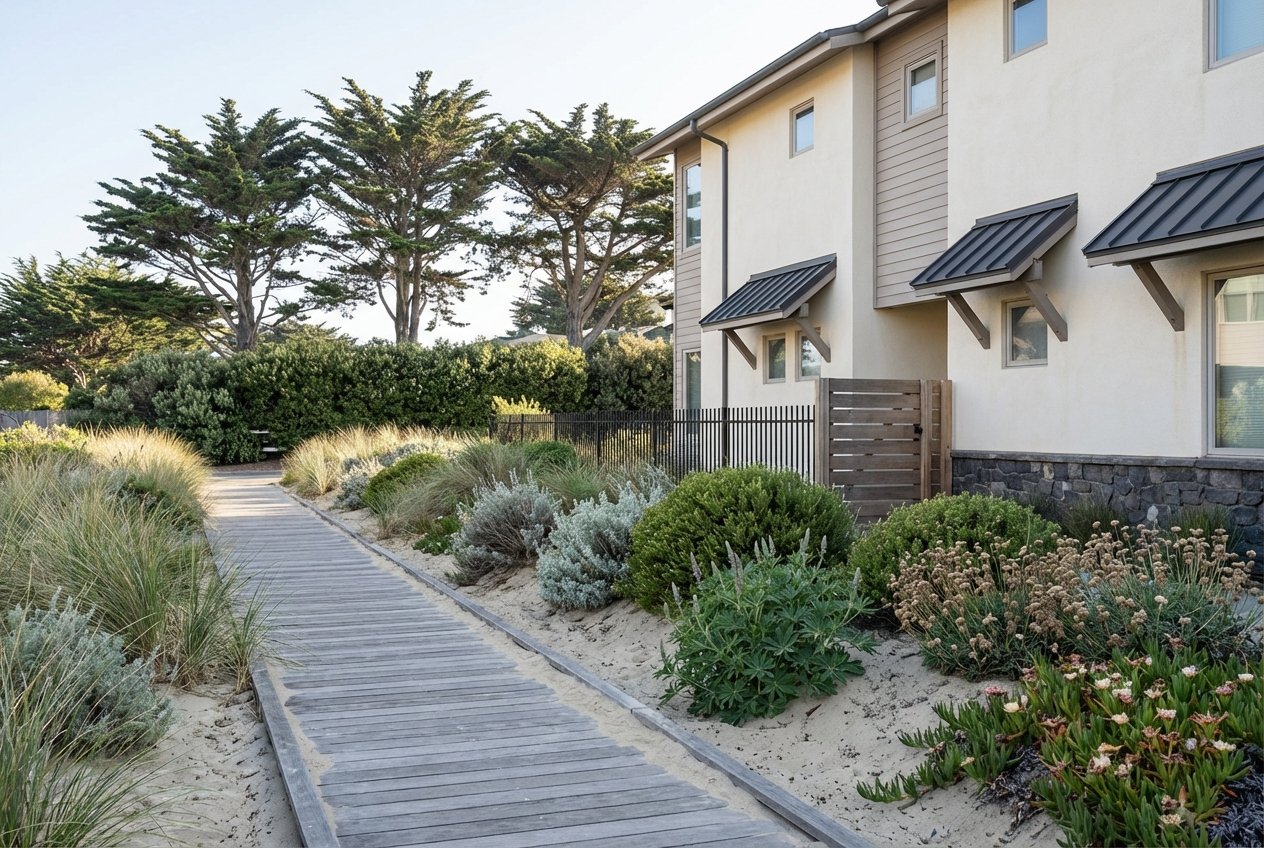
Salt air accelerates wear on exterior paint, metal fixtures, and mechanical systems. Expect more frequent painting and service intervals. Landscaping also benefits from salt- and wind-tolerant plant choices.
Insurance and utilities: Know before you offer
Insurance can be higher for properties near the shoreline or within FEMA flood zones. It is wise to request insurance quotes early in your process. Utility service is standard, but verify whether any specific property has legacy systems that may require upgrades. A pre-offer due diligence plan helps avoid surprises.
Rules and permits to know
- Historic districts: Exterior changes on designated homes or within historic blocks may require design review and material standards.
- Coastal permitting: Properties within the California Coastal Zone or near bluffs may need coastal development permits in addition to city approvals.
- Short-term rentals: Pacific Grove has local rules and enforcement. If rental income is part of your plan, verify current ordinances and permit requirements before you buy.
Understanding these layers is especially important if you intend to remodel, expand, or operate a part-time rental.
Environmental and hazard checks
- Sea-level rise and erosion: Lower-elevation or bluff-adjacent parcels warrant close attention to long-term exposure.
- Flood zones: Confirm FEMA status. Certain coastal parcels may require flood insurance.
- Earthquakes and stability: Standard California seismic considerations apply. Bluff-edge or hillside lots may need geotechnical review.
- Fire risk: The immediate coastline tends to have lower wildfire risk than inland wildland-urban interface areas, but seasonal conditions and vegetation management still matter.
A qualified inspection team and the right reports will help you calibrate risk and costs.
Quick decision checklist
Use these prompts to align your choice with daily life and long-term value:
- Lifestyle
- Do you prioritize immediate access to the ocean and coastal parks, or more private outdoor space and sun?
- How important is walkability to cafes, the Coastal Recreation Trail, and downtown?
- Property condition and maintenance
- Has the home been maintained with coastal exposure in mind, including paint, roofing, windows, and mechanical systems?
- What are typical annual maintenance costs for similar homes nearby?
- Regulatory environment
- Is the property within a designated historic district or the Coastal Zone? What approvals will you need for future changes?
- What are the current short-term rental rules and how do they affect your plans?
- Hazard and insurance
- Is the parcel in a flood zone or erosion-prone area, and what insurance will be required?
- Can your insurer provide quotes that reflect the property’s location and construction?
- Commute and services
- Where are grocery, medical, and school locations relative to the property?
- How will your commute to Monterey, Salinas, or beyond work from this neighborhood?
- Market and resale
- How often do comparable homes come to market, and what are recent sale ranges for coastal versus inland blocks?
Who each area fits best
Best fit for coastal frontage
Choose coastal frontage if you prioritize daily ocean access, views, and walkable proximity to parks, galleries, and dining. You are comfortable with higher maintenance and seasonal visitor activity, and you value the character and stewardship that come with historic neighborhoods.
Best fit for inland neighborhoods
Choose inland if you want more living area and yard space, slightly sunnier pockets, and a calmer residential pace. You may also be exploring renovation flexibility and a value-forward price per square foot compared to the waterfront.
Schools and daily routines
Pacific Grove Unified School District serves the city. School locations and boundaries vary by neighborhood, and many families appreciate the small-city convenience. To plan daily routines, map potential homes against school sites, parks, and your preferred routes to errands and activities.
How to move forward with confidence
Start with clarity on lifestyle, then layer in due diligence. For coastal homes, focus on maintenance history, hazard and insurance realities, and any historic or coastal permitting triggers. For inland homes, confirm expansion potential, lot lines, and neighborhood microclimate.
If you want a confidential, high-touch advisory experience rooted in local knowledge, our team can help you weigh tradeoffs and source opportunities on and off market. Begin a conversation with William Smith to align your search with the Pacific Grove lifestyle you value most.
FAQs
How do Pacific Grove’s coastal and inland microclimates differ?
- Coastal blocks are cooler with more marine layer and onshore breezes, while inland pockets are typically a bit warmer and sunnier with a wider daily temperature range.
Are coastal homes in Pacific Grove more expensive than inland homes?
- Yes, coastal-facing properties generally command a premium for views and proximity to parks and downtown, while inland homes often offer larger lots at a lower price per square foot.
What extra maintenance should I expect near the shoreline?
- Plan for more frequent exterior painting, attention to corrosion on metal and mechanical systems, and landscaping that tolerates salt, wind, and moisture.
Do historic and coastal permits affect remodeling in Pacific Grove?
- They can. Homes in designated historic areas and properties within the California Coastal Zone may require additional design review and coastal development permits for exterior changes.
Will I need flood insurance for a coastal Pacific Grove home?
- It depends on parcel-specific FEMA flood zone status. Verify the property’s map designation early and obtain quotes from your insurer before finalizing an offer.
How does tourism affect daily life near Lovers Point and Asilomar?
- Expect more pedestrian activity, event days, and tighter parking on sunny weekends and holidays, balanced by the benefit of immediate access to trails, parks, and the shoreline.