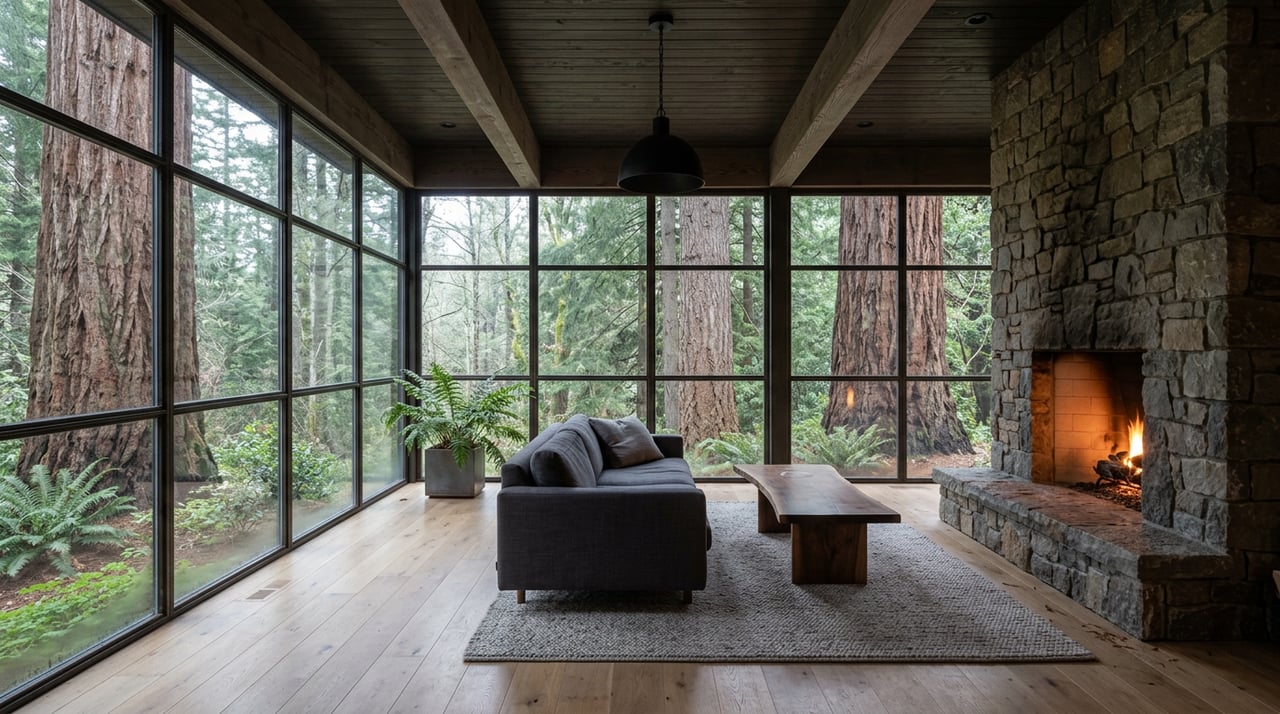
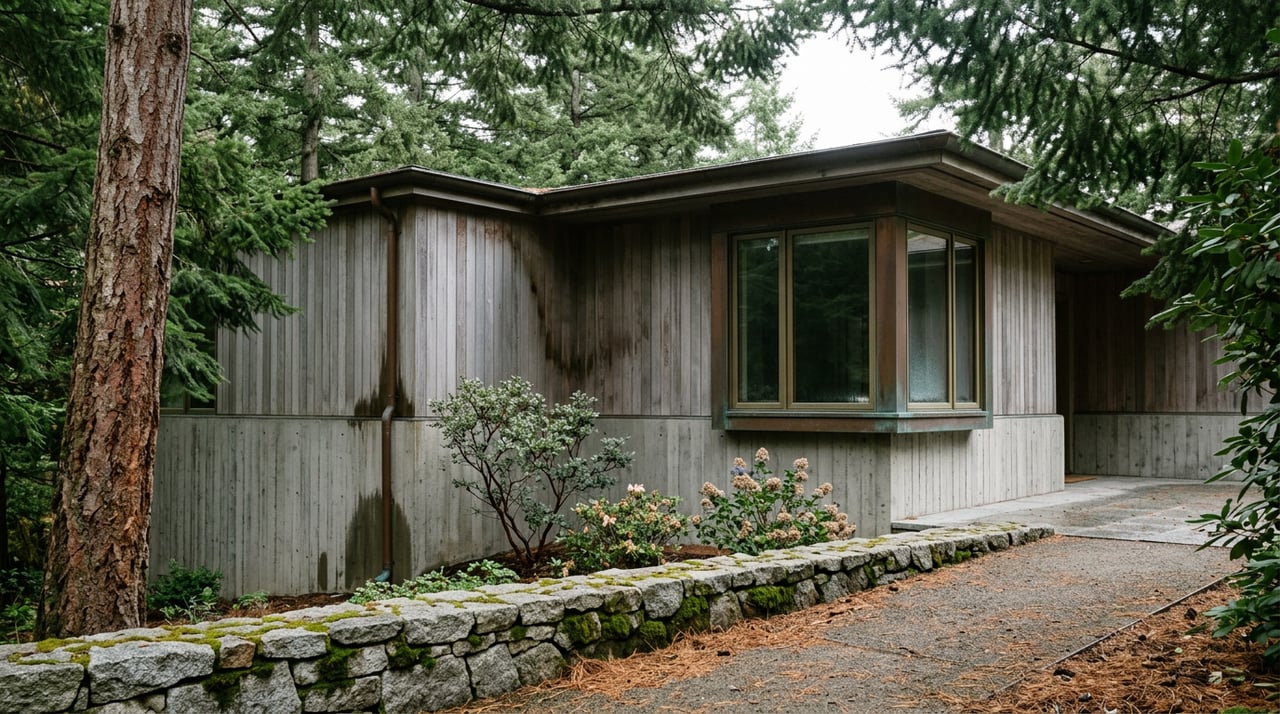
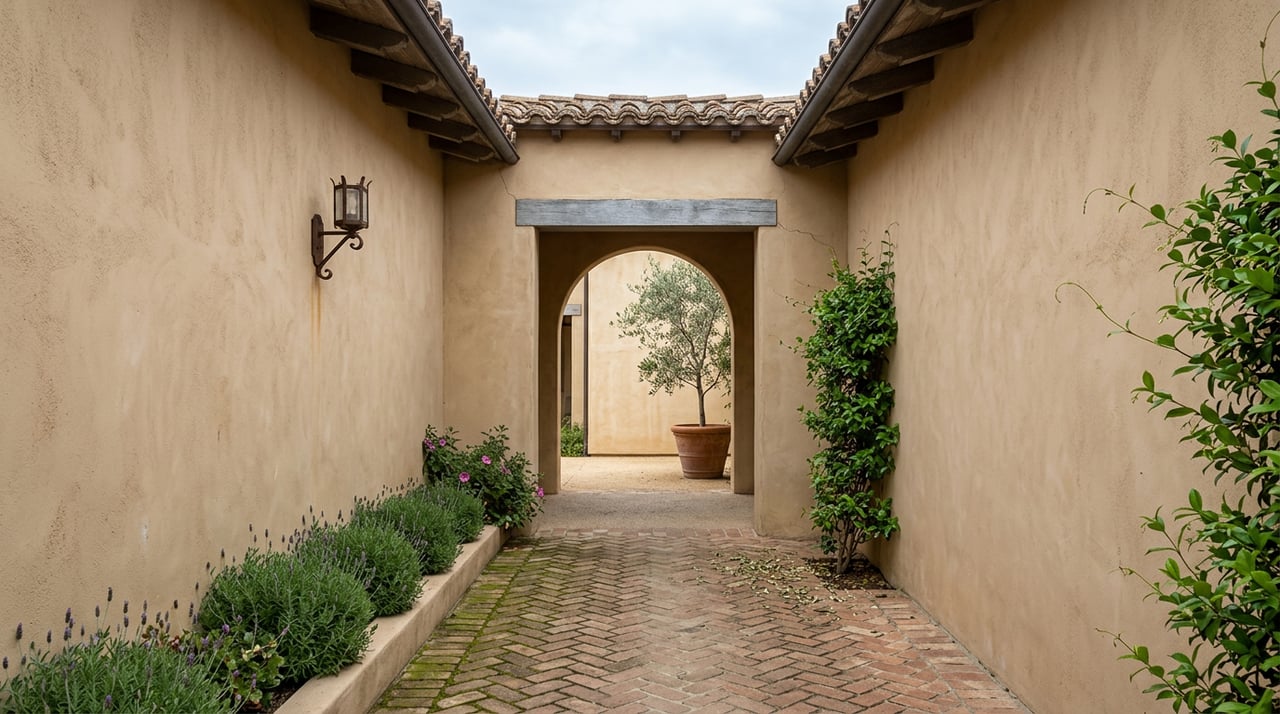
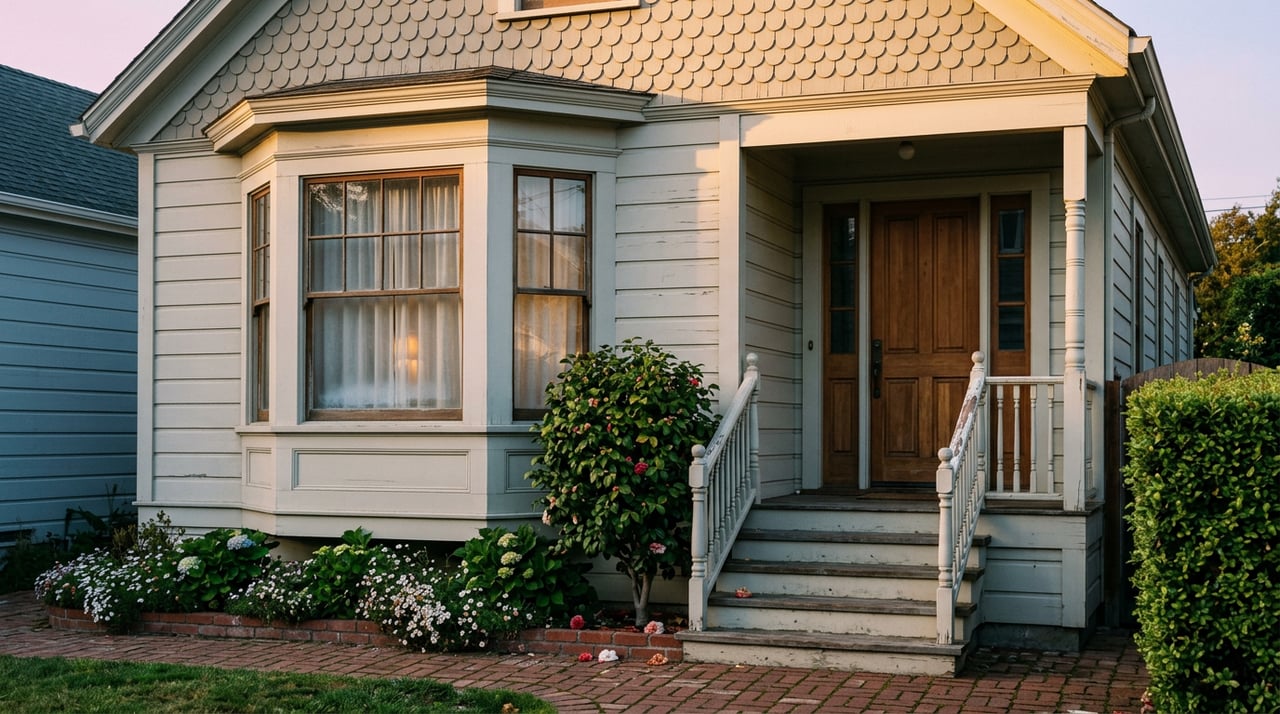
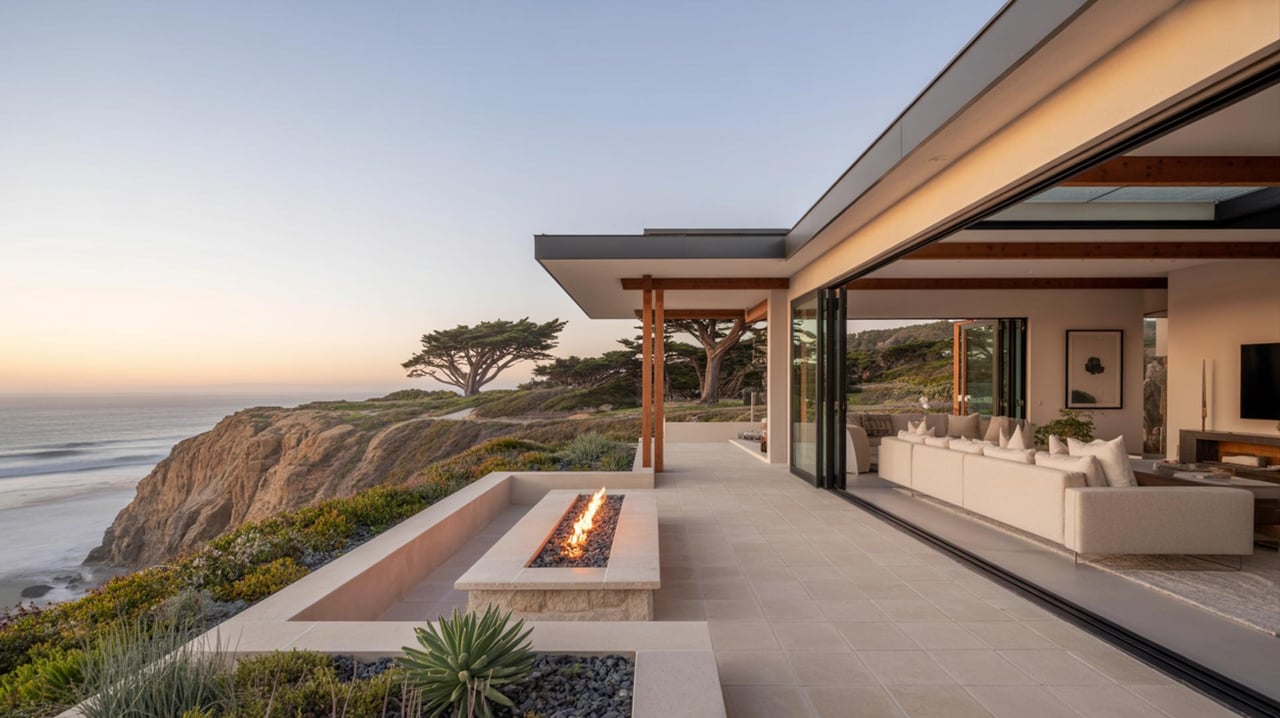
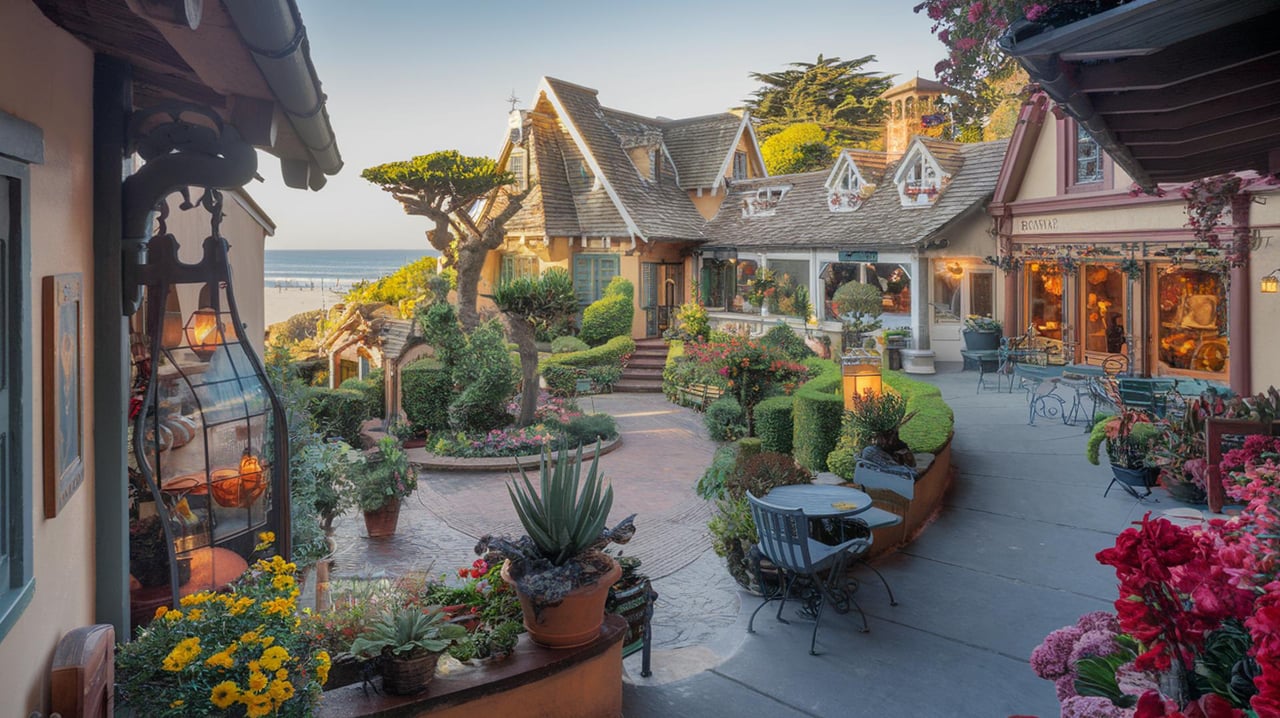
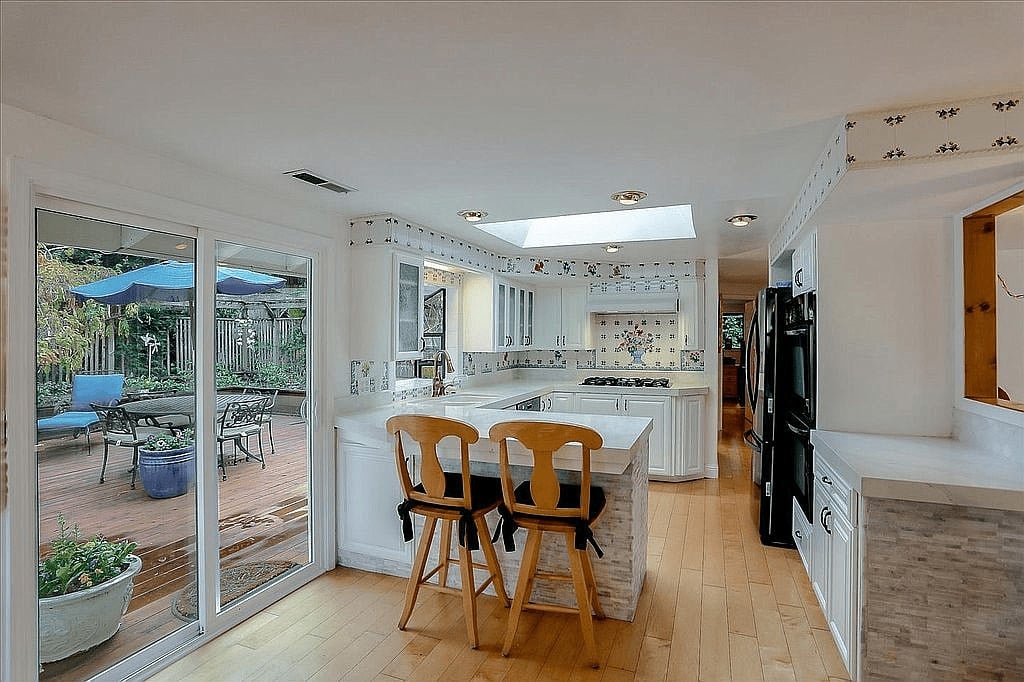
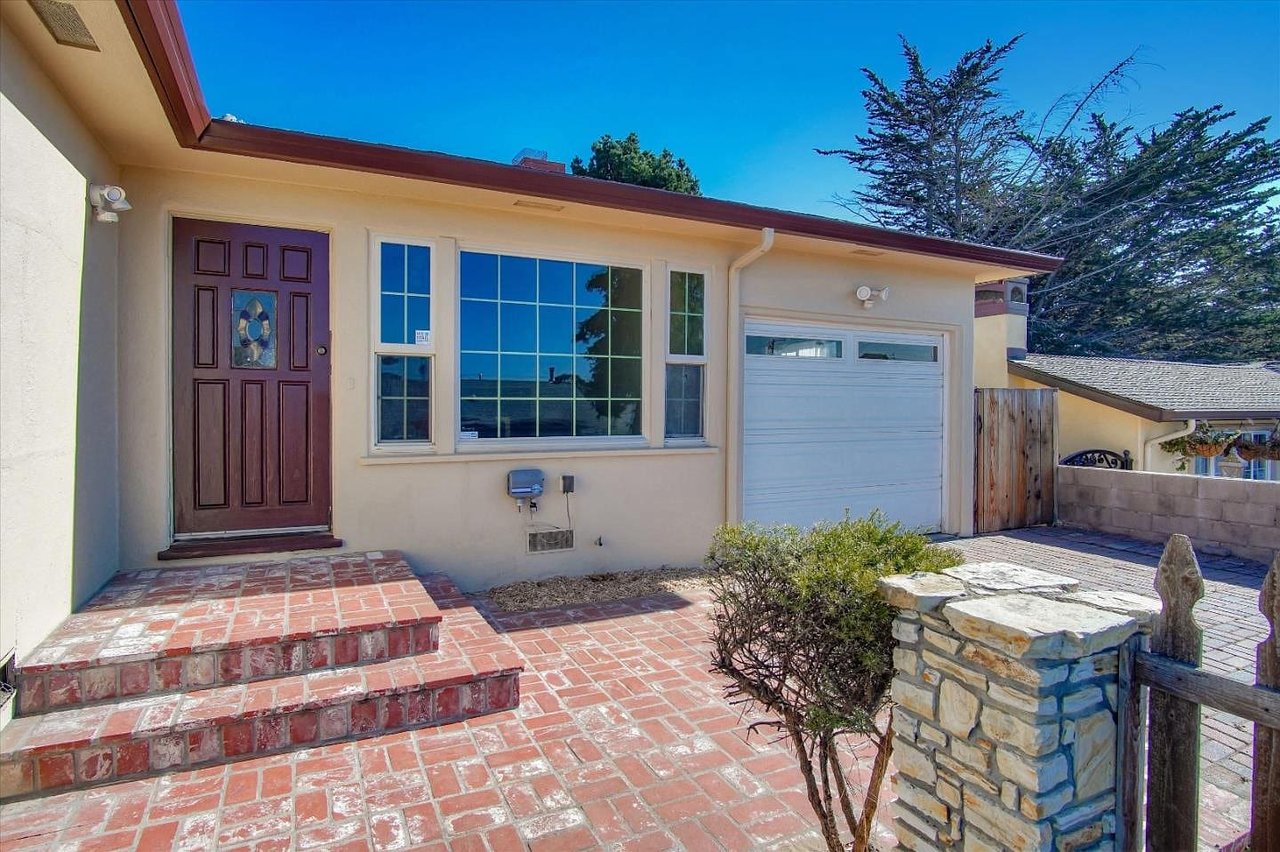
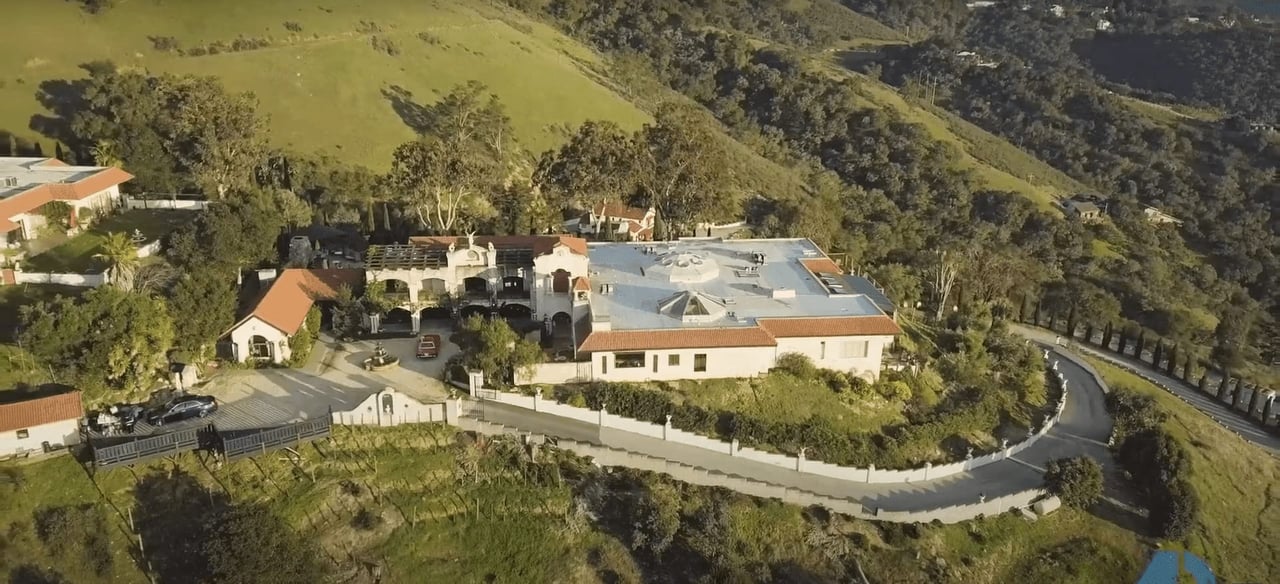
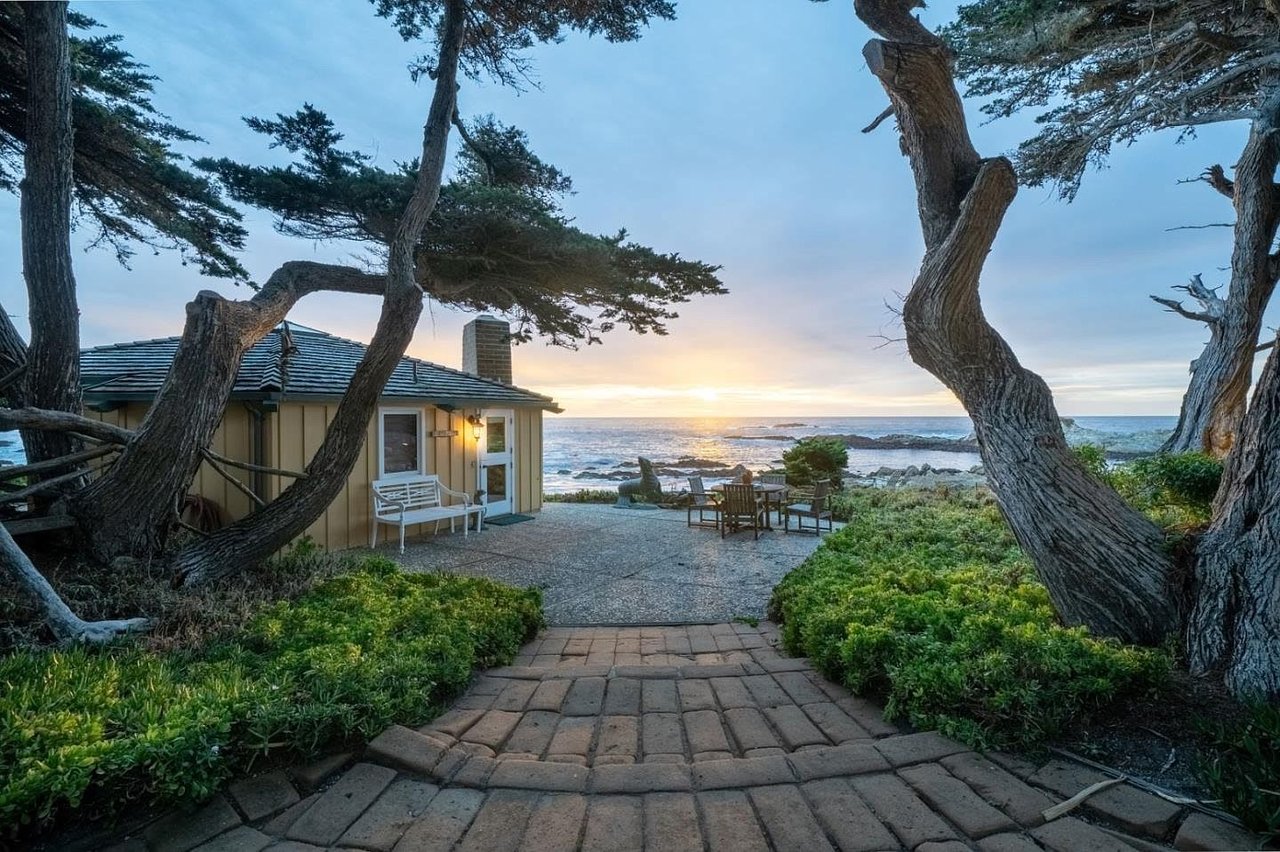
Is your ideal day in Carmel Valley a cool, misty morning with a sweater on the deck, or a long, sunny afternoon by the pool? If you are moving to the Valley, choosing the right microclimate is just as important as choosing the right floor plan. You want comfort, ease of maintenance, and the right setting for your lifestyle. In this guide, you will learn how Carmel Valley’s distinct zones shape daily life, plus a simple checklist to help you test homes the smart way. Let’s dive in.
What creates Carmel Valley’s microclimates
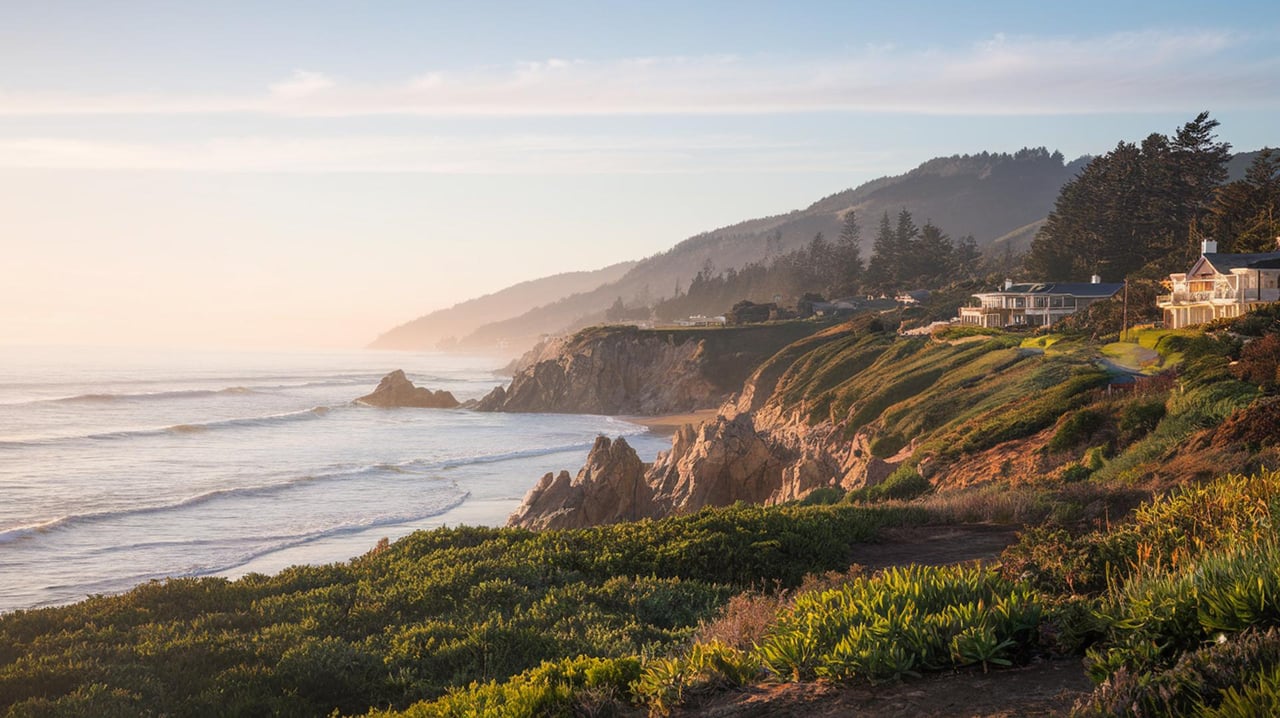
Carmel Valley runs east to west from the coast into the Santa Lucia foothills. That shape channels marine air inland and sets up reliable wind patterns each day. Elevation, slope direction, and distance from the ocean change quickly across short distances, which is why the weather can feel different from one neighborhood to the next.
A cool marine layer often develops near the coast, especially from late spring through early fall. It reaches the lower valley most mornings during that season and sometimes travels farther inland. Afternoon sea breezes bring cooler air up the valley, while nights often cool quickly as air drains downslope. South-facing slopes get more sun and warmth; north-facing slopes stay cooler and hold more moisture. These basics explain why the Village can be misty while upper-valley hills are sunny at the same hour.
The three practical zones
Lower/Village zone
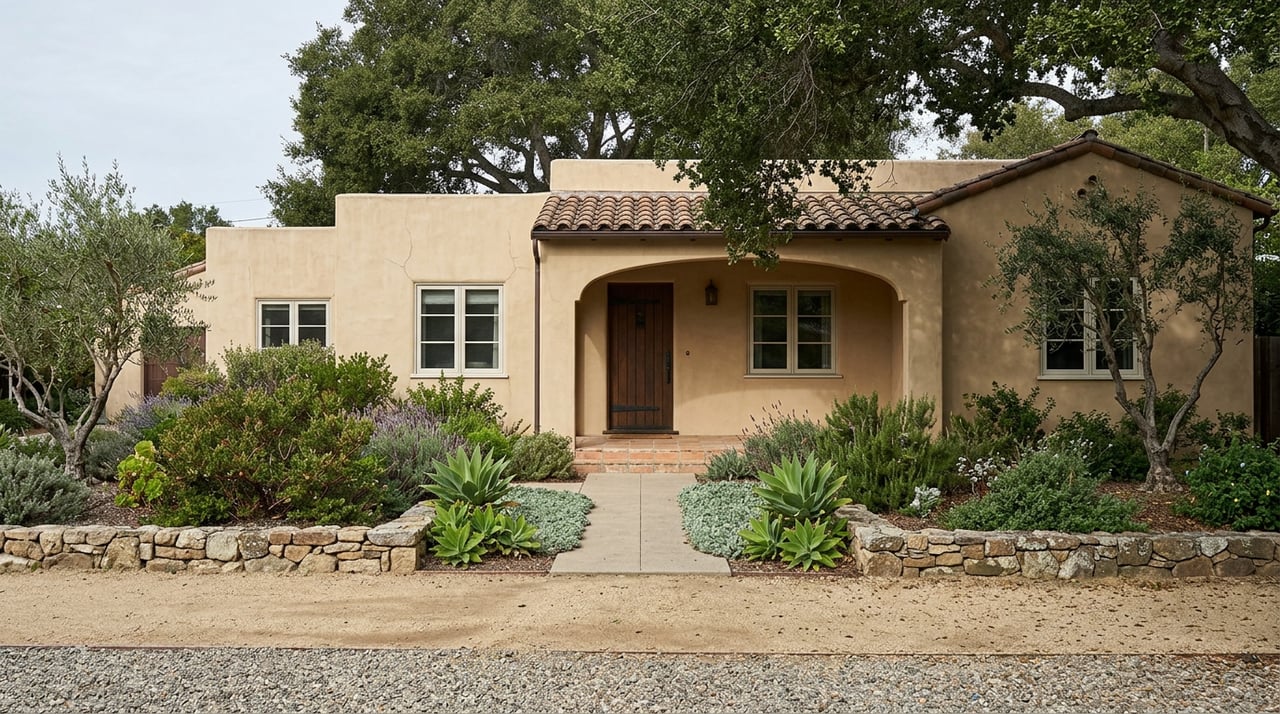
This includes Carmel Valley Village and nearby lower valley areas. It sits closer to the coast at lower elevations, so you feel the marine layer more often.
- Temperature and fog: Mornings are frequently cool with low clouds in late spring and summer. Many days clear by late morning or early afternoon.
- Wind: Afternoon breezes are common but usually moderate on the valley floor.
- Daily life: Outdoor areas can be shaded and damp in the morning. Many homes need little air conditioning. Maintenance is easier than at the immediate coast, though salt moisture can still be a factor.
- Best fit: You want consistently mild summers and do not need long, hot afternoons for pools or gardens.
Mid-valley zone
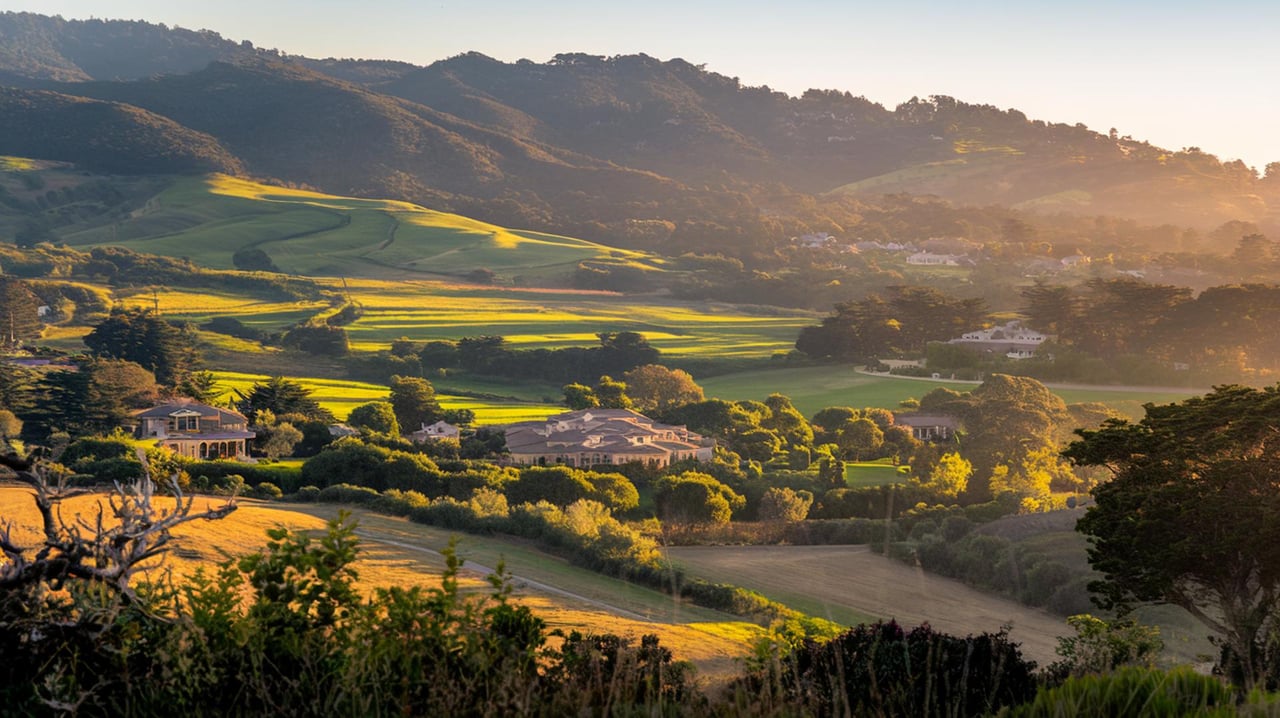
This covers valley-floor ranch areas and residential clusters several miles inland, including neighborhoods near Carmel Valley Ranch and Robles del Rio.
- Temperature and fog: Warmer and sunnier than the Village on many days. Fog still arrives but tends to burn off sooner. Days are warmer and nights cooler than the lower valley.
- Wind: Clear afternoon breezes with some thermally driven upslope winds on sunny days.
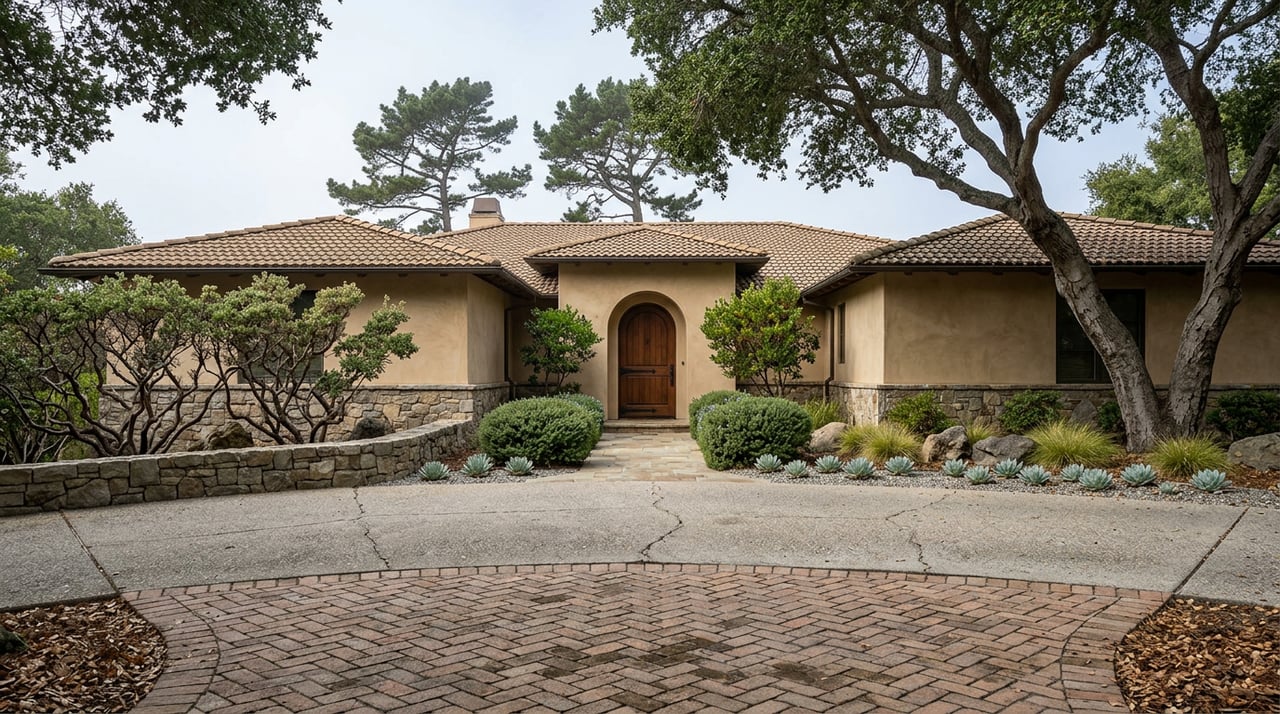
- Daily life: Longer sun windows for outdoor living and gardening. You may want moderate cooling during hotter spells.
- Best fit: You want a balance of sun and mild temperatures for flexible, year-round outdoor use.
Upper valley and hill/ridge parcels
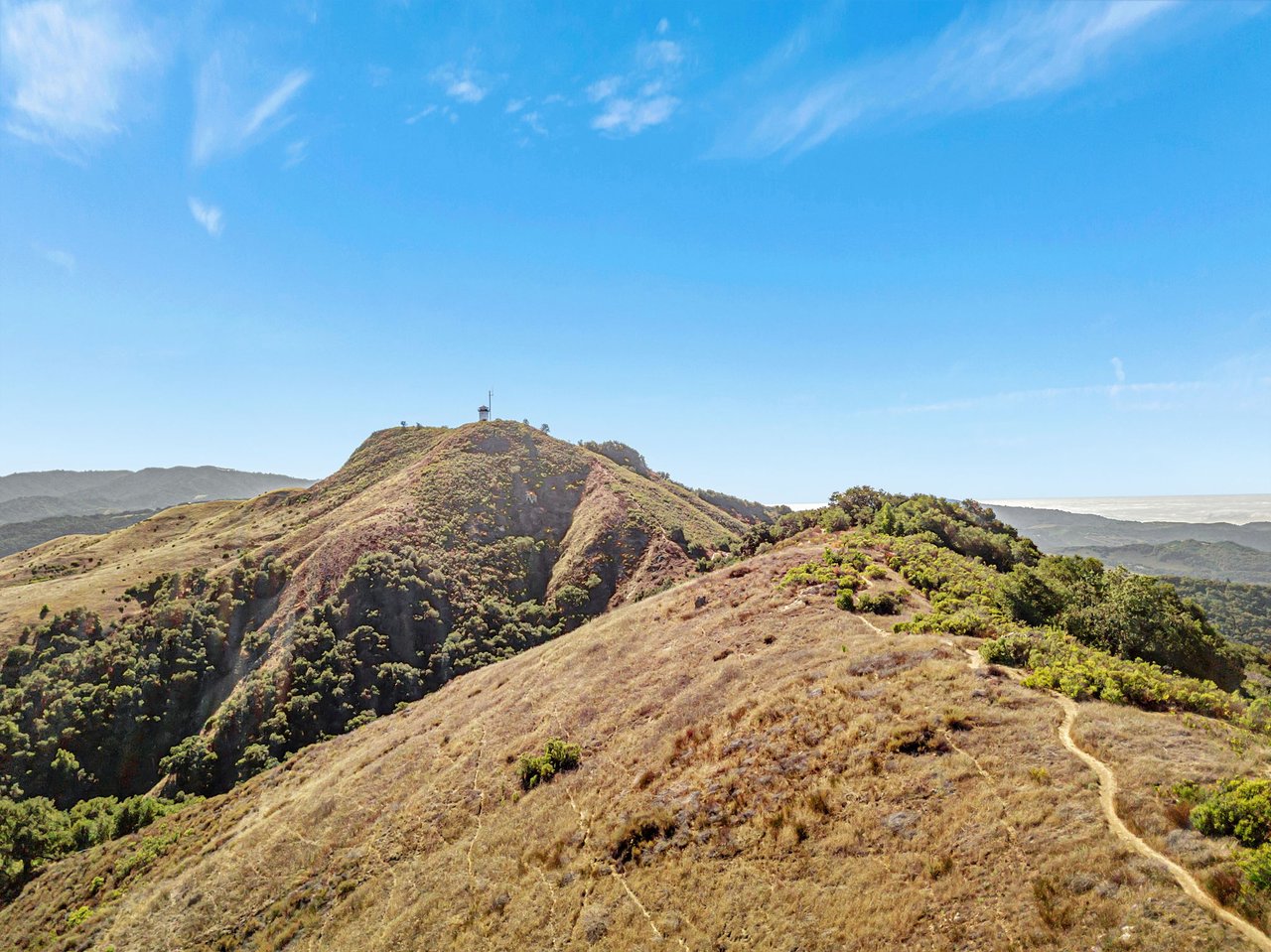
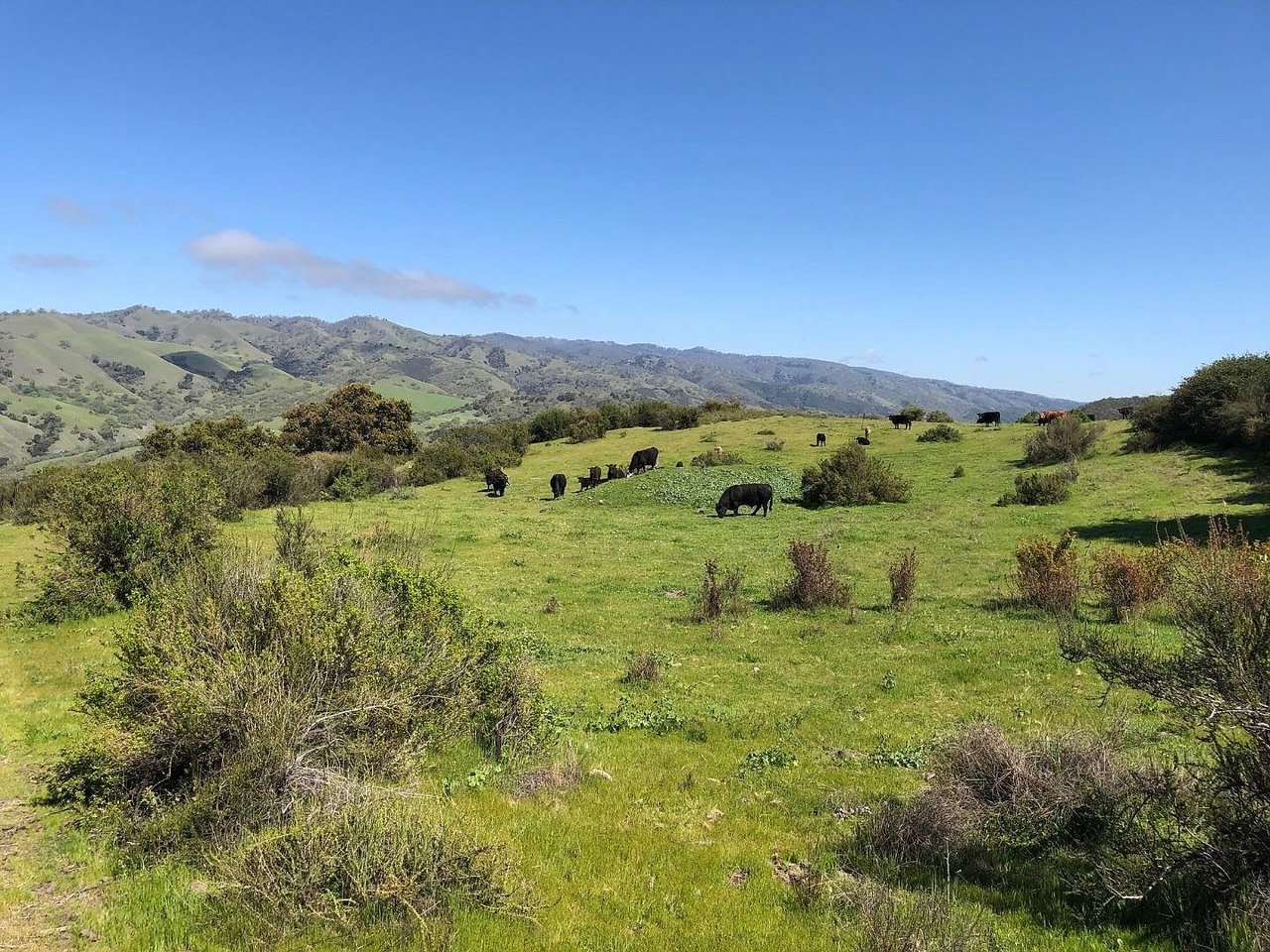
This includes upper Carmel Valley, areas near Spreckels and Cachagua, and sun-exposed slopes and ridgelines.
- Temperature and fog: The warmest, driest summer conditions with less frequent or thinner fog. Nights can still cool well, so day-to-night swings are larger.
- Wind: Exposed slopes and ridges can be windier, with occasional dry offshore winds.
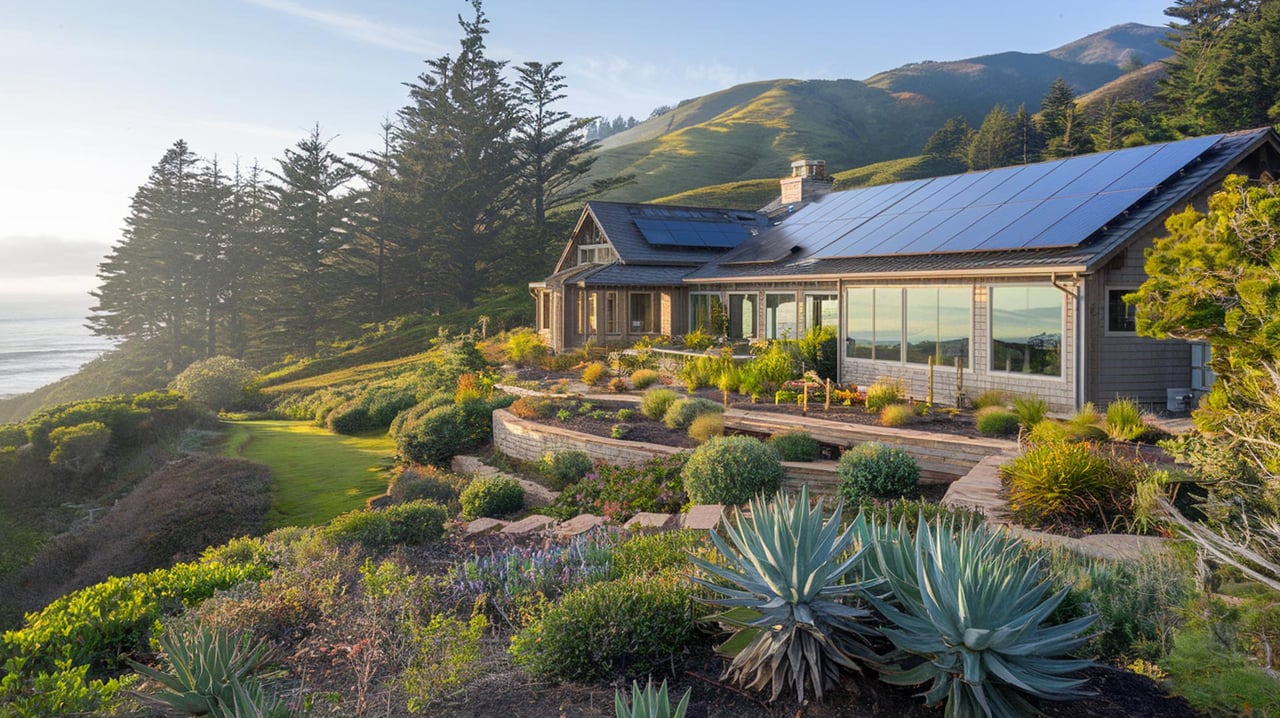
- Daily life: Excellent sun for pools, gardens, and solar power. Fire risk is higher and cooling needs can increase during heat events. Landscaping should be drought-wise and fire-smart.
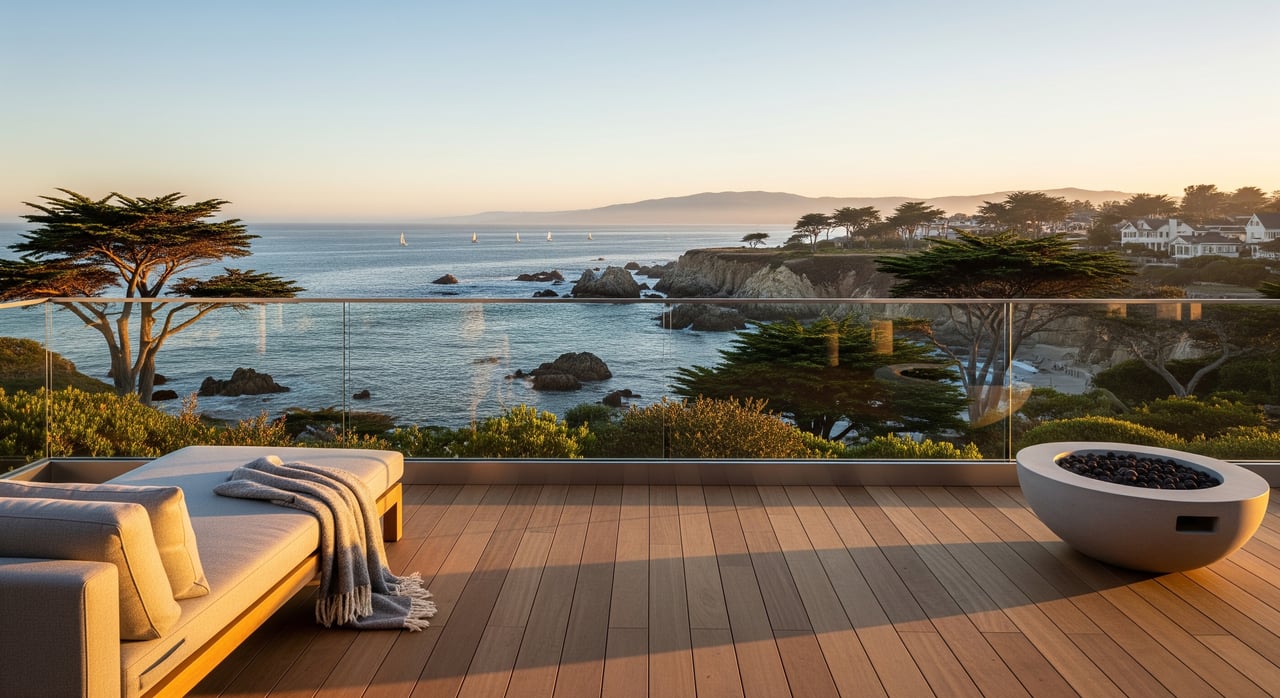
- Best fit: You want maximum sun and views, and you are comfortable planning for fire safety and warm summer periods.
How zone choice shapes daily life
Outdoor living and recreation
- Sun hours: Upper-valley properties tend to deliver the most reliable afternoon sun. Mid-valley offers a strong balance. Village locations see more morning shade during the marine layer season.
- Comfort windows: Village and mid-valley mornings often feel pleasant for walks and coffee on the patio. Upper valley stretches your afternoons and evenings outdoors.
Gardens, landscaping, and water use
- Planting choices: Lower valley settings suit plants that handle cool, moist mornings. Upper valley conditions favor Mediterranean and drought-tolerant species. South-facing slopes extend growing seasons for sun-loving plants.
- Irrigation: Expect higher irrigation needs in upper and sun-exposed sites. Thoughtful design helps in all zones.
Home comfort, energy, and systems
- Heating and cooling: Village homes often need less cooling but may want evening heat on cooler nights. Upper-valley homes may need more cooling capacity during warm spells. Larger day-to-night swings inland can help with passive night cooling in some designs.
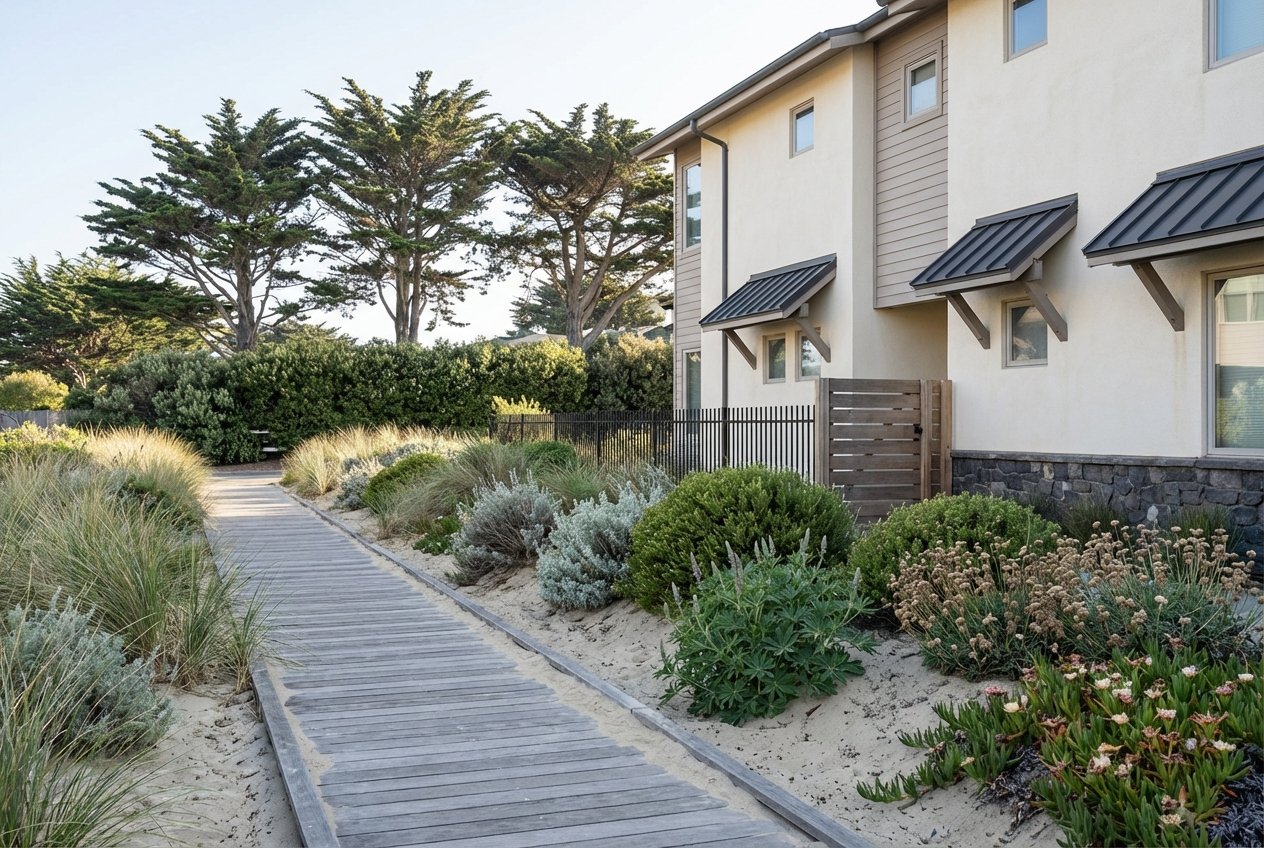
- Materials and maintenance: Marine moisture near the lower valley can affect exposed metals and finishes, though less than at oceanfront sites.
Wildfire, insurance, and defensible space
- Risk profile: Upper elevations and sun-exposed slopes with chaparral or grassland carry higher wildfire risk. Parcel-specific mapping and defensible-space planning are key.
- Practical impact: Insurance, ongoing landscape maintenance, and building details such as ember-resistant vents matter more in drier zones. Plan early and budget accordingly.
Access, commuting, and health comfort
- Driving conditions: Fog in the lower valley can reduce visibility during morning commutes. Inland heat can be more noticeable on summer afternoons.
- Personal comfort: Those sensitive to damp air may prefer mid or upper valley settings. Sun-seekers often gravitate inland.
A quick decision framework
Priority: Year-round mild temperatures and cool mornings
- Consider: Lower/Village areas near Carmel Valley Village
- Tradeoffs: More morning fog and fewer long, sunny afternoons
Priority: Sunny afternoons with moderate overall temperatures
- Consider: Mid-valley neighborhoods and valley-floor ranch areas
- Tradeoffs: Some fog intrusions and variable afternoon winds
Priority: Maximum sun, views, and long outdoor seasons
- Consider: Upper valley slopes and ridgeline parcels
- Tradeoffs: Higher fire risk, drier conditions, and stronger winds at times
Priority: Lower wildfire exposure and easier maintenance
- Consider: Mid-valley parcels with mixed tree cover and close access to services
- Tradeoffs: Micro-site conditions still vary by slope and vegetation
Priority: Gardening or vineyard potential
- Consider: Mid-valley and select upper slopes with strong sun, water availability, and frost protection
- Tradeoffs: Site studies for orientation, soils, and irrigation are essential
How to test a home’s microclimate like a local
Use these steps to confirm comfort before you commit:
- Visit at multiple times: early morning, midday, late afternoon, and once during the typical fog season from May through September.
- Track real weather: Review recent hourly data from nearby weather stations and compare 30-day trends for candidate addresses.
- Note topography: Check elevation, slope, and aspect. South-facing slopes warm faster; valley bottoms can channel fog.
- Review wildfire context: Confirm the parcel’s fire hazard mapping and defensible-space requirements. Ask about past upgrades like ember-resistant vents.
- Assess sun and shade: For pools, gardens, and solar, observe shadows and sun paths, and consider simple solar mapping tools.
- Talk to neighbors: Ask about fog persistence, summer heat peaks, wind, and how they manage landscaping and comfort.
Neighborhood orientation examples
- Carmel Valley Village and Robles del Rio: More marine influence with frequent cool mornings during the fog season, often clearing by late morning.
- Carmel Valley Ranch area and adjacent valley-floor ranches: Mid-valley balance with reliable sun and moderate temperatures.
- Spreckels, Cachagua, and upper-valley ridgelines: Sunnier, drier settings with larger day-to-night temperature swings and wider views.
What to expect across short distances
It is common to feel several degrees of difference, and sometimes double-digit Fahrenheit swings, over a short drive. One morning can be foggy in the Village and sunny inland, while another day brings low clouds deep into the valley. This variability is normal and part of the Valley’s appeal. Use it to your advantage by matching a property’s microclimate to your preferred daily rhythm.
Make your move with confidence
The right microclimate turns a good house into your ideal retreat. If you want help matching your lifestyle to the best zones and micro-sites in Carmel Valley, connect with William Smith for a confidential consultation and on-the-ground guidance.
FAQs
What is the best Carmel Valley zone for mild weather?
- If you want consistently mild conditions with cool mornings and fewer hot afternoons, consider lower valley areas near Carmel Valley Village.
How often does fog reach mid-valley neighborhoods?
- Fog commonly reaches mid-valley in late spring and summer but usually thins or clears sooner than in the Village, often by late morning.
Are upper-valley homes much hotter in summer?
- Upper-valley and ridge parcels are typically the warmest and driest in summer, with larger day-to-night swings that can still cool evenings.
How do microclimates affect wildfire planning?
- Drier, sun-exposed upper slopes tend to carry higher wildfire risk, so insurance, defensible space, and building details deserve extra attention.
Which zone is best for pools and solar panels?
- Upper-valley sites generally offer the most reliable sun for pools and solar, while mid-valley provides a strong balance of sun and moderate temperatures.
How should I evaluate a property’s microclimate before buying?
- Visit at different times of day and season, review recent local weather data, note slope and aspect, check fire hazard mapping, and speak with neighbors about year-round conditions.