Trying to choose between a walkable address in the village, a convenient Mid-Valley home, or true ranch privacy in Carmel Valley? Each option offers a distinct mix of sun, space, and day-to-day ease. In this guide, you will learn how climate, parcel size, water and septic systems, wildfire exposure, and access to shops differ across these three lifestyles. You will also get a quick chooser and due diligence checklist so you can move forward with clarity. Let’s dive in.
How each area is defined
Carmel Valley Village at a glance
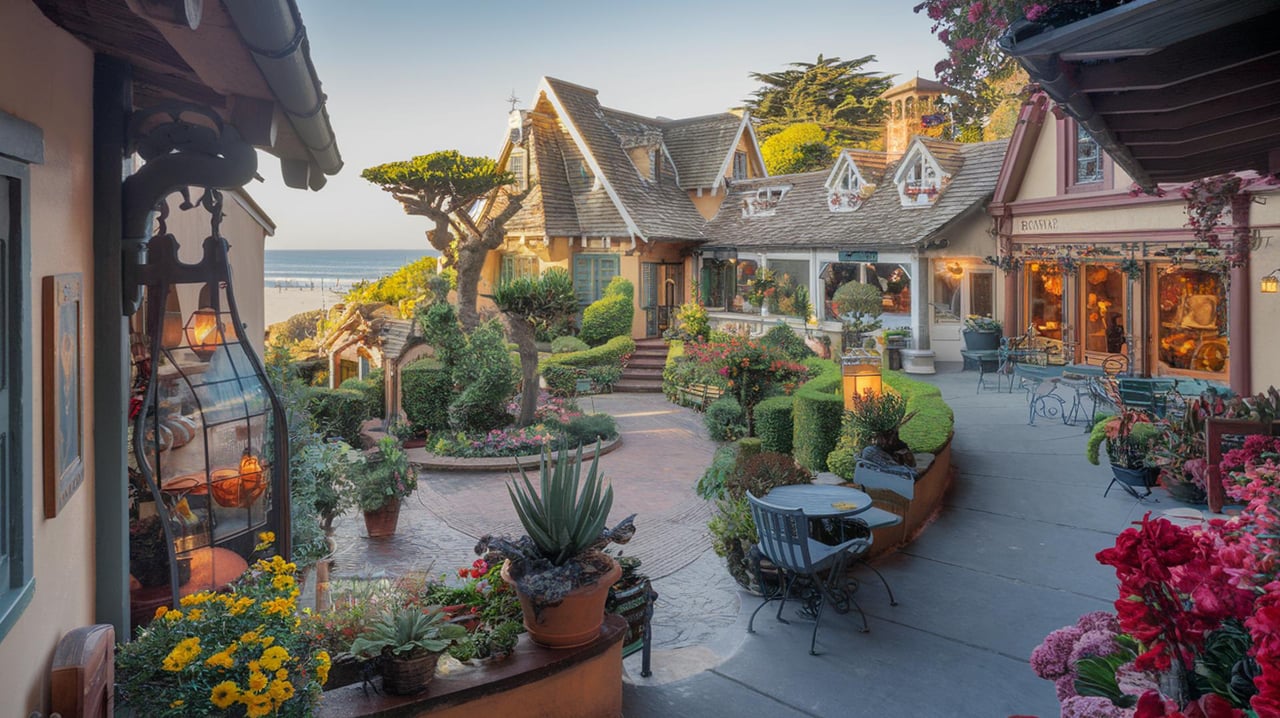
Carmel Valley Village is the compact, unincorporated center many locals simply call “the village.” It clusters tasting rooms, small restaurants, and services along Carmel Valley Road in a walkable setting. If you want short strolls to shops and relaxed evenings without driving, this is the heart of village living. For a concise overview, see the profile for Carmel Valley Village.
What locals mean by Mid-Valley
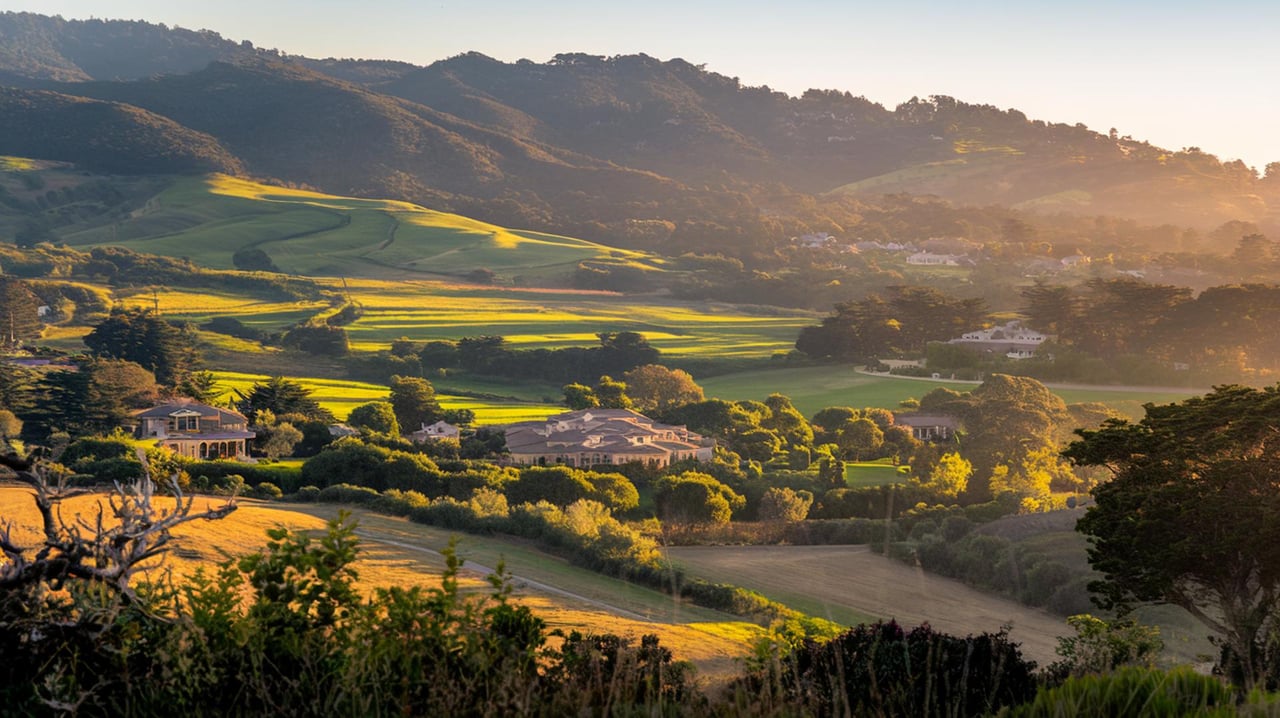
Mid-Valley is a local term for the valley-floor corridor a few miles inland from the coast, centered on the Mid-Valley Shopping Center. It is not a separate city, but the commercial hub and nearby residential parcels give it a clear identity. Living here means fast access to groceries, hardware, and services while staying close to the valley’s open feel. County project materials describe the center and its role in the area in the Mid-Valley Shopping Center CEQA record.
Ranch and vineyard living
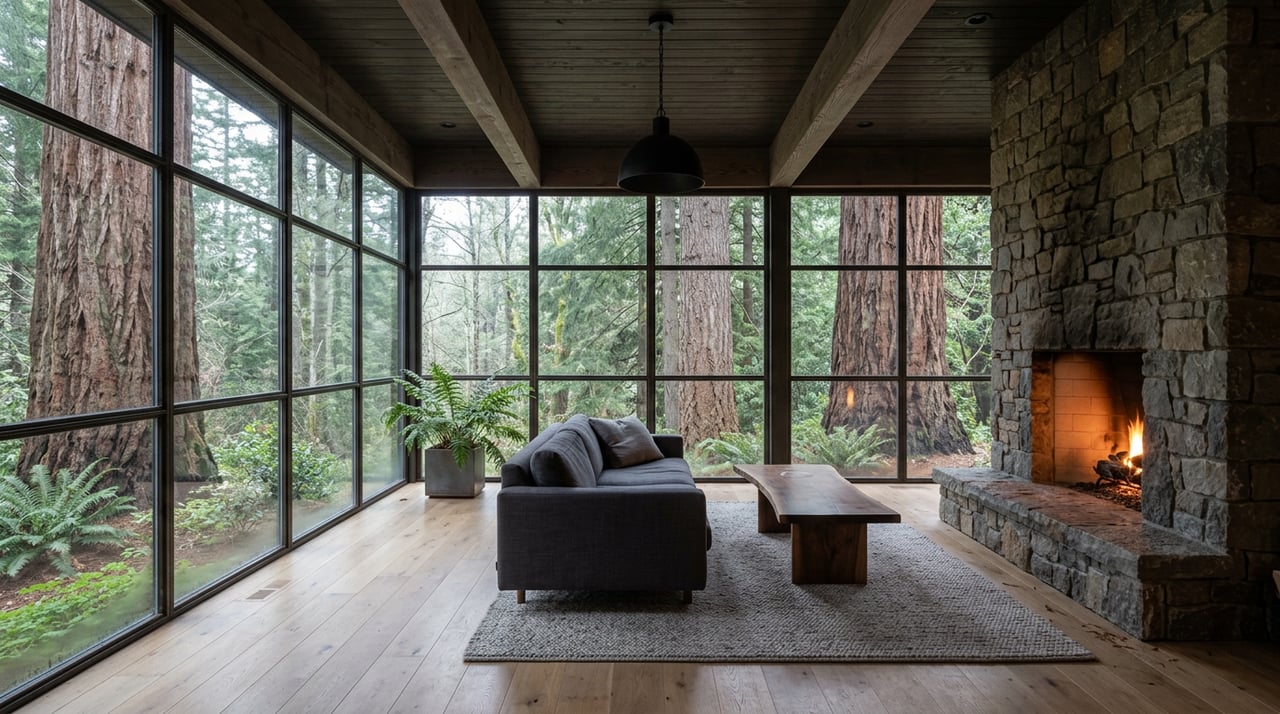
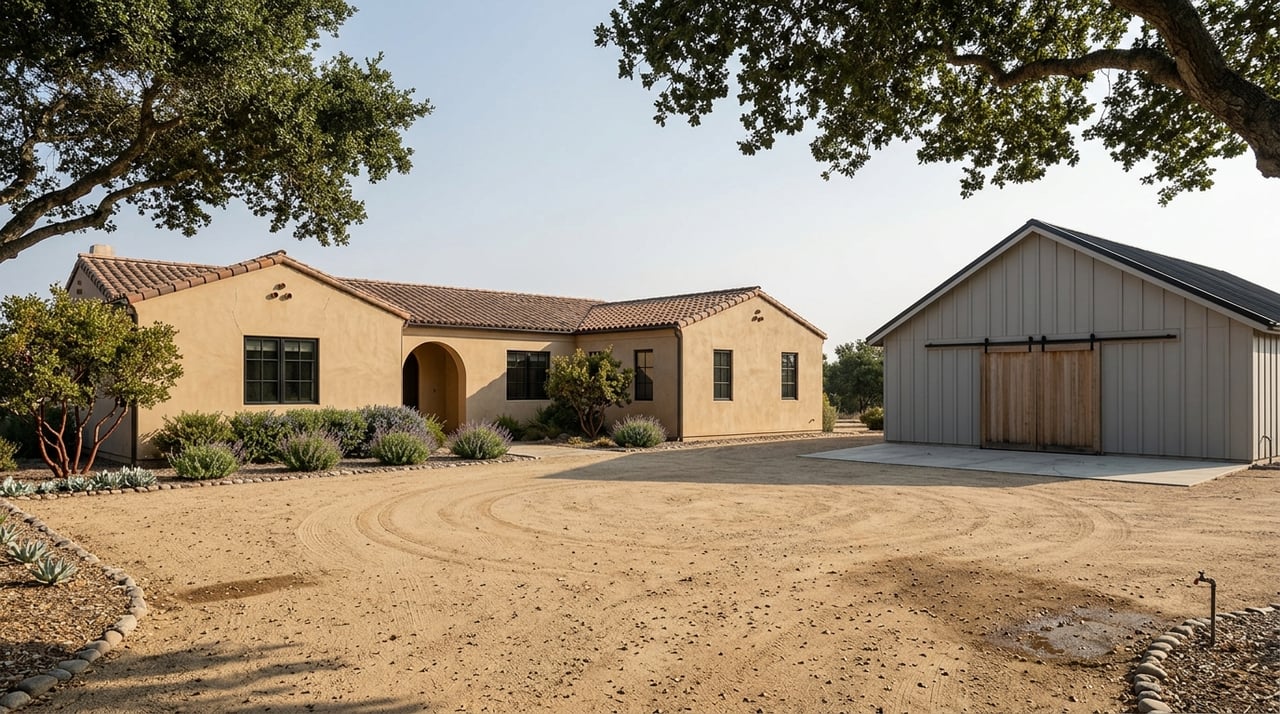
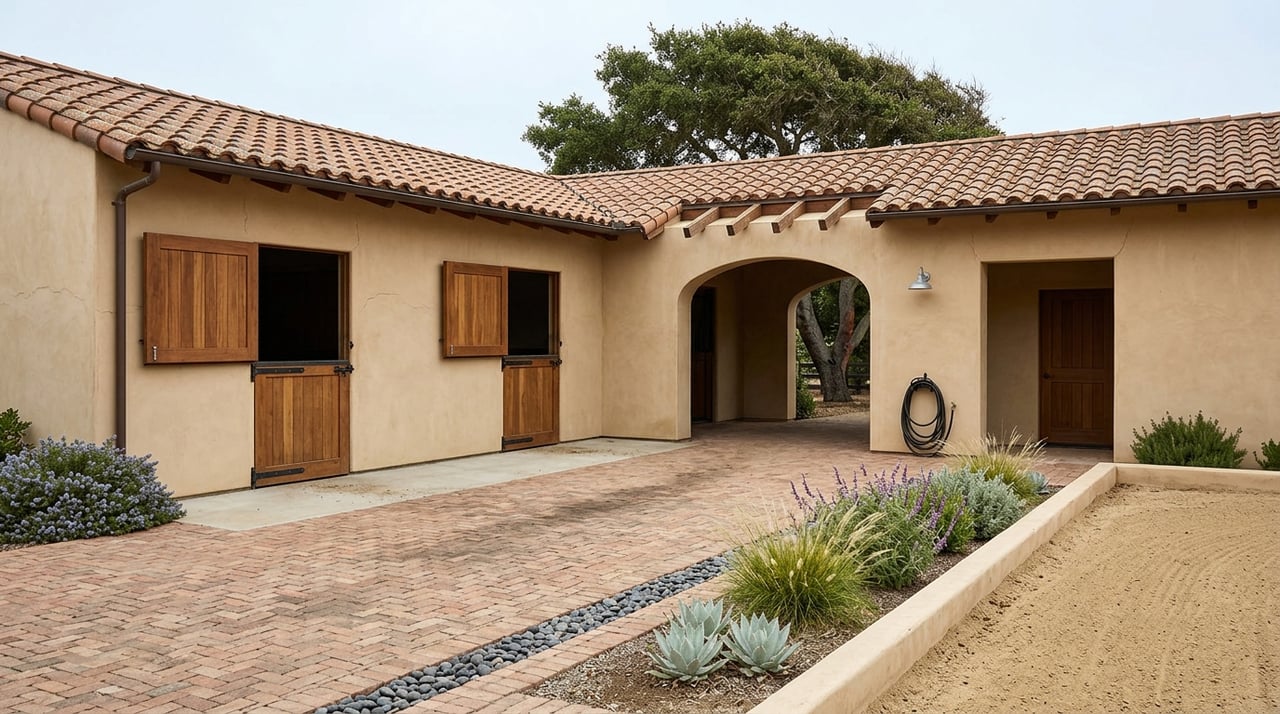
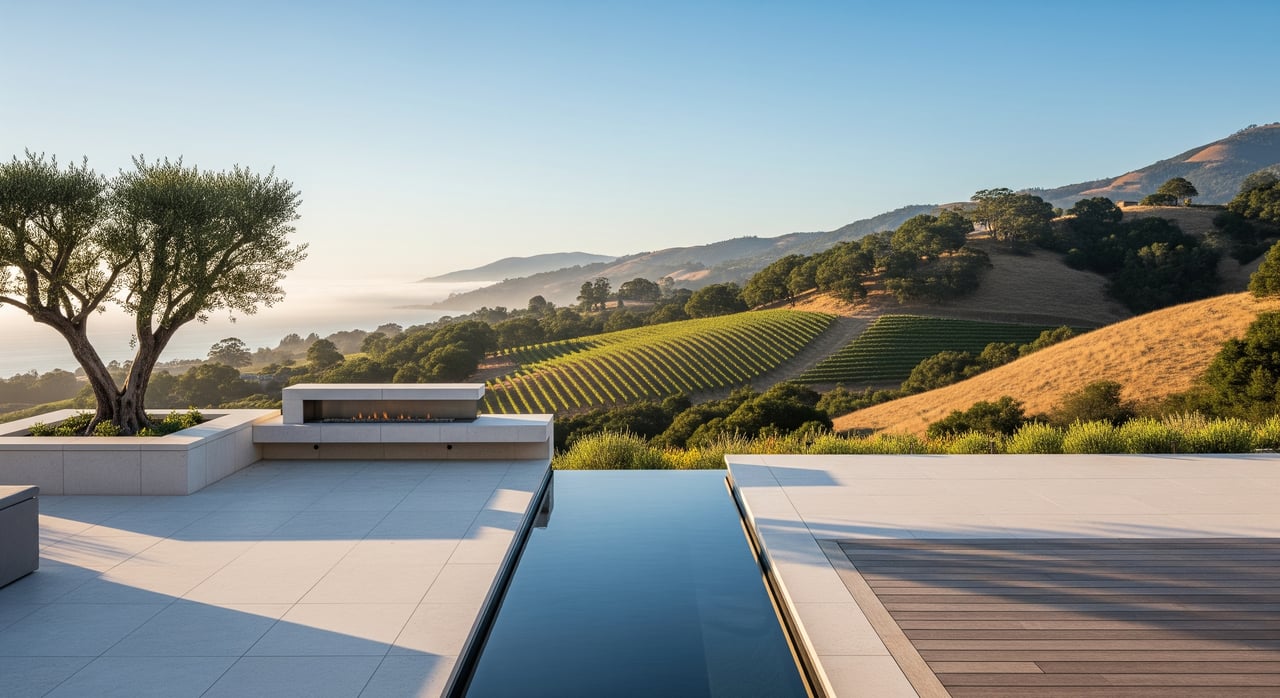
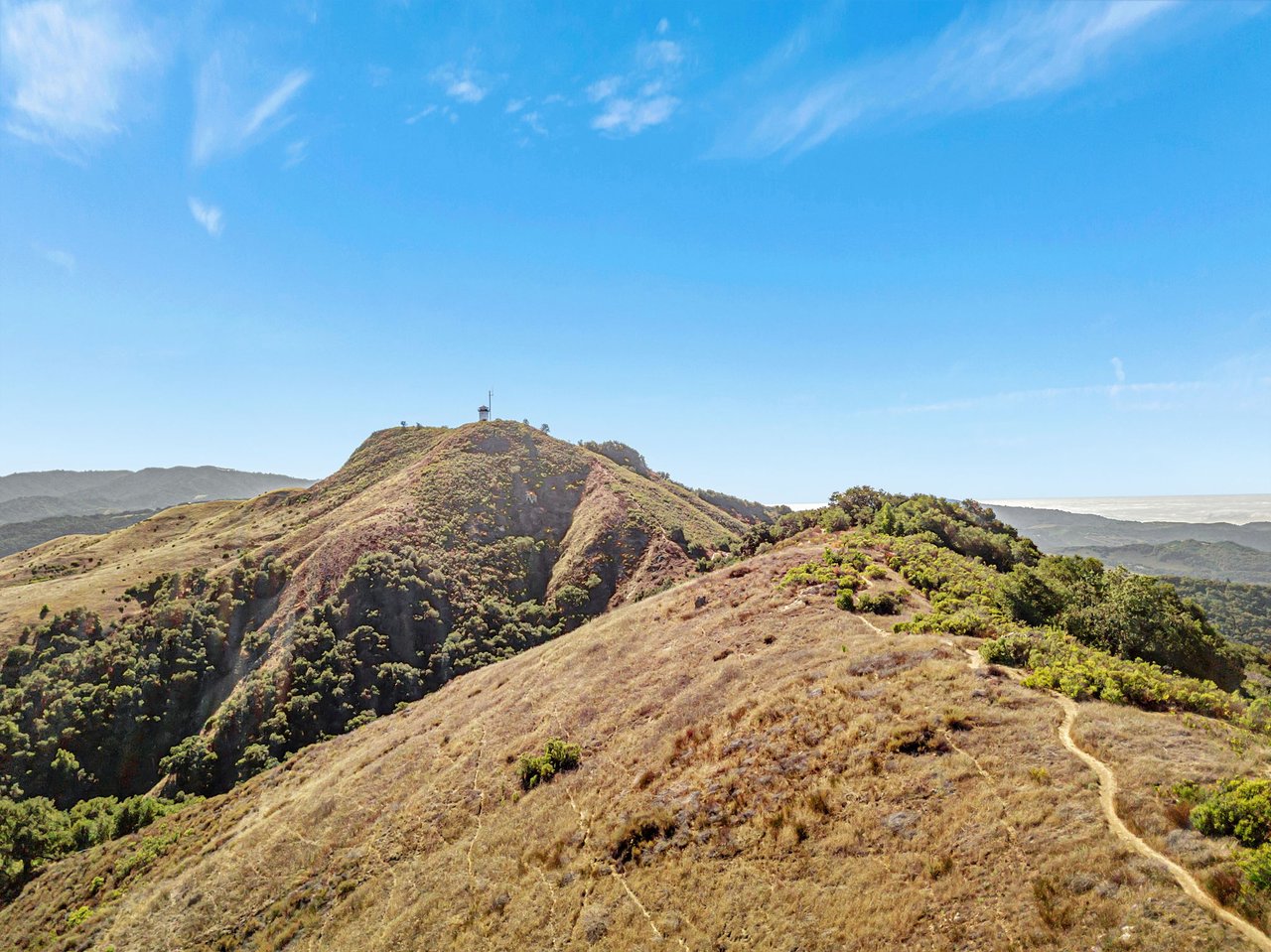
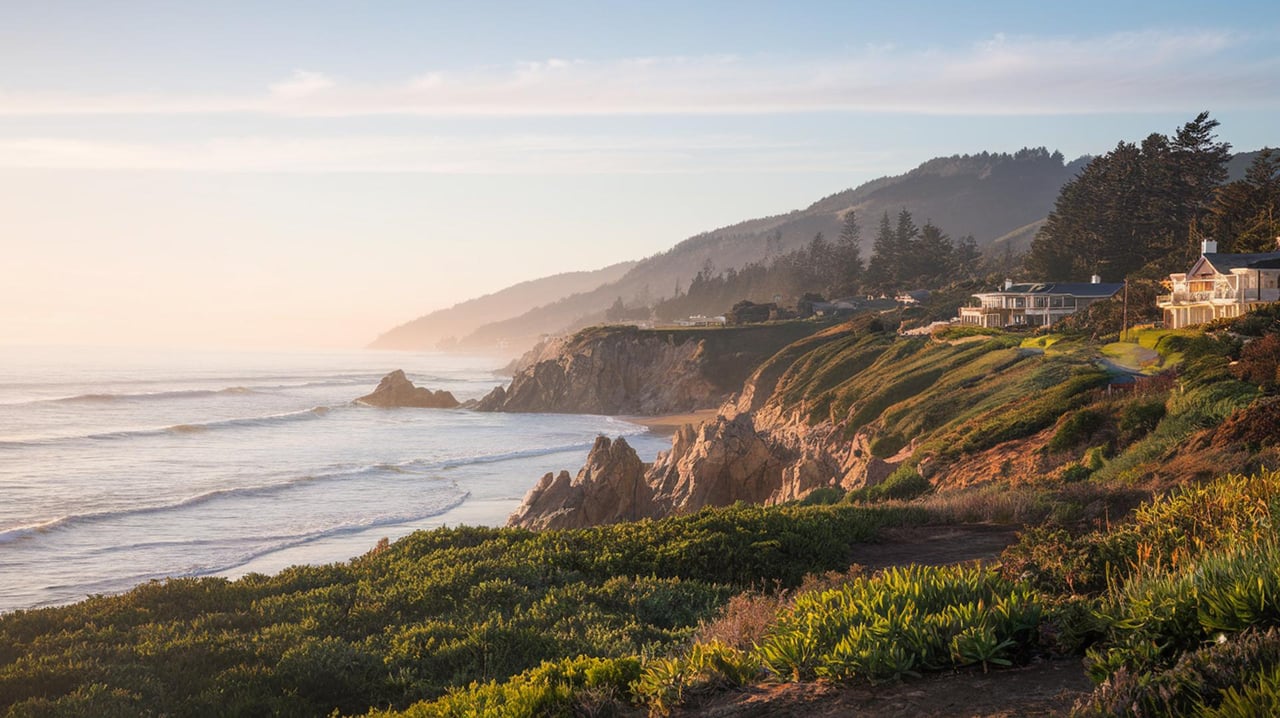
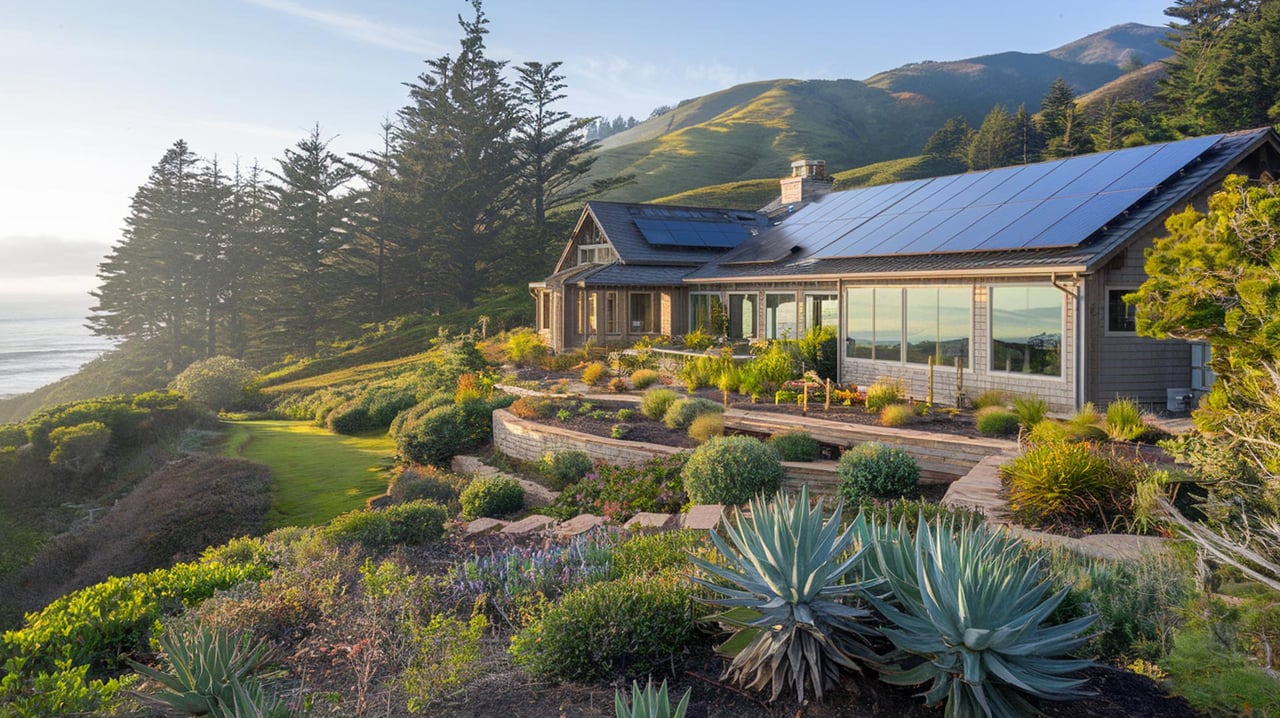
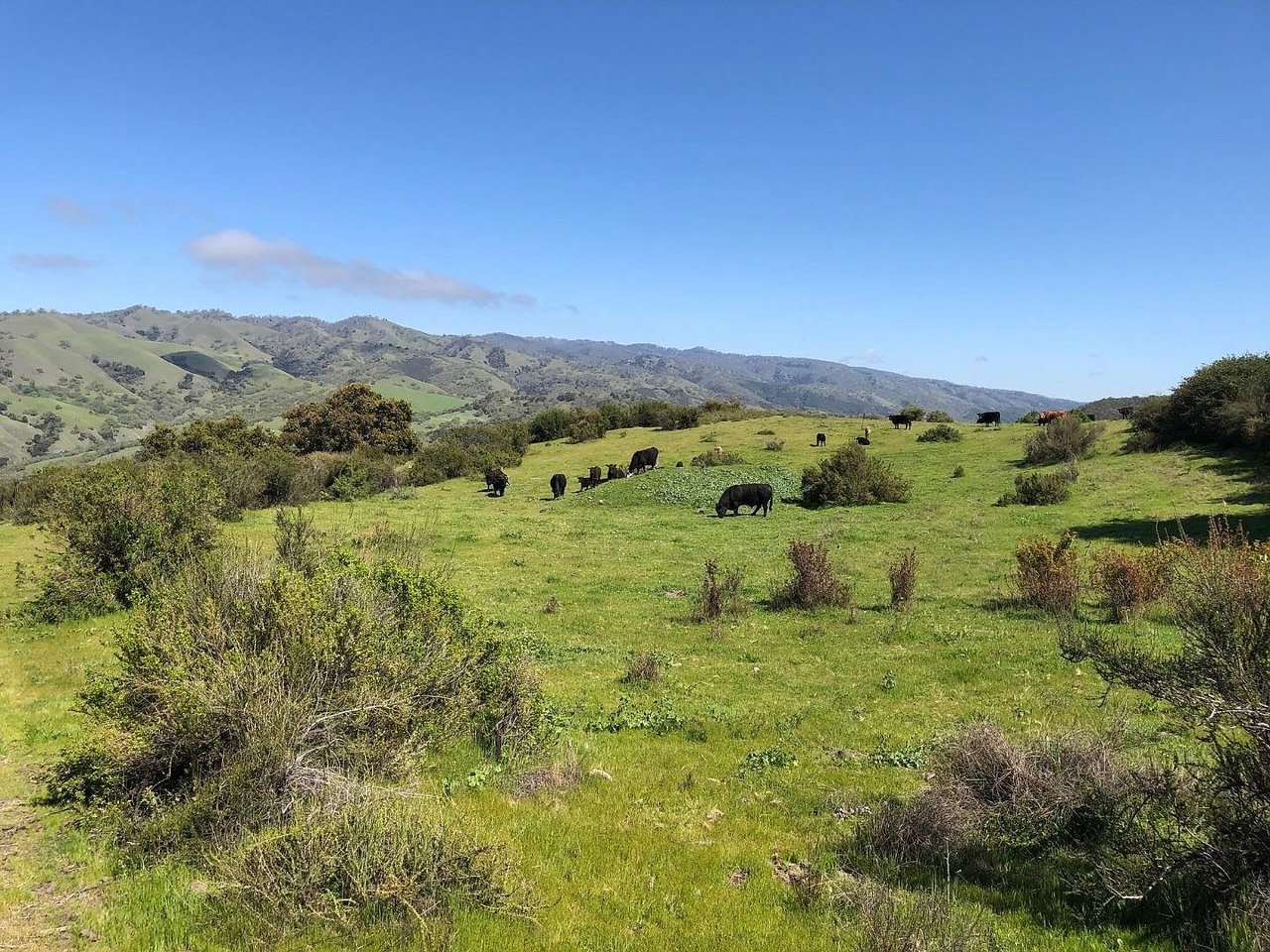
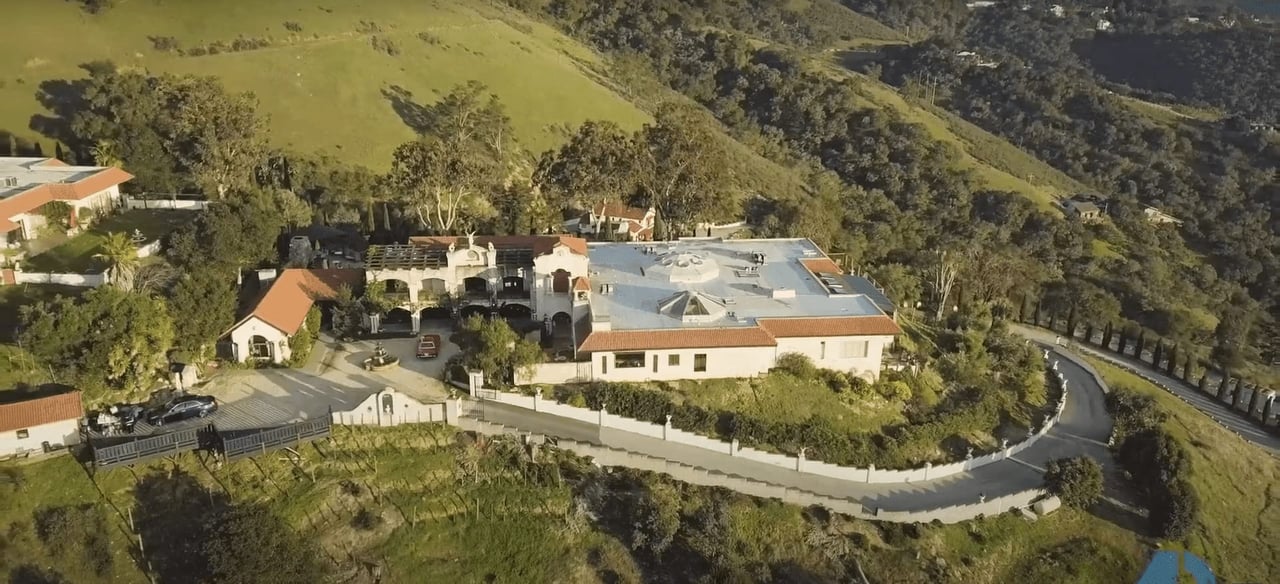
Outside the built-up corridors are larger agricultural, equestrian, and vineyard parcels that run from several acres to expansive ranches. Expect more seclusion, big-sky views, and the potential to grow grapes or keep horses, depending on zoning and permits. Daily life here is quieter and more private, with longer drives for errands and services. If you want space and self-sufficiency, this is where you will likely find it.
Climate and sun across the valley
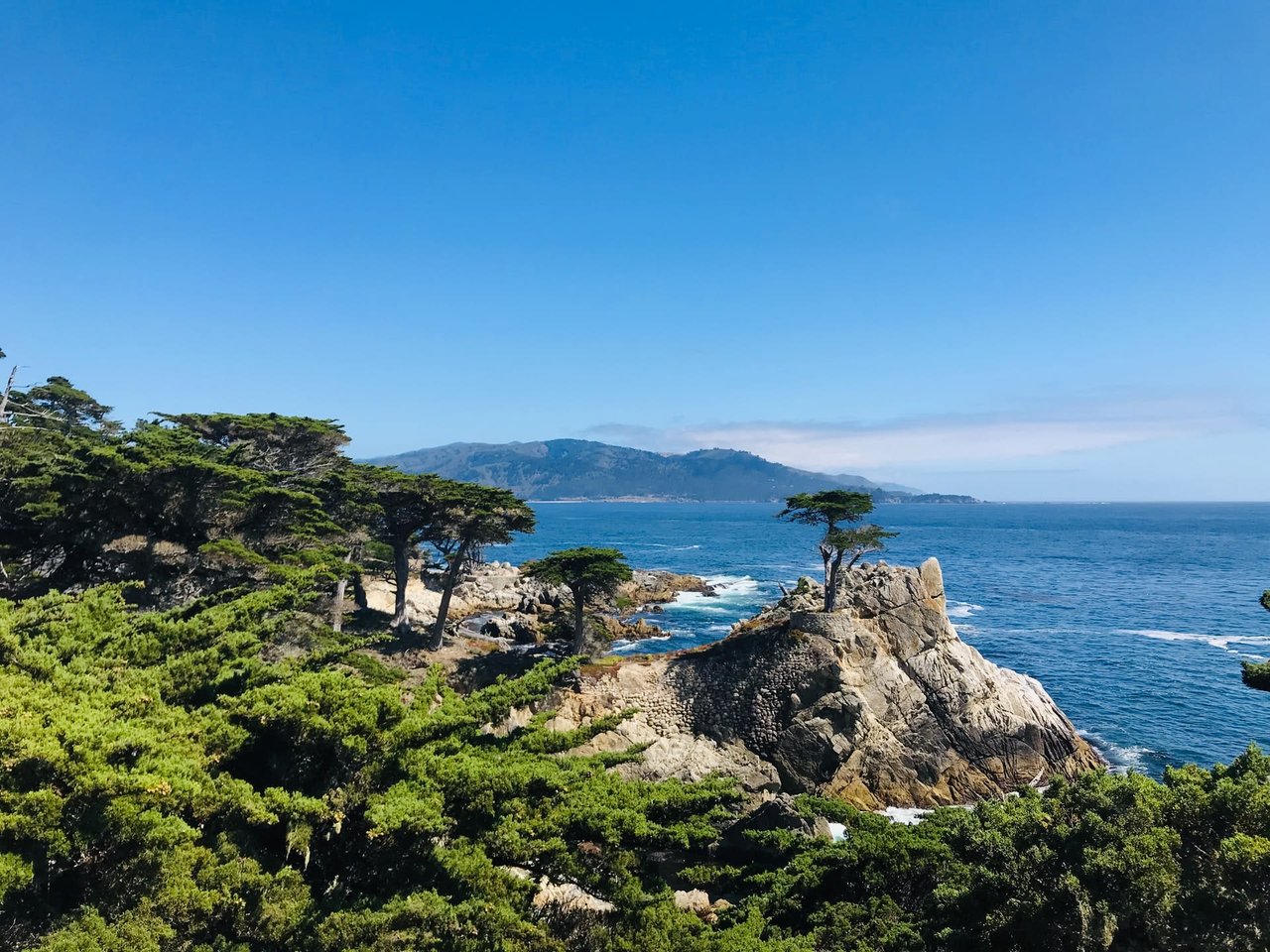
Carmel Valley sits in a Mediterranean climate zone with a strong maritime influence near the coast and warmer, sunnier conditions as you travel inland. The village feels the marine layer more often, with milder days and cooler nights. Mid-Valley tends to enjoy more reliable sunshine and warmer daytime highs. Higher hill and upland ranch sites can see bigger temperature swings and, in some spots, less fog.
These contrasts are part of why the area is recognized for winegrowing. Interior benches and slopes pair strong sun exposure with cool nights, which supports balanced ripening. If vineyard potential is on your checklist, review the federal context for the region’s viticulture in the Established AVAs resource.
Water, wastewater, and wildfire realities
Water supply considerations
Parts of the village and Mid-Valley receive public water service from regional purveyors. The broader region has a history of supply constraints and rules tied to Carmel River diversions. Regional programs like Aquifer Storage and Recovery and Pure Water Monterey are designed to improve reliability. For background, review the state commission’s decision materials on supply limits and projects in the CPUC record for California American Water, and see the Monterey Peninsula Water Management District overview of ASR.
If a property relies on a private well, plan for well testing, pump records, and water quality checks. Always confirm the exact source, connection status, and any meter or connection rules before you write an offer.
Sewer vs septic systems
Many village and some Mid-Valley parcels connect to community sewer infrastructure. Rural ranch and vineyard properties commonly use septic systems. When a parcel is on septic, expect permitting steps and added costs if you plan to expand or replace a system. County parcel and environmental records are the place to verify status and constraints, starting with the county’s onsite wastewater resources.
Wildfire exposure and access
Much of Carmel Valley is mapped with elevated wildfire hazard. Defensible space, home hardening, and careful vegetation management are typical requirements, especially for uphill and ranch parcels where response times can be longer. Before you commit, verify a property’s Fire Hazard Severity Zone and discuss mitigation and insurance. Monterey County’s wildfire page provides context at Ready Monterey County.
Lot sizes, zoning, and home types
County zoning and the Carmel Valley Master Plan govern what you can build, how you can use the land, and minimum parcel sizes. Always verify parcel-level rules and recorded permits before you rely on a listing description. Start with the county’s planning and general plan resources at Monterey County Planning Services.
Village-center expectations
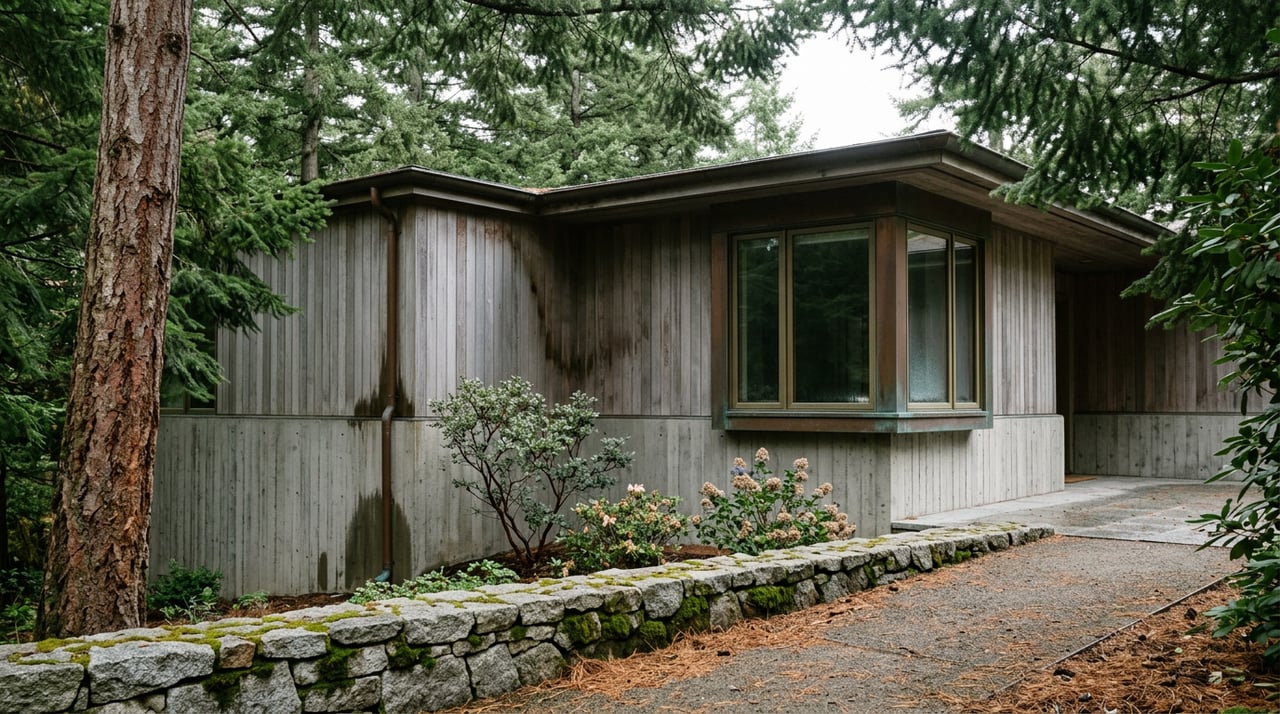
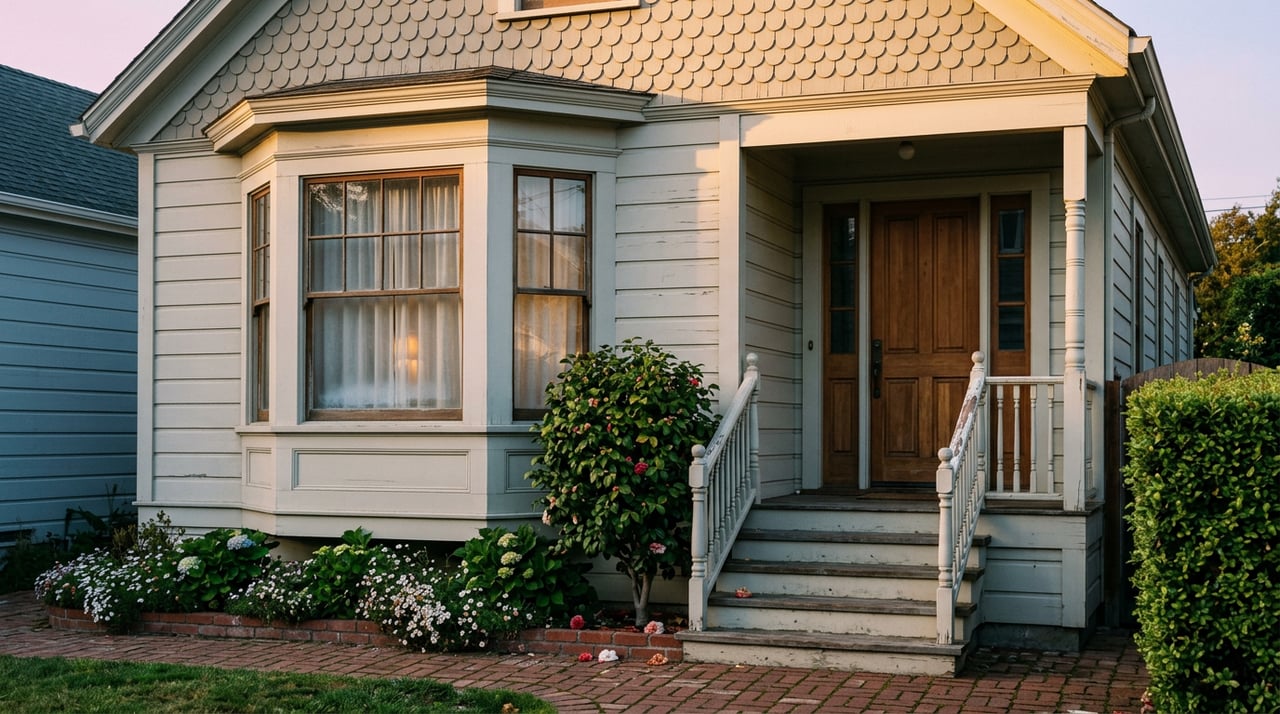
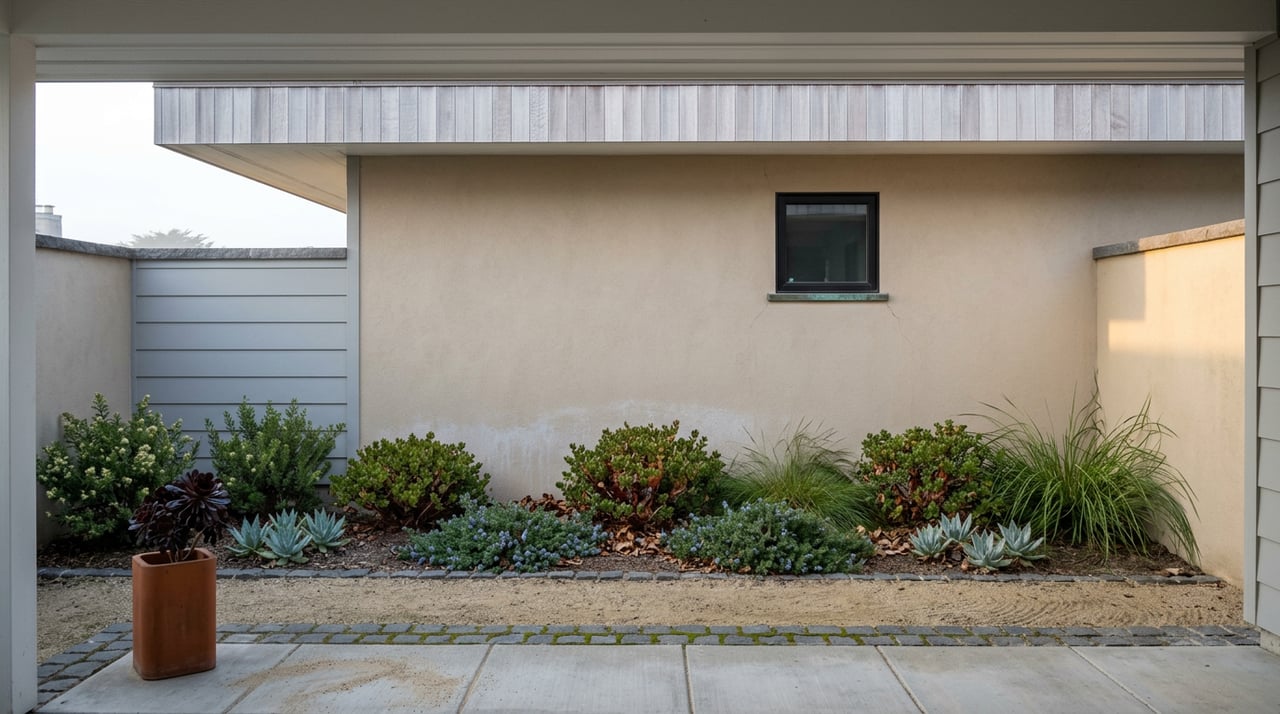
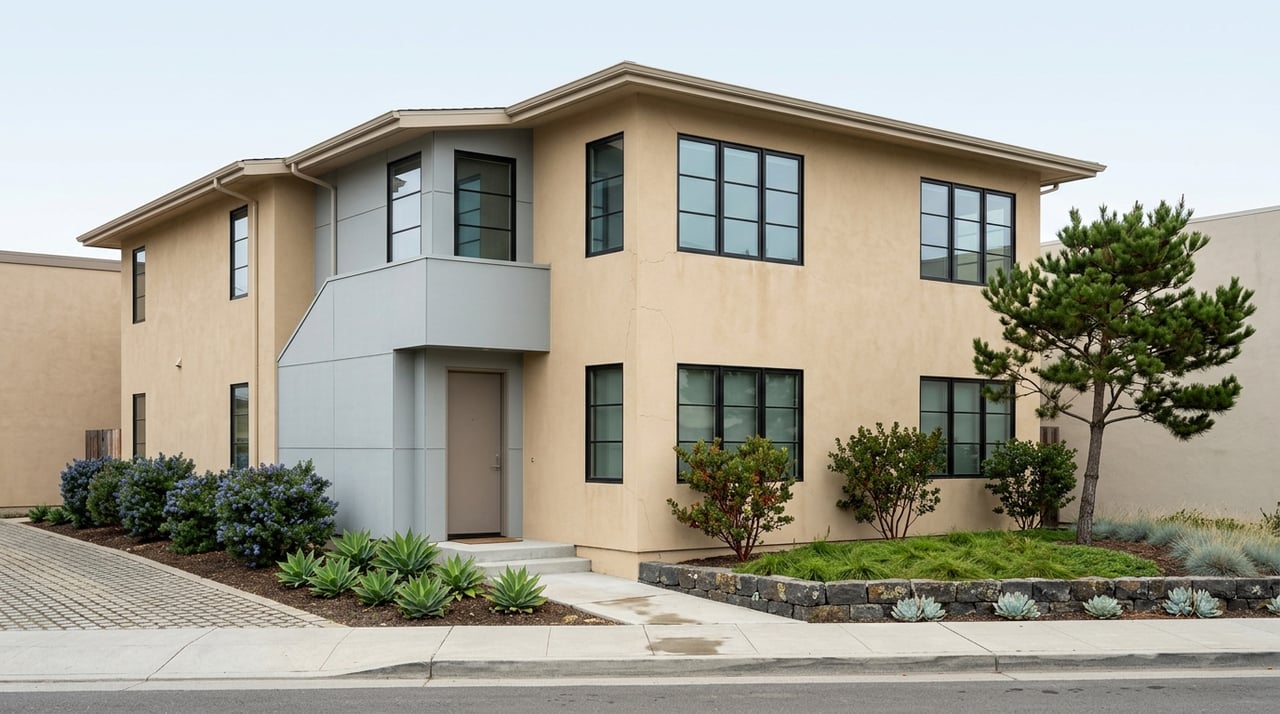
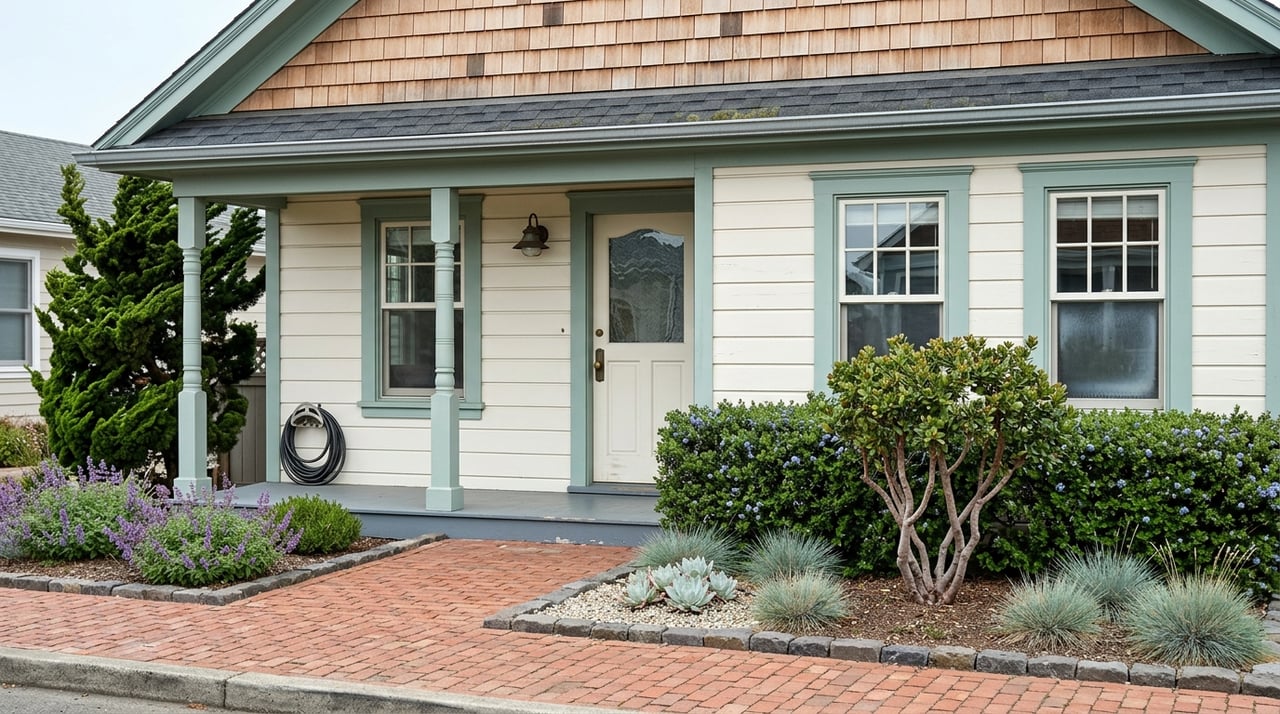
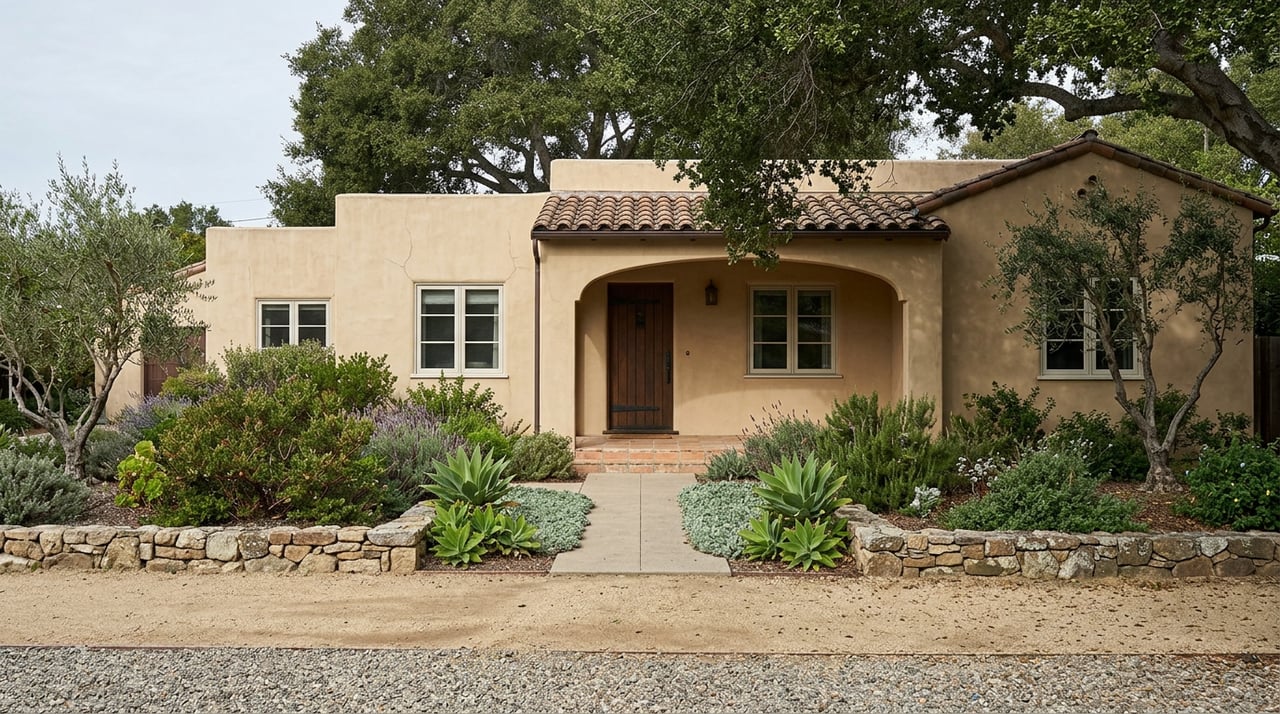
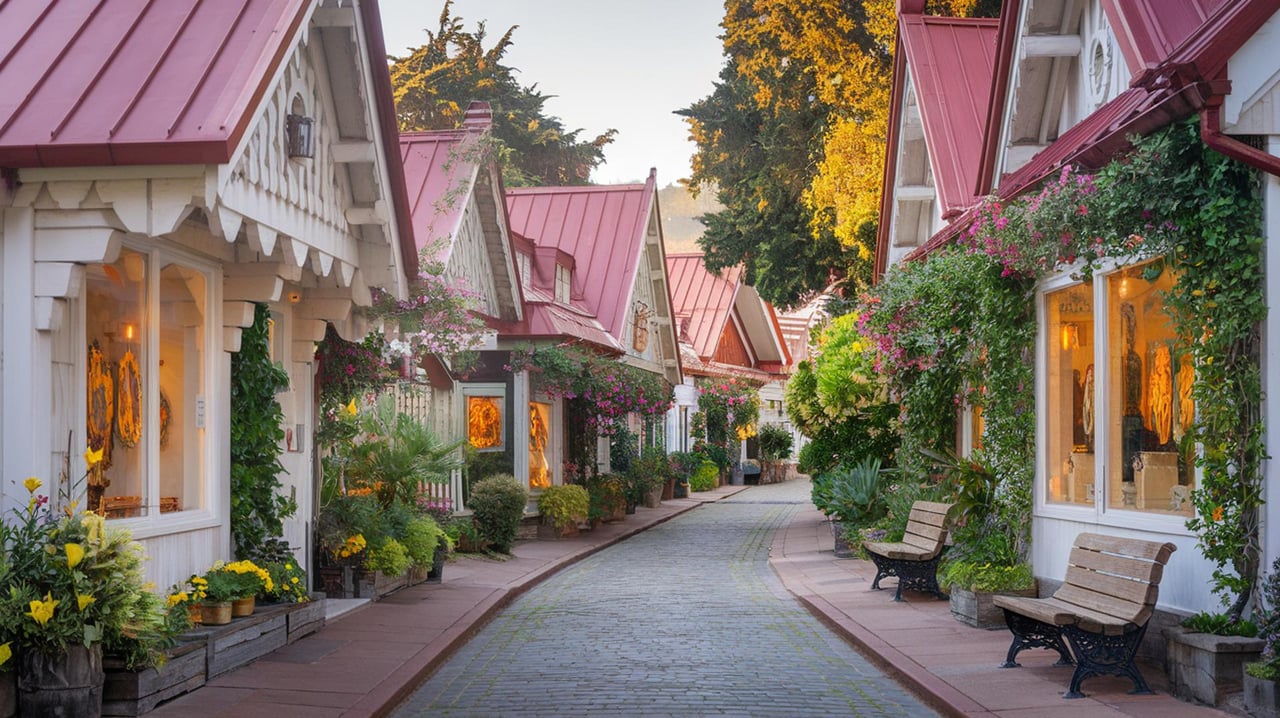
Village parcels tend to be more compact, with a mix of cottages, mid-century homes, and renovated residences near shops and tasting rooms. Yards are typically smaller, and driveway maintenance is lighter compared to rural roads. If walkability is your goal, this is where you will focus. When shopping near the river, include floodplain and setback due diligence in your plan.
Mid-Valley mix
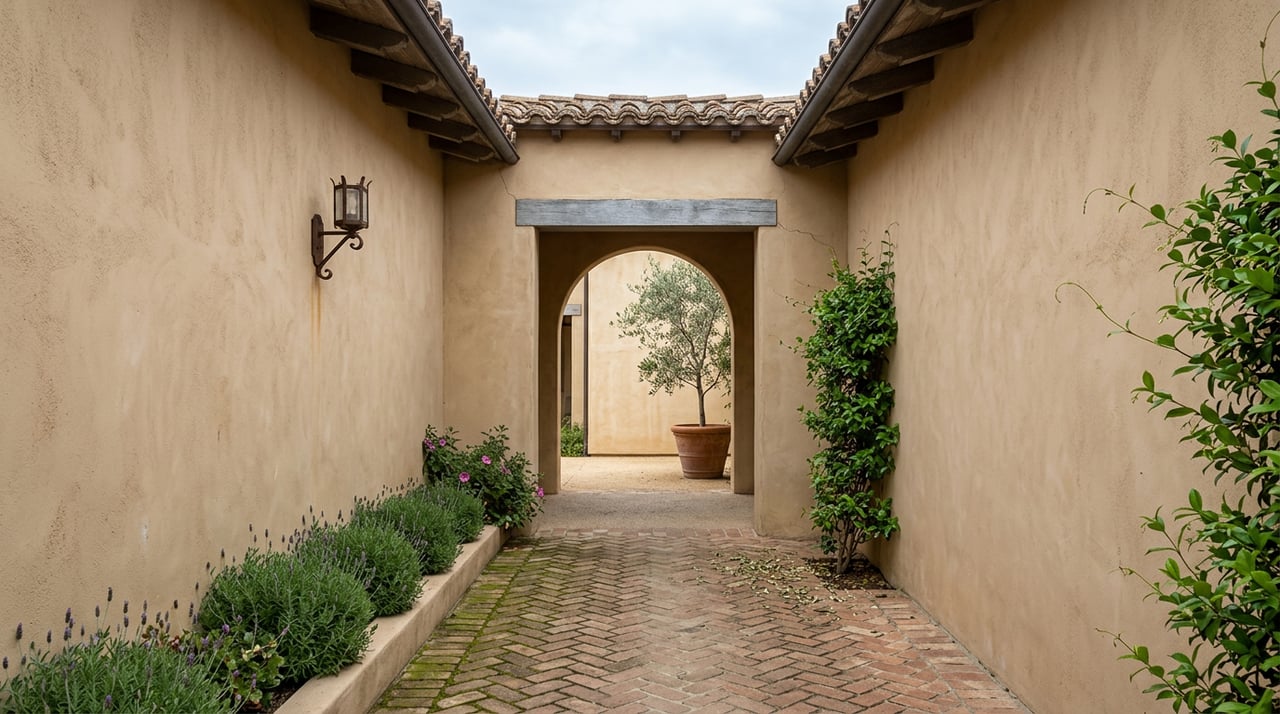
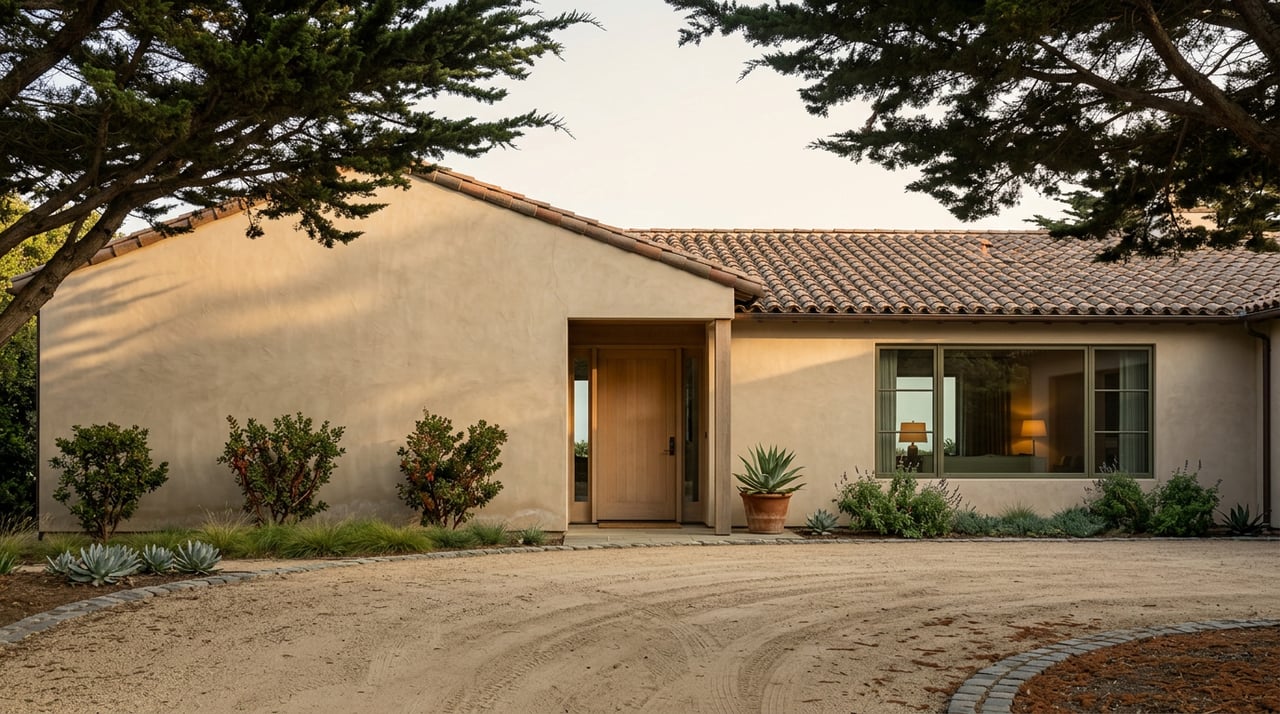
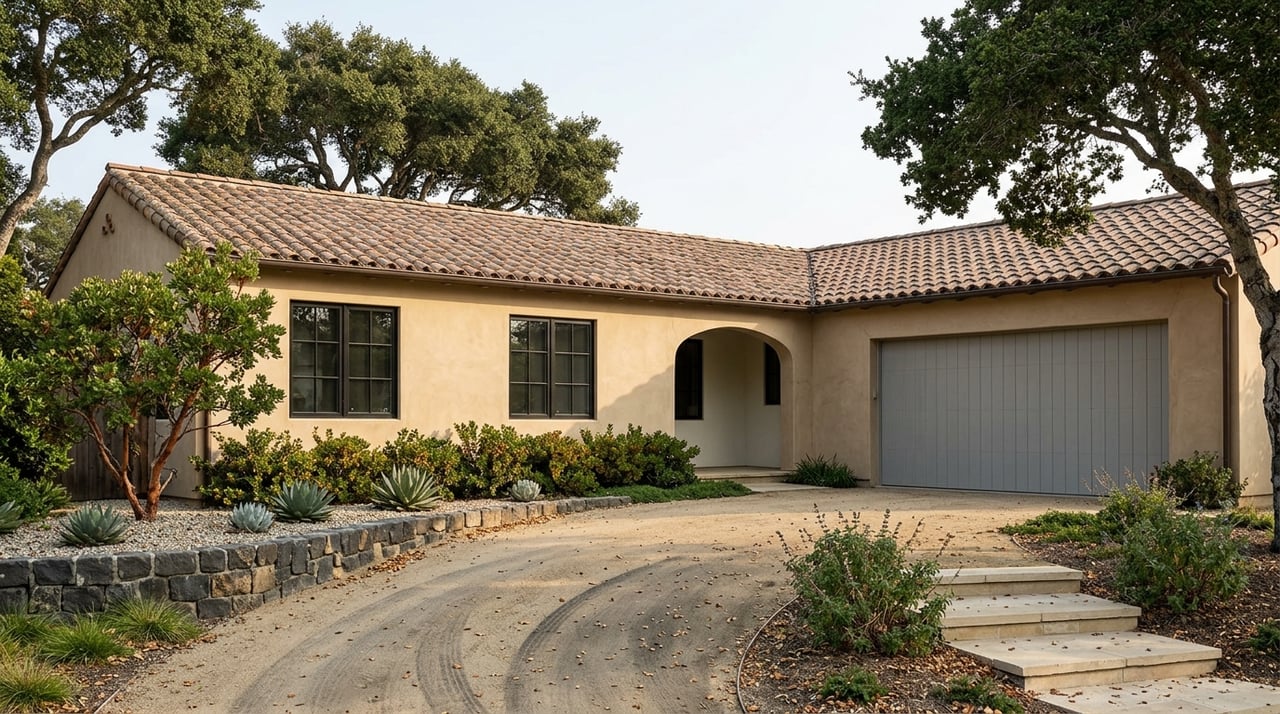
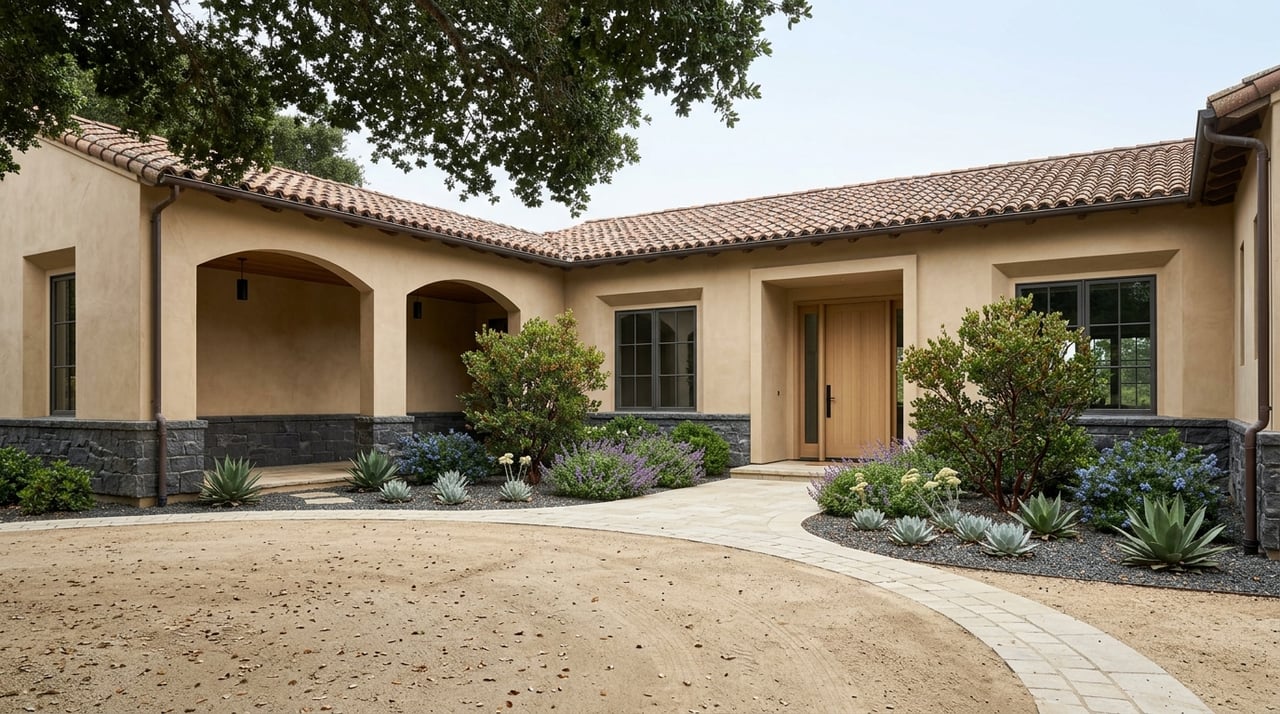
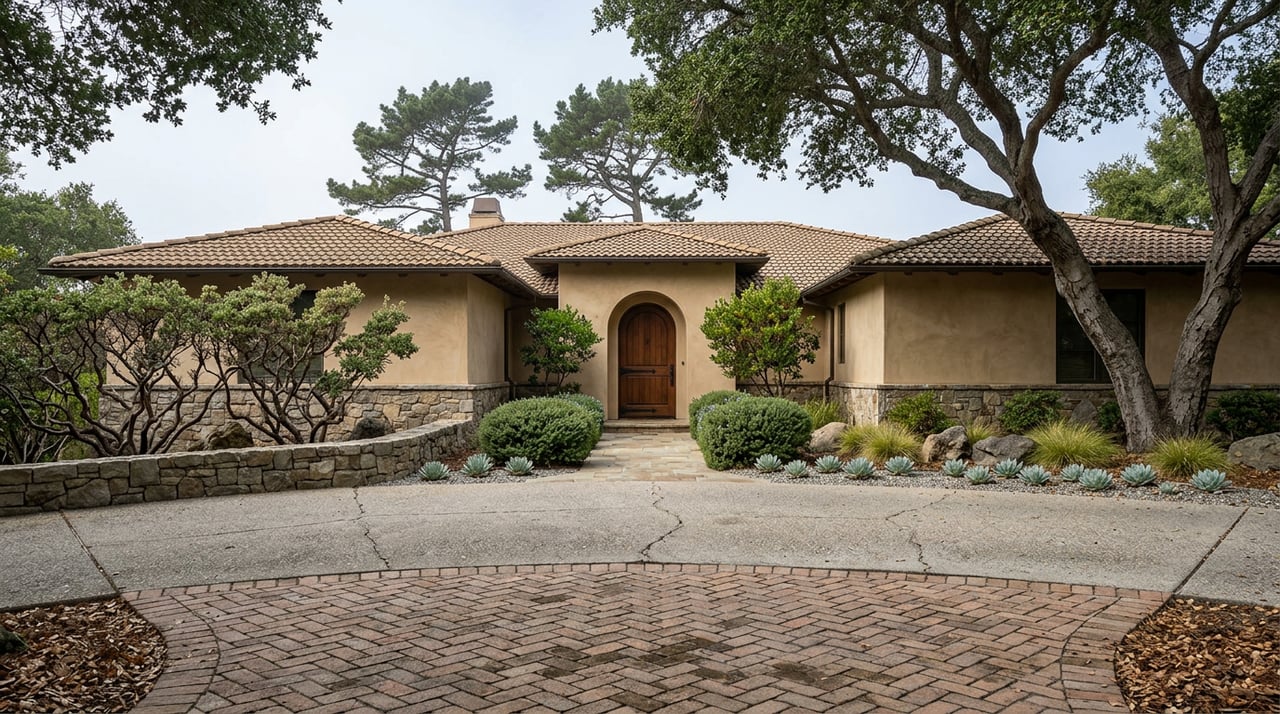
Mid-Valley offers a pragmatic blend of easy grocery access and more breathing room than the village core. You will find single-story ranch homes, updated residences, and some parcels with modest acreage for privacy. The shopping center anchors weekly errands with parking and a broad tenant mix, which reduces drive time. Confirm the exact water connection and any use restrictions that matter to your plans.
Ranch and vineyard parcels
Ranch and vineyard properties start at several acres and can run into the tens or hundreds of acres. Outbuildings, barns, private road maintenance, and fuel break work are common parts of ownership. If you intend commercial wine or equestrian uses, examine agricultural zoning, required permits, and any easements. Ask about Williamson Act contracts or conservation restrictions during early due diligence.
Daily life and access to amenities
Errands, dining, and tasting rooms
- Village: The highest concentration of tasting rooms, boutiques, and small eateries is in the village, which supports a true walkable lifestyle. Regional wine guides recognize this cluster, as seen in this overview of Carmel Valley tasting-room density.
- Mid-Valley: Weekly shopping is easiest in Mid-Valley thanks to the parking and anchor tenants at the shopping center. This location offers quick access while keeping you near the valley’s open spaces. For context on the center and its role, see the CEQA project materials.
- Ranch and vineyard parcels: Privacy comes first, but plan for longer drives to groceries and services. Build a schedule that accounts for road conditions, gate access, and seasonal changes.
Services and safety
Law enforcement for unincorporated areas is provided by the Monterey County Sheriff. Fire protection involves local districts and CAL FIRE in State Responsibility Areas, depending on the parcel. Confirm the specific fire district and typical response profile for any property you are considering. If the location is rural or uphill, add contingency time for access and plan for ongoing vegetation management.
Which lifestyle fits you
Choose village living if you want:
- Short walks to tasting rooms, shops, and restaurants.
- Lower road and driveway maintenance.
- More community sewer connections and some public-water service.
- A lively, compact setting with quick errands.
Choose Mid-Valley if you want:
- Quick grocery and hardware access with more space than the village.
- A balance of sun, privacy, and convenience on the valley floor.
- Single-level homes and updated residences in a practical location.
- A central base for easy trips to the coast or inland.
Choose ranch or vineyard living if you want:
- Significant acreage, privacy, and potential for vines or horses.
- Big views, long sun exposure, and a rural setting.
- Responsibility for wells, septic, private roads, and fire mitigation.
- A quieter lifestyle that trades quick errands for open space.
Buyer due diligence checklist
- Confirm zoning, allowed uses, and any area plan designations with county parcel resources and planning staff. Start with Monterey County Planning Services.
- Verify water source. If on public water, ask about connection status and any current rules. If on a well, request recent well tests and pump records and review reliability in light of regional supply context from the CPUC record and MPWMD ASR overview.
- Confirm wastewater service. If septic, verify permitted systems, capacity, and replacement scope using county onsite wastewater resources.
- Check wildfire exposure. Identify the Fire Hazard Severity Zone and plan for defensible space and home hardening using Ready Monterey County.
- Understand access and easements. Review private road agreements, gate access, and shared maintenance obligations.
- Review agricultural and conservation constraints. Ask about easements, Williamson Act, or use restrictions that could affect your plans.
- Confirm internet and cell coverage. Rural coverage varies by provider and location.
Finding the right fit in Carmel Valley is about aligning your lifestyle with the land. Whether you want a stroll to tasting rooms, a valley-floor home that makes daily life simple, or a private hillside ranch with room to breathe, clarity on climate, utilities, and access will help you buy with confidence. If you would like a tailored shortlist and parcel-level guidance, start a confidential consultation with William Smith.
FAQs
What is “Mid-Valley” in Carmel Valley
- Mid-Valley is a local term for the valley-floor corridor centered on the Mid-Valley Shopping Center, offering quick access to groceries and services without being a separate municipality.
How does water supply typically work in Carmel Valley homes
- Many village and Mid-Valley parcels connect to public water systems, while rural ranch properties often rely on private wells; always verify your specific parcel’s source and status.
What should vineyard or equestrian buyers check before purchasing acreage in Carmel Valley
- Review zoning for agricultural uses, water source and irrigation, septic capacity, road and gate access, wildfire mitigation needs, and any conservation or Williamson Act restrictions.
How significant is wildfire risk for properties in Carmel Valley
- The county maps many areas with elevated hazard, so expect defensible space, home hardening, and potential insurance considerations, especially for uphill and rural parcels.
Are septic systems common on rural Carmel Valley properties
- Yes, ranch and vineyard parcels commonly use septic; verify permitted system capacity and replacement costs before planning additions or remodels.