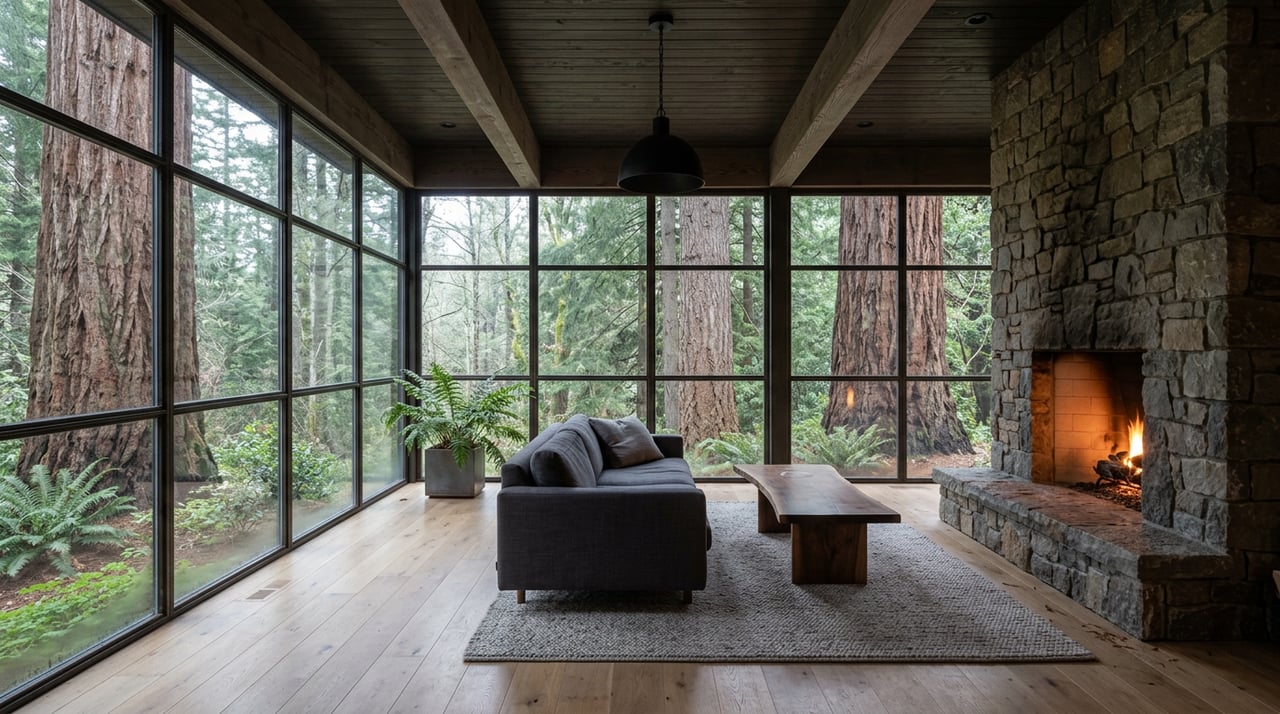
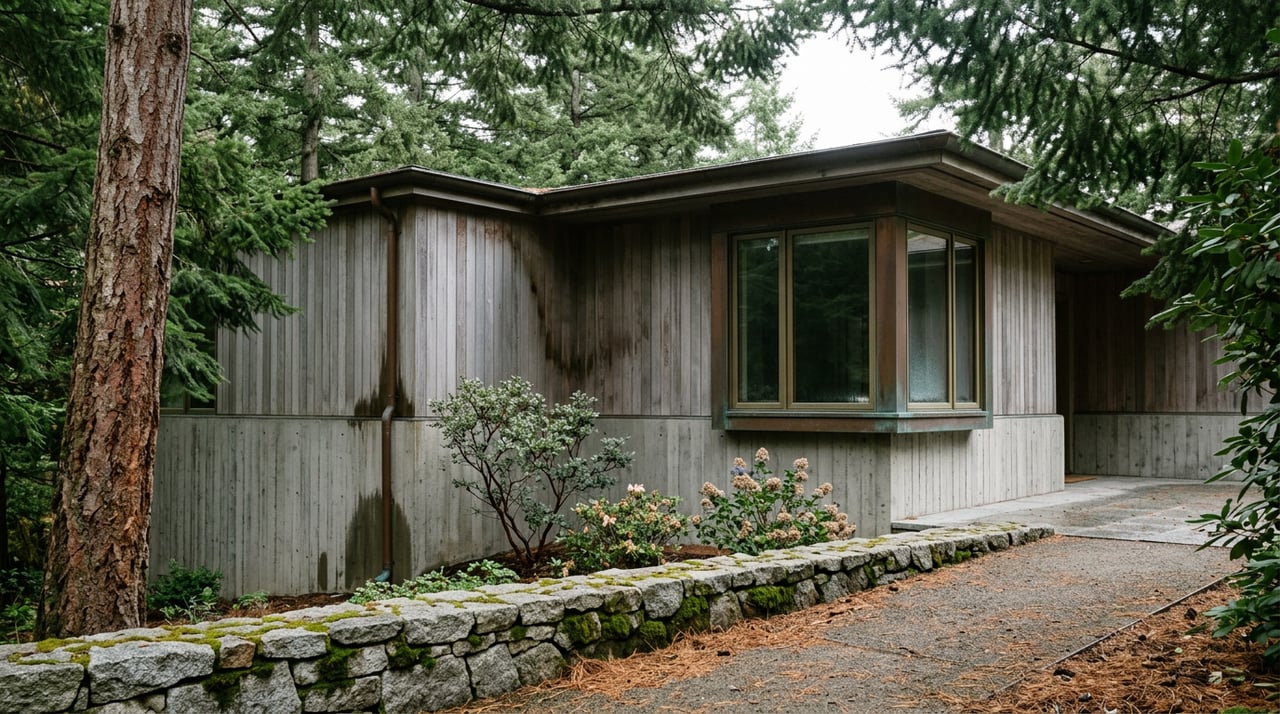
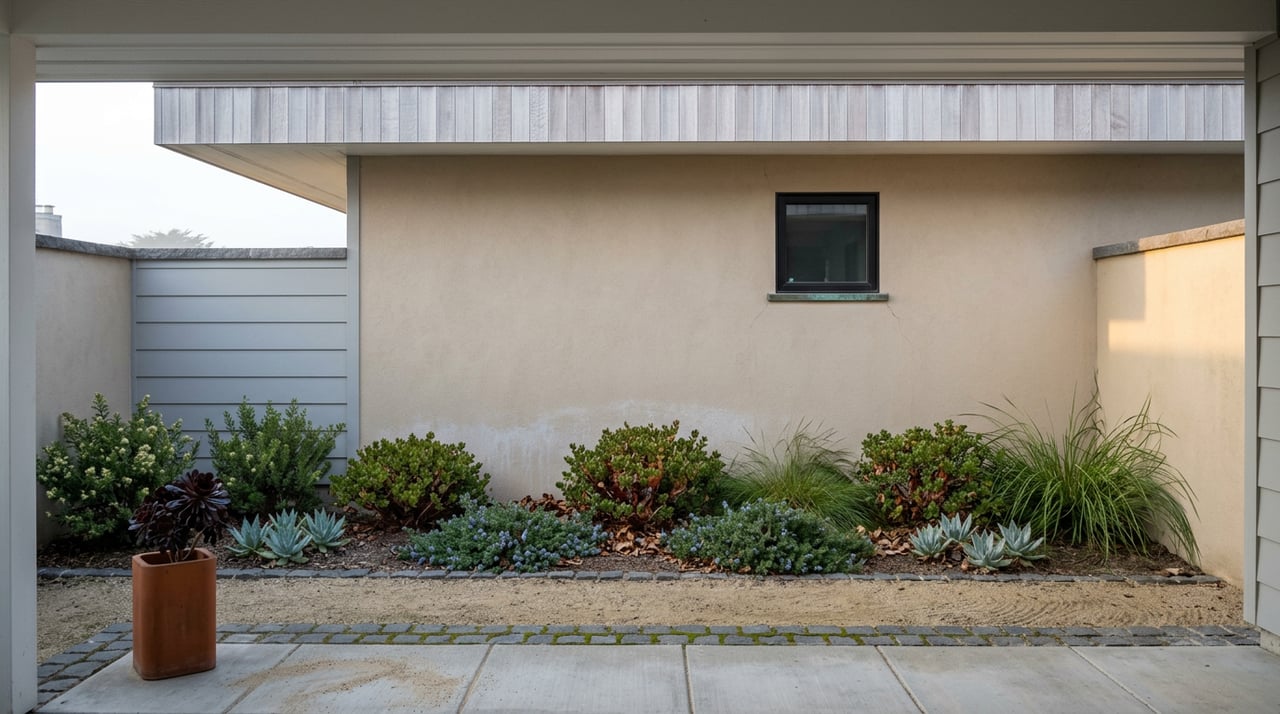
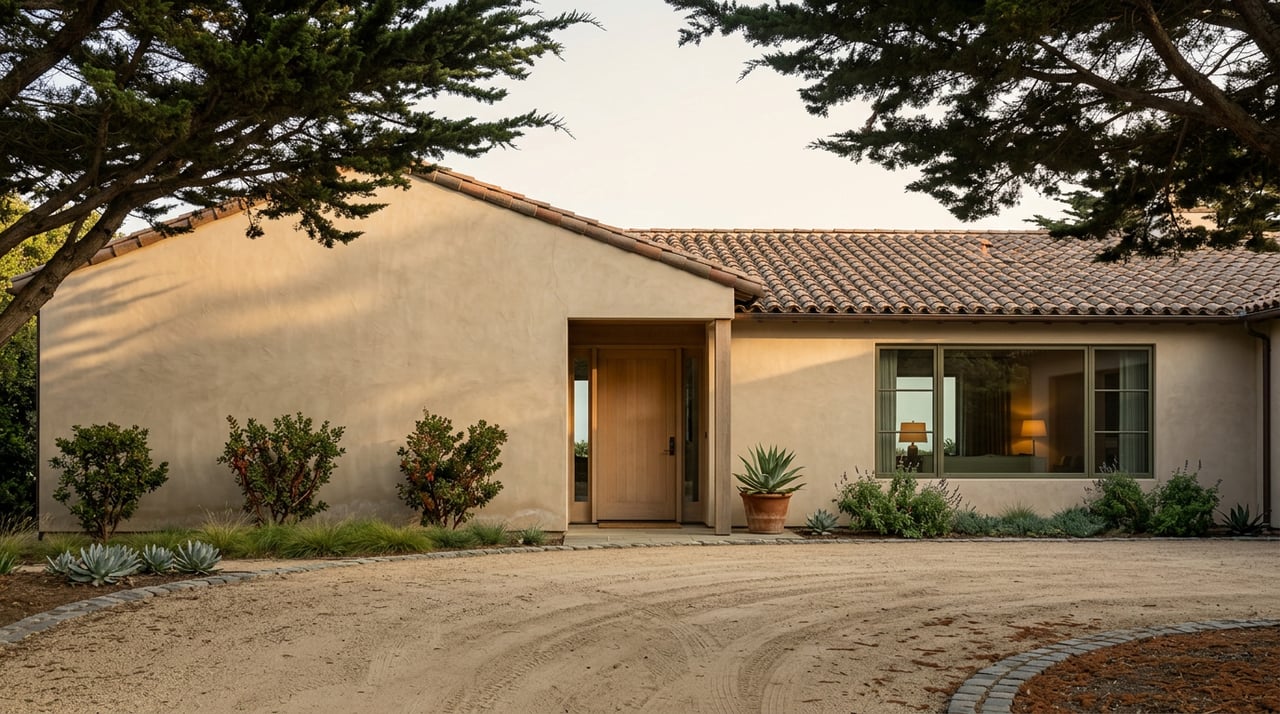
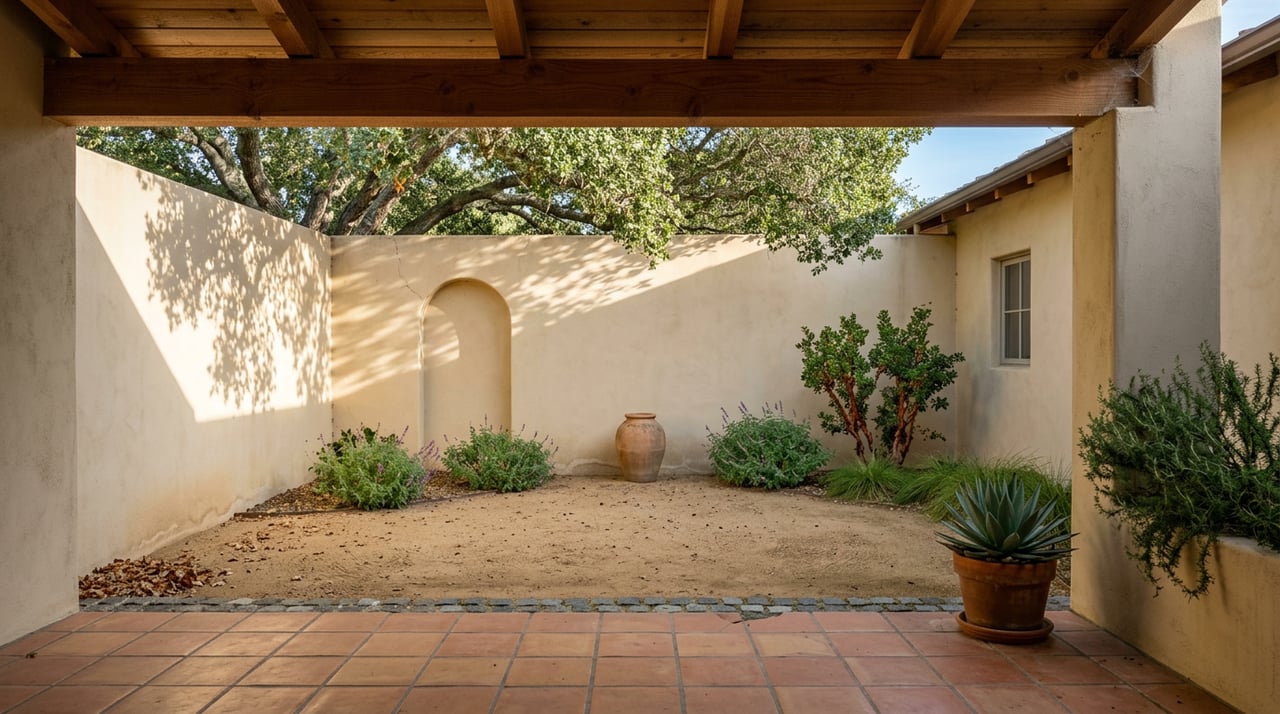
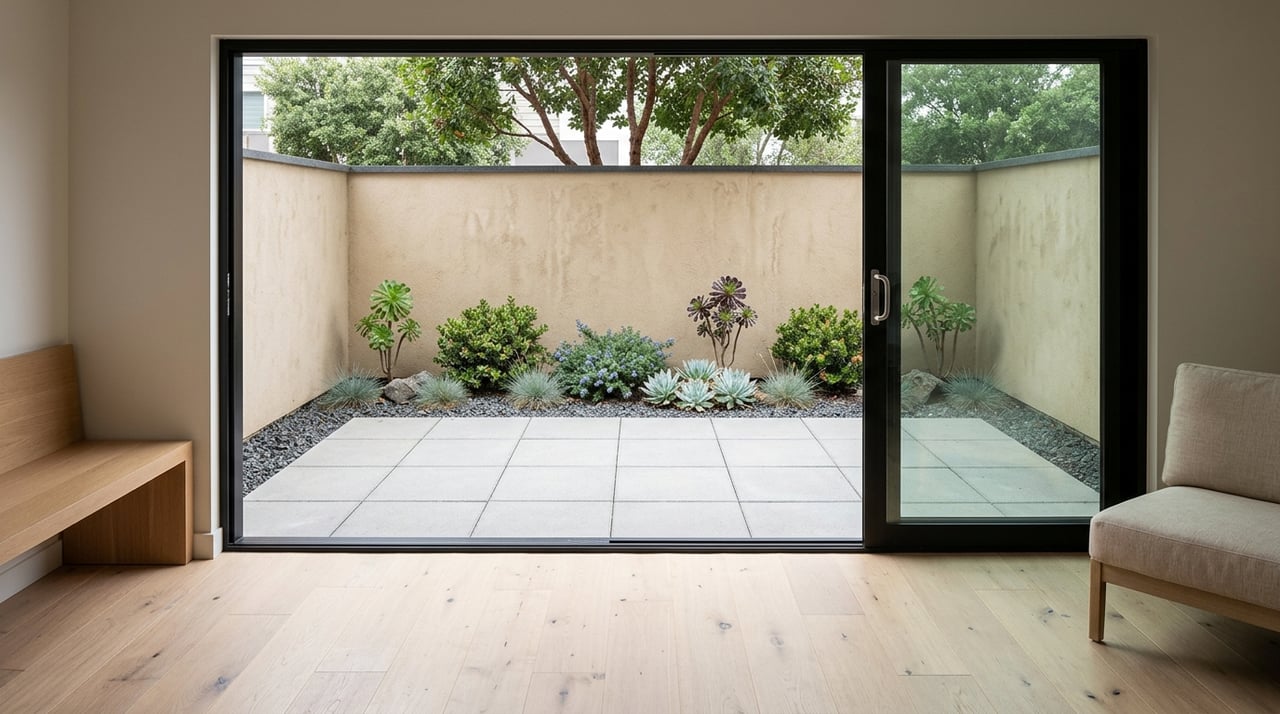
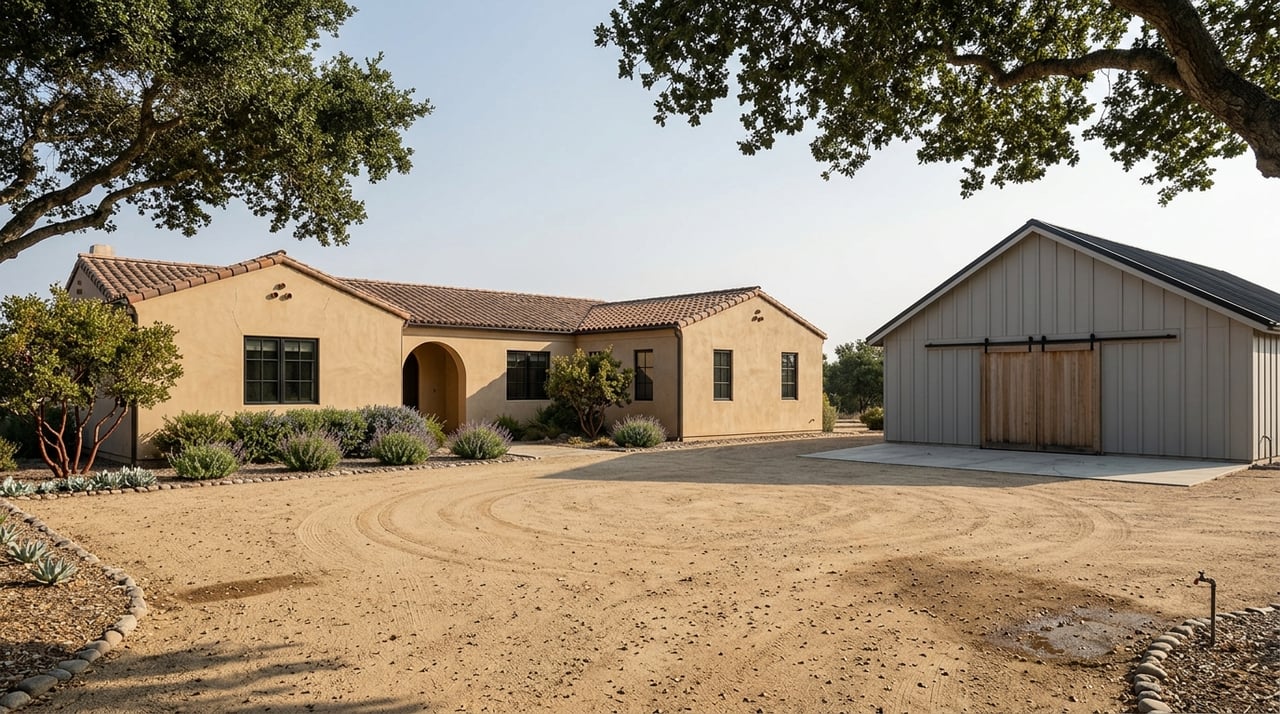
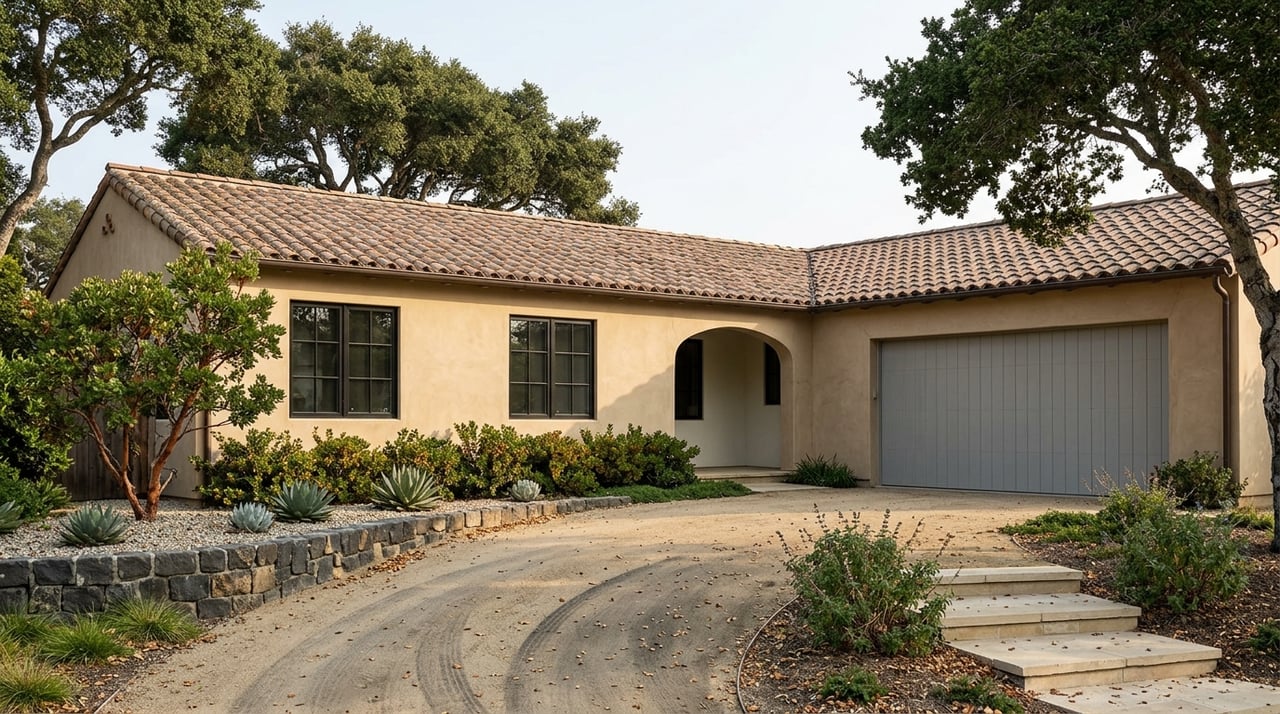
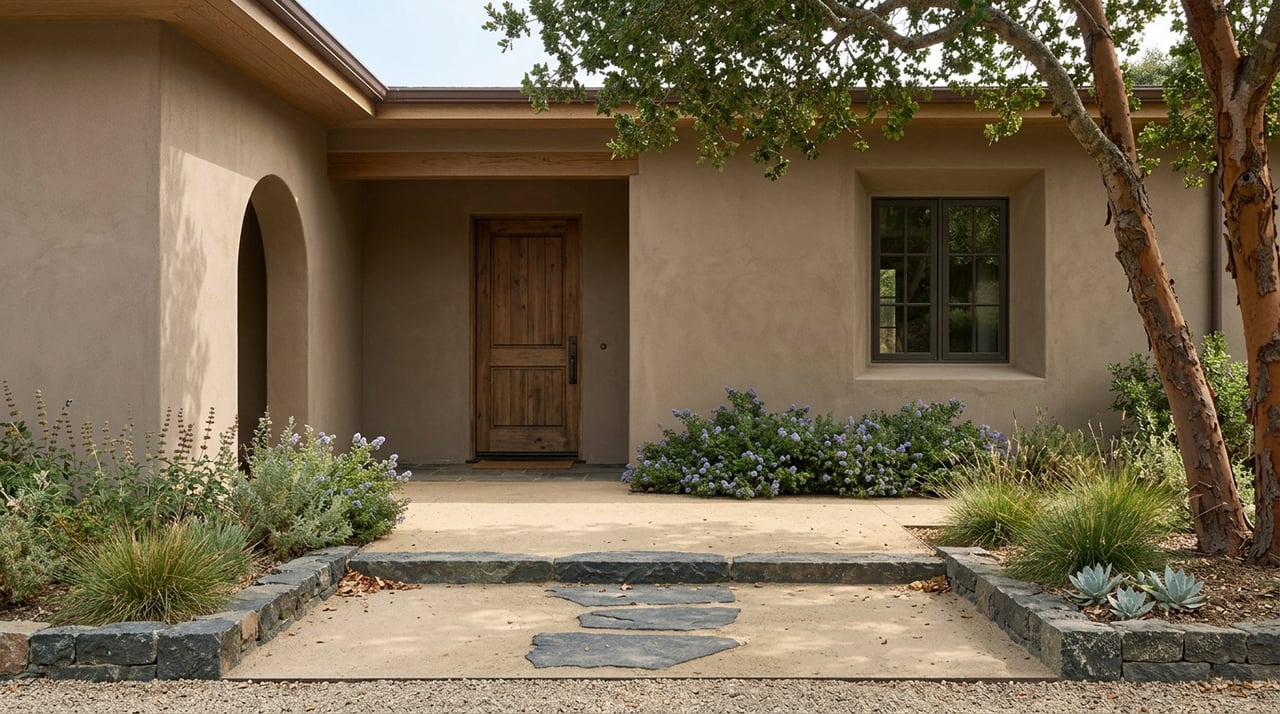
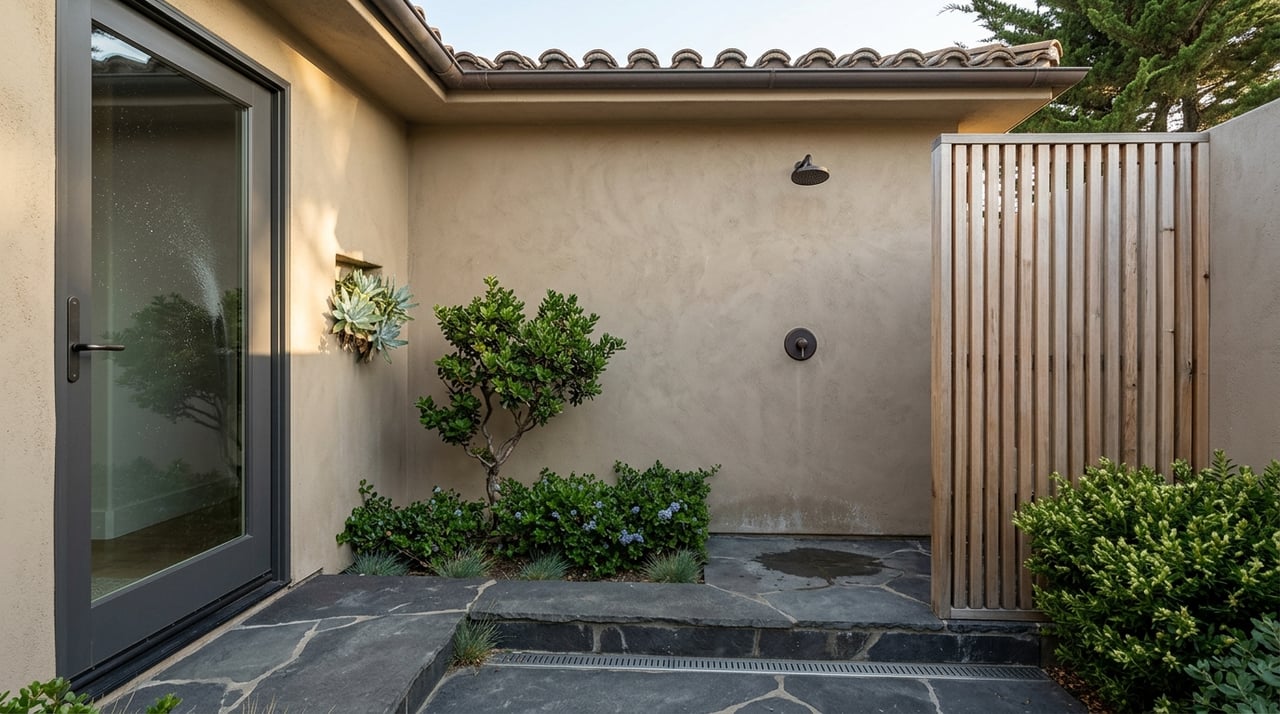
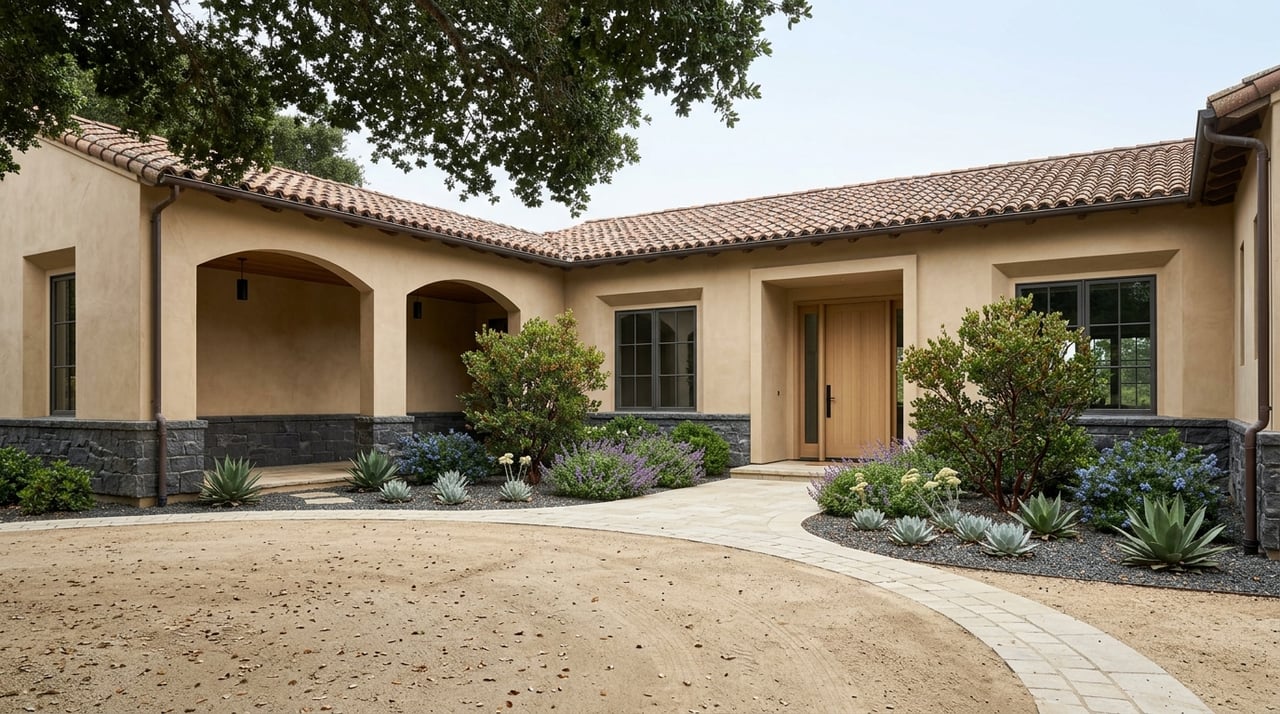
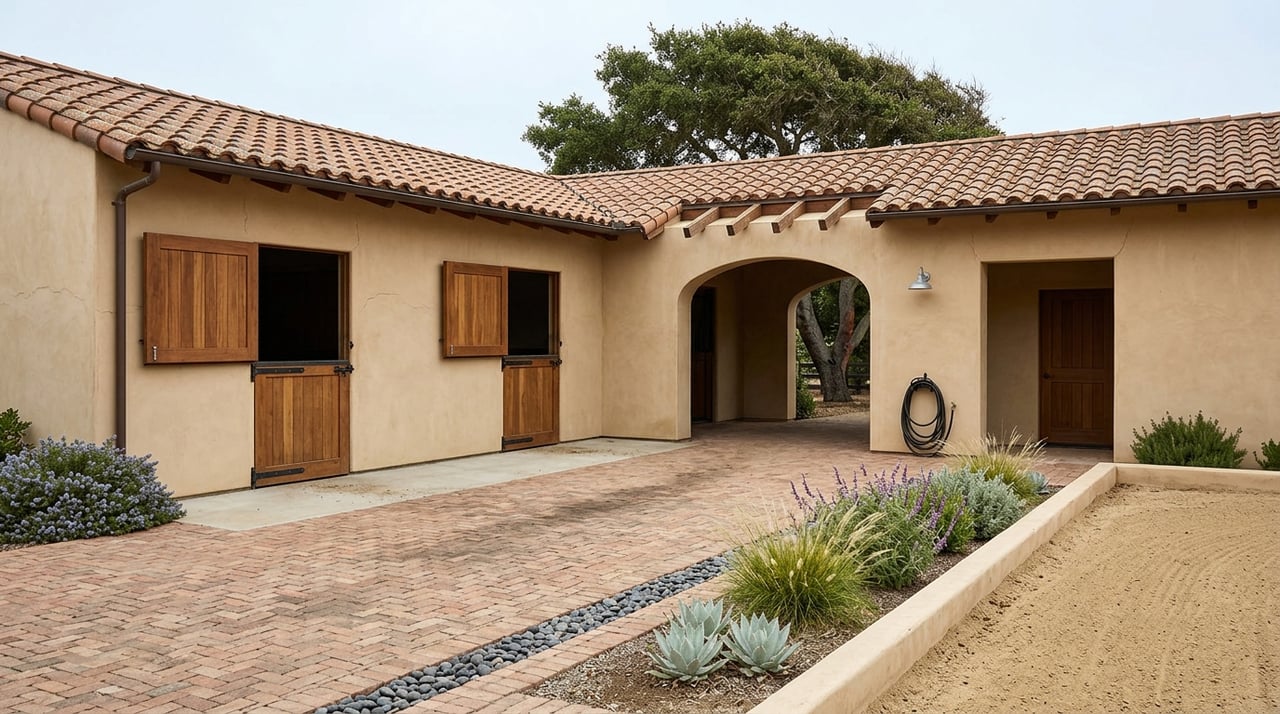
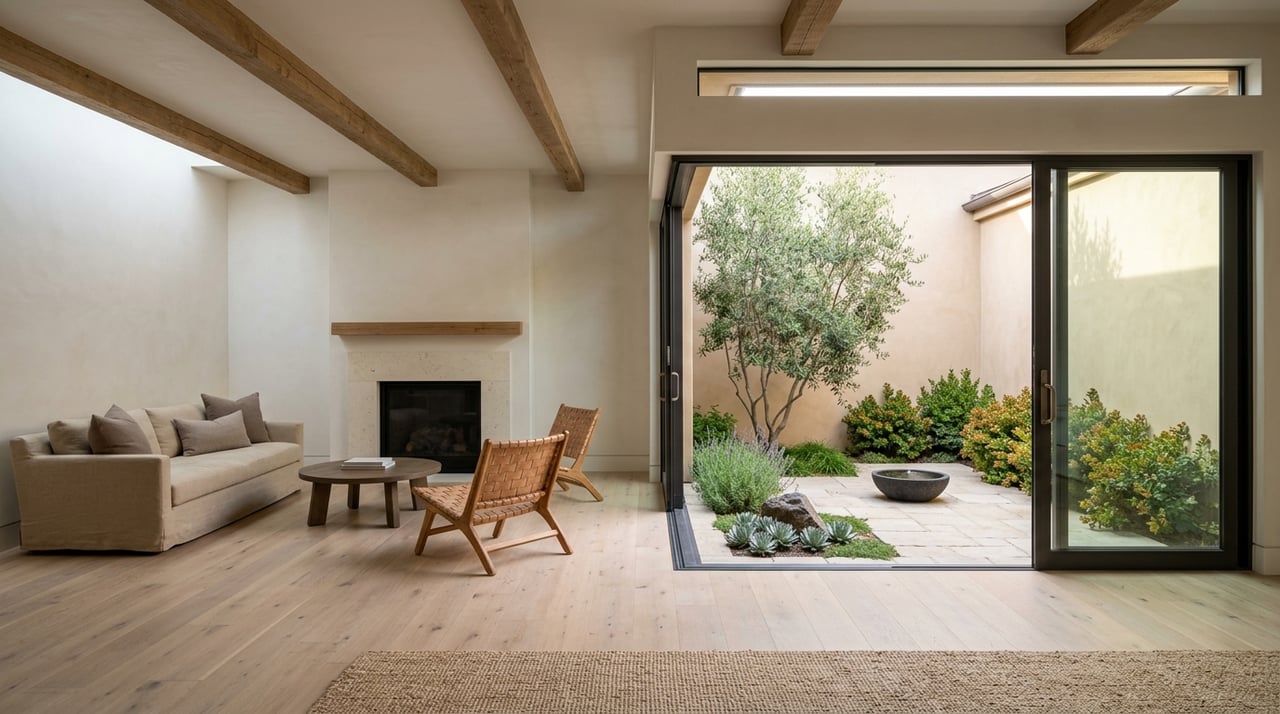
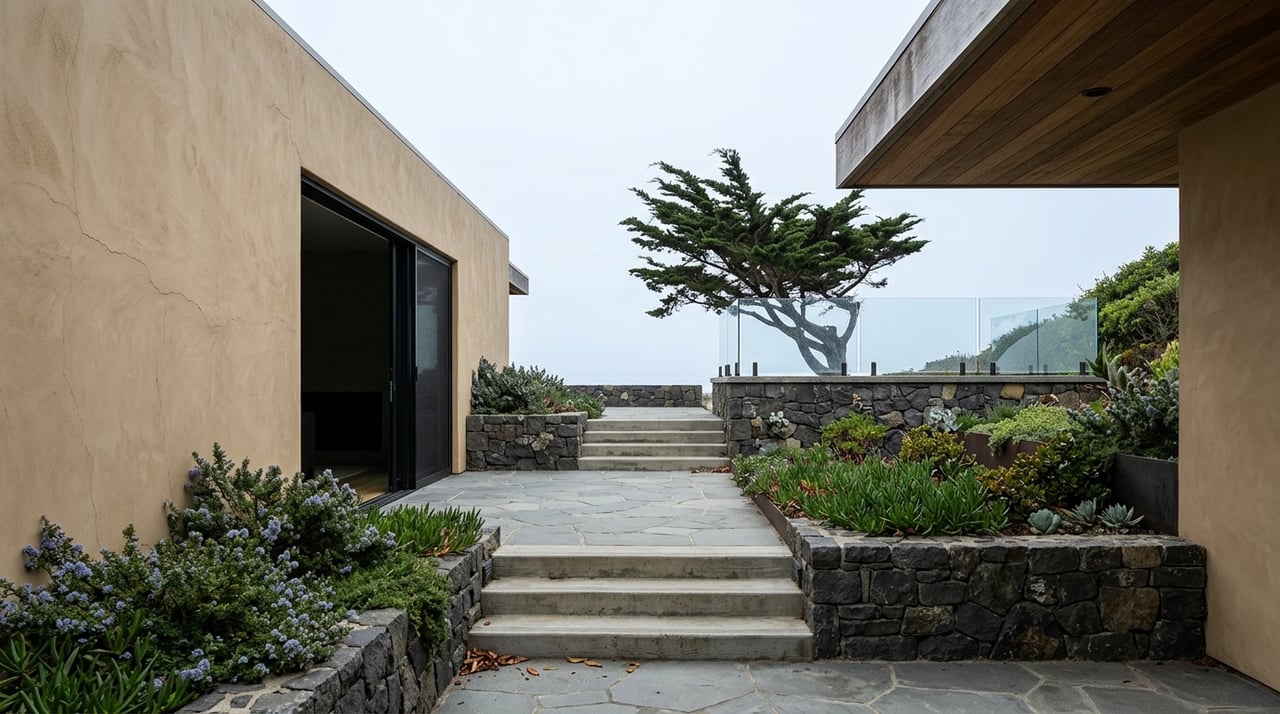
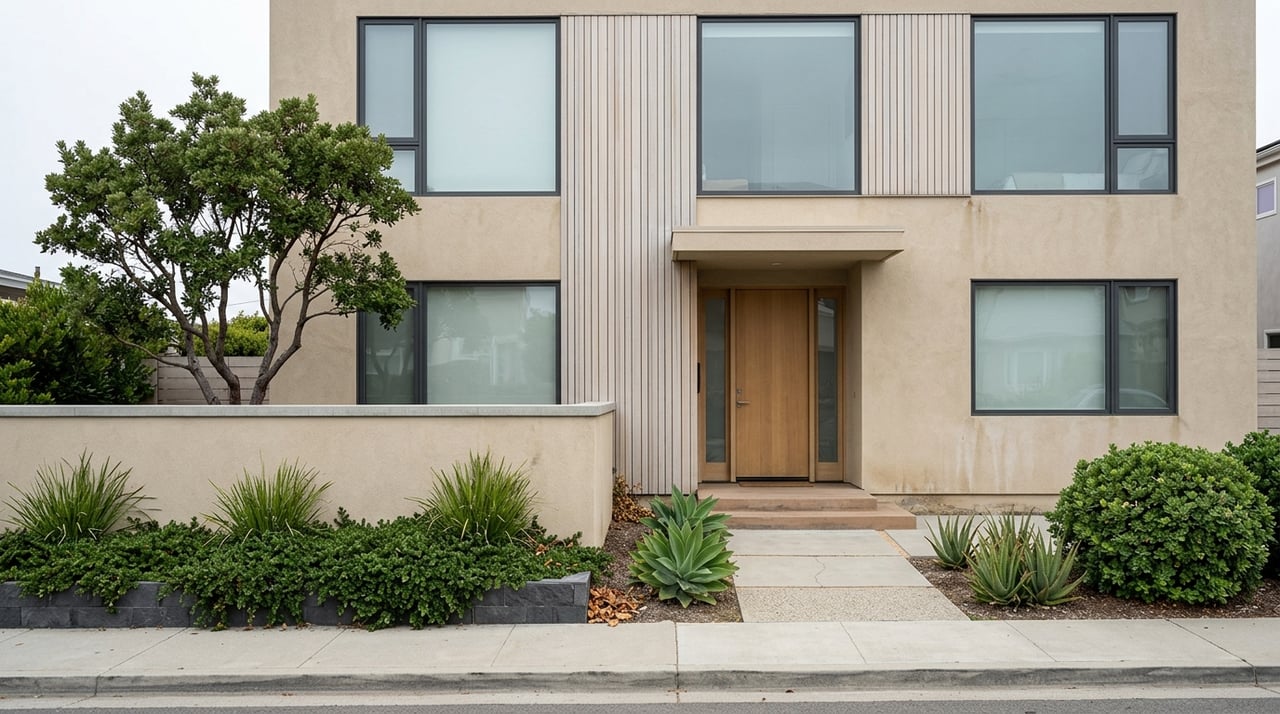
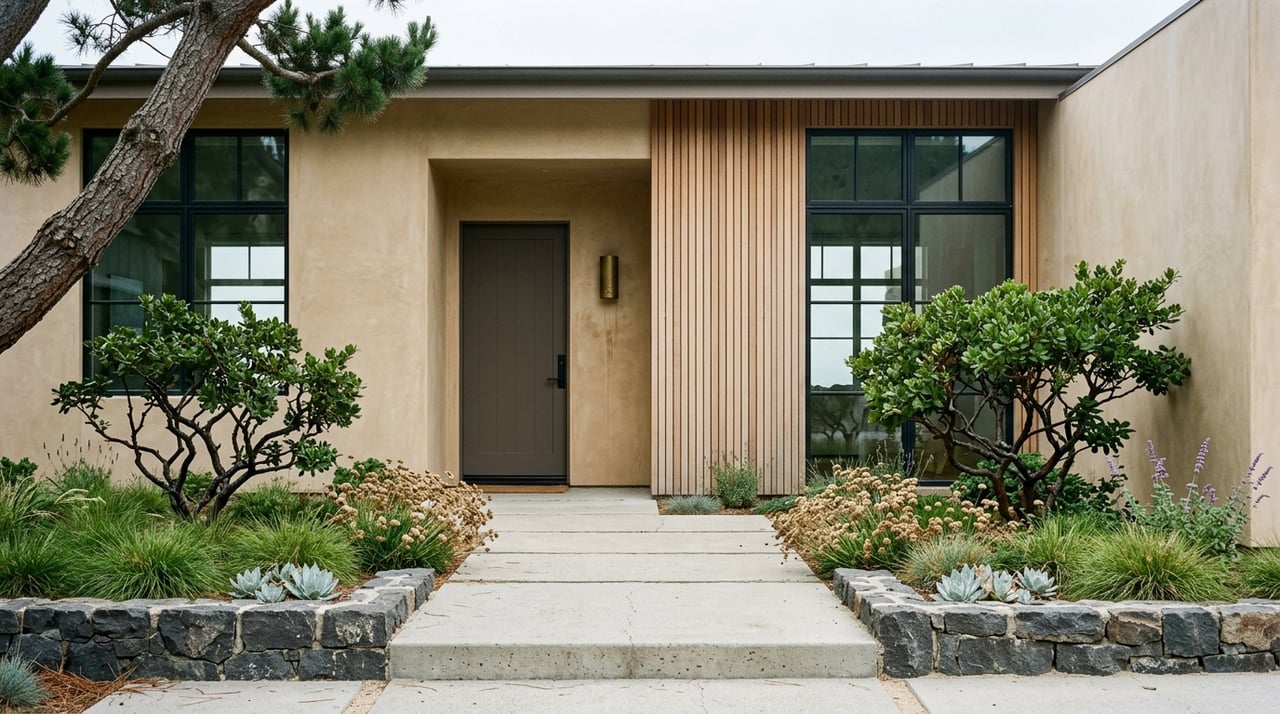
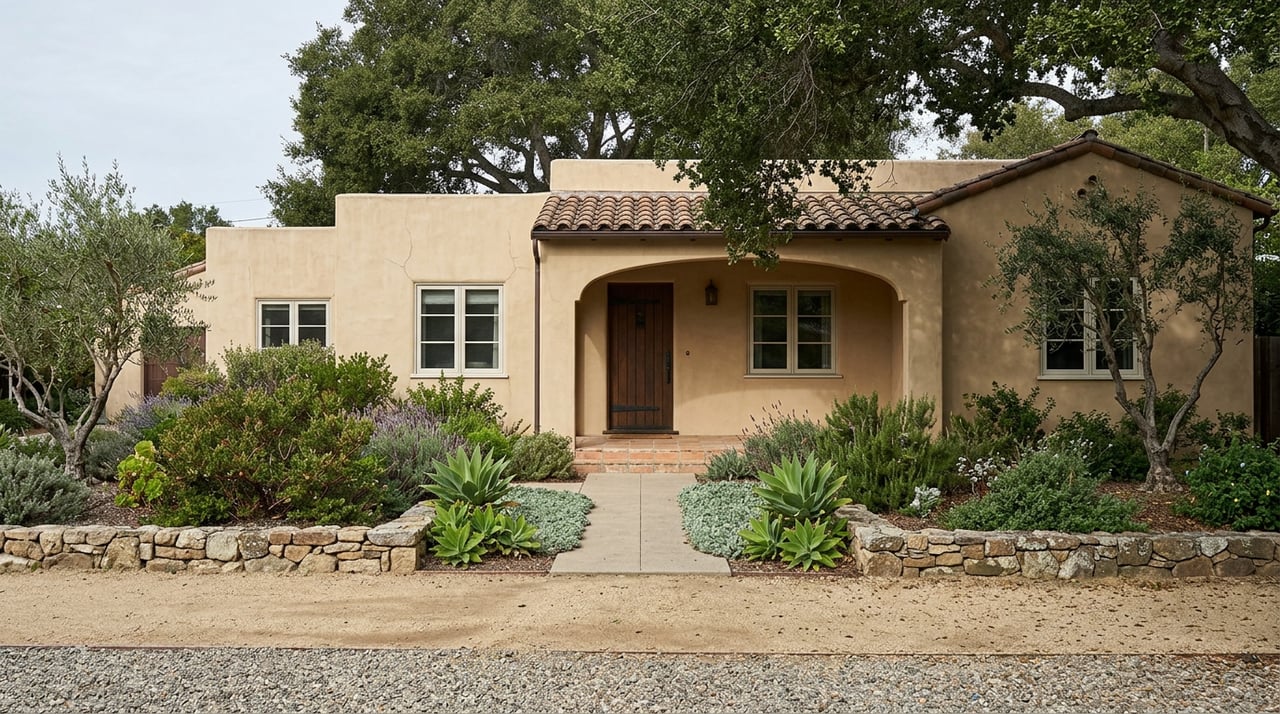
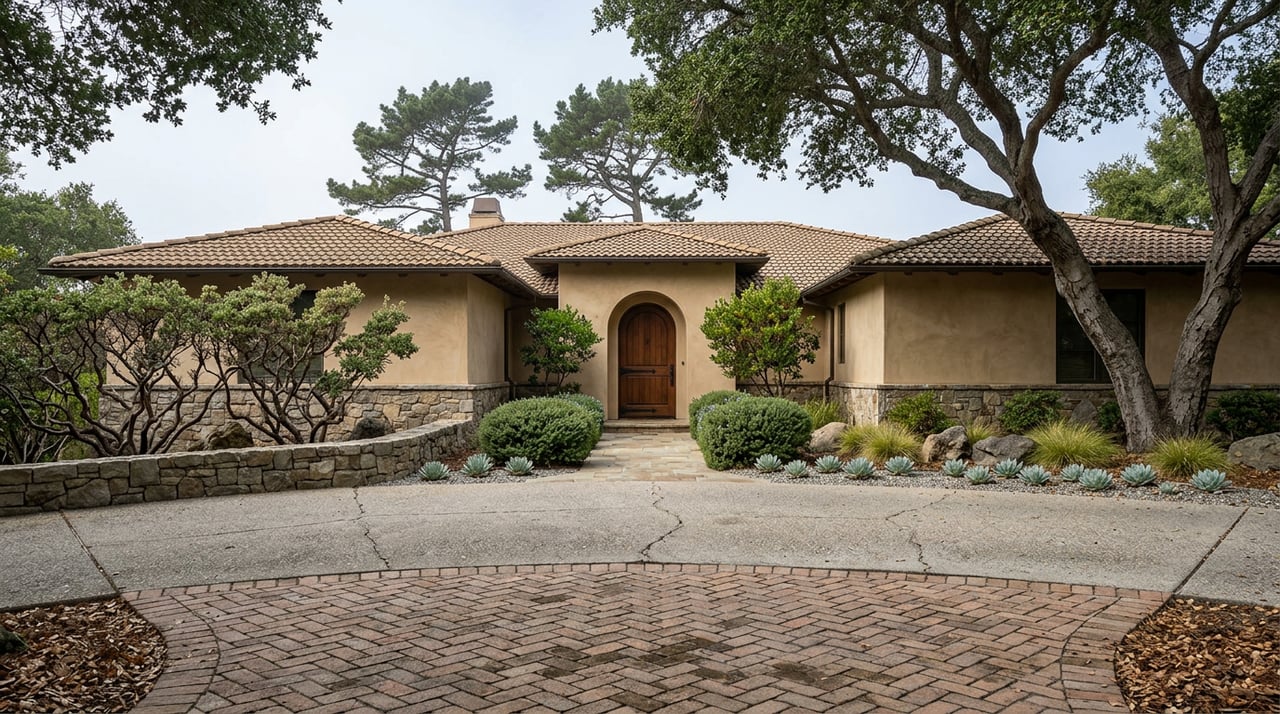
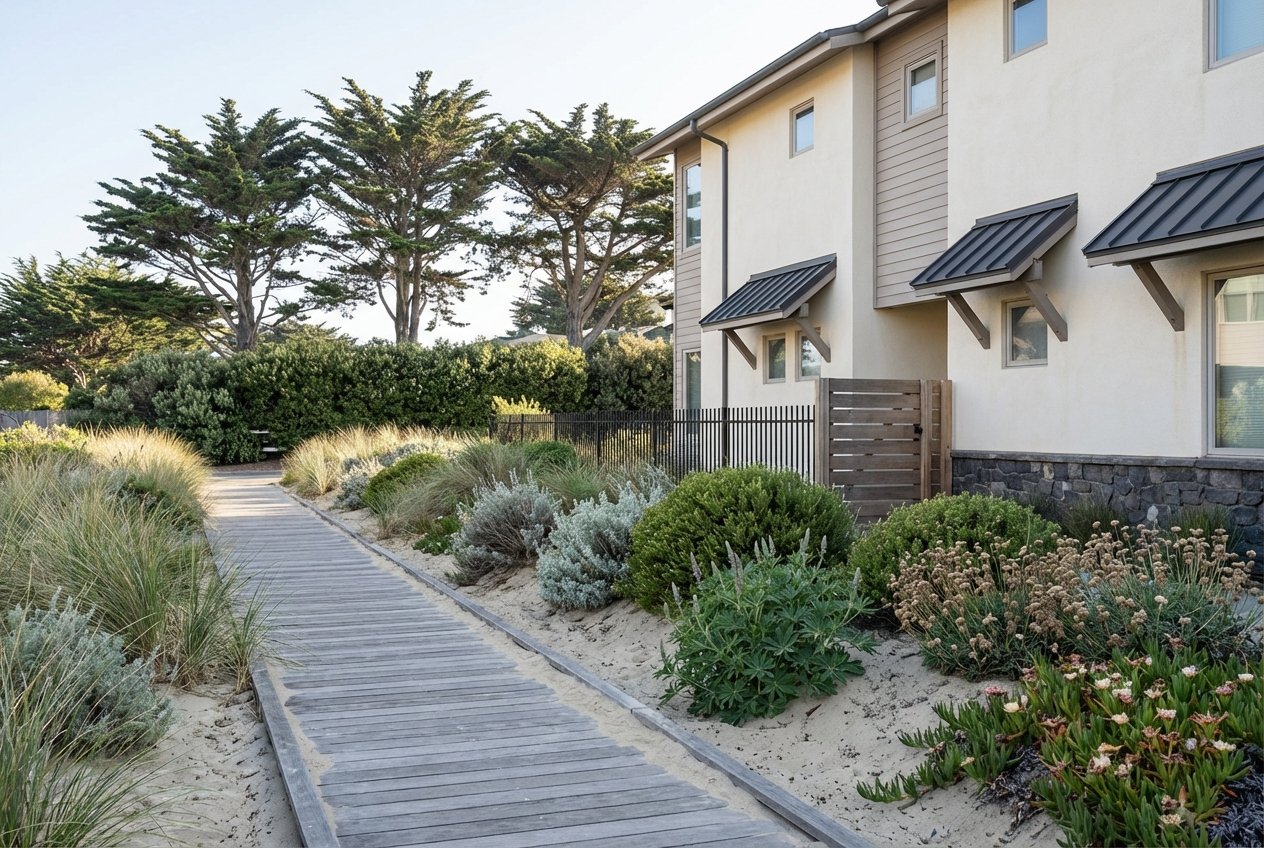
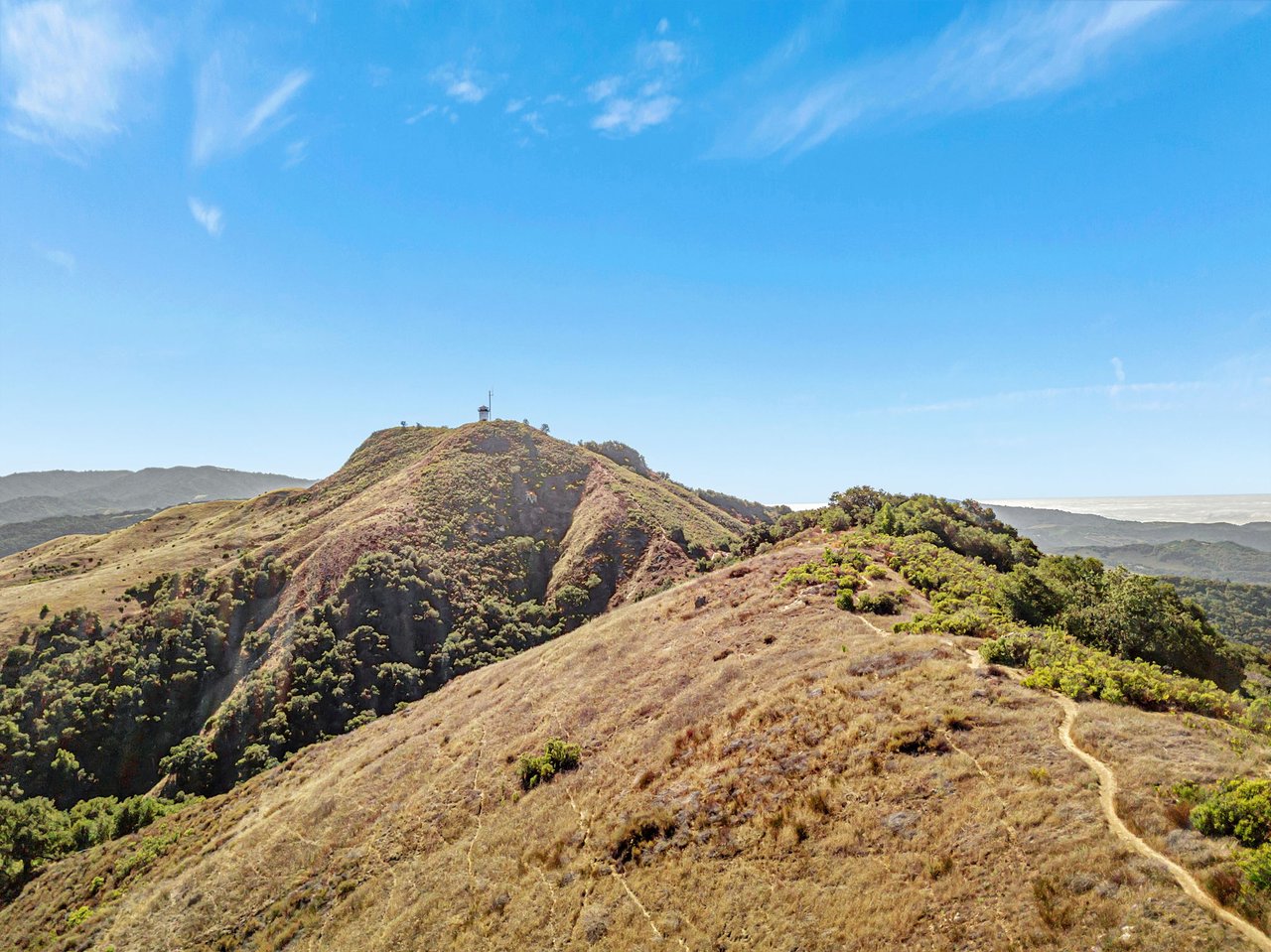
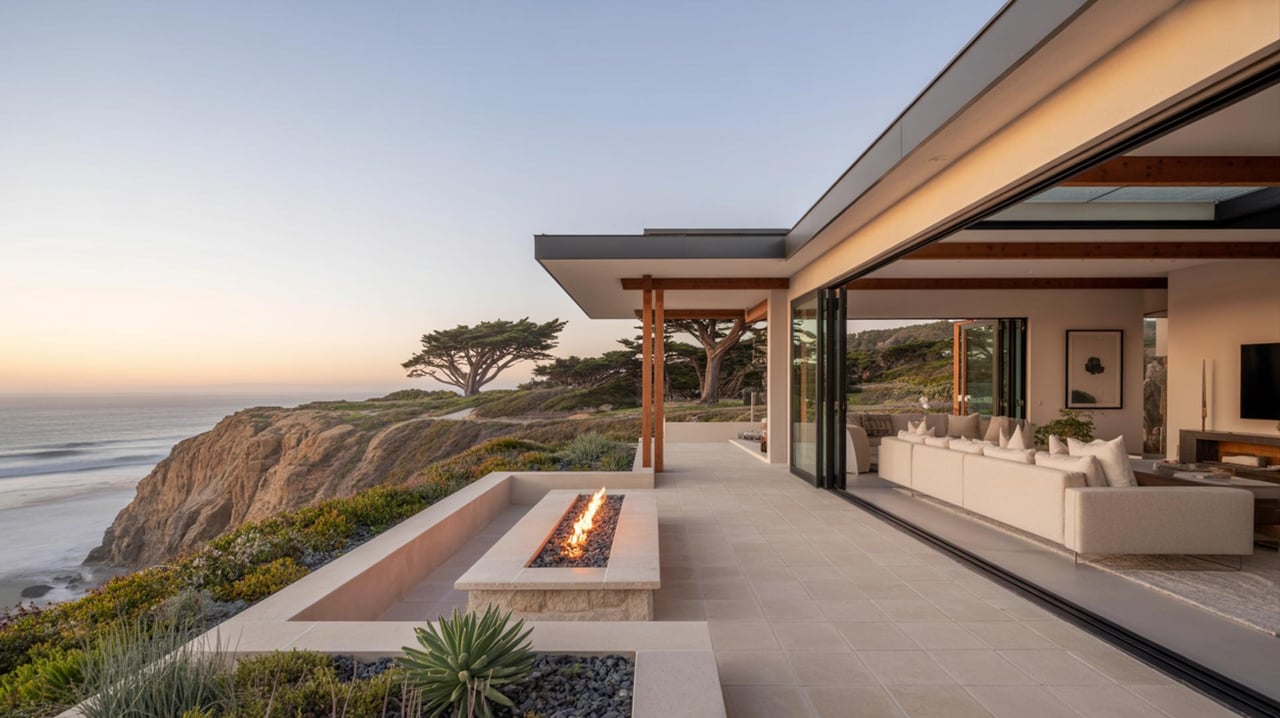
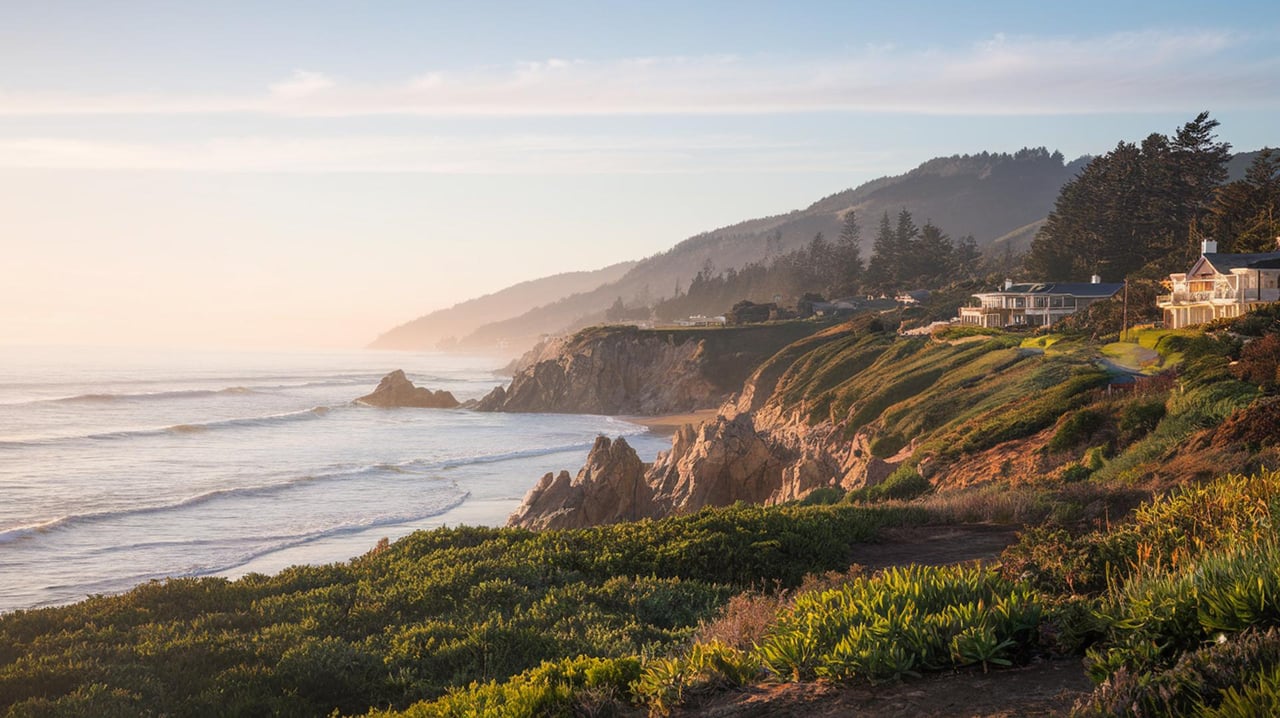
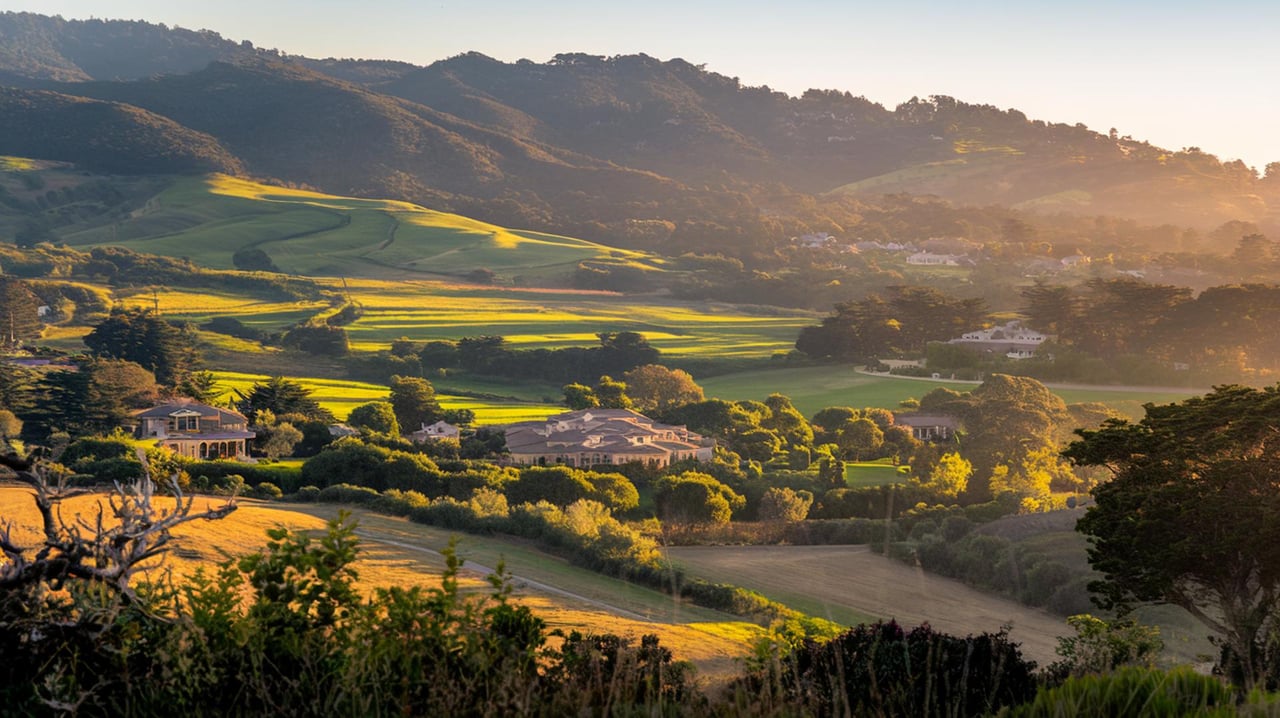
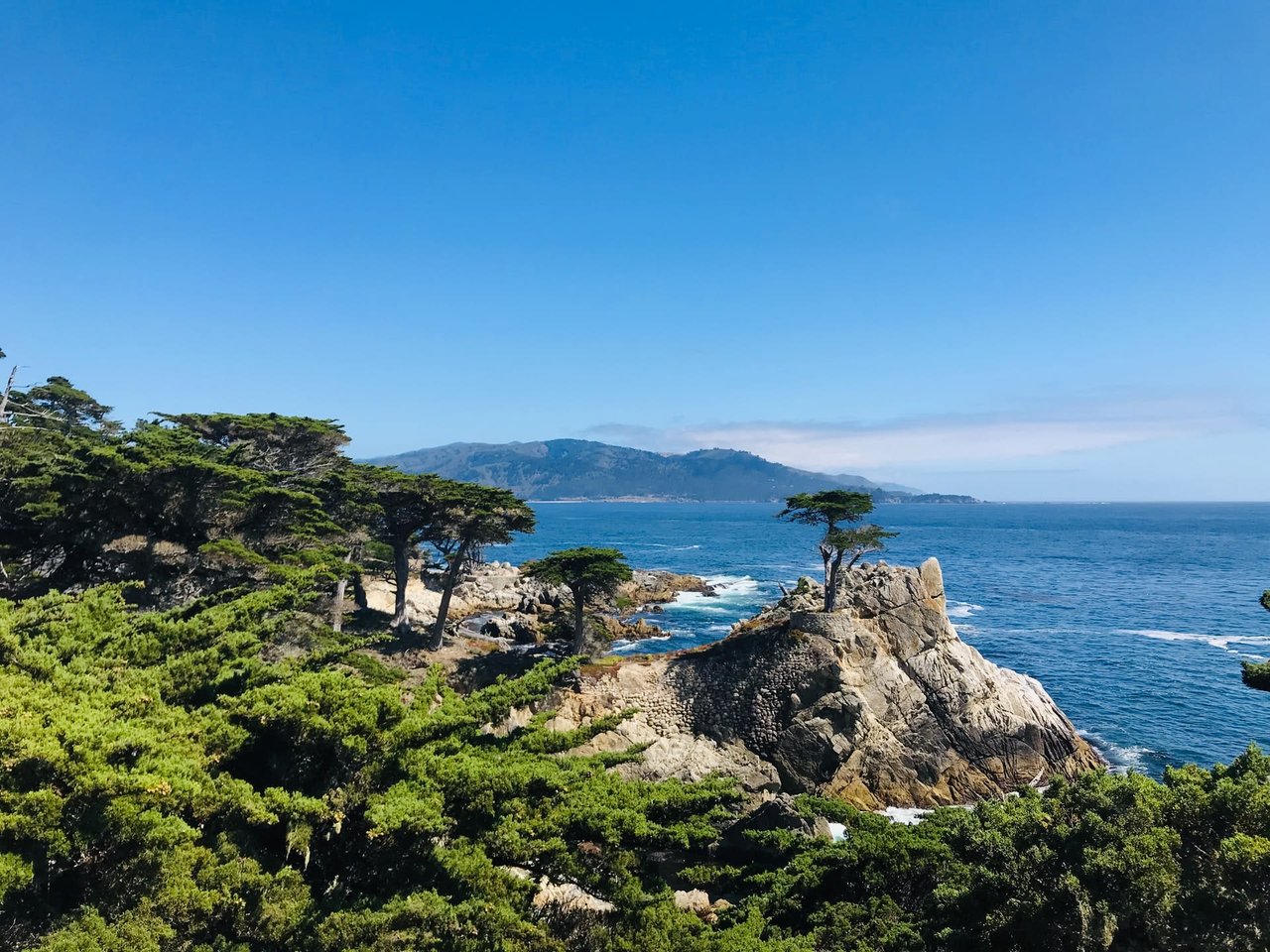
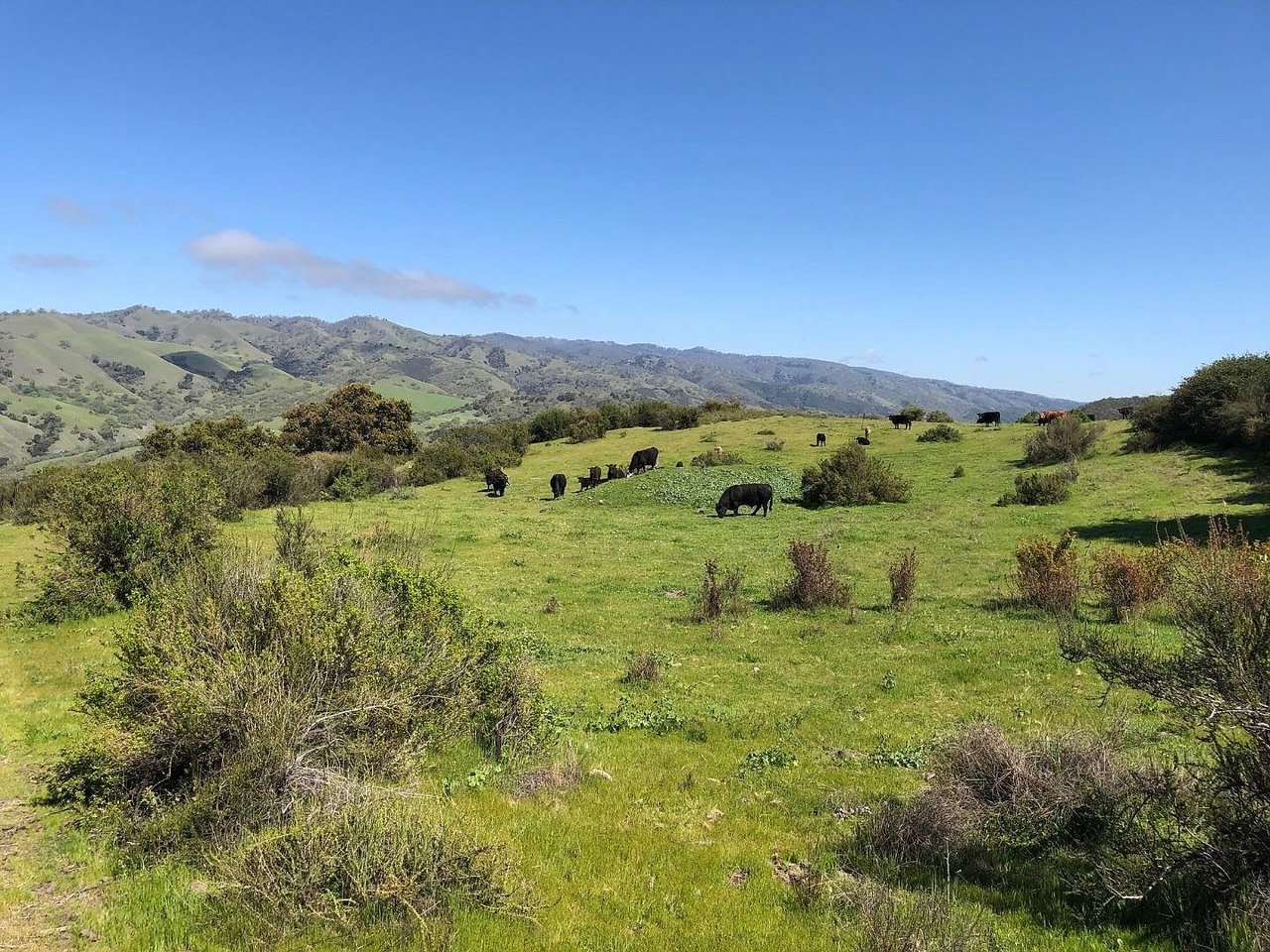
What draws you to a second home in Big Sur is often the same thing that makes ownership here different from almost anywhere else on the California coast. The scenery feels untouched, the pace feels quieter, and the landscape still sets the rules. If you are considering a second home along the Big Sur coast, it helps to understand that beauty and stewardship go hand in hand here. Let’s dive in.
Big Sur Is a Stewardship Market
Big Sur is not a typical second-home market built around convenience, dense amenities, or easy expansion. Monterey County’s Big Sur Coast Land Use Plan is designed to preserve the coast as a scenic, rural area and to minimize development.
That framework shapes nearly every ownership decision. In the Big Sur Coast Planning Unit, about 75,000 acres are owned by the U.S. Forest Service, which is roughly half of the planning area, while there are about 1,100 private parcels. That limited private land base is one reason Big Sur feels so scarce.
The County also estimates there are about 800 vacant or partially developed parcels, around 100 additional parcels that could be created through subdivision, and up to 50 accessory dwelling units. For you as a buyer, that means opportunities can exist, but they come with planning limits that are central to the character of the coast.
Scenic Rules Shape Ownership
One of the most important planning concepts in Big Sur is the critical viewshed. Monterey County generally prohibits development that is visible from Highway 1 or major public viewing areas, and new parcels must contain building sites outside the critical viewshed.
That has practical consequences whether you are buying an existing residence or land for future use. A home may feel private and visually sheltered because topography, trees, and siting matter in a very real way here. At the same time, privacy is not unlimited or informal. It is shaped by scenic protections and site-specific rules.
Utilities are treated with the same sensitivity. The County says utilities should be installed underground, and overhead power or telephone lines are discouraged where they would affect scenic character.
Access Is Part of the Lifestyle
In many second-home markets, access is a convenience issue. In Big Sur, access is part of the ownership story.
Highway 1 is the main access spine, and it can change quickly because of storms, repairs, or events. In 2026, Caltrans reported a 6.8-mile closure near Regent’s Slide, one-way traffic control north of Point Sur for embankment repairs, and a full-day closure for the Big Sur Marathon.
That pattern underscores an important point. Getting to and from your property may require more flexibility than you expect in other coastal markets. If you value Big Sur, you are also signing up for a landscape where timing, road conditions, and local coordination matter.
Monterey County’s planning framework reinforces that reality. The Big Sur Coast plan reserves 85% of Highway 1 capacity for recreation, visitor-serving uses, the military, and coastal-dependent agriculture, with only 15% for residential development at buildout.
Weather Adds a Seasonal Rhythm
Big Sur’s weather is part of its appeal, but it also affects how you use a second home. California State Parks describes conditions at Julia Pfeiffer Burns State Park as changeable, with winter overnight temperatures in the 30s to 50s and summer morning fog that usually burns off by midday.
For owners, that means the coast rewards flexibility. A bright afternoon can follow a cool, foggy morning, and seasonal patterns can influence everything from travel timing to routine property checks.
This is one reason many buyers are drawn to Big Sur in the first place. The environment feels dynamic and authentic. Still, it is worth viewing weather as part of ownership planning, not just part of the view.
Water Is a Core Due Diligence Issue
Before you fall in love with a setting, you need clarity on the property systems that support it. Water is one of the first things to understand.
Monterey County requires applicants in the Big Sur Coast area to demonstrate an adequate year-round water supply through seasonal testing. The County also bars new water systems or expansions that would export water out of the watershed except in narrow case-by-case situations.
For a buyer, this means water is not a box to check late in the process. It is a central question that can affect use, permitting, and long-term confidence in the property.
The County also reviews single-family proposals for water supply and wastewater feasibility. Even if you are purchasing an existing home rather than planning new construction, the underlying water framework remains highly relevant.
Septic Matters More Than Many Buyers Expect
Septic feasibility is another major part of Big Sur ownership. In more urban coastal markets, wastewater systems may barely enter the conversation. Here, they deserve close attention.
Monterey County requires a detailed wastewater estimate, an OWTS feasibility report, soil profile analysis, percolation testing, a qualified designer, and a site visit before approving a septic-related proposal. That is a detailed process, and it tells you something important about the seriousness of site conditions.
If you are evaluating a second home, the septic system should be treated as a key due diligence item, especially if you are considering improvements or expanded use. Permit history, current capacity, and site constraints all matter.
Wildfire Readiness Is Ongoing
Big Sur ownership also requires a realistic view of wildfire risk. Monterey County states that Big Sur coast communities are at great risk, and CAL FIRE maps fire hazard zones as moderate, high, or very high.
The County also notes that flying embers can destroy homes up to a mile away and are responsible for most home losses in wildfire. That is why defensible space and home hardening are not optional talking points here. They are part of responsible ownership.
Big Sur’s wildfire history reinforces the point. Monterey County highlights the Basin Complex Fire near Big Sur, which burned more than 162,000 acres and destroyed 58 structures, along with other major fires that shaped local preparedness.
Emergency response also has a distinctly local character. Big Sur Fire has served as the primary 911 emergency response organization since 1974 and operates as a volunteer-staffed department serving the Big Sur coast.
Permits Deserve Early Attention
If you are thinking about renovations, repairs, utility work, or future building potential, permit review should start early. Most coastal development in Monterey County requires a Coastal Development Permit, filed through Planning and Building Inspection with plans, elevations, reports, and related materials.
The County code says Coastal Development Permits require a public hearing. In Big Sur, even utility-related assumptions can be different. The usual utility-hookup exemption does not apply to utility poles and lines within the critical viewshed.
That makes document review especially important before you close. If a home has improvements, additions, system upgrades, or site work, you want a clear picture of what was permitted, what may be restricted, and what may require future approvals.
Rental Assumptions Need Verification
Some second-home buyers like to keep rental options in mind, even if that is not the main goal. In Big Sur, you should verify those assumptions before making an offer.
Monterey County’s current materials state that Commercial Vacation Rentals are prohibited within the Big Sur Coast Land Use Plan area. The County’s short-term rental guidance also makes clear that transient occupancy tax registration does not by itself authorize a rental use.
In plain terms, you should not underwrite rental income without confirming current local rules and the specific status of the property. This is an area where early local review can prevent expensive misunderstandings.
A Smart Big Sur Pre-Offer Checklist
Because Big Sur is so site-driven, a strong pre-offer review can protect both your time and your expectations. The goal is not just to ask whether a home is attractive, but whether it is workable on the coast’s terms.
Here are some of the most important items to review:
- Critical viewshed status
- Legal access and driveway design
- Water source and year-round supply considerations
- Septic feasibility and system history
- Fire district or emergency response zone
- Permit history and any recorded restrictions
Monterey County’s Land Use team also notes that consultations are limited in duration and recommends requesting the property file before scheduling a conversation. That is a helpful reminder that Big Sur due diligence is often document-heavy and benefits from organized local guidance.
Why the Right Guidance Matters
A second home in Big Sur can be deeply rewarding, but it asks more of you than a conventional coastal purchase. You are not simply buying views or privacy. You are stepping into a landscape shaped by scenic protection, environmental limits, infrastructure realities, and long-term stewardship.
That is exactly why experienced local guidance matters. In a market like Big Sur, the real work often happens behind the scenes, through careful document review, practical risk assessment, and a clear understanding of what ownership will truly involve.
If you are considering a second home along the Big Sur coast and want discreet, locally grounded guidance, William Smith can help you evaluate the opportunity with the level of care this coastline deserves.
FAQs
What makes owning a second home in Big Sur different from other coastal markets?
- Big Sur is shaped by Monterey County rules that prioritize scenic preservation and limited development, so ownership often centers on access, viewshed limits, water, septic, wildfire readiness, and permit history.
What should buyers know about Highway 1 access for a Big Sur second home?
- Highway 1 is the main access route, and Caltrans reports show that closures, one-way traffic controls, repairs, and event-related disruptions can affect travel, so flexible planning is important.
What does critical viewshed mean for a Big Sur property?
- The critical viewshed refers to areas visible from Highway 1 or major public viewing areas, and Monterey County generally prohibits visible development there, which can affect siting, utilities, and future improvements.
What water and septic issues matter for a Big Sur second home purchase?
- Monterey County requires adequate year-round water supply analysis and detailed septic feasibility review, so buyers should closely examine water sources, wastewater systems, and related reports before closing.
Can you use a Big Sur second home as a vacation rental?
- Monterey County’s current materials say Commercial Vacation Rentals are prohibited within the Big Sur Coast Land Use Plan area, so any rental assumptions should be verified locally before purchase.