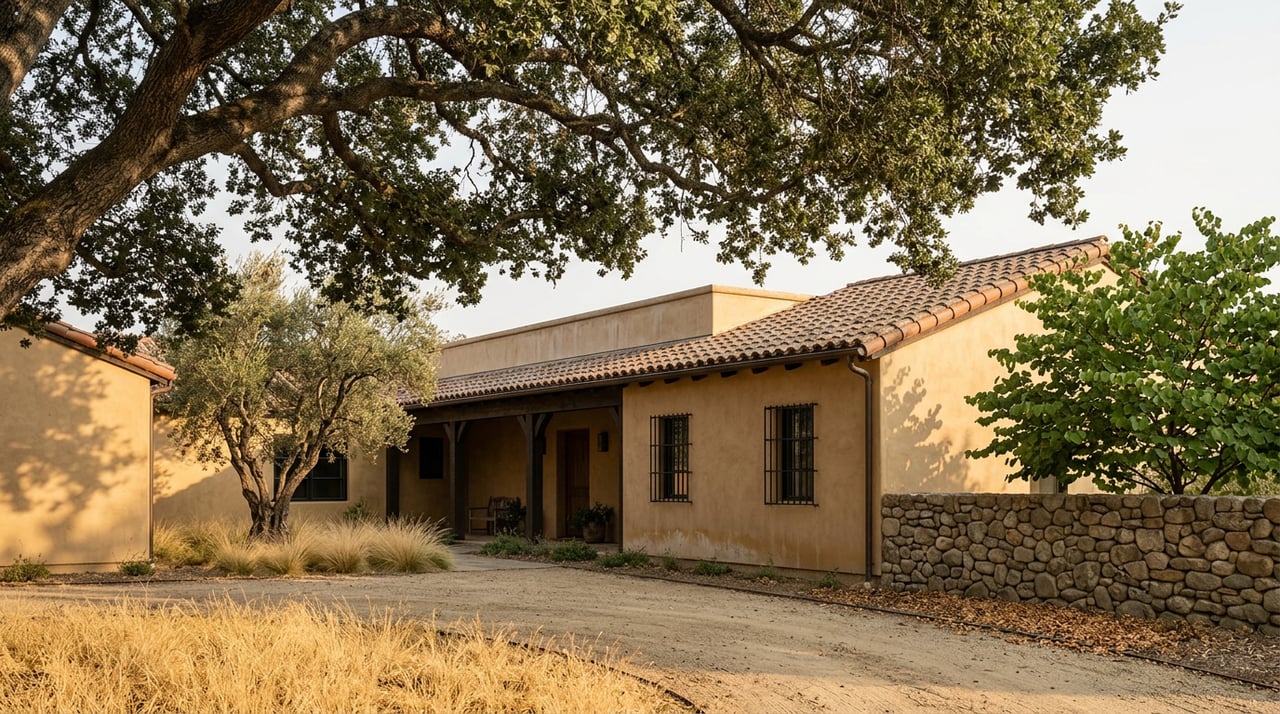
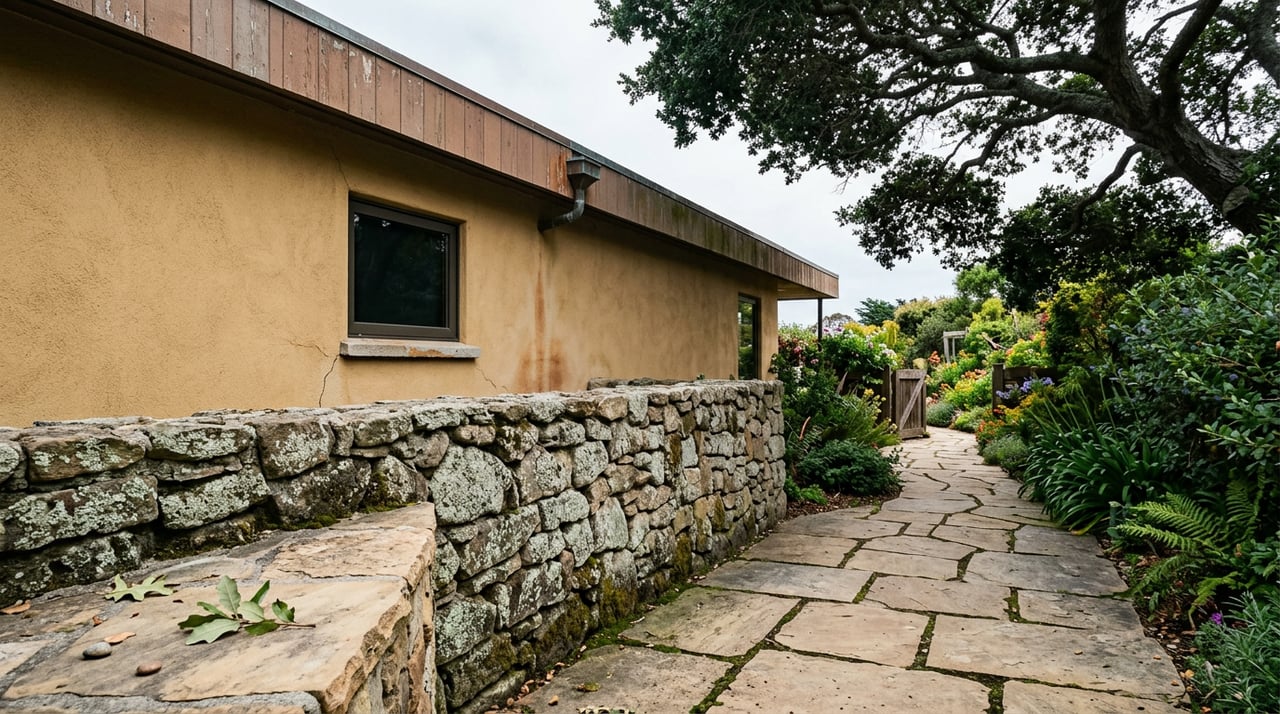
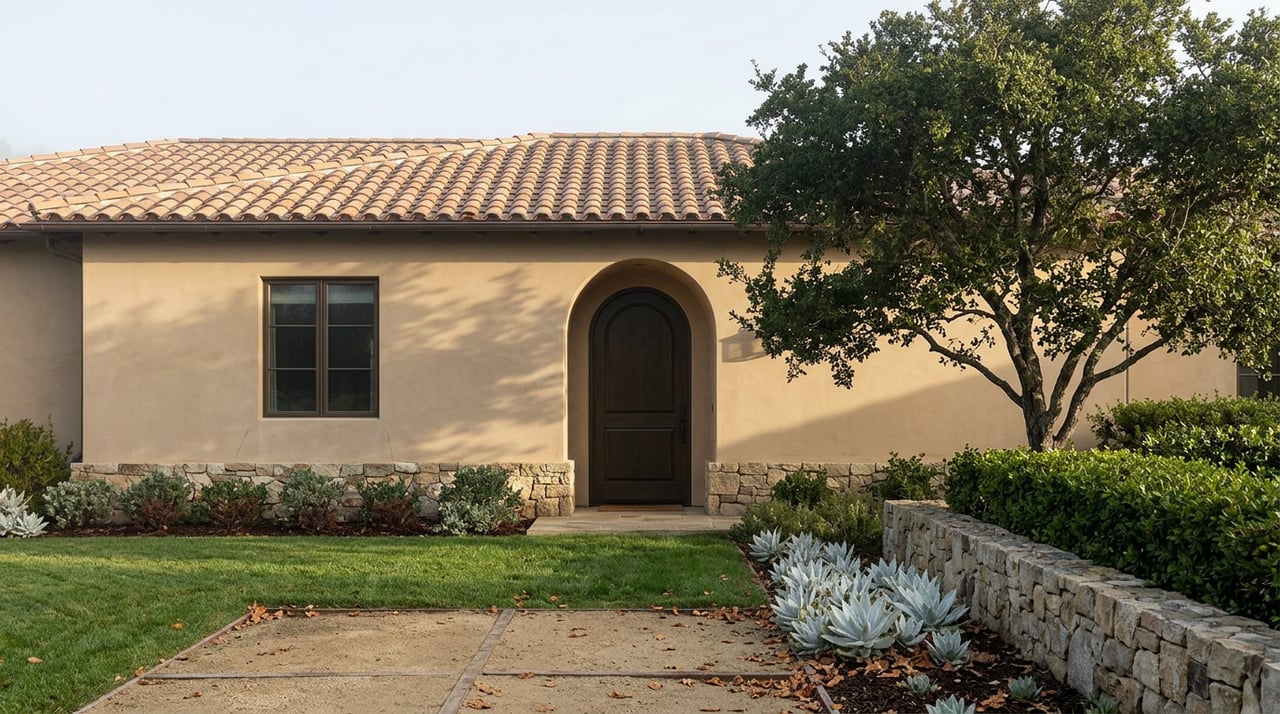
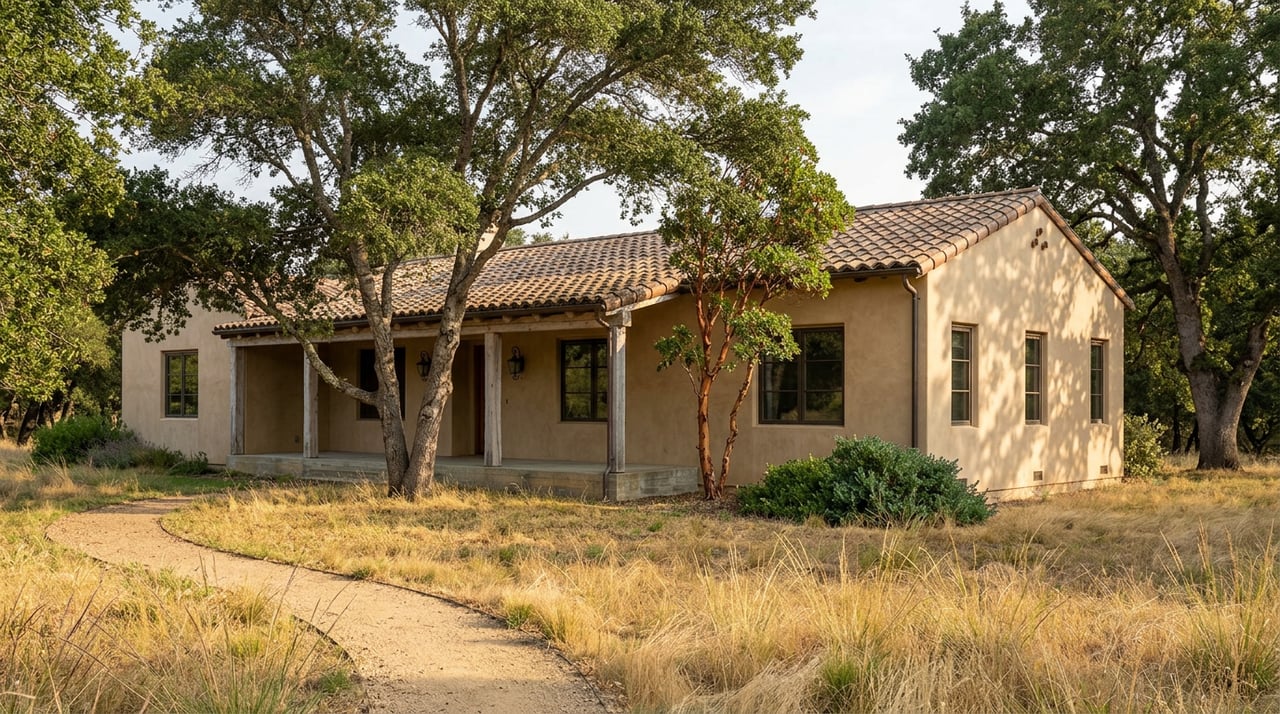
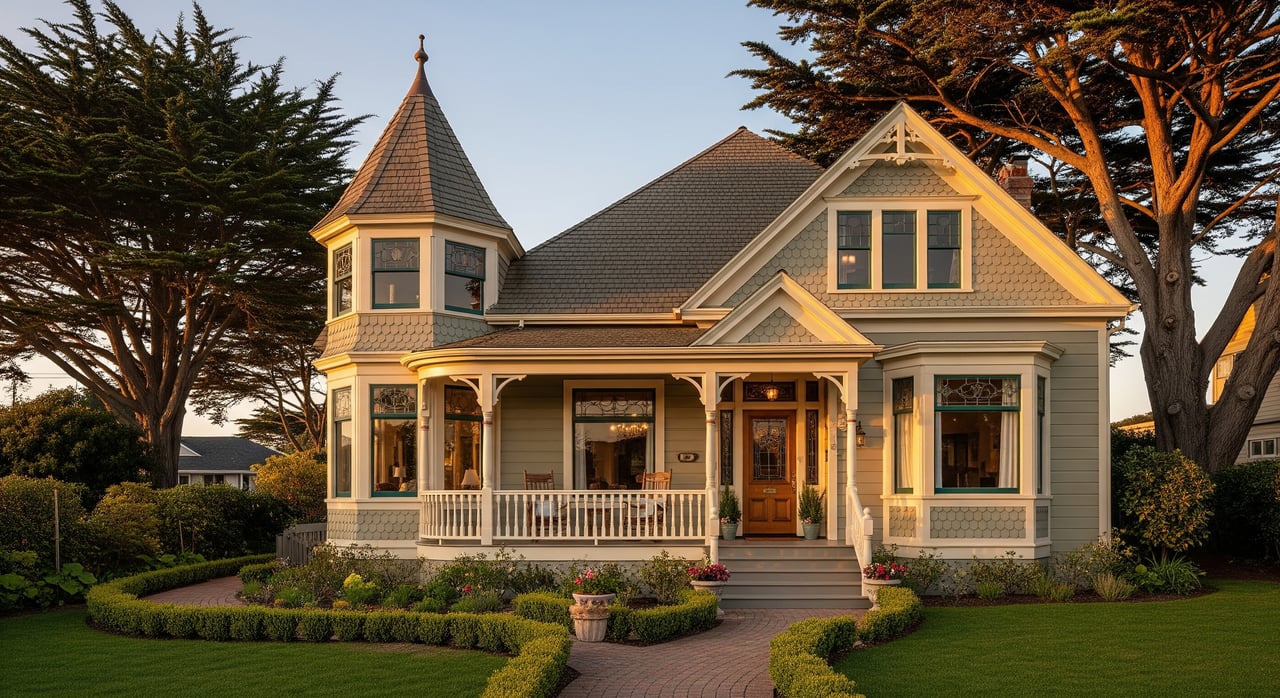
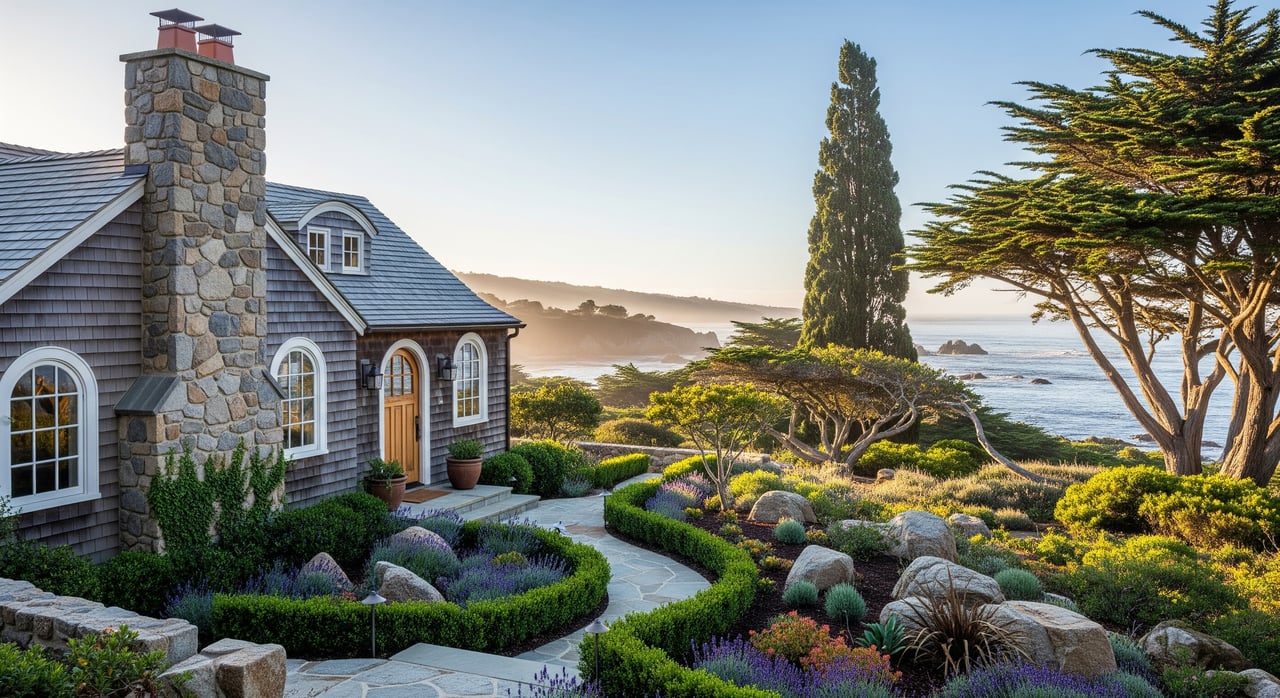
If you are drawn to Carmel Highlands, you are probably not choosing between two ordinary home styles. You are choosing between two very different ways to experience the coast. One puts you close to the edge of the Pacific, while the other gives you elevation, privacy, and a broader sense of land. This guide will help you compare oceanfront and hillside living in Carmel Highlands so you can decide which setting fits your lifestyle and priorities. Let’s dive in.
Carmel Highlands Setting
Carmel Highlands is an unincorporated Monterey County community in the Carmel Area, located south of Rio Road and west of Highway 1. According to Monterey County coastal planning materials, it includes the hills above Highway 1 just south of Point Lobos, between Wildcat and Malpaso Creeks.
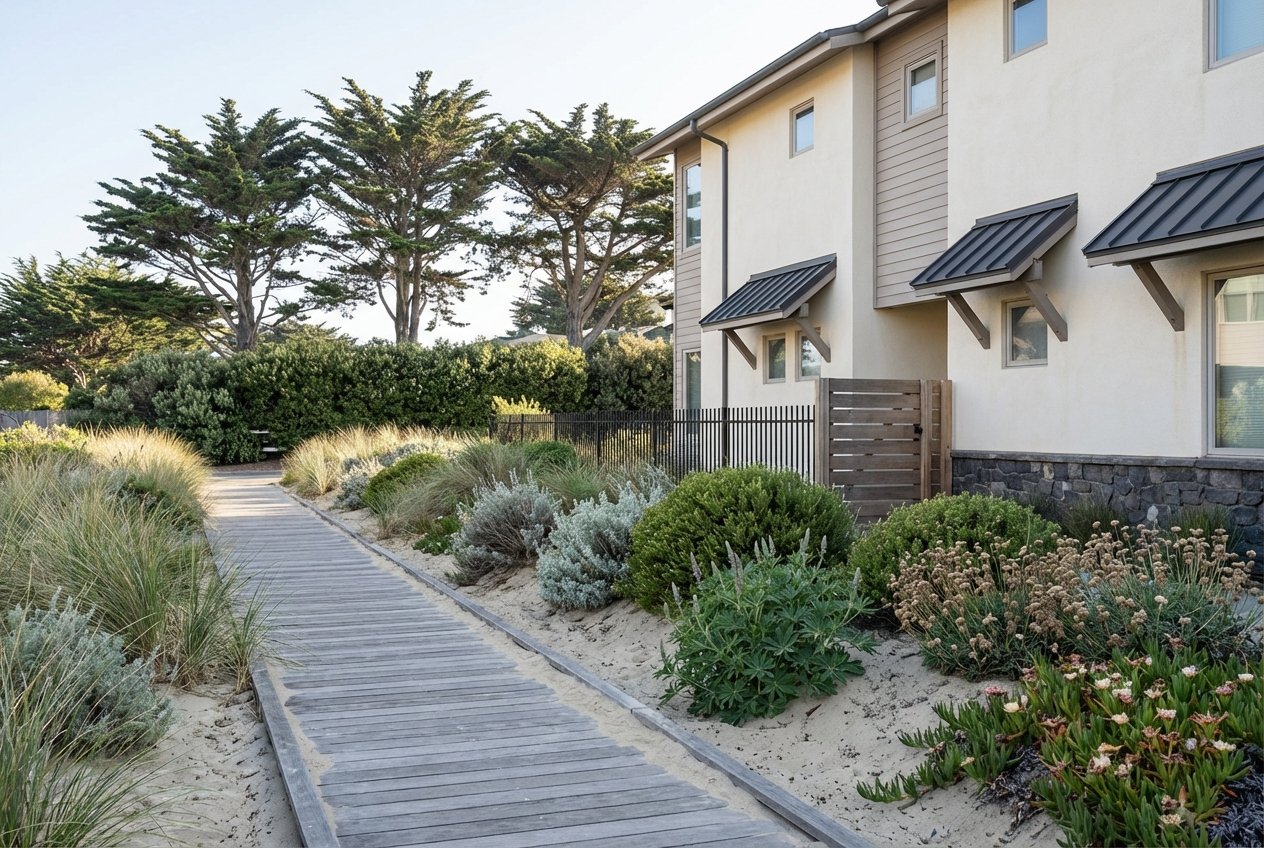
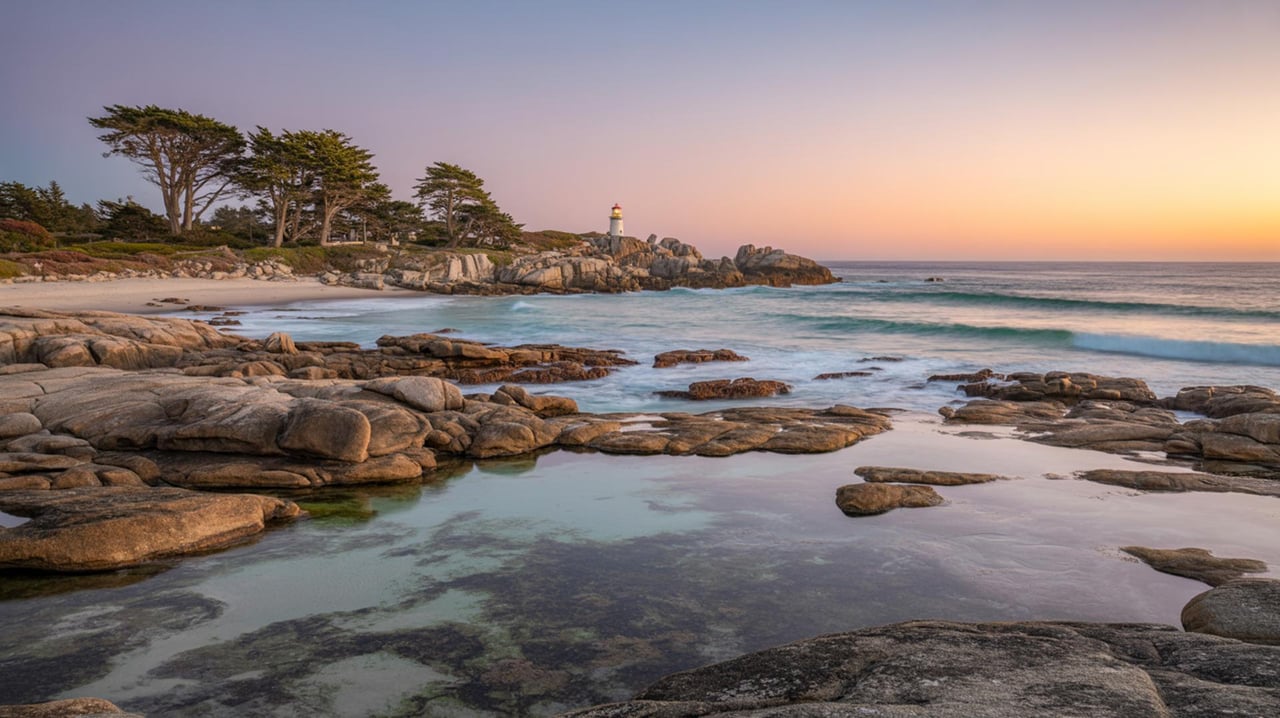
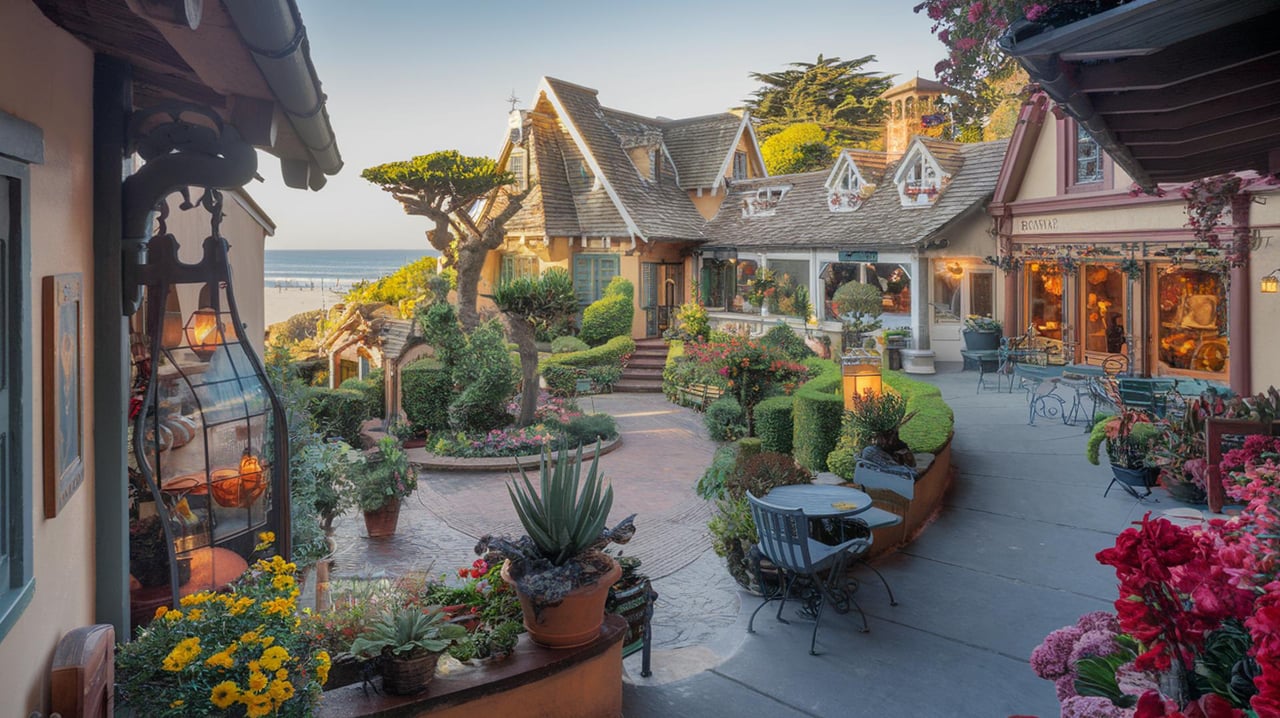
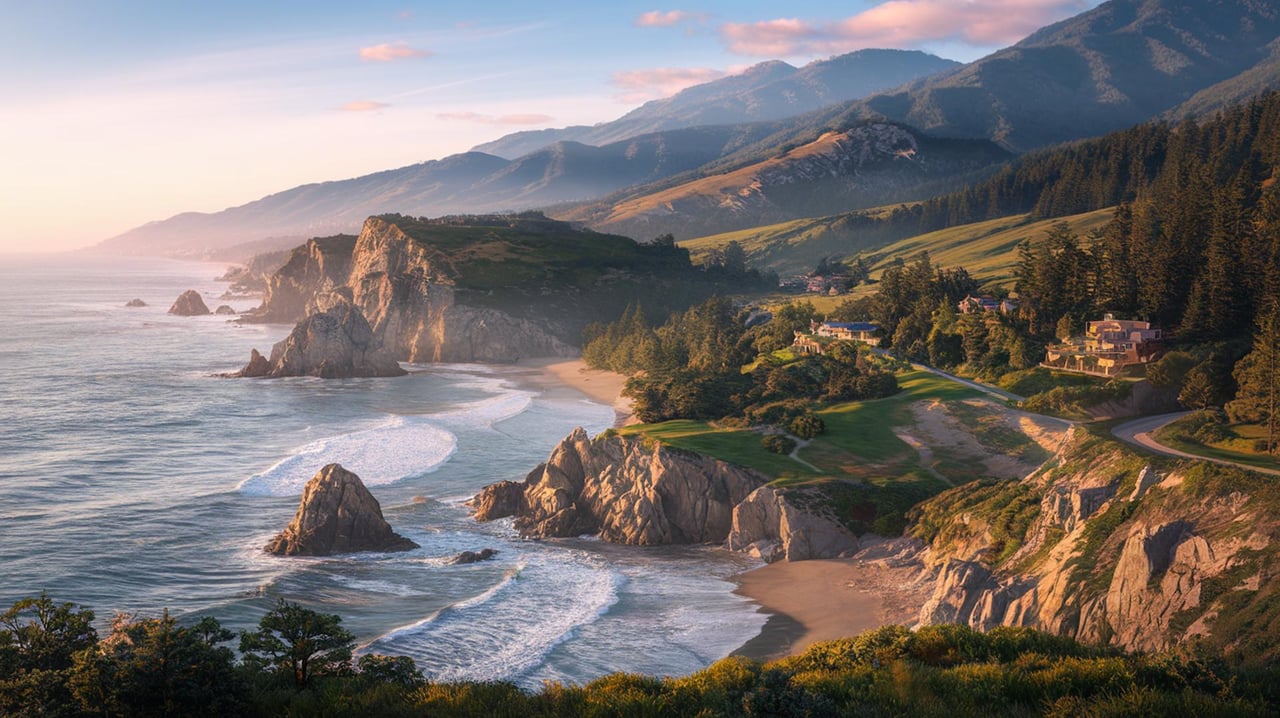
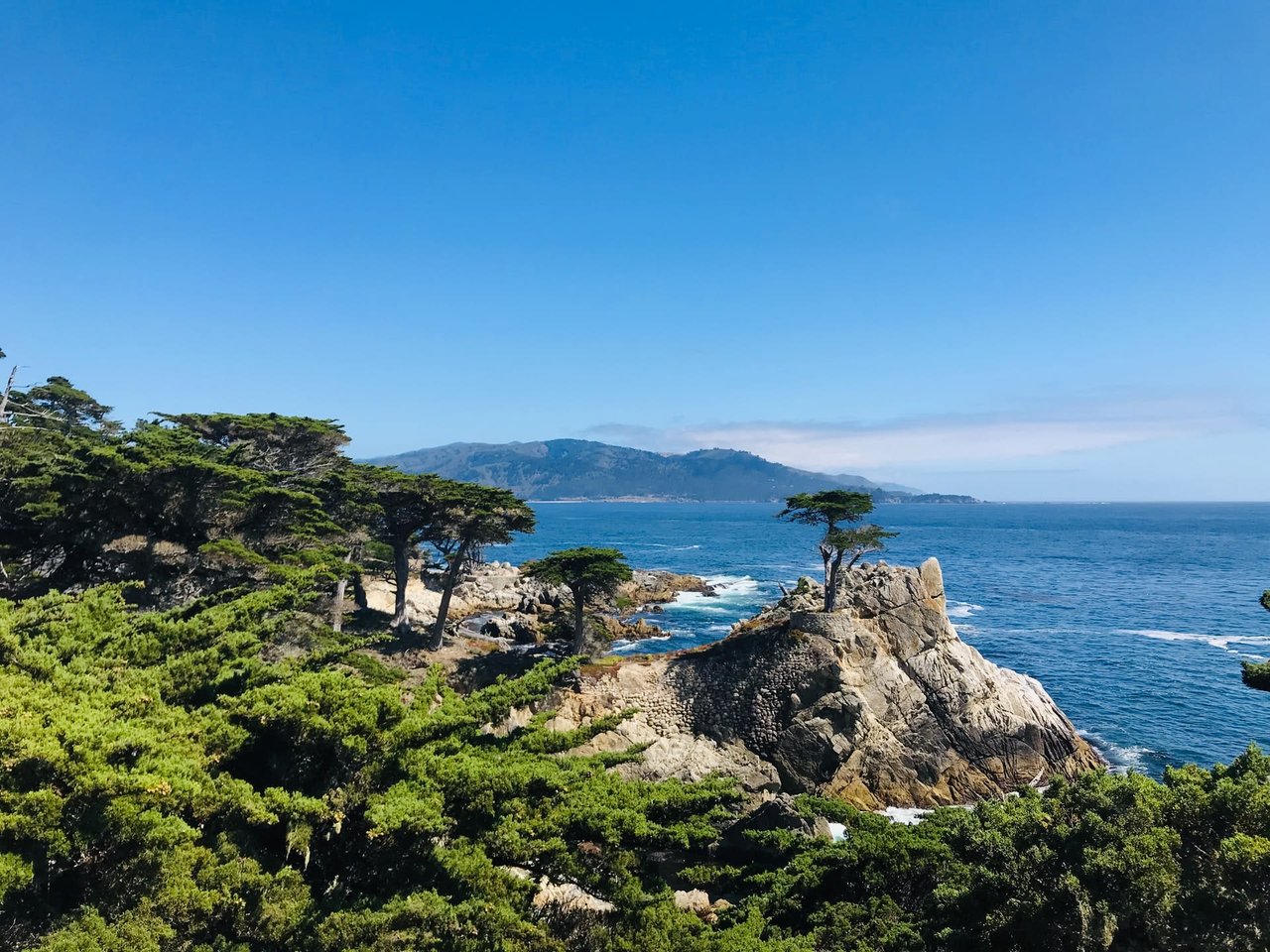
That geography matters because “oceanfront” and “hillside” mean something specific here. In Carmel Highlands, oceanfront living is often bluff-front or beach-adjacent rather than a classic sandy beachfront setting. A Coastal Commission case involving a bluff-front parcel near Malpaso Creek shows how close some homes can sit to the sea, with access patterns shaped by bluffs, trails, and coastal setbacks.
Oceanfront Living Feel
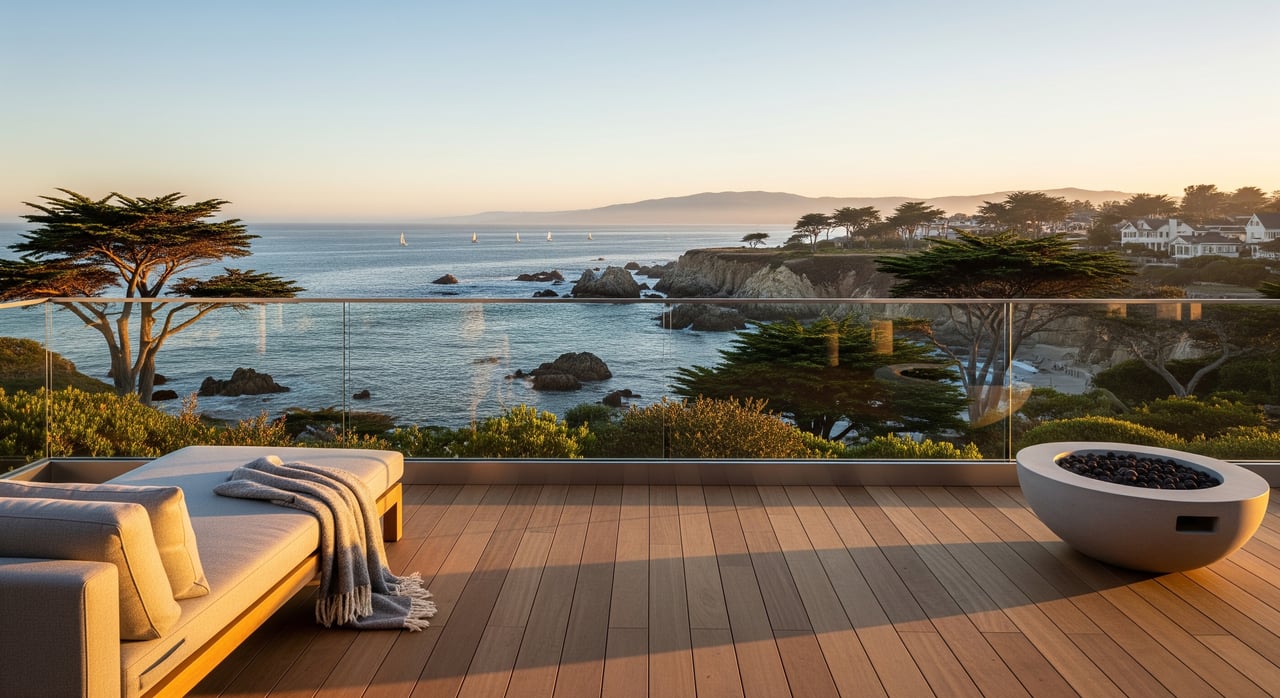
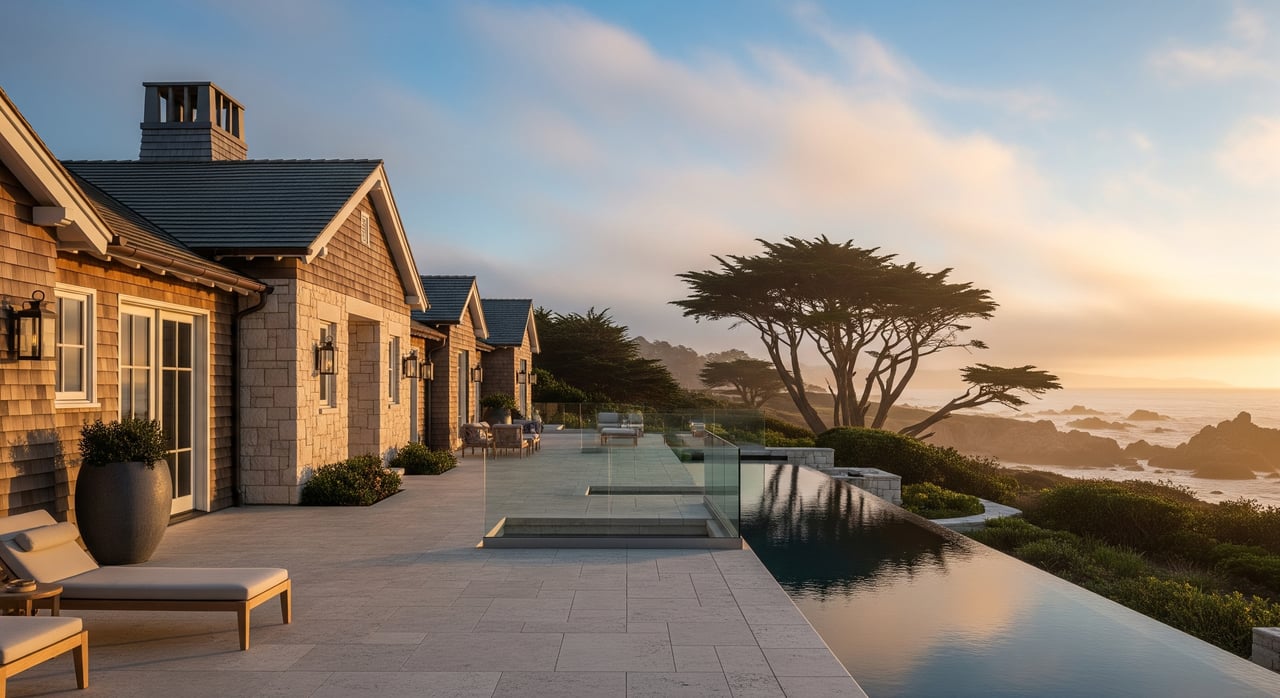
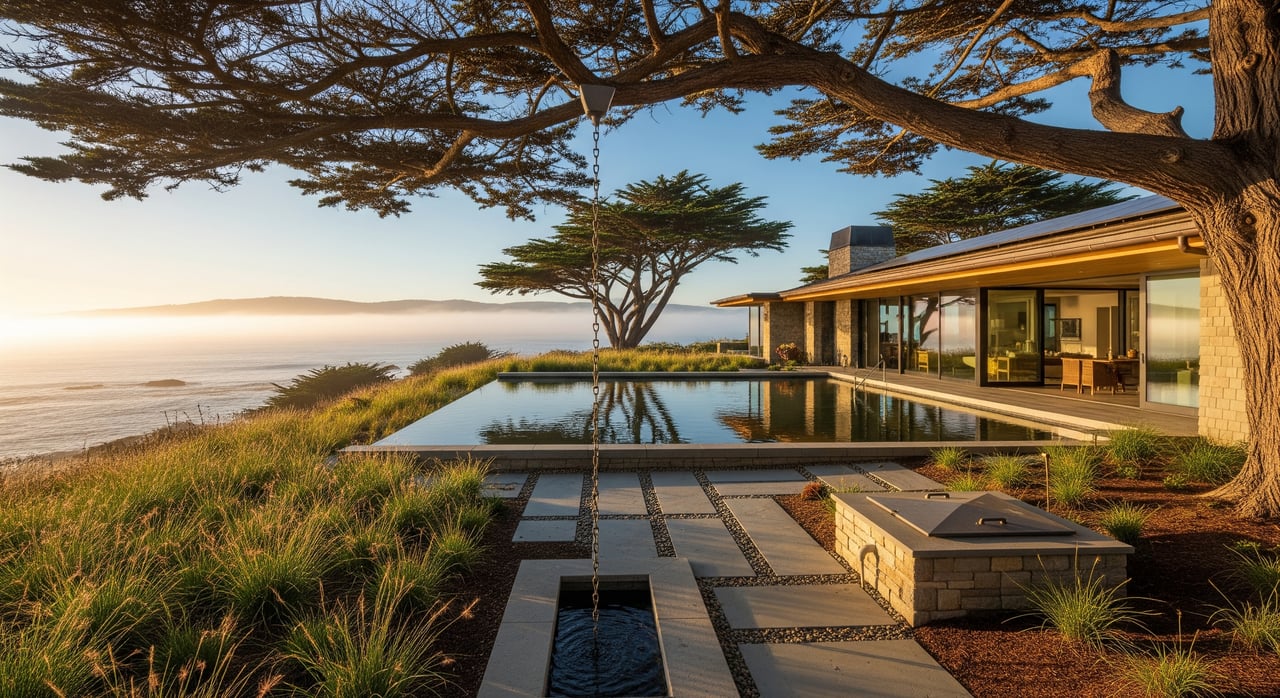
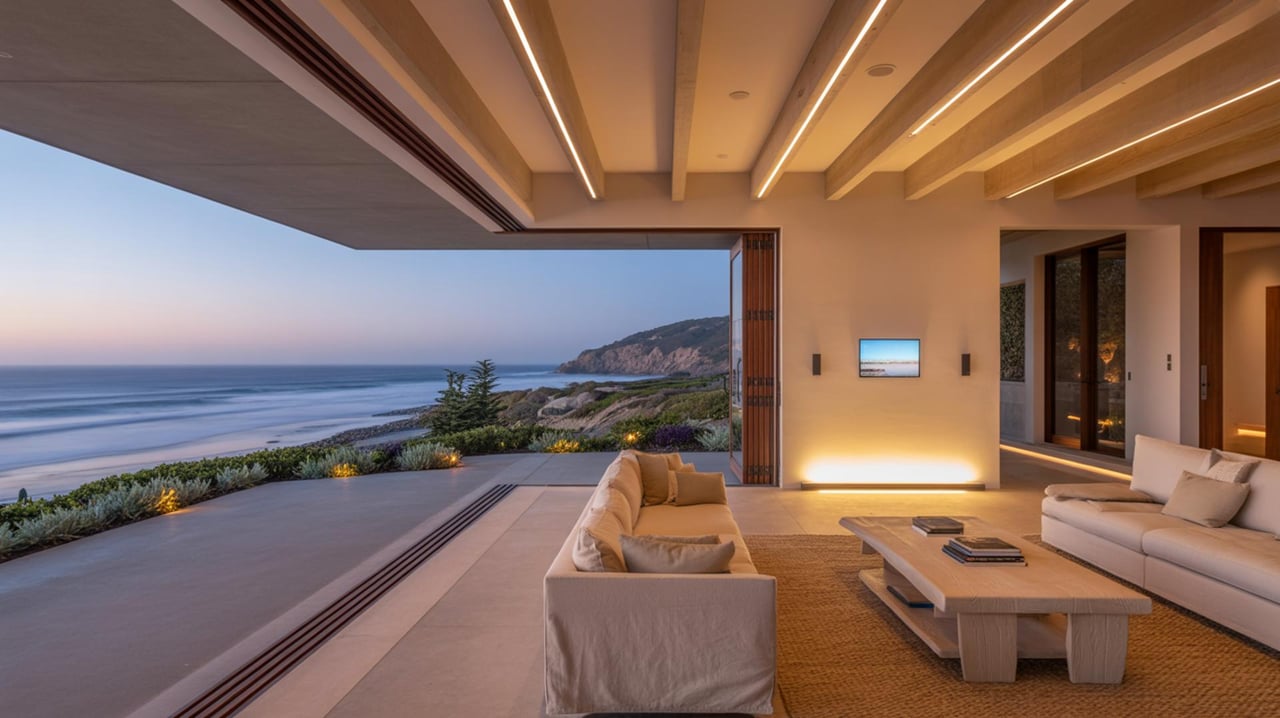
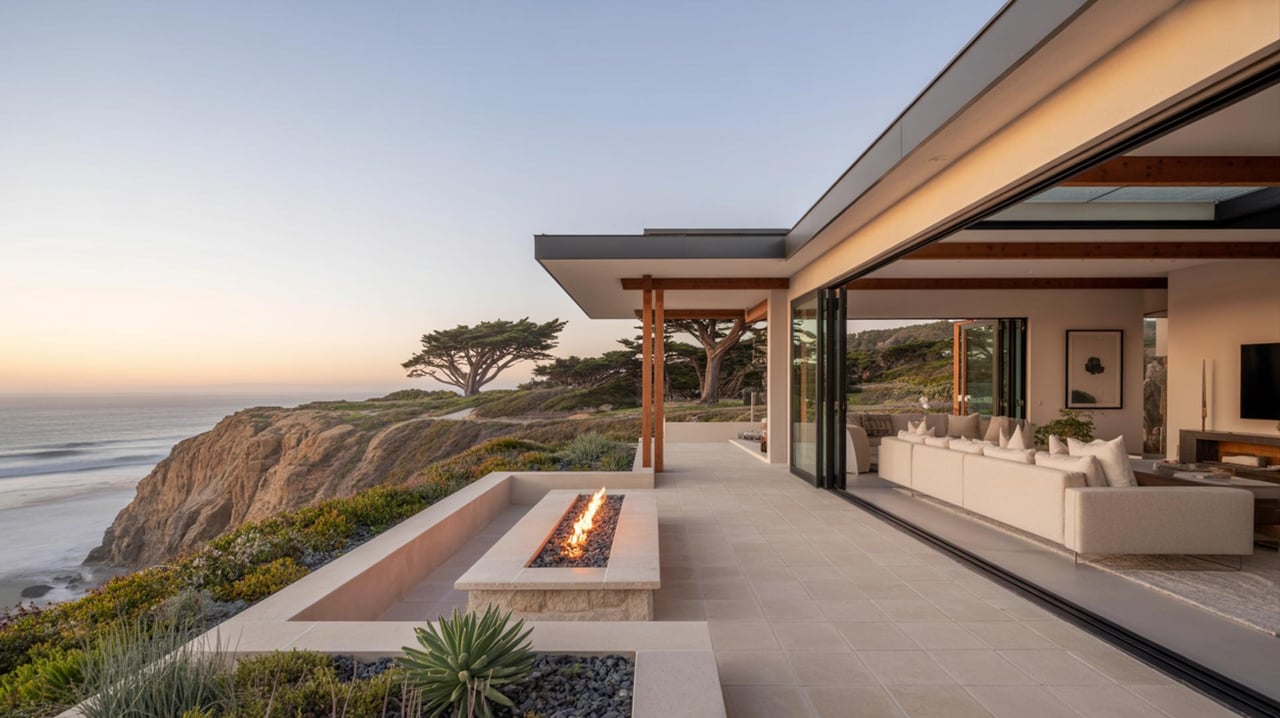
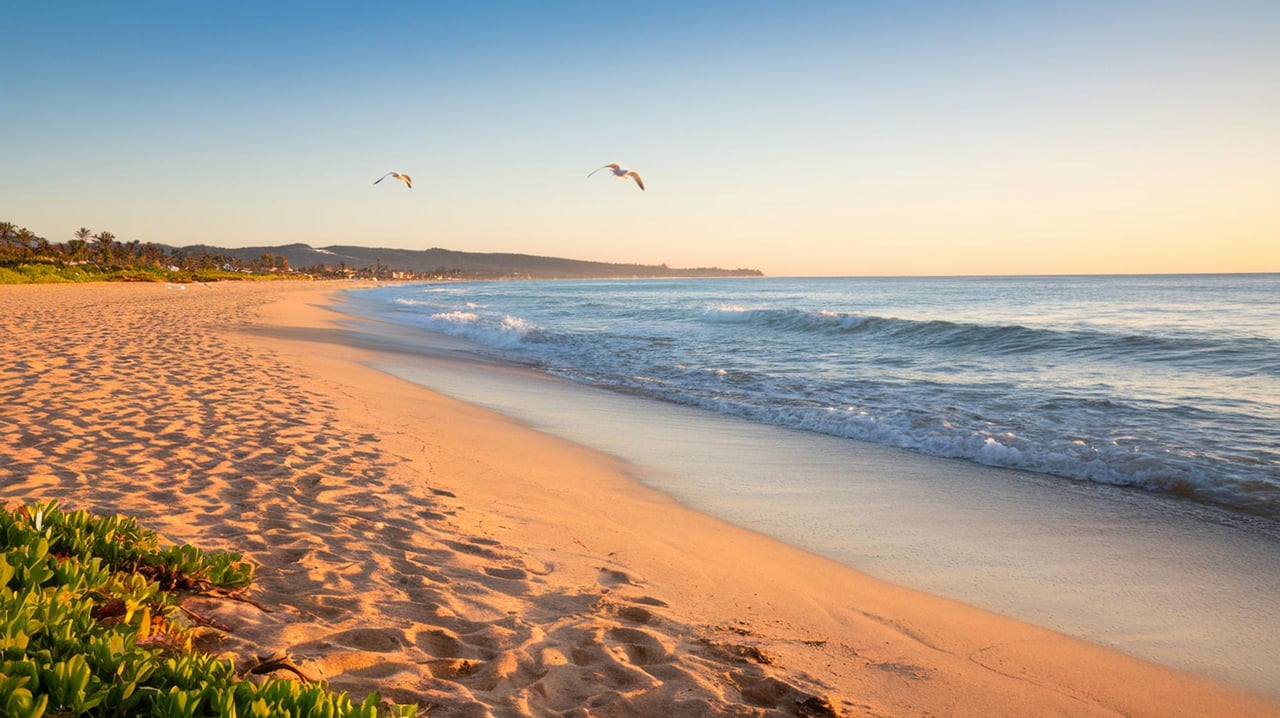
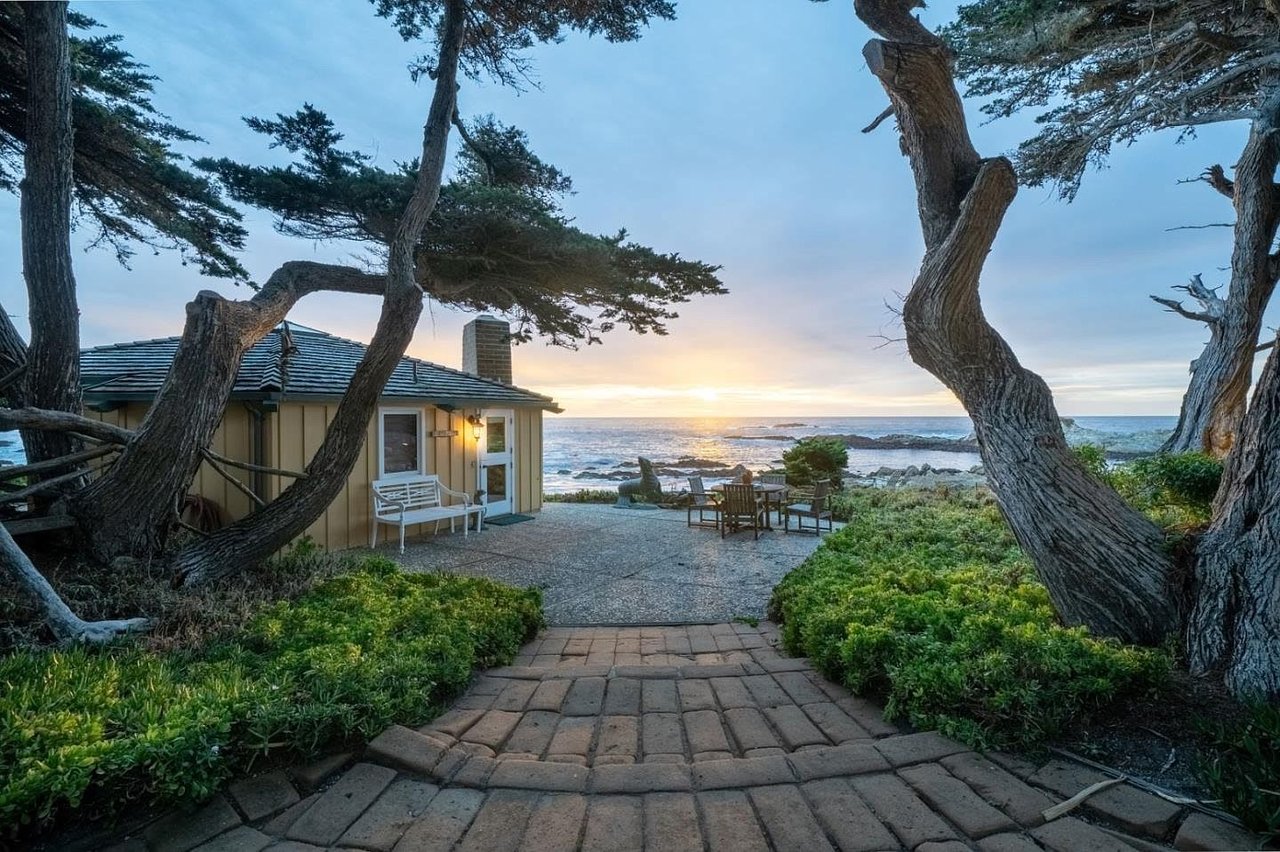
Oceanfront living in Carmel Highlands is about immediacy. You feel closer to the water, the wind, and the shifting light that defines this stretch of the Peninsula. The setting can feel dramatic and immersive, especially on parcels positioned above coves, creek mouths, or open bluff edges.
That daily experience is also shaped by the local marine climate. NOAA climate normals for the Monterey area show a mild year-round pattern, with average monthly highs ranging from 58.2°F in December to 68.2°F in September and annual precipitation totaling 17.11 inches.
Along the coast, temperature is only part of the story. USGS research on Pacific coastal fog explains how ocean-land interactions and topography shape marine fog. In practical terms, bluff-front homes are more likely to feel cooler, breezier, and more exposed to salt air, especially when the marine layer stays low along the shoreline.
Hillside Living Feel
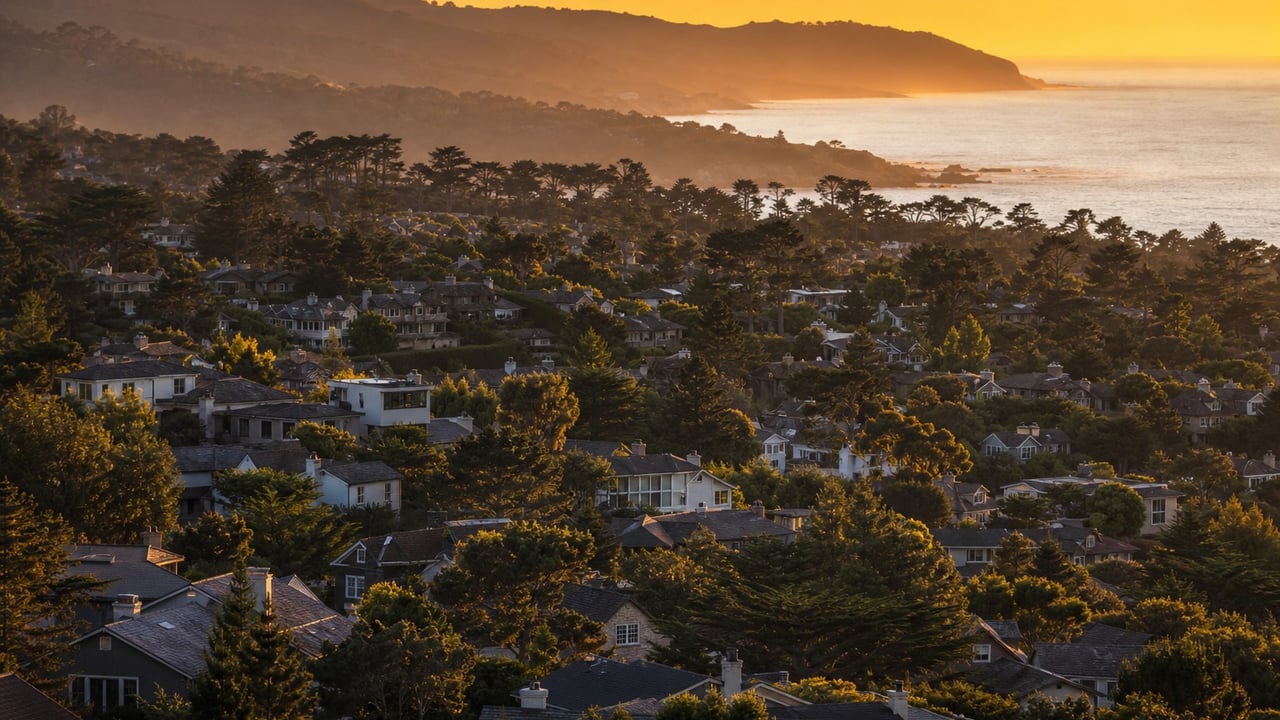
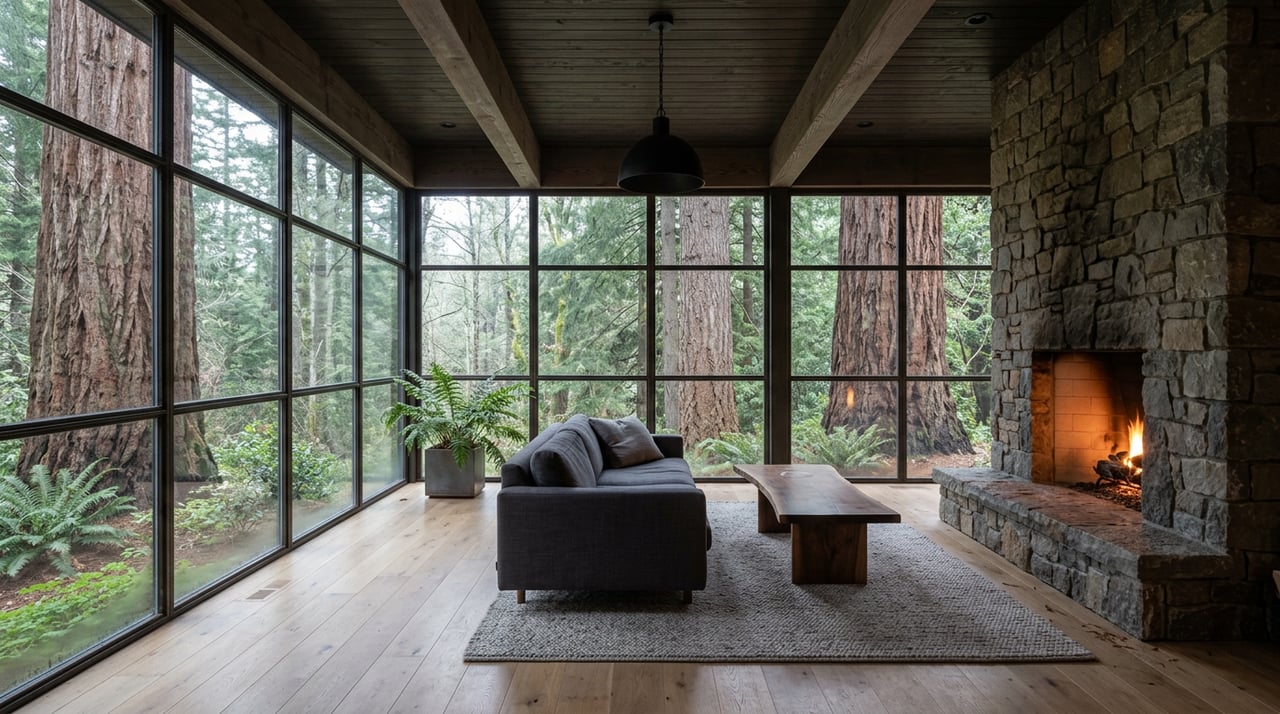
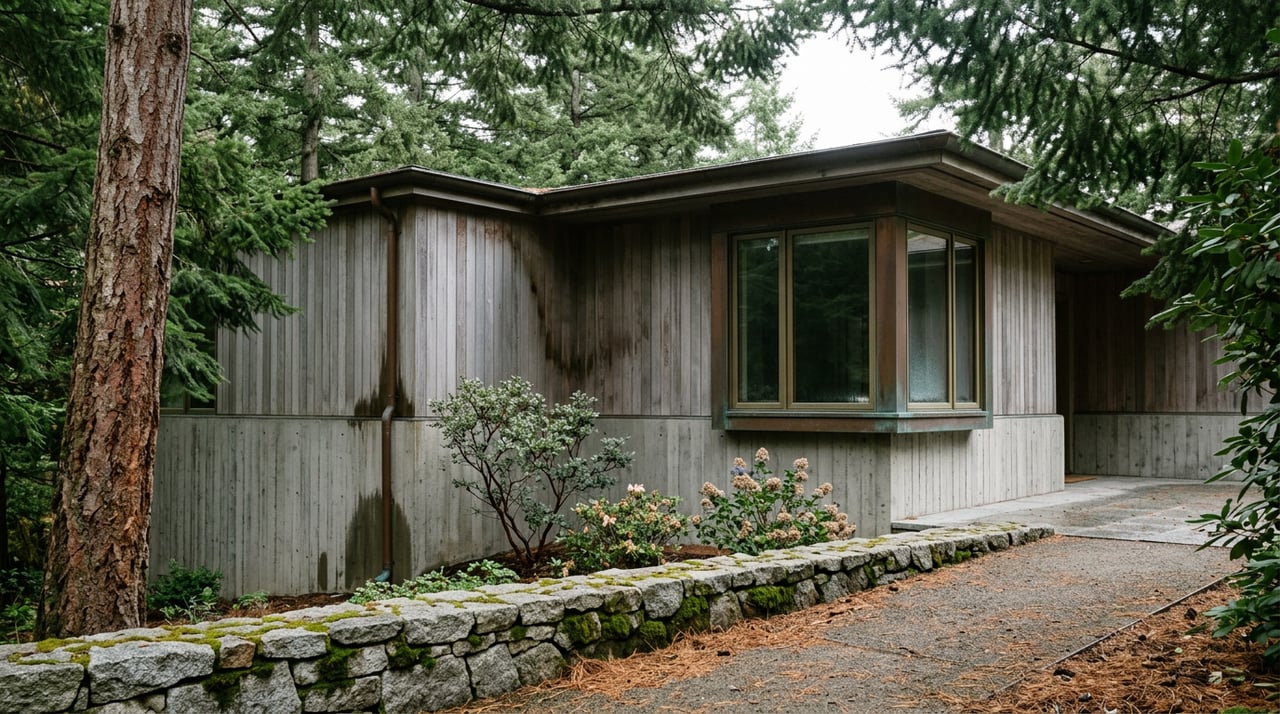
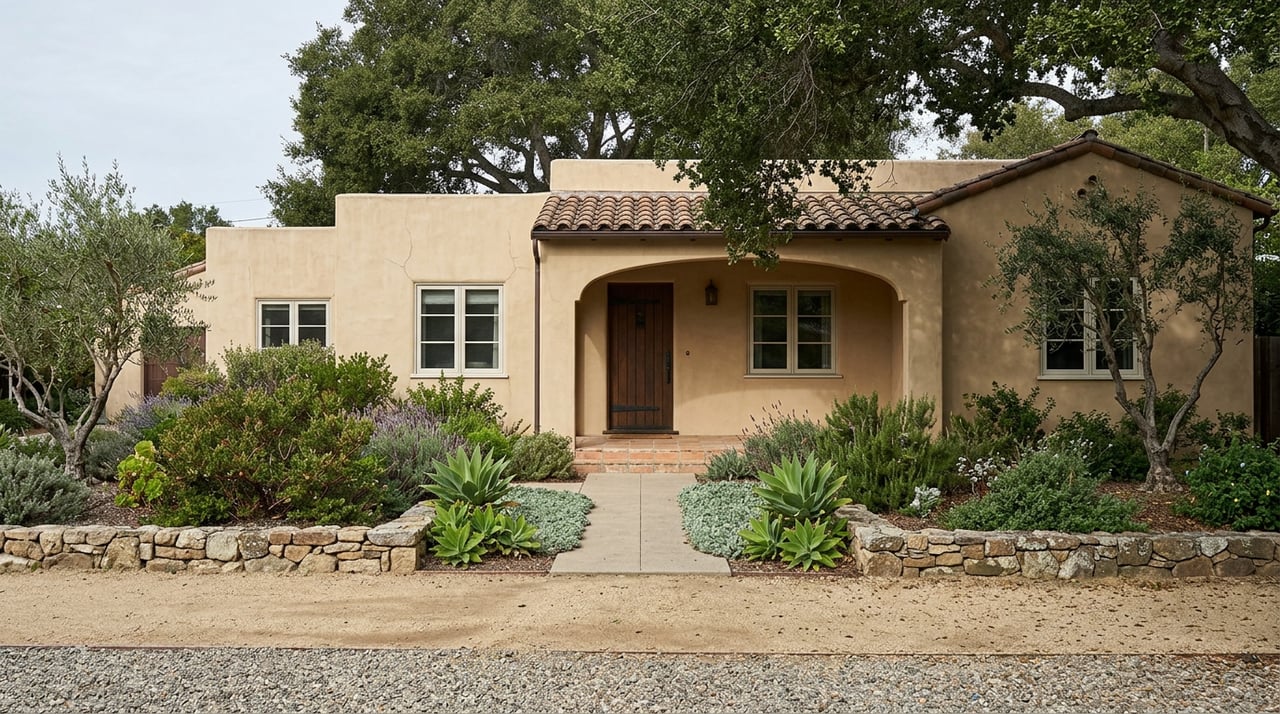
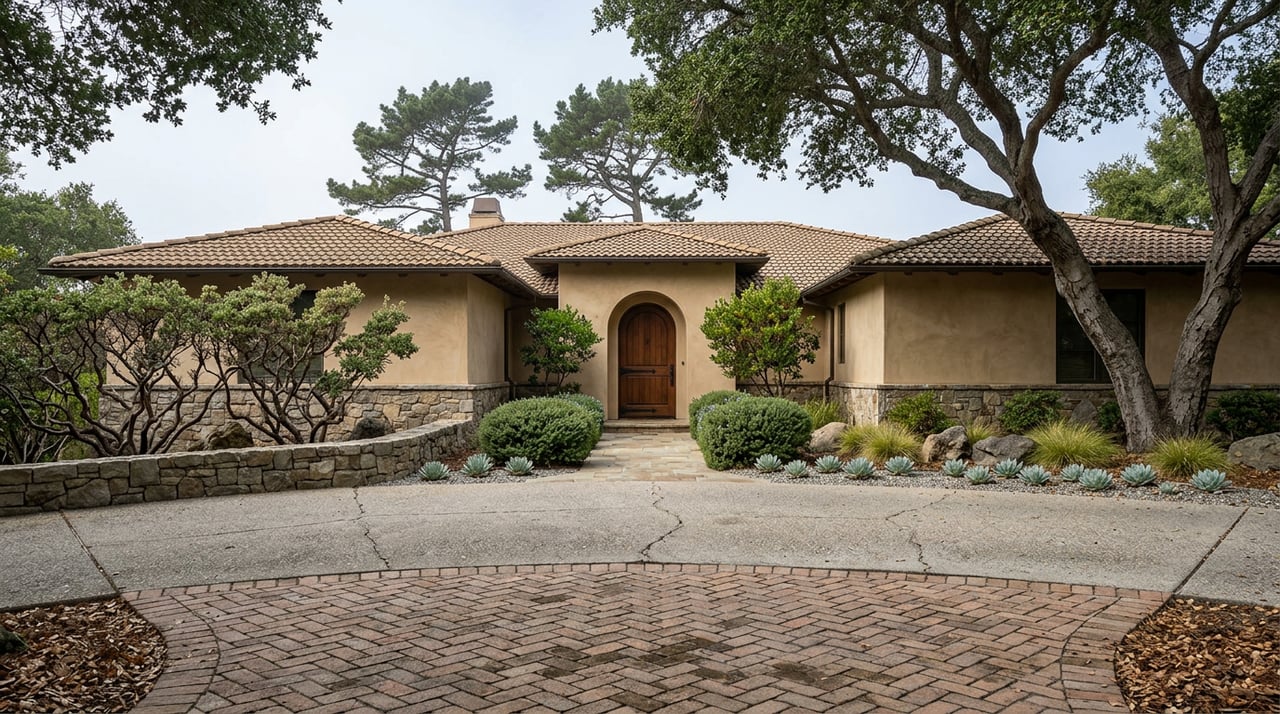
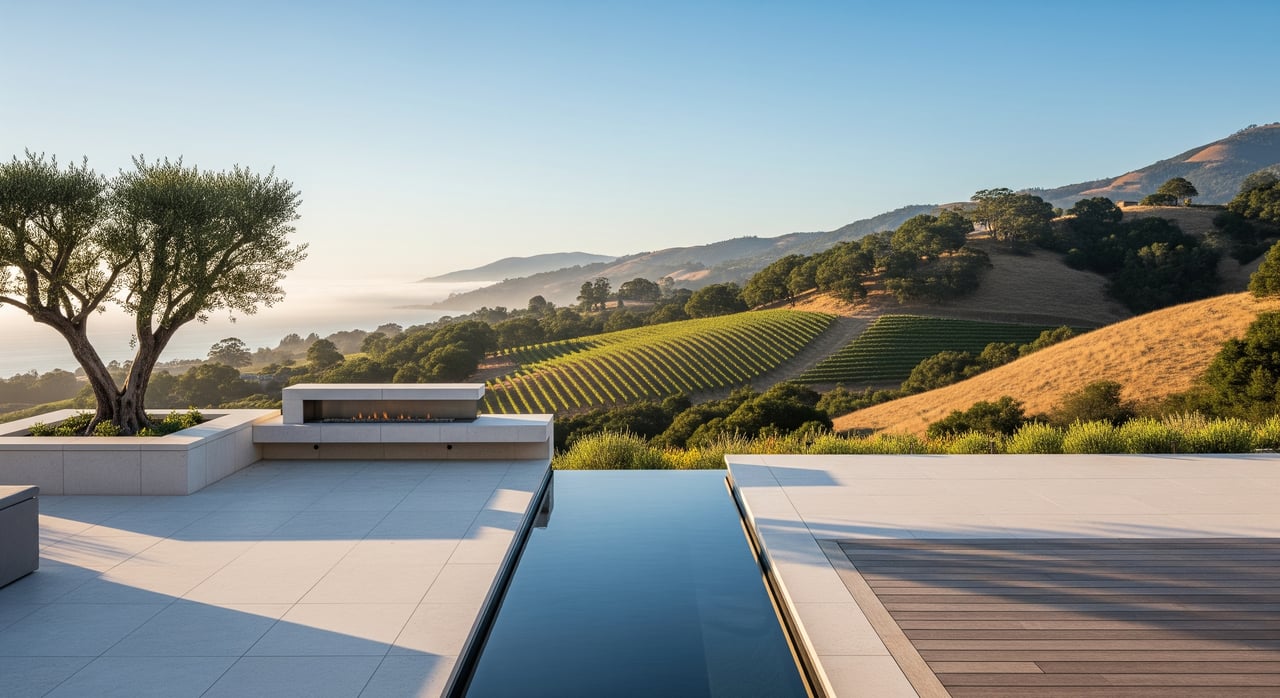
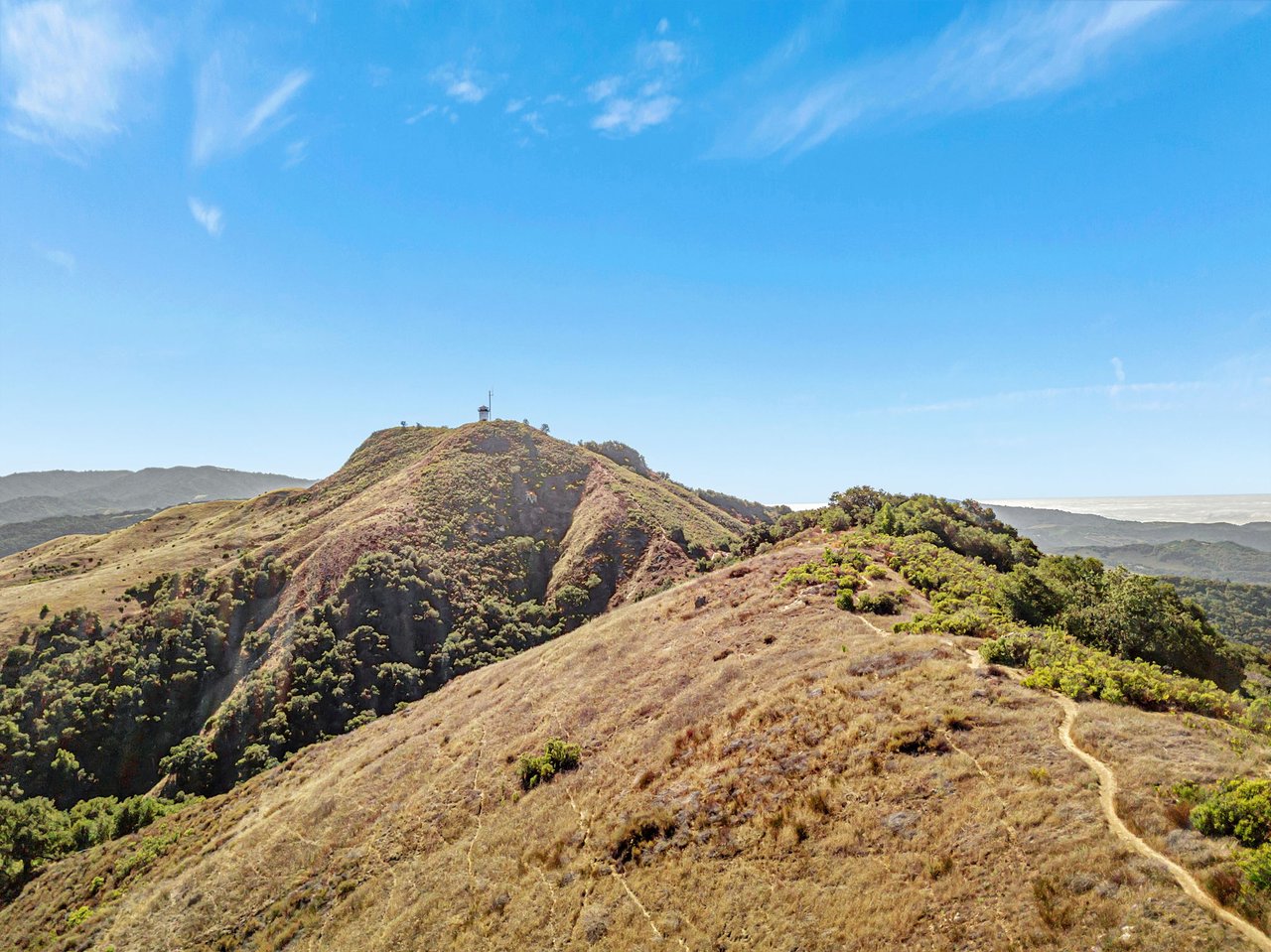
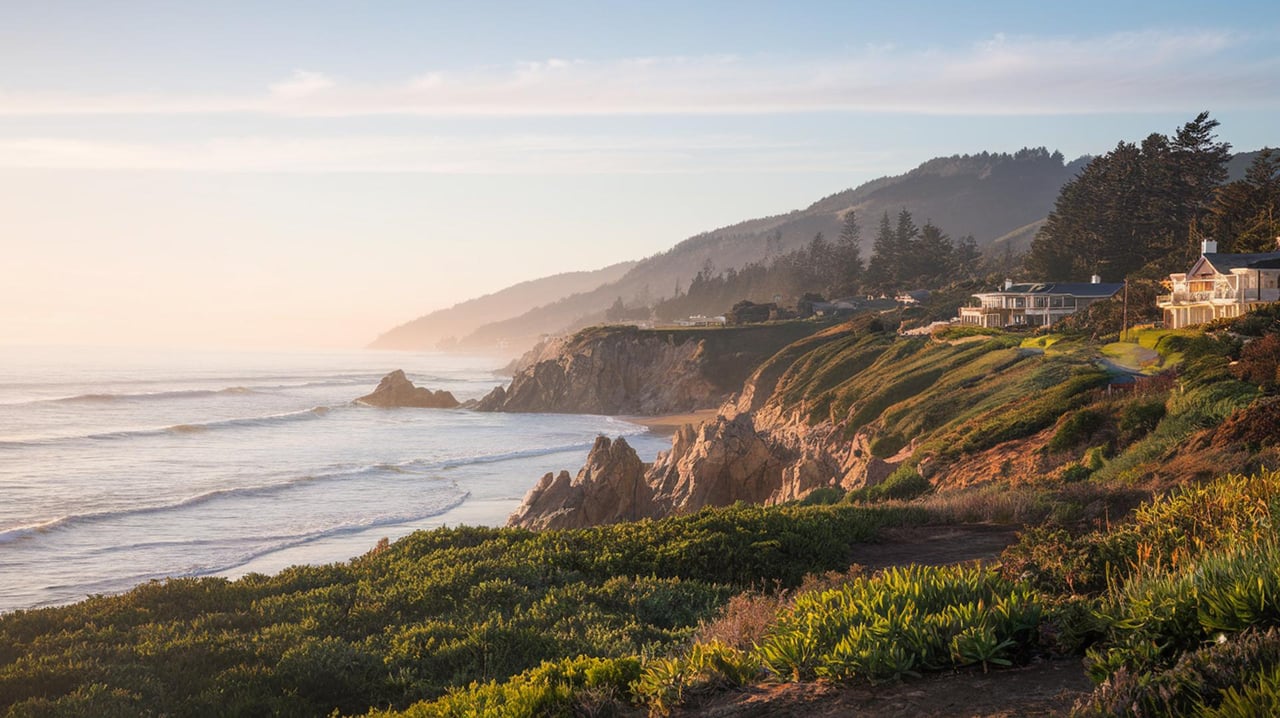
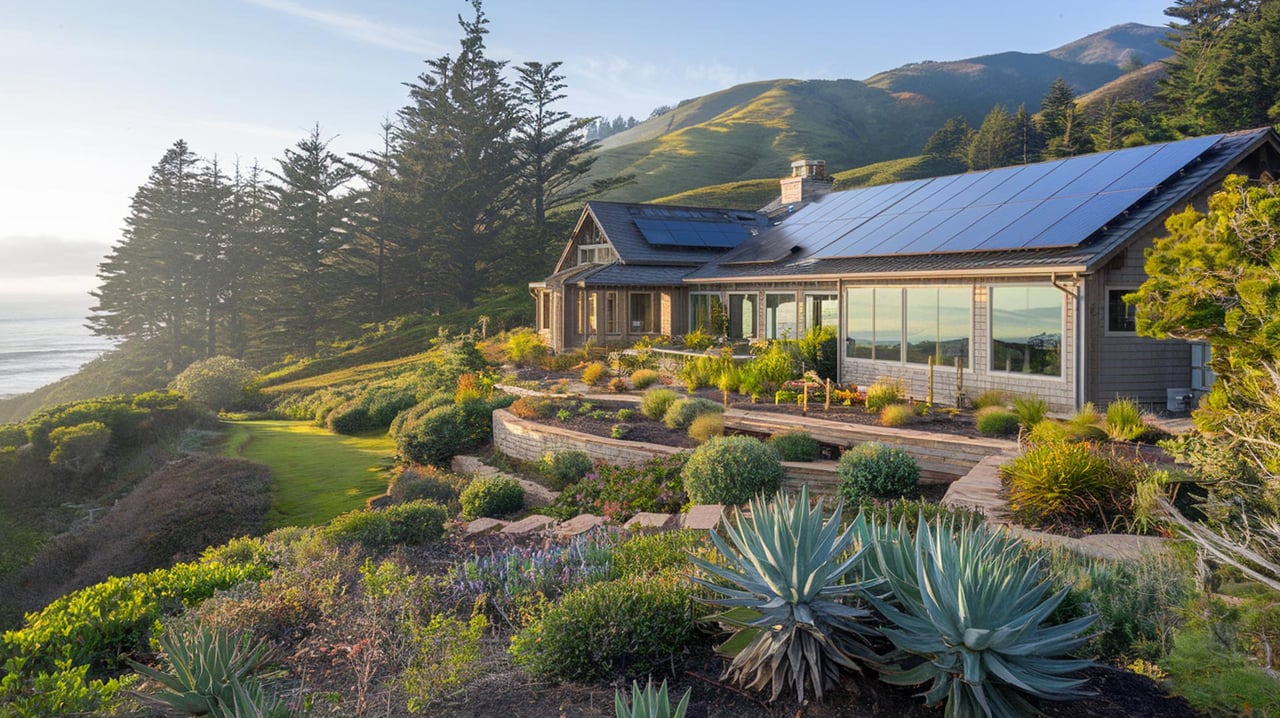
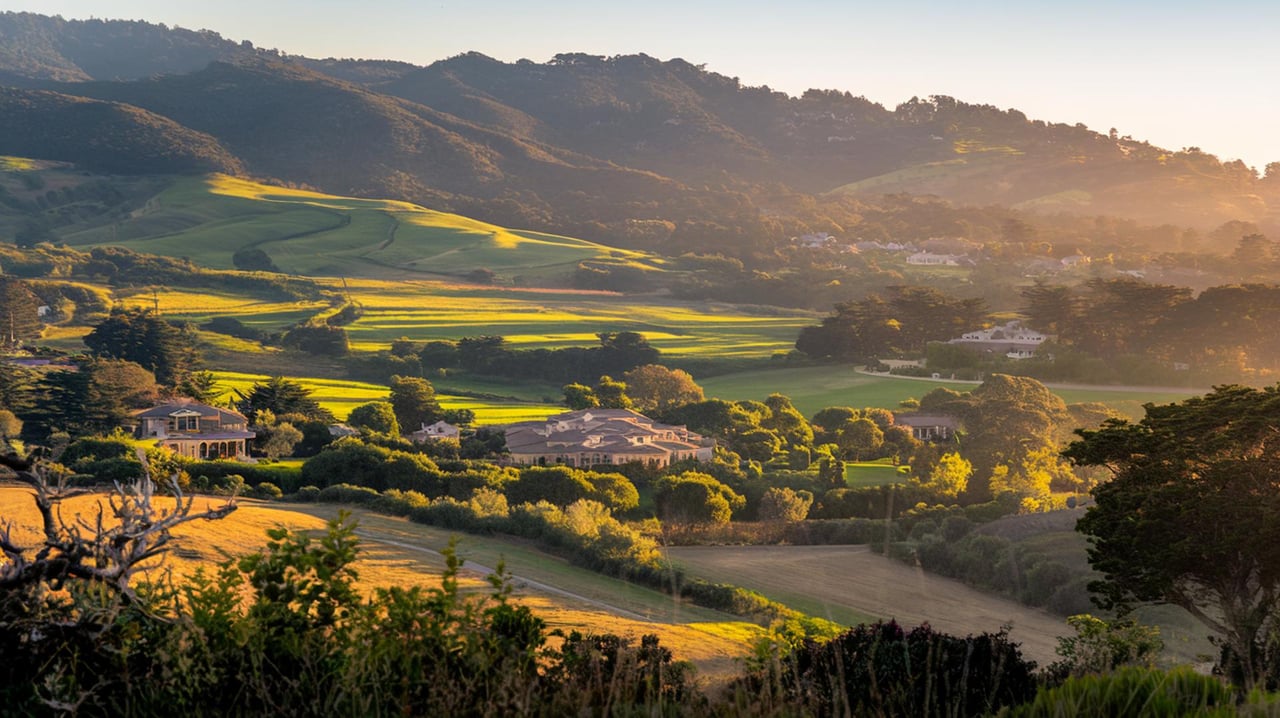
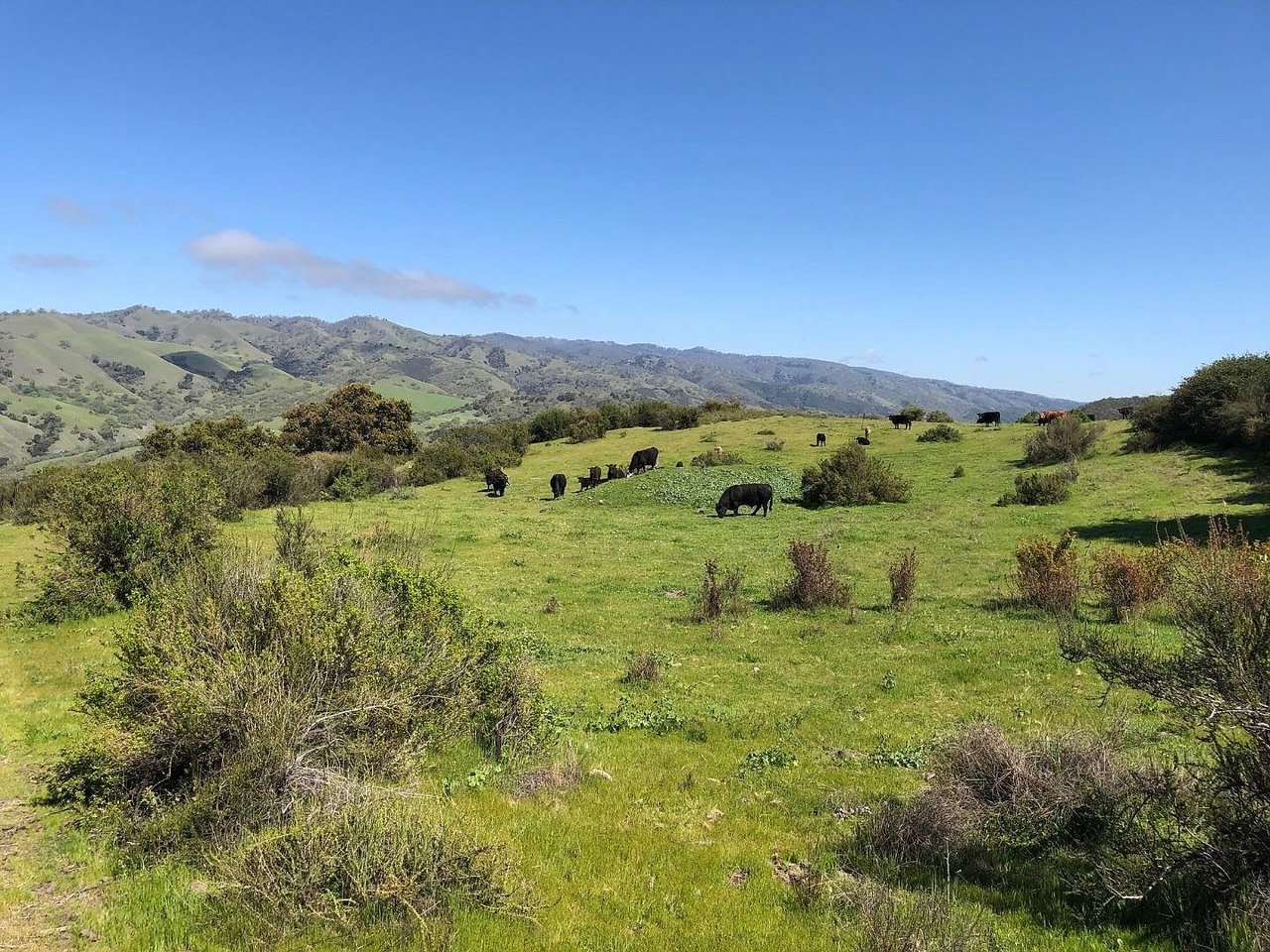
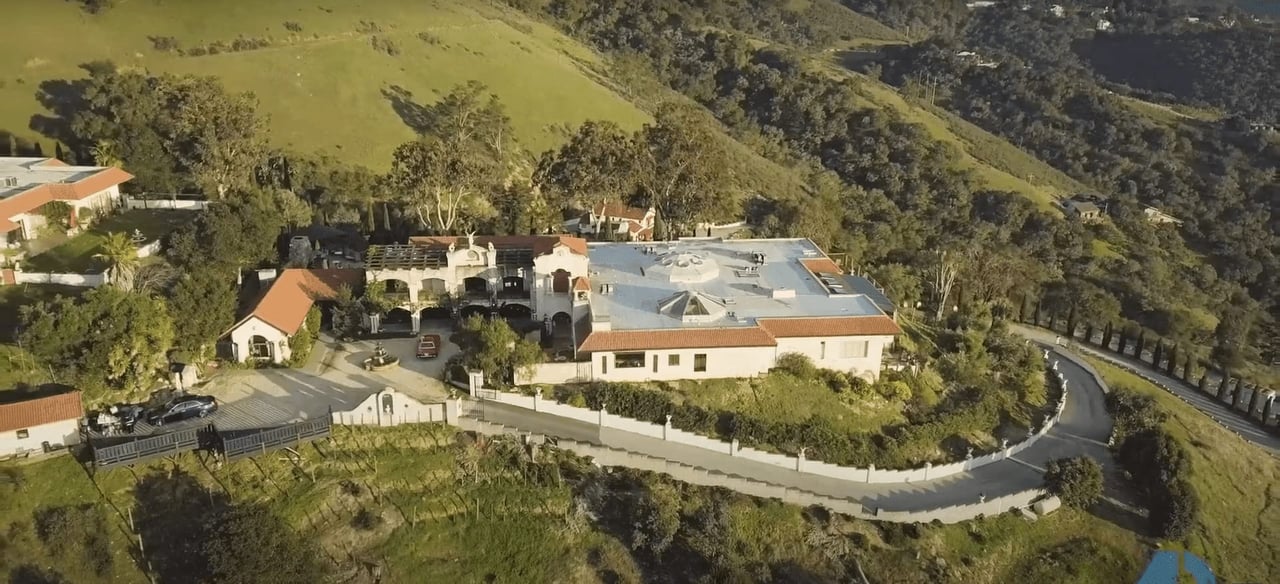
Hillside living in Carmel Highlands offers a different rhythm. Instead of standing at the edge of the water, you are often living with more topography, more vegetation, and a greater sense of separation from Highway 1 and public viewpoints. That can create a quieter, more tucked-away estate feel.
The hillside setting may also affect your day-to-day experience of weather and light. Depending on elevation and marine layer depth, some hillside homes can sit above low coastal fog on certain mornings, while deeper marine layers can still push clouds upslope. The result is not a guarantee of sun, but often a more varied relationship with light, shelter, and exposure.
Views And Privacy
For many buyers, this is the real deciding factor. Do you want a direct, immediate ocean outlook, or do you want broader, more layered views with a stronger sense of retreat?
Oceanfront properties often deliver the most dramatic connection to the Pacific. But they can also be more visible. In the Malpaso Creek Coastal Commission findings, a bluff-front site was described as highly visible from northbound Highway 1 and from people walking toward Malpaso Beach.
Hillside properties often offer a different kind of visual experience. Coastal Commission materials on hillside parcels describe dense vegetation, steep slopes, and large parcels with roadways climbing to upper building areas. Those same policies emphasize siting homes and roads so they are not visible from major public viewpoints, which supports a more private, visually quiet character.
Access And Daily Use
Access in Carmel Highlands is not always simple, and that is part of the appeal for many buyers. Ocean-adjacent properties may offer a strong connection to the shoreline, but access can be shaped by trails, bluff conditions, and easement rules rather than easy walk-out beach use.
The Carmel Highlands Association manages beach easements at Yankee Point and offers gate keys for eligible residents and property owners within its boundaries. That means some coastal access in the Highlands works through a resident-restricted easement system, with rules tied to eligibility, safety, and private-property protections.
Hillside properties tend to shift the conversation from beach access to site access. A hillside parcel may have a longer driveway, steeper approach, or roadway extending to the top of the property. If you value a sense of arrival, larger grounds, and separation from coastal foot traffic, that pattern may feel more aligned with your goals.
Home And Site Characteristics
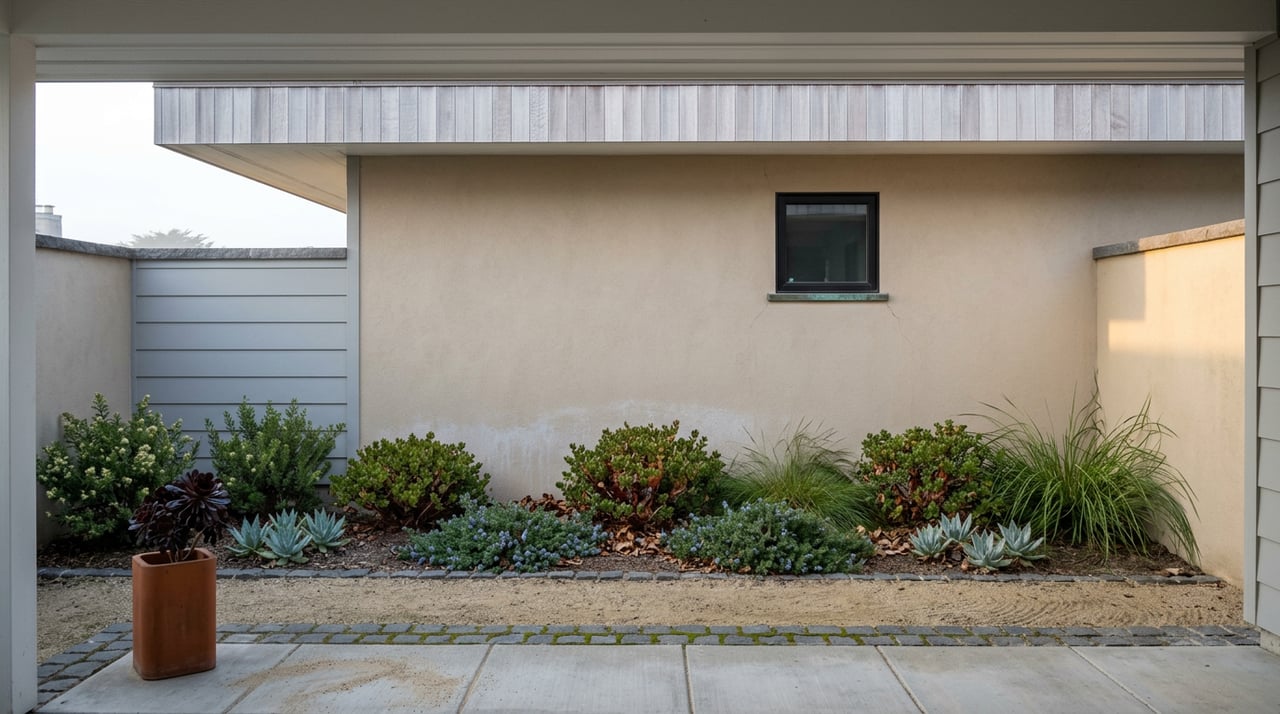
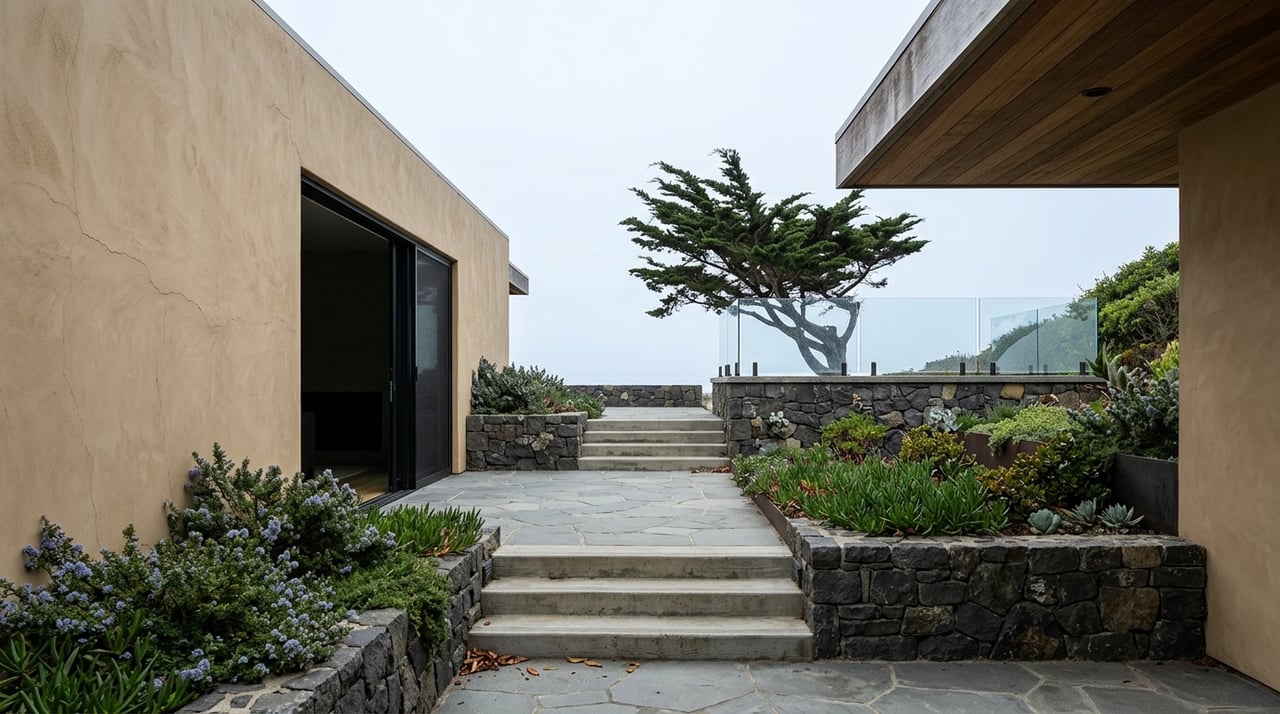
Oceanfront and hillside homes in Carmel Highlands often reflect different design priorities. Bluff-front examples in official records emphasize view-oriented architecture, low-glare glass, natural materials, native landscaping, and infrastructure placed away from the bluff edge. The same Carmel Riviera Coastal Commission record also notes practical considerations like individual septic systems and mutual water company service for some lots between Highway 1 and the Pacific.
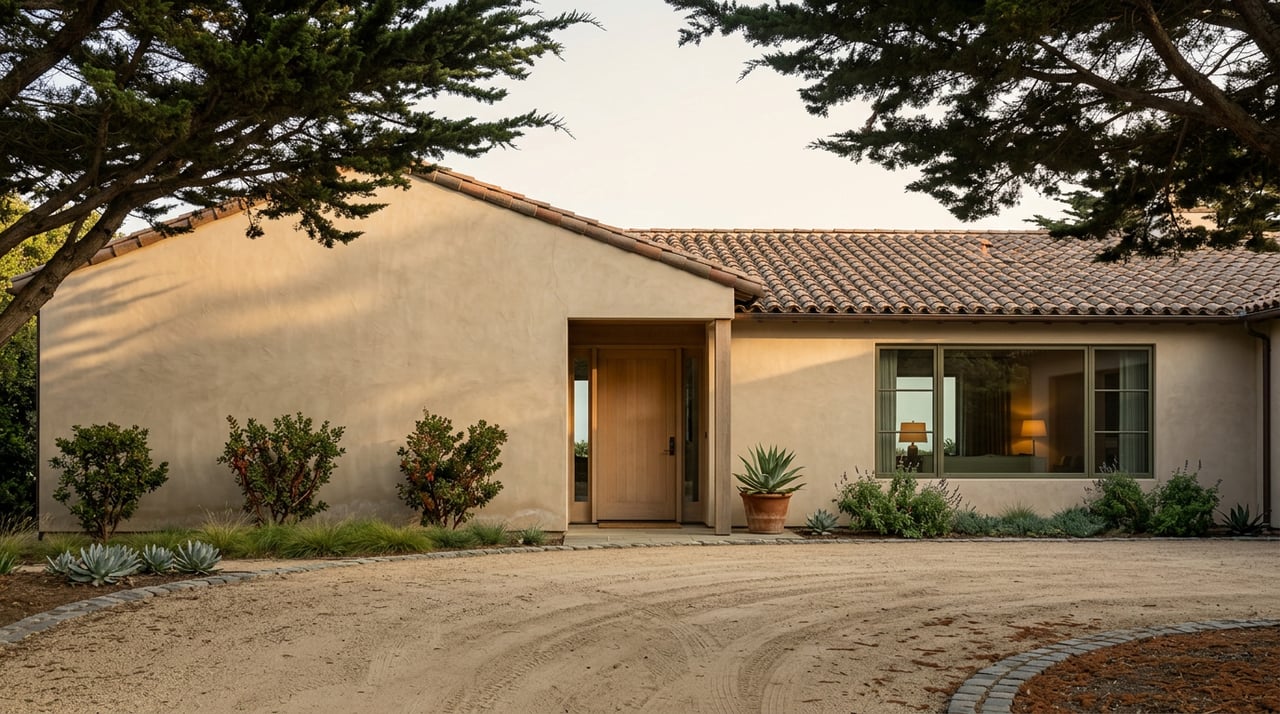
Hillside properties often read as land-and-view estates first. In one Coastal Commission example, a parcel included a roadway to the top of the property, multiple building envelopes, a well, a water storage tank, and a septic system. Planning policies for the area also emphasize lower density at higher elevations to protect rural character and scenic resources.
In other words, oceanfront homes often focus on proximity and immediate visual impact. Hillside homes often focus on acreage, siting, and architecture that blends into the terrain.
Due Diligence For Oceanfront
If you are considering an oceanfront or bluff-front home, due diligence should focus on the shoreline itself. Bluff stability, erosion patterns, setbacks, and site-specific geologic review can all matter. These are not abstract concerns on this part of the coast.
Monterey County’s hazard planning materials note that coastal erosion can be episodic and severe, especially during El Niño conditions. The same document cites 20 to 40 feet of retreat along Scenic Drive in Carmel during the 1982-83 storms.
For some parcels, buyers also need to understand septic placement, bluff setbacks, and how long-term shoreline change could affect the property over time. A direct ocean setting can be extraordinary, but it calls for careful review of the site and its constraints.
Due Diligence For Hillside
With hillside properties, the main questions shift inland. Wildfire, slope stability, road access, water supply, and defensible space become central parts of the conversation.
Monterey County wildfire guidance identifies Carmel Highlands and Palo Colorado Canyon as a high-risk fire area. The county also notes that slope, vegetation, weather, access, and water supply all affect wildfire behavior, and that fire spreads faster on steeper slopes.
This is also part of the area’s history. The Carmel Highlands Association says it was formed in 1936 out of concern for the area’s densely wooded conditions and elevated fire danger. If you are evaluating a hillside property, it is wise to ask detailed questions about fire planning, evacuation routes, vegetation management, and site access.
Which Lifestyle Fits You?
If you want the strongest possible relationship to the sea, oceanfront living may be the right match. It offers immediacy, drama, and a front-row connection to weather, light, and the movement of the coast. It may also come with more visibility and more shoreline-related due diligence.
If you want privacy, elevation, and a more estate-like setting, hillside living may fit better. It often offers larger parcels, layered views, and a stronger sense of retreat within the landscape. It may also require more attention to slope, access, and wildfire readiness.
Here is a simple way to think about the tradeoff:
| Setting | Often Appeals To Buyers Who Value | Key Considerations |
|---|---|---|
| Oceanfront or bluff-front | Direct ocean presence, dramatic outlooks, proximity to shoreline | Visibility, erosion, bluff conditions, access rights |
| Hillside | Privacy, elevation, larger-lot character, land-and-view setting | Wildfire planning, slope, driveway access, defensible space |
In Carmel Highlands, neither option is universally better. The better fit depends on how you want to live, what kind of setting feels restorative to you, and how comfortable you are with the practical realities of that site type.
If you are weighing oceanfront versus hillside living in Carmel Highlands, the right guidance can save time and sharpen your search. William Smith offers discreet, locally grounded insight for buyers navigating the Monterey Peninsula’s most distinctive properties.
FAQs
What does oceanfront living in Carmel Highlands usually mean?
- In Carmel Highlands, oceanfront living often means bluff-front or beach-adjacent property rather than a traditional sandy beachfront lot, according to Coastal Commission records.
How does hillside living in Carmel Highlands differ from oceanfront living?
- Hillside living typically offers more elevation, vegetation, privacy, and larger-lot estate character, while oceanfront living emphasizes direct coastal presence and bluff-edge exposure.
Is Carmel Highlands beach access always public?
- No. Some access is managed through resident-restricted easements, including the Carmel Highlands Association beach key system for eligible residents and property owners within its boundaries.
What weather differences should buyers expect in Carmel Highlands?
- Bluff-front homes are generally more likely to feel cooler, breezier, and more salt-exposed, while some hillside homes may be more sheltered and can occasionally sit above low fog, depending on marine layer conditions.
What should buyers review before buying an oceanfront home in Carmel Highlands?
- Buyers should closely review bluff stability, erosion exposure, setbacks, geologic conditions, access rights, and any site-specific septic or infrastructure constraints.
What should buyers review before buying a hillside home in Carmel Highlands?
- Buyers should ask about wildfire risk, defensible space, evacuation routes, slope conditions, road access, water supply, and the overall site plan for the property.