If you are looking for an equestrian property in Prunedale, the real question is not just whether a home has a barn. It is whether the land, zoning, water, and site conditions truly support the way you want to live with horses. In a rural market where acreage, infrastructure, and County rules can shape both daily use and long-term value, a little clarity goes a long way. Let’s dive in.
Why Prunedale Appeals to Equestrian Buyers
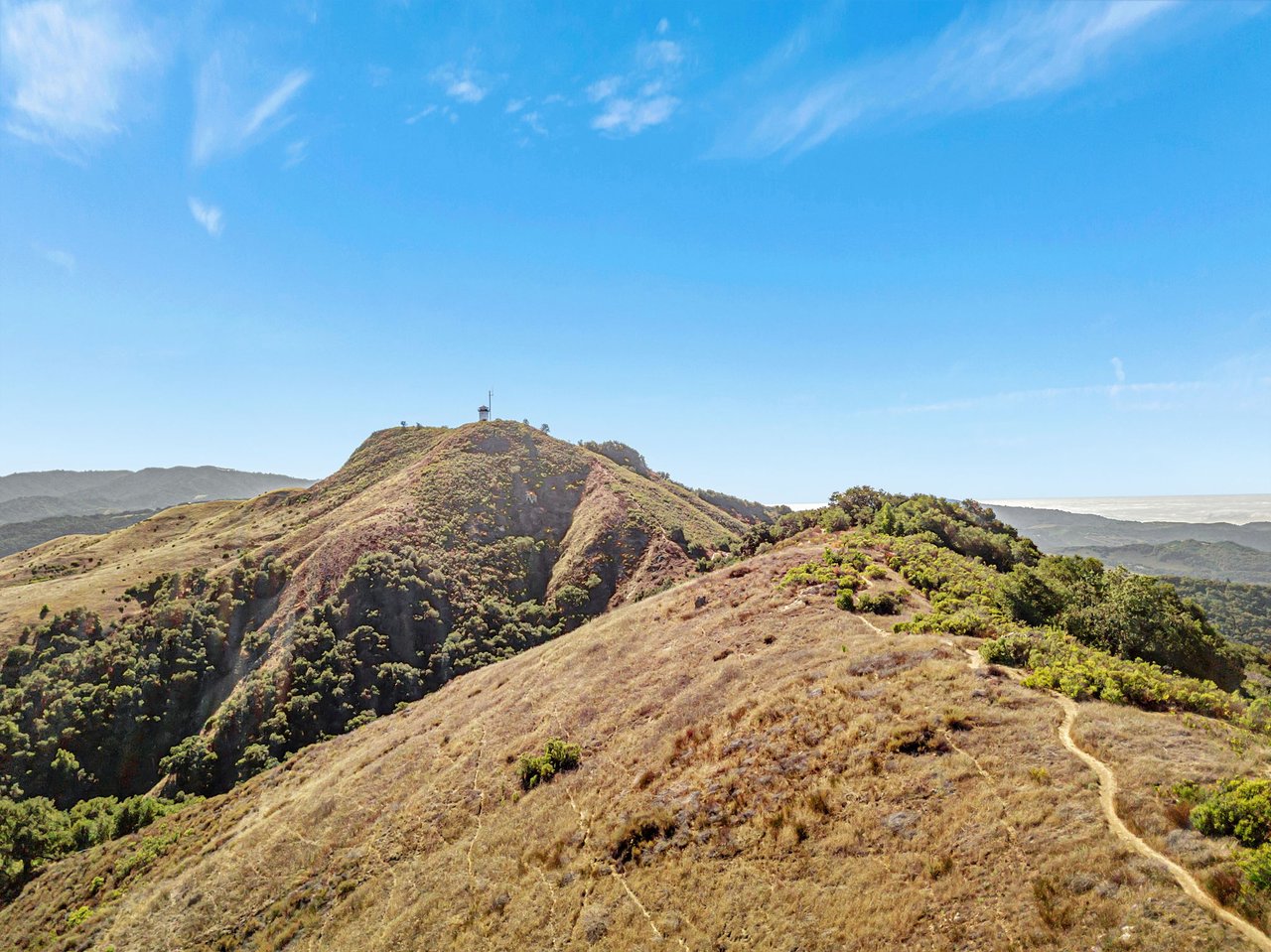
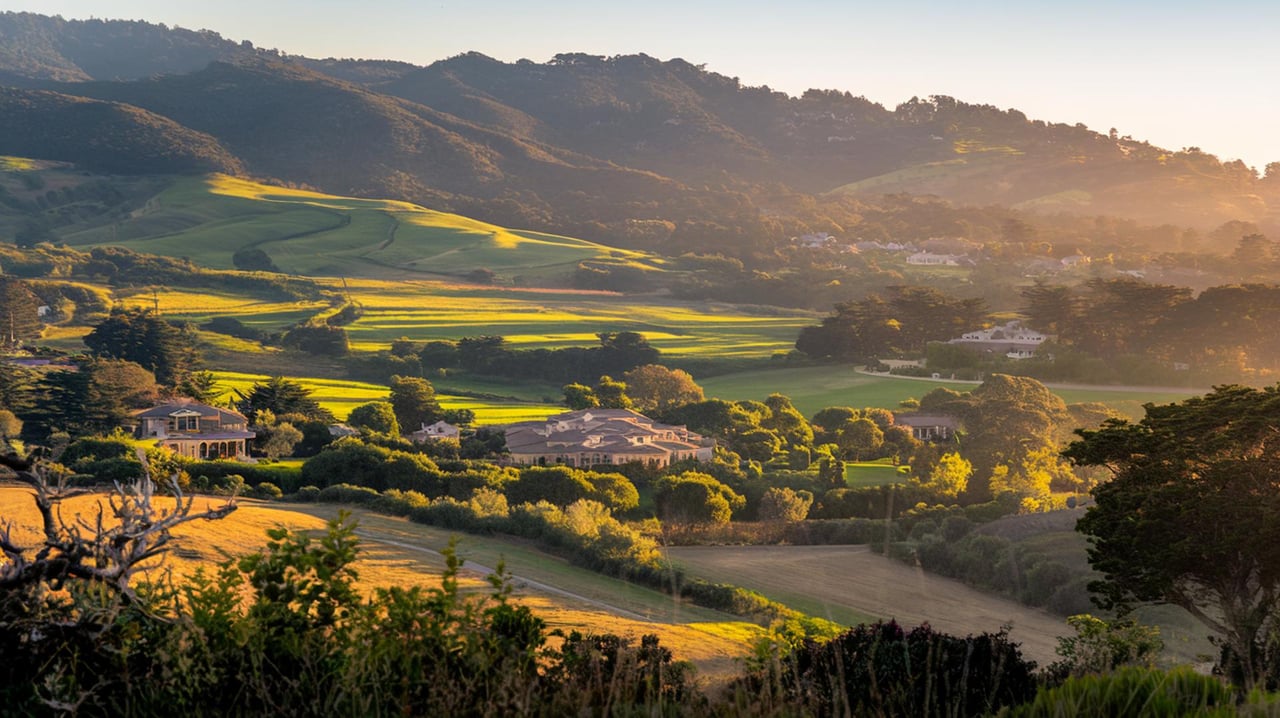
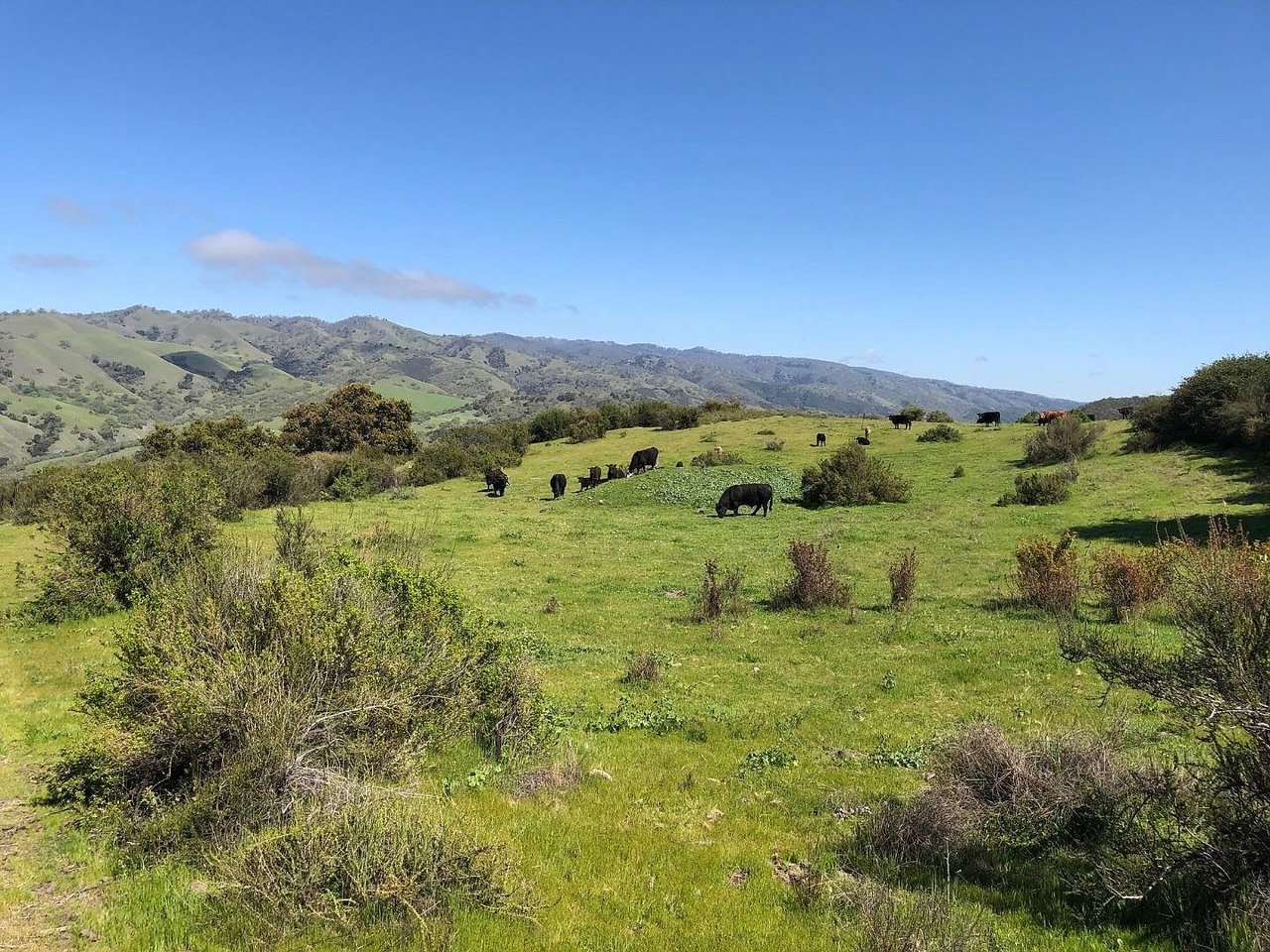
Prunedale sits within Monterey County’s North County planning area, where County policy continues to emphasize agrarian land use, preservation of grazing lands, and equestrian trail easements where possible. That planning context helps explain why Prunedale often feels more rural and horse-oriented than a typical suburban edge market.
The North County Area Plan also states that Old Stage Road should remain a public right-of-way and that agrarian land uses along the route should be protected. For you as a buyer, that matters because the area’s character is tied to working land, open space, and agricultural compatibility.
Start With Zoning and Acreage
Before you get attached to a tack room, arena, or turnout area, verify the property’s zoning. Monterey County notes that properties zoned for large animals may allow one large animal for every 20,000 square feet of land.
That makes zoning one of the first filters in your search. A property may look horse-ready, but the legal use has to match your plans for keeping horses on site.
Monterey County’s general plan framework also describes rural grazing lands with minimum parcel sizes ranging from 10 acres to 160 acres, while permanent grazing lands are 40 acres and larger. In practical terms, Prunedale can offer a mix of smaller hobby parcels, mid-size horse properties, and larger ranch-style sites, but the right fit depends on what you want the property to do.
Common Parcel Types in Prunedale
Based on recent local listing examples, you can think about Prunedale equestrian properties in three broad categories:
- Small hobby parcels: roughly 1 to 3 acres
- Mid-size parcels: roughly 9 to 12 acres
- Larger ranch sites: 20 or more acres
This is not an official market average, but it is a useful way to frame the search. If you want simple turnout and basic horse use, a smaller parcel may work. If you are thinking about multiple horses, expanded infrastructure, or a more private ranch setting, you may need more land and closer zoning review.
Understand the Level of Horse Readiness
Not every equestrian property offers the same starting point. In Prunedale, recent examples suggest buyers are often comparing three different levels of readiness.
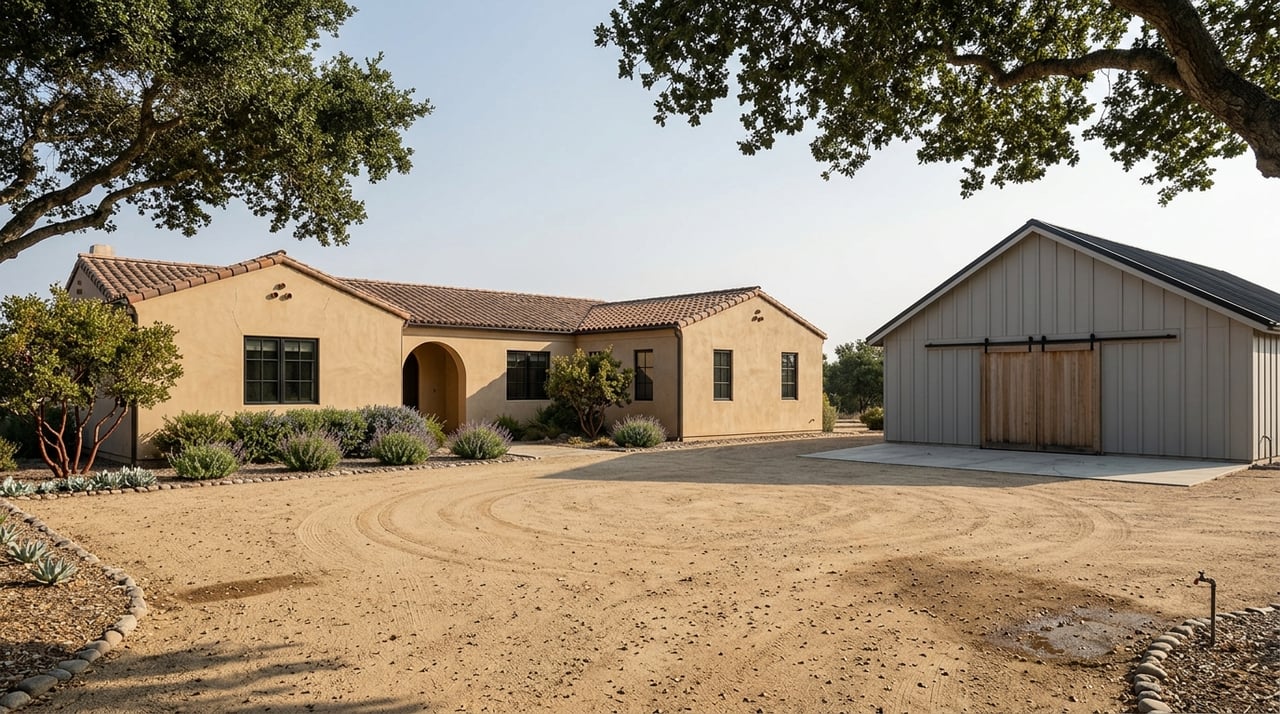
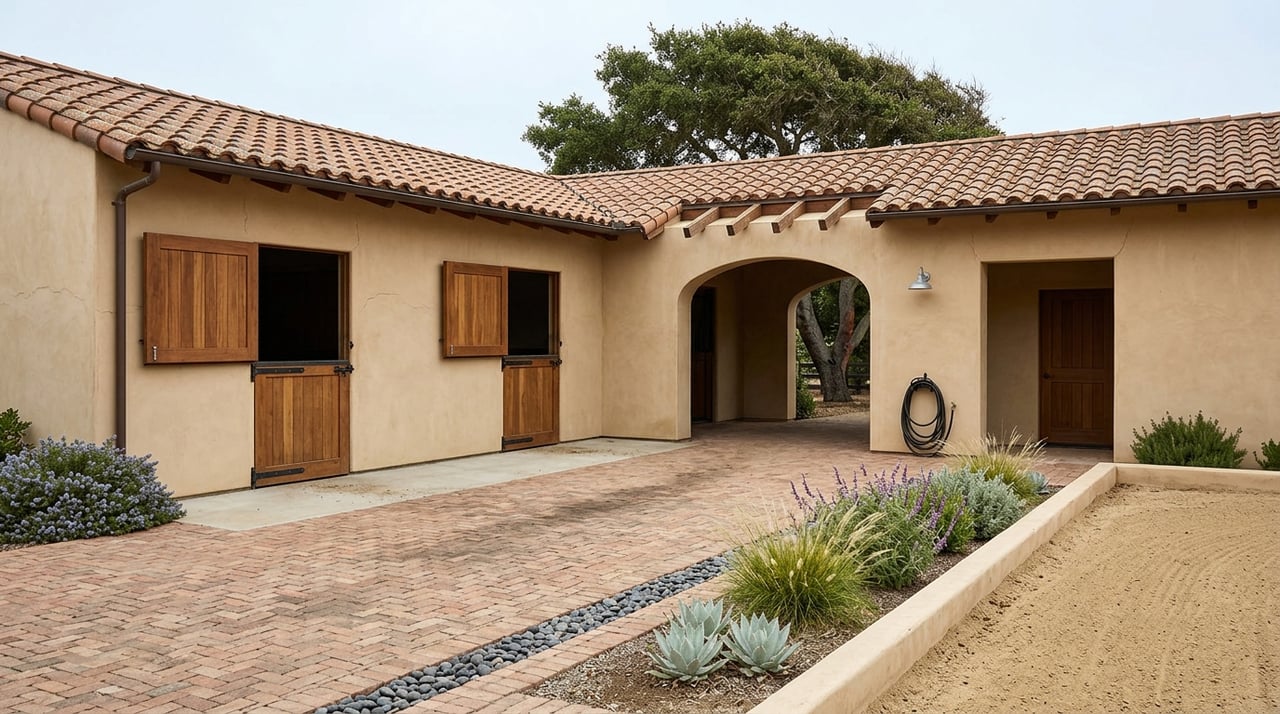
Some properties offer horse-permitted land but little existing infrastructure. Others may include fenced pasture and basic barn space. More developed properties can include features like a permitted 6-stall barn, water and electricity, and even a 120-by-80 riding arena.
Three Ways to Evaluate Horse Setup
When touring property, it helps to sort each option into one of these groups:
- Horse-permitted land: The parcel may support horses legally, but improvements still need to be added.
- Basic usable setup: You may find fenced turnout, a small barn, or practical space for day-to-day horse care.
- Training-style layout: Larger facilities may include multiple stalls, utility infrastructure, trailer access, and an arena.
This framework can keep you focused on function instead of appearance. A pretty parcel is one thing. A parcel that supports your intended use with fewer surprises is another.
Water and Septic Matter More Than Many Buyers Expect
On rural horse property, water and wastewater are core due-diligence items. Monterey County’s well program says that in some cases a property must be at least 2.5 acres to obtain a well construction permit when sewage disposal is by onsite wastewater and the lot can be served by a water system.
The County also states that animal or fowl enclosures must be at least 100 feet from a well. Septic guidance adds that septic systems must be on the same parcel as the buildings they serve, cannot extend into easements, and generally require 100-foot separation from wells.
For you, this affects more than basic utility service. It can shape where you place corrals, barns, manure areas, future additions, and other improvements.
Water and Septic Questions to Ask
Before making an offer, consider asking:
- Does the property have a private well?
- Are there water-quality results or source-capacity records available?
- Do existing or planned horse areas meet setback requirements from the well?
- Does the septic system have approved capacity for the current residence?
- If you are considering future improvements, is there enough room to do that within County requirements?
Site Work Can Trigger Permits
Many equestrian buyers expect to improve a property after closing. You may want to add an arena, regrade turnout space, improve drainage, or create better trailer access. In Monterey County, that kind of work can trigger permitting.
The County requires erosion-control plans before permit issuance for building, grading, or land clearing. Land-clearing permits are required for more than 2.5 acres per year per site, or more than 1 acre per year in water-supply watersheds or high-erosion areas.
The County also notes that grading over 100 cubic yards, or driveway grading over 50 feet, requires a construction permit. If your vision includes substantial site work, it is smart to evaluate those requirements early.
Wildfire Review Is Part of Rural Due Diligence
Wildfire conditions are another important factor on rural land. Monterey County states that the 2025 Local Responsibility Area Fire Hazard Severity Zone maps classify areas as moderate, high, or very high fire hazard zones.
That review matters when you are assessing barns, corrals, access roads, vegetation, and future improvements. The County also notes that trimming trees and vegetation to reduce fuel loads may require a permit, which can be especially relevant on parcels with dense perimeter planting, windbreaks, or orchard areas.
Riding Access Around Prunedale
One of Prunedale’s advantages is that horse ownership here is not limited to what happens inside your property lines. The area connects to meaningful public riding access, which can add real lifestyle value.
Manzanita Park is in Prunedale, and Monterey County says its trail system is open to horses and spans about 7 miles. Fort Ord National Monument offers more than 86 miles of trails, with most trails open to horse riding.
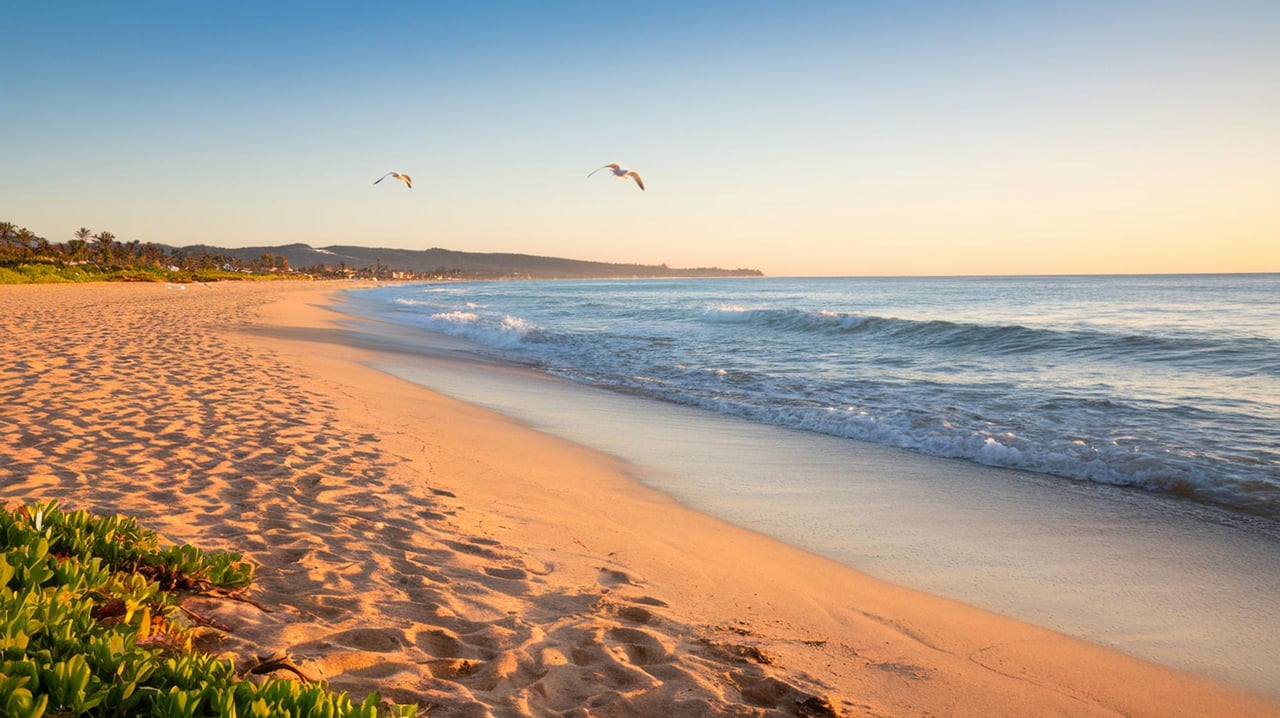
Salinas River State Beach allows horses on designated routes and wet sand, and it also lists guided horseback rides. Toro County Park adds another riding option with an equestrian staging area and riding trails, while the County’s Long Trail at Los Robles Equestrian Camp offers an 11-mile permitted equestrian trail ride.
What Local Riding Access Means for You
Nearby public riding options can help in several ways:
- They support an active equestrian lifestyle even if your parcel is smaller.
- They can make a property more appealing if private arena space is limited.
- They offer flexibility while you plan or phase future improvements.
- They provide practical access for buyers relocating with horses.
California State Parks also identifies Monterey Bay Equestrian Center as the guided equestrian ride concessionaire for Salinas River State Beach, with its Salinas facility located on Pesante Road. That local support layer can be useful if you are moving into the area and learning the regional horse network.
A Smart Due-Diligence Checklist
Equestrian properties tend to involve more moving parts than a standard residential purchase. In Prunedale, the strongest offers are often backed by careful review of use, infrastructure, and County compliance.
Here are some of the most important questions to raise before you move forward:
- Is the parcel zoned for large animals, and how many horses are allowed at the current lot size?
- Is there enough usable acreage for a barn, paddock, arena, trailer parking, and manure storage?
- Does the well setup meet County separation requirements from animal areas?
- Does the septic system have enough approved capacity for the residence and any future accessory use you may be considering?
- Will planned improvements require grading, erosion-control, land-clearing, or wildfire-related permits?
- Is the parcel subject to a Williamson Act or farmland security contract, and if so, what uses are allowed under that contract?
Why Local Guidance Helps
Prunedale equestrian properties can be compelling because they offer a blend of rural setting, practical horse use, and access to broader Monterey County trail infrastructure. At the same time, these properties reward careful review. The details that matter most are often the ones you cannot fully judge from photos alone.
If you are buying a hobby horse property, a larger ranch parcel, or a site with future equestrian improvements in mind, local guidance can help you sort through zoning, site constraints, and property readiness with more confidence. That kind of clarity is especially valuable when a property has both lifestyle appeal and operational complexity.
If you are considering an equestrian property in Prunedale and want measured, locally grounded guidance, William Smith can help you evaluate land, infrastructure, and market fit with the discretion and stewardship these properties deserve.
FAQs
What should you verify first on an equestrian property in Prunedale?
- Verify the zoning and confirm whether the parcel is allowed to support large animals at its current lot size.
How many horses can a Prunedale property allow?
- Monterey County says properties zoned for large animals may allow one large animal for every 20,000 square feet of land.
Are small-acreage horse properties common in Prunedale?
- Recent listing examples suggest the market includes smaller hobby parcels around 1 to 3 acres, along with mid-size and larger ranch properties.
What equestrian features do Prunedale properties typically offer?
- Local examples range from fenced pasture and basic barn space to larger setups with permitted multi-stall barns, utility infrastructure, and riding arenas.
Why are wells and septic systems important for Prunedale horse properties?
- County guidance says wells, septic systems, and animal enclosures must meet specific separation and parcel requirements, which can affect layout and future improvements.
Can adding an arena or regrading turnout space require permits in Prunedale?
- Yes. Monterey County says certain grading, driveway work, land clearing, and erosion-control measures can require permits before improvements begin.
Is there public horse riding near Prunedale?
- Yes. Manzanita Park, Fort Ord National Monument, Salinas River State Beach, Toro County Park, and the Long Trail at Los Robles Equestrian Camp all provide public equestrian access options.
What is a key lifestyle advantage of buying an equestrian property in Prunedale?
- Beyond private land use, you also have access to a wider network of local and regional riding trails that supports year-round horse ownership.