Selling in the Santa Lucia Preserve is not like preparing a typical luxury home for market. You are presenting a residence, acreage, and a highly managed private community context all at once. That can feel like a lot to organize, but the right preparation can reduce friction, strengthen buyer confidence, and help your property stand out for the right reasons. Let’s dive in.
Why the Preserve Needs a Different Approach
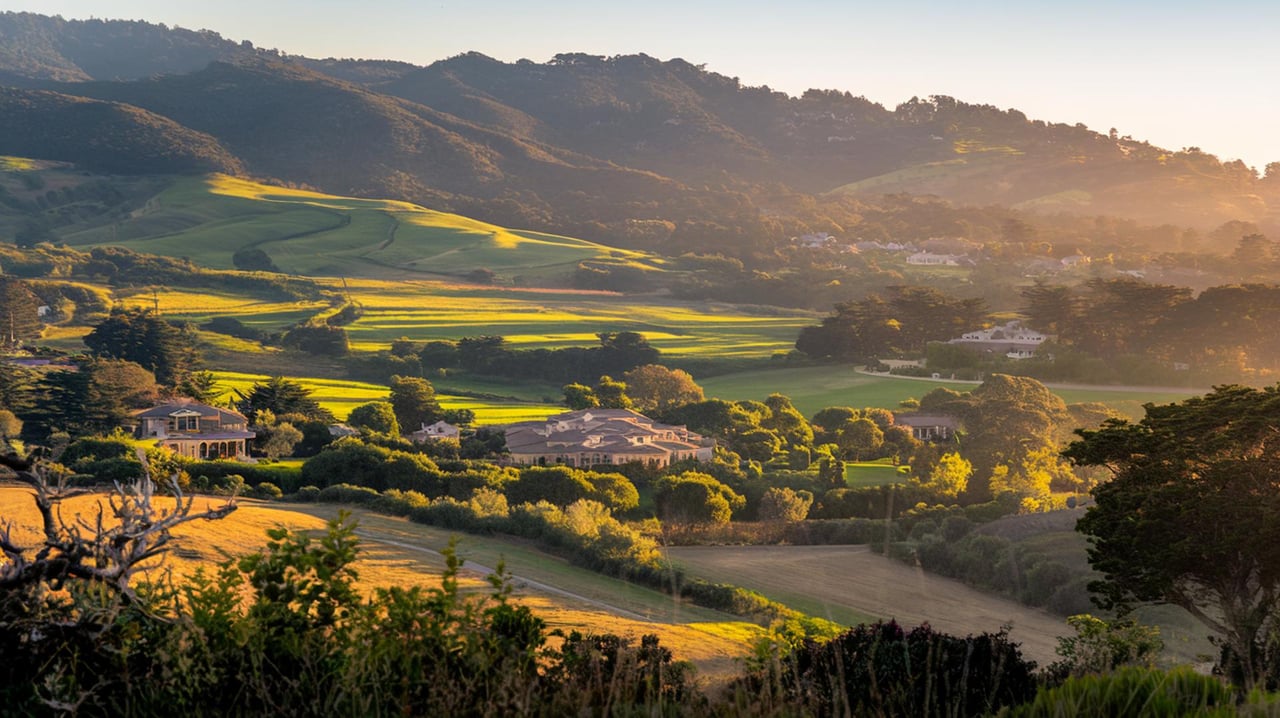
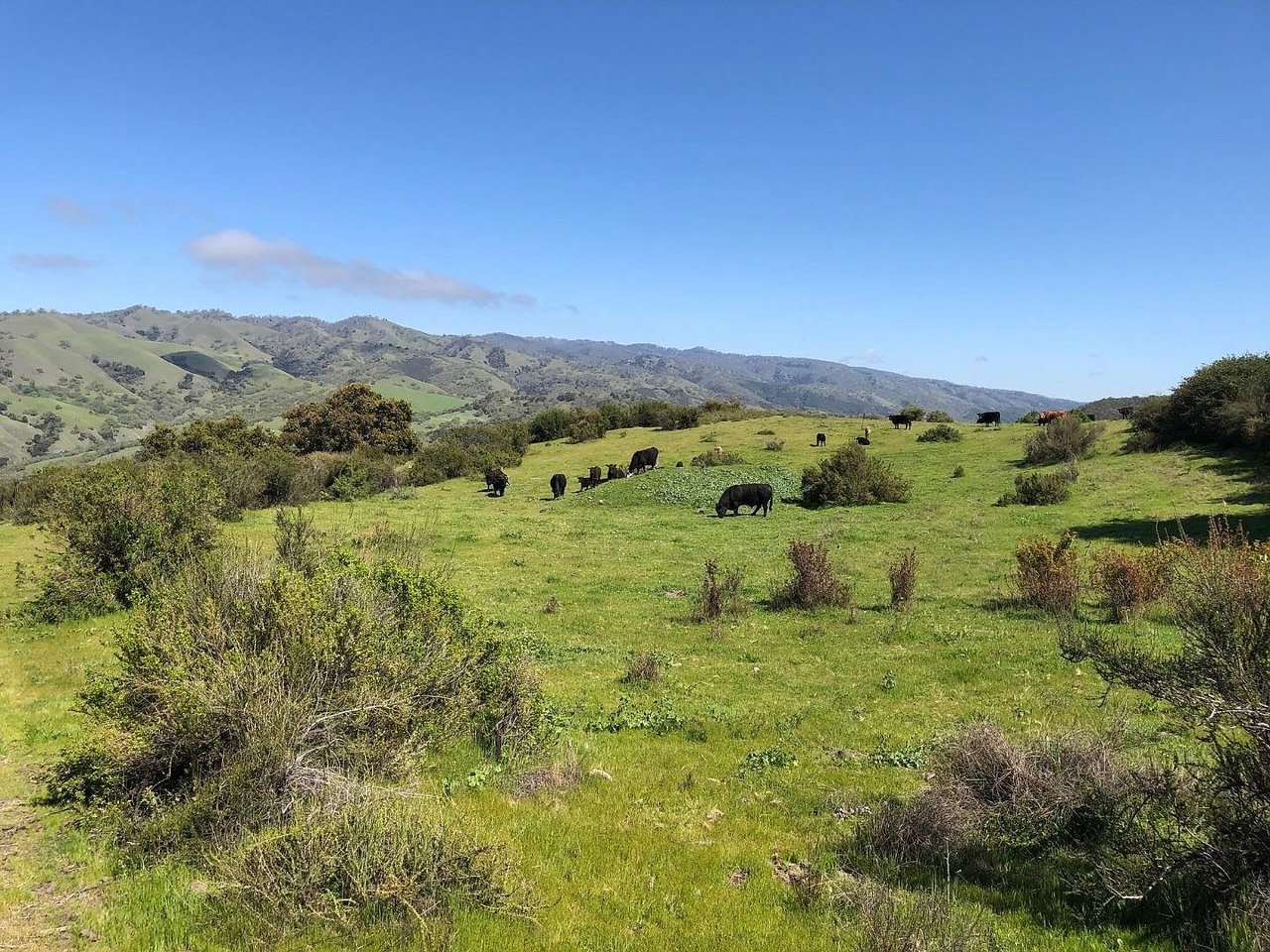
The Santa Lucia Preserve spans 20,000 acres, with about 90% protected in perpetuity and only 297 homesites. That alone shapes how buyers view value, privacy, and long-term stewardship. In a market this limited, your preparation matters because buyers are often comparing not just homes, but how each property fits into the land and community.
This is also a place where club membership is separate from the real estate purchase and subject to application approval. That means buyers may need extra clarity about what is included with the property and what follows a separate process. A well-prepared sale helps avoid confusion early.
Start With the Land and Setting
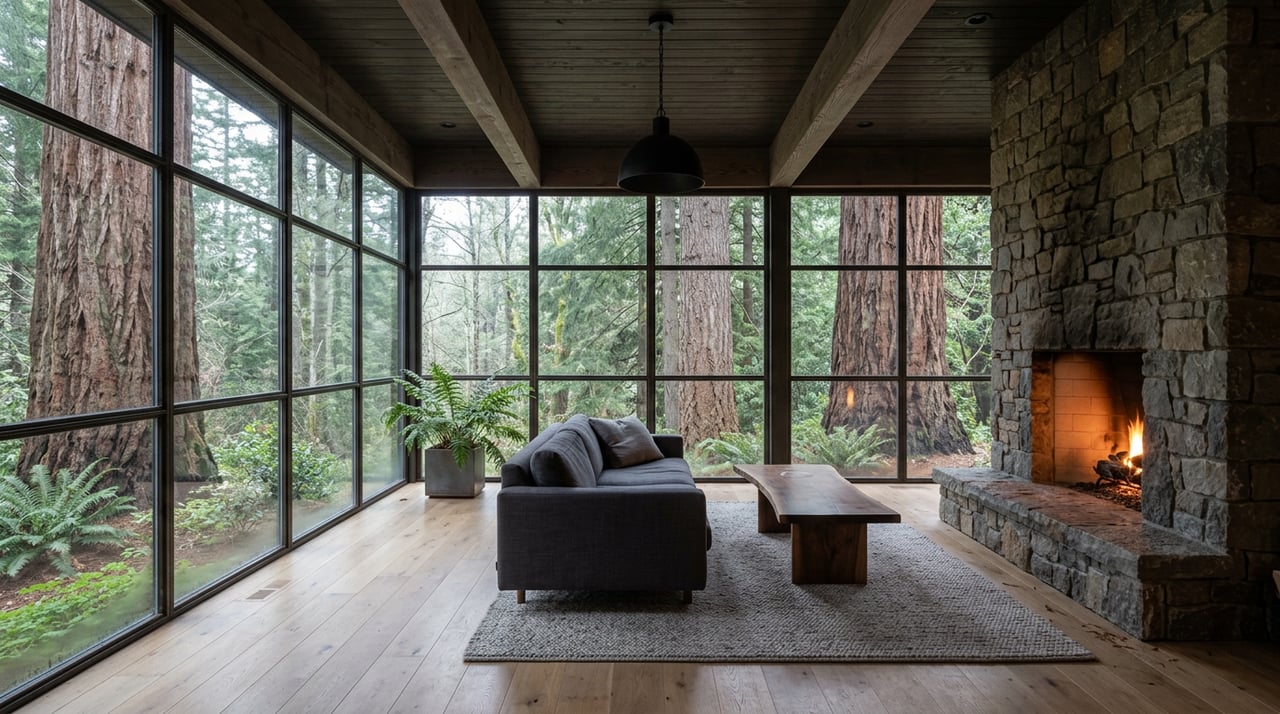
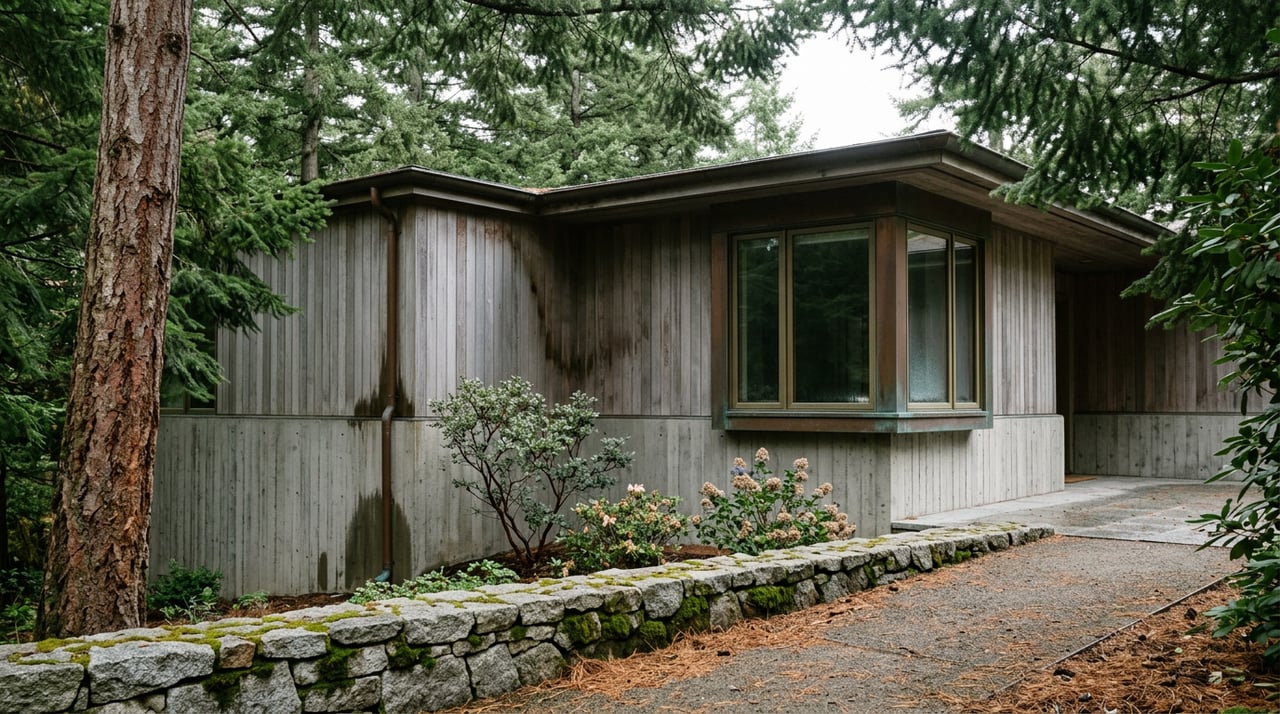
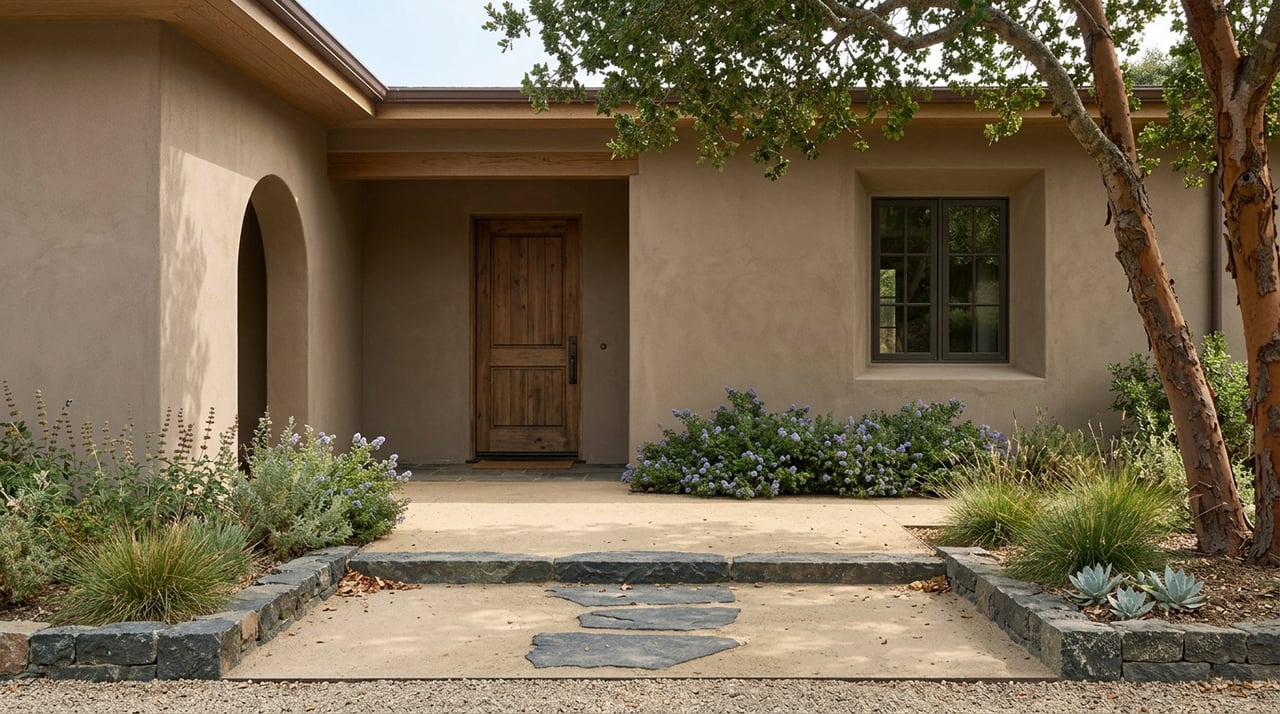
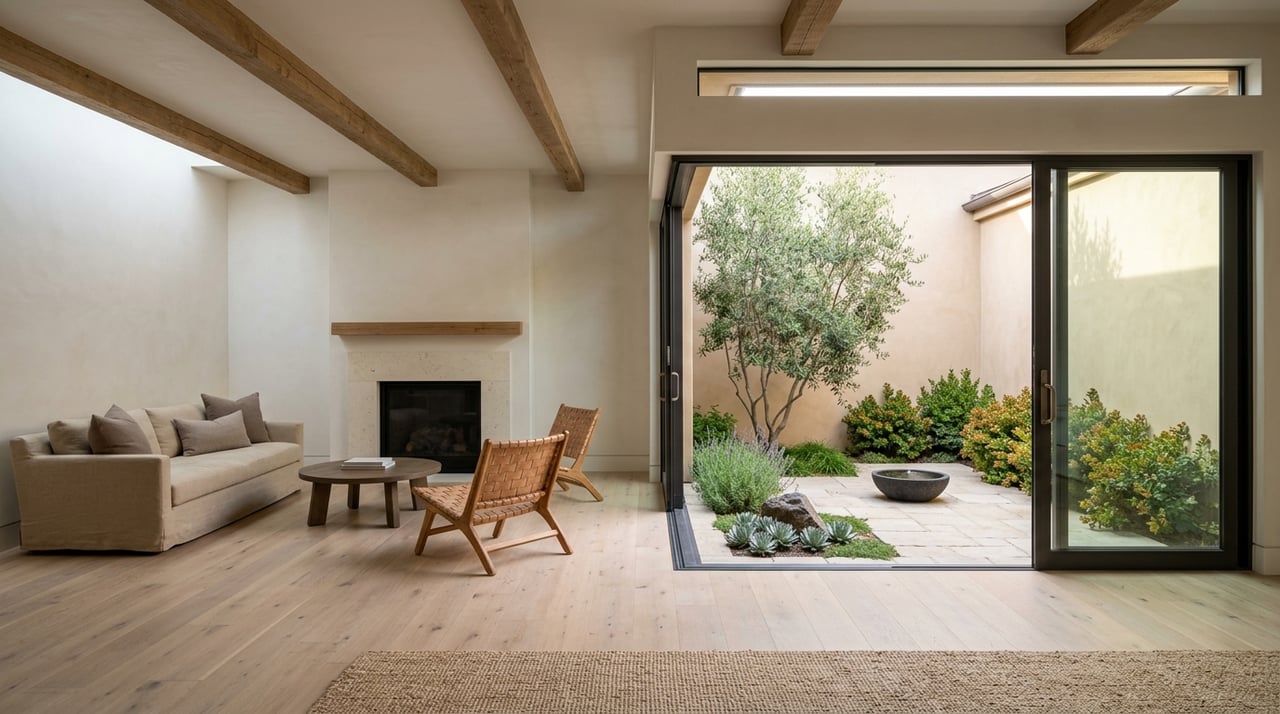
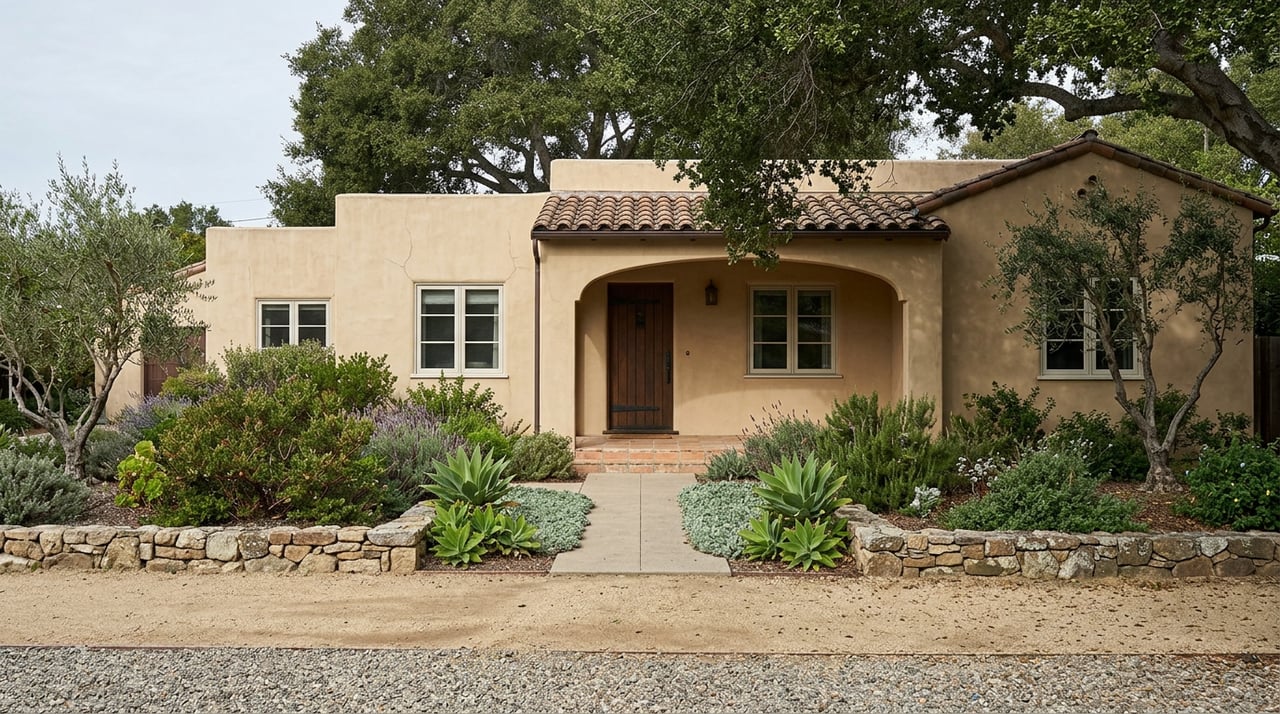
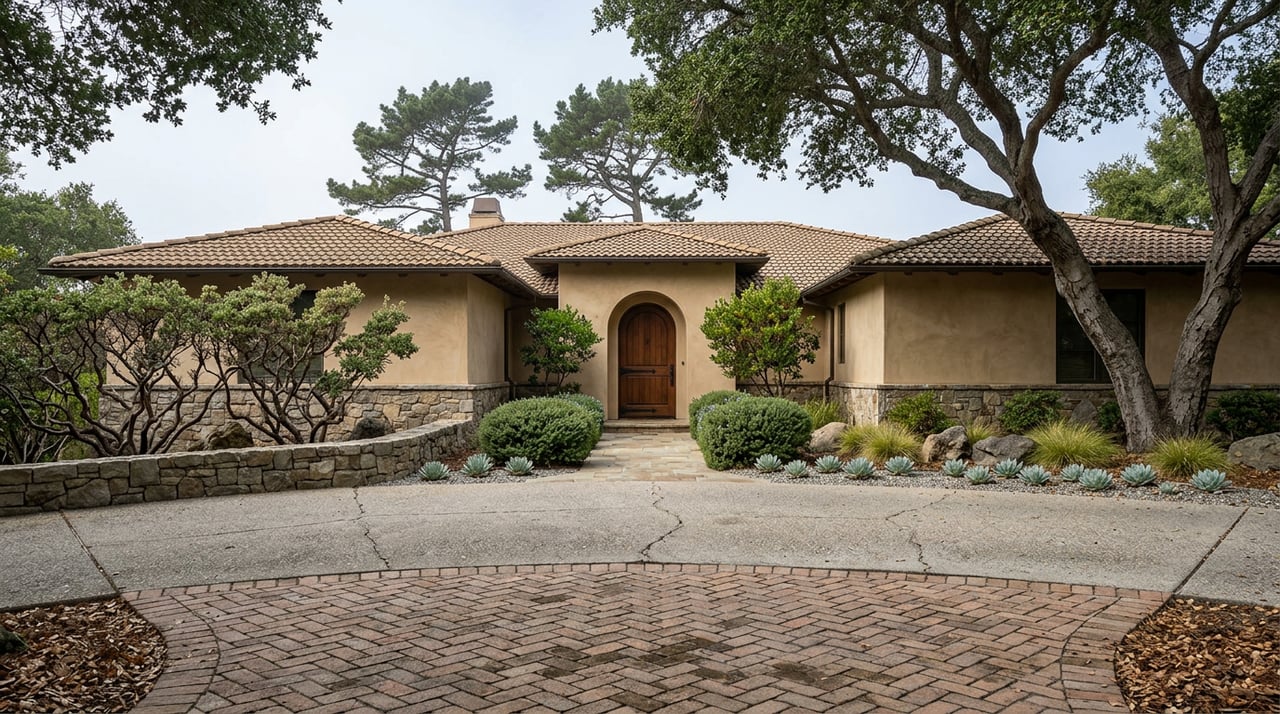
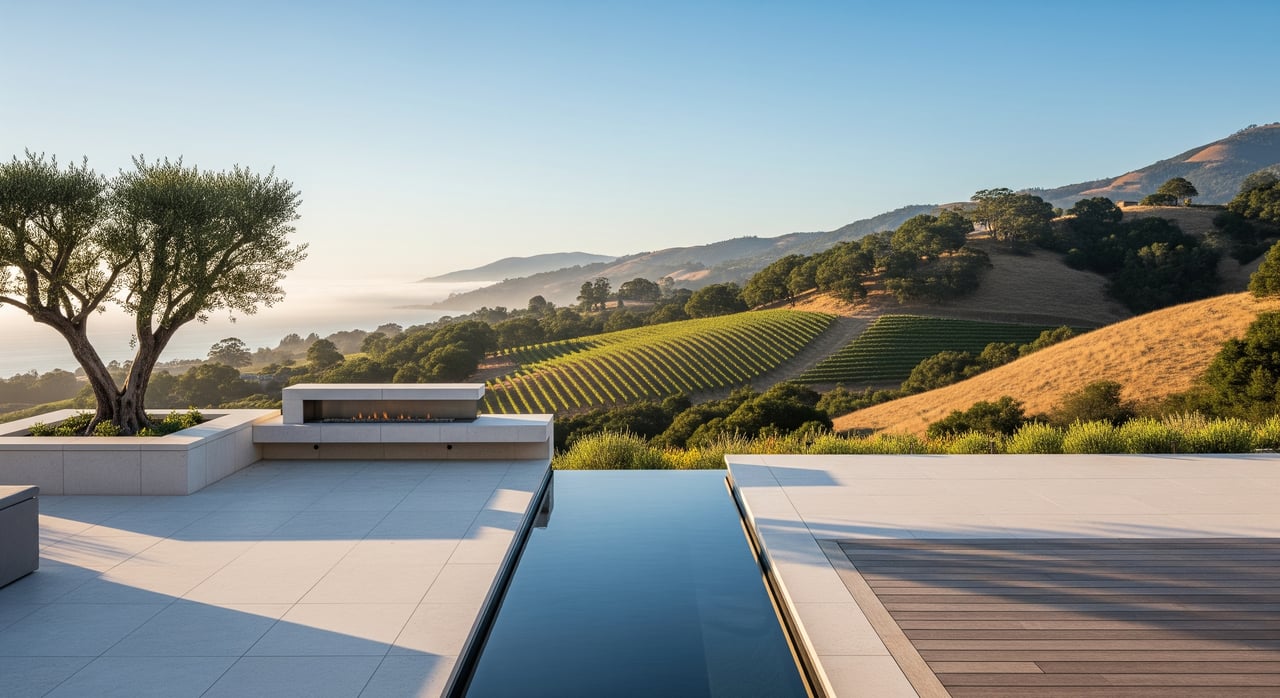
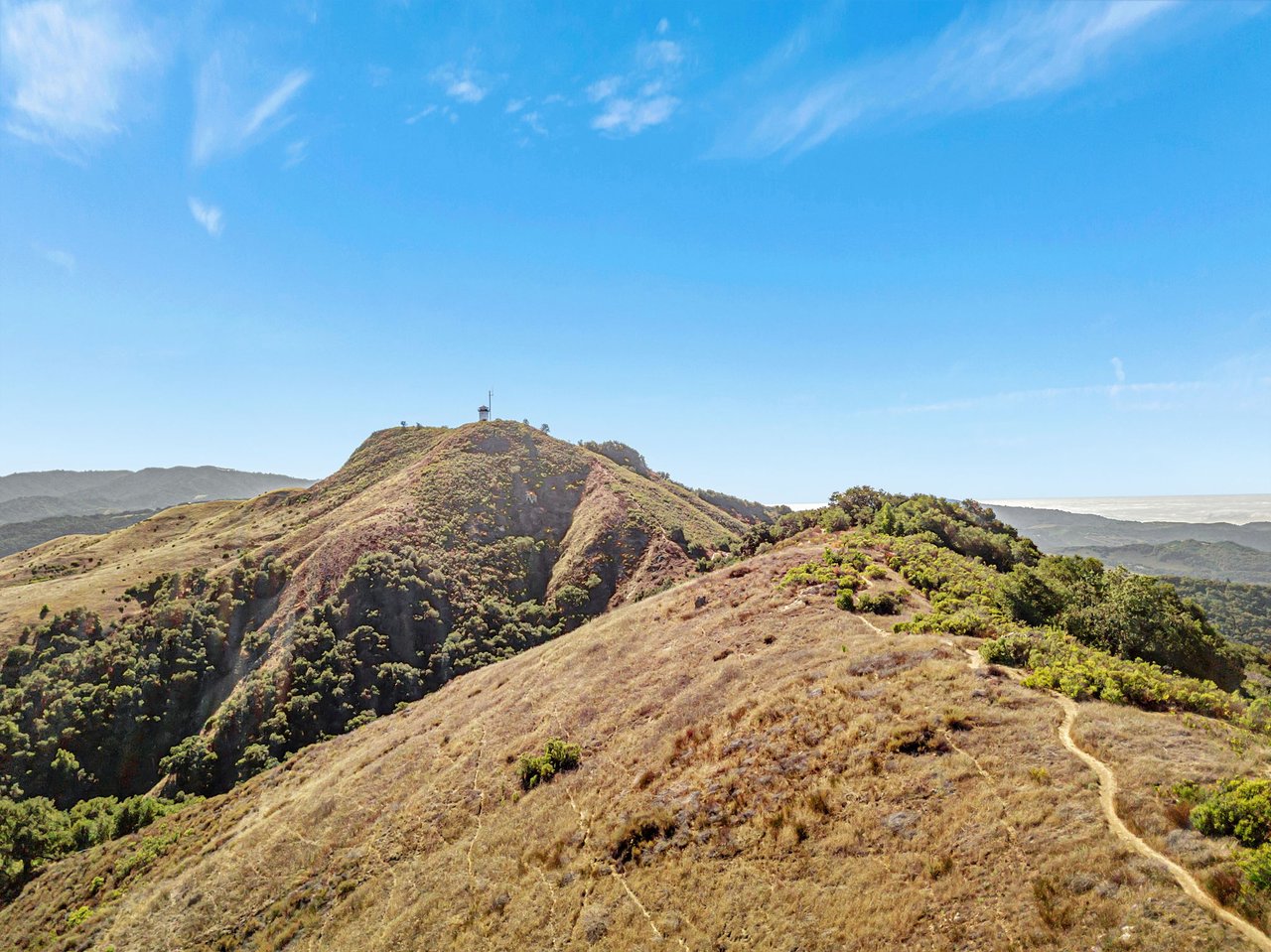
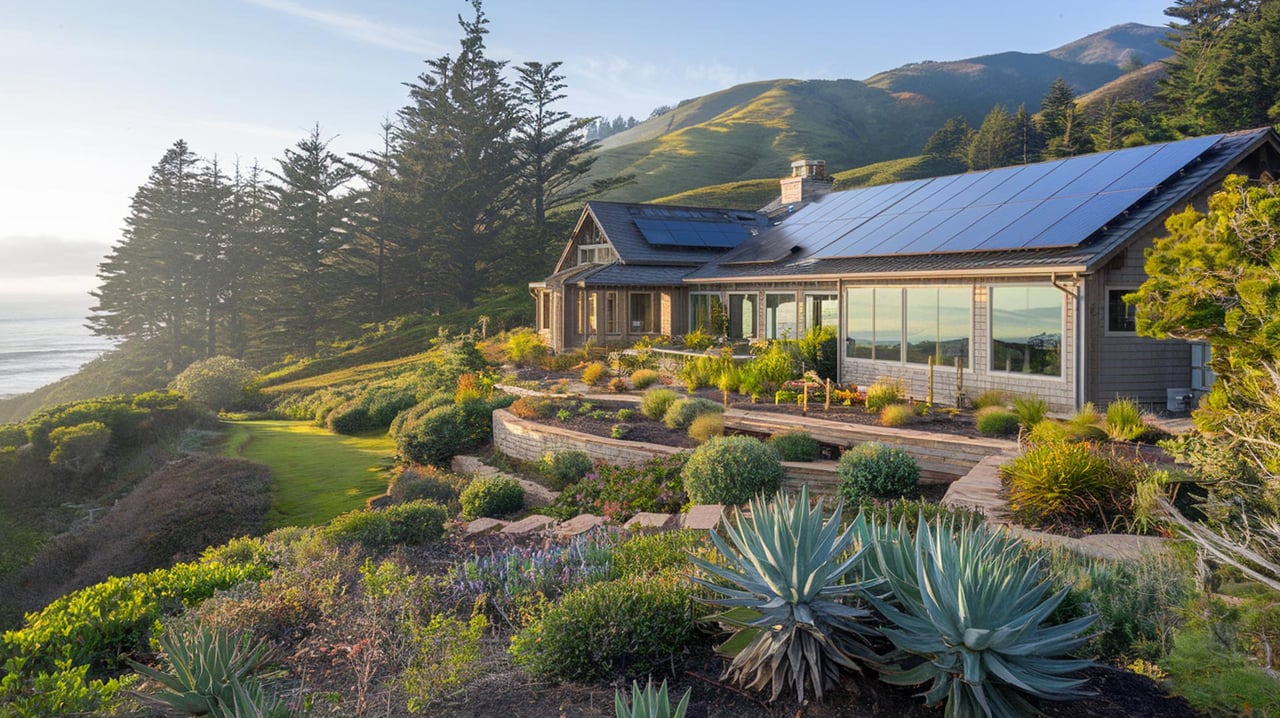
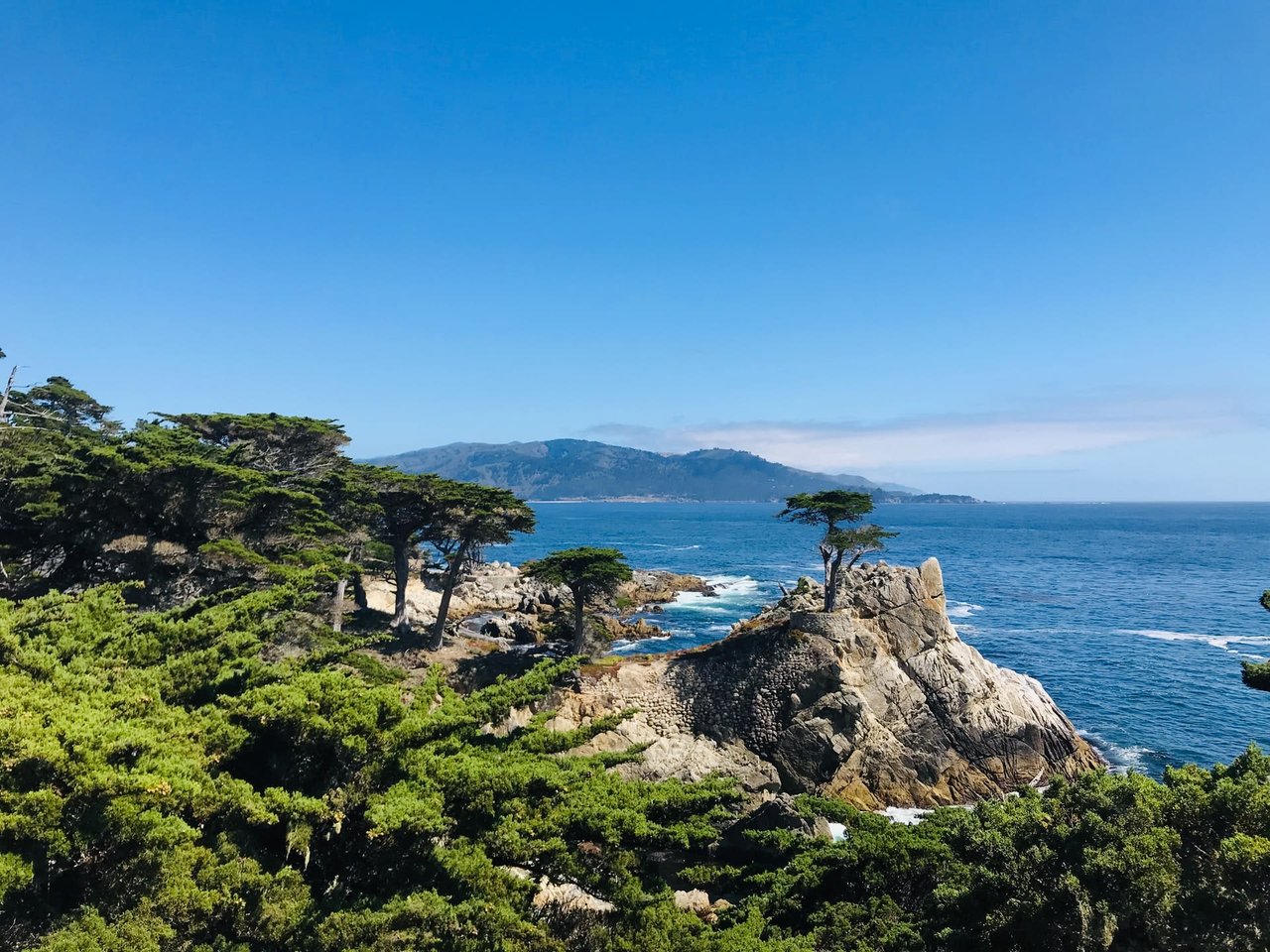
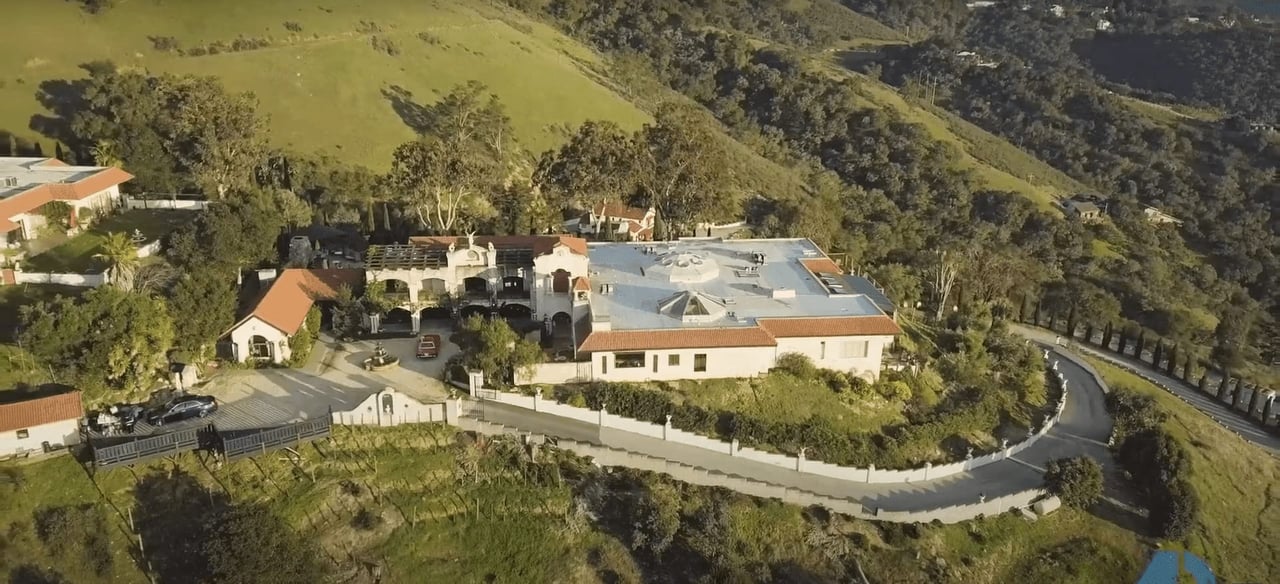
At the Preserve, homes are intentionally sited around topography, vegetation, views, and microclimates. Buyers are not just walking through rooms. They are evaluating how the house, outdoor spaces, and landscape work together.
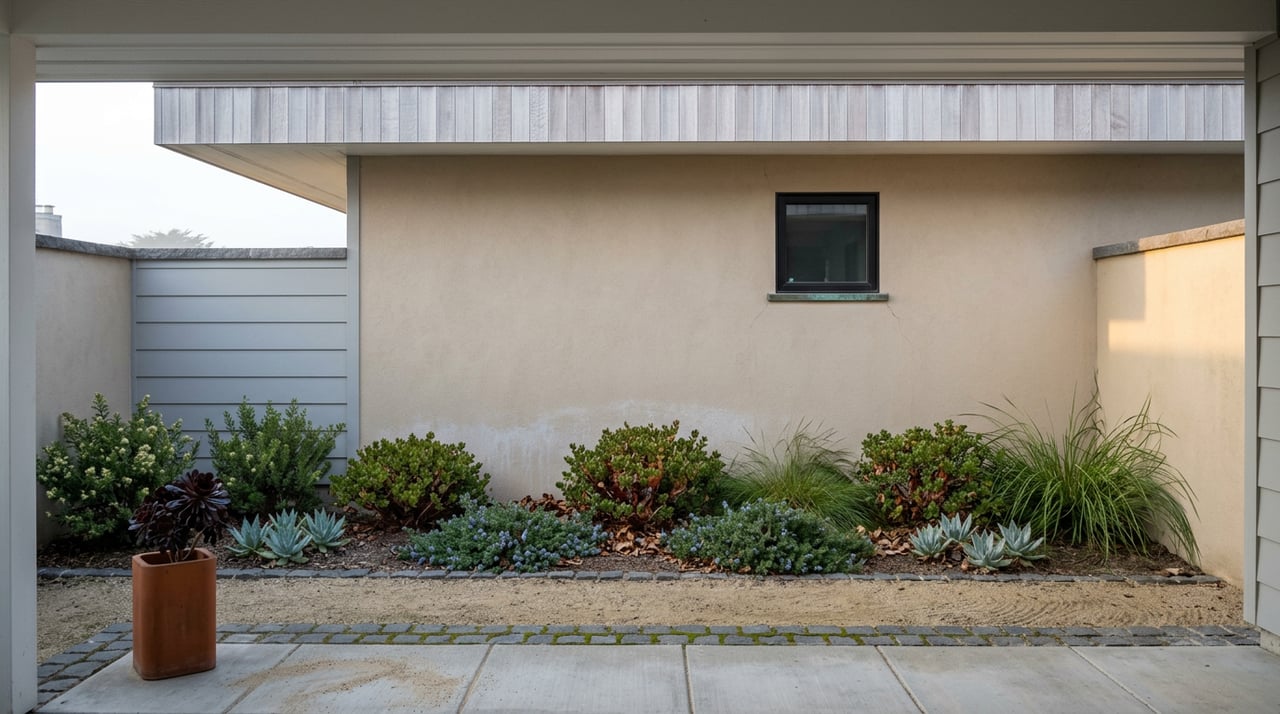
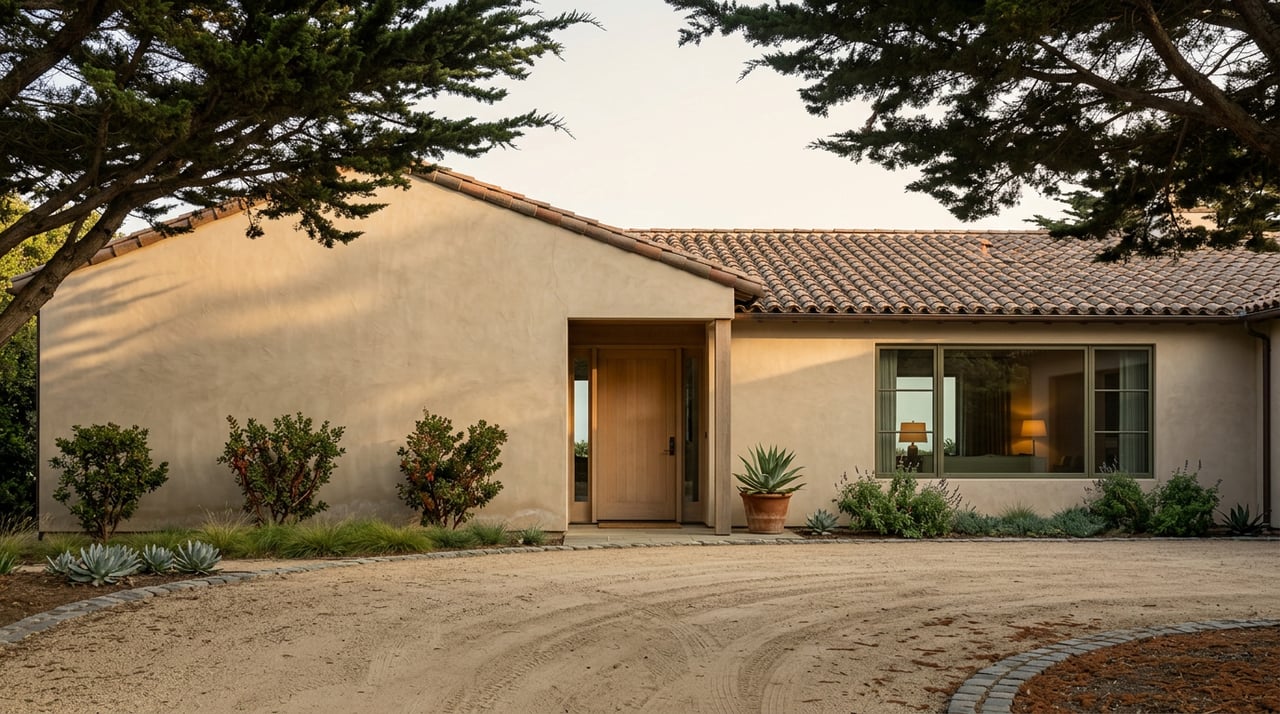
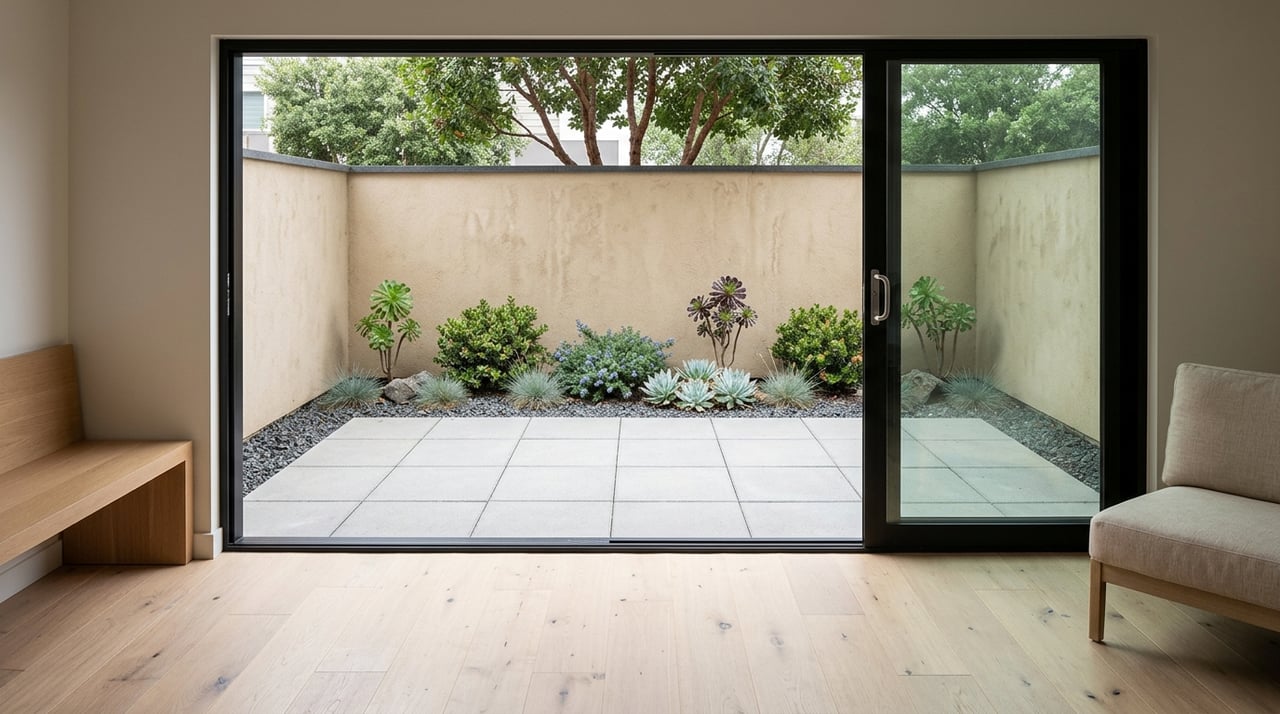
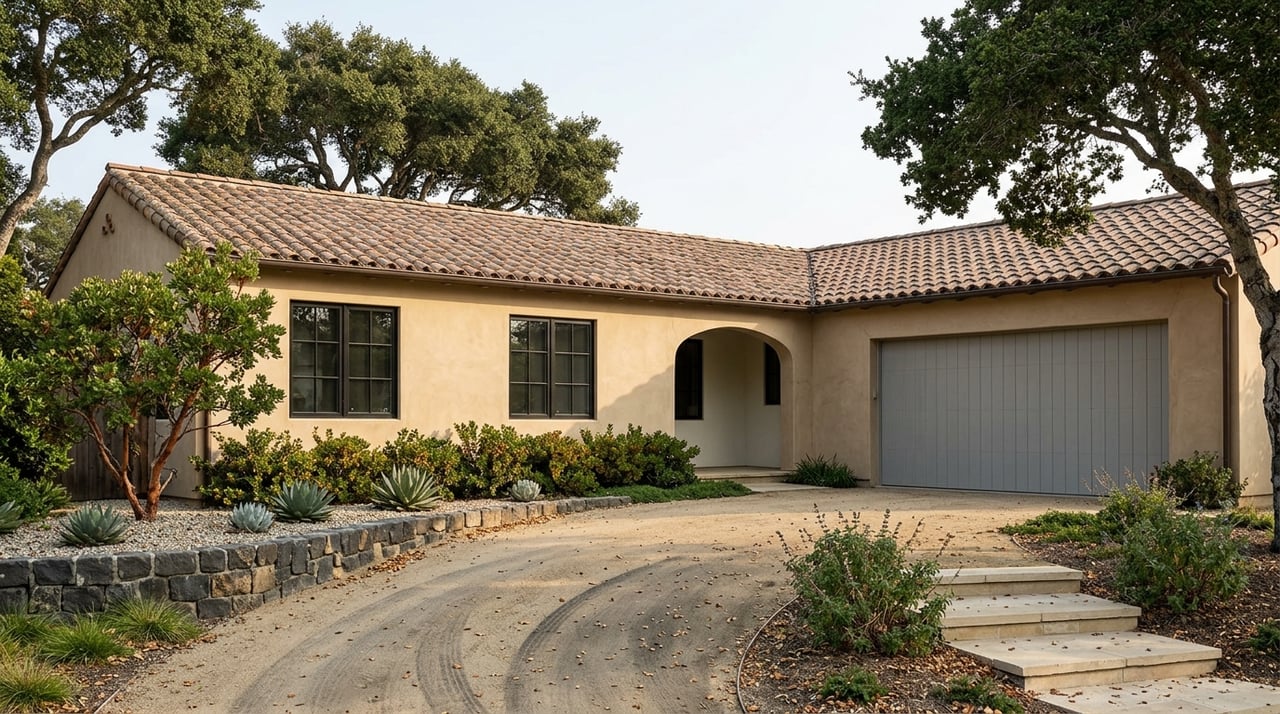
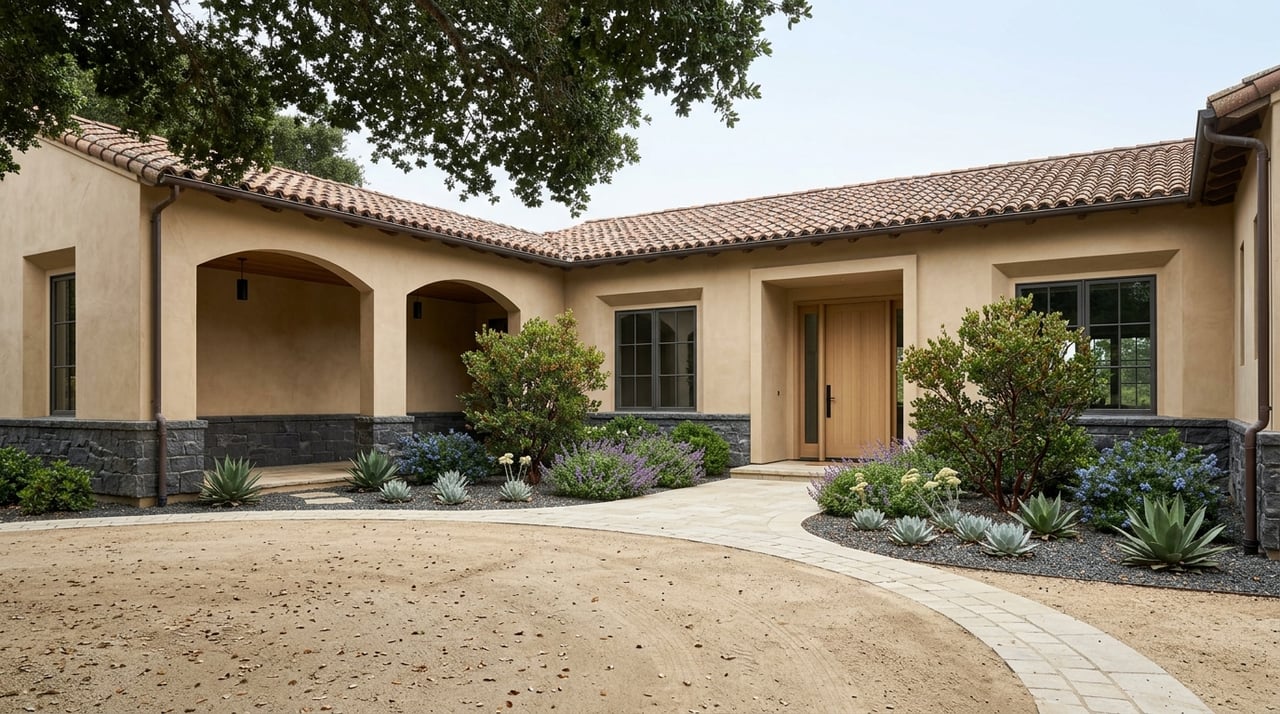
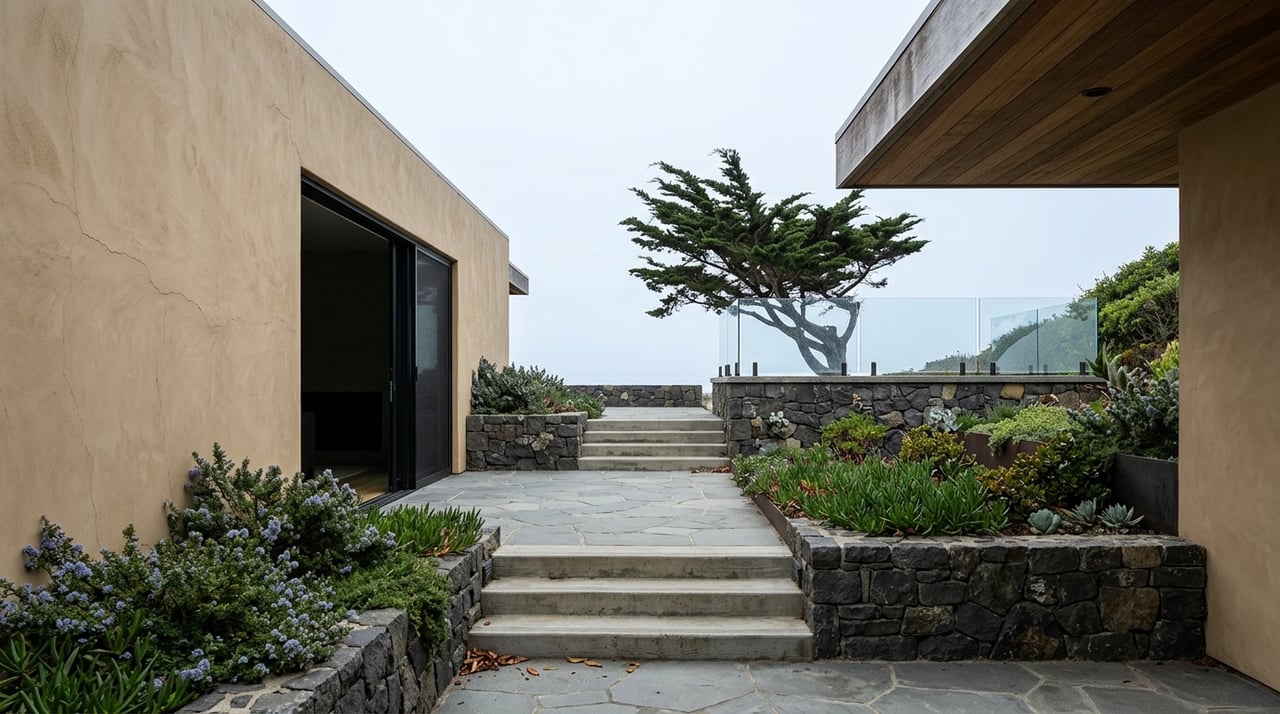
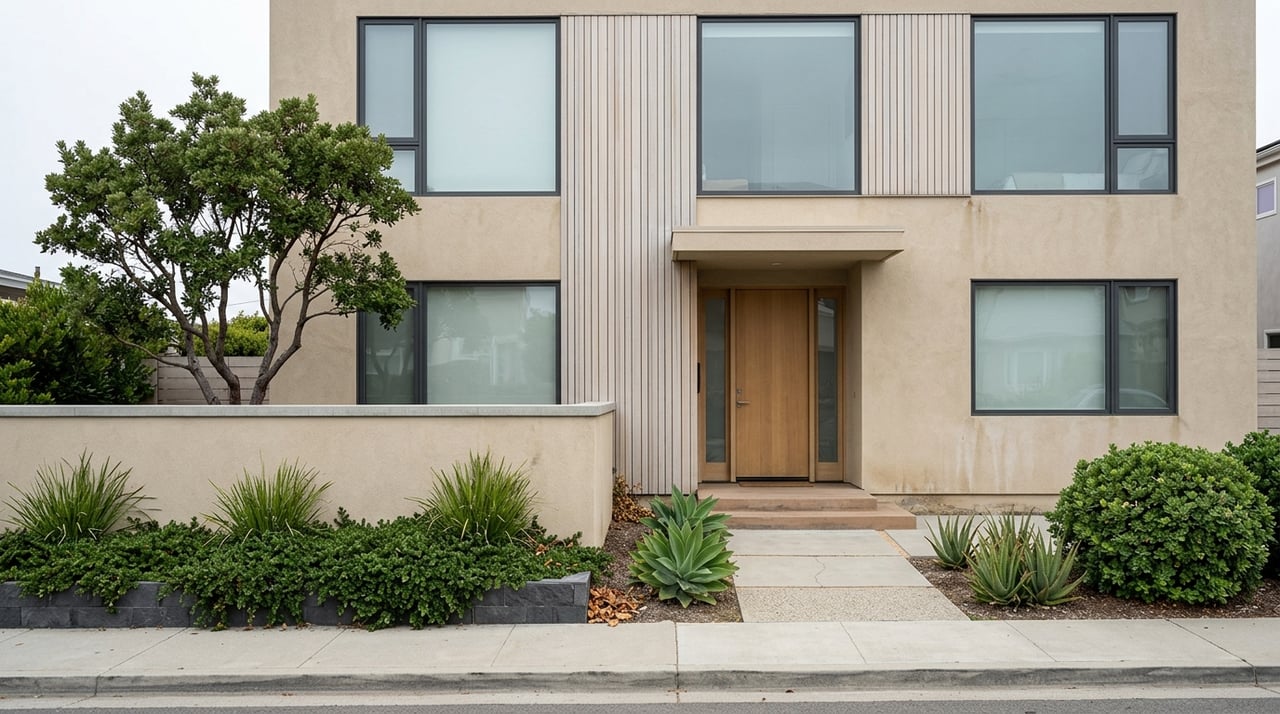
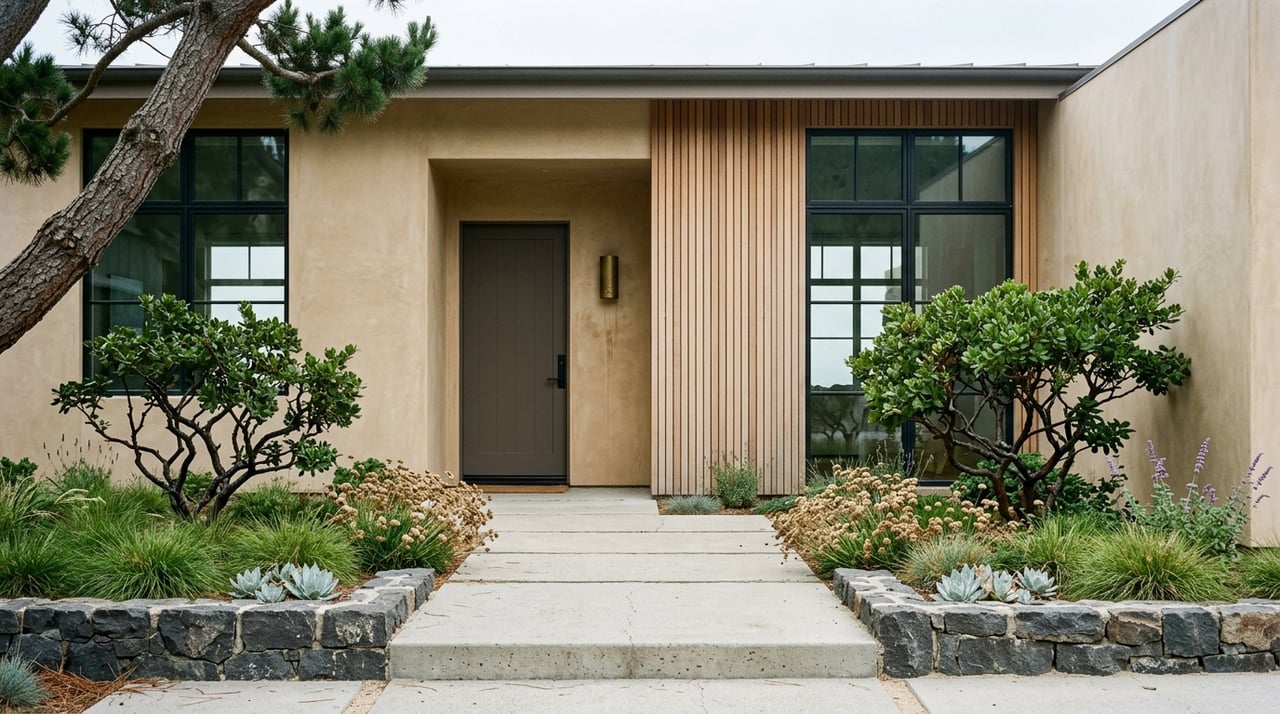
Before listing, take time to view your property the way a buyer will. Look at arrival experience, views from key rooms, outdoor living areas, trail access, and the condition of the grounds. The goal is to show that the home belongs to the land in a thoughtful, well-maintained way.
Highlight how the property lives
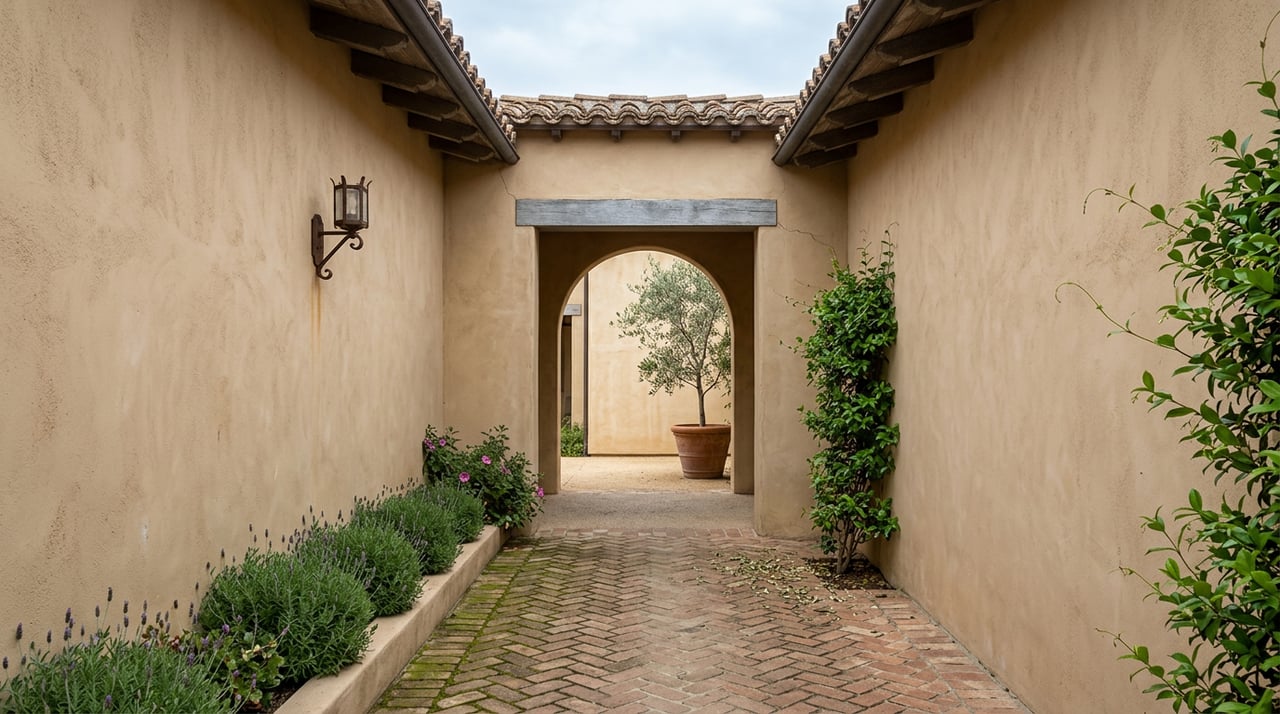
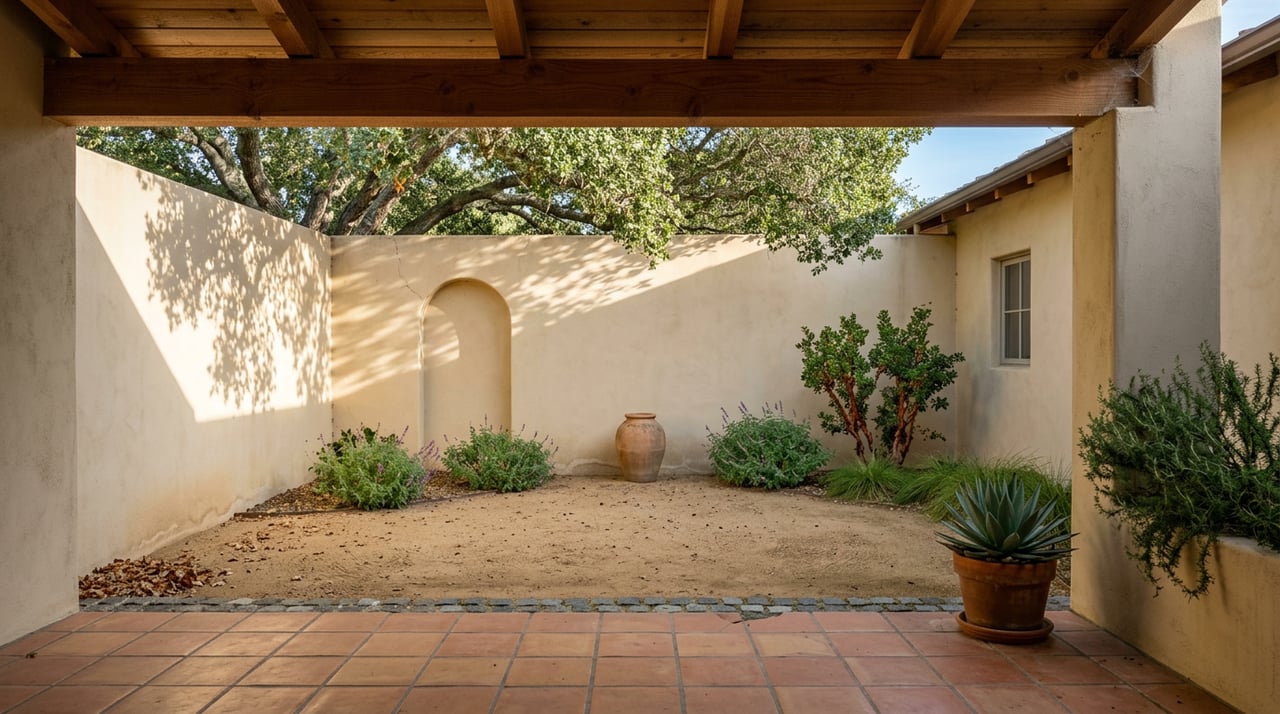
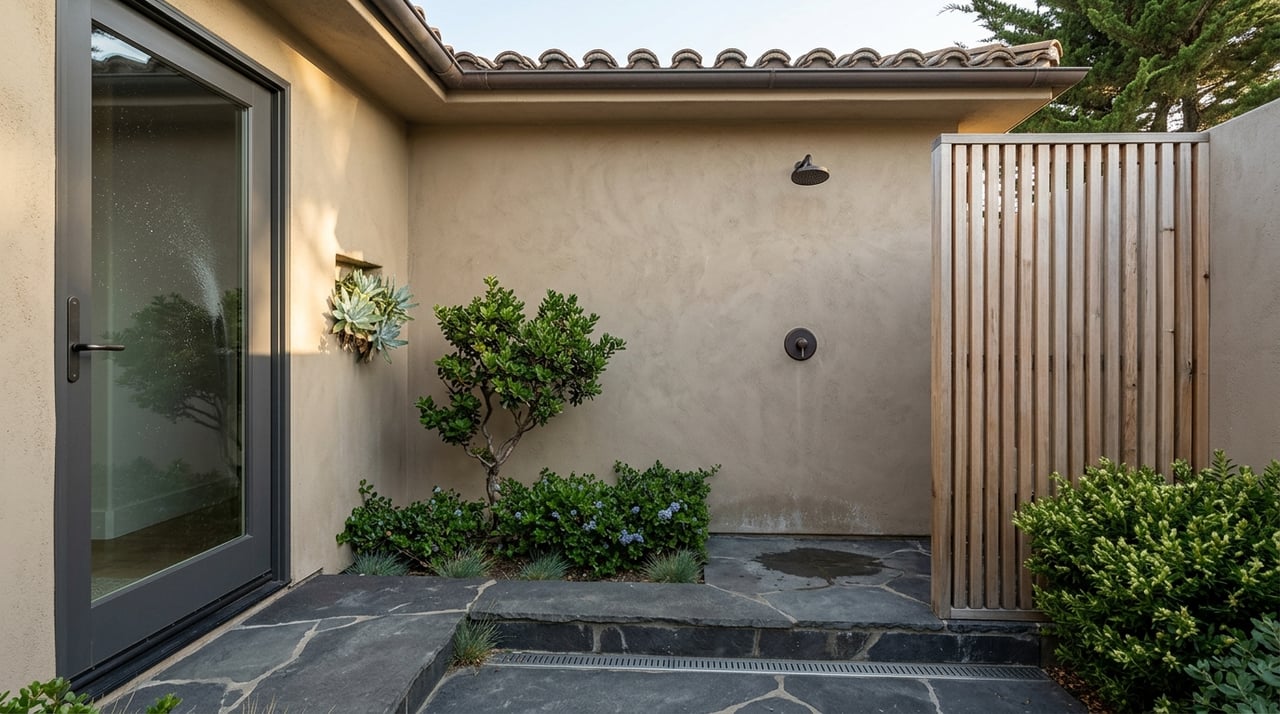
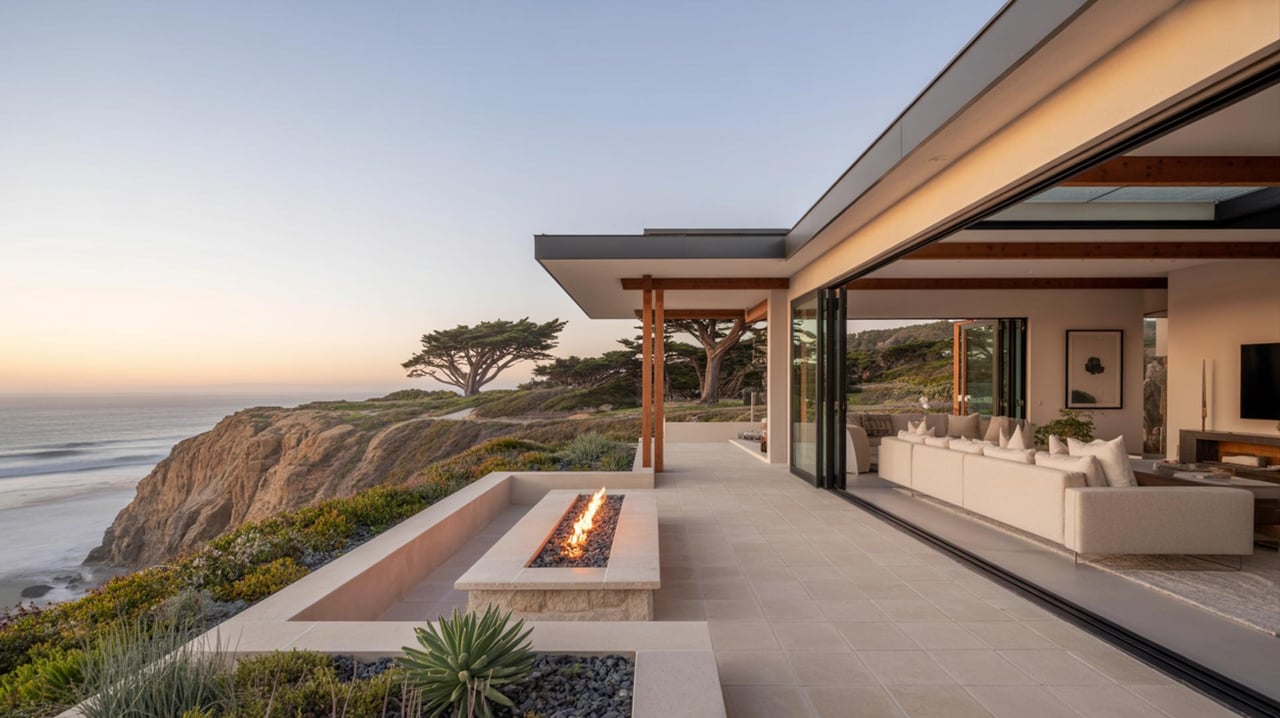
Focus on the relationship between architecture and site. If your home captures light, frames a ridgeline, shelters a courtyard from wind, or connects naturally to terraces and paths, those details deserve attention in your marketing and showing plan.
This is especially important in a community where many homes feel integrated with the landscape rather than imposed on it. Buyers tend to respond to properties that feel settled, intentional, and well cared for.
Prepare the Grounds for Presentation
In the Preserve, exterior presentation carries unusual weight. Buyers notice access roads, tree canopies, rooflines, utility areas, drainage patterns, and outbuildings because these details speak to ongoing stewardship.
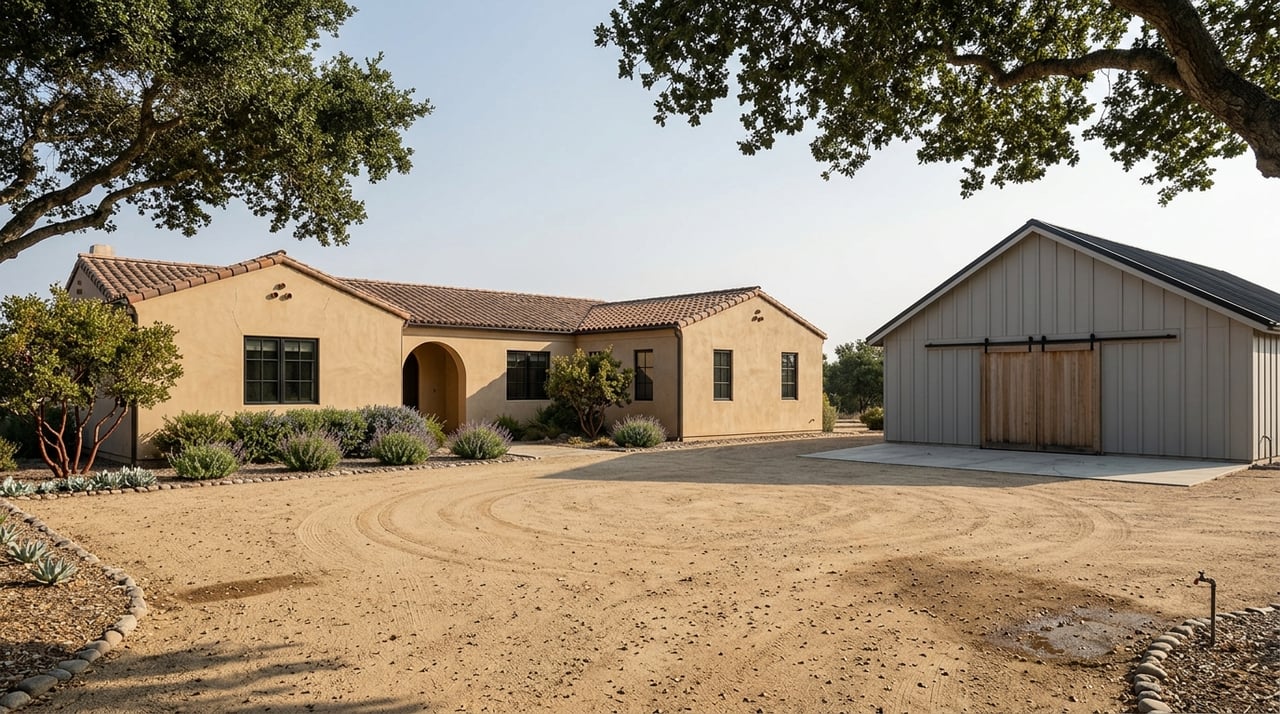
Your property should show as a maintained rural estate. That means clean edges, organized service areas, trimmed vegetation, and a clear sense that the land has been actively managed.
Address wildfire readiness early
Wildfire preparedness is a practical and visual issue in Monterey County. County guidance for unincorporated areas says owners should cut flammable vegetation around structures to a minimum of 30 feet or to the property line, keep roofs and gutters clear, and remove dead wood and overhanging limbs.
CAL FIRE states that 100 feet of defensible space is required by law in applicable areas. Monterey County also notes that about 80% of county land is in high, very high, or extreme fire threat areas. For sellers, this means fuel management is not just seasonal maintenance. It is part of buyer due diligence.
Present rural improvements clearly
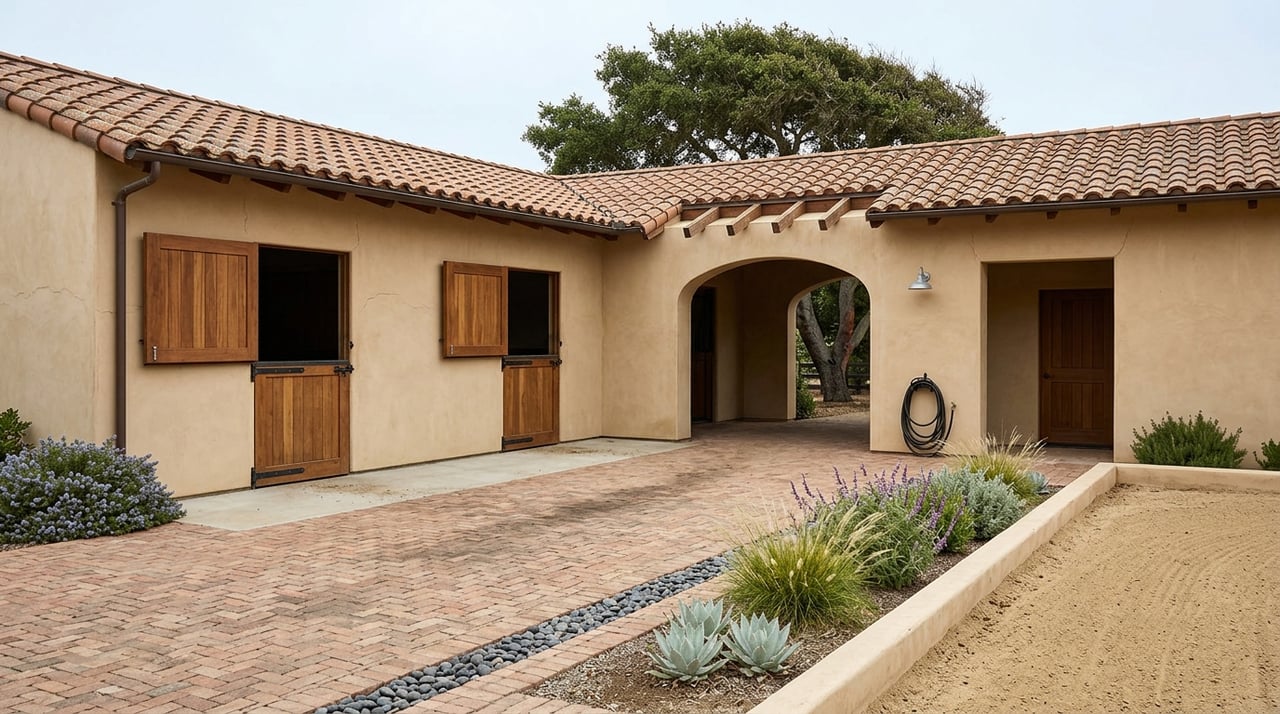
If your property includes gates, fencing, driveways, retaining features, barns, paddocks, or arenas, make sure they are orderly and documented. These features can add appeal, but only when buyers can understand their condition, purpose, and approval history.
The same applies to utility areas, storage spaces, and service access. Clean, well-organized support areas suggest the estate has been managed with care.
Gather Approvals and Property Records
One of the smartest things you can do before listing is collect records early. In the Preserve, substantial remodels and custom builds are shaped by Design Review Board and Conservancy guidelines intended to protect the land and maintain community standards.
If you have completed additions, remodels, site work, fencing, driveways, barns, or other improvements, assemble approvals, permits, and as-built records before your home goes live. Buyers in this market often ask detailed questions, and quick, complete answers can help keep momentum.
Documents worth organizing now
A pre-listing file may include:
- Building permits and final approvals
- Design review or Conservancy-related approvals
- As-built plans, if available
- Records for additions, remodels, and site improvements
- Well, septic, pest, or survey records, if applicable
- Vegetation or fuel-management records
- Trail or access maintenance information, if relevant
- Governing documents tied to the property, if applicable
In a private conservation community, this kind of preparation helps buyers feel informed rather than uncertain.
Build a Strong Disclosure Packet
California sellers of one- to four-unit residential property generally must deliver a Real Estate Transfer Disclosure Statement before title transfers. The California Department of Real Estate also notes that additional disclosures may apply depending on the property, including natural hazard disclosure, special tax notices, property tax information, lead-based paint rules for pre-1978 homes, and common-interest development documents and financial statements where applicable.
For a Preserve seller, that means disclosure planning should start well before launch. Waiting until you are in contract can slow the transaction and create avoidable stress.
Be ready for property-specific questions
Buyers commonly want to know:
- Whether club access is included or separate
- What design-review approvals exist
- How current the vegetation and fuel management is
- Whether there are septic, well, pest, or survey records
- What disclosures apply to the parcel
These are not unusual questions in the Preserve. They often influence buyer confidence, negotiation pace, and timing.
Understand Timing Before You List
Because membership is separate from the real estate purchase and subject to approval, Preserve transactions can move on a longer timeline than a conventional luxury sale. Buyers may need time to review community materials, understand the membership path, and complete due diligence tied to land stewardship and site-specific improvements.
That does not mean a sale has to feel slow or uncertain. It means your timeline should account for the realities of this market from the start.
Plan for a longer diligence window
A buyer here may spend more time evaluating:
- Community documents
- Approval history for improvements
- Fire mitigation work
- Access and maintenance considerations
- Equestrian or ranch-related infrastructure
When these items are organized in advance, the process tends to feel more efficient and credible.
Price With Context, Not Assumptions
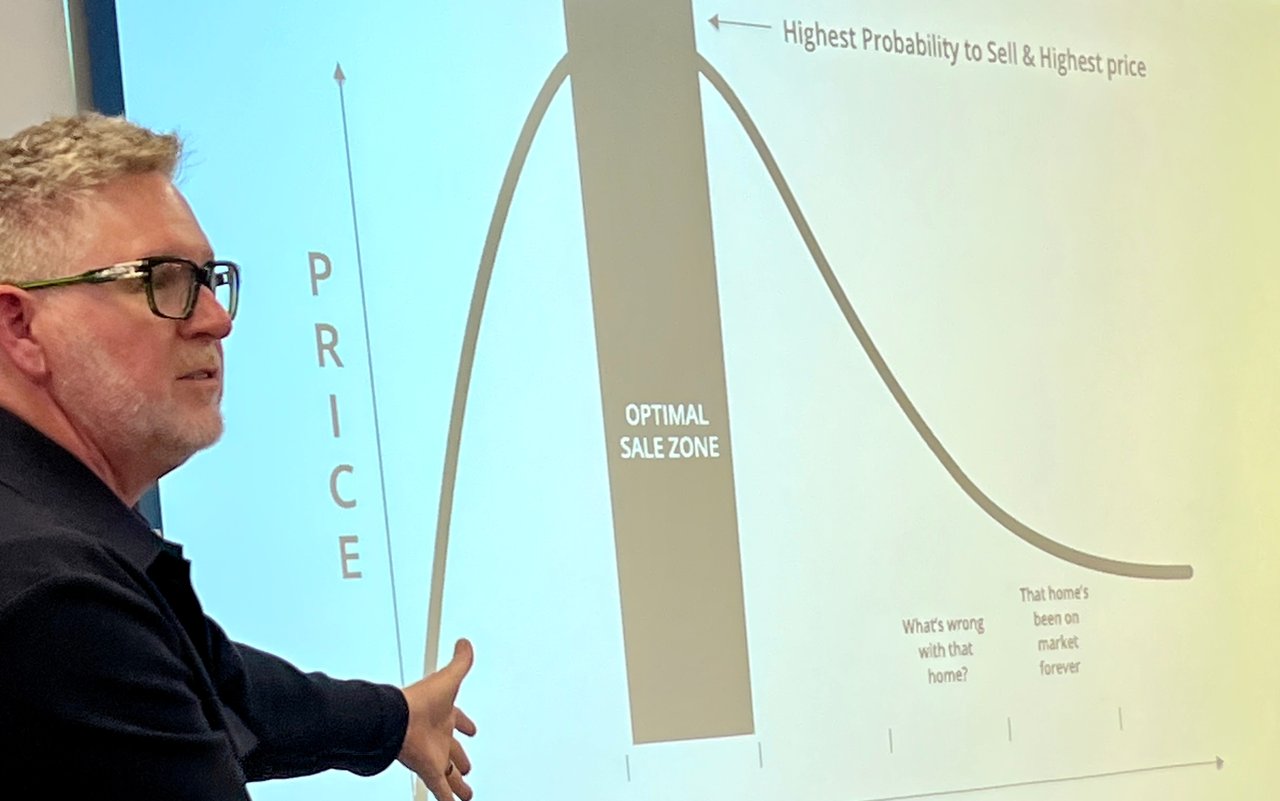
Pricing in the Santa Lucia Preserve is rarely about square footage alone. Buyers are often weighing privacy, acreage, design quality, site placement, land management, outdoor amenities, and approval history.
A home with thoughtful siting, strong documentation, and clear stewardship can present very differently from a similar-sized property with unanswered questions. In a selective buyer pool, clarity and trust support value.
Tell the right story
In this market, effective marketing is part data and part narrative. Buyers need the facts, but they also need help understanding what makes your property distinct within the Preserve.
That story may center on architecture, land use, privacy, equestrian infrastructure, outdoor living, or the way the home responds to views and microclimate. The best marketing brings those elements together without overstating them.
If You Have Equestrian Features
The Preserve includes a Ranch Club context with a world-class Equestrian Center, 44 groomed trails, and nearly 100 miles of horse and hiking trails, along with barns, paddocks, and arenas. If your property benefits from horse-keeping or ranch appeal, those features should be documented and presented carefully.
Buyers interested in equestrian use will likely look beyond aesthetics. They may ask how facilities function, how they have been maintained, and how they connect to the larger Preserve setting.
Show utility and condition
If your parcel includes equestrian improvements, be ready to present:
- The layout and use of barns or stalls
- Paddock and arena condition
- Access points and circulation
- Any approvals tied to these features
- Maintenance history where available
Clear information helps buyers understand whether the property suits their intended use.
Coordinate Closing Details Early
High-value sales benefit from early escrow and title coordination, and that is especially true when a property has acreage, custom improvements, or layered documentation. In Monterey County, documentary transfer tax is $0.55 per $500 or fractional part thereof, and recorded documents need a documentary transfer-tax declaration or a statutory exemption statement on the first page.
That makes early organization more than a convenience. It can help reduce surprises as the transaction moves toward closing.
Why Specialized Representation Matters Here
A Preserve sale often involves more moving parts than a typical luxury listing. You may be managing acreage, custom architecture, approval history, fuel management, equestrian infrastructure, and a buyer who is learning the community at the same time.
That is why local, detail-oriented representation matters. The right strategy is not just about exposure. It is about preparing the asset thoroughly, answering the questions buyers are most likely to ask, and guiding the process with discretion and care.
If you are considering a sale in the Santa Lucia Preserve, a confidential planning conversation can help you identify what to organize first, what to improve before launch, and how to position your property for a smooth, well-supported transaction. To start, reach out to William Smith.
FAQs
What makes selling in the Santa Lucia Preserve different from selling another Carmel-area luxury home?
- The Preserve is a 20,000-acre private conservation community with about 90% of the land protected in perpetuity, only 297 homesites, and a separate club membership process that is not automatically included with a home purchase.
What property records should Santa Lucia Preserve sellers gather before listing?
- Sellers should organize permits, approvals, as-built records, and documents for additions, remodels, site work, fencing, driveways, barns, and other improvements, along with any available well, septic, survey, pest, or fuel-management records.
What wildfire preparation should Santa Lucia Preserve sellers handle before showings?
- Monterey County guidance says owners in unincorporated areas should reduce flammable vegetation around structures to at least 30 feet or to the property line, keep roofs and gutters clear, and remove dead wood and overhanging limbs, while CAL FIRE states 100 feet of defensible space is required by law in applicable areas.
What disclosures may apply when selling a home in the Santa Lucia Preserve?
- Depending on the property, sellers may need a Transfer Disclosure Statement plus other disclosures such as natural hazard disclosure, property tax information, lead-based paint disclosure for pre-1978 homes, and common-interest development documents where applicable.
Why can a Santa Lucia Preserve home sale take longer than a typical luxury transaction?
- Buyers may need additional time to review community materials, understand the separate membership path, verify approval history for improvements, and complete due diligence tied to land stewardship, fire mitigation, and site-specific features.
How should equestrian features be presented in a Santa Lucia Preserve home sale?
- Sellers should clearly document and present barns, paddocks, arenas, access, condition, and any related approvals so buyers can understand how the property supports horse-keeping or ranch use within the broader Preserve context.