If you are thinking about selling along the Salinas-Monterey Highway, waiting for the "perfect" week can cost you more than it saves. This corridor moves to several rhythms at once, including spring buyer demand, weather and property prep, and tax or title timing. When you understand how those calendars overlap, you can make better decisions, reduce last-minute stress, and bring your home to market in a stronger position. Let’s dive in.
Why timing matters here
The Salinas-Monterey Highway corridor connects distinct parts of Monterey County, and buyers do not all shop with the same priorities. Salinas sits in one of the world’s premier agricultural areas and is about one hour from Silicon Valley, while Monterey County’s economy is shaped by agriculture, tourism, higher education, research, and military institutions. That mix creates different buyer motivations depending on location, property type, and price point.
It also means you should avoid treating the corridor like one single market. A commuter-oriented home, a gated property, and a hillside acreage will not attract the same audience or follow the same prep timeline. The best sale timing depends on who your likely buyer is and what questions they will ask before making an offer.
What current pricing suggests
Recent market data points to an important baseline. Redfin reported a March 2026 median sale price of $699,000 in Salinas, with a median of 18 days on market. In the same period, Redfin showed a Monterey County median sale price of $872,500, while MLSListings reported a Monterey County single-family median sale price of $980,000, 403 active listings, 157 homes sold last month, and a median of 13 days on market.
The exact figures vary by source and reporting window, but the direction is clear. Salinas remains more affordability-sensitive than the county overall, while countywide single-family homes can still move quickly when they are priced and presented well. For sellers, that means timing alone will not do the work for you. Preparation and positioning still matter.
Spring is usually the key window
Local MLS data shows a consistent spring lift in Monterey County. In April 2025, single-family homes sold in a median 14 days at 99% of list price, with inventory up 12% from March, new listings up 21%, and closed sales up 31%. In April 2024, the pattern looked similar, with homes selling in a median 10 days, inventory up 12% from March, and new listings up 12%.
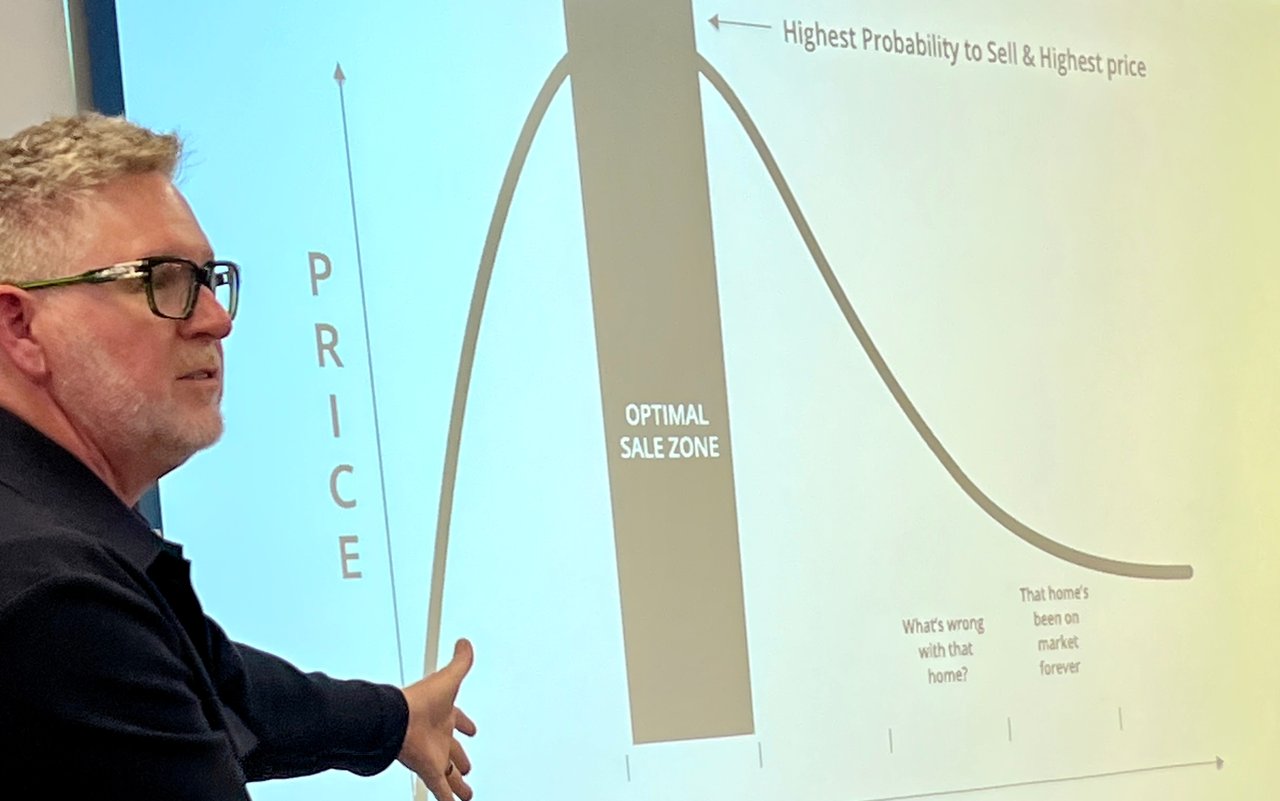
That pattern supports a simple takeaway. If you have flexibility, it is usually better to be fully prepared before spring demand expands. Sellers who wait until spring to start repairs, photos, staging, and paperwork often arrive after the market has already accelerated.
What “ready before spring” really means
Being early does not mean rushing to market half-finished. It means using the months before spring to complete the work that buyers will notice right away. That usually includes:
- Repairs and deferred maintenance
- Exterior cleanup and landscaping
- Photography and marketing prep
- Disclosures and property documents
- Pricing strategy based on current competition
When these pieces are complete before buyer activity broadens, you have more control over your launch. You can choose your moment instead of reacting under pressure.
Winter can work, but weather affects presentation
Winter is not automatically a bad time to sell in this corridor. Still, local weather can shape how your property shows, especially if your home has views, exposed hillsides, or acreage. NOAA’s Monterey Bay guidance notes that winter generally brings the largest waves and swells, and weather can change throughout the day.
That matters more than many sellers expect. Exterior photography, drone work, and weekend showings can all be affected by visibility, wind, and access conditions. If your property depends on outdoor appeal, scenic outlooks, or a polished arrival experience, weather should be part of the listing calendar.
Homes that are most weather-sensitive
Some properties need more timing care than others. That often includes:
- Hillside homes with view-driven marketing
- Acreage properties with longer or exposed access roads
- Homes where exterior living areas are a major selling point
- Properties that benefit from aerial imagery
For these homes, choosing the right launch window is not about superstition. It is about giving buyers the clearest, strongest first impression.
Wildfire readiness can change your timeline
For hillside, rural, and acreage properties, wildfire prep is often one of the biggest timing factors. Monterey County’s 2025 Local Responsibility Area map update explains that CAL FIRE classifies areas using climate data, fire history, topography, and wildfire modeling. County wildfire guidance also states that about 80% of Monterey County land is categorized as high, very high, or extreme fire threat.
If your property falls into one of these categories, buyers may look closely at vegetation, slope, access, and overall readiness. County guidance calls for vegetation clearance, roof and gutter maintenance, and permit review for some fuel-management work. This is one of the clearest reasons to start early.
Prep wildfire-sensitive properties before listing
If you are selling a hillside home, ranchette, or larger parcel, complete this work before the property goes live whenever possible:
- Brush and vegetation clearance
- Roof and gutter cleaning
- Exterior maintenance that improves condition and safety
- Access improvements where appropriate
- Documentation related to defensible space or fire-zone questions
Buyers tend to ask about these items early. When you can answer clearly from day one, your listing feels more credible and more manageable.
Match timing to property type
Not every seller along the corridor should follow the same calendar. The most effective listing strategy depends on how buyers evaluate your kind of property.
Ranchettes and acreage need a longer runway
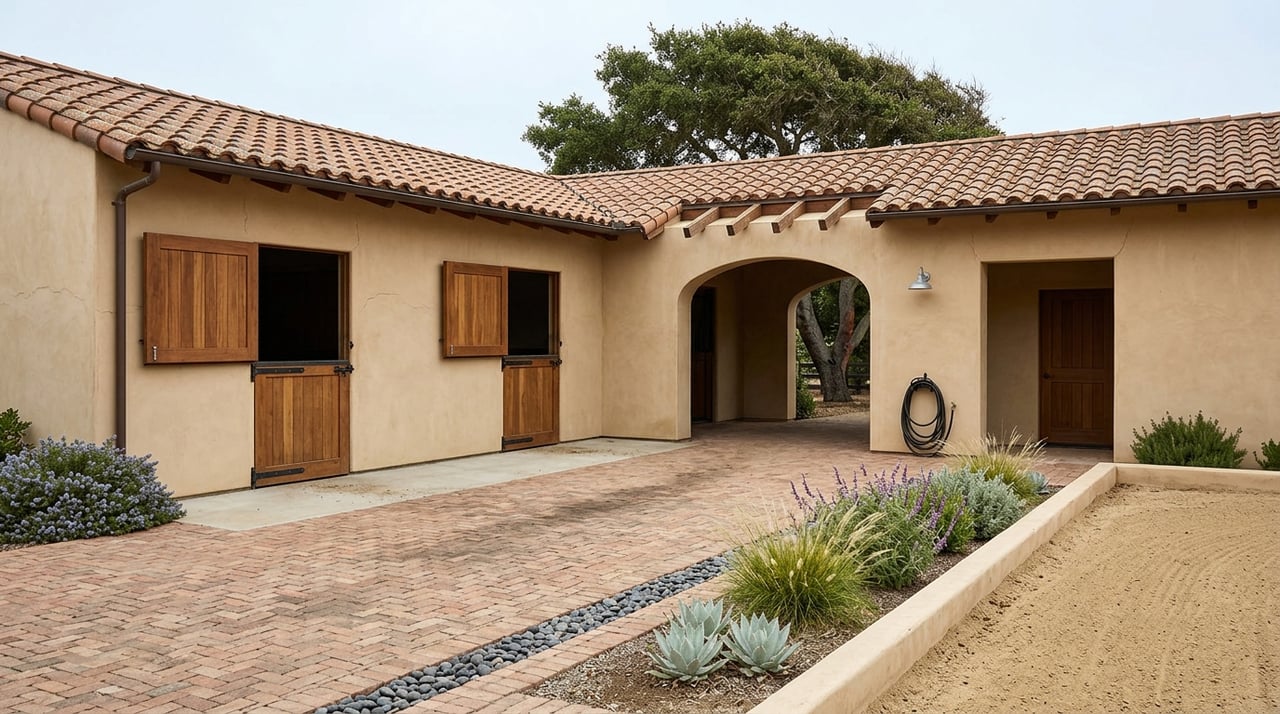
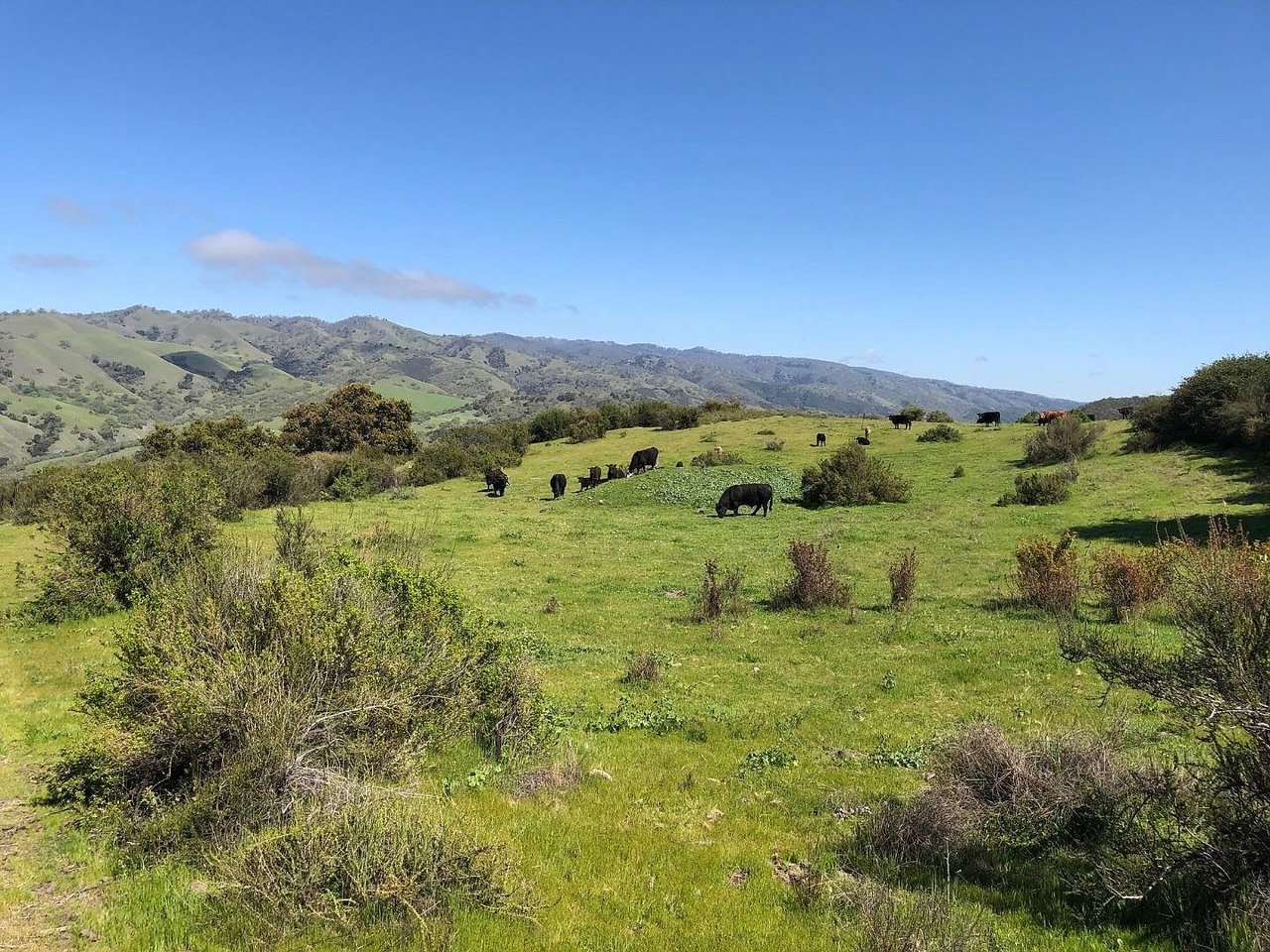
For ranchettes, acreage, and equestrian-style parcels, buyers often care about both lifestyle and operating practicality. They may want acreage maps, access notes, outbuilding details, utility information, water or septic details, and defensible-space status. That means your prep period often needs to start earlier than it would for a more standard home.
These properties benefit from an organized presentation. If the information is incomplete, buyers may hesitate even when the setting is appealing. Early planning helps you package the property with more clarity and confidence.
Gated homes benefit from a clean spring launch
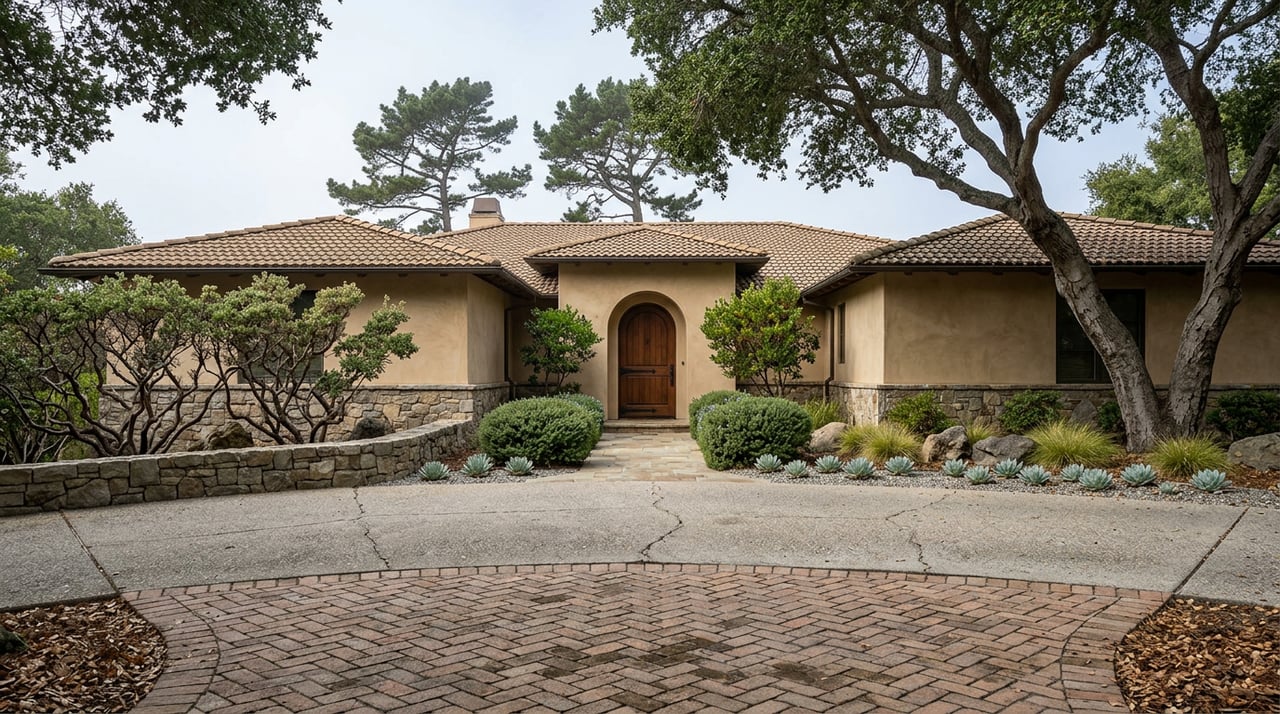
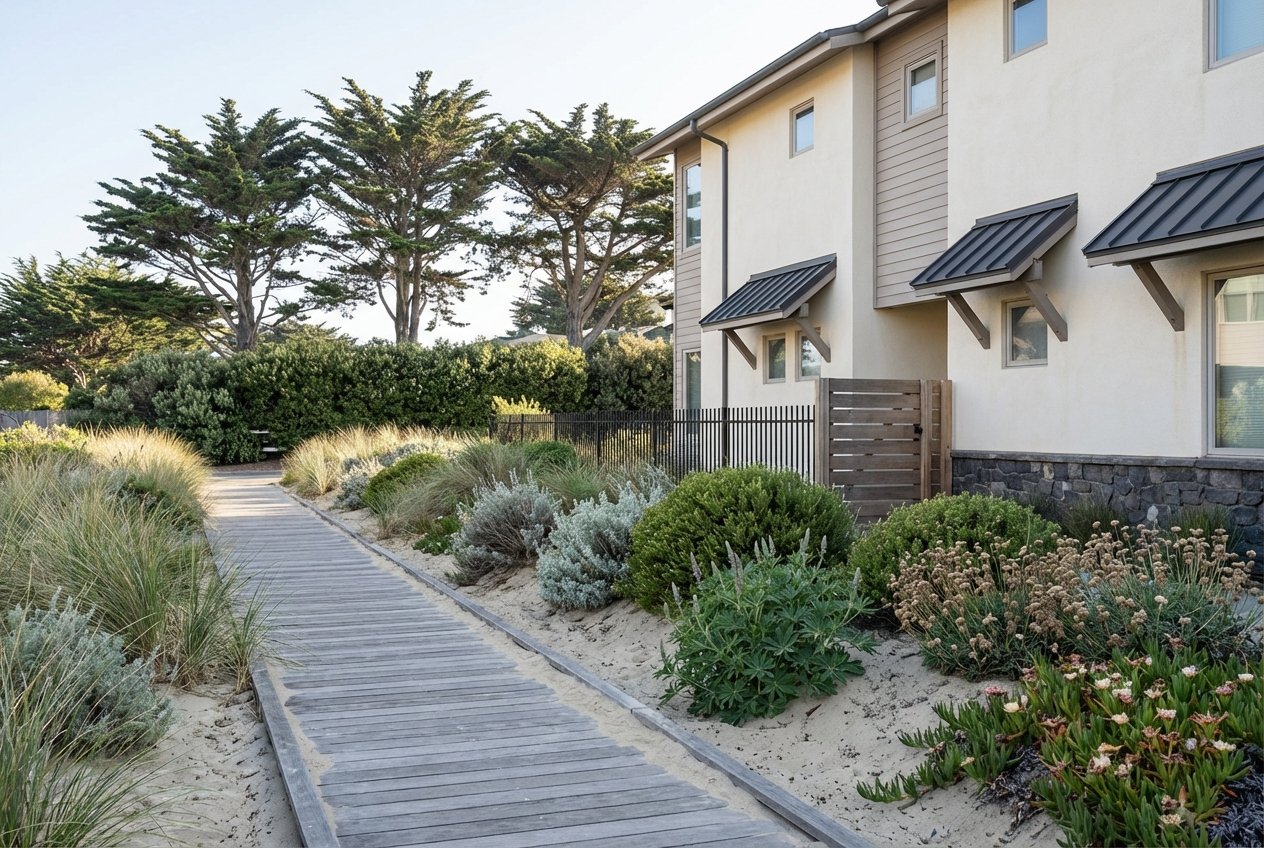
For homes in gated communities, the buyer pool is often broader. Buyers may include commuters, downsizers, and lifestyle or second-home purchasers who value security, convenience, amenities, and easier upkeep. In these cases, the timing goal is often to be fully launch-ready as spring demand widens.
The marketing story should usually extend beyond interior finishes alone. Convenience, lock-and-leave practicality, and location context often help buyers understand the value more quickly. When those points are presented clearly, timing works in your favor.
Hillside homes need proof of readiness
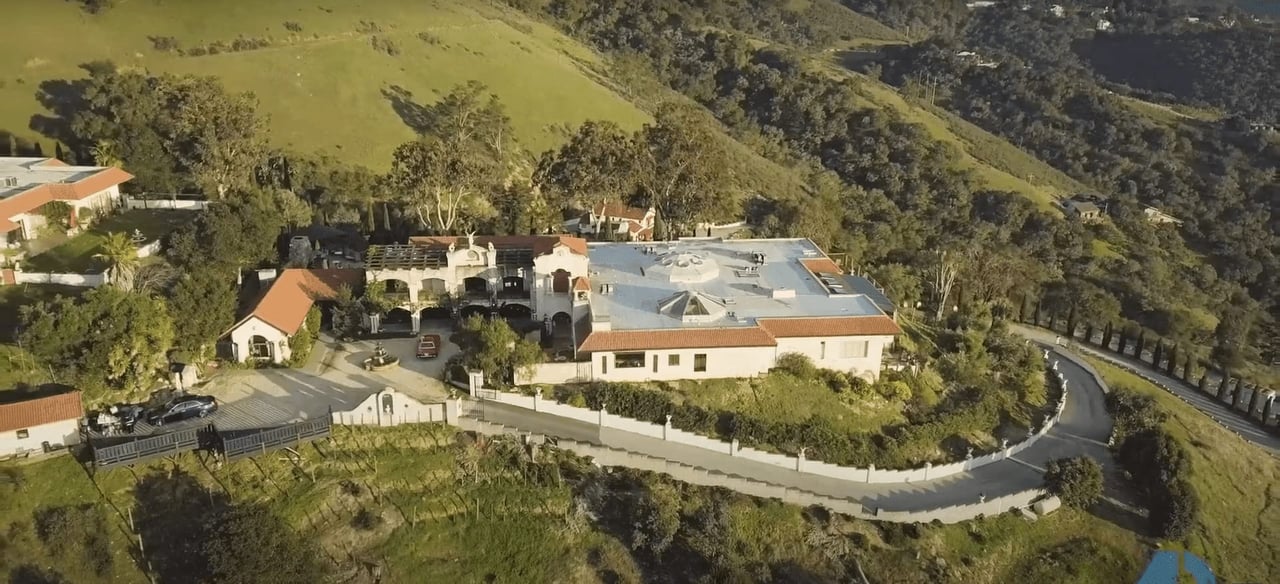
Hillside homes often attract buyers with views, privacy, and design. At the same time, these buyers may examine slope, access, vegetation management, and wildfire exposure with extra care. Monterey County wildfire guidance notes that fire behavior is affected by vegetation, slope, microclimate weather, road access, water supply, and suppression resources.
That makes pre-listing prep especially important. If you wait until buyers start asking for answers, you may lose momentum. If you prepare ahead of launch, the property is easier to understand and easier to trust.
Tax and title timing matter too
Sale timing is not just about market activity. In Monterey County, the buyer must file a Preliminary Change of Ownership Report with recordation, and the county explains that a change of ownership can trigger reassessment and supplemental assessments. The county also notes that if a property is resold shortly after purchase, supplemental tax proration can become a private matter between buyer and seller.
Inherited property creates another timeline to manage. Monterey County requires a Death of Real Property Owner – Change in Ownership Statement to be filed in a timely manner to help avoid reassessment issues. If your sale involves inherited property, a trust, or family coordination, your listing date should be part of a bigger planning conversation.
Proposition 19 may affect your sale calendar
For some California homeowners, Proposition 19 timing can be important. The California Board of Equalization says a replacement home generally must be purchased or newly constructed within two years of the sale of the original home, and claims are filed with the assessor in the county where the replacement home is located. Monterey County’s assessor also points property owners to Proposition 19 information and distinguishes it from older Proposition 60 and 110 rules.
This does not mean every seller should delay or speed up a listing because of tax planning. It does mean the expected close date, replacement-home search, and assessor filing timeline may need to be coordinated early. If tax strategy matters to your move, build that into your sale plan from the start.
A practical 6-to-12-month sale plan
For many owners along the Salinas-Monterey Highway, the smartest approach is to work backward from the market window you want. In most cases, that means preparing ahead of spring while also accounting for property-specific work and any tax, title, or estate deadlines. A six- to twelve-month runway can give you better options and less friction.
Here is a practical planning framework:
6 to 12 months before listing
- Review your likely sale goals and preferred closing window
- Identify whether your property is weather-sensitive, wildfire-sensitive, or document-heavy
- Start conversations with your CPA, estate attorney, and title or escrow professionals if needed
- Prioritize major repairs, deferred maintenance, and land-prep work
3 to 6 months before listing
- Complete exterior work and defensible-space items
- Gather maps, utility details, outbuilding information, and ownership documents
- Refine pricing and launch strategy based on current market conditions
- Plan photography and marketing assets around seasonal presentation
30 to 45 days before launch
- Finish final touch-ups and cleaning
- Confirm disclosures and listing paperwork
- Watch weather and access conditions for photos and showings
- Go live only when the home is truly presentation-ready
The real goal is alignment
The biggest mistake sellers make in this corridor is focusing only on buyer seasonality. In reality, the best outcomes usually come from aligning three calendars at once: the spring market window, wildfire or land-prep readiness, and tax or estate timing. When those pieces line up, your home reaches the market with less uncertainty and stronger positioning.
That is especially true for complex properties. Ranches, hillside homes, inherited homes, and second residences often need more than a standard checklist. They benefit from careful sequencing, clear documentation, and a launch plan built around the property’s actual story.
If you are considering a sale along the Salinas-Monterey Highway, a measured strategy can protect both value and momentum. For a confidential conversation about timing, preparation, and positioning, connect with William Smith.
FAQs
When is the best time to sell a home along the Salinas-Monterey Highway?
- Local Monterey County data suggests spring is often the strongest activity window, so it is usually better to be fully prepared before spring begins rather than trying to catch up after buyer demand increases.
How fast are homes selling in Salinas and Monterey County?
- Recent data shows a median of 18 days on market in Salinas and 13 days on market for Monterey County single-family homes in the MLSListings snapshot, though timing depends on pricing, presentation, and property type.
Does wildfire preparation matter when selling a hillside or rural Monterey County property?
- Yes. County guidance highlights vegetation, slope, access, and defensible space as important considerations, so sellers of hillside, acreage, and rural properties should complete prep work before listing when possible.
Should owners of inherited Monterey County property plan sale timing differently?
- Yes. Monterey County requires timely filing of a Death of Real Property Owner – Change in Ownership Statement, so inherited property sales should be coordinated early with the appropriate professionals and the title process.
How does Proposition 19 affect timing when selling a Monterey County home?
- For sellers who may qualify, the California Board of Equalization says a replacement home generally must be purchased or newly constructed within two years of the original sale, so your listing and closing timeline may need to be coordinated with your next purchase.
Do ranchettes and acreage properties need a different sale timeline than standard homes in Salinas?
- Usually, yes. These properties often require more documentation and more exterior prep, including acreage details, access information, utility or septic details, and defensible-space readiness, which can extend the preparation timeline.