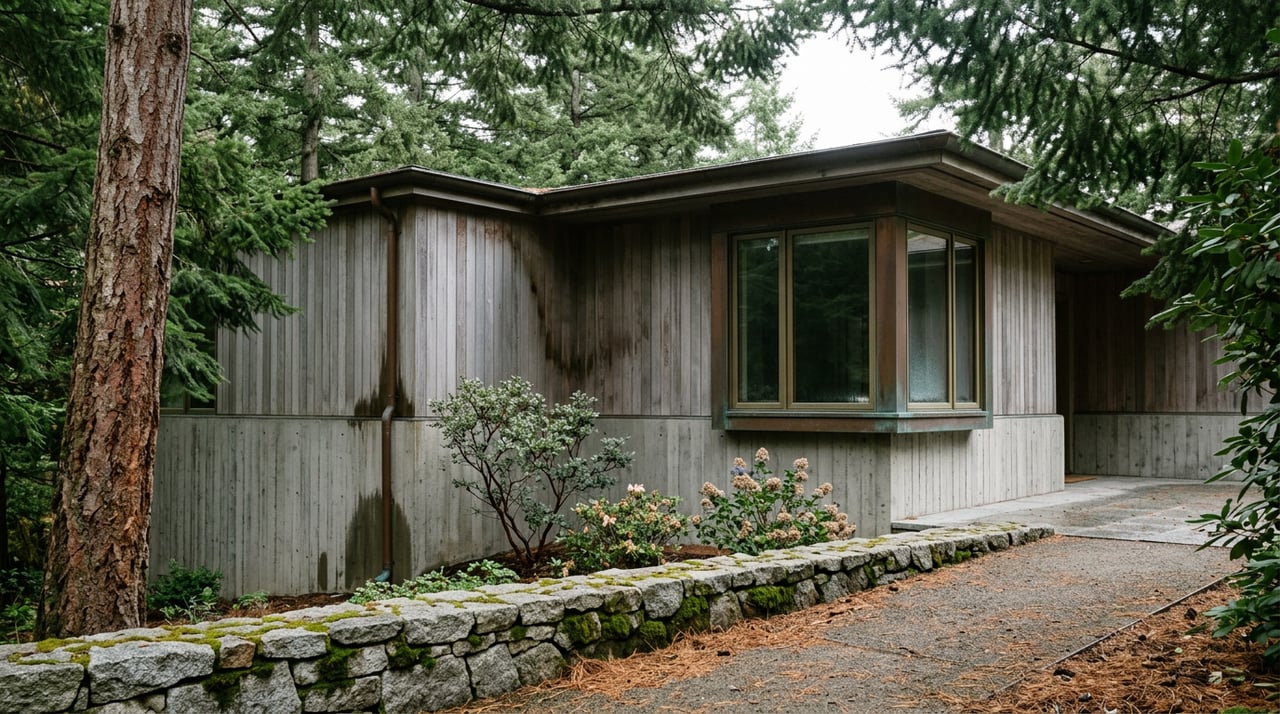
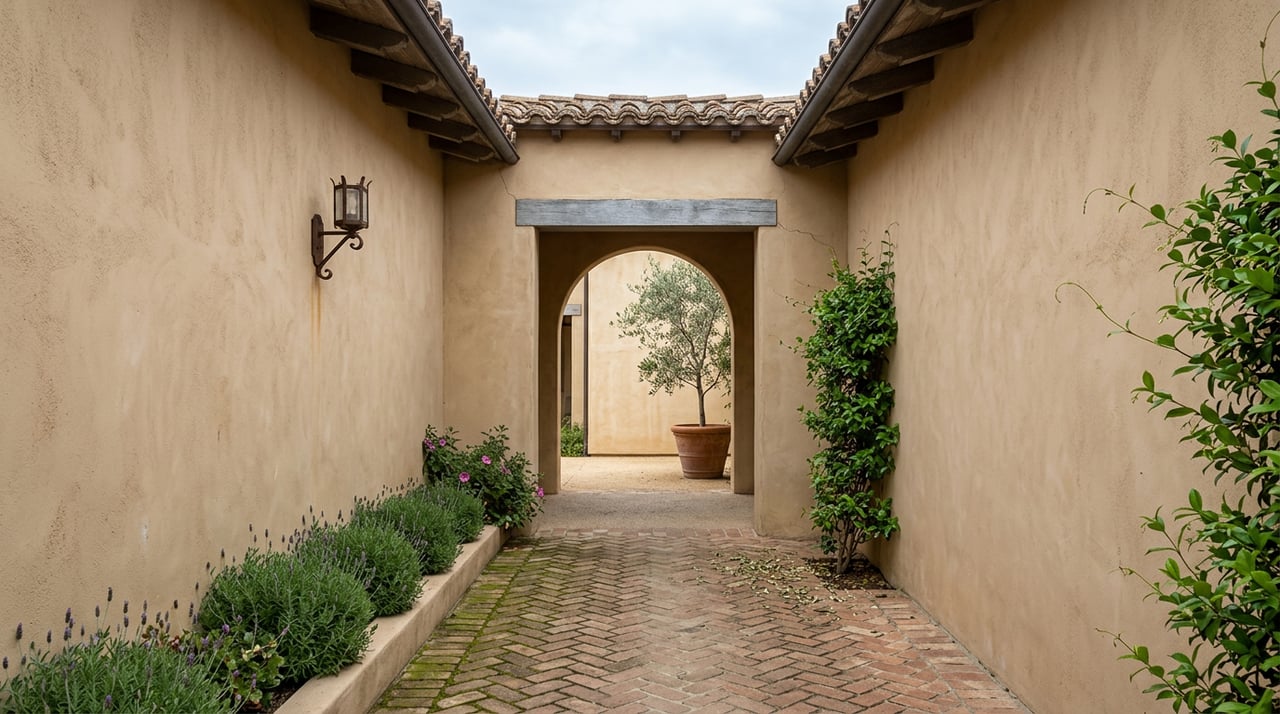
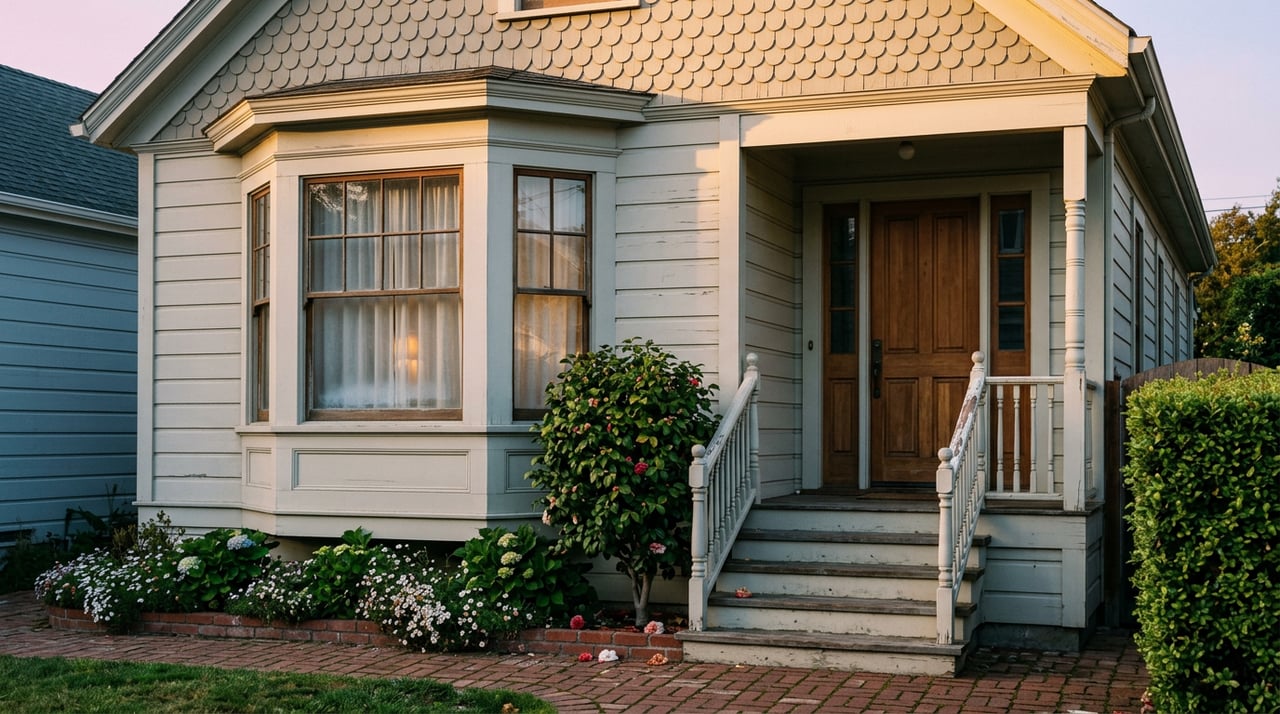
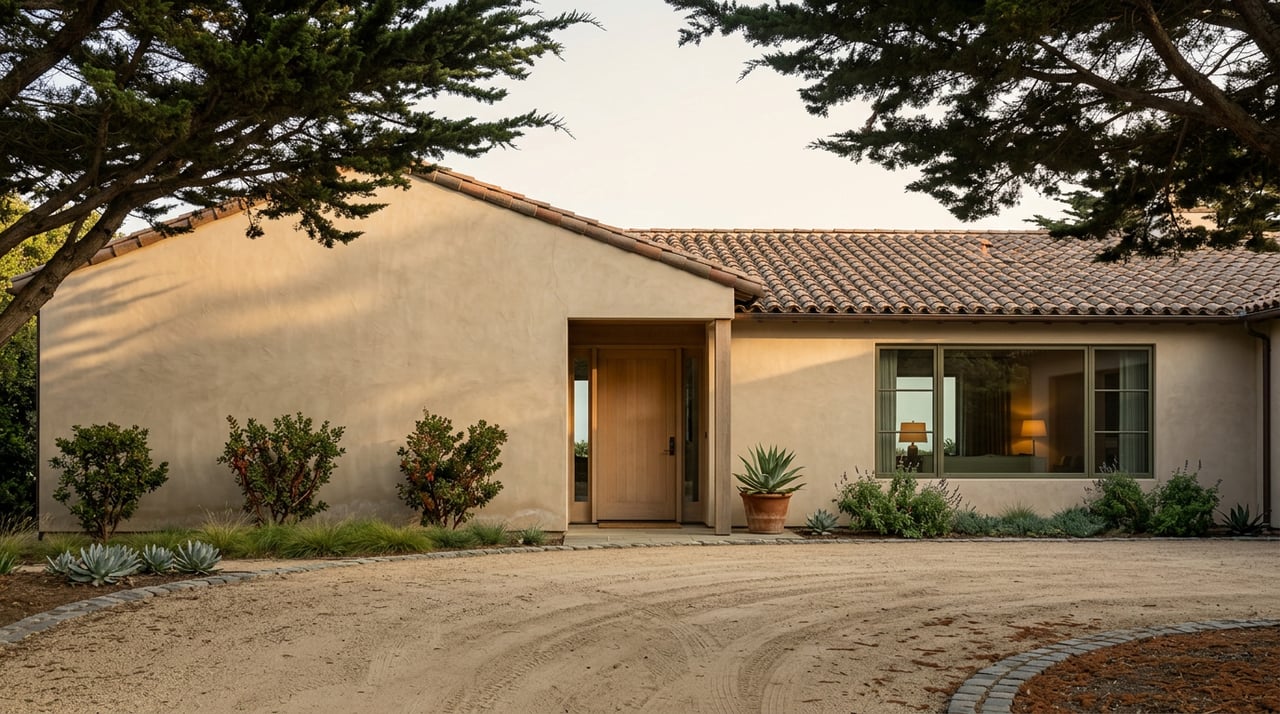
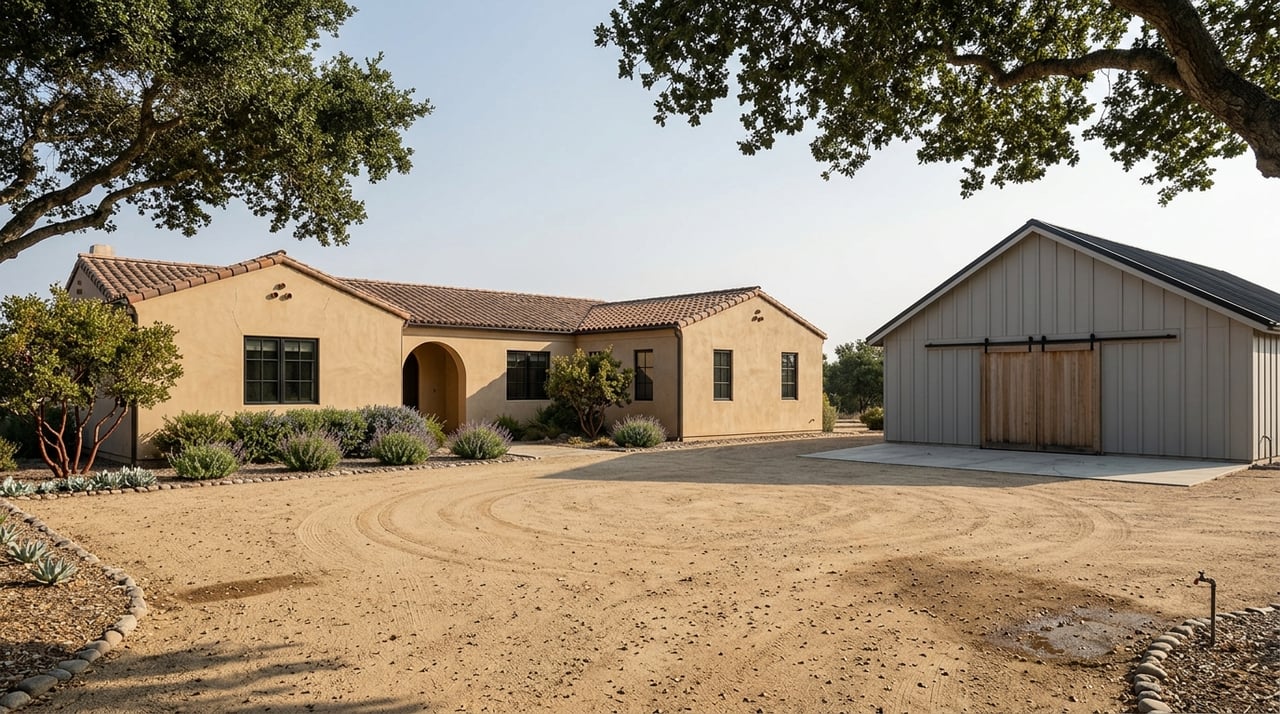
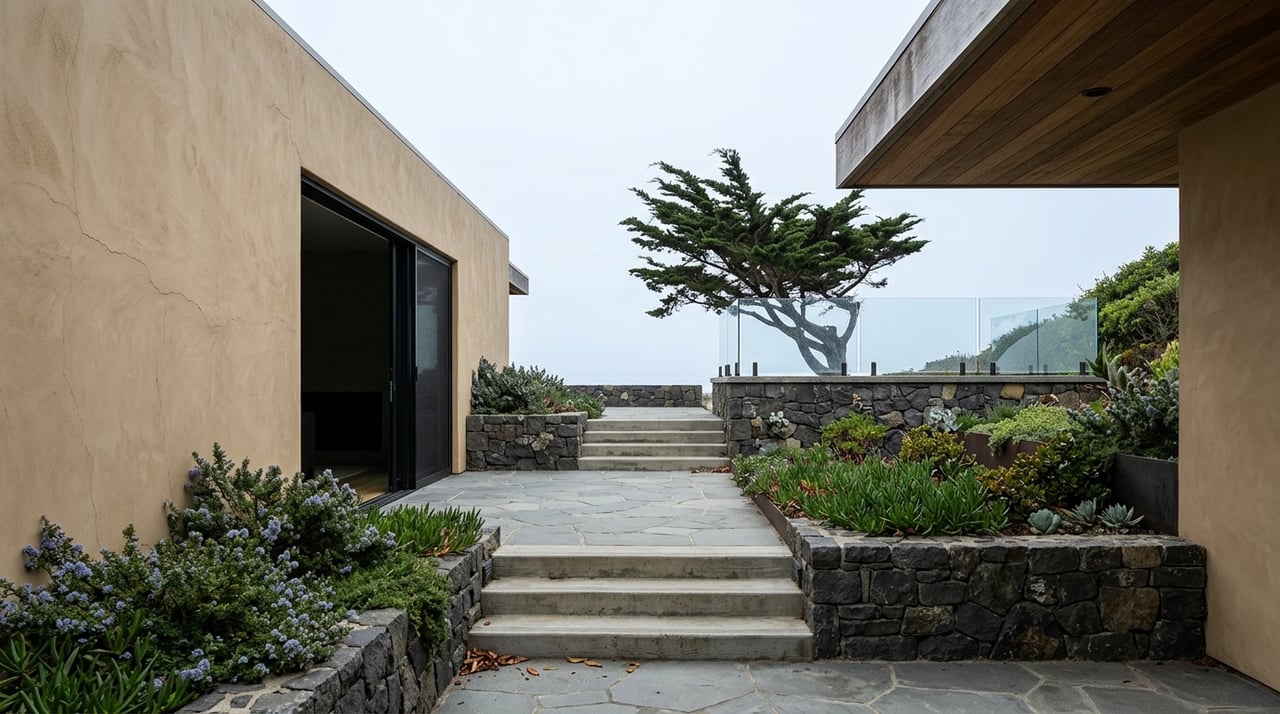
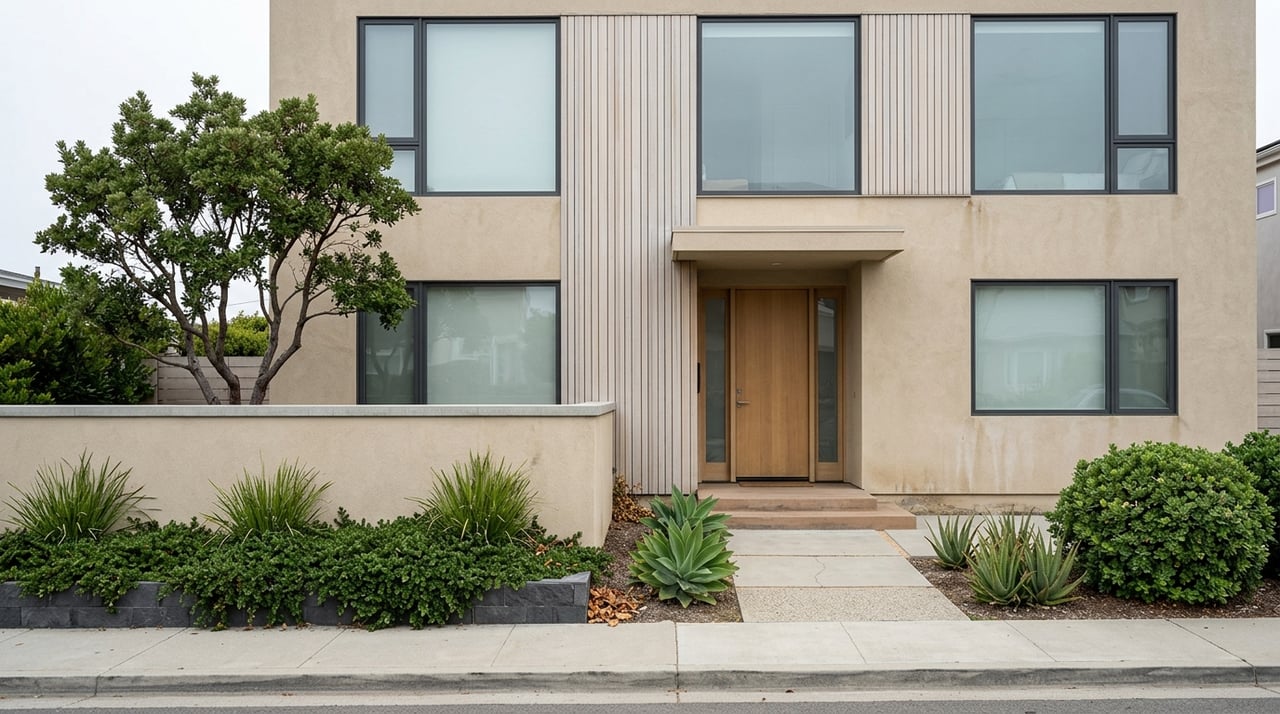
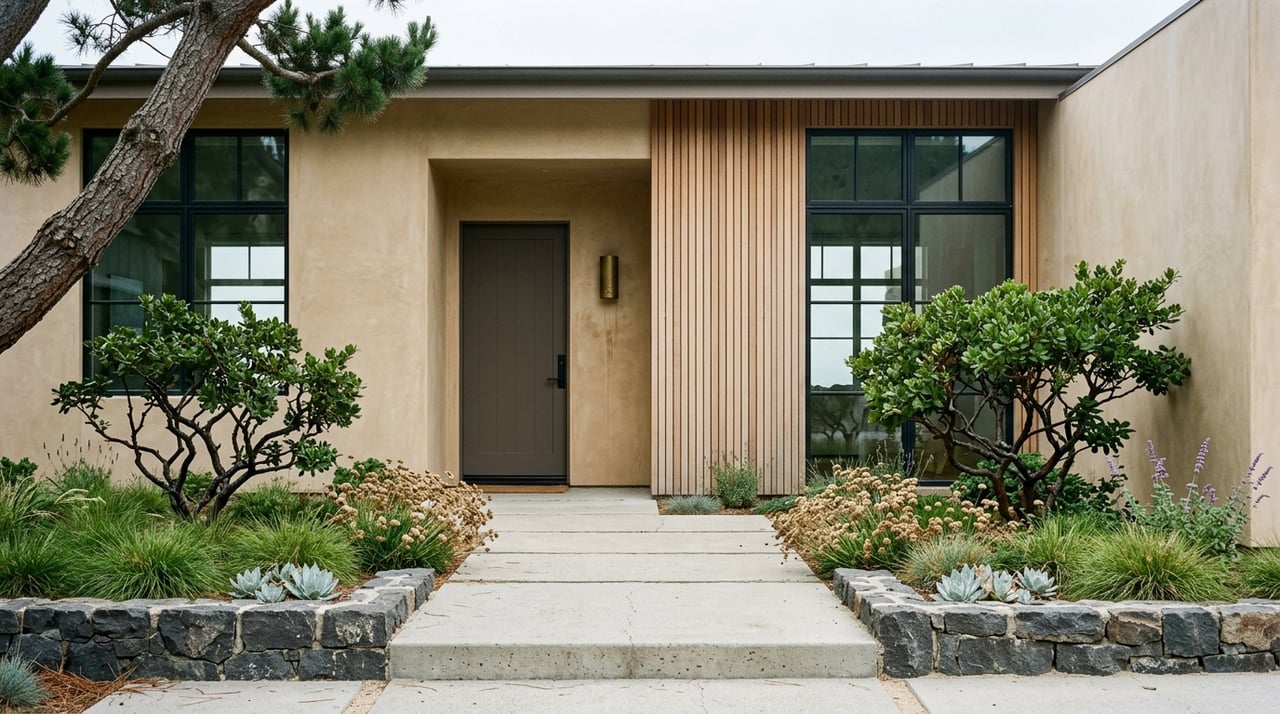
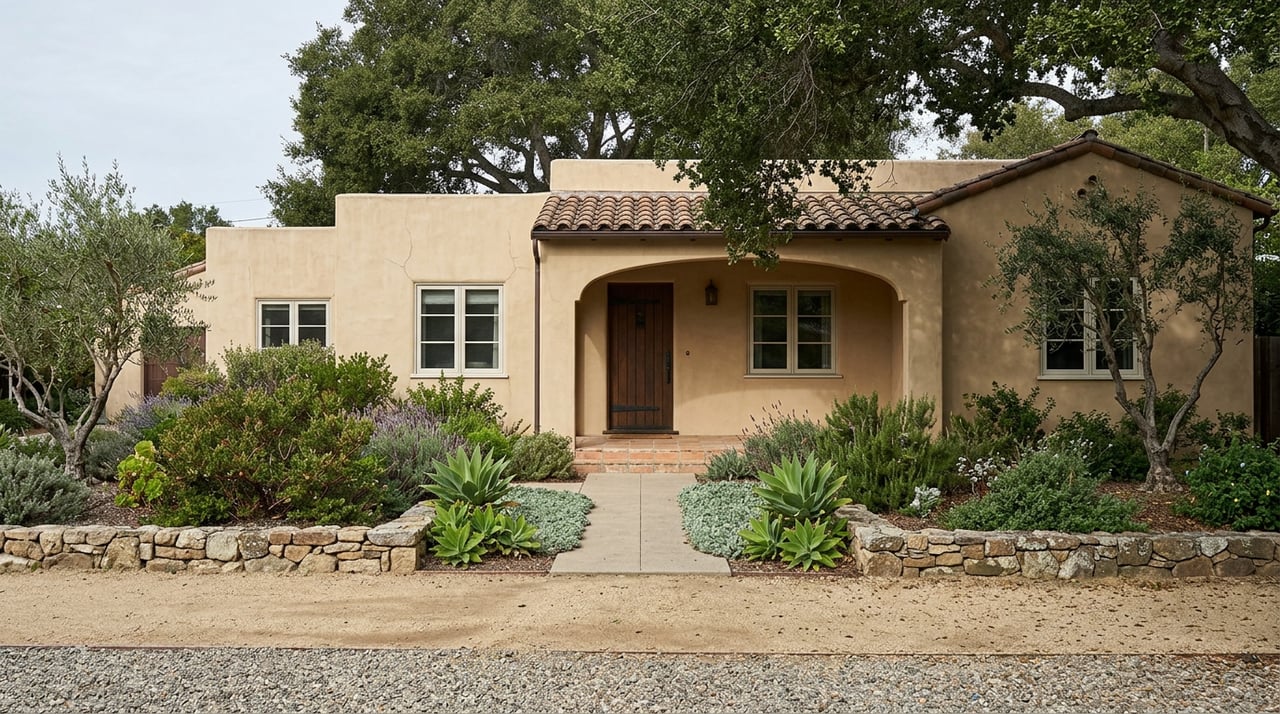
Wondering whether that charming Pacific Grove cottage comes with renovation freedom or a longer city review process? If you are buying, selling, or updating a historic home here, that question matters early. Pacific Grove’s rules are detailed, but they are not designed to stop every change. They are designed to protect historic character while allowing reasonable updates and continued use. Let’s dive in.
Pacific Grove Historic Homes at a Glance
Pacific Grove does not rely on one blanket historic district to regulate older homes. Instead, the city uses a resource-based system centered on its Historic Resources Inventory, or HRI, which began in 1978 and now includes more than 1,300 buildings.
That matters because a home can be subject to historic review even if it is not located in a single, easily defined historic district. The city’s preservation framework applies to listed resources across Pacific Grove, and roughly fifteen of those properties are also listed on the National Register of Historic Places and or the California Register of Historical Resources.
For buyers and sellers, the practical takeaway is simple: you should not assume a home is unaffected just because the street does not look formally designated. In Pacific Grove, historic oversight follows the resource, not just a district map.
Why the City Reviews Historic Properties
Pacific Grove’s ordinance is meant to preserve historic structures and neighborhoods, support rehabilitation and adaptive reuse, and control demolition while still allowing reasonable change and continued use. In other words, the city’s goal is not to freeze a house in time.
The process is overseen in part by the Historic Resources Committee, or HRC. The committee makes historic determinations and reviews historic permits for properties on the HRI.
That review can affect both pre-sale planning and post-closing remodels. If you are evaluating a purchase, it helps to understand the likely review path before you finalize your budget and timeline.
What Work Usually Needs Review
One of the biggest misconceptions about historic homes is that every repair requires a long approval process. In Pacific Grove, routine maintenance and repair are generally allowed, and some minor exterior work on properties over 50 years old can move forward without a Historic Assessment when the work is limited to restoration or in-kind replacement.
Examples include reroofing and gutters with matching materials, emergency repairs, in-kind window replacement when original windows are too deteriorated to restore, and like-for-like repair of stairs, railings, doors, porches, or historic siding. This is good news if your project is focused on maintenance rather than visible redesign.
The rules become more involved when you change the exterior appearance of a home on the HRI. Approval is required before work begins, even if the project would not otherwise need a building permit.
The city specifically identifies several common triggers for review, including:
- Changes to the building profile
- Changes to window or door openings
- Adding new windows or doors
- Using non-matching frame materials
- Changing roof, wall, or trim materials
If you are planning exterior work, it is wise to confirm whether the scope is truly in-kind maintenance or a visible alteration. That distinction often shapes the entire timeline.
How Older Homes Are Screened
If a property is more than 50 years old and its historic status is unclear, Pacific Grove may begin with an Initial Historic Screening. If the HRC believes the property may qualify as a historic resource, the applicant must hire a qualified historic consultant to prepare a Phase I Historic Assessment.
Phase Two is automatically required if the property is already listed or eligible. For buyers, this is an important diligence point because a home that looks simply “old” may still move into a more formal review path depending on its history and architectural significance.
This is one reason early planning matters. Before you commit to a remodel budget, it helps to ask whether the property is already on the HRI, potentially eligible, or likely to trigger consultant review.
Coastal Zone Rules Can Change the Process
Pacific Grove’s coastal location adds another layer for some properties. Within the coastal zone, the HRC serves as the decision-making authority for architectural permits involving new construction, major and minor alterations, and demolition or reconstruction on HRI structures.
Outside the coastal zone, the committee’s architectural permit role is narrower. That means two homes with similar architecture may follow different review tracks depending on where they sit.
If you are comparing homes or planning a remodel, coastal-zone status is one of the first questions to answer. It can affect how your application is reviewed and who makes the decision.
How Remodels and Additions Are Judged
Pacific Grove’s design standards focus on neighborhood compatibility, simple massing and detail, appropriate materials and colors, and architecture that harmonizes with nearby buildings. The standards also note that early California architecture and Victorian forms are appropriate models, but exact copying is not required.
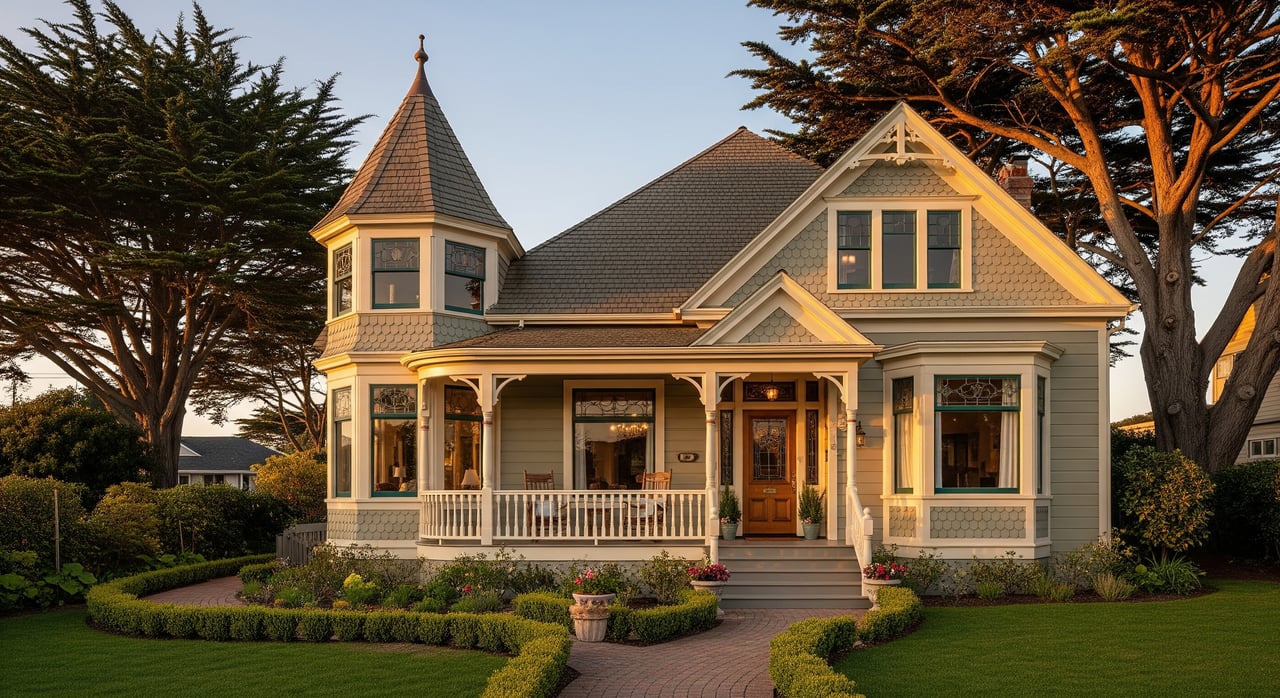
For homeowners, the city’s historic-building guidance is especially useful. It encourages preservation of character-defining features such as siding, windows, entrances, porches, roofs, trim, and craftsmanship.
When additions are proposed, the guidance generally favors placing them on inconspicuous side or rear elevations when possible. Upper stories should be stepped back so the original roofline and proportions remain legible from the street.
The city also encourages new work that is compatible without becoming a fake antique. That creates room for thoughtful modernization, especially when the historic character remains clear and the new work respects the scale and material language of the original structure.
What This Means for Modern Updates
If you love historic homes but want a more livable layout, updated systems, or better function, Pacific Grove’s framework is more flexible than many buyers expect. The review standards are guided by rehabilitation principles that allow alterations and additions when needed for continued or new use.
There is also a state-level path through the California State Historic Building Code, which is intended to make rehabilitation, preservation, restoration, relocation, change of use, or continued use possible while recognizing the unique construction issues of historic buildings. That can be helpful when a strict conventional code approach does not fit an older structure well.
In practical terms, Pacific Grove tends to protect what gives a home its visible historic identity while allowing compatible change. Interior modernization and less prominent exterior updates may be more achievable than buyers first assume, provided the work is planned carefully.
Historic Preservation Permits and Exceptions
Sometimes preserving or improving a historic resource creates tension with standard zoning rules. In those cases, the city may issue a historic preservation permit for items such as parking, yards, height, and coverage.
That permit can create useful flexibility, but it does not allow a use that the zoning district otherwise prohibits. For owners of distinctive older homes on constrained lots, this can be an important part of the planning conversation.
If you are buying a property with expansion potential, this is another reason to review the site and improvement history before making assumptions. A creative path may exist, but it still needs to fit within Pacific Grove’s preservation and zoning framework.
Demolition Has Its Own Process
Demolition of a historic resource is not treated like a standard removal permit. An owner must apply for a historic demolition permit, and the HRC holds a public hearing.
The committee can approve or deny the request, require up to a 180-day waiting period to consider documentation or relocation alternatives, or approve relocation within Pacific Grove as an alternative. During a waiting period, the applicant must publish notice, and the committee may request photographs, measured drawings, and related historical documentation.
There are limited exemptions. Detached single-story garages, sheds, or other accessory buildings with no identified historic, cultural, or architectural value are exempt from the demolition-permit requirement.
Safety-related work may also proceed when the chief building inspector declares an unsafe or dangerous condition that cannot be corrected through the State Historic Building Code. Even then, only the work necessary to fix the condition may move forward, and any required building permit must still be obtained.
Smart Questions to Ask Before You Buy
If you are considering a historic or older home in Pacific Grove, a few early questions can save time and reduce surprises later. These questions are especially important if you are comparing several properties or planning improvements soon after closing.
Start with this checklist:
- Is the home on the Historic Resources Inventory?
- Is the parcel in the coastal zone?
- Were previous exterior changes approved?
- Does your planned work appear to be ordinary maintenance or a visible alteration?
- Could the project require historic screening or a consultant-prepared assessment?
- Would your plans involve a historic preservation permit or demolition review?
For sellers, these same questions can help shape pre-listing strategy. Clear answers can make a property easier to present, especially when buyers are trying to understand risk, timeline, and long-term stewardship.
Why Local Guidance Matters
Historic homes in Pacific Grove often carry strong architectural identity and long-term value appeal, but they also require informed planning. The city’s own guidance points owners toward the Community Development Department, the Historic Resources Committee, and qualified historic consultants when deeper review is needed.
That local coordination matters because the details can affect pricing, due diligence, renovation scope, and negotiation strategy. Whether you are buying a coastal cottage, preparing a legacy property for sale, or evaluating a remodel, clear answers early tend to protect both time and value.
If you are weighing a purchase or preparing to sell a historic home in Pacific Grove, William Smith can help you navigate the process with local perspective, careful strategy, and the level of stewardship distinctive properties deserve.
FAQs
What is the Historic Resources Inventory in Pacific Grove?
- The Historic Resources Inventory is Pacific Grove’s official list of locally designated historic resources, and it includes more than 1,300 buildings.
Do all older homes in Pacific Grove need historic review?
- Not always. Routine maintenance and certain in-kind exterior repairs may be allowed without a Historic Assessment, but exterior changes to a home on the HRI generally need approval before work begins.
What exterior changes usually trigger review for a Pacific Grove historic home?
- Common triggers include changes to the building profile, window or door openings, added windows or doors, non-matching frame materials, and changes to roof, wall, or trim materials.
How are additions reviewed for historic homes in Pacific Grove?
- The city generally looks for additions that are compatible with the original home and nearby buildings, often favoring side or rear placement and upper-story step-backs that keep the historic form legible.
Does coastal zone status affect historic home permits in Pacific Grove?
- Yes. Within the coastal zone, the Historic Resources Committee has a broader decision-making role for architectural permits involving new construction, alterations, and demolition or reconstruction on HRI structures.
Can you modernize a historic home in Pacific Grove?
- Yes, thoughtful modernization may be possible. Pacific Grove’s framework supports rehabilitation and continued use, with an emphasis on protecting character-defining features and keeping new work compatible.
Is demolition allowed for historic properties in Pacific Grove?
- It may be, but it requires a separate historic demolition permit process, a public hearing, and possible waiting periods or documentation requirements.
What should buyers ask before purchasing an older Pacific Grove home?
- Buyers should ask whether the home is on the HRI, whether it is in the coastal zone, whether past exterior changes were approved, and what type of review a planned remodel might require.