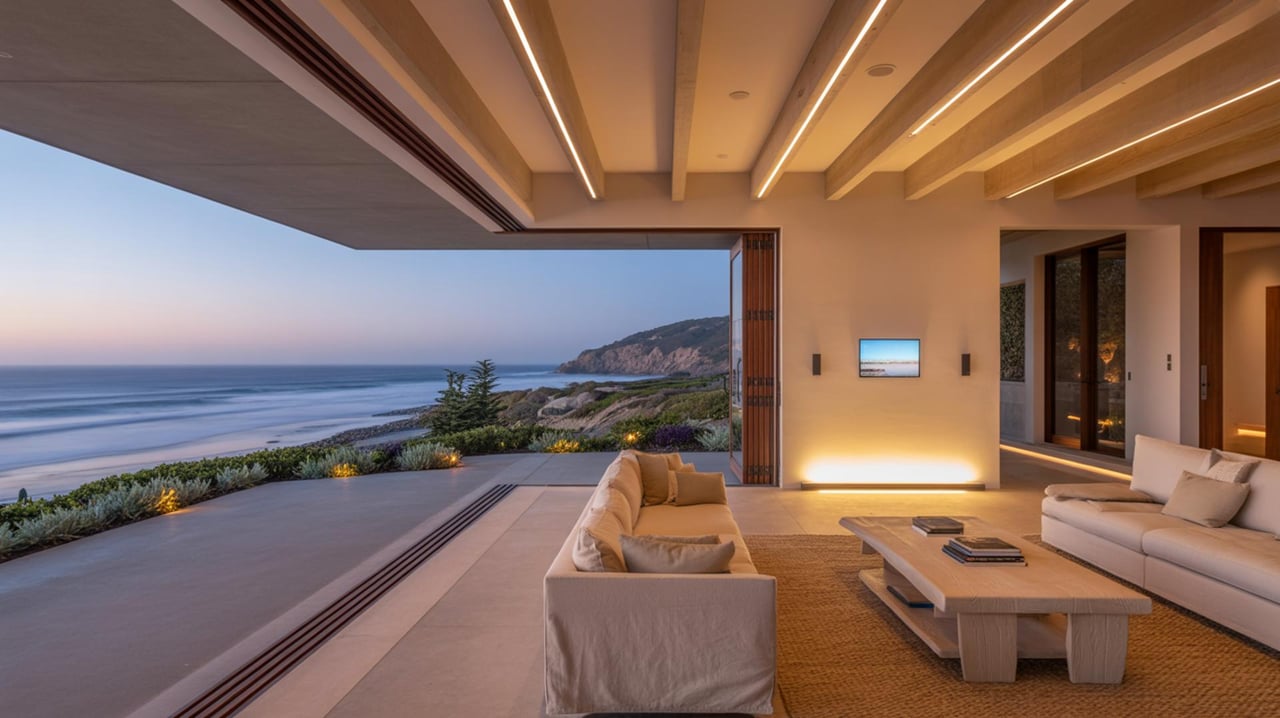
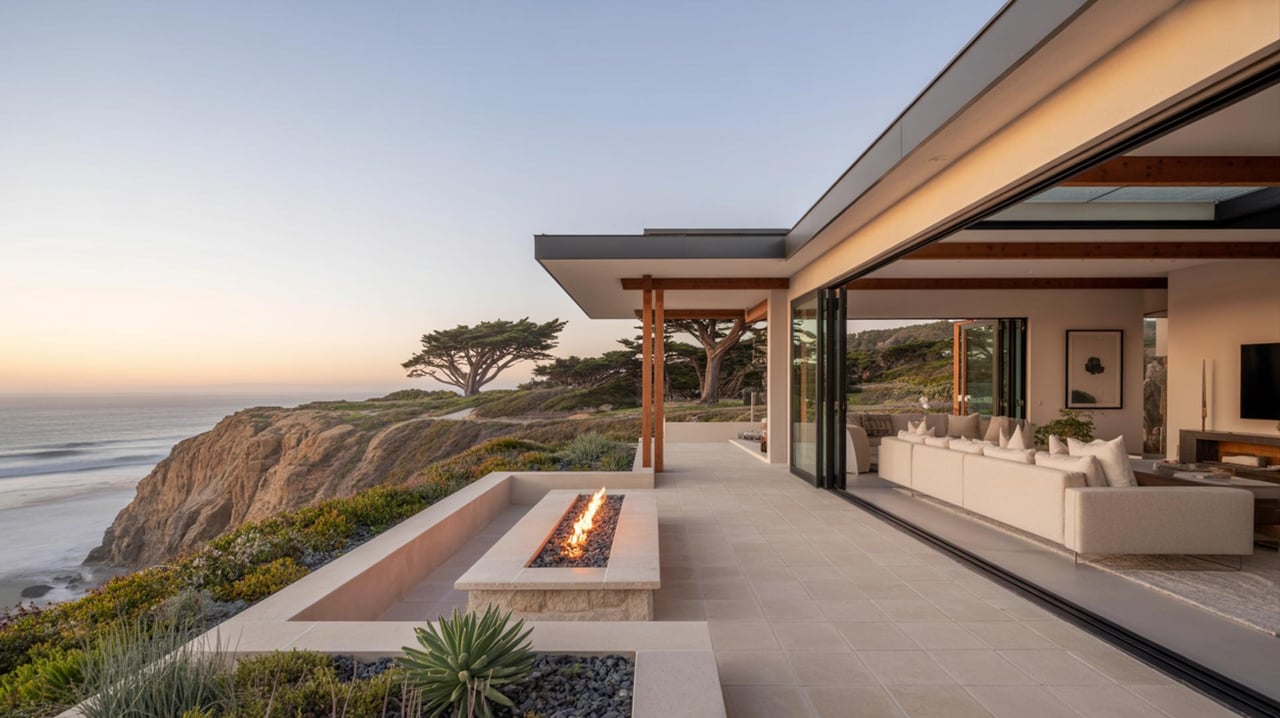
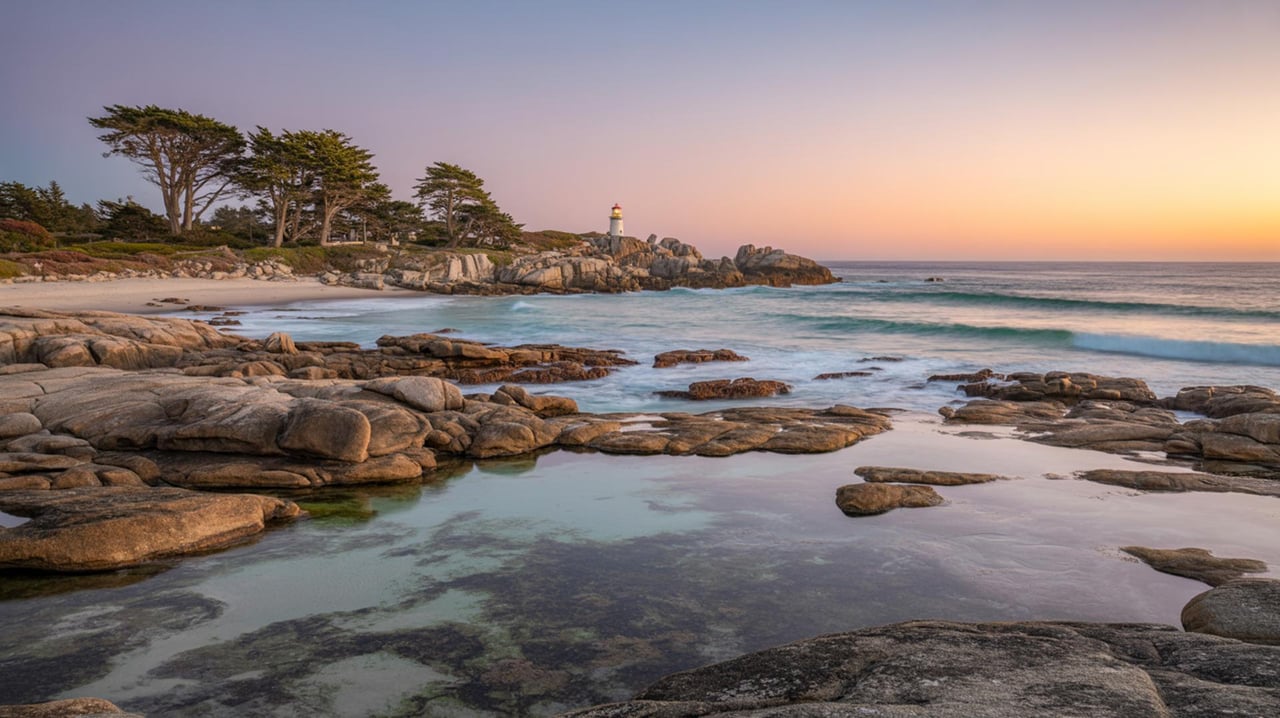
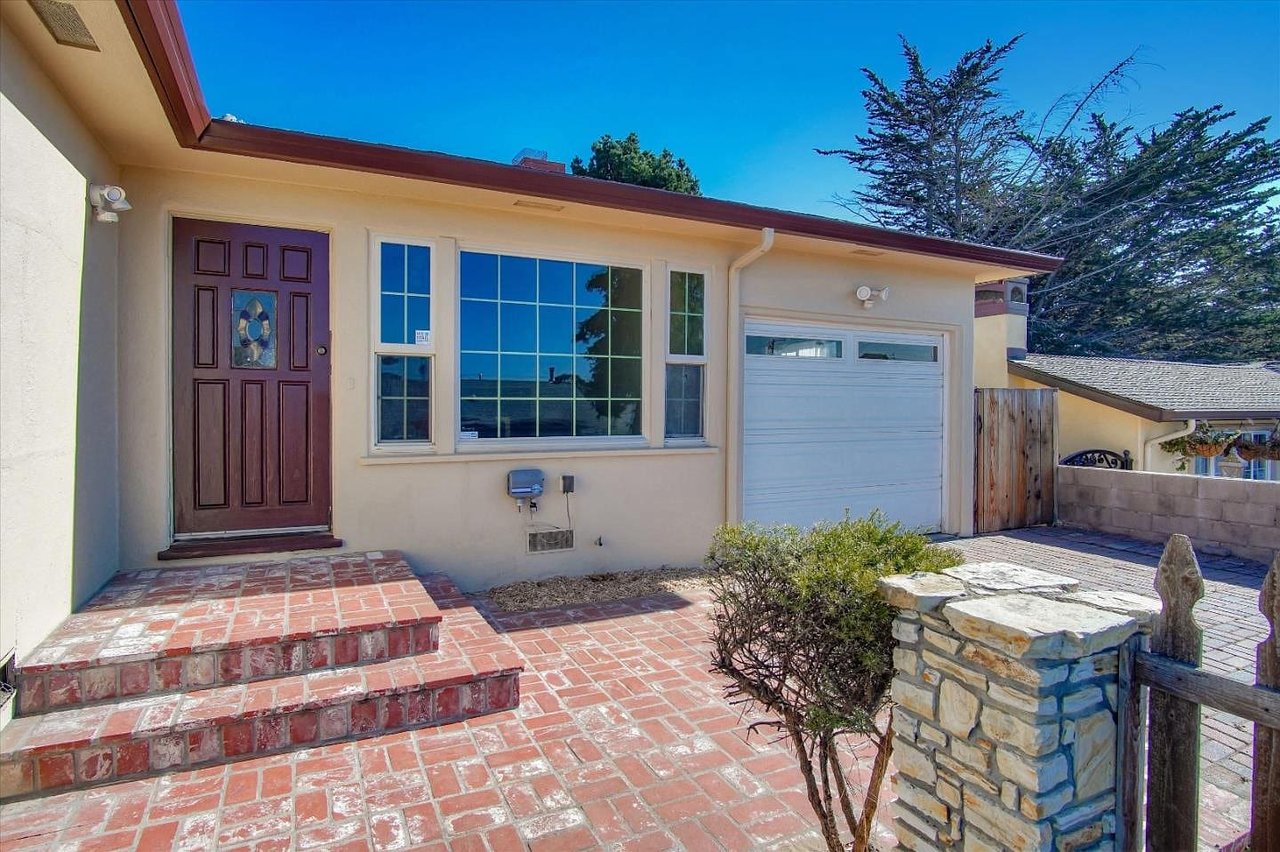
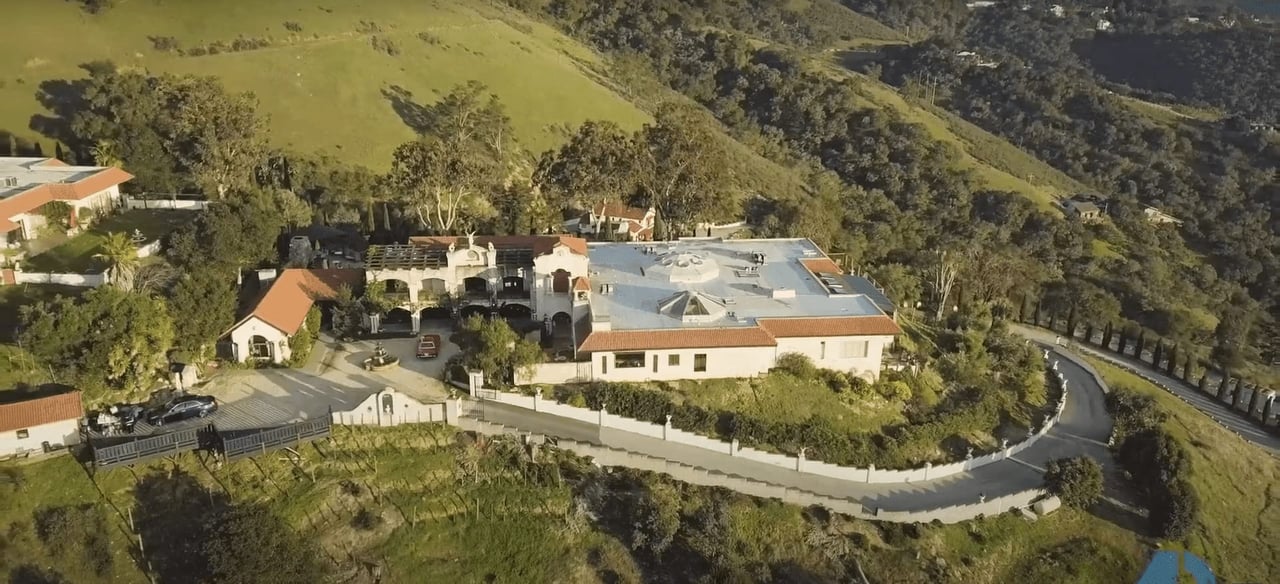
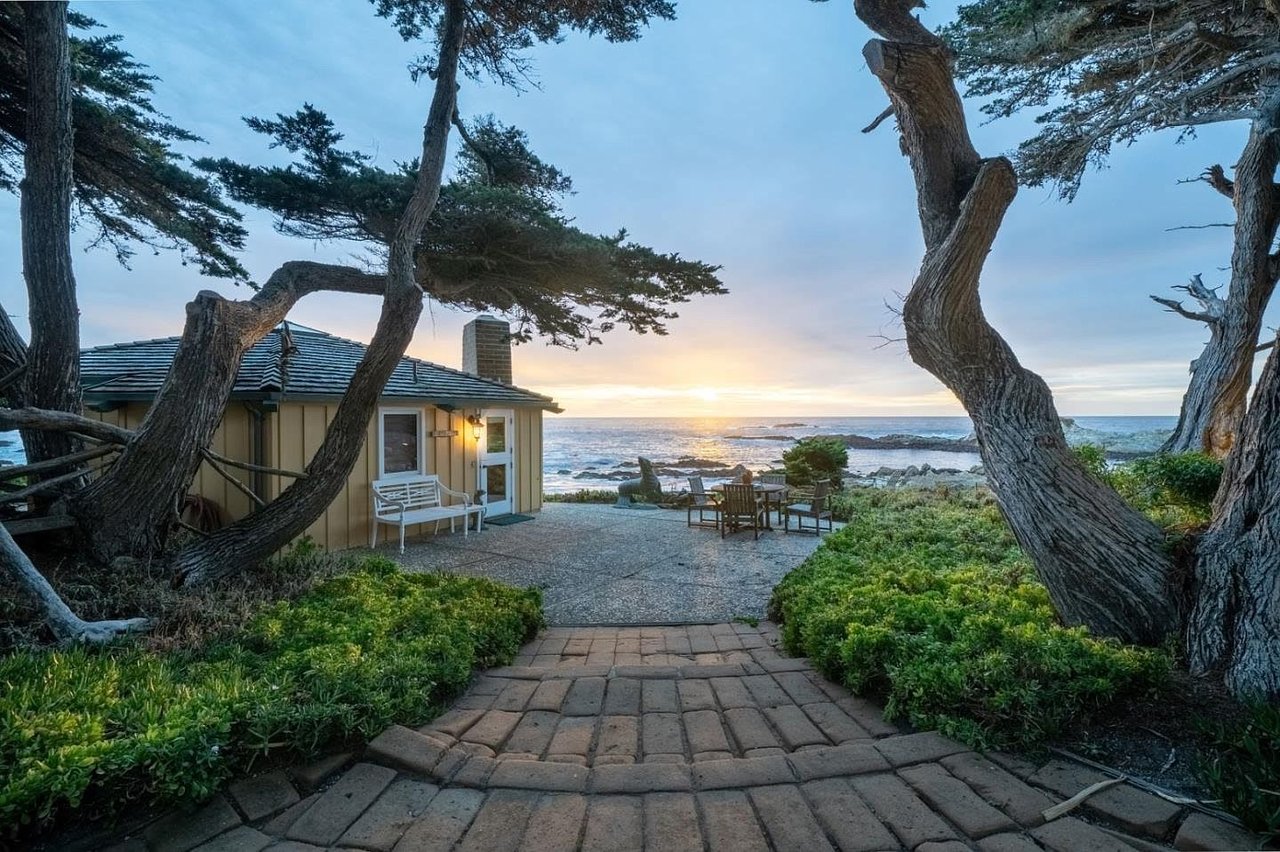
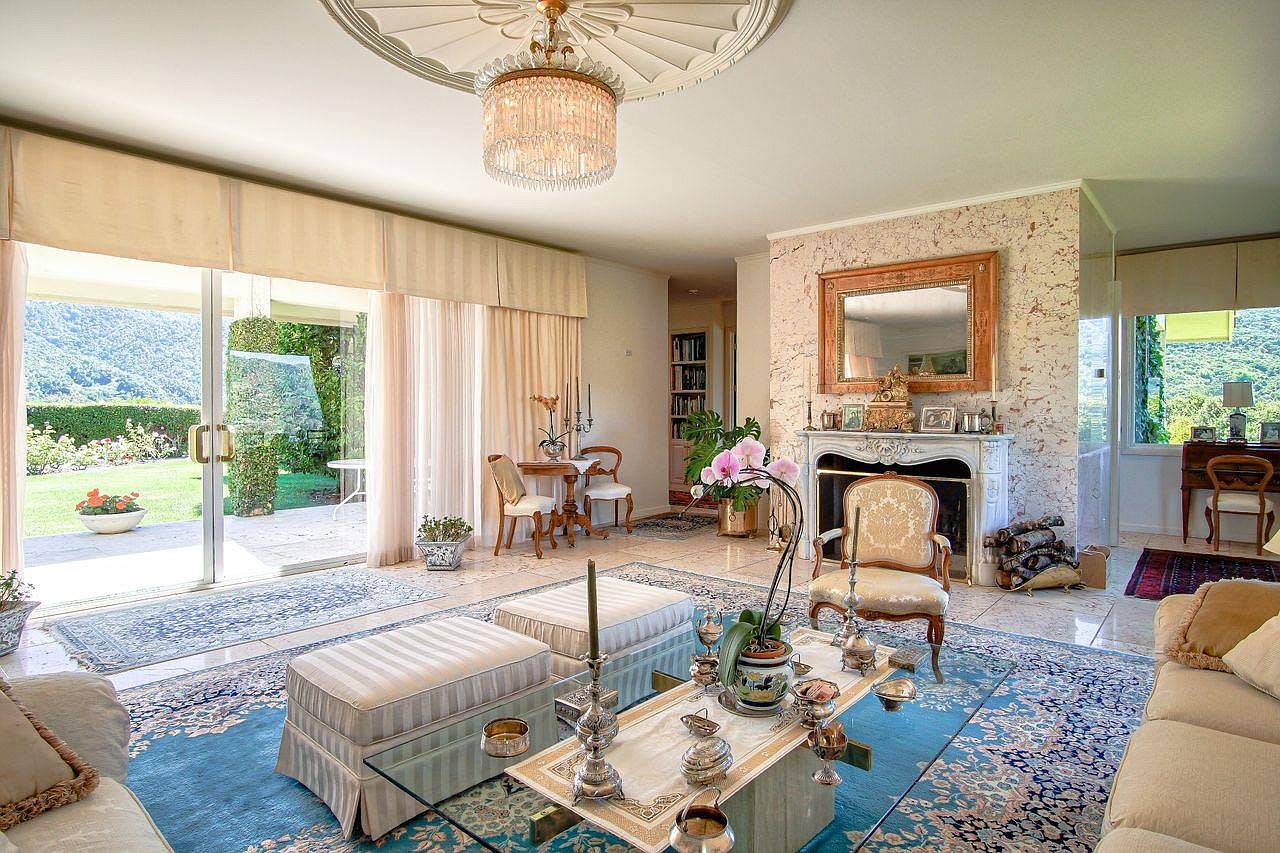
If you want a foothold on the Monterey Peninsula without starting at the highest price points, Seaside deserves a serious look. Many buyers are trying to balance coastal access, daily livability, and long-term value, and that can feel harder each year across the Peninsula. The good news is that Seaside offers a different entry point with real demand, real amenities, and an active planning future. Let’s dive in.
Seaside offers Peninsula value
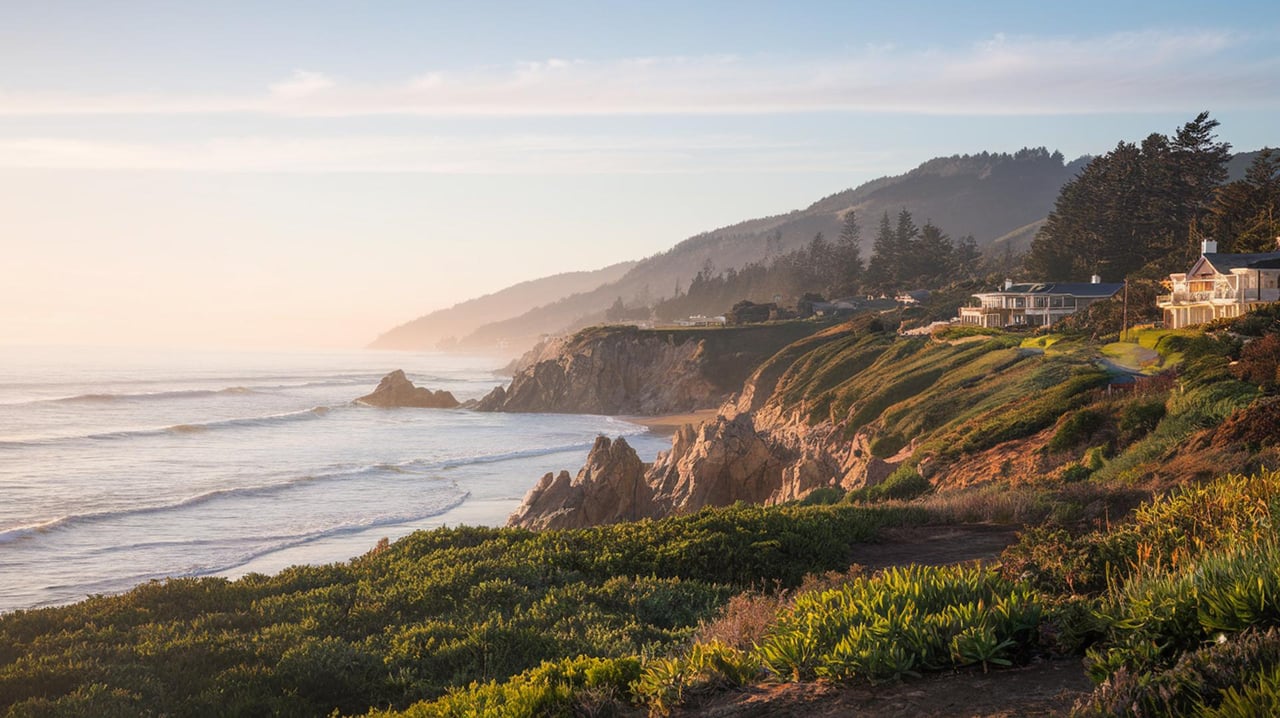
Seaside stands out because it sits at a meaningfully lower price point than several nearby Monterey Peninsula communities while still being an ocean-side city overlooking Monterey Bay. The city covers roughly 10 square miles, which helps create a compact feel with access to coastal amenities and everyday services.
The pricing gap is what gets most buyers' attention first. Census QuickFacts lists Seaside’s median owner-occupied home value at $787,100, Zillow places the current average home value at $804,510, and Redfin reports a recent median sale price of $861,484. In nearby Monterey, the Census median owner-occupied value is $1,076,300 and Zillow’s average home value is $1,189,607.
That difference becomes even more striking when you compare Seaside with Pacific Grove and Carmel-by-the-Sea. Pacific Grove shows a Census median owner-occupied value of $1,190,400, Zillow’s average home value of $1,407,854, and Redfin’s recent median sale price of $1,361,685. Carmel-by-the-Sea comes in much higher, with Zillow reporting an average home value of $2,416,264 and a median sale price of $2,714,583.
For many buyers, that makes Seaside less of a compromise and more of a strategy. You are still buying into the Monterey Peninsula market, but from a lower cost base that can open up more flexibility in budget, property type, or future plans.
Seaside is active, not overlooked
Lower pricing does not mean soft demand. Redfin classifies Seaside as a very competitive market, with homes selling in roughly 19 to 23 days depending on the metric used.
That matters because it changes the story. Seaside is not appealing because it lacks buyer interest. It is appealing because it offers a more attainable price point inside an active coastal market.
For buyers, this means timing and preparation still matter. If the right property comes on the market, you may need to move with clarity and confidence rather than assume a slower pace because prices are lower than other Peninsula communities.
Coastal lifestyle is part of the value
A smart buy is not just about price. It is also about how a place fits your life, and Seaside benefits from a compact mix of beach access, outdoor recreation, and nearby attractions that support year-round use.
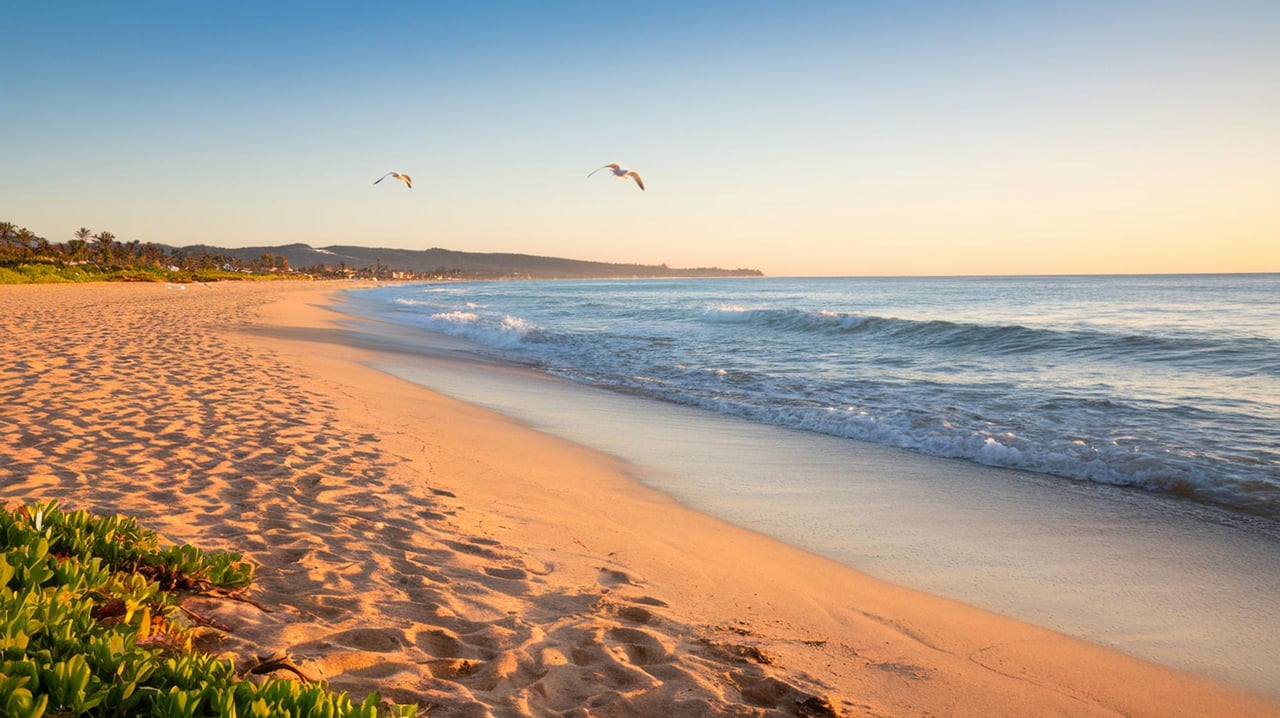
The city notes that residents can reach Seaside Beach and a broad range of Monterey Bay outdoor activities. Fort Ord Dunes State Park adds another important layer, with California State Parks describing four miles of public coastline and vehicle access at the end of 8th Street in Seaside.
For buyers who value recreation, golf is another major anchor. Bayonet and Black Horse sit adjacent at 1 McClure Way, creating a 36-hole golf destination. The club describes Bayonet as 7,104 yards and Black Horse as 7,024 yards.
Taken together, these features help explain why Seaside continues to draw interest. You are not just buying a home. You are buying access to coastline, open air, and a lifestyle that feels closely tied to the broader Peninsula experience.
CSUMB supports local demand
California State University Monterey Bay is one of Seaside’s most important demand anchors. CSUMB’s mailing address is 100 Campus Center, Seaside, CA 93955, and the university reports 8,233 students in fall 2025.
That university presence creates a steady layer of activity tied to students, staff, and campus-related users. For owner-occupants, that can support the city’s year-round energy and practical housing demand. For buyers considering long-term flexibility, it also helps explain why Seaside can attract both primary residents and housing users connected to the campus.
This is one reason Seaside often feels more dynamic than a simple price comparison suggests. The market is supported not only by its location near Monterey Bay, but also by an institutional presence that adds depth to local demand.
Housing options are evolving
Another reason Seaside stands out is that it is not frozen in time. The city adopted its 2040 General Plan on May 16, 2024, and its 6th Cycle Housing Element received substantial compliance from HCD on March 27, 2024.
The city’s planning work also includes ADUs, SB 9, zoning, subdivision rules, and coastal-zone land use. For buyers, that signals a community actively shaping how housing can adapt over time rather than one where change moves at a standstill.
This matters if you are thinking beyond your immediate move-in needs. In a market where flexibility can influence long-term value, cities with active planning frameworks often deserve a closer look.
ADUs can add flexibility
For many buyers, adaptability is a major part of what makes Seaside a smart purchase. The city’s ADU guide notes that accessory dwelling units can generate rental income, increase property value, and help seniors age in place.
That creates multiple use cases for homeowners. You may be thinking about housing for extended family, creating private guest space, or adding an income-producing component over time.
There is an important local detail to keep in mind. The city notes that applicants within the Monterey Peninsula Water Management District area may need to account for water allocations, so due diligence is essential before making assumptions about what a property can support.
Public investment adds momentum
Seaside’s story is not only about private homes. Public investment is also helping shape the city’s next chapter.
The 1620 Broadway project is described by the city as a three-story, 21-unit, 100% very low-income affordable housing development. At the same time, the Broadway Avenue Complete Streets Corridor Project will narrow Broadway, add protected and buffered bike lanes, improve crossings, and create Seaside’s first continuous east-west bike route.
These projects point to a city investing in both housing supply and everyday connectivity. For buyers, that can support long-term livability and make day-to-day movement through the community more practical.
Rental dynamics matter too
Seaside may also appeal to buyers who want optionality. Census QuickFacts shows an owner-occupied housing unit rate of 35.4% in Seaside, compared with 50.4% in Pacific Grove and 36.2% in Monterey.
That suggests a larger rental presence than in some more owner-dominant parts of the Peninsula. Median gross rent is listed at $2,409 in Seaside and $2,455 in Pacific Grove, which shows that rental demand remains meaningful even though Seaside homes generally trade at lower purchase prices.
For buyers, this does not replace property-specific analysis, but it does help frame the market. Seaside can offer a blend of owner-occupant appeal and rental relevance that is not always easy to find in coastal communities.
What to review before you buy
Even in a market with strong fundamentals, smart buying starts with careful review. In Seaside, local planning rules and property specifics can directly affect how you use a home now and later.
As you evaluate options, pay close attention to:
- Zoning and permitted uses
- ADU rules and physical feasibility
- Water availability and allocation considerations
- Permit history and improvement status
- Lot configuration and future flexibility
This is where local guidance can make a real difference. A lower price point is only part of the value story. The stronger opportunity is finding the right property within Seaside and understanding how its features align with your goals.
Why Seaside deserves a closer look
The most compelling case for Seaside is simple. It offers Monterey Peninsula exposure at a lower cost base, with coastal access, golf, a university demand anchor, and visible public planning and reinvestment.
That combination makes Seaside feel less like a discount alternative and more like a value-and-livability market in its own right. For some buyers, it can be an entry point. For others, it can be a strategic purchase with room to adapt over time.
If you are comparing communities across the Peninsula, Seaside is worth viewing with a wider lens. Price matters, but so do location, demand, flexibility, and the direction a city is heading.
If you are considering a purchase in Seaside or anywhere on the Monterey Peninsula, William Smith can help you evaluate the market with local insight and a discreet, high-touch approach.
FAQs
Why is Seaside considered a smart Monterey Peninsula buy?
- Seaside offers a lower price point than Monterey, Pacific Grove, and Carmel-by-the-Sea while still providing coastal access, golf, university-driven demand, and an active local market.
How competitive is the Seaside real estate market?
- Redfin classifies Seaside as a very competitive market, with homes selling in about 19 to 23 days depending on the metric used.
What makes Seaside different from other Monterey Peninsula cities?
- Seaside combines a lower cost base with ocean-side location, access to Fort Ord Dunes State Park, nearby golf, and demand connected to California State University Monterey Bay.
How does CSUMB affect Seaside housing demand?
- CSUMB reported 8,233 students in fall 2025, which adds a steady demand layer from students, staff, and campus-related housing users.
What should buyers know about ADUs in Seaside?
- The city says ADUs can generate rental income, increase property value, and support aging in place, but buyers should review local rules and possible water allocation requirements before making plans.
Is Seaside a good option for buyers who want future flexibility?
- Seaside may appeal to buyers who want flexibility because the city is actively working on planning issues such as ADUs, SB 9, zoning, subdivision rules, and coastal-zone land use.