If you want more room, a different climate feel, or an easier daily connection between Salinas and the Monterey Peninsula, Highway 68 deserves a closer look. This corridor is not one single lifestyle. It shifts from warmer and drier near Salinas to cooler and wetter closer to Monterey, and each community along the route offers its own mix of privacy, land, amenities, and access. If you are trying to choose the right fit, this guide will help you compare the key options with more confidence. Let’s dive in.
Why Highway 68 Draws Attention
State Route 68 is the main internal connector between Salinas and the Monterey Peninsula. Monterey County identifies it as the route that links these two parts of the county, and regional planning work continues to focus on improving safety, wildlife crossings, and traffic flow along the corridor.
That matters because your day-to-day experience here is shaped by both convenience and setting. You can be looking at communities that feel tucked away and private while still relying on one of the area’s most important east-west routes.
Climate Changes Across the Corridor
One of the most useful ways to think about Highway 68 is as an inland-to-coastal gradient. Based on NOAA climate normals, Salinas is generally a bit warmer and drier, while Monterey is generally cooler and wetter.
For you as a buyer, that can influence everything from how often you use outdoor space to what kind of daily weather feels most comfortable. If you enjoy a sunnier inland feel, communities nearer Salinas may stand out. If you prefer a cooler coastal pattern, areas closer to Monterey may feel more natural.
Pasadera: Private Club-Oriented Living
What Pasadera Feels Like
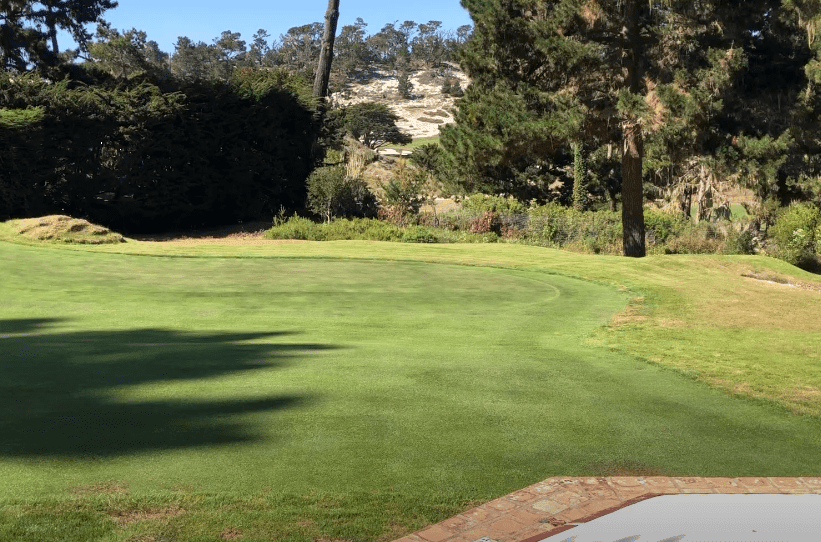
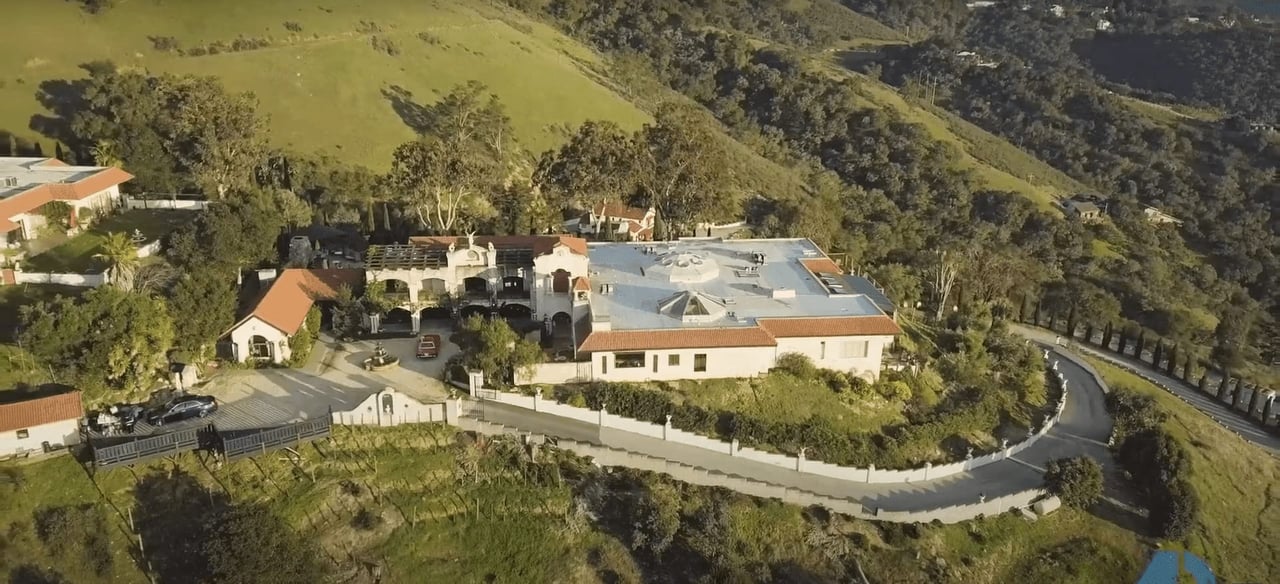
Pasadera is a gated residential community at Pasadera Drive and Highway 68 in Monterey. The community is described as a 565-acre setting with about 250 homeowners, 24-hour gate attendants, and a private club environment centered around an 18-hole Jack Nicklaus Signature golf course.
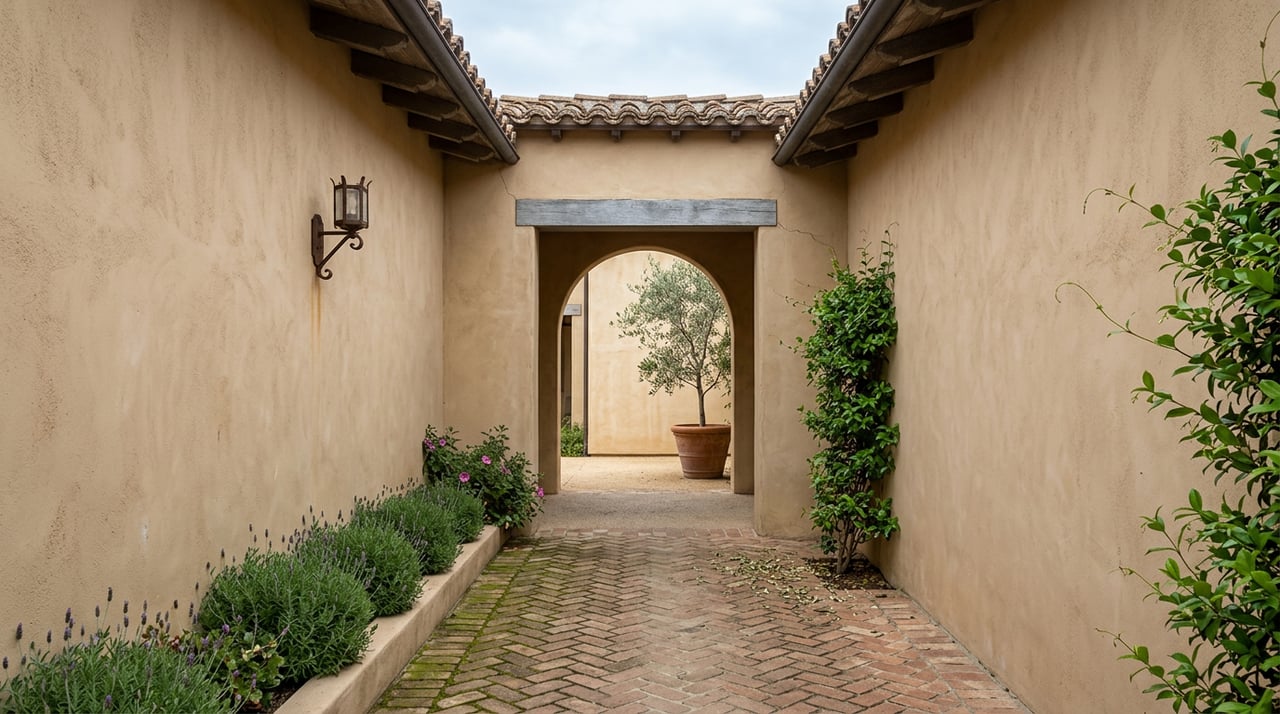
The setting began as a former thoroughbred horse ranch, and today the community includes a Mediterranean-style clubhouse along with pools, tennis, pickleball, bocce, and fitness facilities. County board materials also describe the neighborhood as a gated subdivision organized around a golf course with custom and semi-custom detached homes nearby.
Who Pasadera May Suit
If you value privacy, structured amenities, and a more polished residential setting, Pasadera can be a strong match. It tends to appeal to buyers who want a club-centered lifestyle and a neighborhood that feels intentionally designed rather than purely rural.
It can also be a practical choice if you want a detached home environment with a private, amenity-heavy character along the corridor. For some buyers, that combination creates a strong second-home or full-time living option.
Corral de Tierra and San Benancio: Rural Openness
What the Area Supports
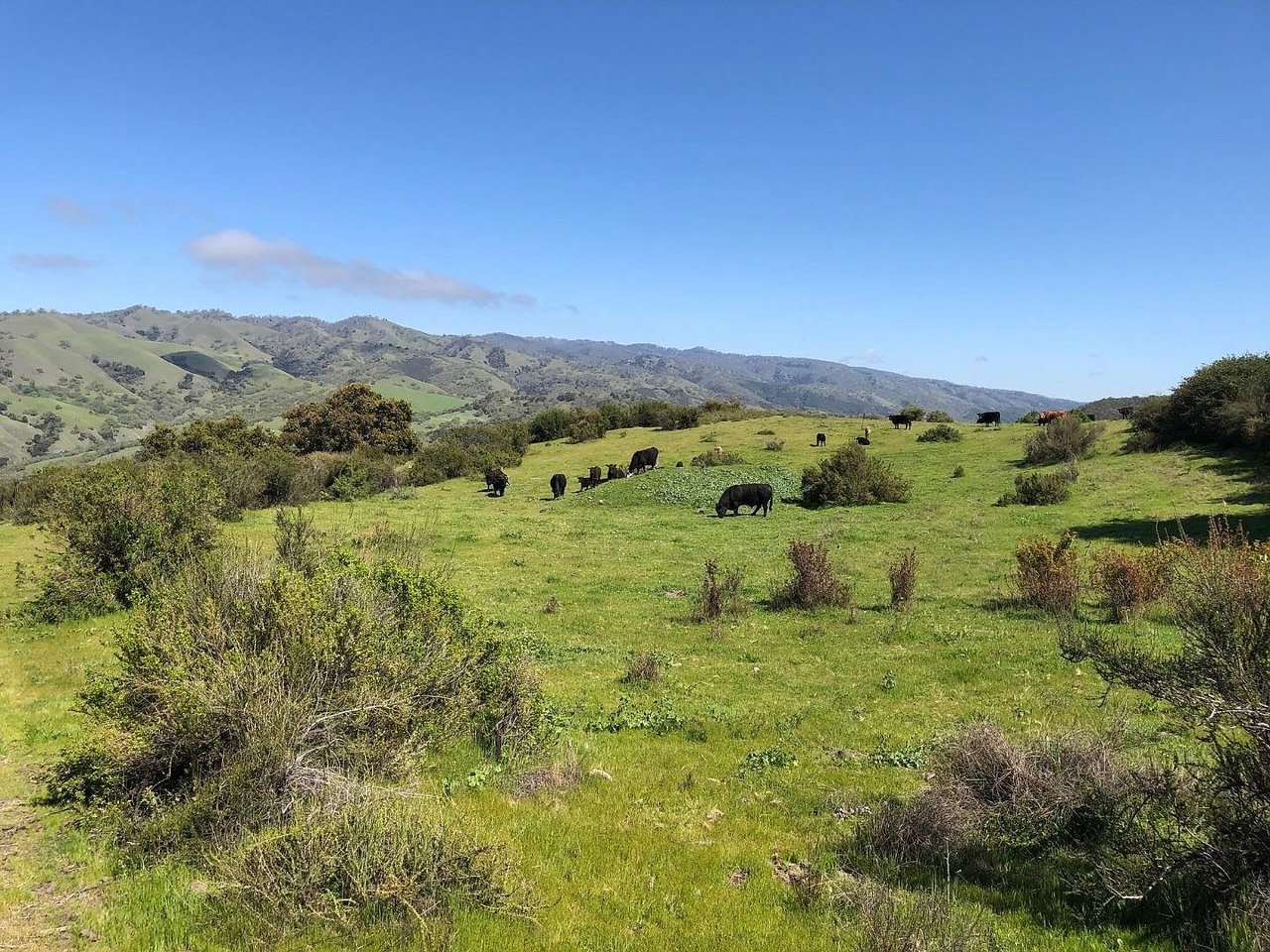
County planning documents describe the Corral de Tierra and San Benancio area as part of a rural, visually sensitive setting within the Toro planning area. Those materials reference grazing land, rural residential development, golf courses, a market, a church, and other low-density land uses.
The same planning framework emphasizes preservation of the rural environment and scenic views from Highway 68. In practical terms, that supports the area's reputation for larger-lot detached homes, estate properties, and a more open country-road feel.
Why Buyers Look Here
If your priority is elbow room, land, and a stronger sense of separation from denser development, this part of the corridor often rises to the top. You may find the appeal is less about packaged amenities and more about space, setting, and the rhythm of a rural residential environment.
This can be especially relevant if you are comparing estate properties, ranch-oriented holdings, or homes where lot size and visual openness matter as much as the house itself. Along Highway 68, Corral de Tierra and San Benancio often represent that side of the spectrum.
Toro Area: Access to Open Space
What Makes Toro Distinct
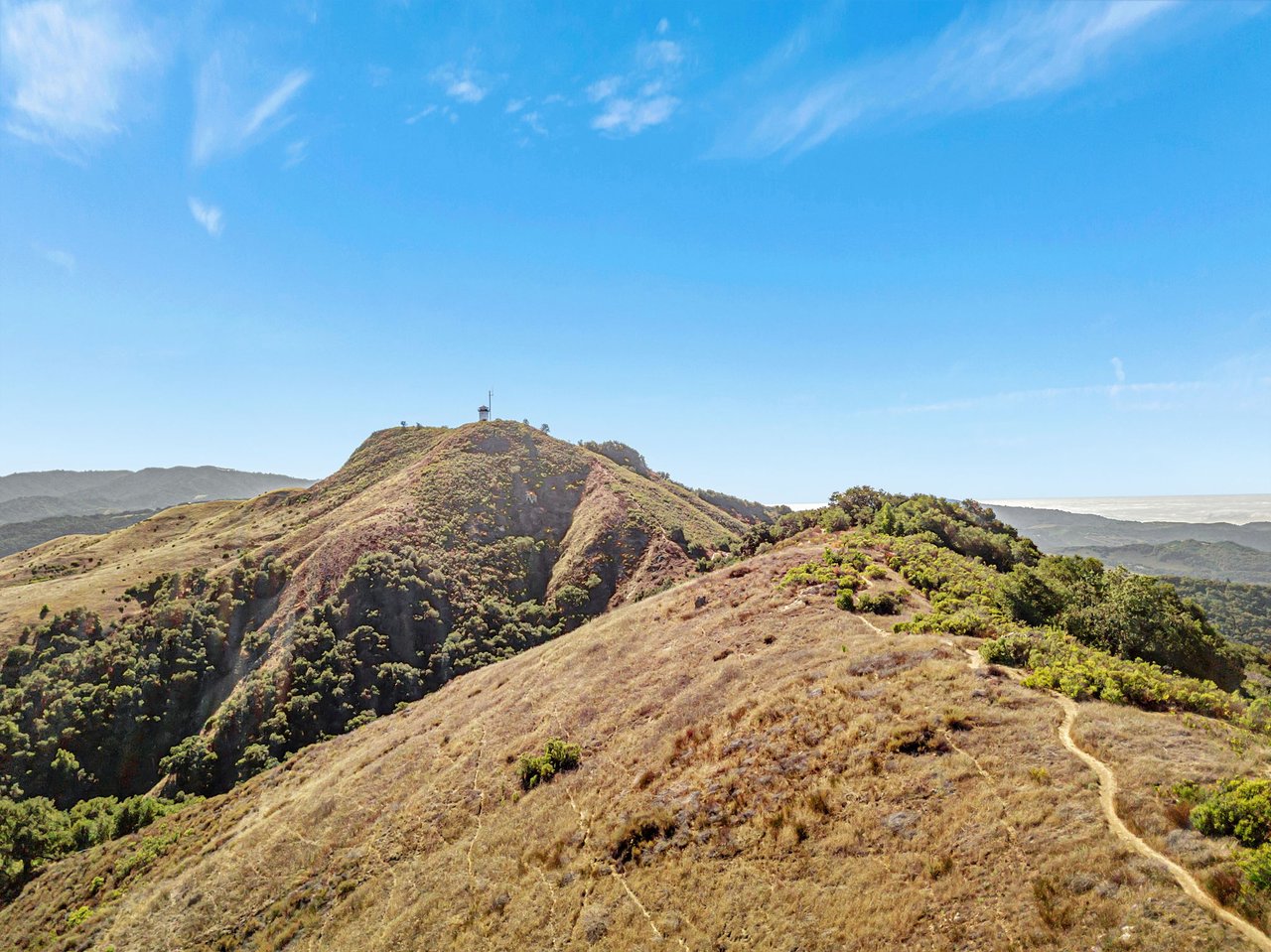
Toro County Park is a major recreational anchor along the corridor. The county says the park spans 4,756 acres and includes more than 20 miles of trails, picnic areas, mountain-bike use on many trails, and a youth overnight area.
The broader Highway 68 area also connects conveniently to trailheads for Fort Ord National Monument near Reservation and Portola and east of Salinas. That creates direct access to hiking, biking, horseback riding, and wide-open landscapes.
Why It Works for Many Buyers
The county general plan designates low- and medium-density residential land uses in the Toro area along Highway 68 and nearby roads. For many buyers, that makes Toro and nearby pockets feel like a middle ground.
You can often get more space and open land than you would expect closer to the coast while still staying connected to Monterey Peninsula recreation and Salinas employment centers. If you want a corridor location that balances access and breathing room, Toro is worth serious consideration.
Nearby Enclaves to Keep on Your Radar
Not every Highway 68 search ends with the best-known names. Monterey County service-area pages identify Rancho Tierra Grande as a district with 225 residential lots, and the county also lists Corral de Tierra Oaks service areas.
These details matter because they point to established, low-density residential enclaves where infrastructure or maintenance may be handled through county service-area assessments instead of a more typical city subdivision structure. If you want a neighborhood with space but not an isolated feel, these smaller enclaves can broaden your options.
How to Compare Communities Along Highway 68
Start With Your Daily Pattern
Before you focus on finishes or architecture, think about how you expect to live. Your best fit may come down to whether you want golf and private amenities, larger acreage, trail access, or a location that splits the difference between Salinas and Monterey.
Highway 68 is the spine, but your lived experience depends on where you need to go most often. Monterey County reports a countywide mean travel time to work of 21.3 minutes, yet corridor traffic patterns can feel very different depending on your destination and time of day.
Think Beyond Drive Time
A short route on a map does not always feel short during peak periods. Regional transportation planning on SR 68 specifically addresses traffic flow and wildlife-collision concerns, which is a useful reminder that the quality of a commute is not only about mileage.
When you compare communities, it helps to ask yourself a few practical questions:
- Do you need frequent access to Salinas, Monterey, or both?
- Would you rather have a gated, amenity-rich setting or a rural residential one?
- How important are trail access and open space?
- Do you prefer a warmer inland climate or a cooler coastal pattern?
- Are you looking for a detached home on a larger lot, a custom residence, or an estate-style property?
A Simple Way to Narrow the Field
Choose by Lifestyle First
If you are deciding between several Highway 68 communities, this quick framework can help:
- Pasadera if you want privacy, gates, golf, and club amenities
- Corral de Tierra or San Benancio if you want acreage, openness, and a rural setting
- Toro area if you want recreation access and a central location between Salinas and Monterey
- Smaller nearby enclaves if you want low-density living with a neighborhood structure that may differ from a conventional subdivision
That kind of sorting can save time and make showings more productive. It helps you focus on the lifestyle patterns that are hardest to change after closing.
Why Local Guidance Matters Here
Along Highway 68, two homes can have a similar address range but a very different feel on the ground. Micro-location matters, from climate and traffic patterns to lot character, road feel, and proximity to open space.
That is where local perspective becomes especially valuable. A corridor like this is best understood not just by map, but by how each pocket lives day to day.
If you are weighing Pasadera against Corral de Tierra, comparing Toro with nearby enclaves, or looking for an estate or lifestyle property along the Salinas-Monterey Highway, a measured local strategy can make the search clearer. For discreet guidance tailored to your goals, start a confidential consultation with William Smith.
FAQs
What is the main benefit of living along Highway 68 in Monterey County?
- The main benefit is access between Salinas and the Monterey Peninsula, with a range of community settings that include gated living, rural residential areas, and neighborhoods near major open space.
How does climate vary along the Salinas-Monterey Highway corridor?
- Areas closer to Salinas are generally a bit warmer and drier, while areas closer to Monterey are generally cooler and wetter based on NOAA climate normals.
What is Pasadera like for homebuyers along Highway 68?
- Pasadera is a gated residential community with about 250 homeowners, private club amenities, a golf course, and custom or semi-custom detached homes in a private setting.
What should buyers know about Corral de Tierra and San Benancio along Highway 68?
- County planning documents describe the area as rural and visually sensitive, with low-density residential patterns that support larger lots, estate properties, and an open country-road feel.
Why do buyers consider the Toro area along Highway 68?
- Buyers often look at Toro for its access to Toro County Park, nearby Fort Ord trailheads, and a location that offers more space while staying connected to both Salinas and Monterey.
Are there smaller residential enclaves along the Highway 68 corridor?
- Yes. Monterey County identifies places such as Rancho Tierra Grande and Corral de Tierra Oaks service areas, which are established low-density residential enclaves with county service-area structures.