Choosing between a condo and a house on the Monterey Peninsula is not just about square footage. It is about how you want to live, what kind of upkeep you want to manage, and how closely you are watching your monthly costs in a market where prices can shift quickly by location. If you are weighing a full-time move, a downsizing plan, or a second home near the coast, this guide will help you compare the tradeoffs with more clarity. Let’s dive in.
Monterey Peninsula prices vary widely
On the Monterey Peninsula, property type matters, but location can matter just as much. Current market data shows median sale prices of about $999,000 in Monterey, $1.36 million in Pacific Grove, $861,000 in Seaside, and $2.66 million in Pebble Beach. Across Monterey County, the median sale price is about $939,000.
That spread helps explain why the condo versus house decision is rarely simple here. A condo in one Peninsula micro-market can cost more than a detached home in another. If you are comparing options, it helps to start with your preferred area first, then narrow down the right property type within that location.
Condo inventory is limited
Attached housing is a relatively thin segment in Monterey County. Current listings show 96 condos for sale at a median listing price of about $772,000 and 7 townhouses at about $815,000. In Monterey itself, there are currently 27 condos at a median listing price of about $699,000.
Inventory can tighten even more in certain cities. Pacific Grove currently shows just 1 condo for sale, with a median listing price of about $1.05 million. In practical terms, that means condo buyers may need to act with patience and flexibility, especially if they want a specific building, view, or walkable setting.
Why condos appeal on the Peninsula
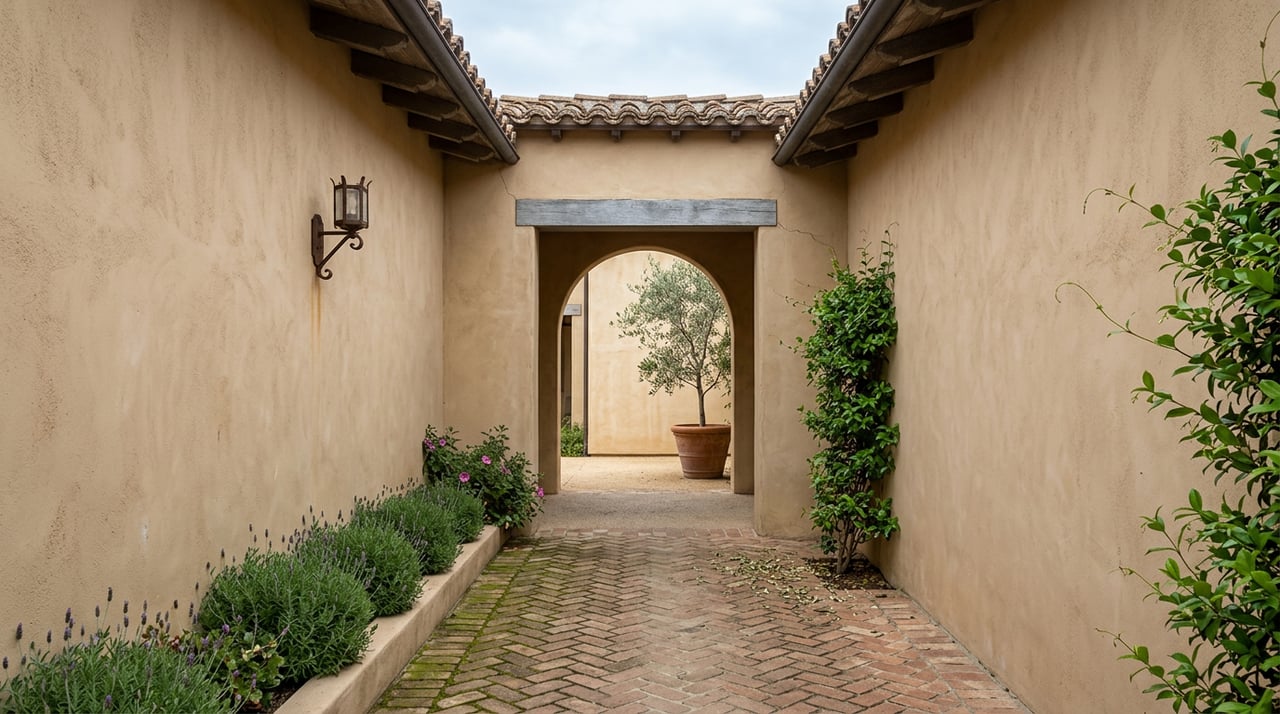
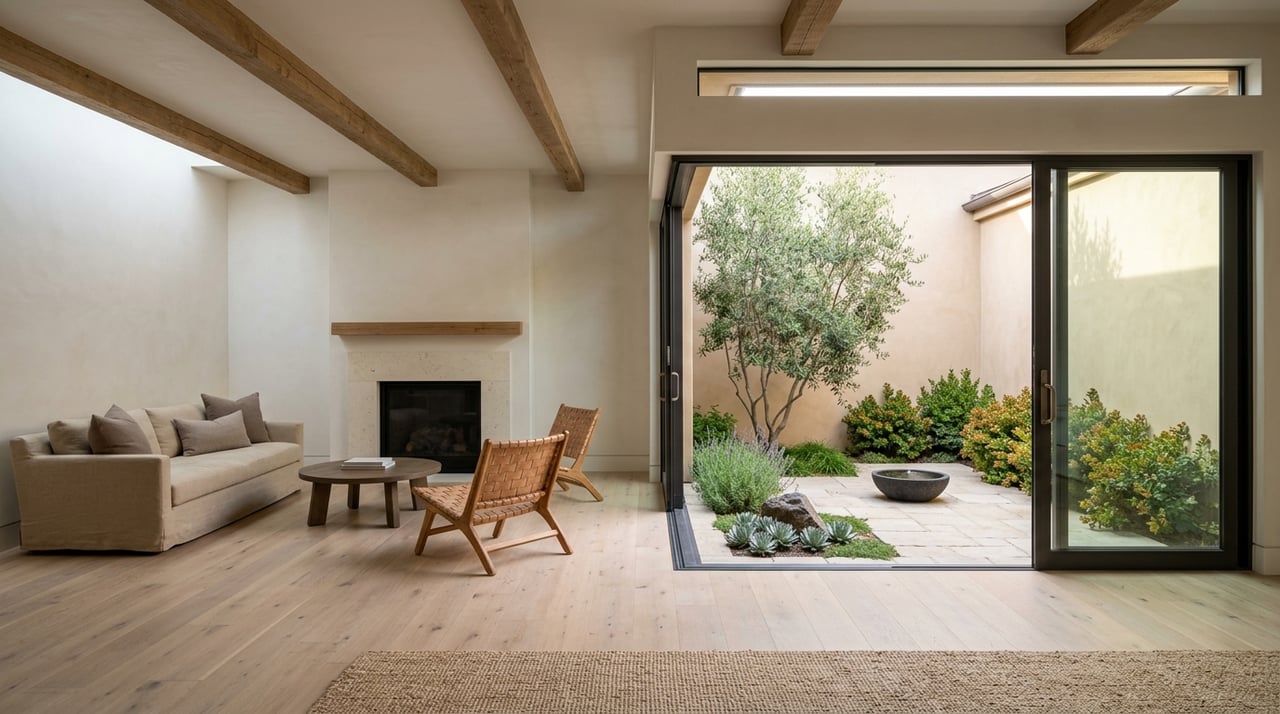
For many buyers, condo living offers a more turnkey way to enjoy the coast. Current Monterey County listings highlight amenities such as heated pools, clubhouses, BBQ areas, community laundry, covered parking, fitness centers, walking trails, private patios, and ocean views. These features can make attached living feel convenient and lifestyle-driven.
This can be especially appealing if you want a lock-and-leave property for part of the year. It can also suit buyers who want to downsize without giving up a Monterey Peninsula address. In Monterey, where the city is labeled as moderately walkable with a Walk Score of 53, a smaller-footprint home near downtown, the waterfront, or the recreation trail may feel like a strong fit for day-to-day living.
Common condo advantages
- Lower day-to-day exterior maintenance in many communities
- Access to shared amenities that may be costly in a single-family home
- Easier lock-and-leave ownership for second-home buyers
- Opportunity to live close to coastal destinations and commercial areas
- Smaller footprint that may suit downsizers or part-time residents
Why some buyers still prefer a house
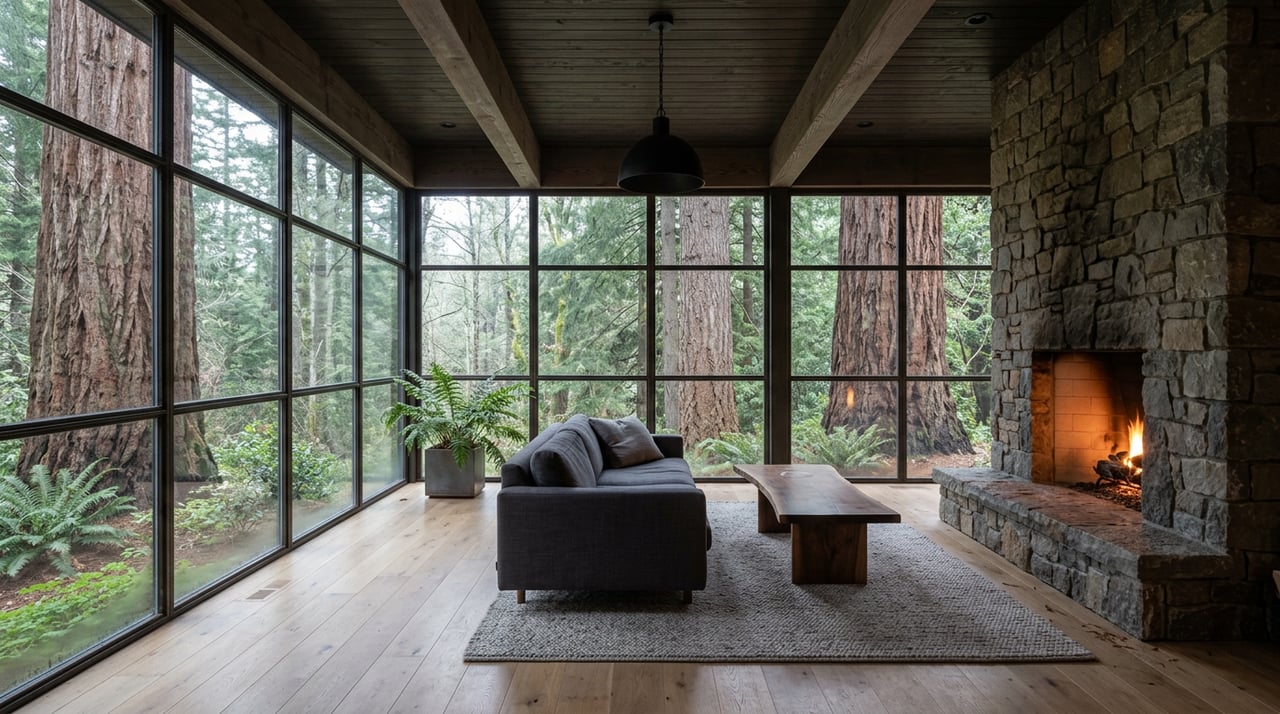
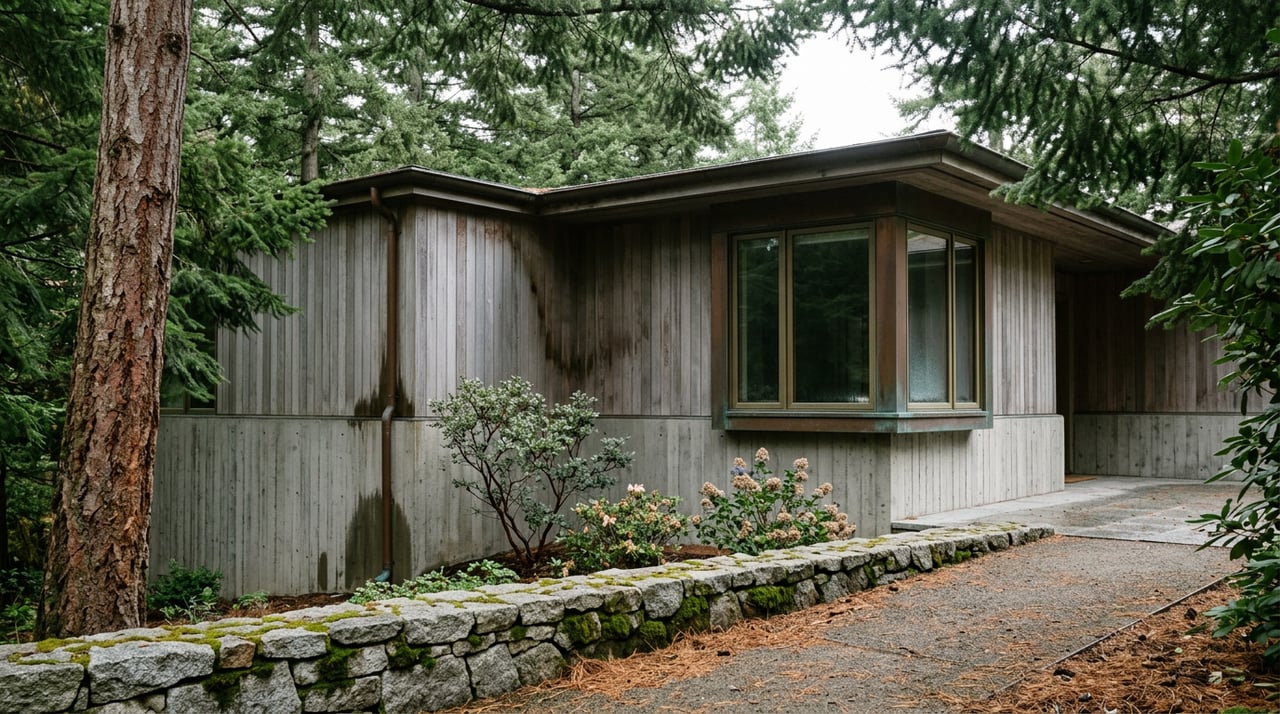
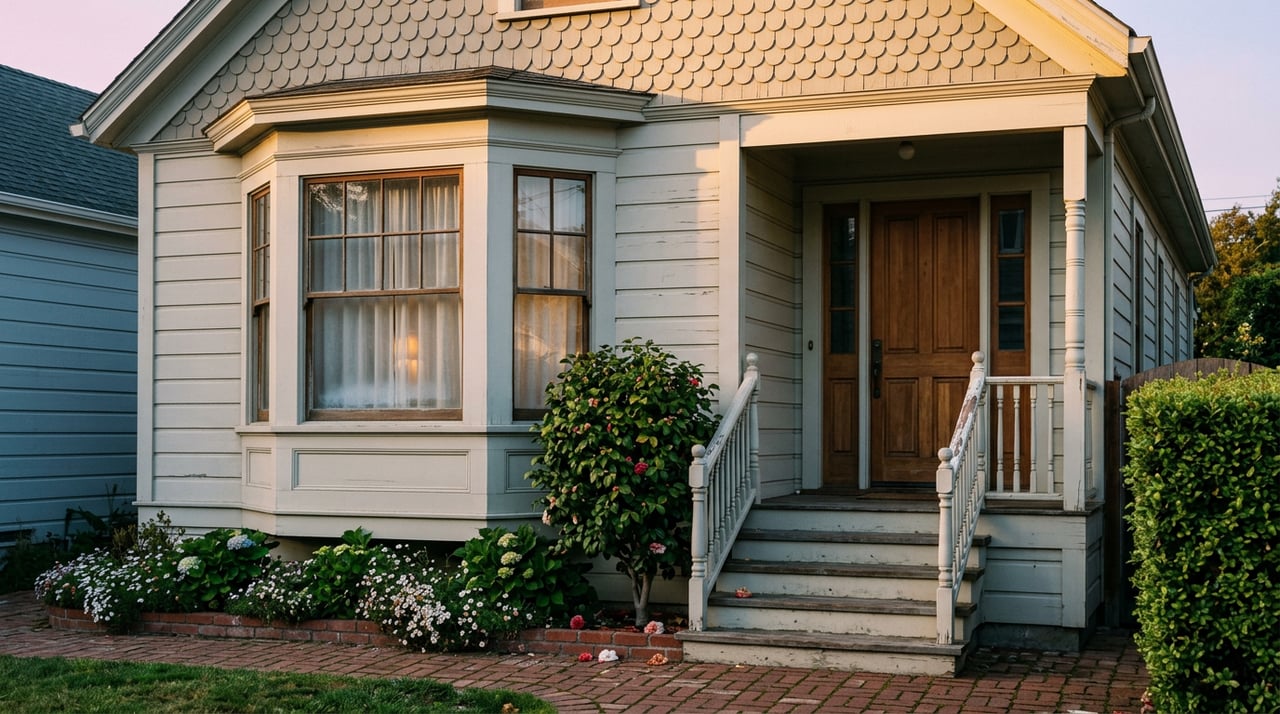
A detached home often gives you more control over the property itself. Buyers who want more privacy, yard space, gardening room, pet flexibility, or future customization often lean toward a house. For some households, that added autonomy is worth the extra upkeep.
Single-family homes usually place more responsibility for landscaping, exterior care, and long-term maintenance directly on you. That can mean more time, more planning, and often more cost over time. Still, many buyers see that tradeoff as worthwhile if they want a property that can evolve with their needs.
Common home advantages
- More privacy and separation from neighbors
- More outdoor space for gardening or recreation
- Greater flexibility for future changes to the property
- Potentially better fit for multigenerational living
- Fewer shared rules compared with many common interest developments
HOA costs change the monthly picture
One of the biggest differences between condo living and house living is how monthly costs are structured. For most condos, townhomes, and planned communities, HOA dues are usually paid separately from your mortgage payment. That means your true monthly housing cost should include mortgage, property taxes, homeowner’s insurance, HOA dues, and any flood insurance if applicable.
This is an important point on the Monterey Peninsula, where a condo may have a lower purchase price than a house but still carry meaningful monthly dues. A lower sticker price does not always mean a lower monthly commitment. Before you make an offer, it helps to compare the full monthly cost of each option, not just the sales price.
Maintenance works differently in condos
In California, common interest developments are governed by the Davis-Stirling Act. When you purchase a condominium, townhouse, lot, or home in one of these developments, membership in the homeowners association is automatic. That ownership structure changes who handles certain types of maintenance and repairs.
California Civil Code section 4775 states that, unless the governing declaration says otherwise, the owner is responsible for the exclusive-use common area tied to the unit, while the association is responsible for repairing and replacing that area. In plain terms, that means you should not assume the HOA handles everything outside your walls. It is worth reviewing the governing documents carefully so you understand where your responsibilities begin and end.
What to review in HOA documents
- Monthly dues
- Reserve funding
- Maintenance responsibilities
- Parking rules
- Pet rules
- Rental restrictions
- Insurance requirements
- Dispute procedures
Water rules matter more here
The Monterey Peninsula has a local factor that buyers should keep in mind: water-use rules and permit requirements can affect ownership decisions. The Monterey Peninsula Water Management District serves Monterey, Pacific Grove, Carmel-by-the-Sea, Del Rey Oaks, Seaside, Sand City, the Monterey Peninsula Airport District, and portions of unincorporated Monterey County including Pebble Beach, Carmel Highlands, Carmel Valley, Monterra Ranch, Laguna Seca, Hidden Hills, and Pasadera.
If you are comparing a condo with a detached home, this can matter in a practical way. A house with landscaping, irrigation, or renovation potential may come with more water-related questions than a condo with shared grounds. If you are thinking about remodel plans, fixture changes, or outdoor improvements, it is smart to factor those local rules into your decision.
The best fit depends on your goals
On the Monterey Peninsula, condos and townhomes often fit buyers who want a lower-maintenance primary residence, a second home, or a simpler way to enjoy the coast. Detached homes often fit buyers who value privacy, outdoor space, and the freedom to shape the property over time. Neither choice is automatically better. The better choice is the one that supports how you want to live.
This is especially true in a market with meaningful out-of-area demand. Monterey search activity has shown strong inbound interest from metros such as San Francisco, Los Angeles, and Seattle, which is consistent with a buyer pool drawn to lifestyle and second-home ownership. For those buyers, convenience may lead the decision. For others, a long-term primary residence may call for more land, more separation, and more flexibility.
Micro-location shapes the experience
Even within the condo segment, the Peninsula is highly localized. Monterey condo inventory is currently grouped around areas such as Pebble Beach, Pensacola Beach, New Monterey, Carmel, and Old Town. Pacific Grove condo inventory points to areas such as Pebble Beach, Pacific Grove Beach, New Monterey, Old Town, and Lovers Point.
Those labels are useful because they hint at very different living experiences. Some buyers want a beach-adjacent setting, some want a more residential feel, and some want a walkable coastal lifestyle close to dining, trails, or downtown streets. On the Peninsula, the right answer often comes down to the specific building, block, and setting as much as the property type itself.
A simple way to compare condos and homes
If you are deciding between the two, it helps to compare each option across the same categories.
| Factor | Condo or Townhome | Detached Home |
|---|---|---|
| Upkeep | Often less exterior upkeep | Usually more owner-managed upkeep |
| Monthly costs | HOA dues usually added separately | May have no HOA, but maintenance can be higher |
| Privacy | Typically more shared surroundings | Usually more separation and private outdoor space |
| Amenities | May include pool, fitness center, trails, parking | Amenities are typically owner-provided |
| Flexibility | Rules may limit rentals, pets, or modifications | Often more freedom, depending on zoning or HOA |
| Lock-and-leave use | Often a strong fit | Can be less convenient depending on property size |
A thoughtful comparison can save you time and narrow your search faster. It can also help you avoid focusing too heavily on price alone.
If you want a clear, local read on which option fits your goals on the Monterey Peninsula, a confidential conversation can help you sort through the numbers, ownership structure, and neighborhood fit with more confidence. To start, connect with William Smith.
FAQs
Are condos always cheaper than houses on the Monterey Peninsula?
- No. Current listings show that attached homes can be priced below many detached homes, but in places like Pacific Grove and Pebble Beach, condos can still sit in luxury-tier price ranges.
What should you include in the monthly cost of a Monterey Peninsula condo?
- You should include the mortgage payment, HOA dues, property taxes, homeowner’s insurance, and any flood insurance if applicable.
Who handles exterior repairs in a California condo community?
- In a common interest development, the association generally handles shared responsibilities, but owners may still be responsible for exclusive-use areas tied to the unit unless governing documents state otherwise.
Why do water rules matter when buying on the Monterey Peninsula?
- Water-use rules and permit requirements can affect landscaping, fixtures, and remodel plans in areas served by the Monterey Peninsula Water Management District.
What should you review before making an offer on a Monterey Peninsula condo?
- Review HOA dues, rules, reserves, parking, rental restrictions, pet rules, insurance requirements, maintenance responsibilities, and any water-related permit or conservation issues.