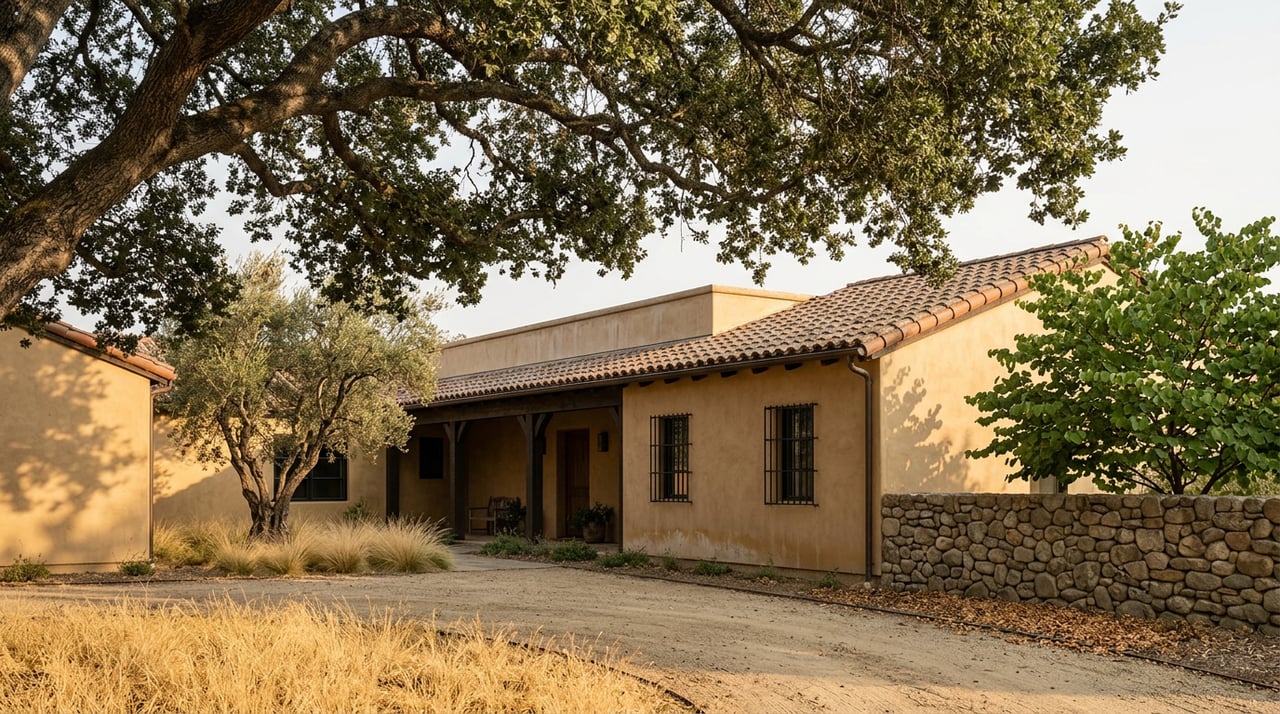
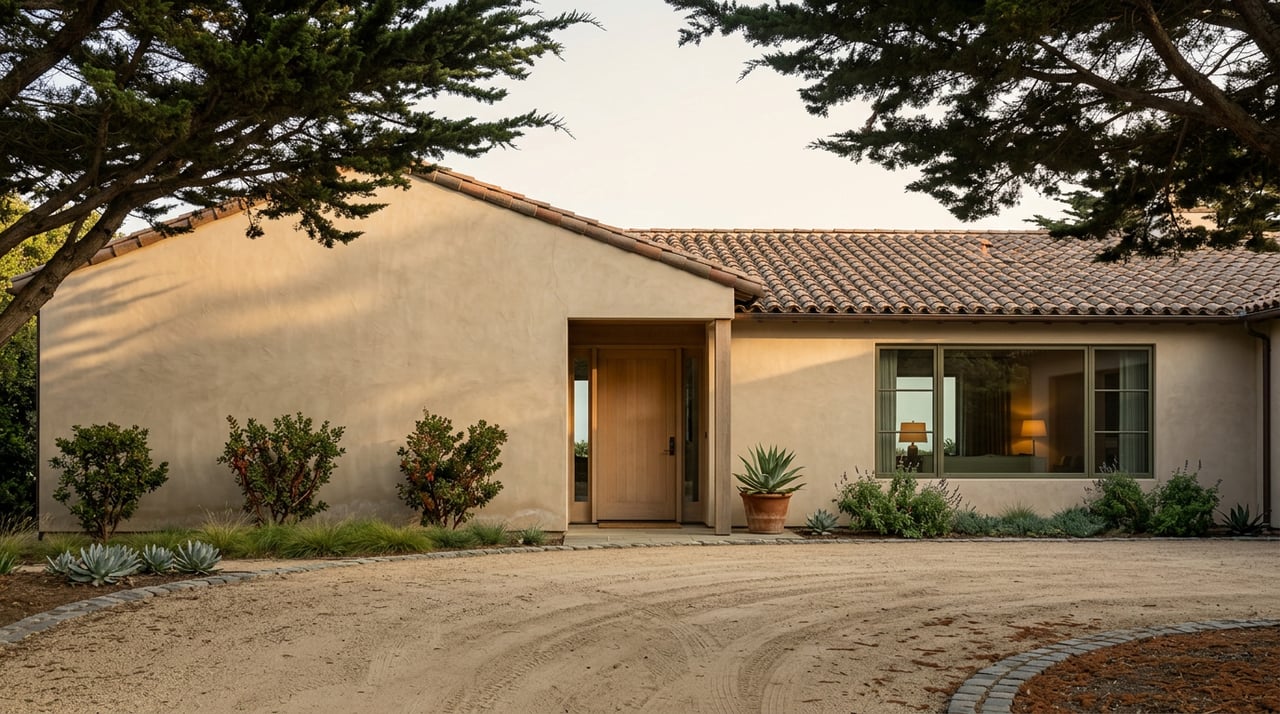
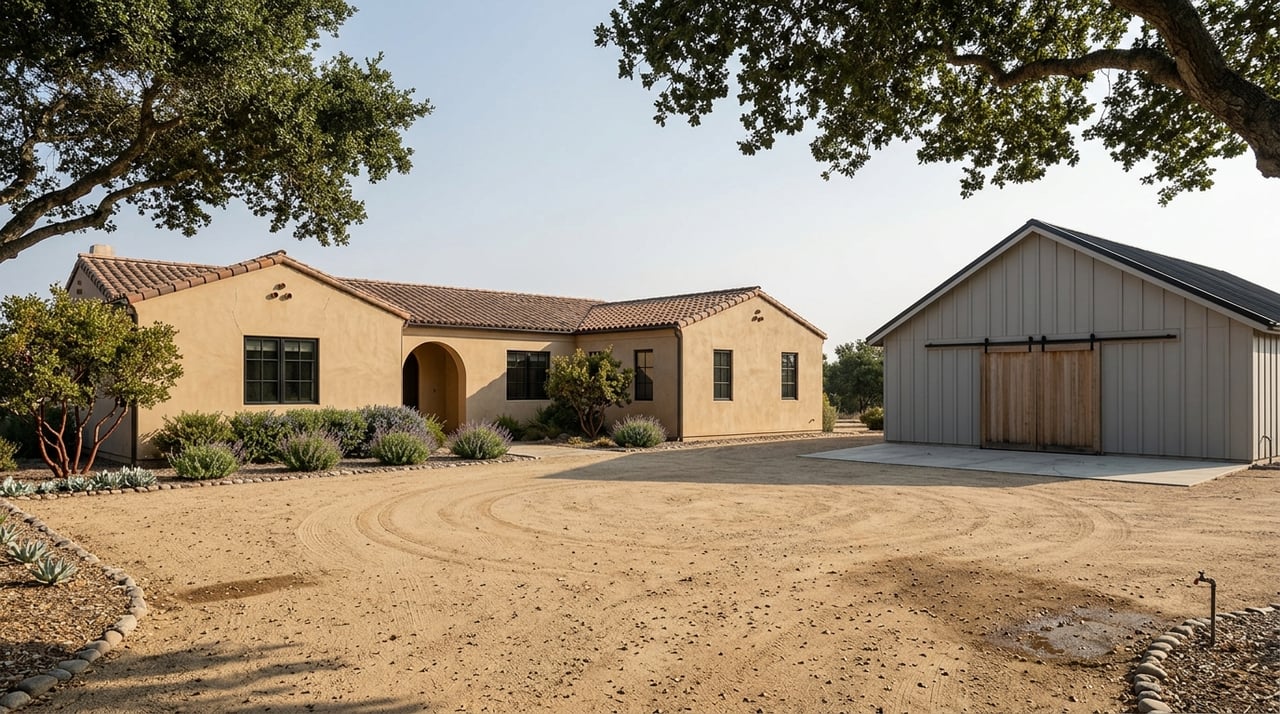
If you are planning a multi-acre homestead in Prunedale, the land itself matters just as much as the home you hope to build. It is easy to focus on views, acreage, or the idea of a barn, workshop, or second residence, but rural property planning in Monterey County depends on how all the moving parts fit together. By understanding zoning, access, utilities, drainage, and fire requirements early, you can make smarter decisions and avoid costly surprises. Let’s dive in.
Why parcel planning matters in Prunedale
Prunedale is an unincorporated area of Monterey County with 18,885 residents, 46.06 square miles of land area, and a 76.7% owner-occupied housing rate, based on 2020 Census data. That pattern points to a more dispersed rural residential setting rather than a dense subdivision layout. In practical terms, that means your parcel planning process is shaped by Monterey County rules, not a city planning department.
For buyers looking at a homestead, hobby ranch, or rural estate, the opportunity can be exciting. You may be thinking about a main residence, guest space, barns, horse facilities, storage, or land for day-to-day rural living. In Prunedale, those ideas usually rise or fall based on the parcel’s zoning, physical layout, and infrastructure readiness.
Start with zoning and parcel limits
Before you sketch a site plan or price out improvements, confirm the parcel’s zoning. In inland Monterey County, zoning determines what is realistically buildable and how the property can function over time. Acreage alone does not answer those questions.
What RDR zoning can mean
The Rural Density Residential, or RDR, district is intended for rural density and intensity uses where services can support development. Monterey County’s RDR code sets a minimum building site of 5 acres, ties maximum density to the zoning map, and allows the first single-family dwelling per lot, guesthouses, pets, limited boarding, and accessory structures and uses.
That can sound flexible, but the details matter. Site-development standards in RDR also cap building site coverage at 25%, which can affect how much of the usable site can be covered by structures and related improvements.
Setbacks and structure placement
If you are planning barns, stables, or farm outbuildings, spacing rules matter from the beginning. In Monterey County’s RDR standards, those structures generally must be 50 feet from the front property line, 20 feet from side or rear property lines, and 20 feet from any residence. The maximum height for those structures is generally 30 feet.
Those rules can shape where your home sits, where a barn can go, and how efficiently you can use the land. A parcel may look spacious at first glance, but setbacks, coverage, and topography can quickly narrow your options.
What Farmlands zoning can allow
Some parcels may be zoned Farmlands, or F. In that district, Monterey County’s purpose is to preserve productive farmland while allowing support facilities, and allowed uses include soil-dependent agriculture, barns, stables, storage structures, farm shops, guesthouses, and wells or storage tanks serving small systems.
The county also allows up to three accessory single-family dwellings tied to agricultural use in Farmlands zoning. If you are considering a family compound or an agriculture-oriented property, that distinction can be highly relevant, but it still requires careful review of the parcel’s actual zoning and use standards.
Evaluate access before anything else
One of the most common rural-property mistakes is treating access as a simple detail. In Prunedale, driveway length, legal access, grading, and emergency access standards can all affect what is feasible. A beautiful site is far less useful if access is unclear or expensive to improve.
Driveways and county review
Monterey County treats driveways, structures, utilities, and similar work in the county right-of-way as encroachment work. The county also notes that a new private access driveway longer than 50 feet may qualify for an over-the-counter grading permit if the earthwork is limited.
That may help streamline some projects, but it does not mean access should be treated casually. The length, slope, alignment, and drainage of a private drive can influence the full site plan.
Emergency access standards matter
The county fire code adds important design requirements for rural properties. Address numbers must be visible from the road, gates must be set back at least 30 feet from the roadway, and gate openings must be at least 14 feet clear.
Longer driveways also require turnouts and turnarounds sized for emergency equipment. If you are placing a home deep into the parcel for privacy or views, those fire-access requirements can become a major planning factor.
Verify easements and road agreements
If a parcel is served by a private road, recorded access easements and road maintenance agreements deserve close attention. Before closing, it is wise to verify legal access, who maintains the road, and whether shared-road restrictions apply.
In rural transactions, this is part of understanding the land as a system rather than a simple homesite. Access is not only about convenience. It is also about long-term use, cost, and predictability.
Check water and septic feasibility early
For many multi-acre homestead plans, water and wastewater are the true gatekeepers. Monterey County’s land use review checks whether single-family dwelling proposals and subdivisions have adequate water supply and wastewater disposal feasibility. The Environmental Health Bureau also reviews onsite wastewater treatment system permits.
That means a promising parcel still needs to work from a practical health and infrastructure standpoint. In rural property planning, these questions should come before design ambitions, not after.
Wells require county review
Monterey County’s Drinking Water Protection program regulates well construction, repair, and destruction. County materials also state that wells within the Groundwater Monitoring Program zone must be registered with the Monterey County Water Resources Agency.
Just as important, county materials note that well permit approval does not mean the site is suitable for an individual sewage disposal system. In other words, a parcel can appear workable from a water standpoint while still facing septic limitations.
Septic is not a casual add-on
Monterey County has an approved Local Agency Management Program for septic systems, which means new or replacement septic work is subject to established county oversight. If you are planning a new home, replacement system, or expanded living arrangement, septic feasibility needs to be part of due diligence from day one.
This is especially true if you hope to add a second residence or accessory structure that changes the intensity of use. The parcel must support both potable water and wastewater disposal in a coordinated way.
Plan carefully for ADUs and second units
Accessory dwelling units can be attractive for multigenerational living, guest accommodations, or caretaker housing. In Monterey County, the first step is still zoning. The county’s ADU guidance says zoning must be checked first, and Environmental Health reviews potable water and septic implications.
The county also states that ADUs cannot be used for short-term rentals. For buyers considering flexible future use, that is an important limitation to understand before purchase.
A second unit can add value and utility to a rural property, but only when the parcel’s zoning, water, and wastewater capacity align. This is one more reason the right parcel often matters more than the house currently on it.
Study slopes, drainage, and building pads
A rural parcel’s best building area is not always the one with the best first impression. Monterey County says Housing and Community Development reviews floodplain, stormwater runoff, and groundwater supply issues before permits are issued. The county’s grading program also exists to minimize erosion and protect natural resources.
That makes drainage a core planning issue, not a side note. A good building pad should work with the site’s drainage patterns, grading needs, and long-term maintenance realities.
Slopes and ridgelines can add complexity
County permit guidance flags development on slopes over 30% and ridgeline development as subjects that can require discretionary review. If you are drawn to elevated views or dramatic topography, be sure to assess whether those features may add time, review, or design constraints.
This does not mean hillside or ridgeline parcels are off the table. It means they often require a more careful, more strategic planning approach.
Think through barns, horses, and live-work uses
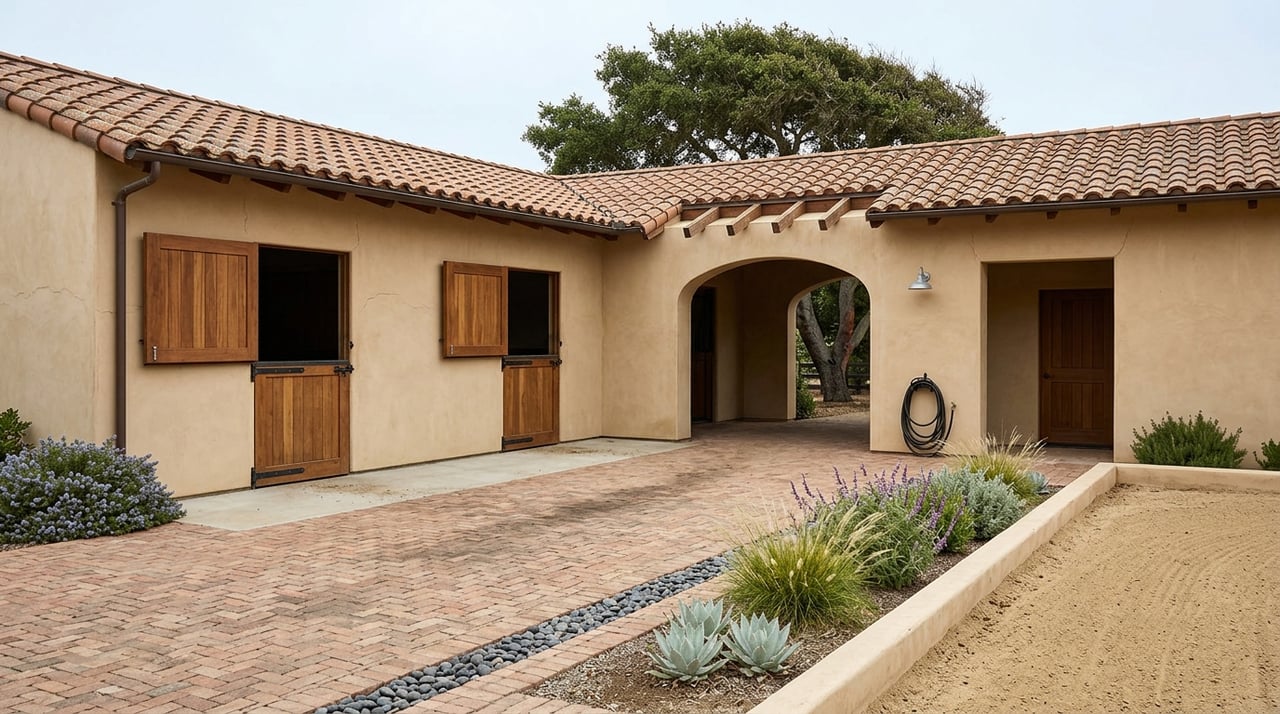
For many buyers, a Prunedale homestead is about more than a house. It may include horses, hobby farming, storage buildings, a workshop, or a studio. Monterey County zoning in RDR and Farmlands districts expressly contemplates barns, stables, storage structures, farm shops, agricultural uses, and accessory structures tied to permitted uses.
Still, the central question is whether the parcel can support the full pattern of use. Lot size, setbacks, access, and utility capacity all need to support the vision.
Workshops and business use
If you want a workshop, studio, or office that functions as a real business, confirm whether the activity qualifies as a home occupation and whether an inland use permit or county business license is needed. Monterey County says use-permit requirements apply only in inland areas, and the county business license applies to business activity in the unincorporated area.
This is an easy point to overlook when a property feels private and self-contained. Rural flexibility can be excellent, but it still needs to line up with county rules.
Wildfire readiness should shape your plan
Wildfire planning belongs at the front of the process, not the end. Monterey County provides defensible-space guidance for unincorporated areas and has wildfire protection standards, along with a 2025 fire hazard severity map process.
For buyers, that means parcel-specific fire risk and fuel management should be reviewed early. The location of driveways, gates, structures, and open space can all affect how well a property supports long-term safety and maintainability.
A practical homestead due diligence checklist
If you are evaluating a multi-acre parcel in Prunedale, focus on these key questions early:
- What is the parcel’s exact zoning designation?
- How much density is allowed under the zoning map?
- Do setbacks, site coverage, and topography leave enough usable building area?
- Is legal access clear and properly recorded?
- Are there shared-road maintenance obligations or restrictions?
- Will driveway length and gate placement meet fire-access standards?
- Is water supply feasible through an existing or proposed well?
- Is septic feasible for the intended level of use?
- Do drainage, floodplain, or slope conditions affect the building site?
- Can barns, shops, horse facilities, or an ADU fit both the parcel and the county rules?
In Prunedale, successful homestead planning is usually less about finding the biggest parcel and more about finding the parcel where all of these factors work together.
If you are looking at ranch, equestrian, or multi-acre property in Monterey County, careful land analysis can protect both your vision and your budget. For discreet guidance on complex rural property opportunities, start a confidential consultation with William Smith.
FAQs
What should you check first when planning a homestead in Prunedale?
- Start with the parcel’s zoning, because Monterey County zoning controls what is realistically buildable and how the land can be used.
How much does zoning affect a multi-acre parcel in Prunedale?
- Zoning can affect minimum building site size, allowed uses, density, setbacks, site coverage, and whether structures like barns, guesthouses, or accessory dwellings may be permitted.
Can you build a barn or stable on a Prunedale property?
- In applicable Monterey County zoning districts such as RDR and Farmlands, barns and stables may be allowed, but they still must meet setback, height, and overall parcel planning requirements.
Do you need to review water and septic before buying land in Prunedale?
- Yes. Monterey County reviews adequate water supply and wastewater disposal feasibility, and well approval does not automatically mean a site is suitable for septic.
Can you add an ADU to a homestead property in Prunedale?
- Possibly, but Monterey County says you must check zoning first, and Environmental Health reviews water and septic implications. The county also states that ADUs cannot be used for short-term rentals.
Why does driveway layout matter for rural property in Prunedale?
- Driveway length, grading, gate placement, and emergency access standards can affect site design, permitting, and how safely the property functions over time.
Should you consider wildfire planning before building in Prunedale?
- Yes. Monterey County provides defensible-space guidance and wildfire protection standards for unincorporated areas, so fire readiness should be part of early due diligence.