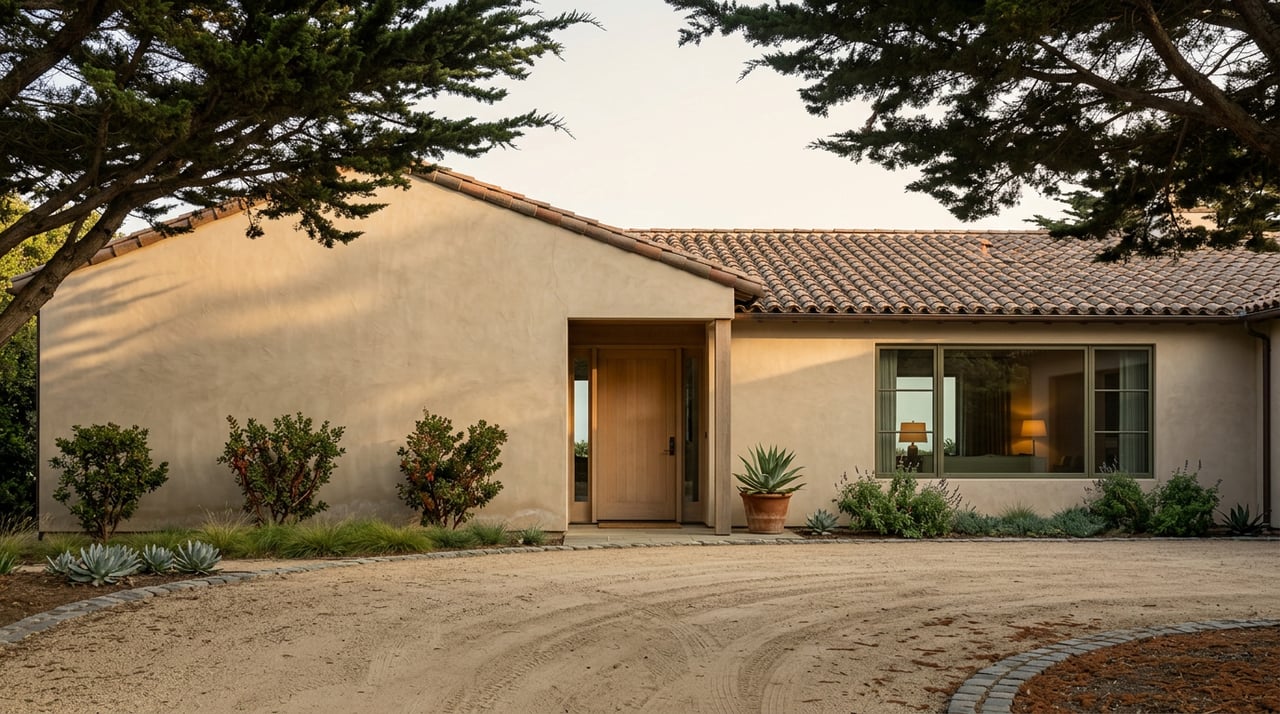
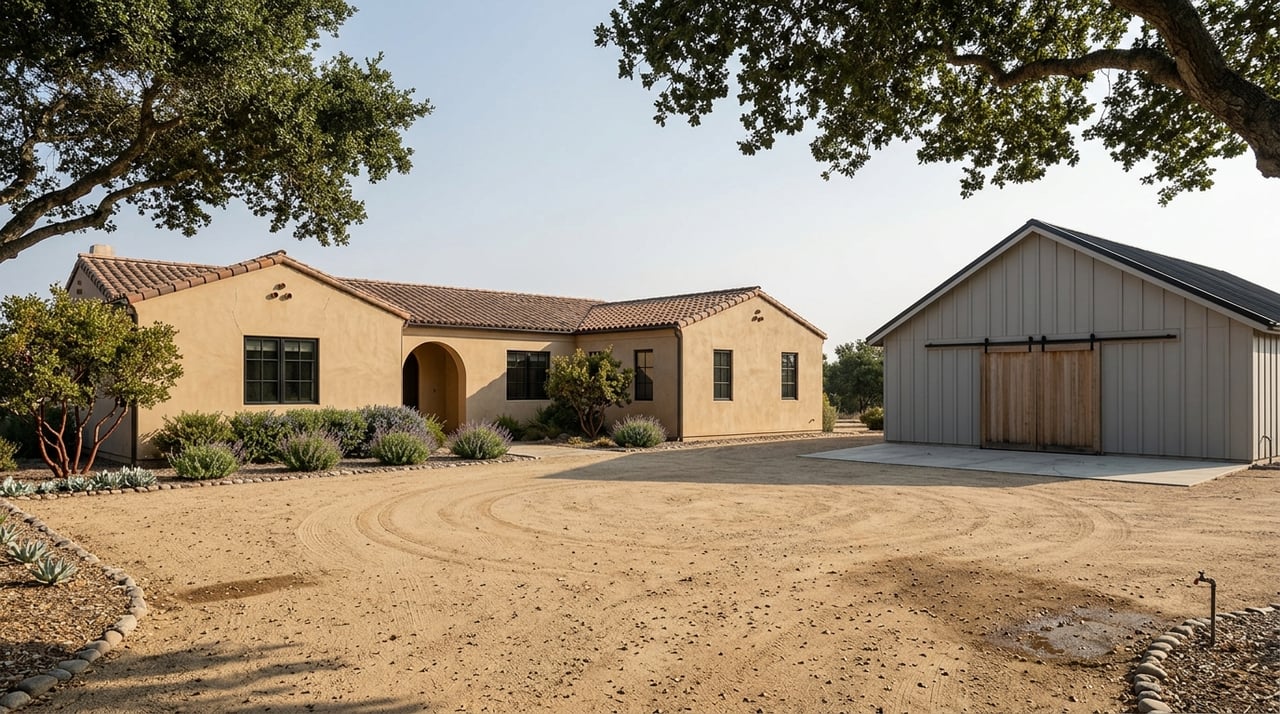
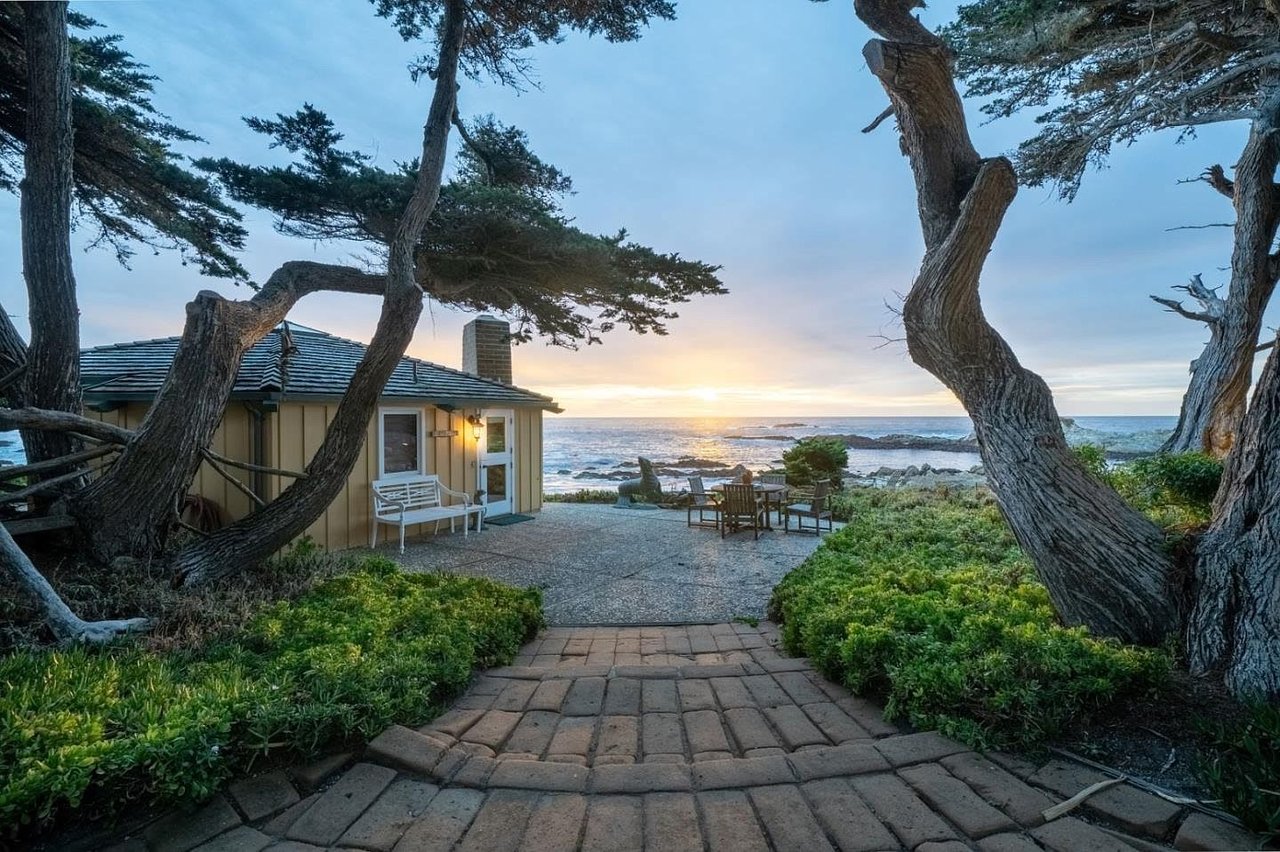
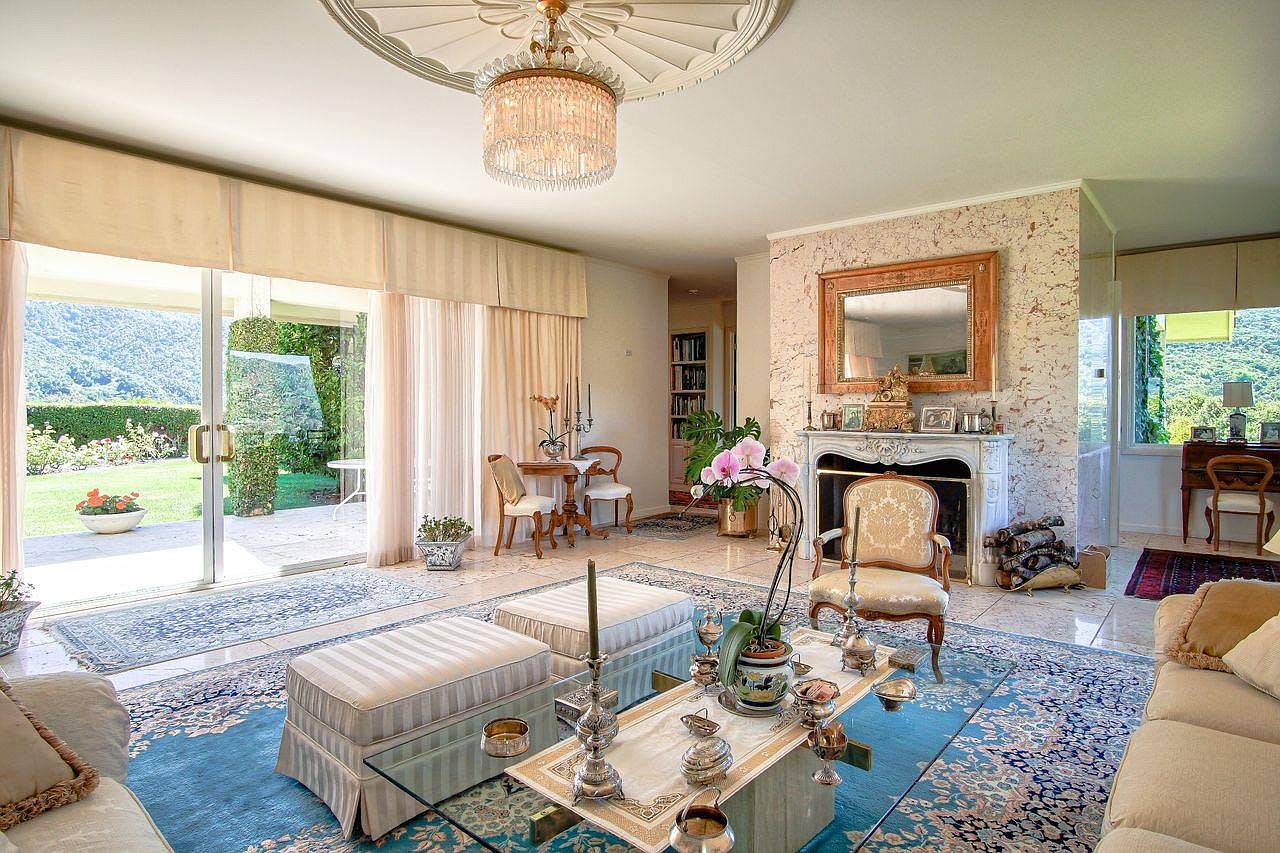
Close escrow on a home at the Santa Lucia Preserve and you still don't have a tee time. You don't have a locker at the Equestrian Center, a table held at the Hacienda, or a card that opens the Sports Center. The acreage you just recorded a deed for comes with none of that automatically. Membership at the Preserve is a separate application, reviewed on its own schedule and priced on its own terms, and it exists apart from the transaction you just closed.
This is the detail that gets skipped in most conversations that start with the median price. Buyers cross-shopping the Preserve against Pebble Beach or Carmel Highlands tend to treat the number on the listing sheet as the number that matters. At the Preserve, that number describes the land. It says almost nothing about what a buyer can actually do on it, or how much of it can be built on at all.
Two Transactions, Not One
The Preserve's own materials are direct on this point. Golf, the Equestrian Center, the Ranch Club, and every other recreational amenity are available through club membership, and membership is not included with the purchase of real estate. It requires its own approval process, and several tiers exist depending on what a family actually wants access to.
Historically, those tiers carried real, published numbers. A 2007 Robb Report feature on private golf communities put the Preserve golf club's initiation fee at $150,000 with annual dues of $11,200. A separate ranch membership, covering the Equestrian Center, fitness center, and an 18-acre lake, ran $35,000 to join with $4,750 in yearly dues. A fee schedule attached to a 2016 Preserve listing showed those numbers had climbed: $160,000 to join the golf club, with dues up to $15,600 a year, and $70,000 for the ranch tier.
| Membership | Year Cited | Initiation Fee | Annual Dues |
|---|---|---|---|
| Golf Club | 2007 | $150,000 | $11,200 |
| Golf Club | 2016 | $160,000 | $15,600 |
| Ranch Club | 2007 | $35,000 | $4,750 |
| Ranch Club | 2016 | $70,000 | not published in that document |
Neither the club nor the Preserve publishes current dues on its website. That's consistent with how private clubs generally operate, but it stands in sharp contrast to the real estate itself, which is fully public on the MLS down to the price per square foot. A buyer can pull comparable sales on a homesite in minutes. Getting a straight answer on this year's initiation fee takes a phone call and an application.
Golf access is also capped in a way that has nothing to do with how many homes are for sale. For buyers who don't own property in Monterey, Santa Cruz, San Benito, or Santa Clara counties, golf access runs through a National Membership category, and that category has historically been limited to just 40 memberships total. A buyer relocating from outside the region should treat that number, not the home count, as the real constraint on golf access.
What Twenty Thousand Acres Actually Means
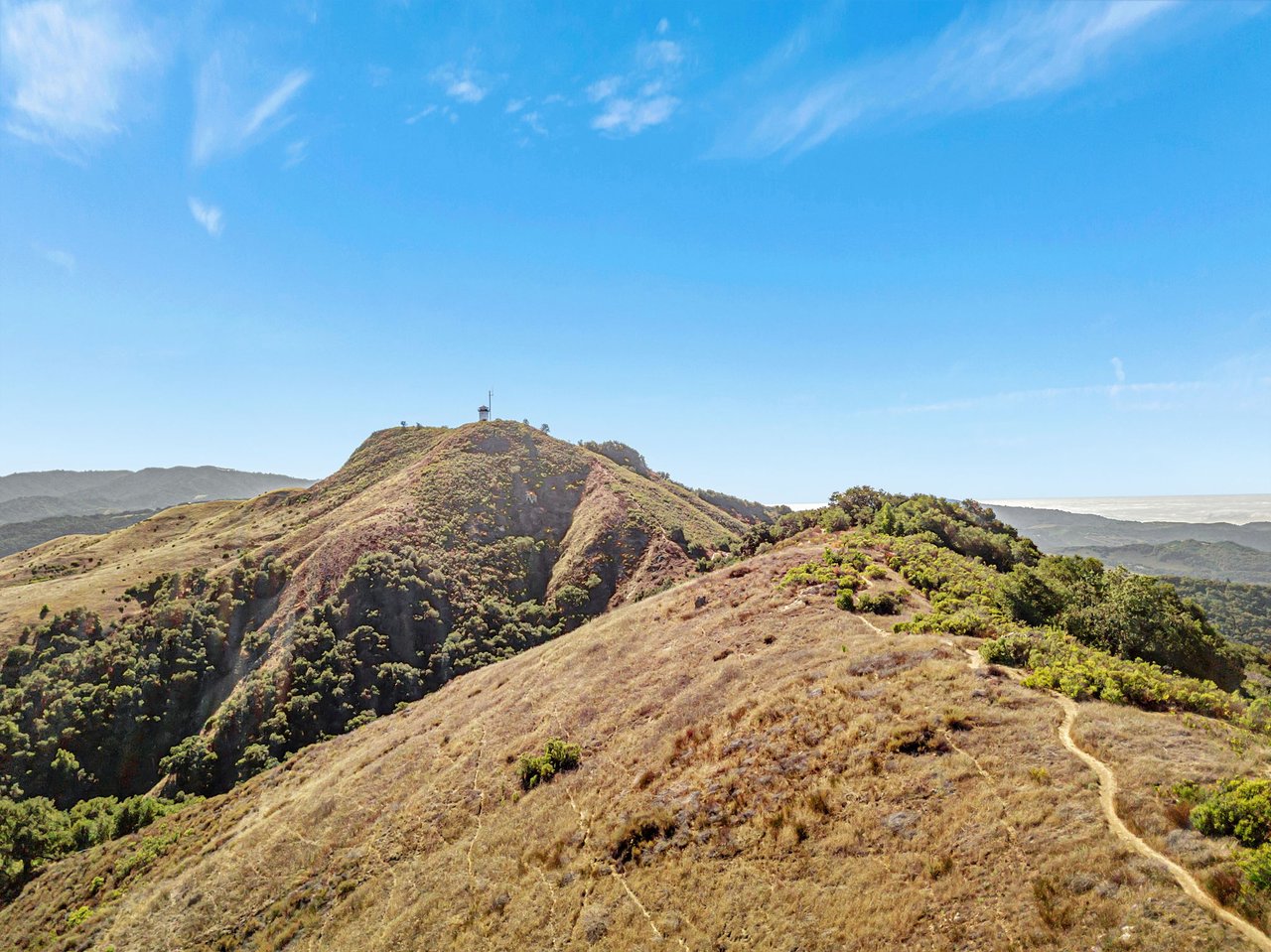
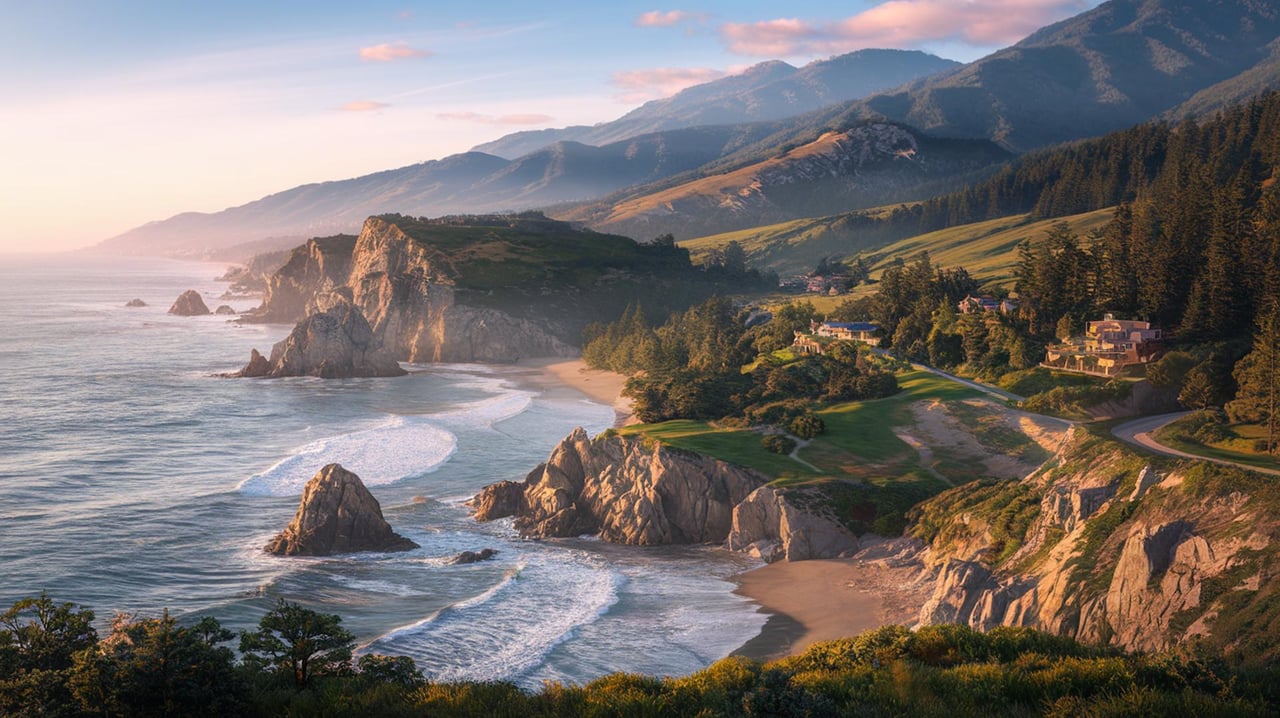
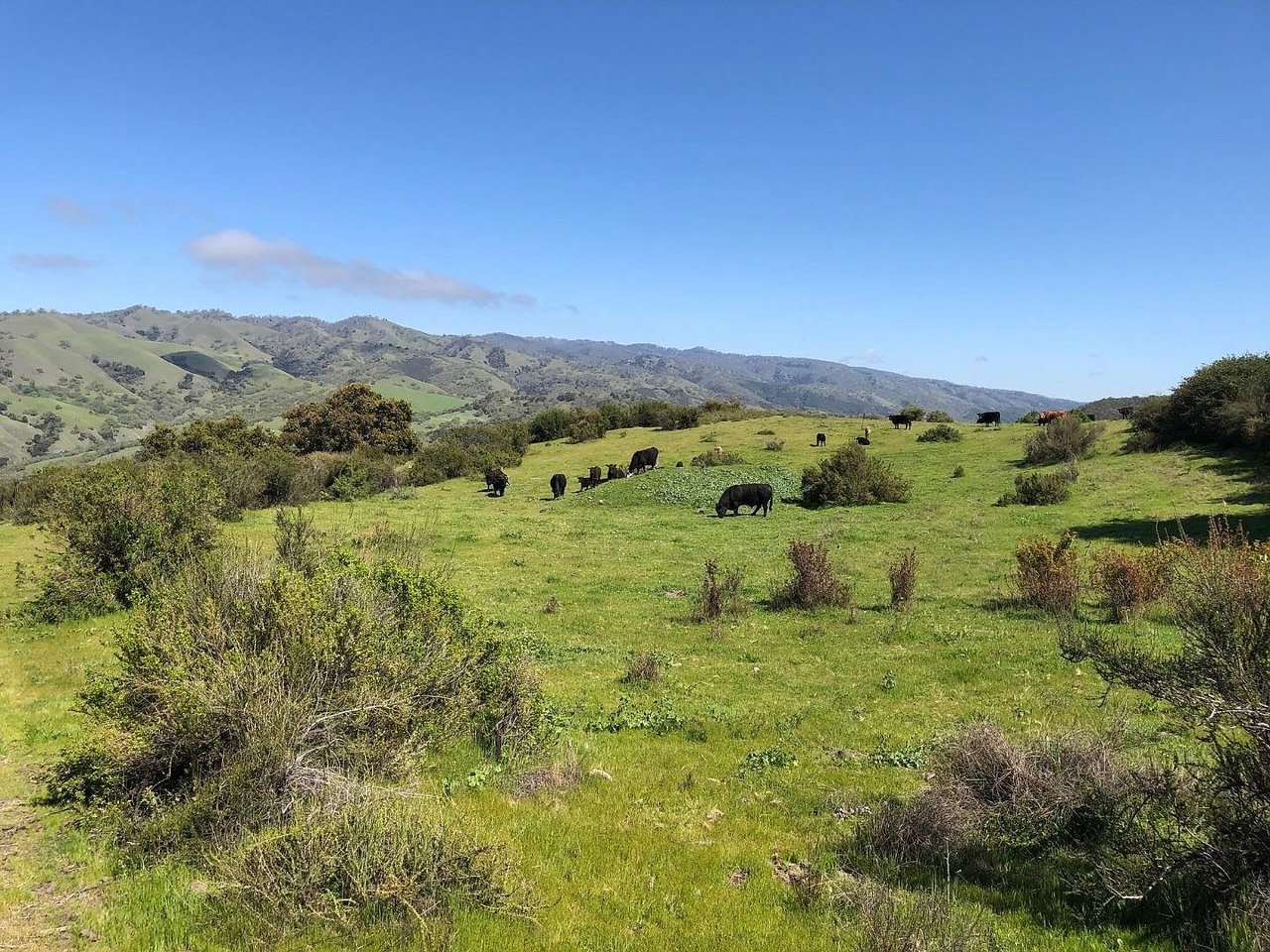
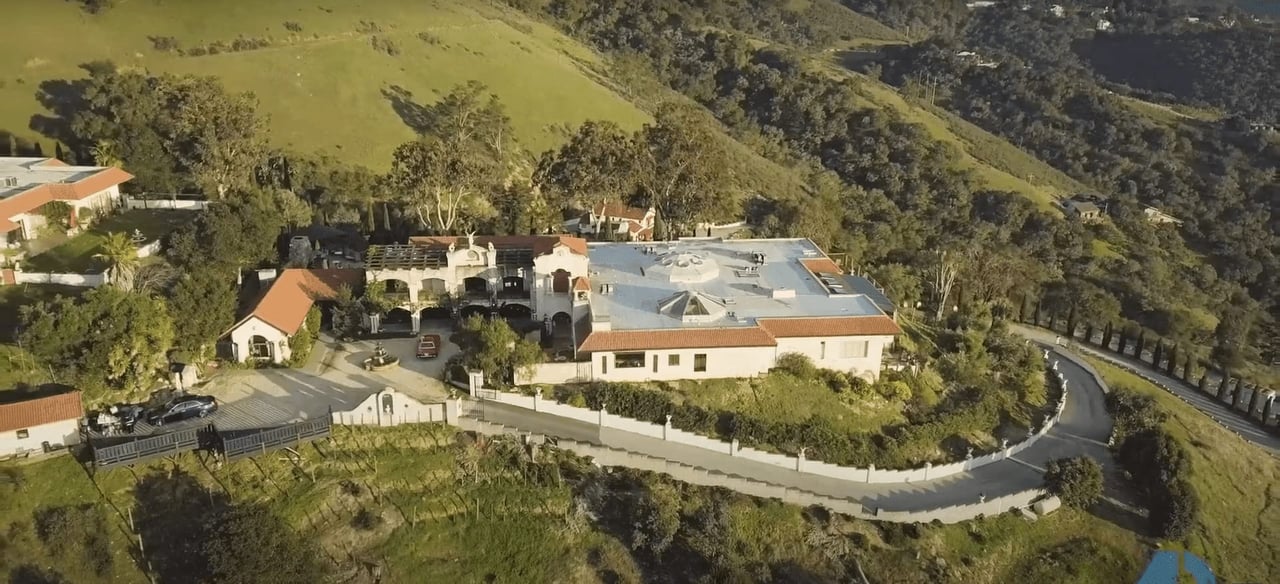
The Preserve markets itself around scale: 20,000 acres, with 18,000 of them protected in perpetuity by the Santa Lucia Conservancy, a nonprofit land trust established in 1995. That leaves roughly 10 percent of the property, about 2,000 acres, for the golf course, the Ranch Club, roads, and the 297 homesites that make up the entire residential footprint.
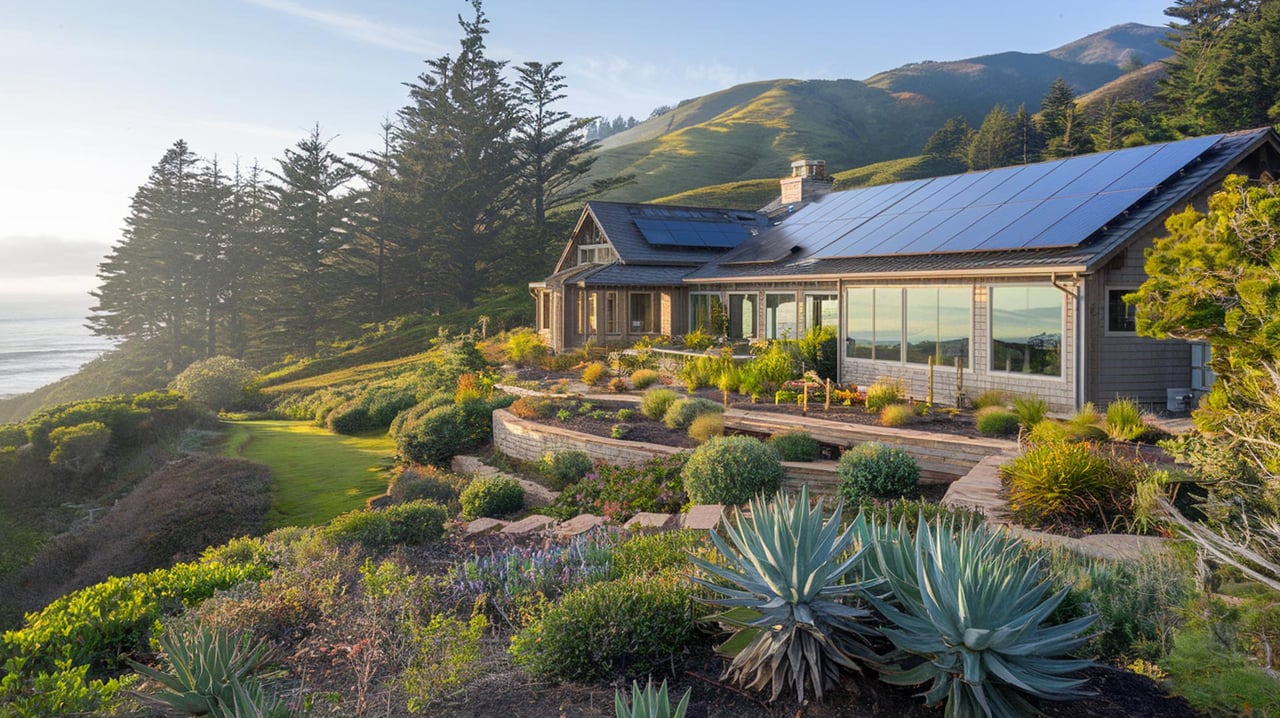
What doesn't show up on most listing sheets is that each individual parcel repeats that same split in miniature. Every homesite is divided into two legal zones: a Homeland, which is the smaller, less restricted envelope available for a residence, and an Openland, where a conservation easement held by the Santa Lucia Conservancy removes the right to build. Across the property, the Conservancy holds those easements over roughly 7,650 acres. A parcel advertised as 40 acres might carry a building envelope of only a couple of acres, with the rest legally off-limits to construction and, in effect, a piece of the same protected ground that runs through the rest of the property.
For a buyer comparing per-acre value against a more conventional Peninsula lot, this matters. The acreage figure on a Preserve listing isn't a proxy for usable space the way it would be on an unrestricted parcel elsewhere in Monterey County. Part of what's being purchased is stewardship responsibility for land that can never be developed, not additional square footage to build on.
The Permitting Layer That Doesn't Show Up in Escrow
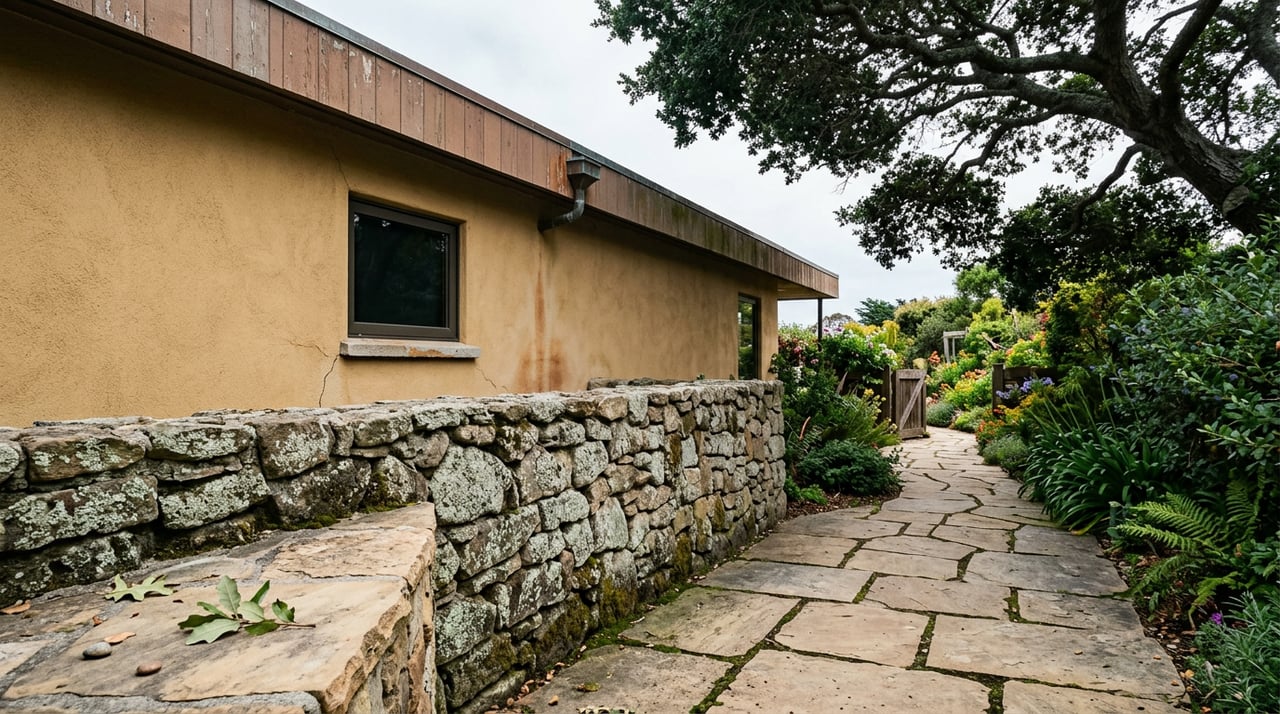
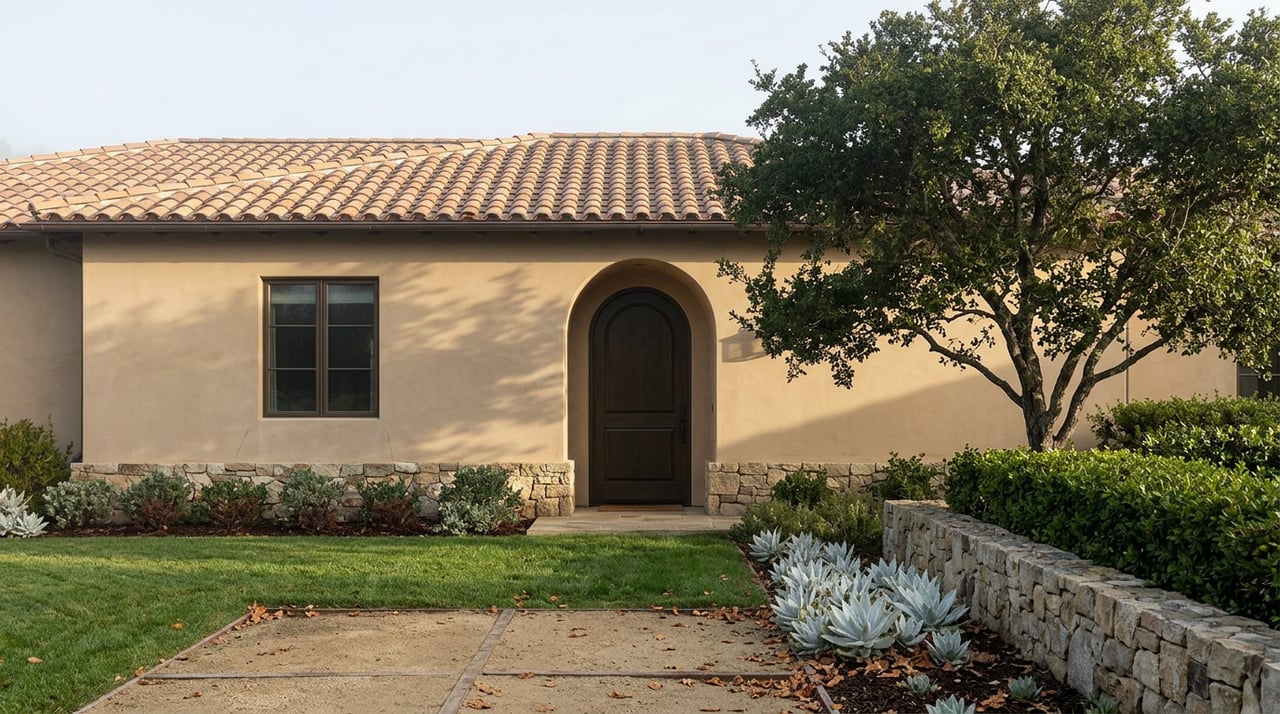
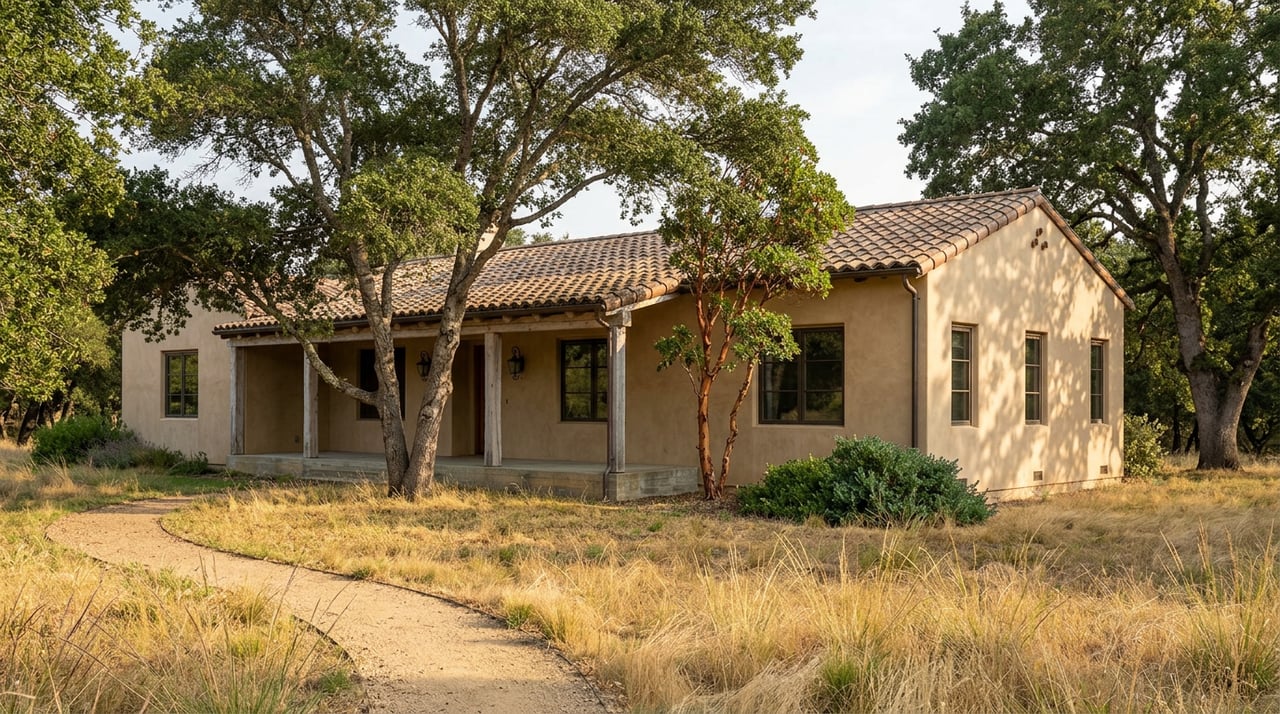
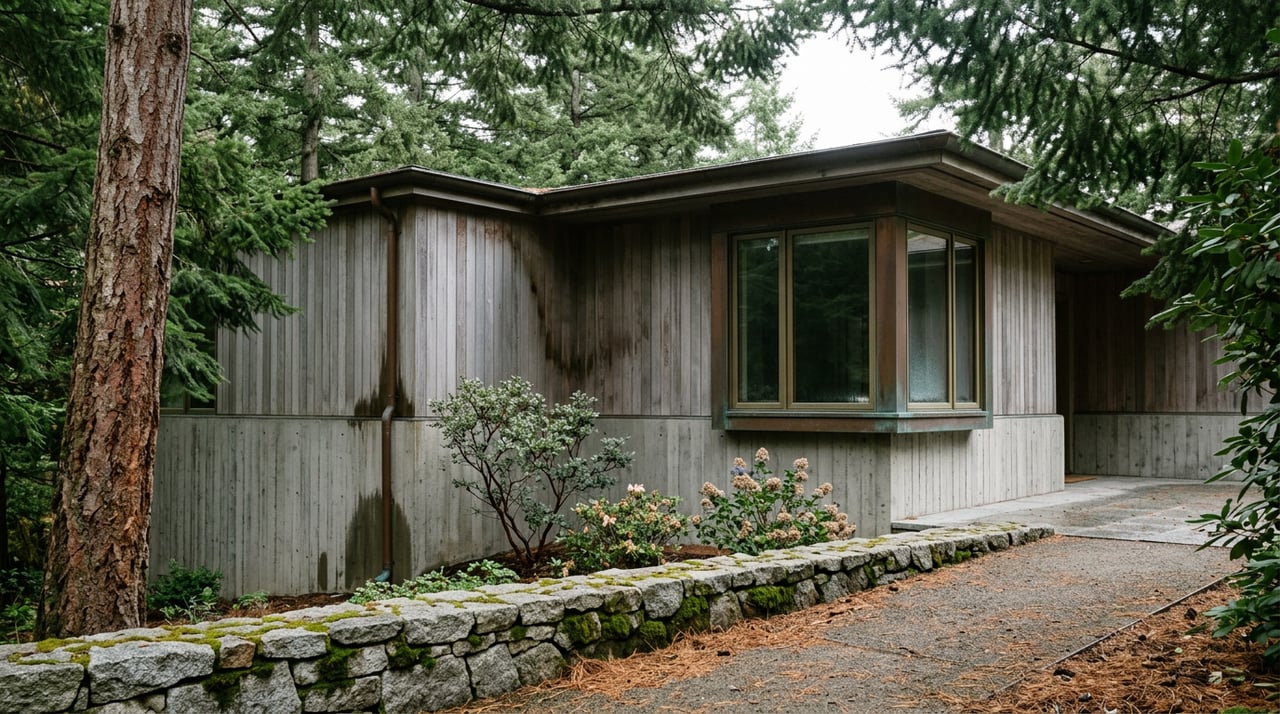
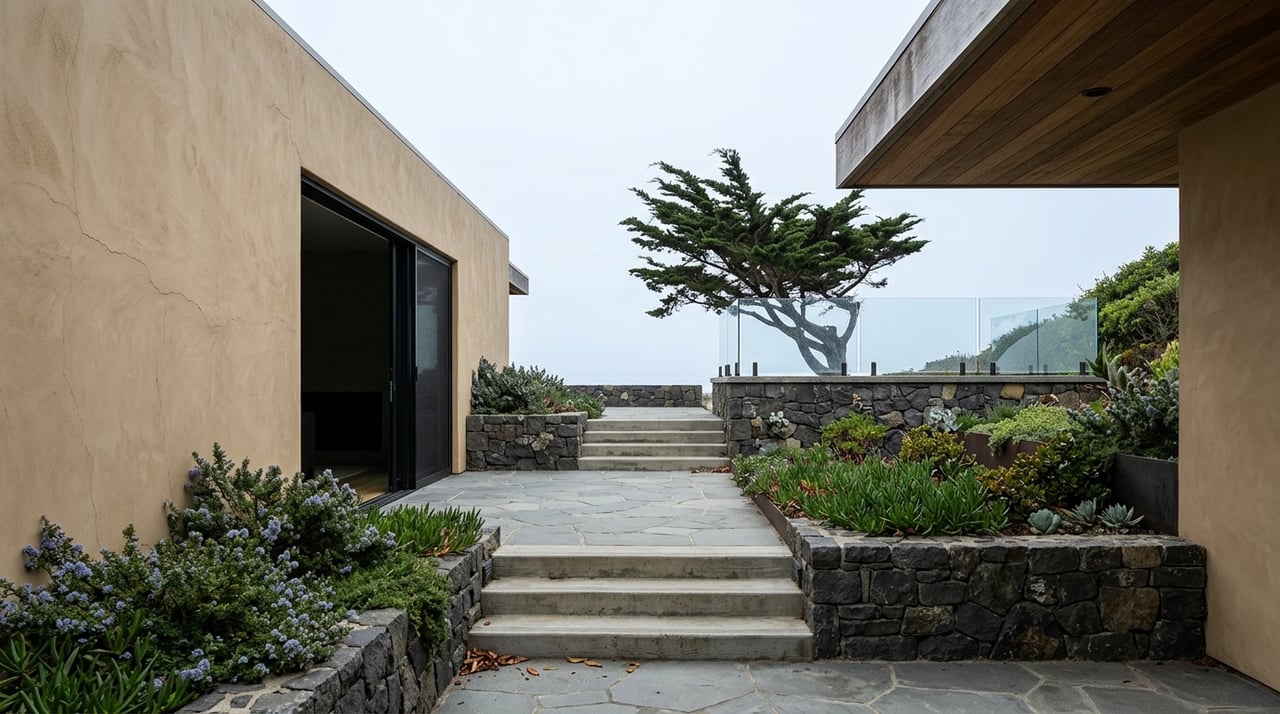
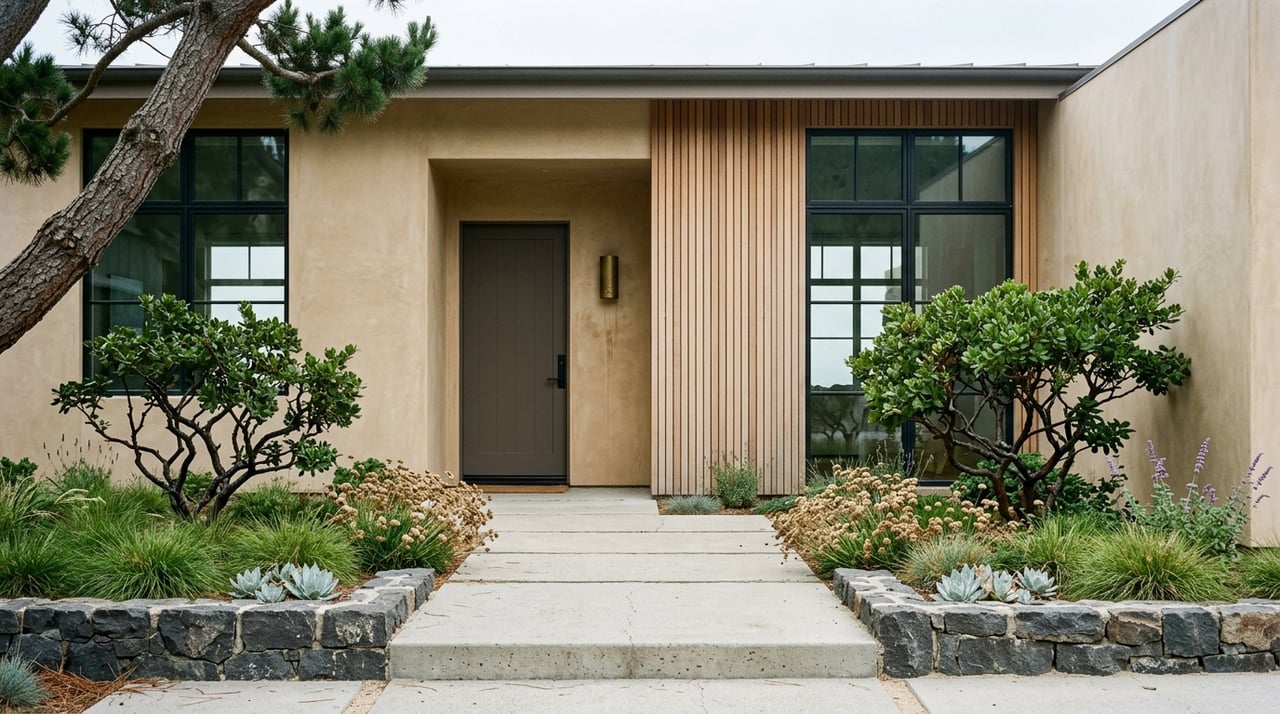
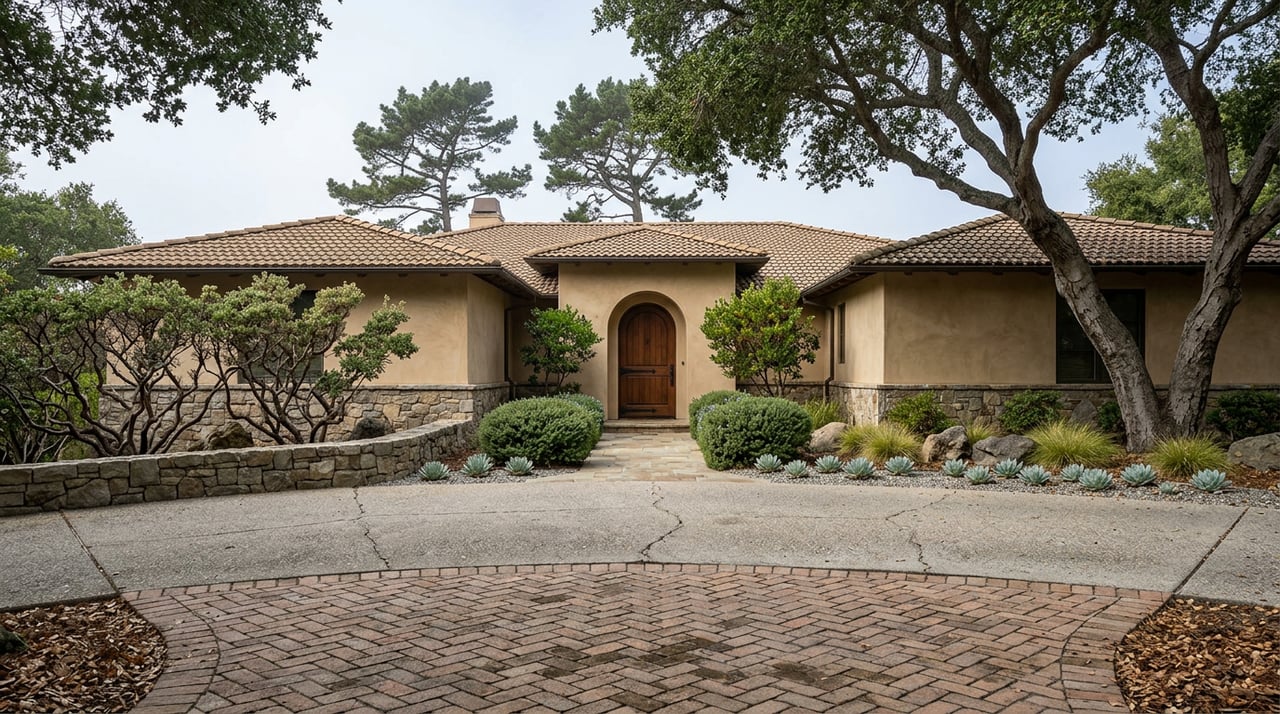
Buying a homesite, or buying an existing home with plans to remodel, doesn't start construction. It starts a review process. The Preserve's Design Guidelines, maintained jointly by the Design Review Board and the Santa Lucia Conservancy, require that new construction remain subordinate to the terrain, respond to the specific landforms and microclimates of its site, and stay consistent with the region's building traditions. That review runs alongside, not instead of, standard Monterey County permitting.
Local advisors familiar with the process describe preconstruction as a staged effort that can run several months before ground is broken, shaped by site conditions, design review, fuel-management approval tied to fire planning, county permits, and utility coordination. Monterey County's Environmental Health division reviews water supply and wastewater feasibility for each project. The Santa Lucia Community Services District, separately, provides water, wastewater, road maintenance, security, storm drain service, refuse collection, and emergency response across the property. None of that appears on a closing statement. All of it affects how soon a buyer can actually move into the home they're planning to build.
"Don't build on your best spot, build next to it, so you can still appreciate that special place."
That line comes from Joe Esherick, the architect whose original design philosophy still guides how homes get sited across the Preserve. It's a good summary of the whole approval structure. The land, not the buyer's preference, sets the terms.
What This Means If You're Comparing Communities
Put together, the real cost of entry at the Preserve has at least four separate components, and only one of them is negotiated at the closing table.
- The recorded purchase price of the home or homesite
- A club membership fee, if lifestyle access matters, priced and applied for separately from the real estate
- Design and construction costs shaped by a building envelope that's often a fraction of the total acreage
- Calendar time added by design review, county permitting, and utility coordination before construction can begin
Market activity reflects how differently this property behaves compared to a conventional subdivision. As of early June 2026, the Preserve carried 25 active listings with a median list price of $1,295,000 and an average of $904.05 per square foot, with homes sitting on the market an average of 114 days. That combination, low inventory paired with a marketing period well past the three-month mark, is consistent with a set of buyers and sellers who treat each home as its own negotiation rather than a repeatable floor plan competing on price per square foot alone. The elevated price per square foot reflects the scarcity of buildable Homelands and the privacy those constraints create, more than finish level or size.
For a buyer weighing the Preserve against Pebble Beach or Carmel Highlands, the useful comparison isn't the sticker price of the homes on offer. It's how much of each dollar buys land you can actually build on, and how much of the experience being marketed requires a second, separate purchase after the first one closes.
A Few Questions Worth Answering Directly
Do I have to join a club if I buy a home at the Preserve? No. Club membership is optional and handled apart from the real estate. Some owners hold property at the Preserve without ever applying for golf or ranch access.
Can someone who doesn't live in the surrounding counties still get a golf membership? Yes, through the Preserve's National Membership category, though that category has historically been capped at 40 memberships and is intended for buyers outside Monterey, Santa Cruz, San Benito, and Santa Clara counties.
How long does it take to get a custom home approved and built after buying a homesite? There's no single fixed timeline. Local advisors describe it as a staged, multi-month process spanning design review, county permitting, and utility coordination, so buyers planning a ground-up build should account for that calendar time well before a permit is pulled.
The Preserve rewards buyers who plan for both purchases from the start, the land and the life on it, rather than discovering the second one after the first is already recorded. If you're weighing a homesite here against something on the coast, Carmel Luxury Group can walk through what a specific parcel's Homeland envelope actually allows, what membership access looks like this year, and what the design review timeline realistically means for your move-in date. Start a confidential consultation before you write an offer, not after.