Pull up five different sites and search "median home price, Carmel, CA 93923" this week. You will get five different answers, and none of them are wrong.
One report built from actual closed MLS transactions puts the April 2026 single-family median at $3.6 million, up 45.6 percent year over year. A national portal's zip-code page, reporting January 2026 figures, shows a median of $1.7 million for that month, down 37 percent from a year earlier. A city-level view of "Carmel" for the three months ending June 2026 lands at $3.2 million, up 13.1 percent. Zoom into one specific pocket of that same zip code and the three-month median for the period ending March 2026 was $7.3 million. Zoom into a different pocket for the three months ending June 2026 and it was $1.8 million.
Every one of those numbers is real. What they are describing is not one market. It is at least six, stitched together by a postal boundary that has nothing to do with how these homes are actually priced, financed, or compared.
What a Single Delivery Route Actually Contains
A zip code is a mail-routing decision, not a market definition. Carmel's is an unusually good example of why that distinction matters.
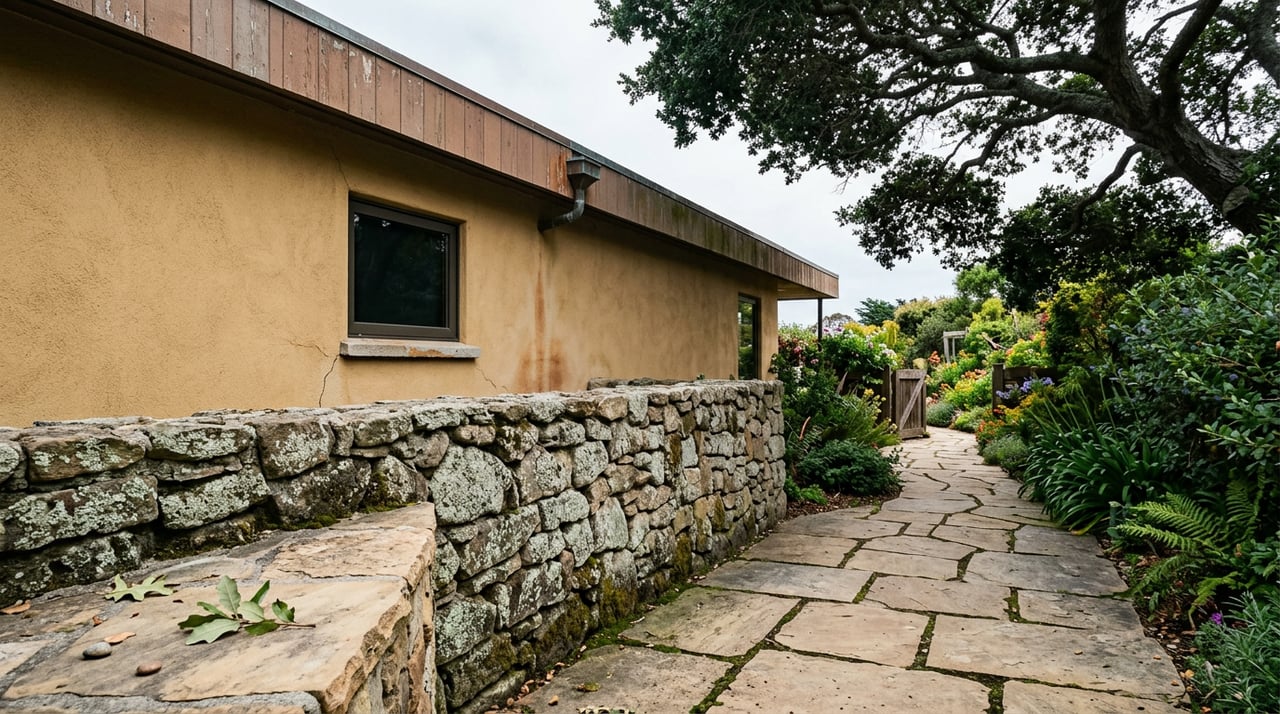
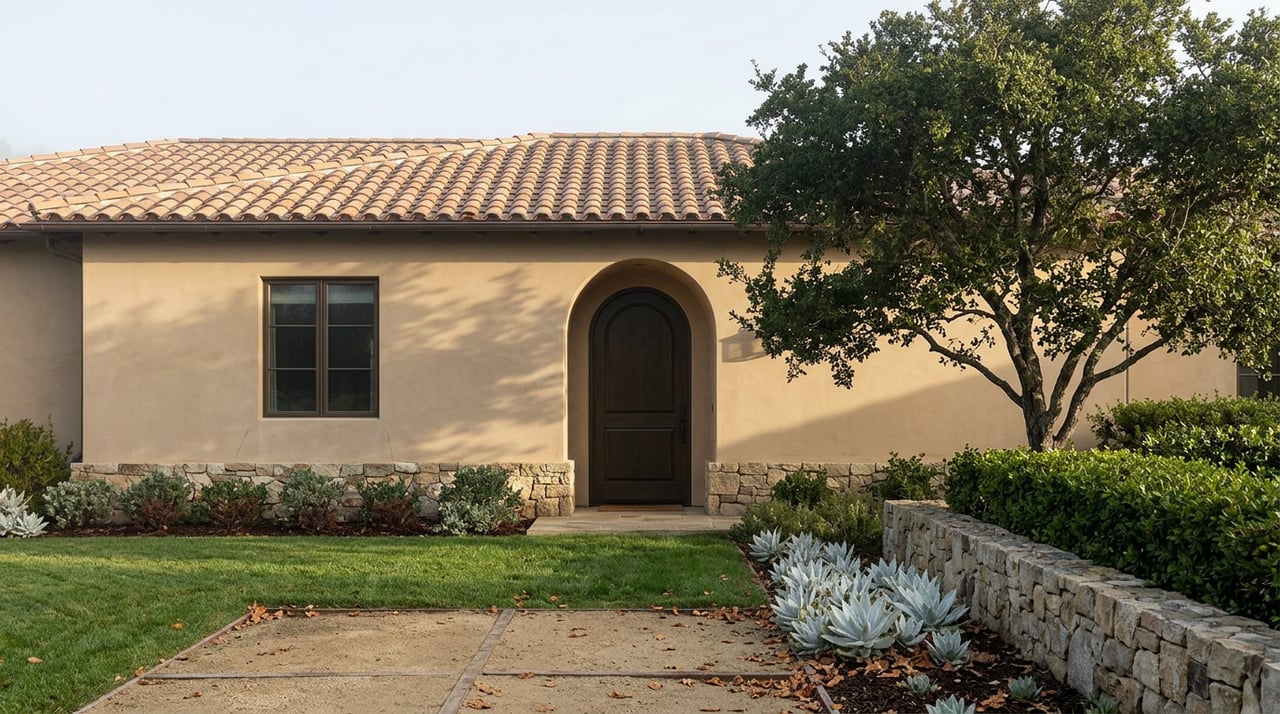
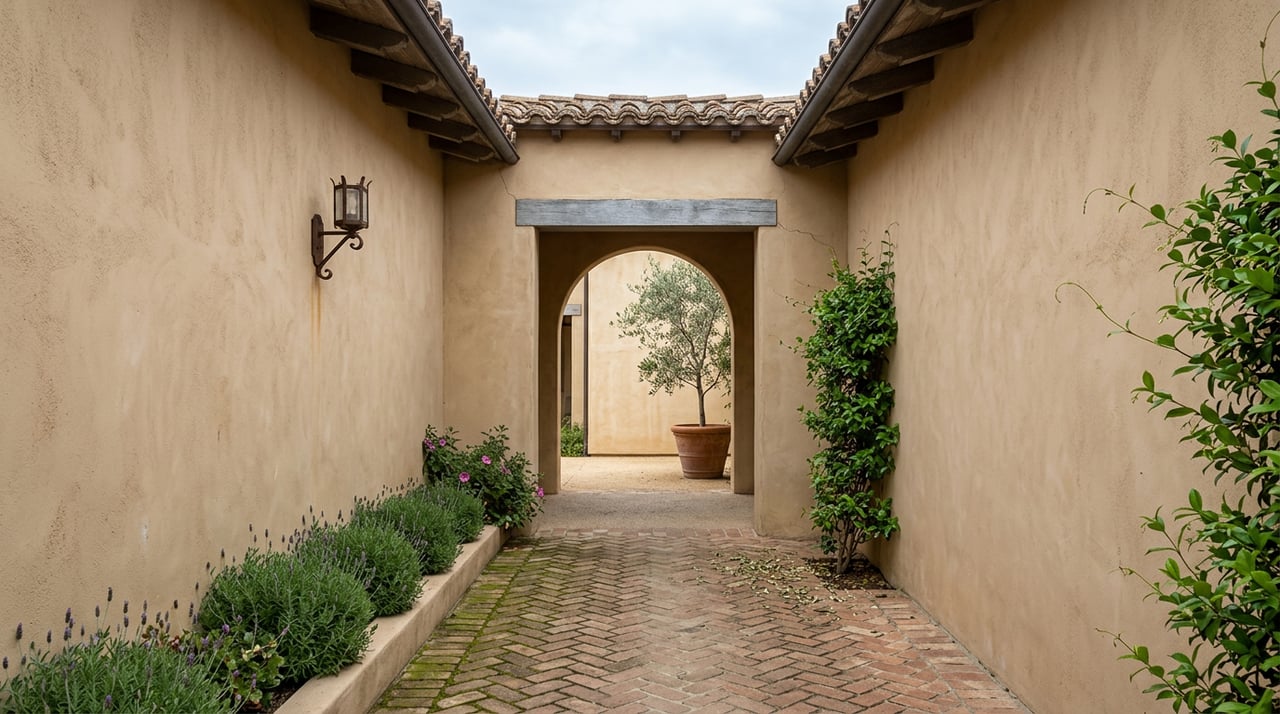
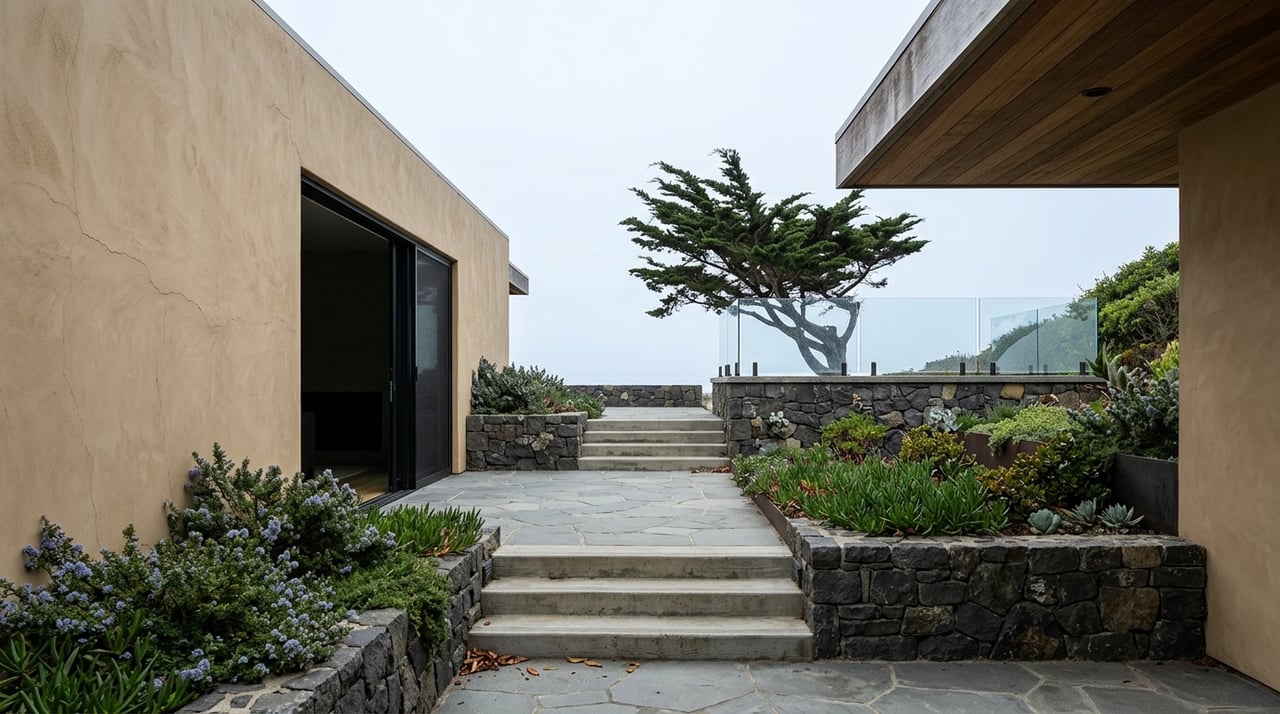
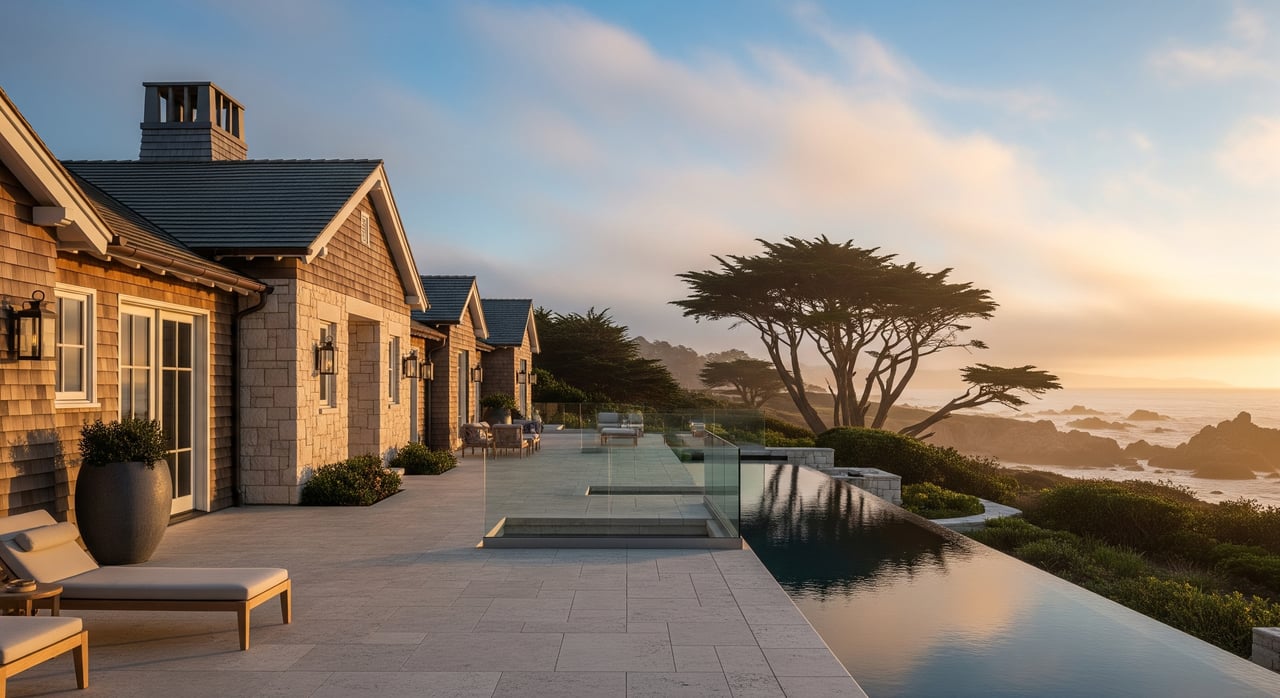
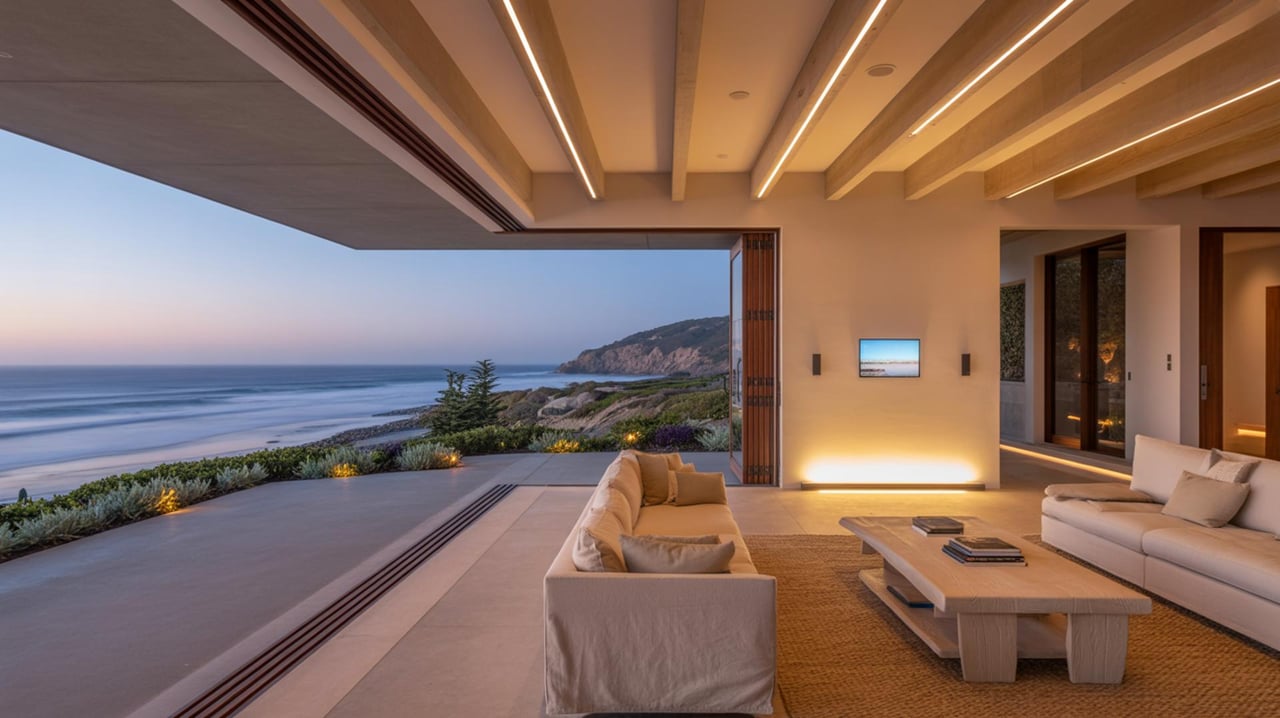
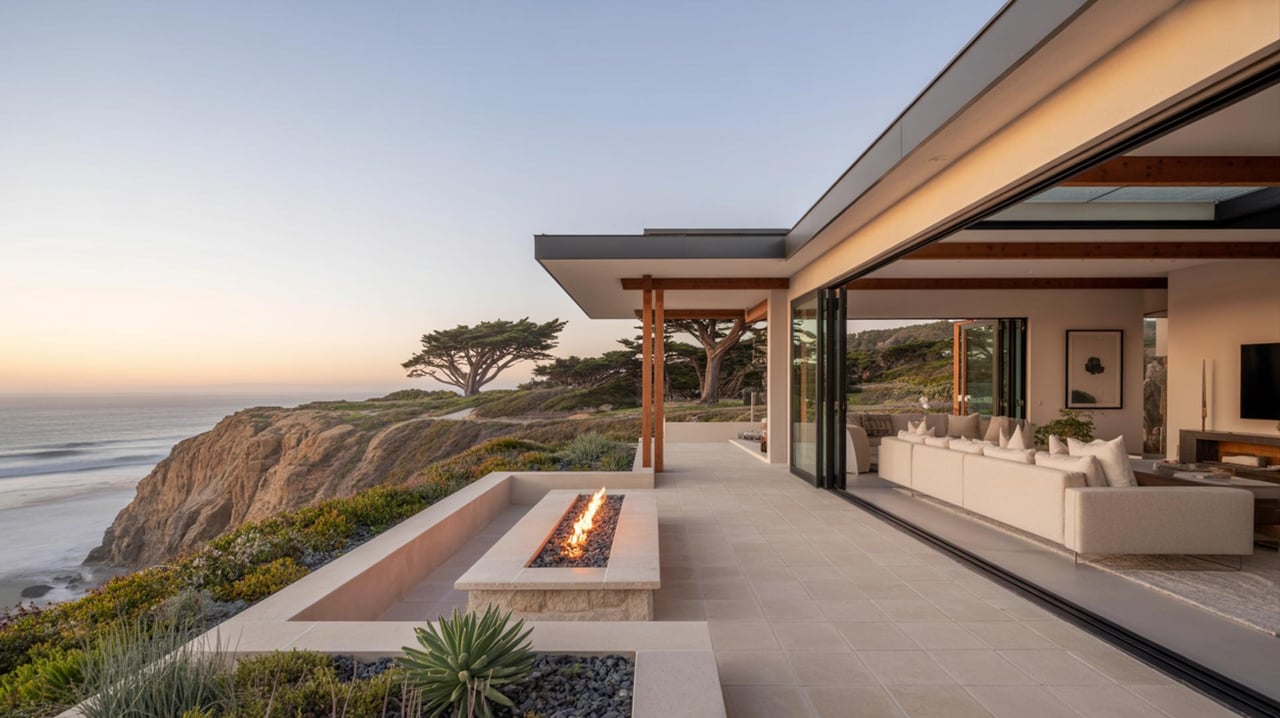
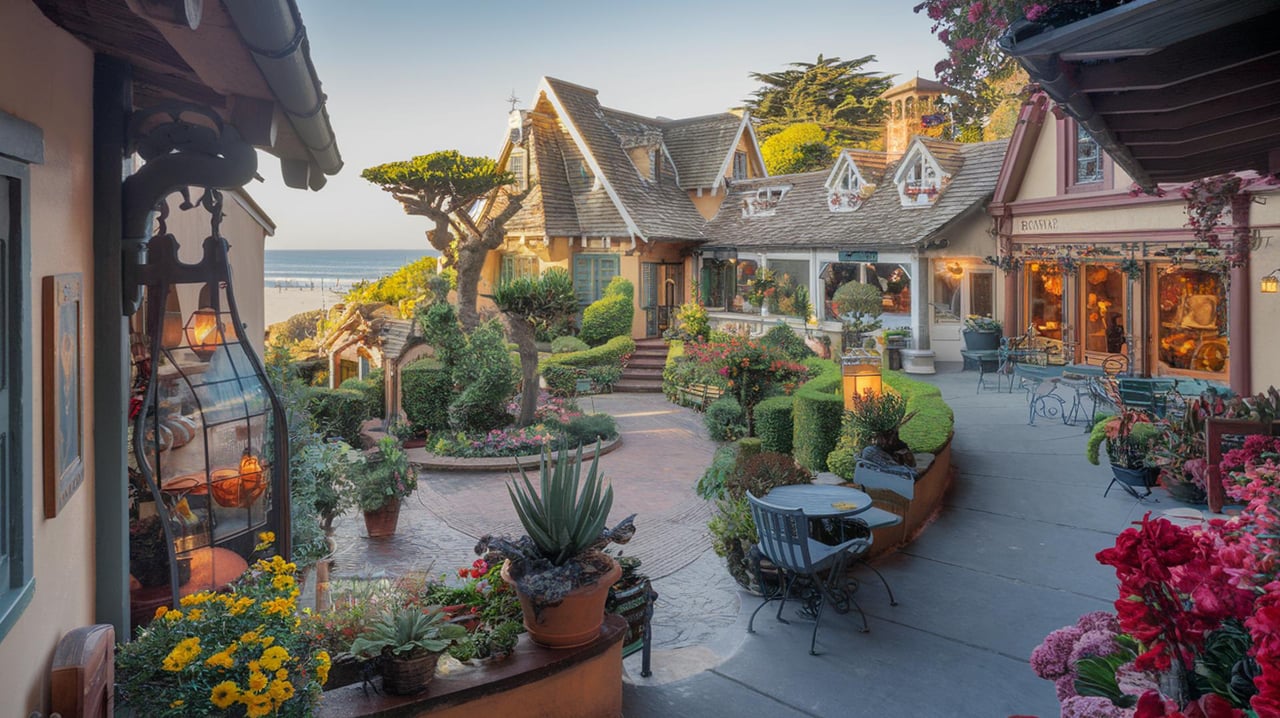
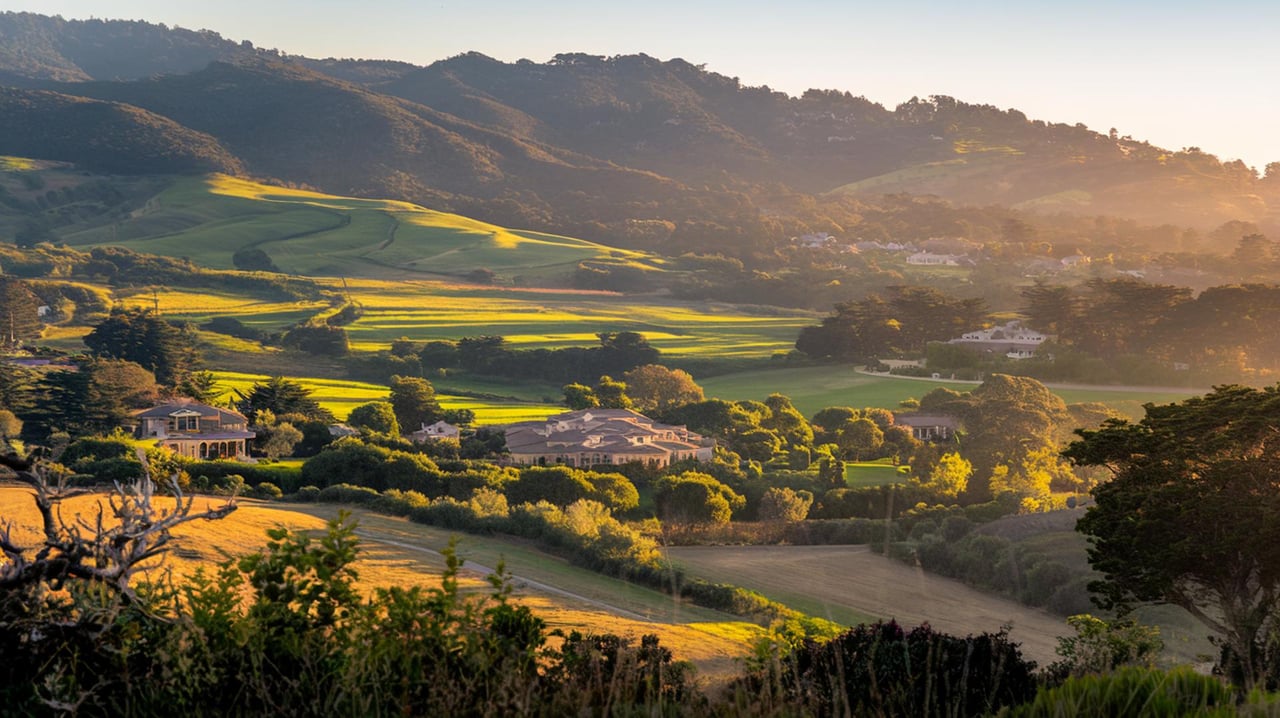
Carmel-by-the-Sea famously has no home mail delivery in its downtown grid. Residents there pick up mail at post office boxes, and the village's street addresses often skip house numbers entirely, listed instead as something like "four southwest of Second" or "two northeast of Fifth." Downtown parcels tend to carry the 93921 designation for exactly this reason. The 93923 zip code, by contrast, wraps around that historic core and pulls in a much wider ring: oceanfront blocks along Carmel Point, the inland estate lots of Hatton Fields, the entry-level cottages of Mission Fields, the mid-century tract of Carmel Woods, the age-restricted community of Del Mesa Carmel, and then, stretching east, the gated ranch enclaves of Carmel Valley Ranch, Tehama, Quintana Ranches, and the Santa Lucia Preserve.
That is not a neighborhood. That is a coastline, a village, a canyon, and a series of private gates, all reporting into one number.
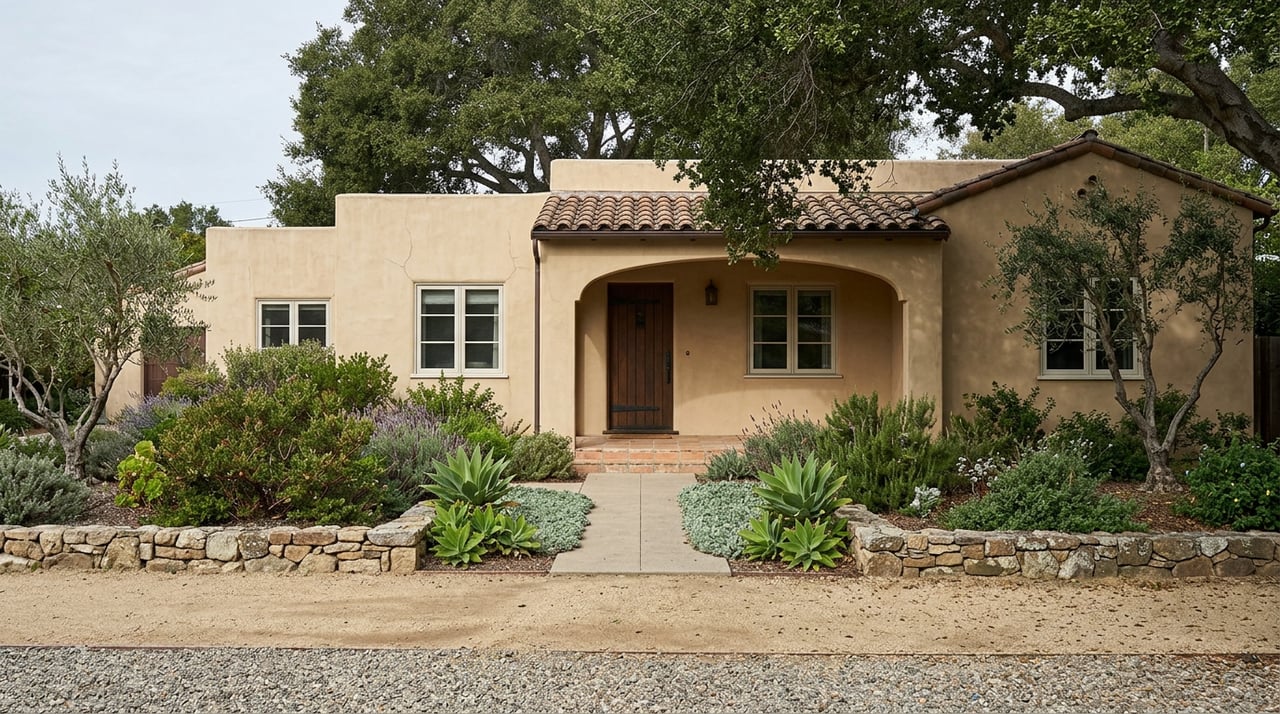
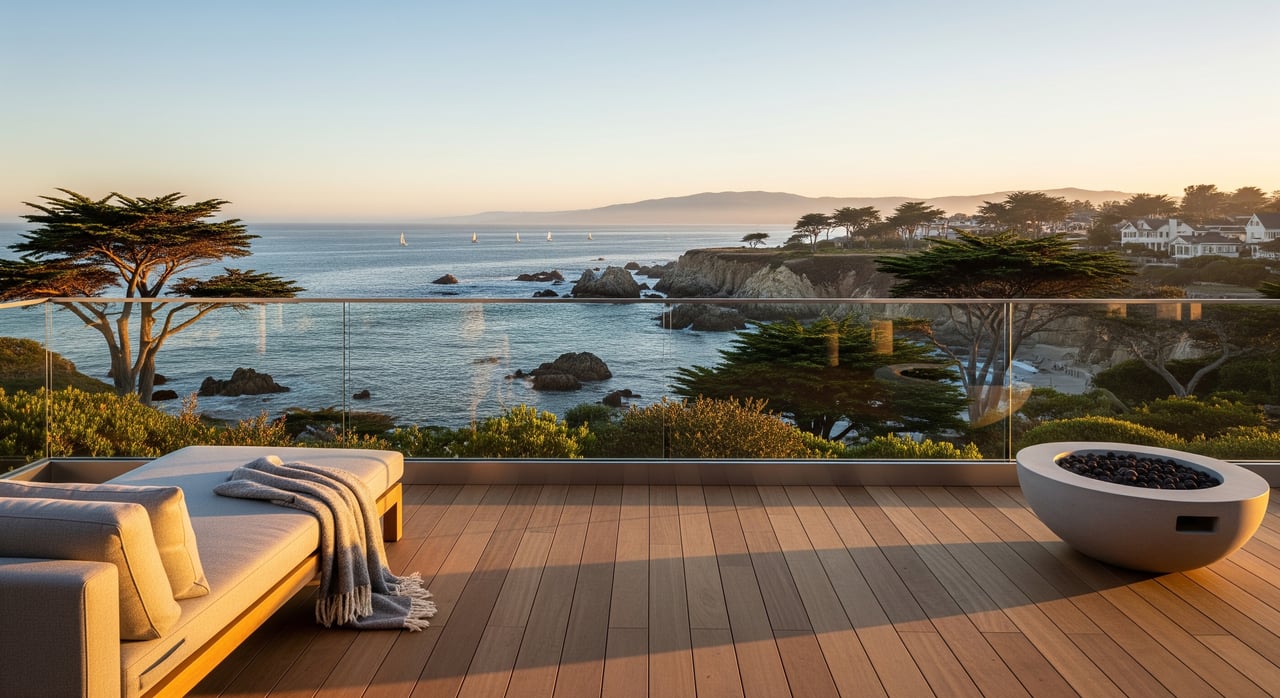
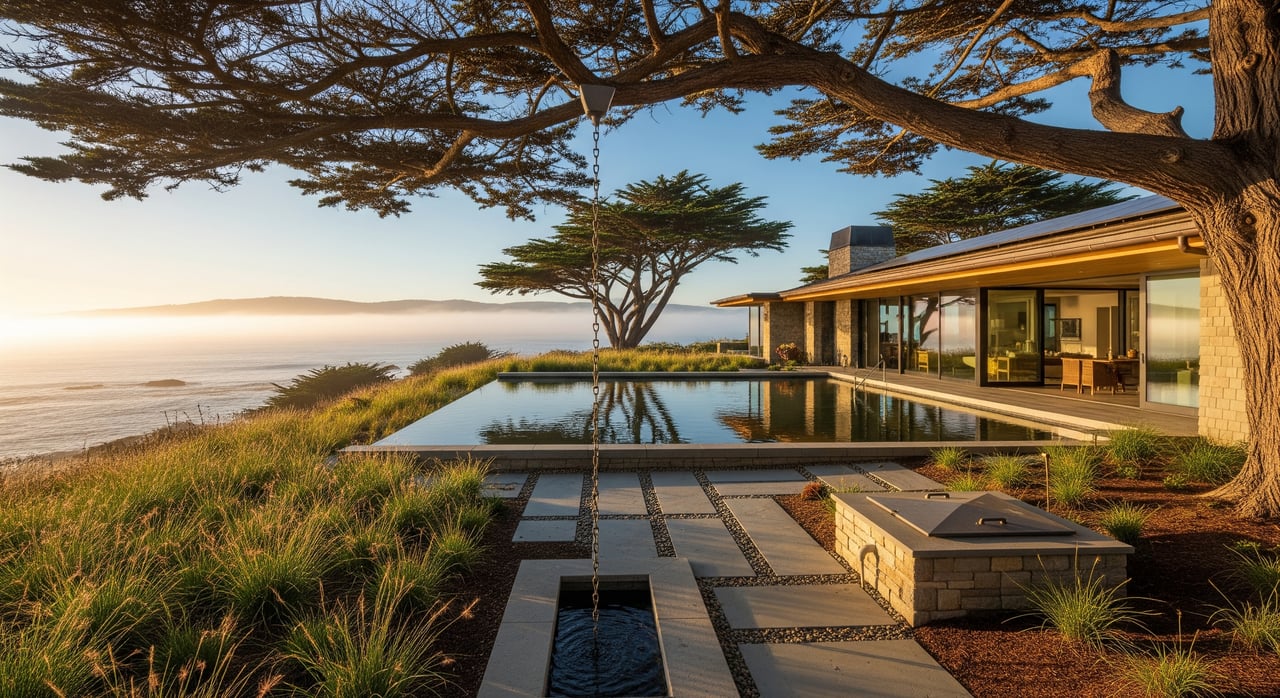
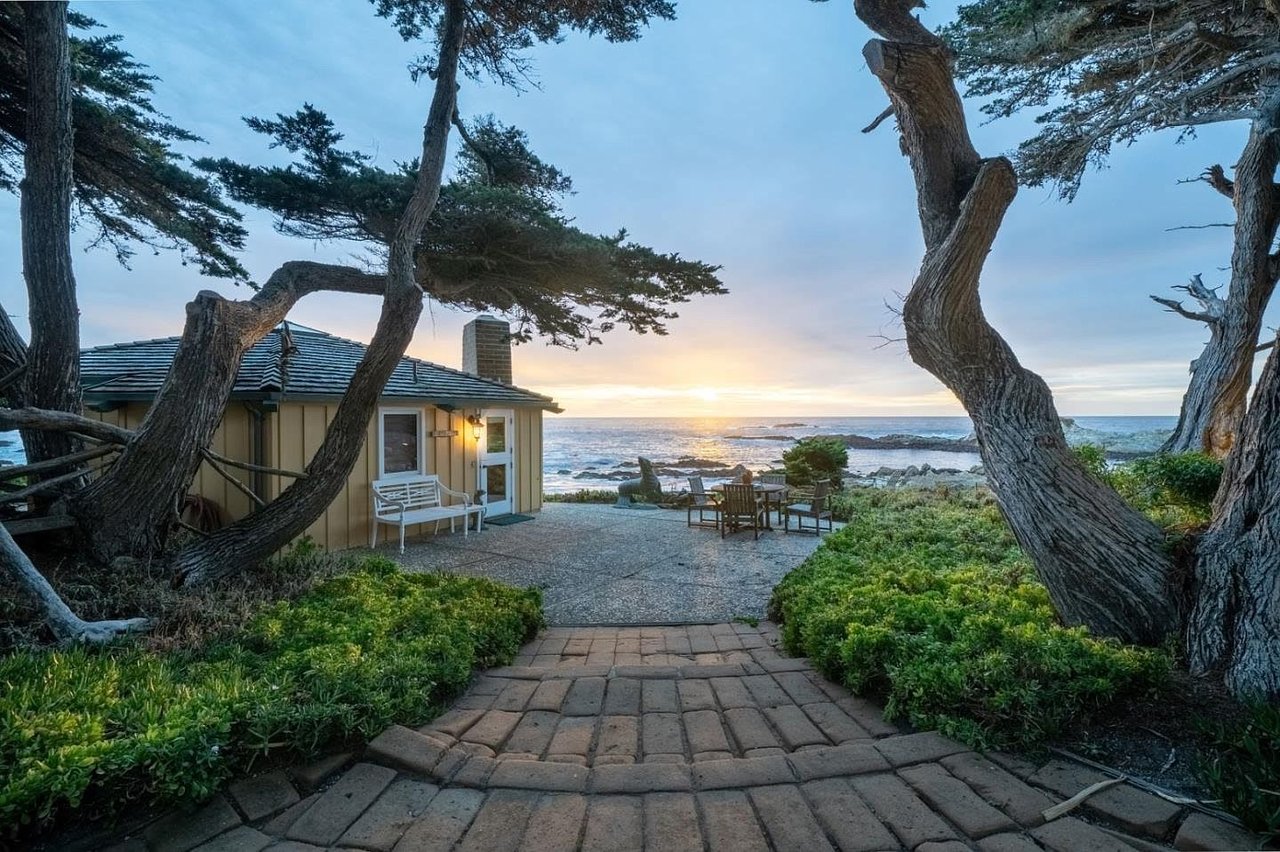
The price-per-square-foot gap alone tells the story. As of March 2026, Carmel Point was averaging roughly $3,120 per square foot, driven by direct beach frontage on a compact, historically platted stretch of the old Walker Tract. Hatton Fields, a fifteen-minute walk inland, was averaging closer to $948 per square foot for the same month. Hatton Fields traces back to 1923, when Paul and Grace Flanders bought a 233-acre estate and subdivided it into 99 lots running from a third of an acre up to three acres, bounded by Highway 1 to the east, Hatton Canyon to the north and west, and Rio Road to the south. It is minutes from the beach and the Carmel Mission, but it is not the beach, and the per-square-foot math reflects that with almost no ambiguity.
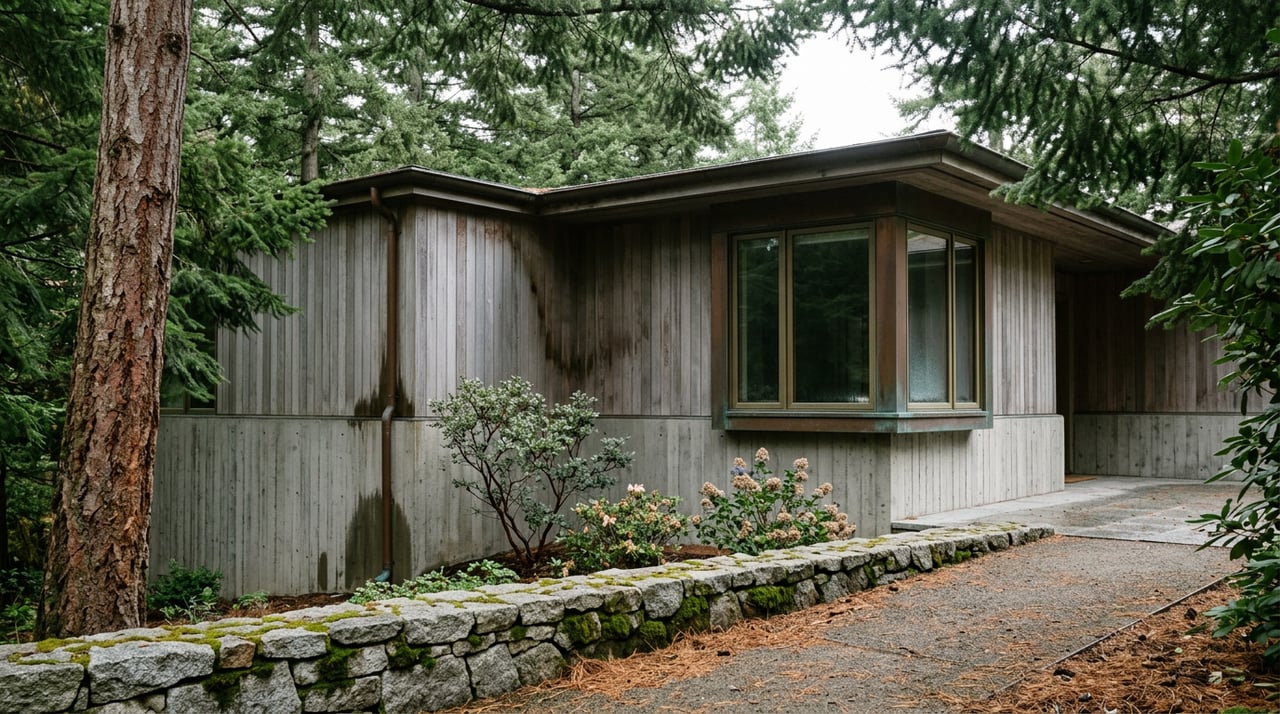
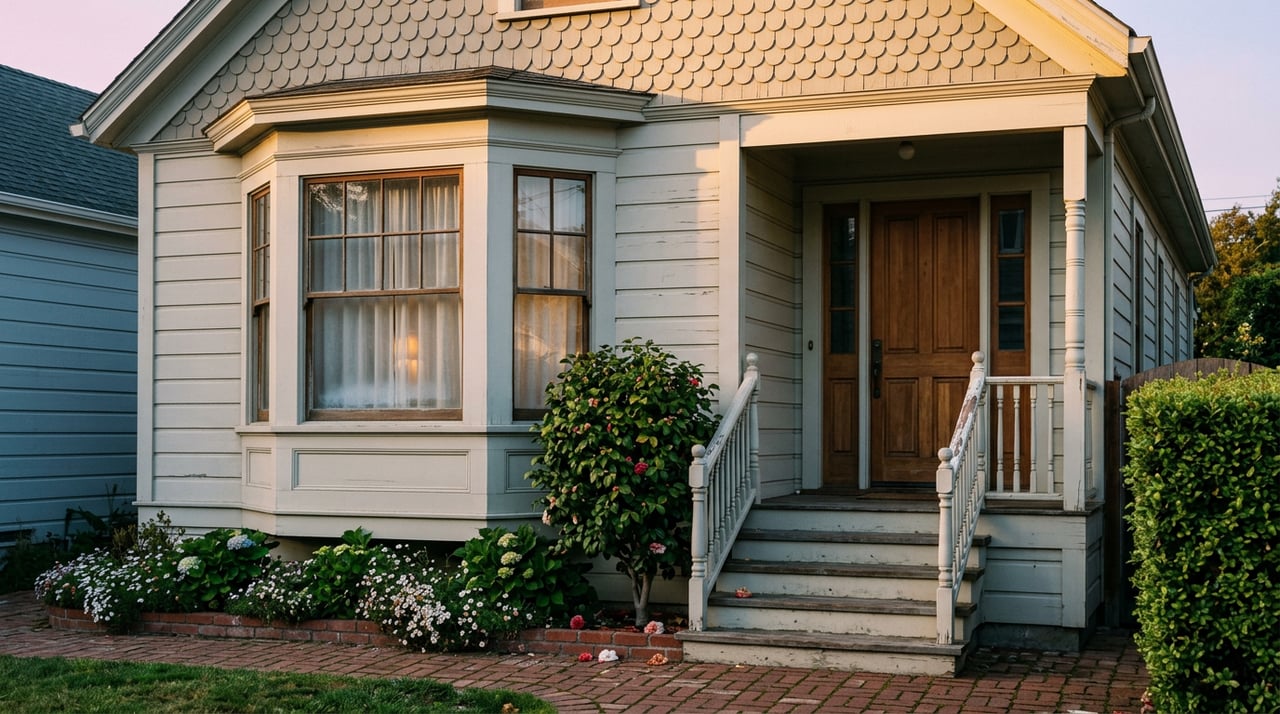
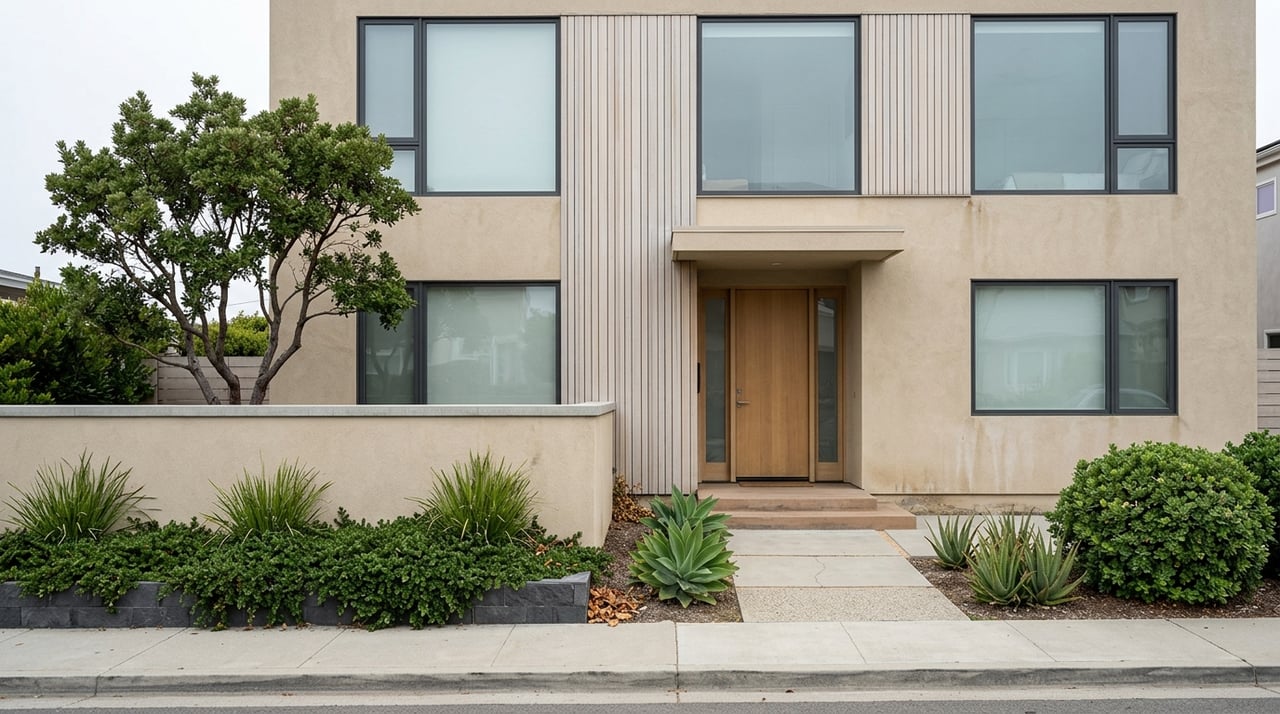
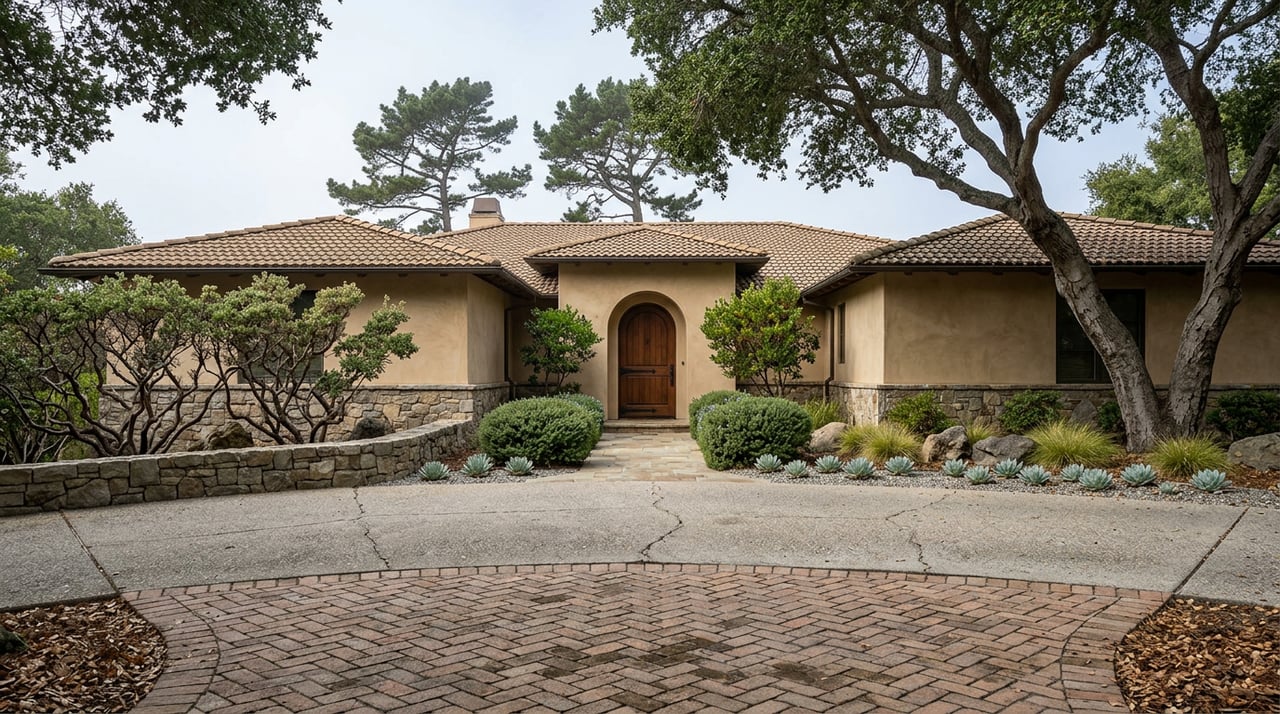
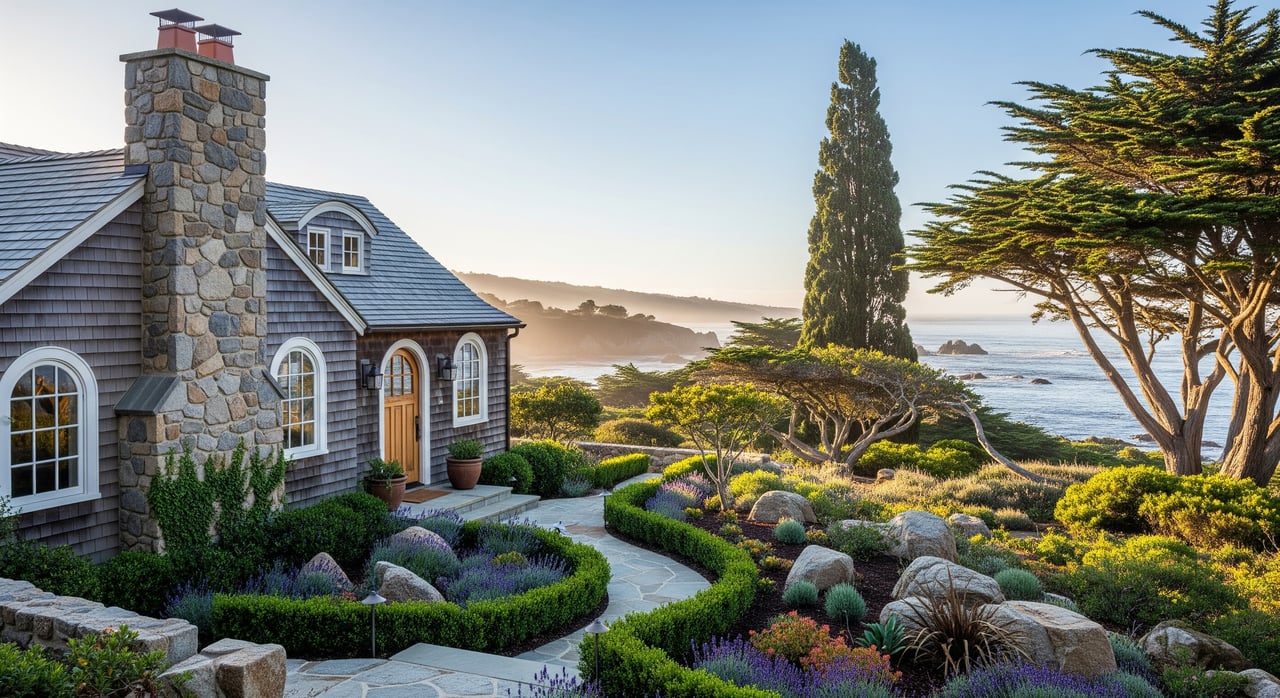
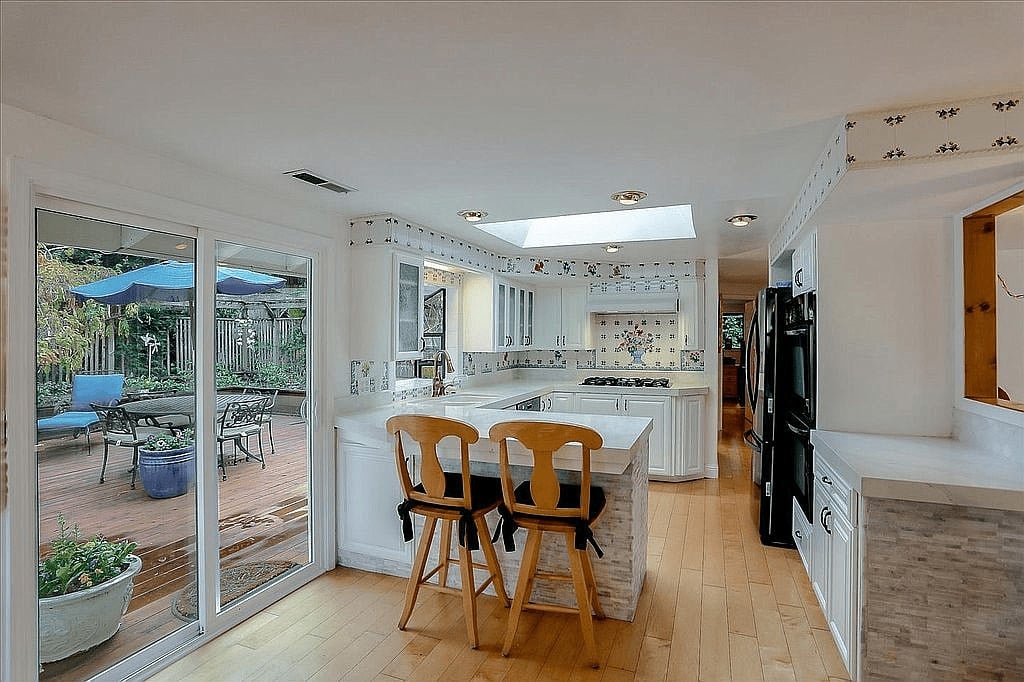
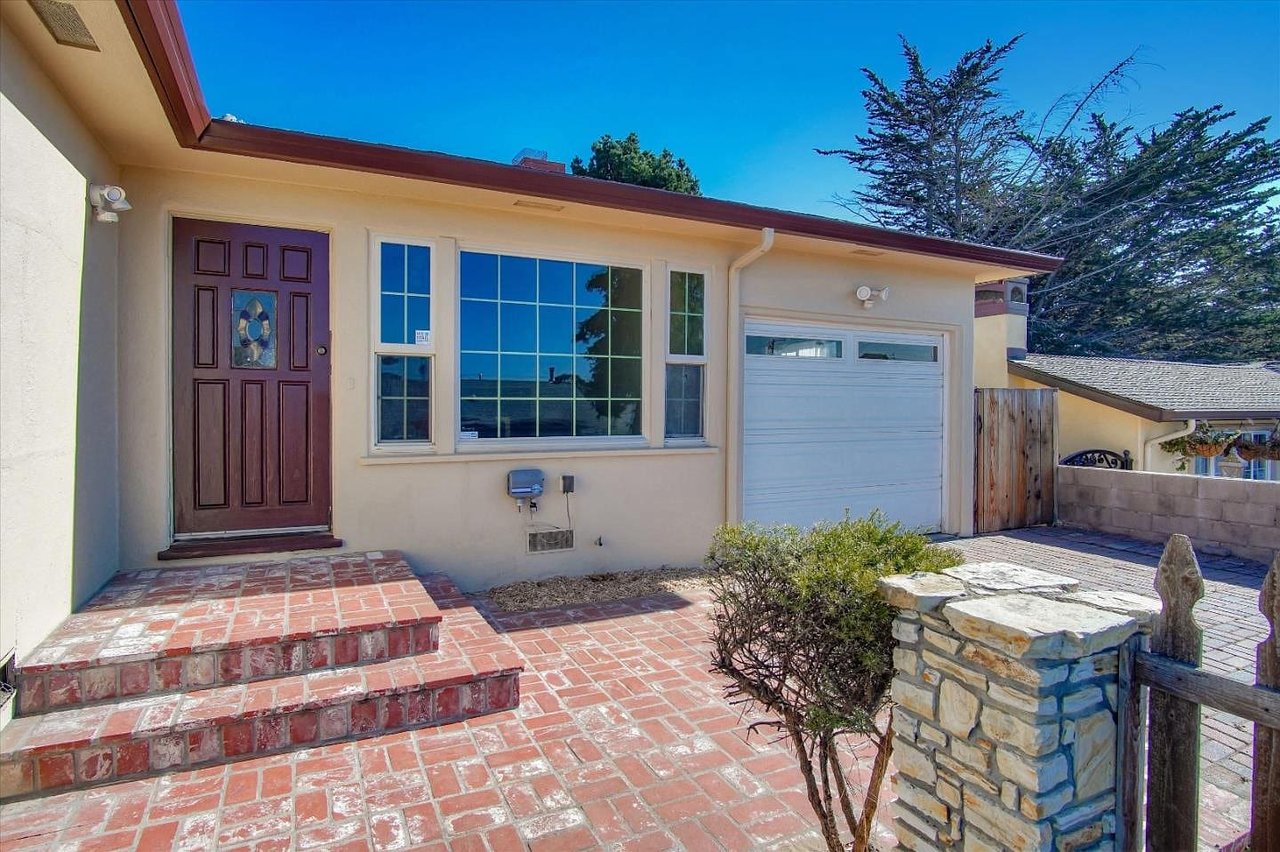
Mission Fields, reached off Rio Road and walkable to the Barnyard Shopping Center, has consistently been described locally as Carmel's lowest-priced residential pocket, built starting in 1920 with scattered new construction as recently as 2021. Carmel Woods sits somewhere in between geographically and, this year, has behaved nothing like its neighbors: a three-month median ending June 2026 of $1.8 million, down 39.4 percent year over year, with homes moving in an average of just 7 days, compared to 39 days the year before. Meanwhile Del Mesa Carmel, a gated 55-plus condominium community, prices and finances more like an attached-home market than anything on the coastal blocks around it.
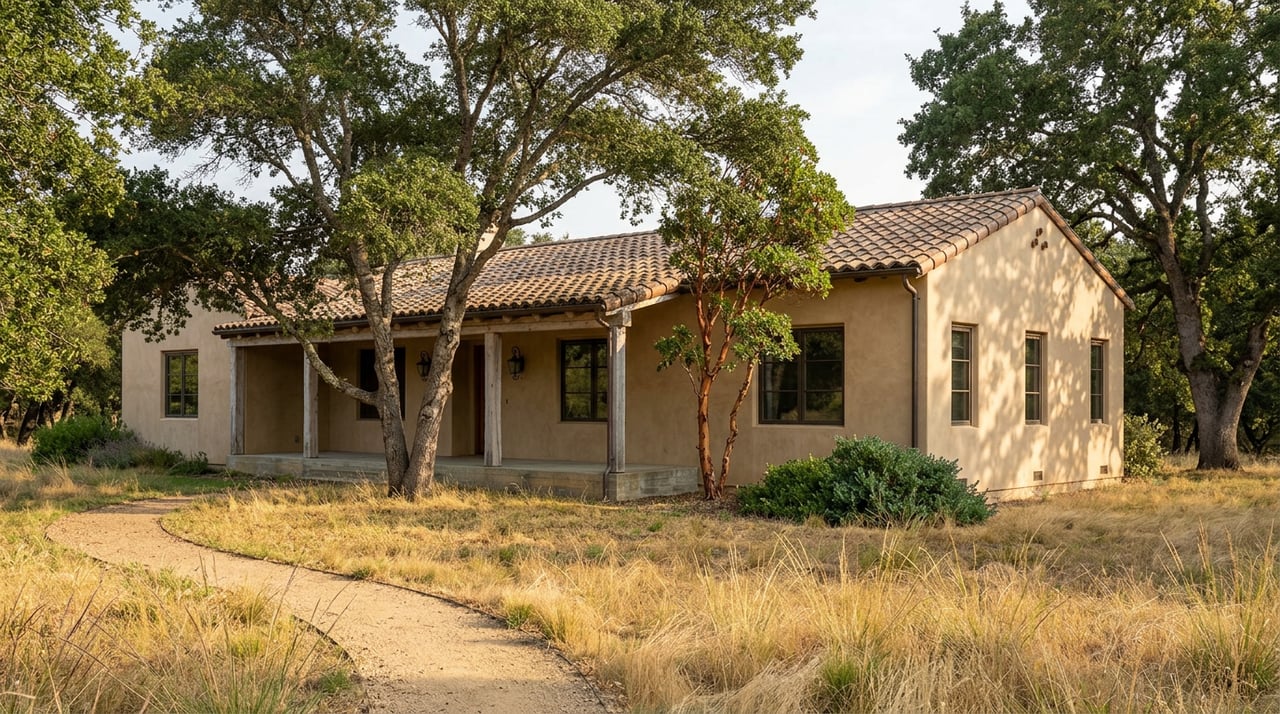
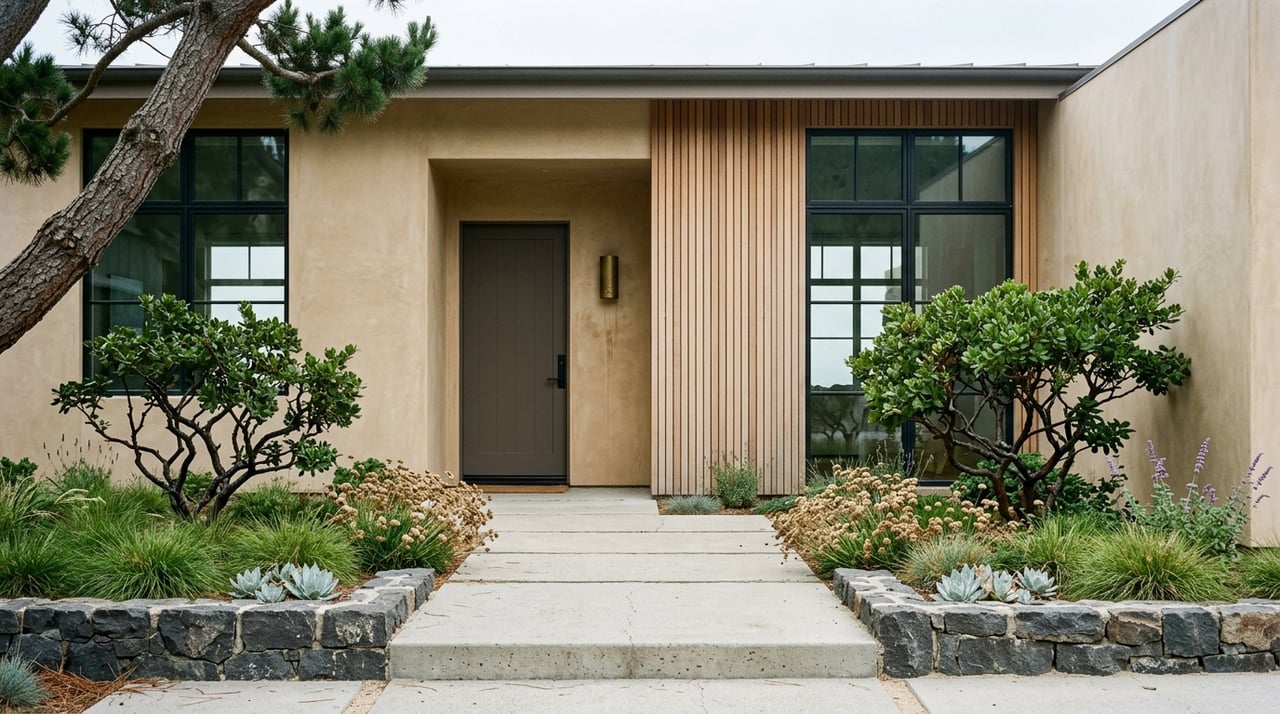
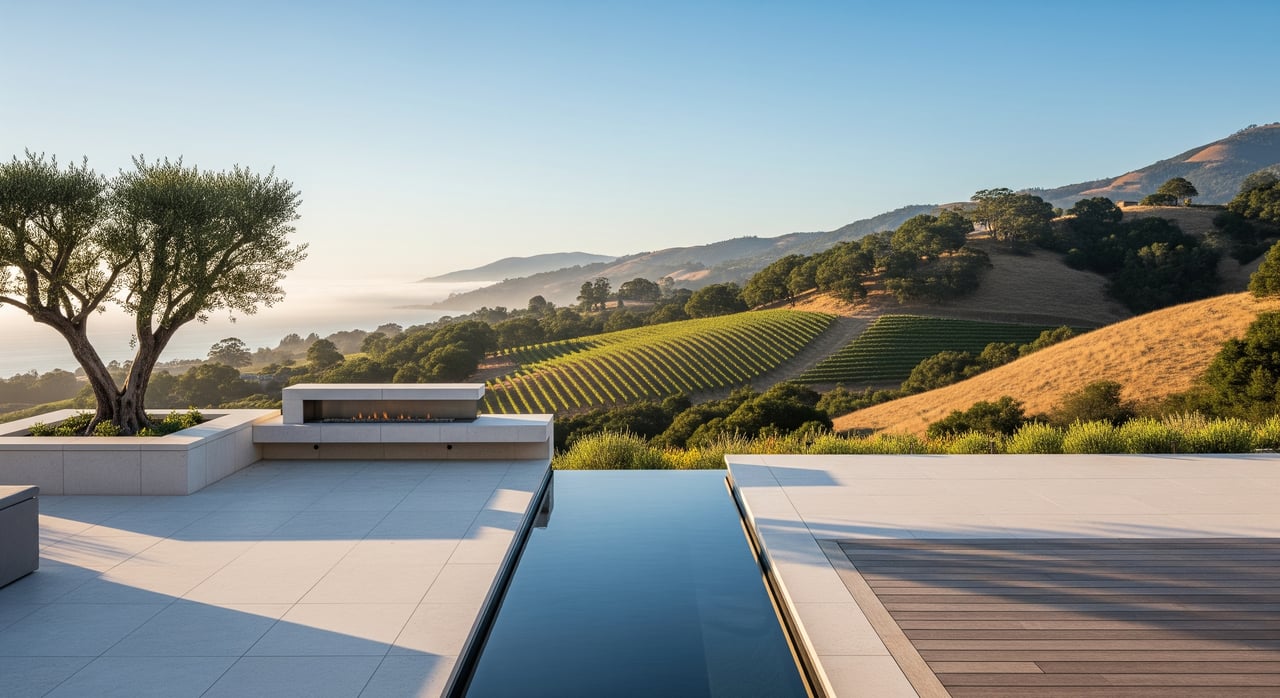
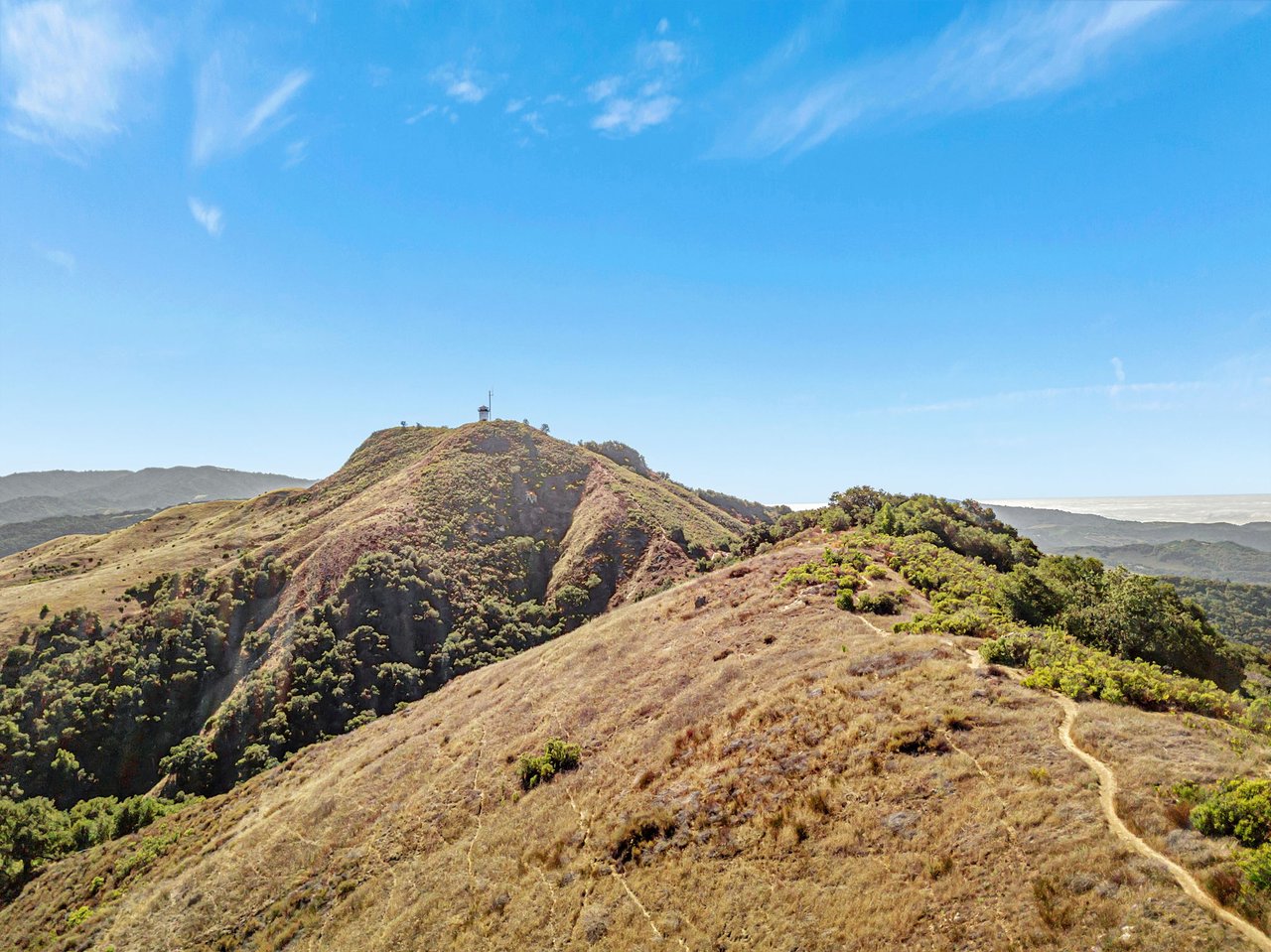
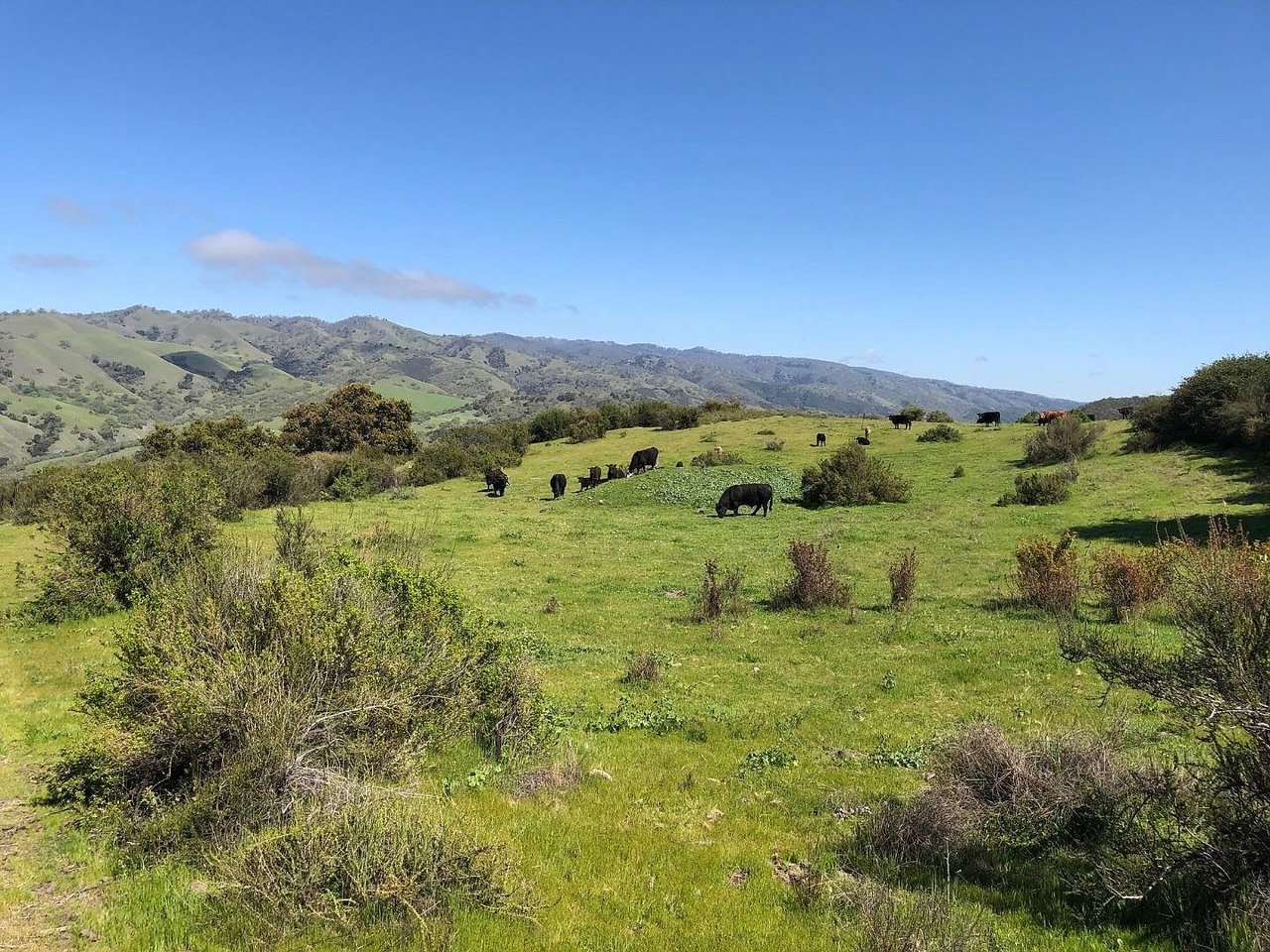
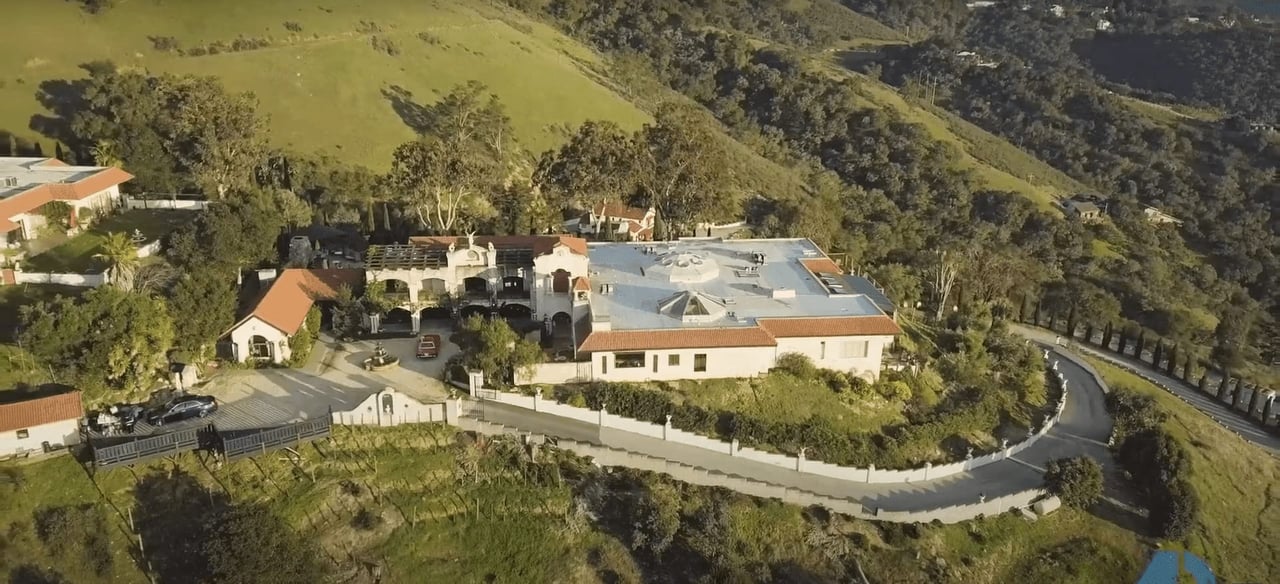
Then the zip code keeps going, past all of that, into land that has nothing to do with cottages at all. Current listings inside 93923 include a 17-plus acre view lot in the gated Tehama community with a 2-acre building envelope, a roughly 129-acre oak-studded parcel in the gated Quintana Ranches, and a 45-plus acre homesite inside the Santa Lucia Preserve zoned for a barn and part-time equestrian use. A zip code where the per-square-foot rate can differ by more than three times between two residential pockets, while also containing gated ranch parcels priced in the tens of millions, is not a pricing anomaly. It is the honest shape of Monterey County geography being forced through a mail-sorting system.
The Number Nine Is Doing All the Work
Here is where the volatility gets interesting, and where a reader comparing neighborhoods should slow down.
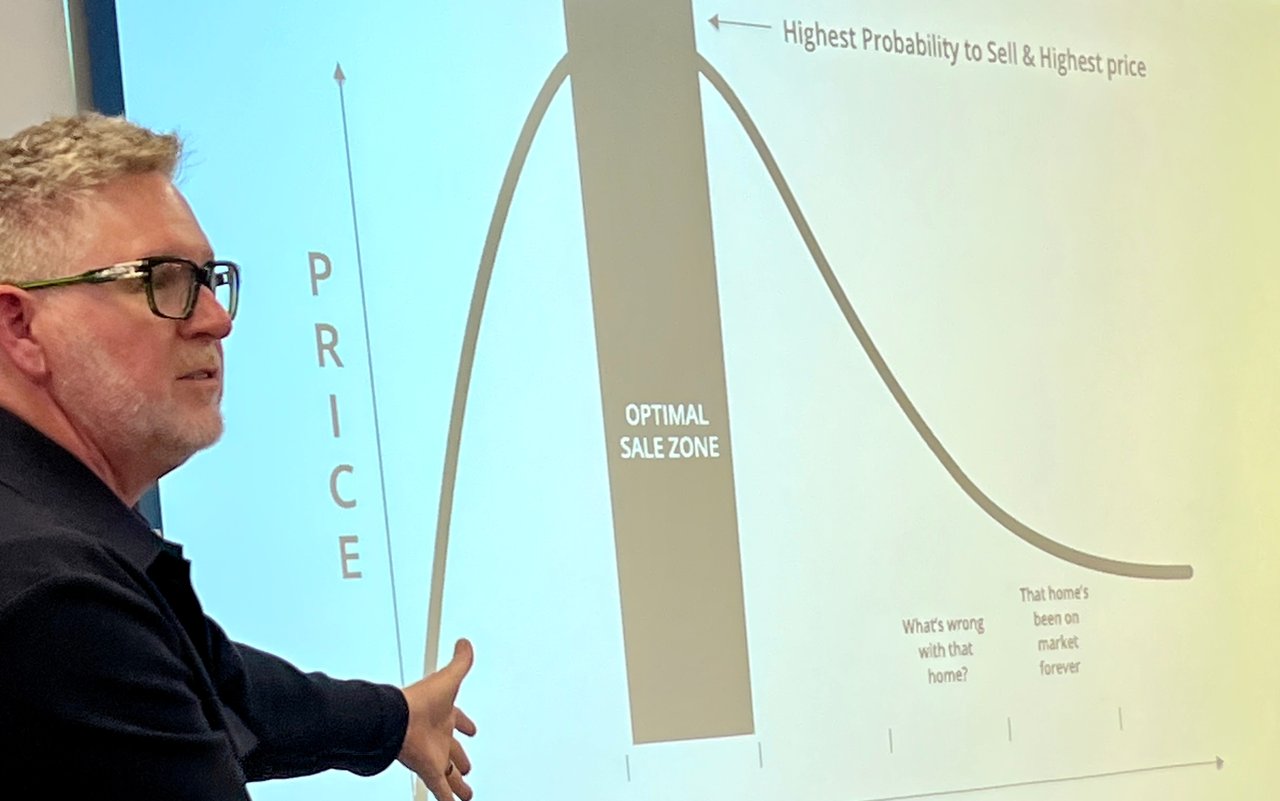
The MLS-sourced report covering April 2026 shows that 93923's $3.6 million single-family median was built from just 9 closed sales against 60 active listings, which works out to roughly 6.5 months of inventory. Nine transactions. That is the entire sample generating a headline that gets repeated as "the Carmel market." Move one high-end closing in or out of a count of nine, and the median shifts by hundreds of thousands of dollars without a single actual sale price changing. The same report shows condos and townhomes in the same zip code closing at a $997,000 median, a gap of roughly $2.6 million from the single-family figure, inside one postal boundary.
This is not a flaw in the data. It is what happens when a genuinely thin, high-value market gets measured at a geography too broad to average sensibly and too small to average statistically.
A median needs enough transactions to mean something. Carmel rarely gives you enough transactions, and the zip code rarely gives you one market to average them over.
Same Zip Code, Opposite Headlines
The clearest proof that these swings are about composition, not direction, sits in two numbers from the same window.
In the three months ending March 2026, the Downtown Carmel neighborhood cut posted a median sale price of $7.3 million, up 126.9 percent year over year. That reads like a market on fire. But the median price per square foot for that same three-month period actually fell 9.6 percent. The story is not that downtown Carmel got more expensive by nearly all measures. It is that a handful of very large, very expensive homes happened to close in that window, pulling the total-dollar median up sharply while the underlying rate per square foot barely moved, and by one measure, dropped.
Compare that to Carmel Woods over the three months ending June 2026: median down 39.4 percent year over year, but days on market collapsing from 39 to 7. That is not a market losing value while also getting hotter. It is a small, fast-moving pocket where the mix of homes that happened to sell this year skewed toward smaller, more modest properties than last year's mix did.
Neither number is describing Carmel getting better or worse. Both are describing which specific homes, out of a very short list, happened to close.
What This Means If You're Comparing Neighborhoods
If you are trying to figure out what your budget actually buys inside 93923, the zip-code median is close to useless as a starting point. What matters is narrowing the comparison to the right pocket before you look at a single number.
A few questions do more work than any published median:
- Is the comp on the water, or a fifteen-minute walk from it? The Carmel Point to Hatton Fields gap alone runs over $2,000 per square foot.
- Was the neighborhood platted as a 1920s cottage subdivision, or as a modern gated estate community? Hatton Fields and Mission Fields both date to the 1920s. Tehama and the Santa Lucia Preserve are recent, larger-lot product with club infrastructure attached.
- Is there a homeowners association, a gate, or an age restriction attached to the parcel? Del Mesa Carmel's 55-plus structure changes the buyer pool and the financing conversation before price ever enters it.
- How many comparable sales actually exist in that specific pocket in the last six months? If the number is in the single digits, treat the median as a snapshot, not a trend.
Ask those four questions before you ask what the zip code says, and the published medians stop being confusing. They start being explainable.
The Only Median That Matters Is Yours
Carmel's 93923 zip code will keep generating headlines that look contradictory, because it is not measuring one place. It is measuring a coastline, a historic village grid, a canyon subdivision, and a string of private gates that happen to share a mail carrier. The number that matters to you is not what 93923 did last quarter. It is what the three or four closings most like your specific parcel actually did, in the pocket where your parcel actually sits.
That is the kind of comparison Carmel Luxury Group builds for clients working through exactly this problem, whether the property in question is a cottage lot in Mission Fields or a ranch parcel behind Preserve gates. If you are trying to make sense of what a specific address inside 93923 is really worth against its real comps, start a confidential consultation and bring the address. The zip code can wait.
A Few Questions Worth Asking Directly
Does 93923 include downtown Carmel-by-the-Sea? Largely, yes, though downtown's historic grid often carries the 93921 designation tied to its post office box system. The 93923 boundary wraps around that core and extends much further, into Carmel Valley's first several miles and the outlying gated communities beyond it.
Why did one Carmel submarket drop nearly 40 percent while another jumped over 100 percent in the same year? Both numbers reflect which specific homes closed in a short window, not a genuine reversal in value. Thin markets amplify whatever mix of properties happens to trade.
Is there a faster way to check which submarket a listing actually belongs to? Cross-reference the street against known boundaries, Highway 1 and Rio Road for Hatton Fields, the Walker Tract shoreline for Carmel Point, gate access for Tehama, Quintana Ranches, and the Preserve. The submarket, not the zip code, is what the comps should be pulled from.