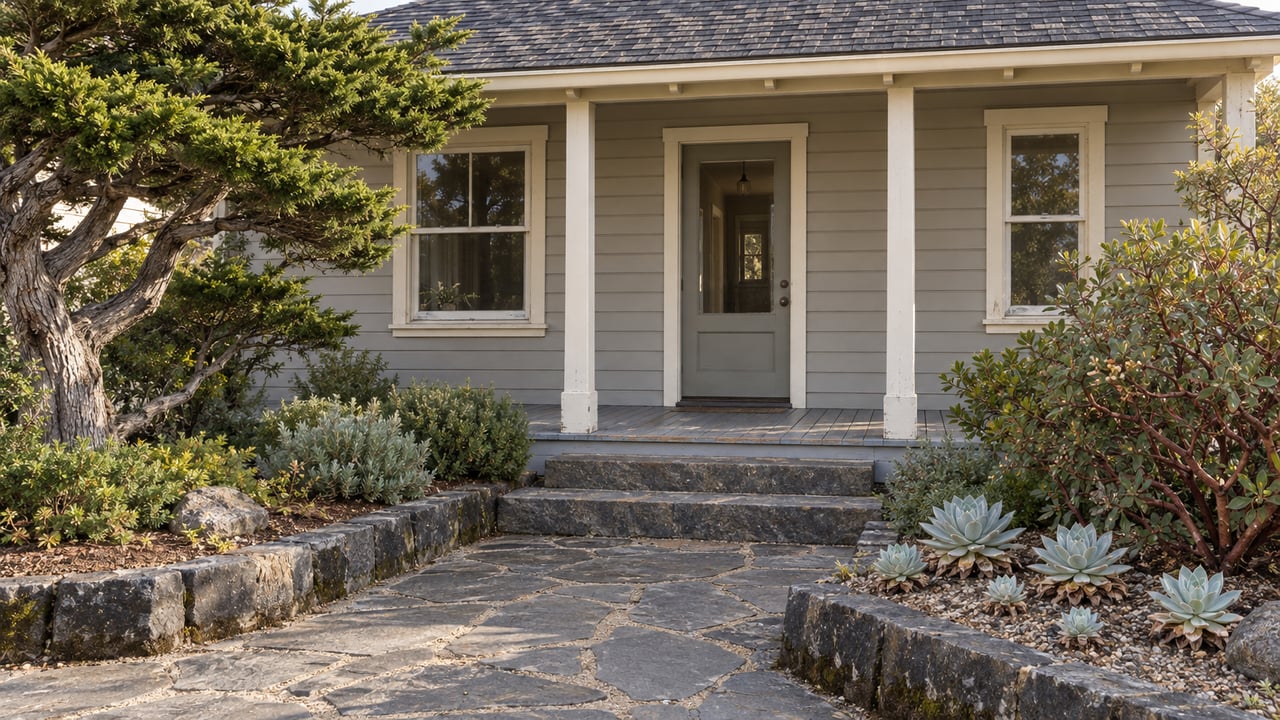
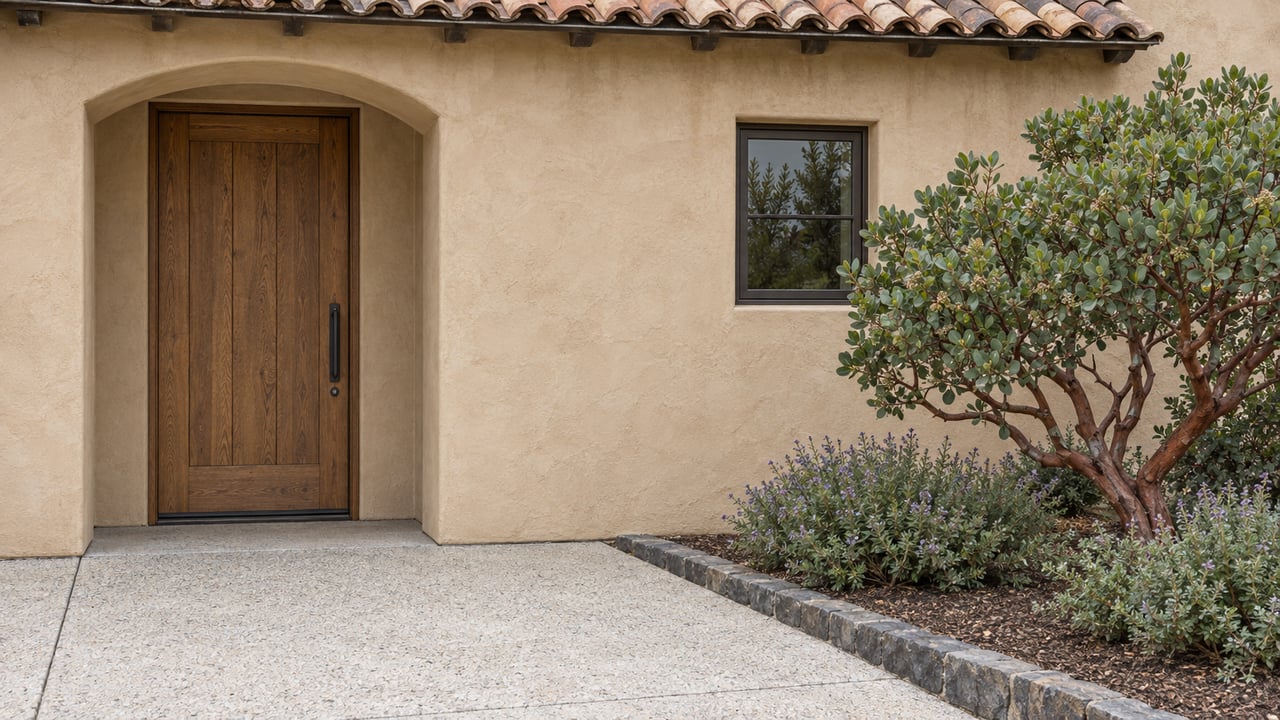
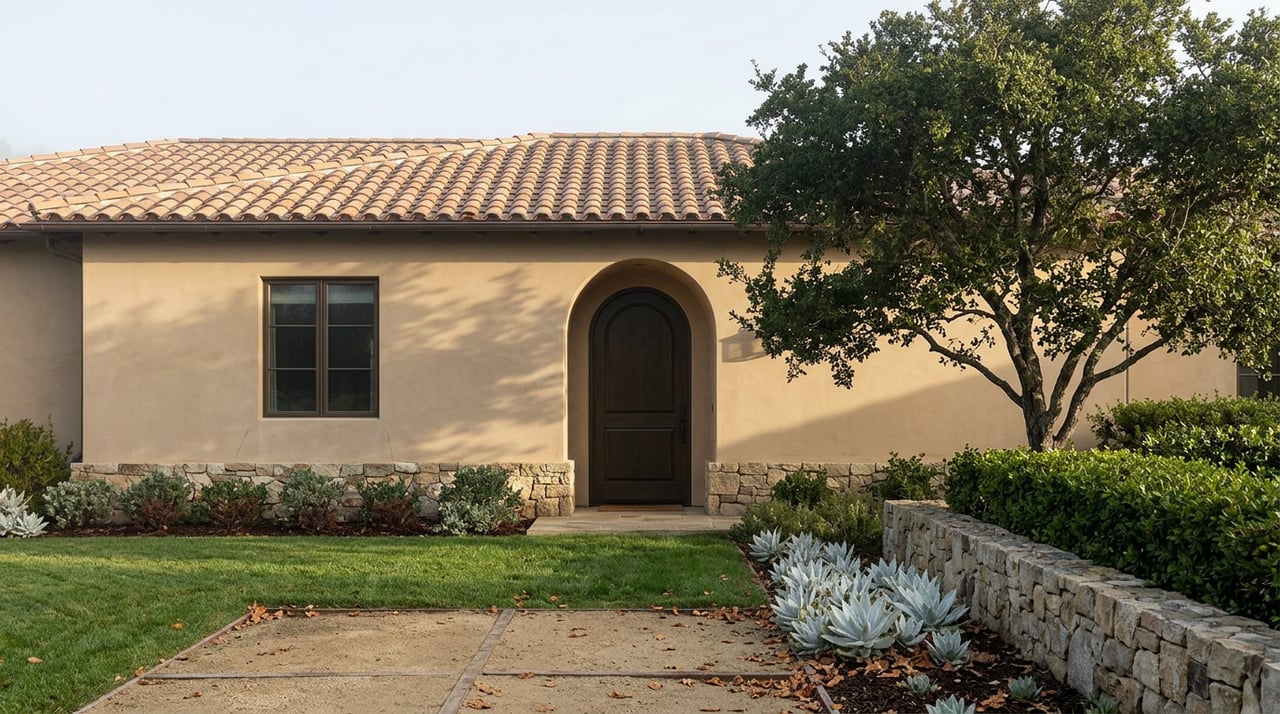
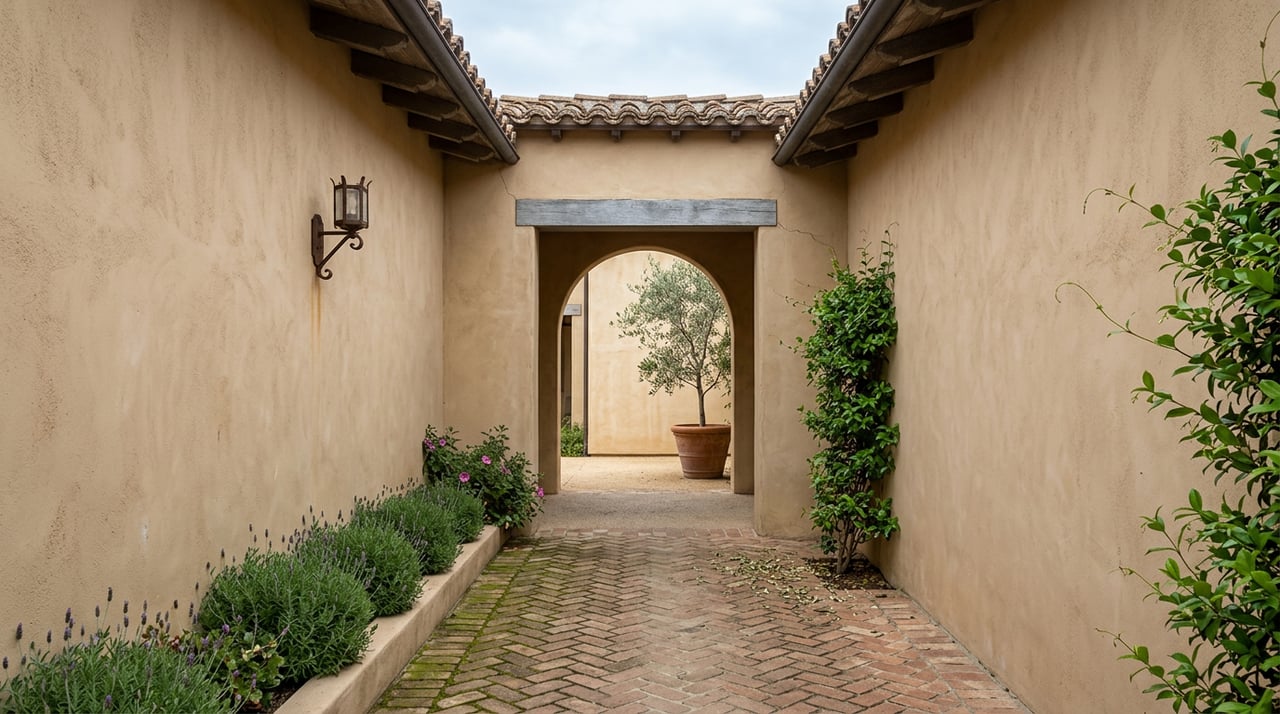
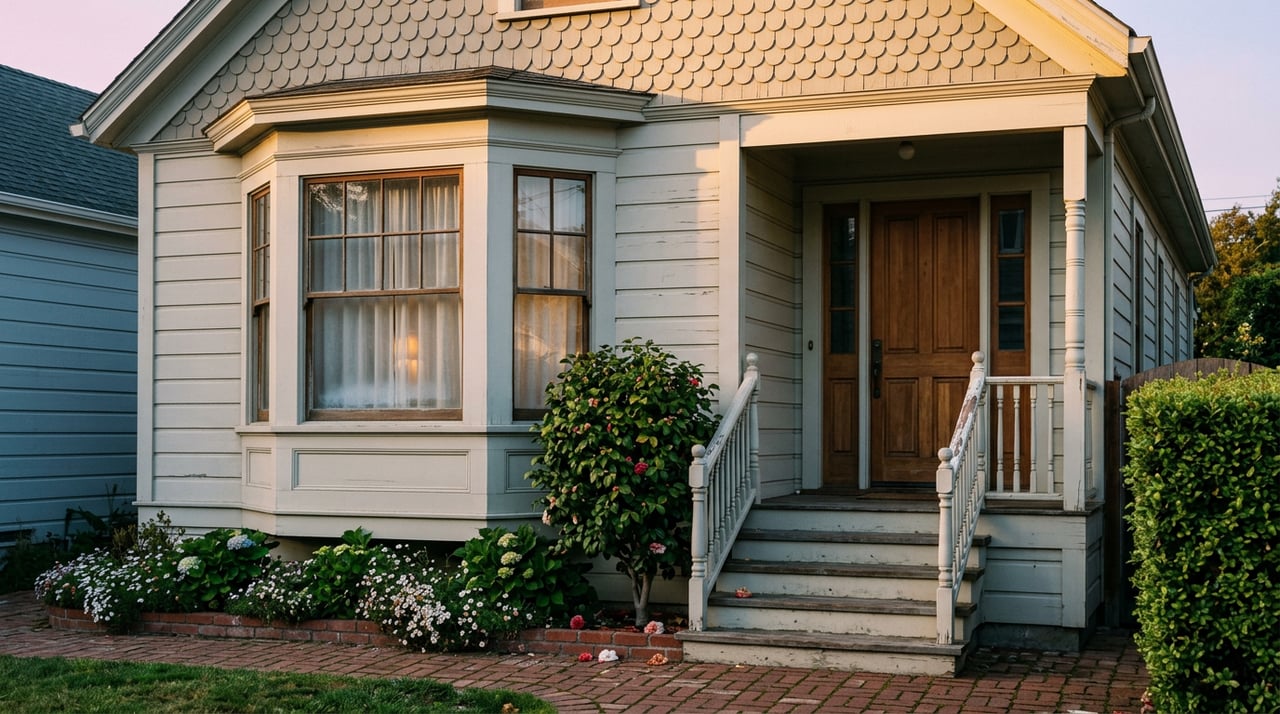
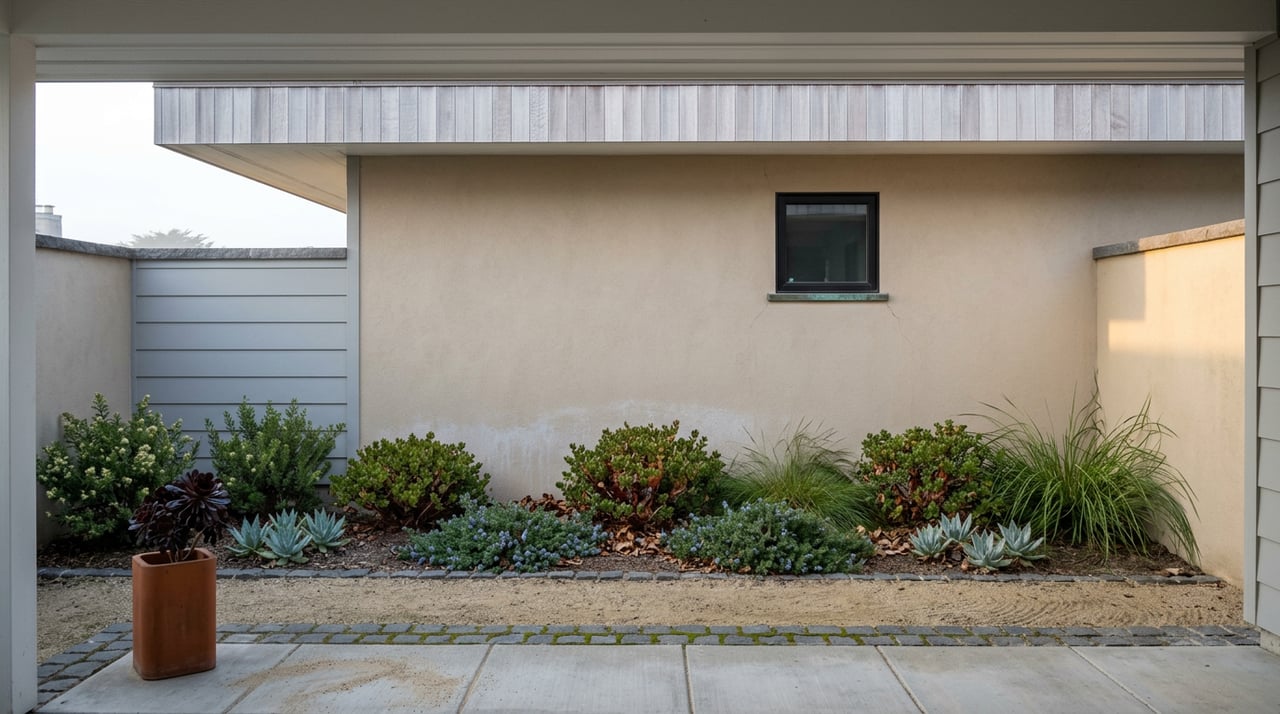
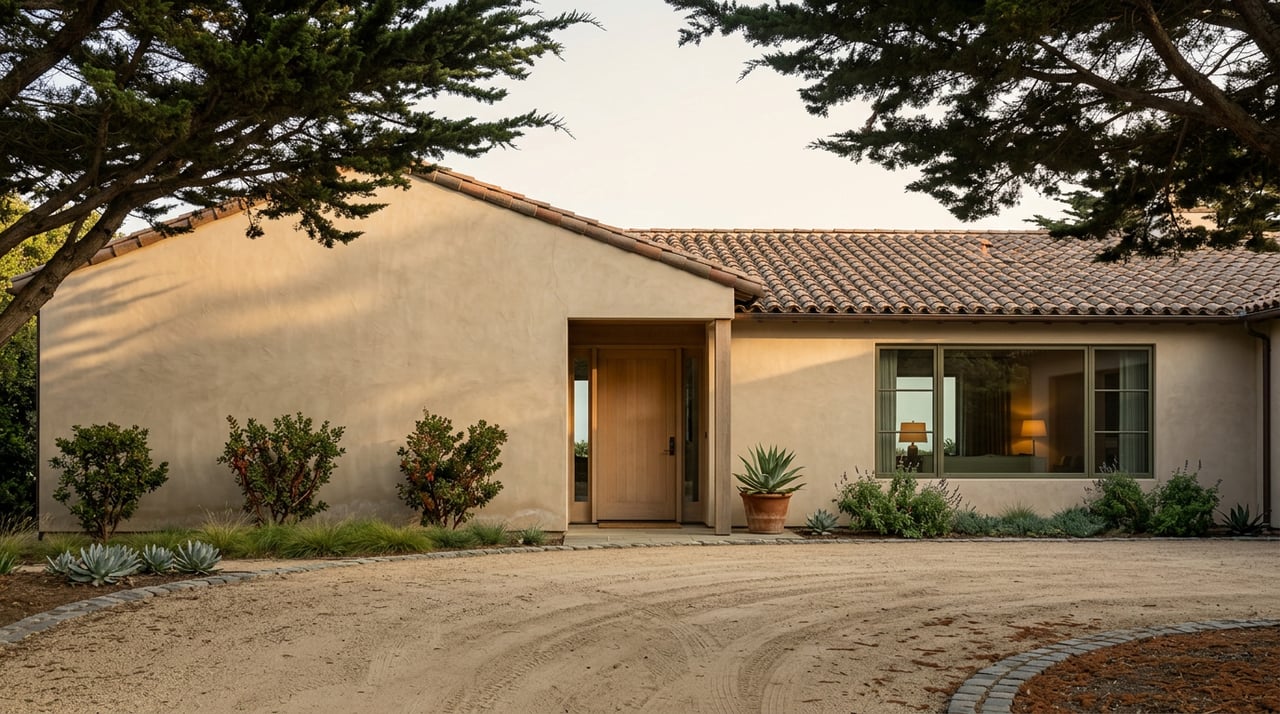
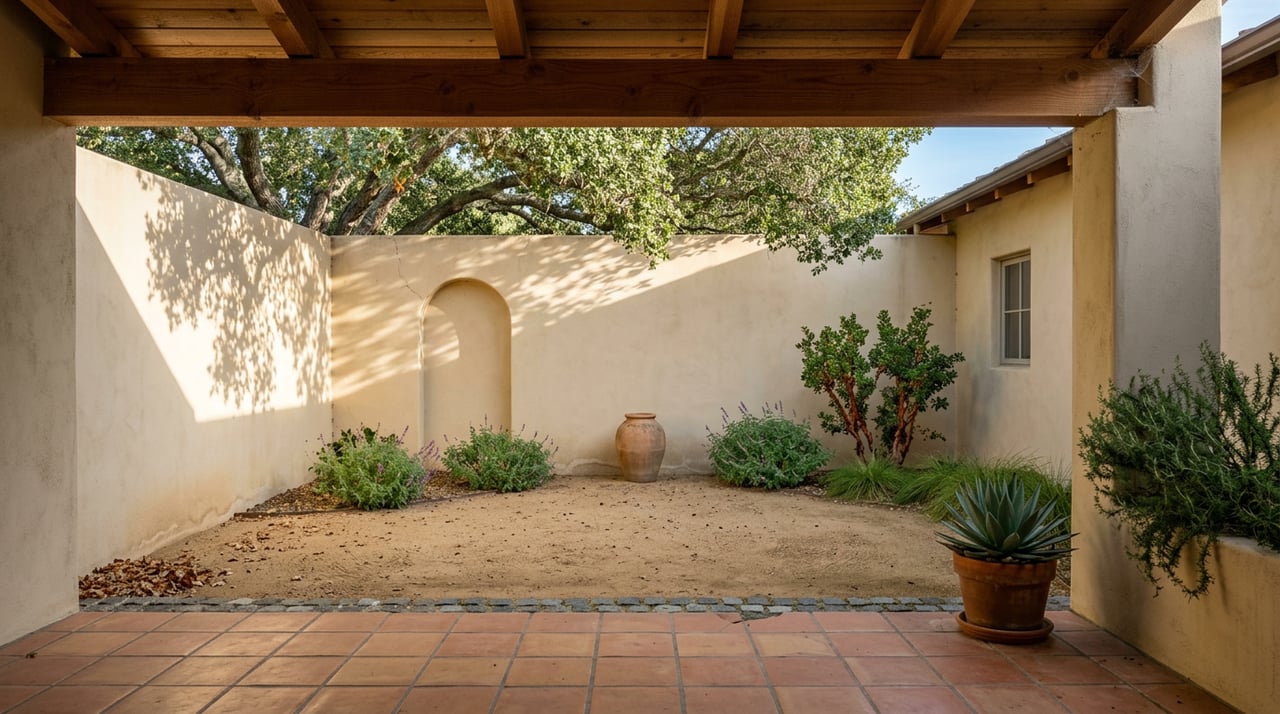
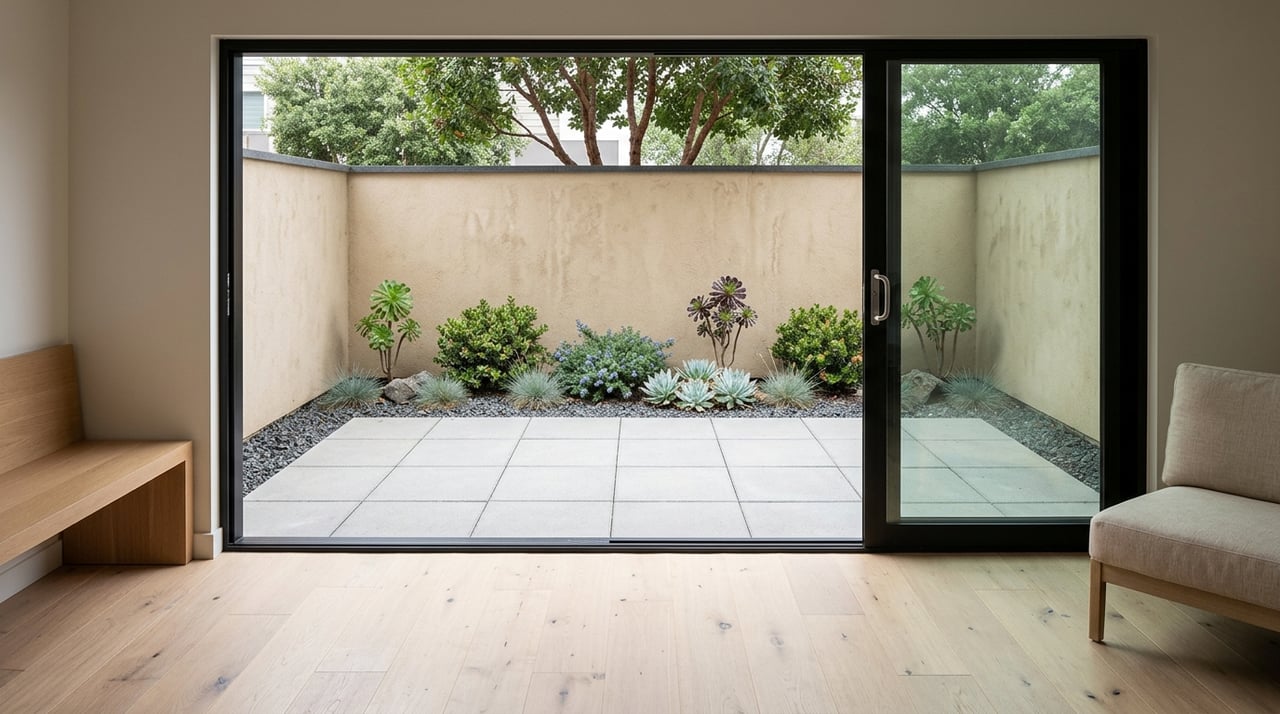
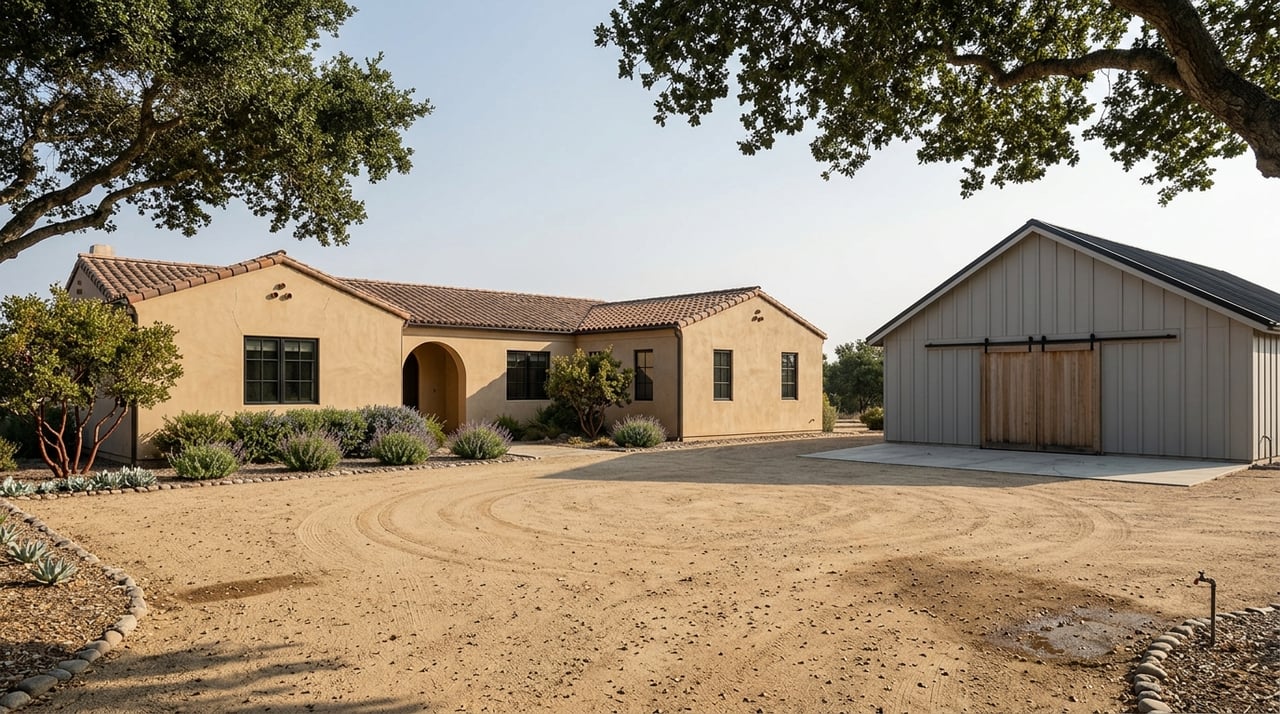
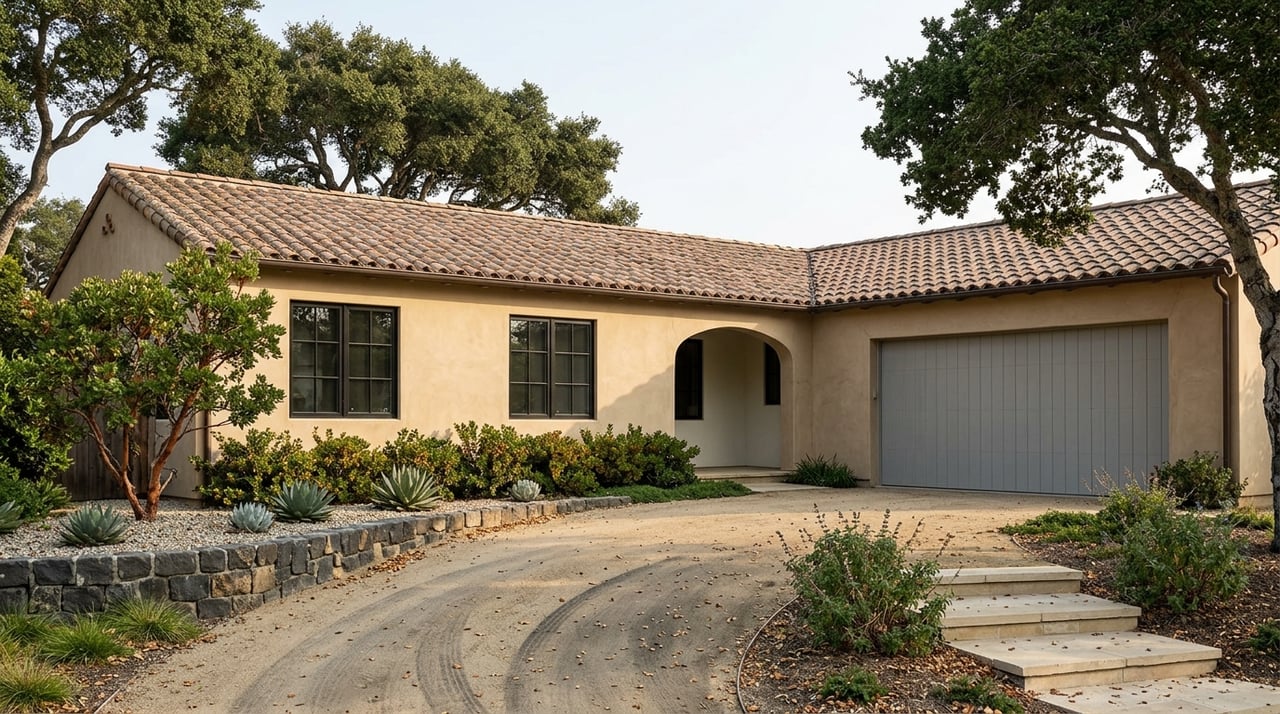
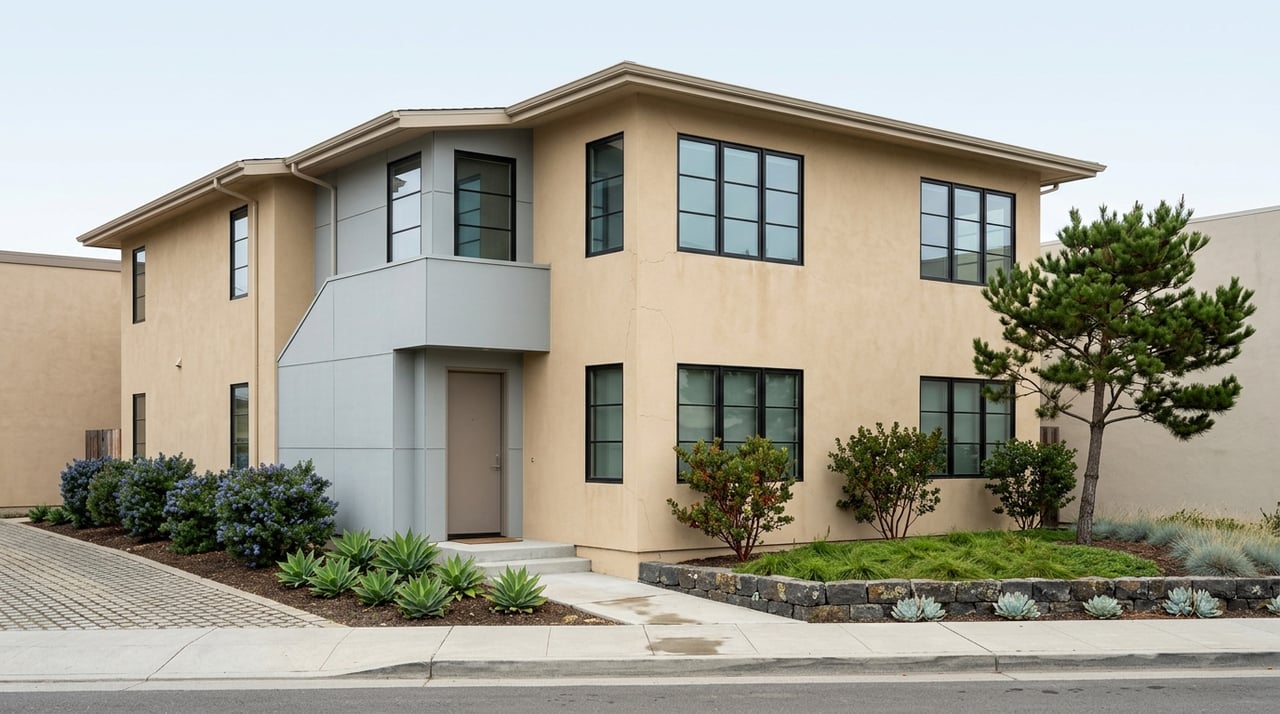
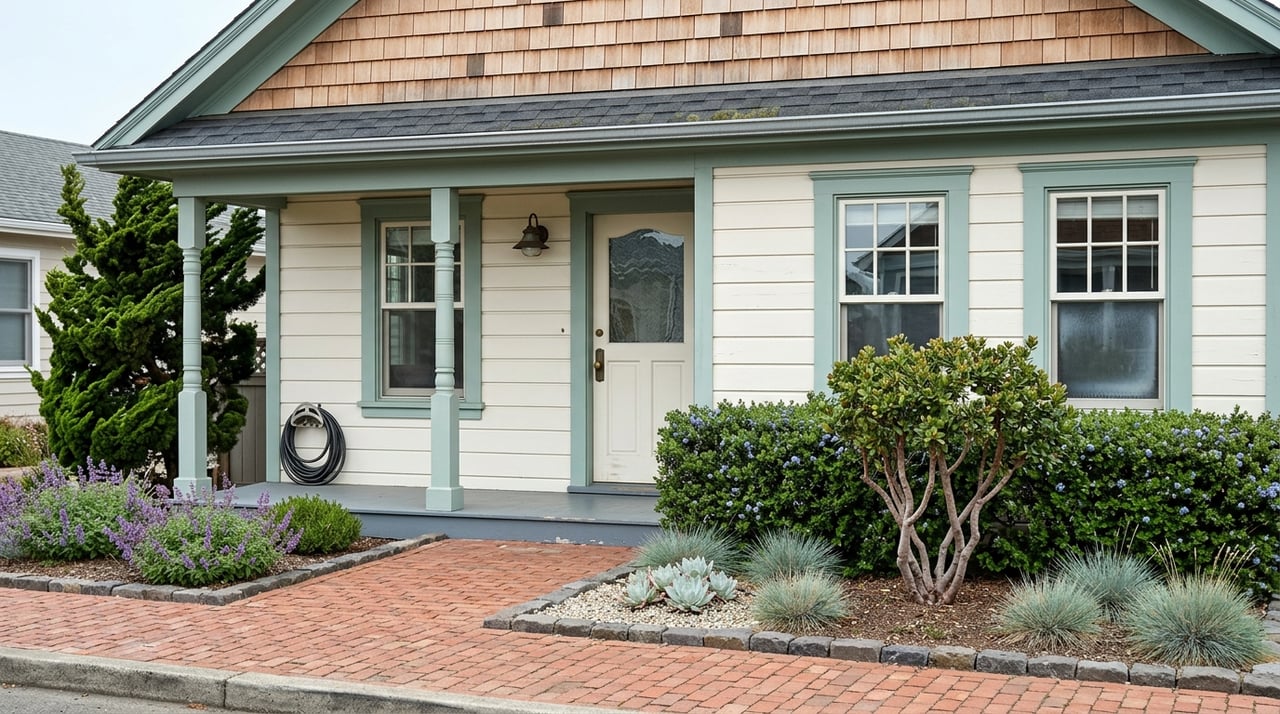
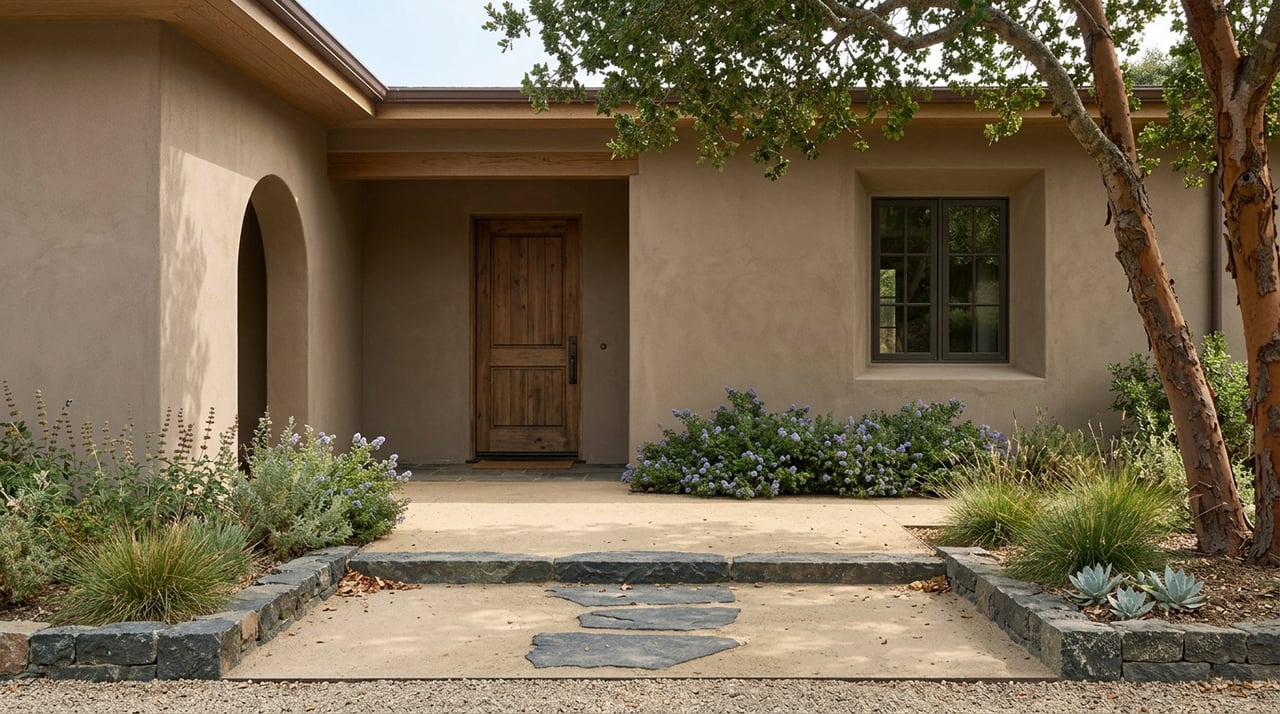
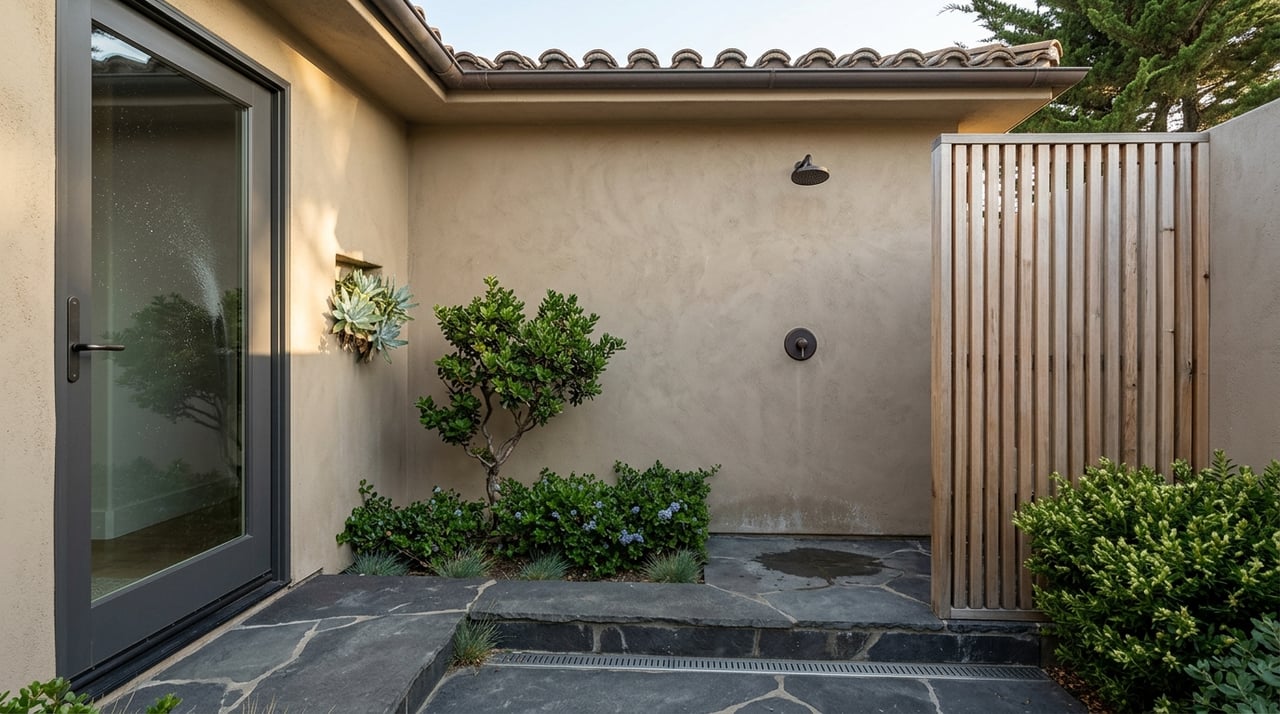
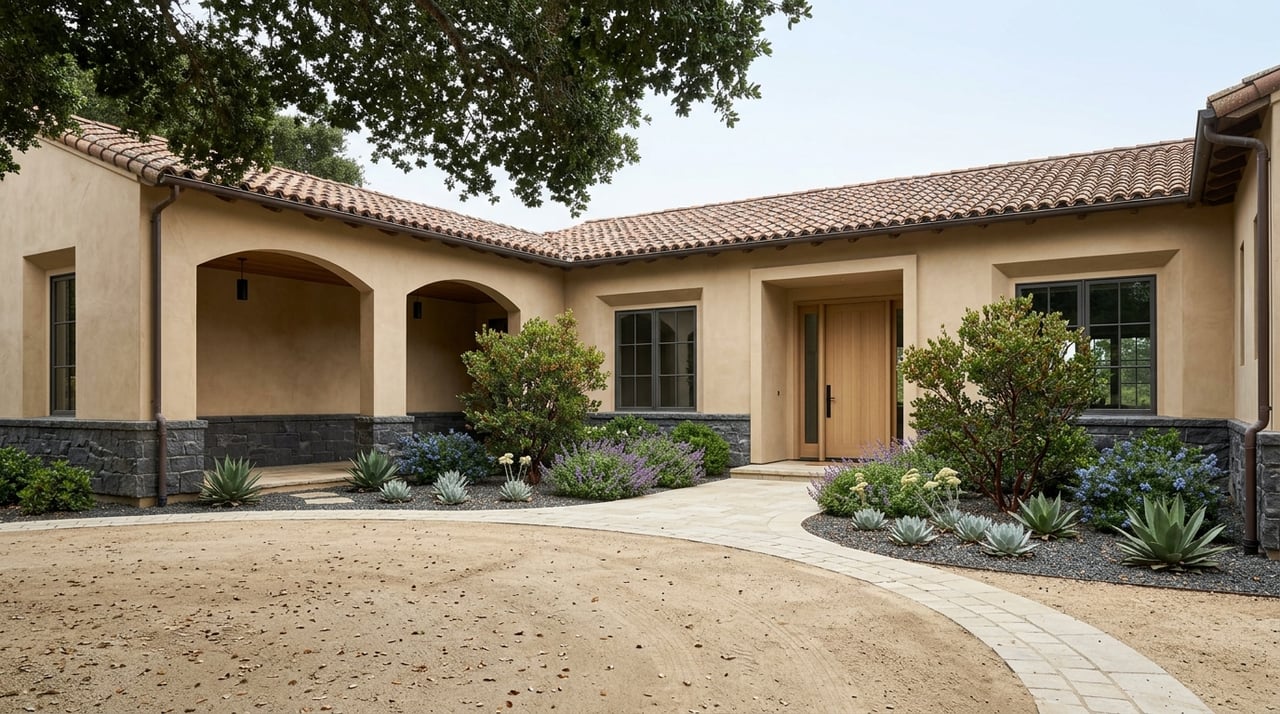
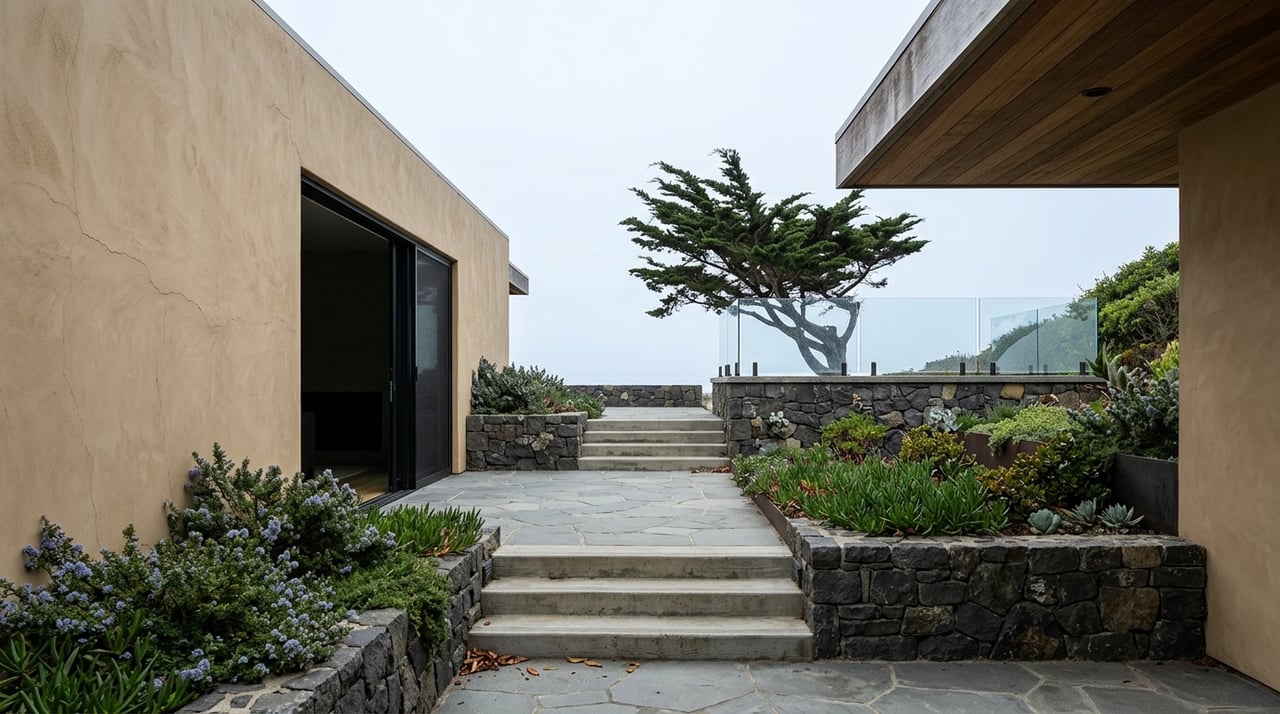
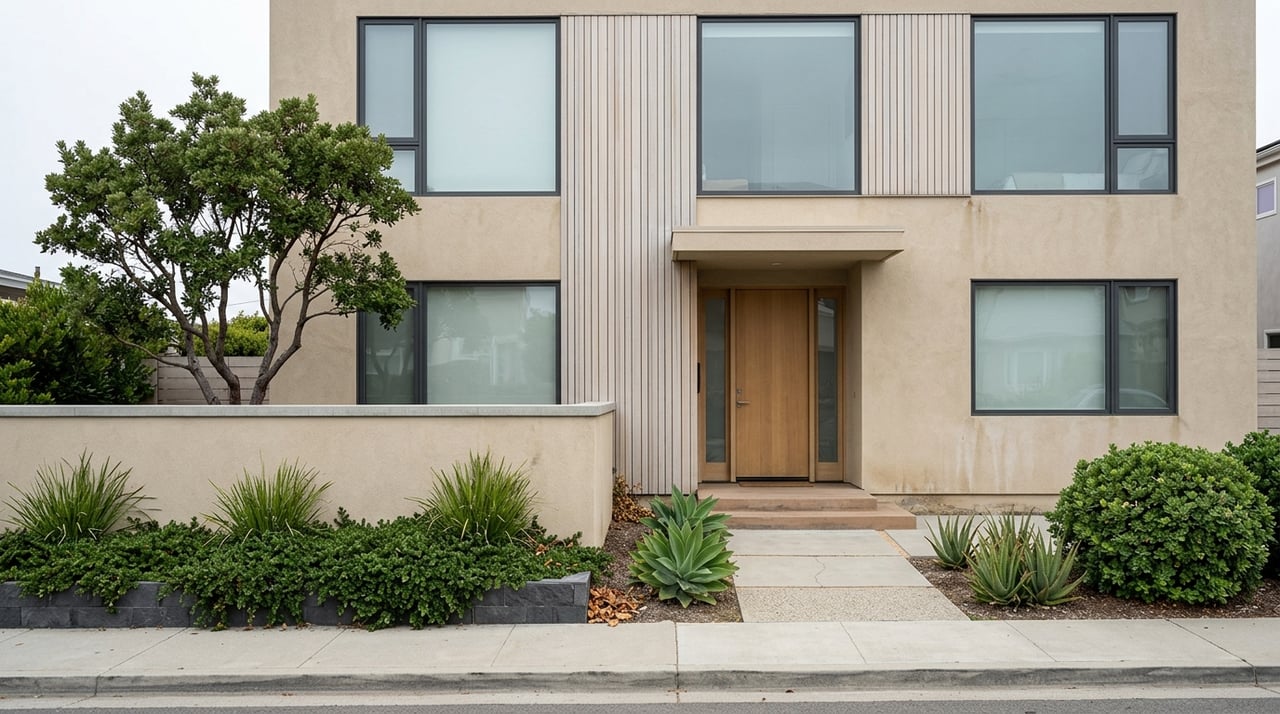
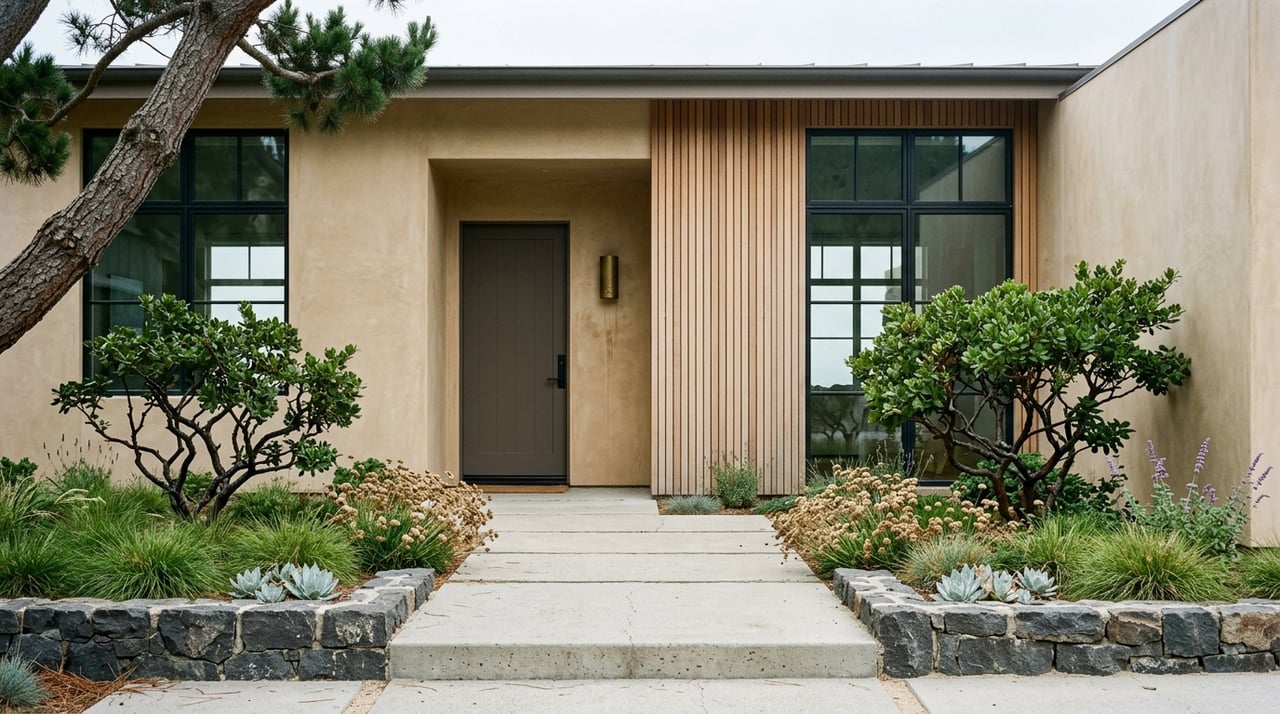
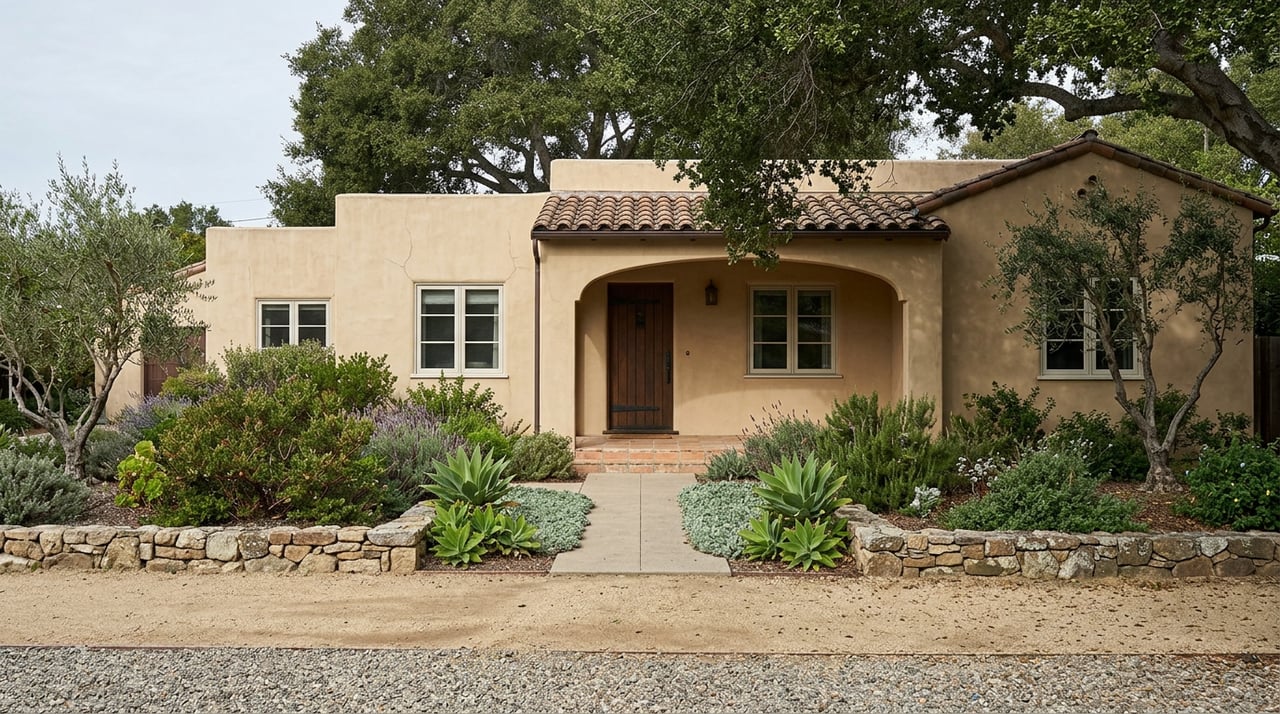
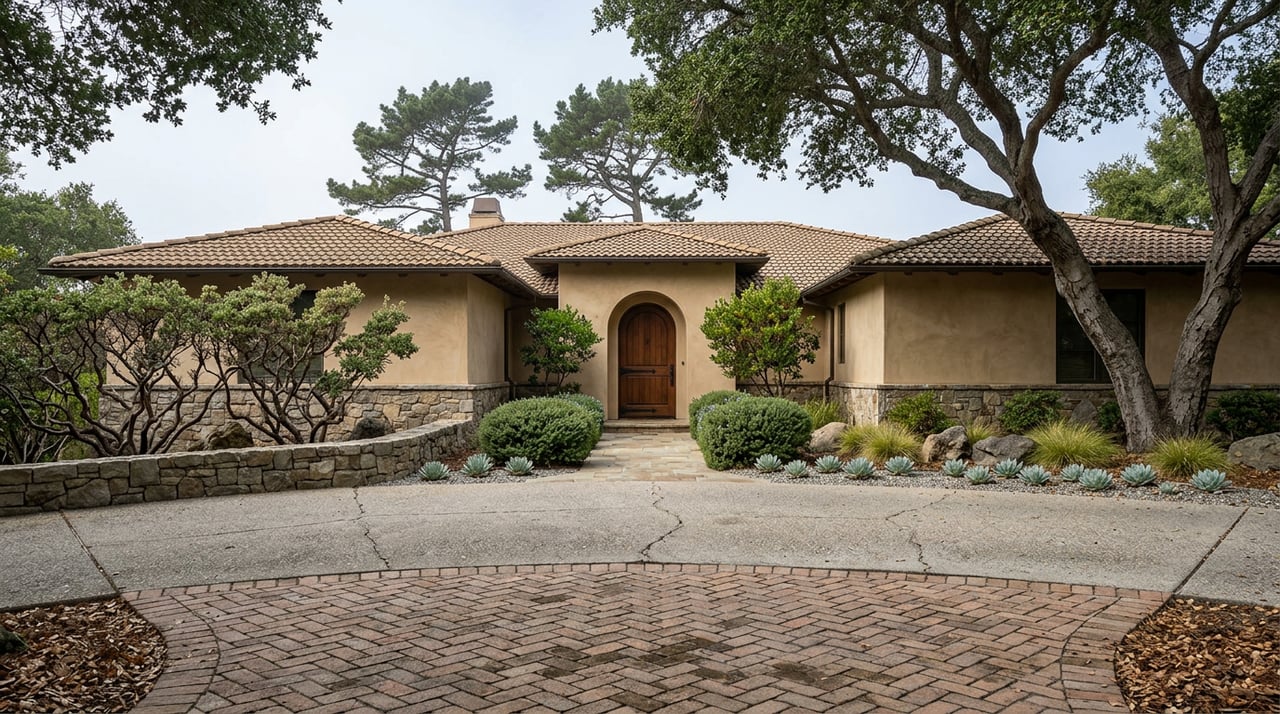
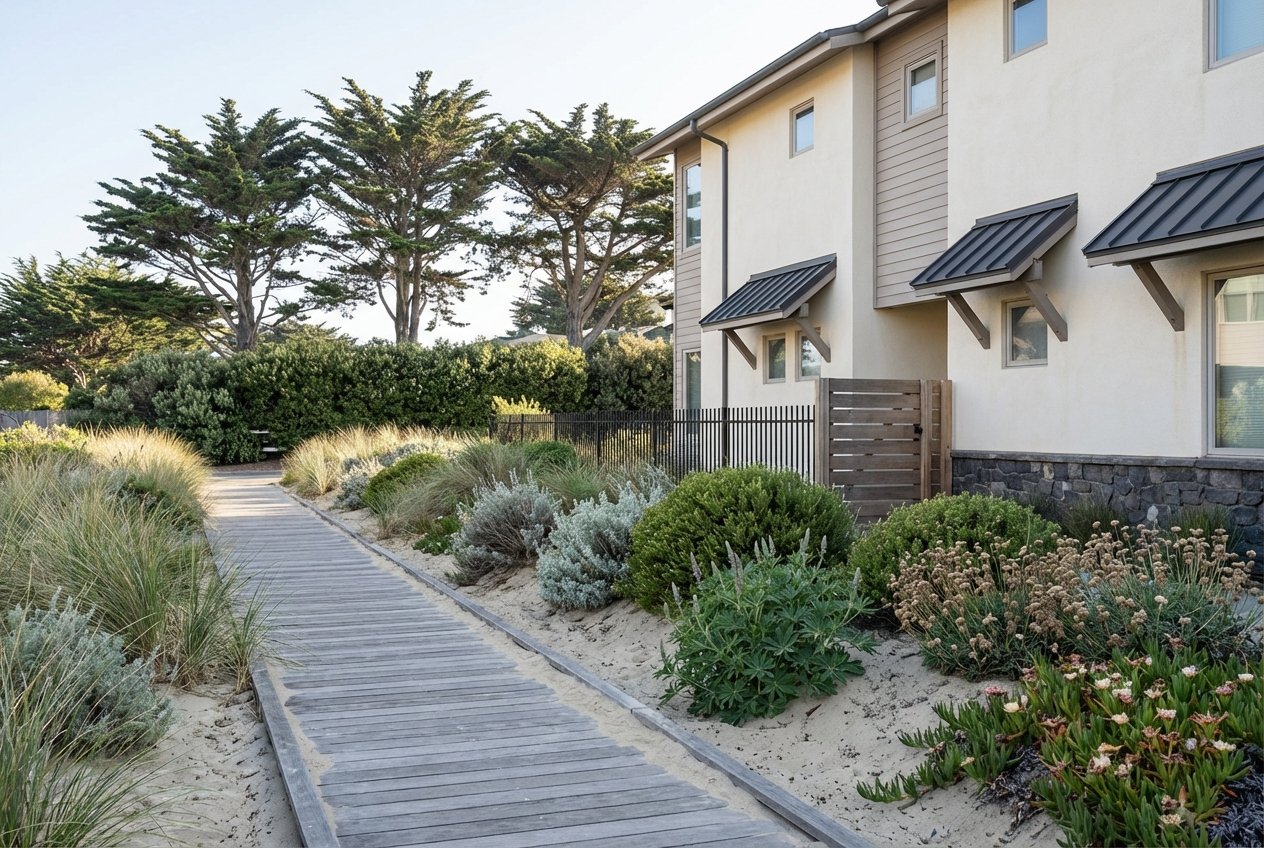
Until the first of this month, a Carmel homeowner who wanted to do the single most recommended thing in wildfire preparation, clearing a five-foot band of anything that burns from around the house and filling it with gravel, got penalized for it by the city's own zoning code. Gravel counted as site coverage. On a 4,000 square foot Carmel lot, where every square foot of coverage is spoken for, that meant the fire-safe choice could cost you the addition, the deck, or the patio you were saving that coverage for.
On September 1, 2026, the Carmel-by-the-Sea City Council voted unanimously to change that. Urgency Ordinance 2026-004, titled "Interim Home Hardening Regulations," does two things at once. It exempts gravel installed within five feet of a structure from the site coverage calculations in Title 17 of the municipal code. And it takes the fire-zone rules that used to apply only in the city's mapped Very High Fire Hazard Severity Zone and applies them to every home in Carmel, whether or not the map says so.
That second part is the one buyers should slow down on.
Why Gravel Was Ever a Problem
Carmel's lots are small, its design review is exacting, and its coverage limits are the main lever the city uses to keep cottages from becoming boxes. Under the old reading of the code, gravel and decomposed granite were treated the same as concrete: impervious, countable, and subtracted from what you could build.
Brandon Swanson, the acting city administrator, put it plainly to the council, as reported by Mary Schley in the Carmel Pine Cone on September 4: "Gravel counts as site coverage just like concrete. To put it around your house, you get dinged."
The result was a code that quietly discouraged the exact practice that state fire officials now want to require. The state Board of Forestry approved its first-in-the-nation "Zone 0" defensible space regulations on August 19, 2026, two weeks before Carmel's vote. Those rules, once they clear the Office of Administrative Law, call for a five-foot ember-resistant zone around structures in Very High zones, with combustible mulch, wood chips, leaves and bark removed, new combustible fencing prohibited inside the band, and existing homes phased in over three to five years. Carmel's ordinance removes the local penalty for complying with that.
Design review did not go away. Swanson was specific about what the city will and will not approve: "We wouldn't approve hot pink gravel. It has to be earth tones, has to be muted." The existing Design Guidelines still govern color and material. What changed is that the five-foot band no longer costs you coverage.
The Rule Now Applies to Every House, Not Just the Mapped Ones
CAL FIRE's 2025 map for the city's local responsibility area, released March 10, 2025, put 278 acres of Carmel-by-the-Sea in the Very High category, up from 221 on the prior map, plus 110 acres High and 100 acres Moderate. Carmel's land area is roughly 1.06 square miles, about 678 acres, so by that arithmetic something like four in ten acres of the city are mapped Very High and about seven in ten carry some designation. That was already a large share. The ordinance makes the distinction mostly moot for home hardening purposes.
Under 2026-004, four standards that previously attached only to the fire zone and wildland-urban interface now apply citywide:
- Ember-resistant vents, required when vents are replaced or altered.
- Fire-rated glazing standards, required when windows are replaced or altered.
- Firewood storage rules: no wood stored beneath buildings, decks, eaves or canopies, and piles kept 30 feet from structures unless completely covered by fire-resistant material.
- The gravel exemption within five feet of a structure.
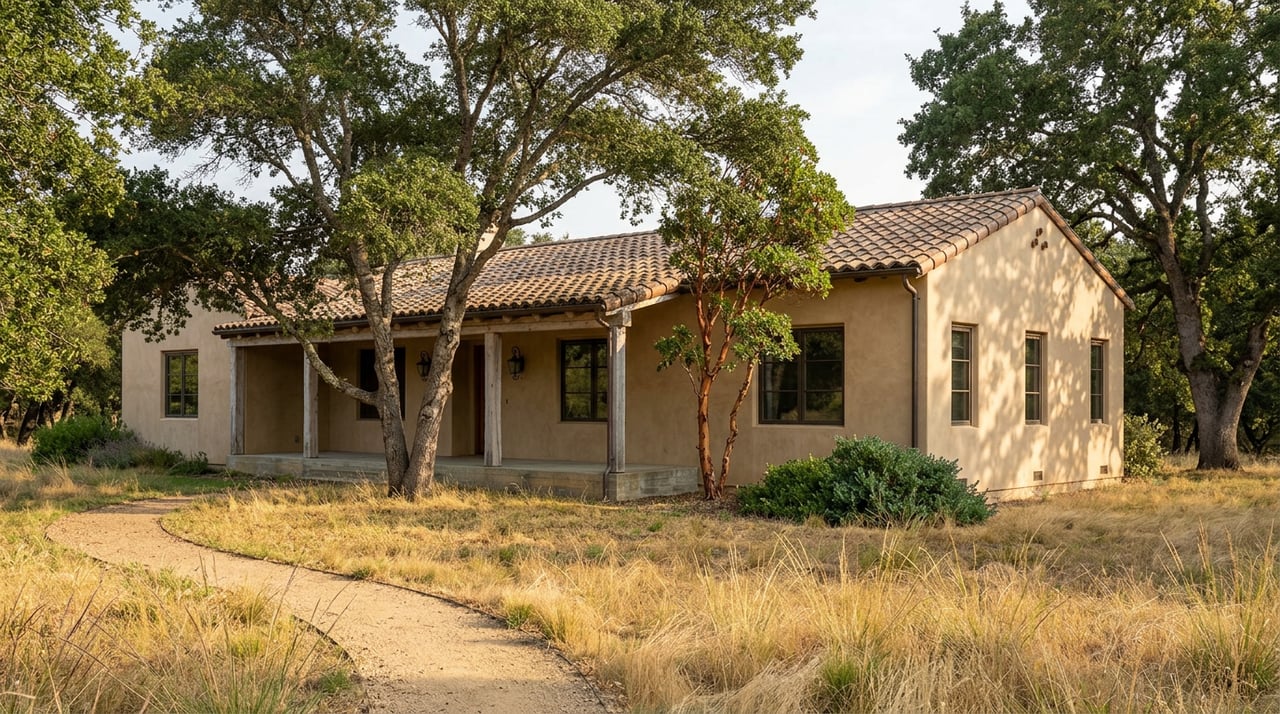
The staff report is careful on one point that matters for cost: none of this requires an immediate retrofit. The vent and window standards trigger when you replace or alter them, not on adoption. A buyer of a 1920s cottage with original wood windows is not being told to swap them out this year. They are being told that the next time those windows come out, what goes back in must meet the fire-zone standard.
Historic properties get an explicit carve-out. In Swanson's words, "When strict compliance would conflict with the Secretary of the Interior's Standards for the Renovation of Historic Properties, there would be an exception." Given how much of Carmel's housing stock is on or near the historic inventory, that exception will get used.
"Gravel counts as site coverage just like concrete. To put it around your house, you get dinged."
That single sentence explains why a zoning tweak about landscaping material is actually a fire policy.
Urgency Ordinance Means Temporary, on Paper
The mechanics are worth understanding because they affect how long this lasts. An urgency ordinance takes effect immediately on a four-fifths council vote, which is why it could pass on September 1 and apply the same day. The staff report says it "will remain in effect unless and until the City Council adopts a regular Ordinance approving revised Design Guidelines." Those revised guidelines are being developed through the city's Design Traditions project, and no date is attached.
In practice that means the gravel exemption and the citywide hardening standards are the operating rules of Carmel for the foreseeable future, and the eventual permanent version will be written by a council that has already voted unanimously for this one. Councilman Bob Delves made the motion and Councilwoman Alissandra Dramov seconded it. The staff report lists no fiscal impact beyond existing staff time.
What the ordinance does not do is change the state-level obligations that still attach to the mapped Very High zone specifically: the 100-foot defensible space requirement, the hazard disclosure at sale, and the state Zone 0 phase-in once it is operative. Those still follow the map. The city's rules now cover everyone; the state's still cover the 278 acres.
What This Means If You Are Buying or Remodeling in Carmel
The question buyers have asked for the last year, "Is this house in the fire zone?", is now the wrong first question. For the city's hardening rules, the answer is yes for every address. The more useful questions are these:
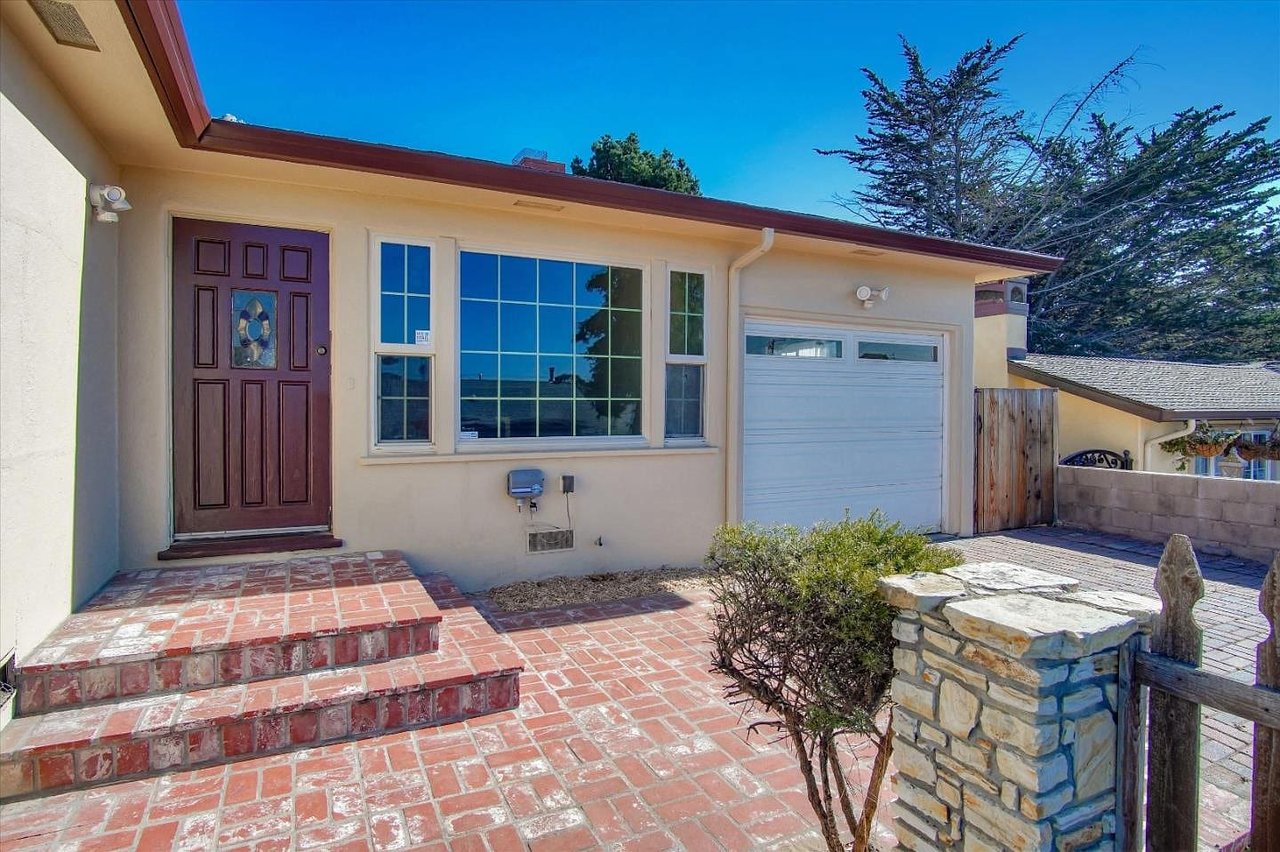
- What is within five feet of the structure today, and what would it cost to make that band gravel or bare earth? A cottage hemmed in by wood fencing, mulch beds and a stacked woodpile under the eaves has a to-do list. One with a gravel apron and a clear perimeter does not.
- What is the age and material of the windows and vents, and when are they likely to be replaced? That replacement now carries a fire-rated standard and, for anything historic, a conversation with the Historic Resources Board.
- Is the property on the mapped Very High zone? If so, the state Zone 0 rules and the 100-foot defensible space obligation apply on top of the city's rules, and the fire hazard disclosure will be in the seller's package.
- Was the site coverage on the survey computed with gravel counted or exempt? If a prior owner installed gravel and counted it, the new reading may free up coverage for the project you are planning.
The pattern here is the one Carmel usually follows. The city did not wait for the state's Zone 0 rule to finish its administrative review. It looked at what the state was about to require, found the one place its own code got in the way, and fixed that place first.
A Few Questions Worth Asking Directly
Do I have to replace my windows and vents now that the ordinance passed? No. The staff report states that the vent and glazing standards apply only when those elements are replaced or altered, and that no immediate retrofit is required. The obligation attaches to the next replacement, not to the adoption date.
Does this ordinance apply in Pebble Beach or Carmel Highlands? No. Ordinance 2026-004 is a City of Carmel-by-the-Sea rule and stops at the city limits. Pebble Beach and the Highlands are unincorporated Monterey County, which went through its own 2025 fire hazard map adoption with Board of Supervisors hearings in August 2025. State Zone 0 rules will apply there only in county-designated Very High zones.
Can I still have a wood fence? Under the city ordinance, yes, subject to the firewood and design rules. Under the state Zone 0 regulations, new combustible fencing is prohibited within five feet of a structure in Very High zones once the rules are operative, with existing homes given three to five years to phase in changes to gates and fencing. If the property is in the mapped zone, plan on the fence line closest to the house changing eventually.
How long will the urgency ordinance stay in place? Until the council adopts a regular ordinance with revised Design Guidelines through the Design Traditions project. No date has been set. The urgency version is the rule until then.
Carmel Luxury Group reads the council packets so that a coverage calculation or a window replacement does not surprise a client after close. If you are weighing a Carmel cottage and want to know what the five-foot band and the replacement schedule actually mean for the specific property, start a confidential consultation and bring the address.