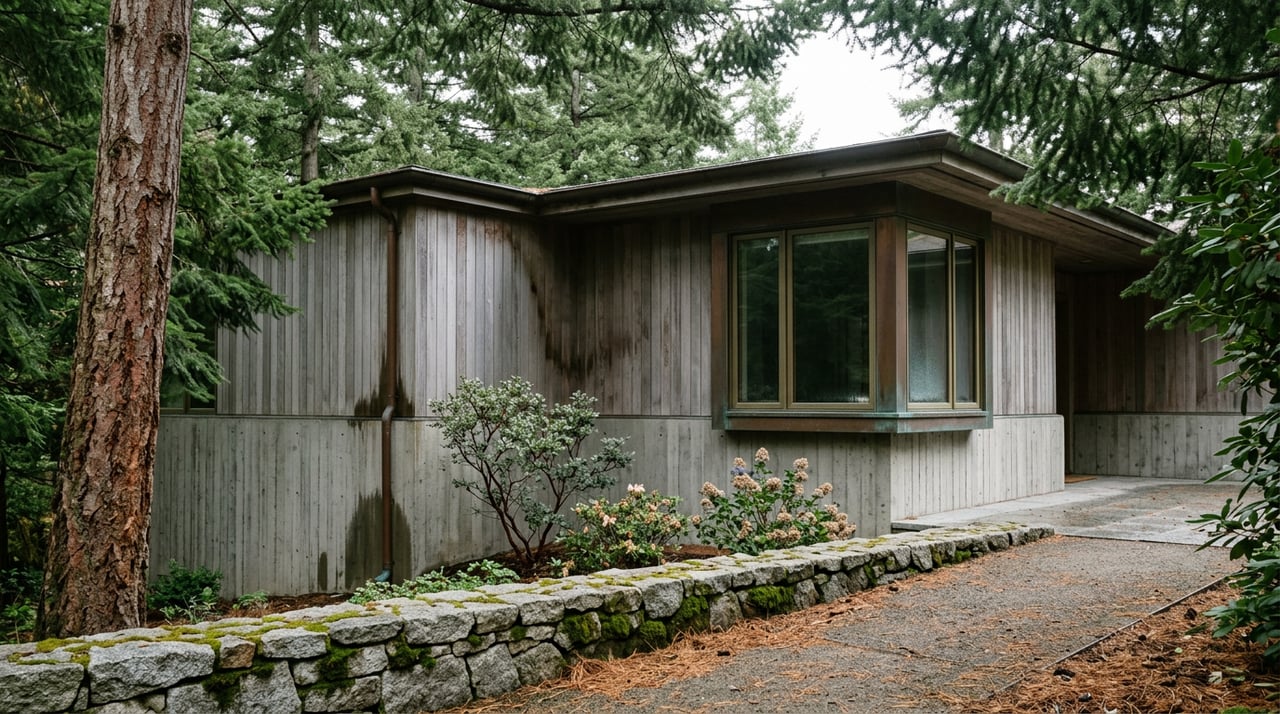
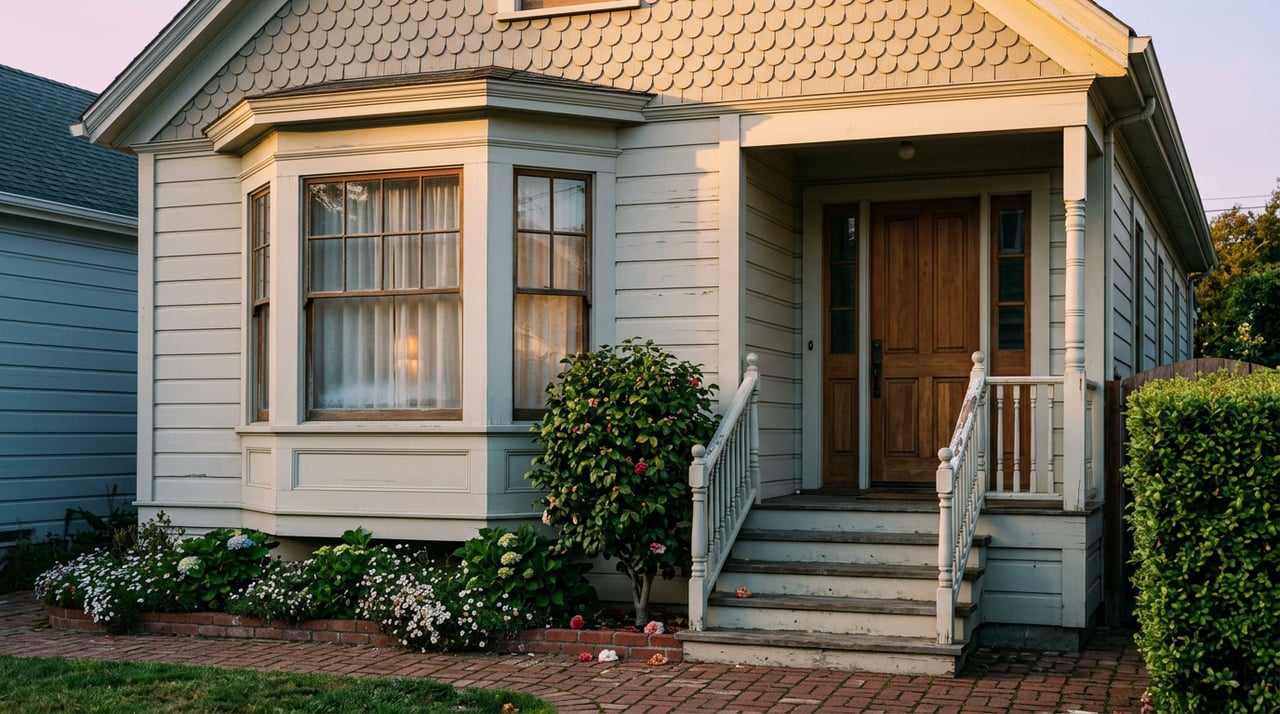
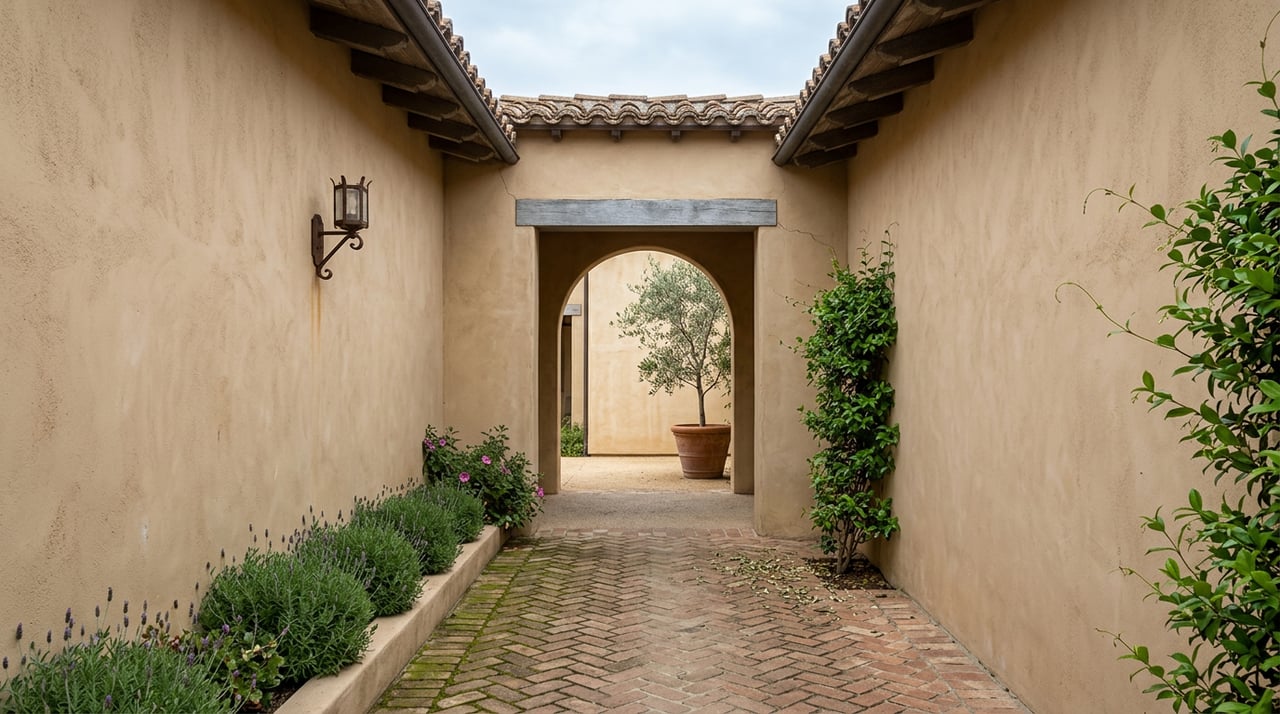
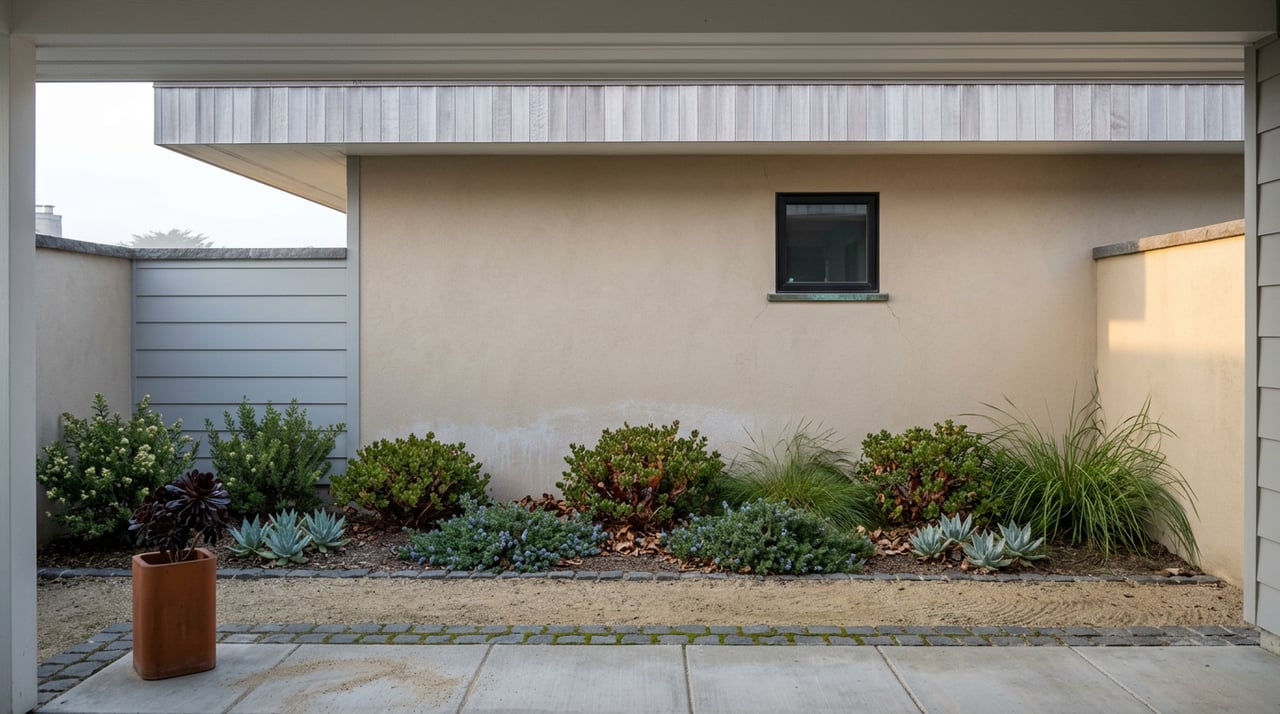
In Monterey's coastal market, the improvements that matter most to buyers signal quality, condition, and cohesion, not the highest spend. Minor cosmetic updates like fresh neutral paint, refined landscaping, and functional repairs consistently outperform full kitchen or bath gut-renovations in cost recovery. Major, taste-specific remodels rarely return their full investment at resale.
Which home improvements actually add resale value in Monterey?
In Monterey's coastal luxury market, the improvements that matter most to buyers are those that signal quality, condition, and cohesion, not the ones that cost the most. Minor cosmetic updates like fresh neutral paint, refined landscaping, and functional repairs consistently outperform full kitchen or bath gut-renovations in cost recovery. Major, taste-specific remodels rarely return their full investment at resale in an already high-value market, and can actually narrow the buyer pool by locking in one owner's preferences over another's.
Key Takeaways
- Monterey homes in the upper price tiers benefit from smart presentation that compresses the typical buyer discount, but over-improvement risks pricing the home beyond what buyers will accept.
- Monterey County's median home price was approximately $880,000 over the three months ending August 2026, down about 9–10% year-over-year, making regional price sensitivity a real factor for Monterey sellers at every price point.
- According to NAR and NARI data, Americans spent about $603 billion on home remodeling in 2024, yet many common projects return less than 60 cents on the dollar at resale.
- Minor cosmetic updates, paint, fixtures, and landscaping, typically pay off in Monterey by increasing appeal without high costs; major renovations rarely return their full cost at this price level.
- Even well-located, well-finished Monterey homes face buyer scrutiny on perceived value, confirming that condition and presentation matter more than the size of the renovation budget.
Why is over-improvement a real risk in Monterey specifically?
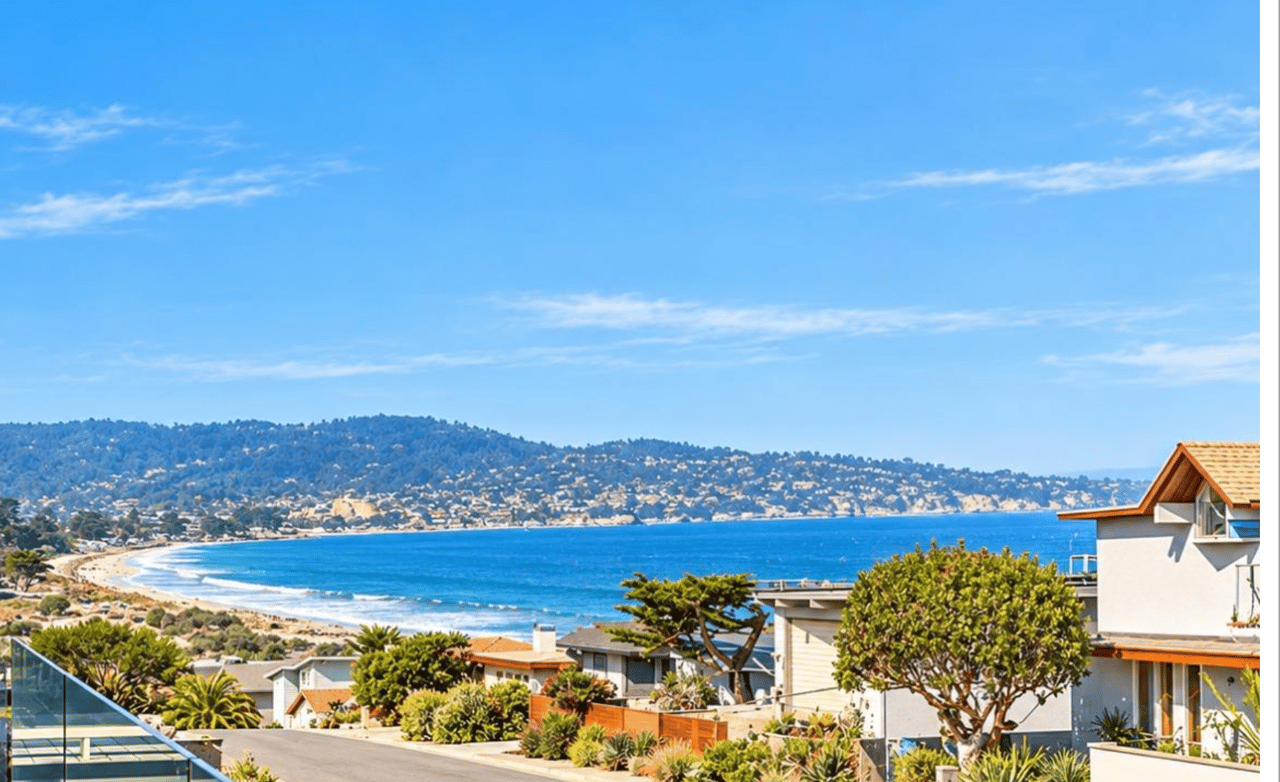
Monterey operates differently from many California markets. The city's coastal setting, historic character, and proximity to Cannery Row, the Monterey Bay Aquarium, and the broader Peninsula lifestyle mean that location, views, and lot characteristics carry enormous weight with buyers. A seller who pours $300,000 into a highly personalized kitchen remodel is betting that the next buyer shares their exact taste, a risky assumption in a market where buyers at this level almost always want to put their own stamp on a property.
The numbers reinforce this. According to NAR's Remodeling Impact research, only a handful of project categories approach full cost recovery at resale, and most discretionary improvements do not. A 2024 remodeling statistics overview referencing NAR and NARI data found that Americans spent roughly $603 billion on home remodeling that year, yet many common projects return less than 60 cents on the dollar when the home sells.
In Monterey, where a buyer is spending well above the county median, that math gets sharper. The buyer who can afford this market can afford to remodel on their own terms. What they won't pay for is someone else's vision executed at full price.
William walks every seller through this distinction before a single contractor is called. In his experience, the sale of a property begins well before it hits the market, and the most important decisions happen in the planning stage, not during escrow.
What does the 2026 Monterey market tell us about buyer behavior?
The most recent county-wide data, covering the three months ending August 2026, shows Monterey County median prices down roughly 9–10% year-over-year to around $880,000, per Redfin's Monterey County market report. Even in a supply-constrained coastal market like Monterey, buyers are negotiating. Homes that are priced to reflect expensive recent renovations, rather than what the market will bear, face longer days on market and steeper discounts.
At the upper end of the Monterey market, buyer scrutiny on perceived value is particularly sharp. Buyers in this range have the resources to remodel on their own terms, and they will discount a home's price if they feel they are paying for someone else's taste rather than genuine, transferable value.
Smart enhancements can help compress the typical buyer discount. Over-improvement risks the opposite: a list price buyers won't accept, driven by renovation costs that don't translate into comparable value in their eyes.
Which improvements should Monterey sellers actually make?
The short answer: focus on condition, cohesion, and presentation over transformation. Here's how William typically structures a pre-sale improvement conversation with Monterey sellers.
Start with a pre-listing inspection and a punch list
Buyers at this level will have thorough inspections. Addressing visible defects proactively, roof issues, window seals, aging HVAC, any deferred maintenance, removes negotiating leverage from the buyer and signals that the home has been well cared for. These repairs often have stronger intangible value and better cost recovery than discretionary upgrades, a pattern consistent with NAR's Remodeling Impact findings.
Cosmetic updates that fit a coastal aesthetic
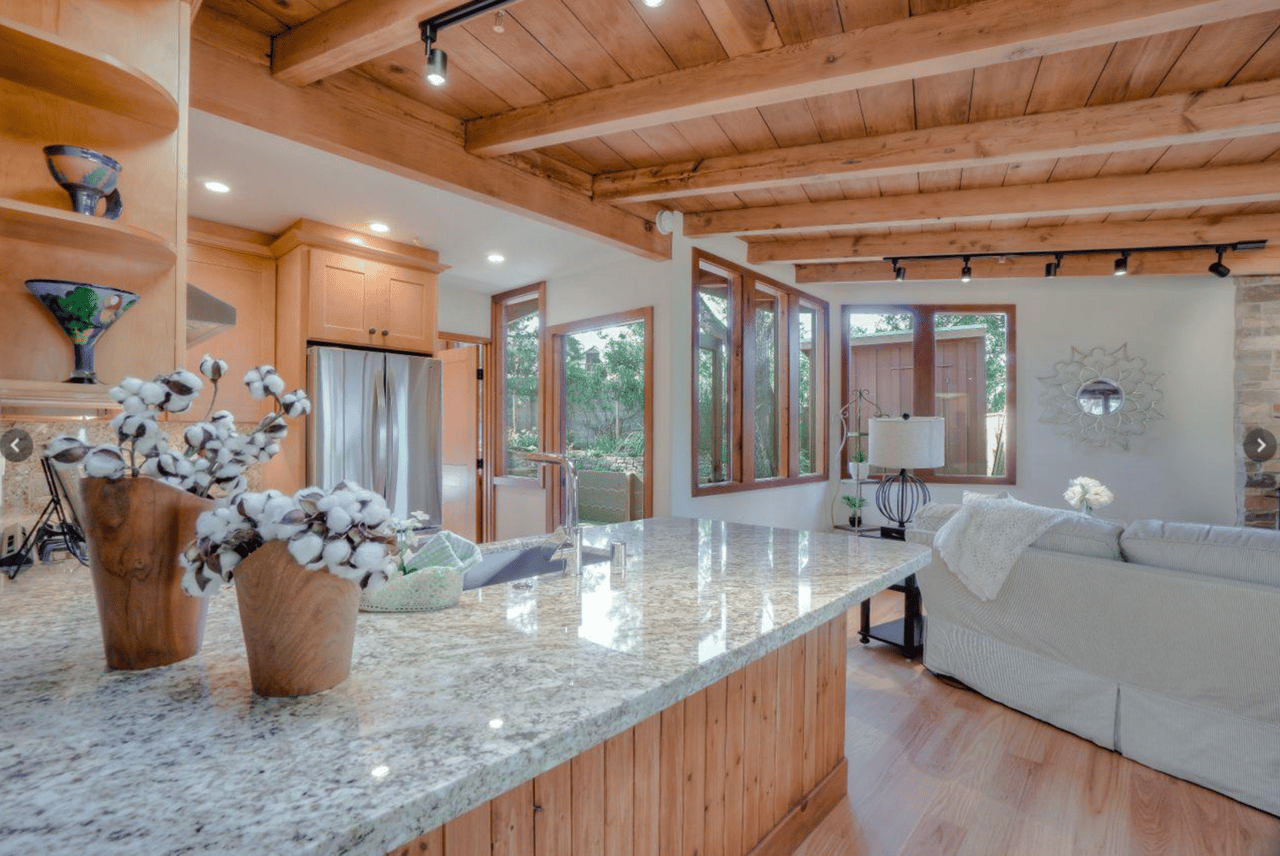
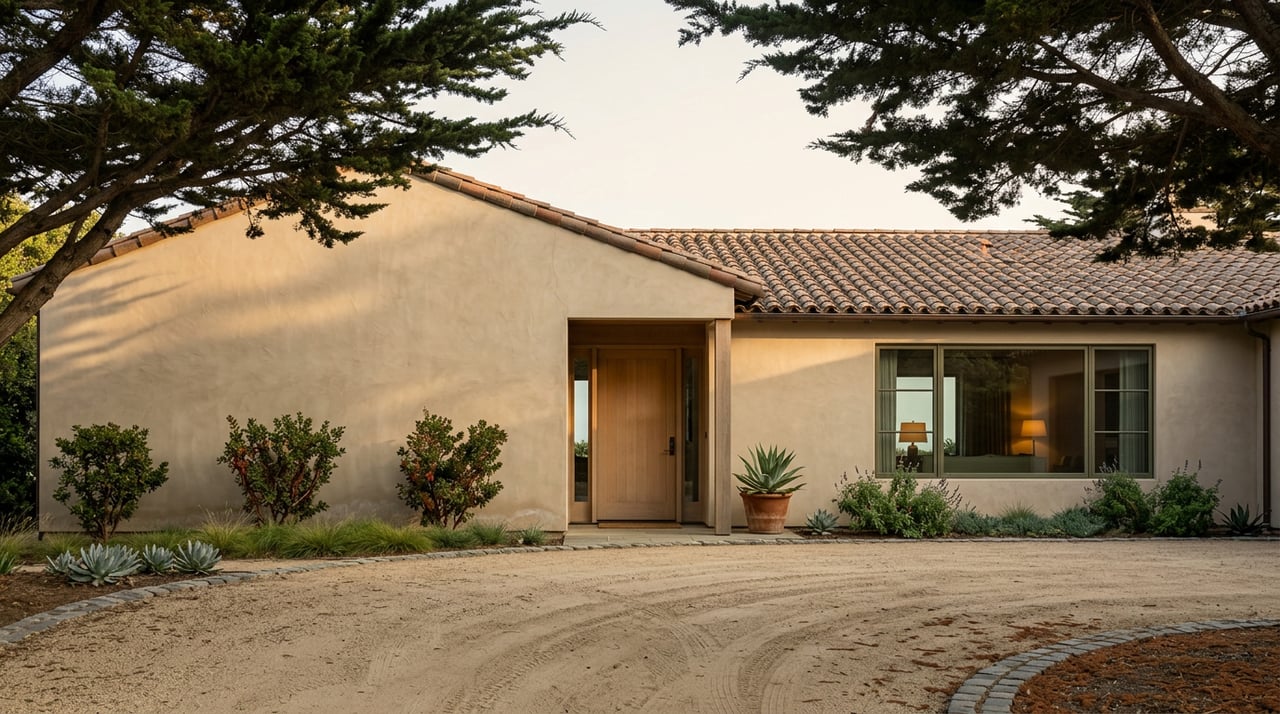
Fresh, neutral, high-quality interior paint is one of the most cost-effective moves a seller can make. Refinished or replaced flooring appropriate to a coastal setting, updated fixtures, and clean hardware throughout communicate move-in readiness without imposing a specific design vision. Minor cosmetic updates like paint, fixtures, and landscaping typically pay off by increasing appeal without high costs.
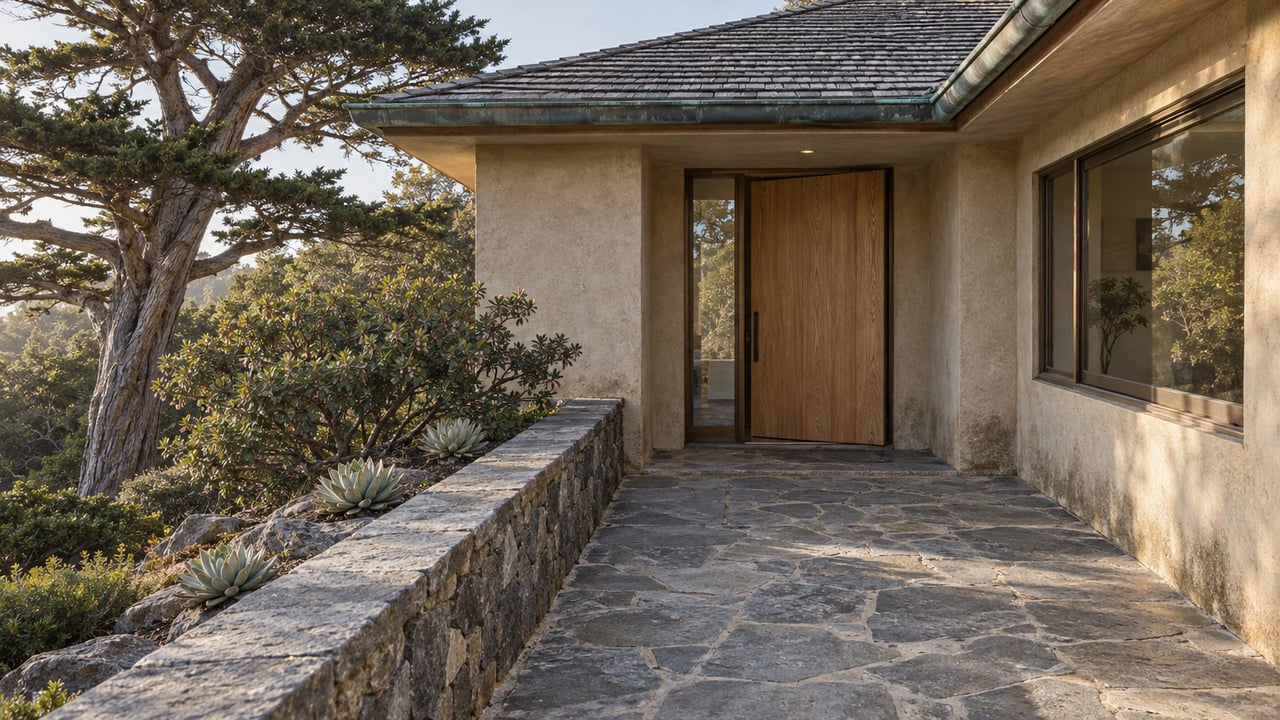
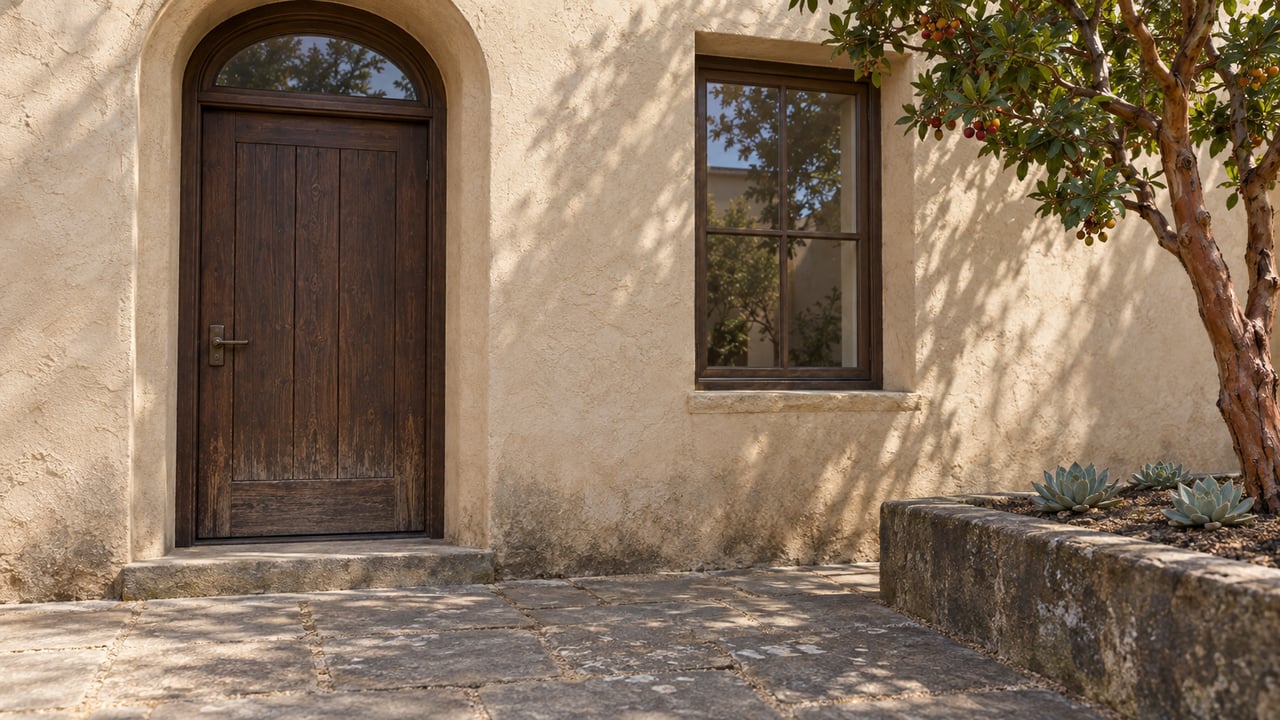
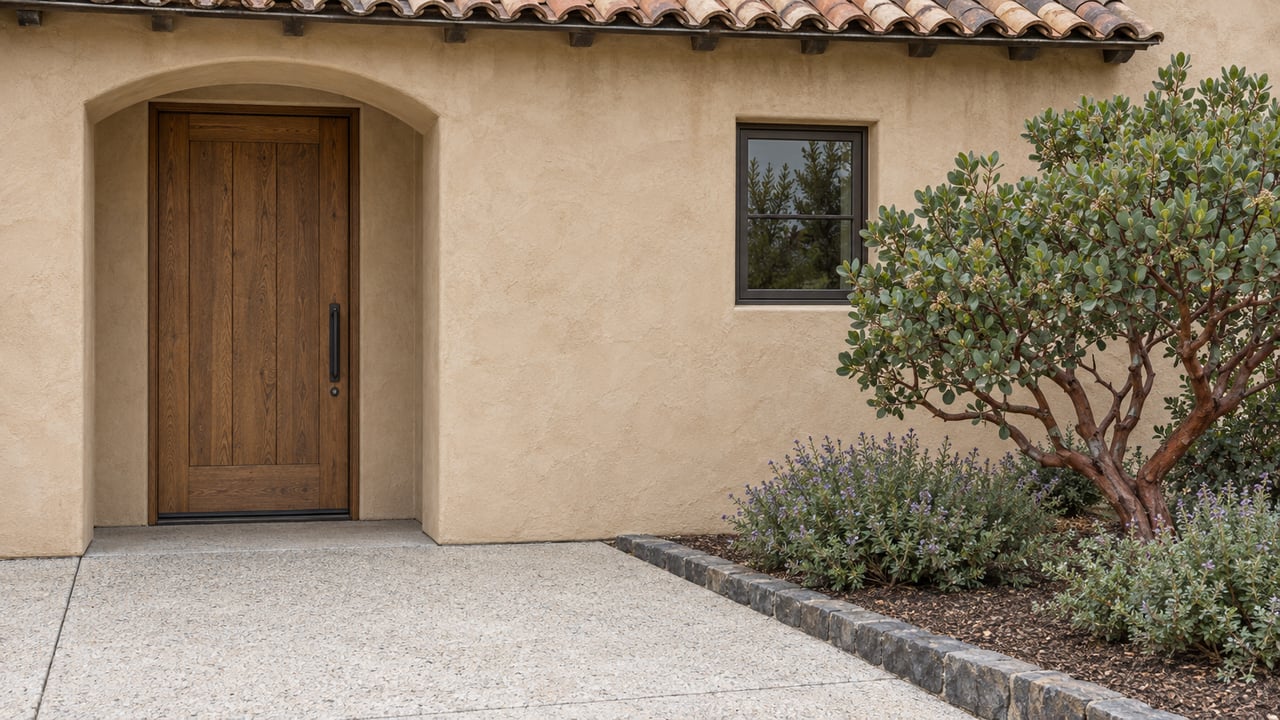
For Monterey specifically, materials that hold up to coastal conditions, salt air, fog, and sun exposure, matter. Upgrading windows, exterior doors, and deck surfaces to handle the environment is both practical and appealing to buyers who understand the maintenance realities of coastal ownership.
For a broader look at how design choices are evolving across the Peninsula, the Monterey Peninsula home design trends post covers what's resonating with buyers right now.
Landscape and outdoor living spaces
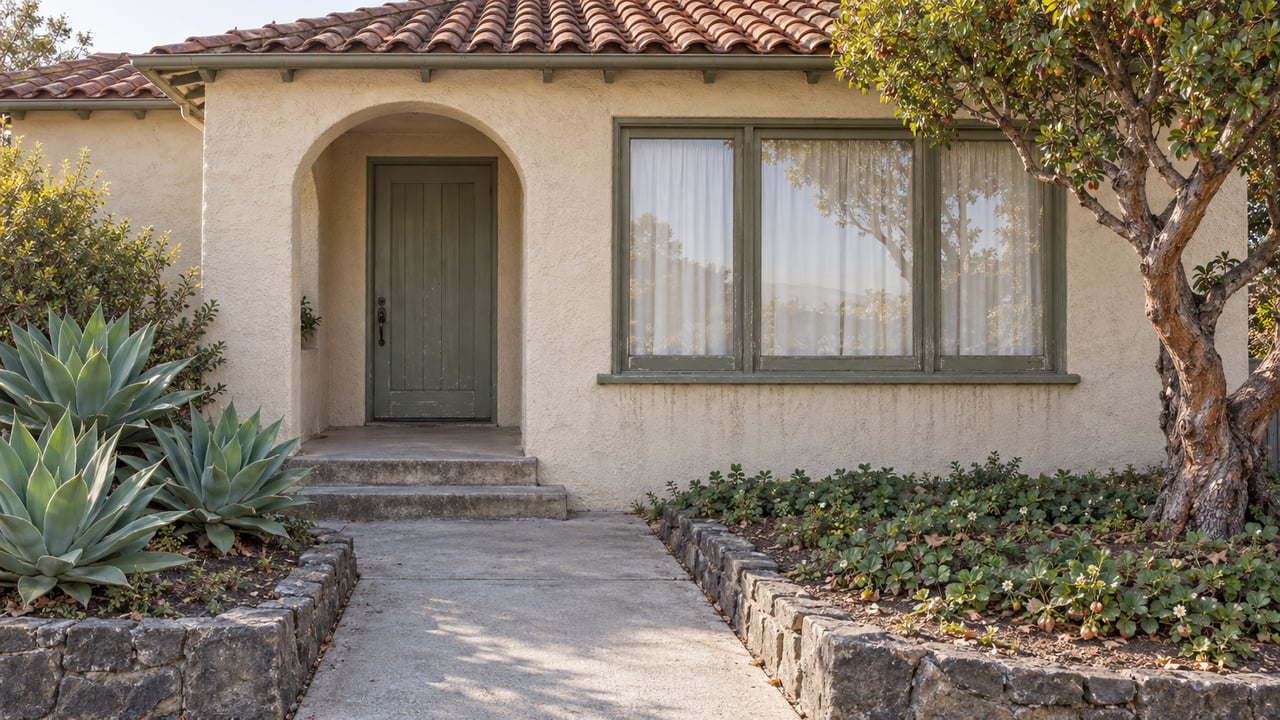
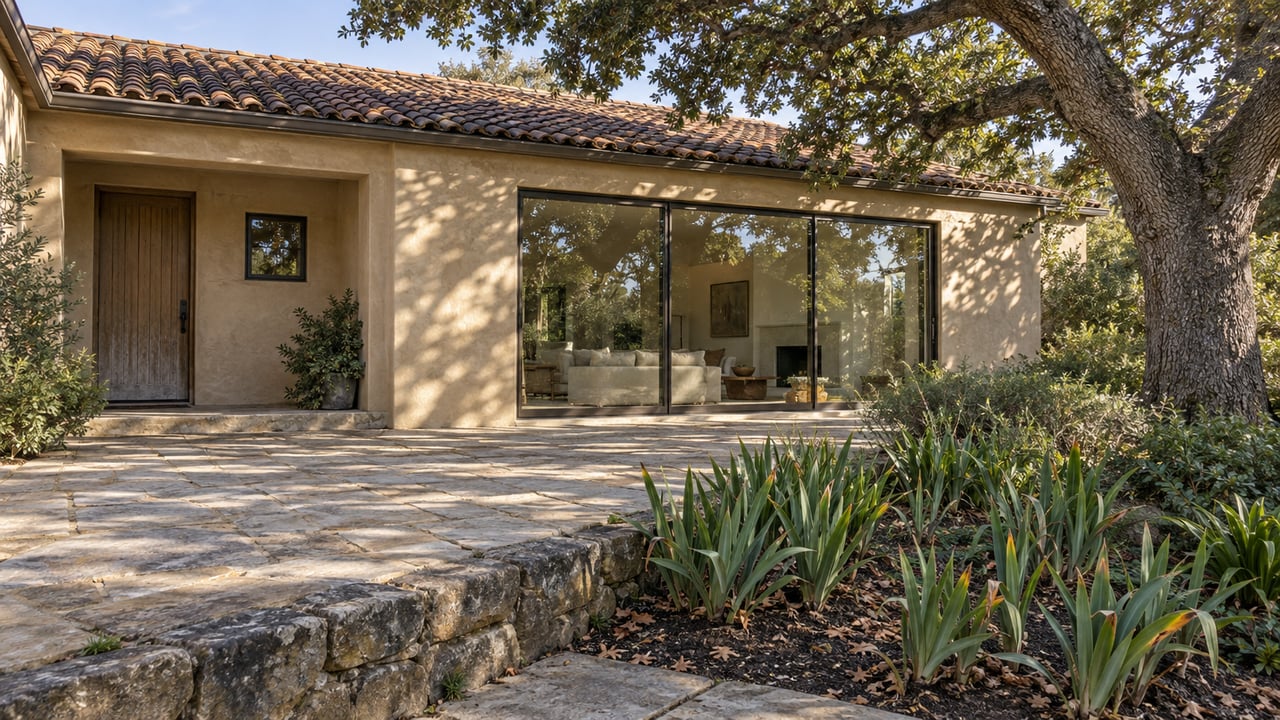
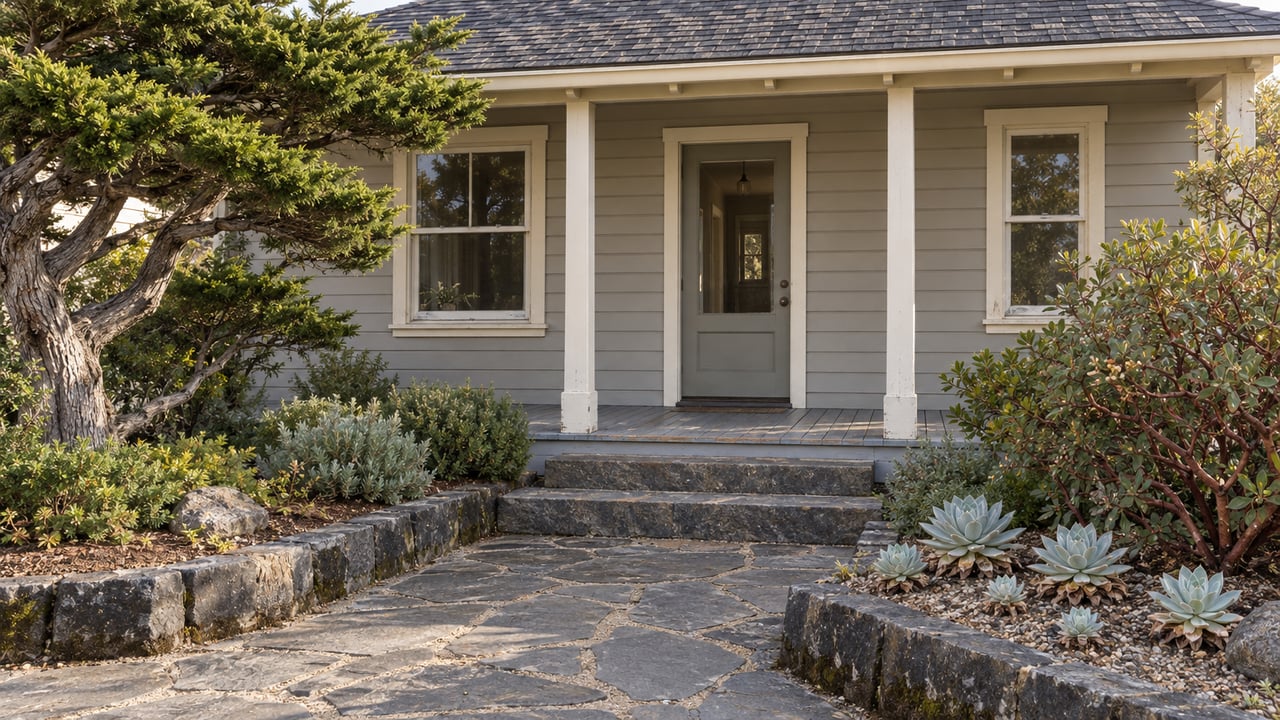
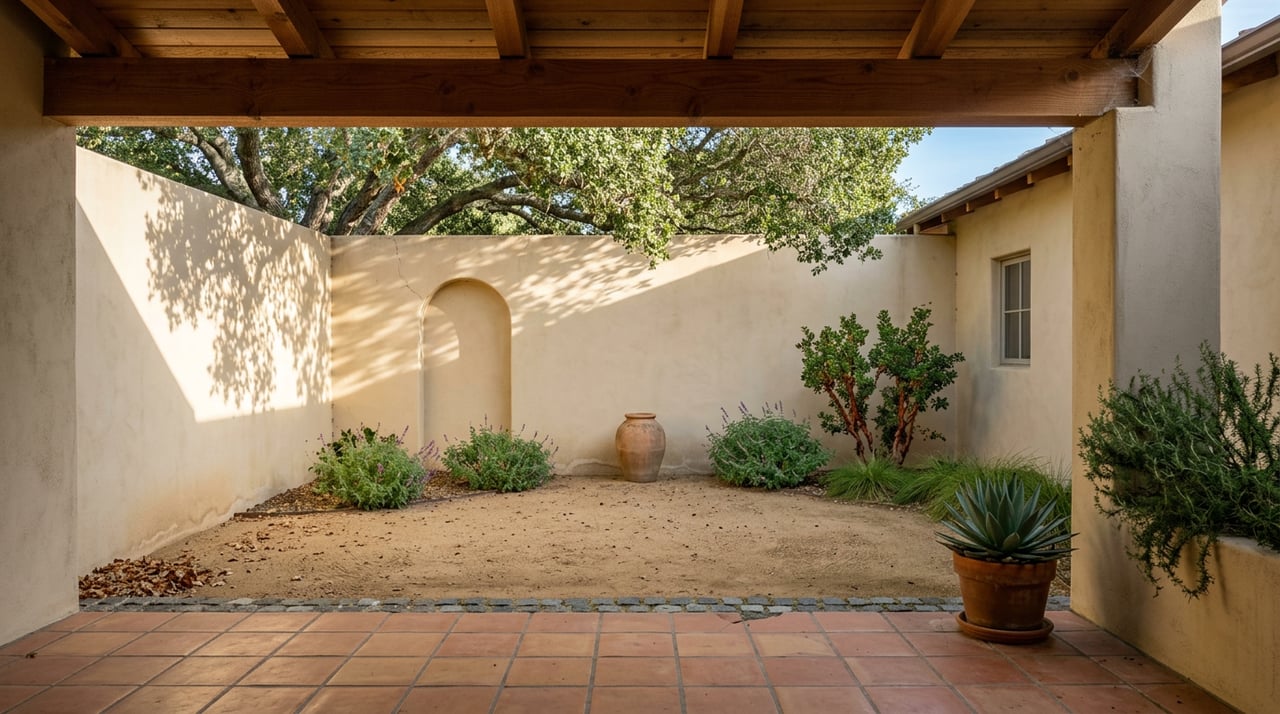
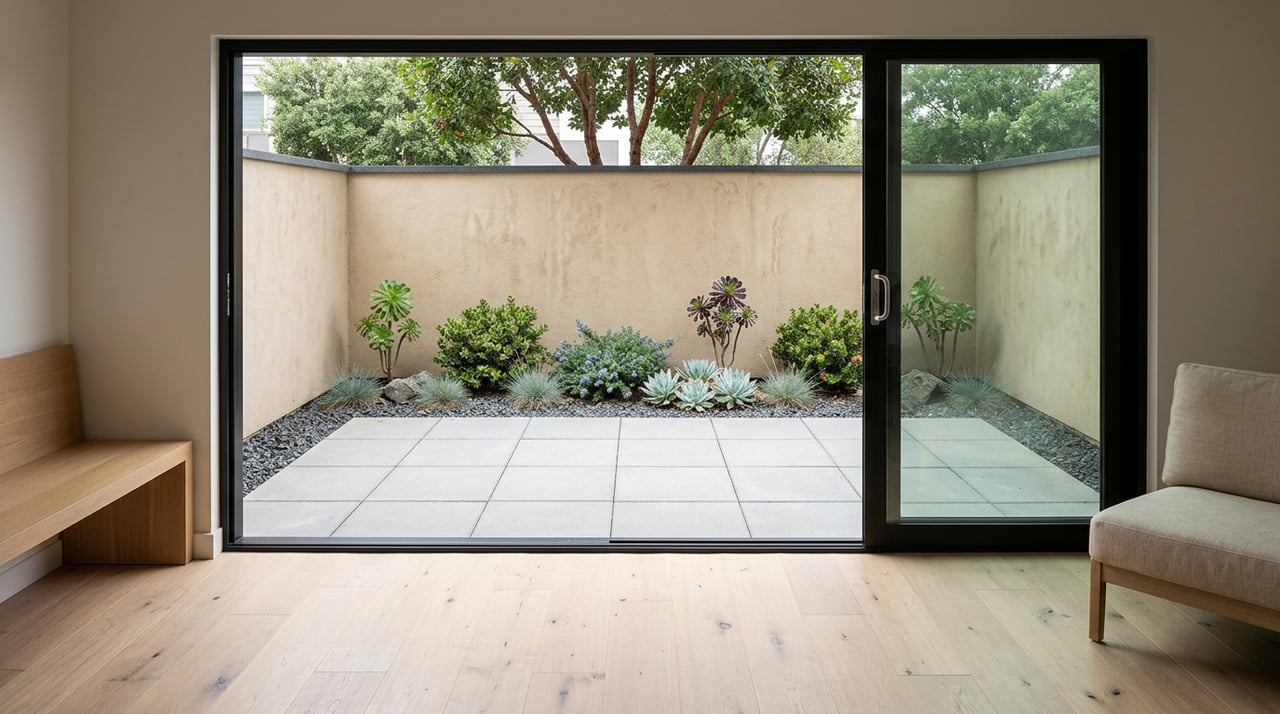
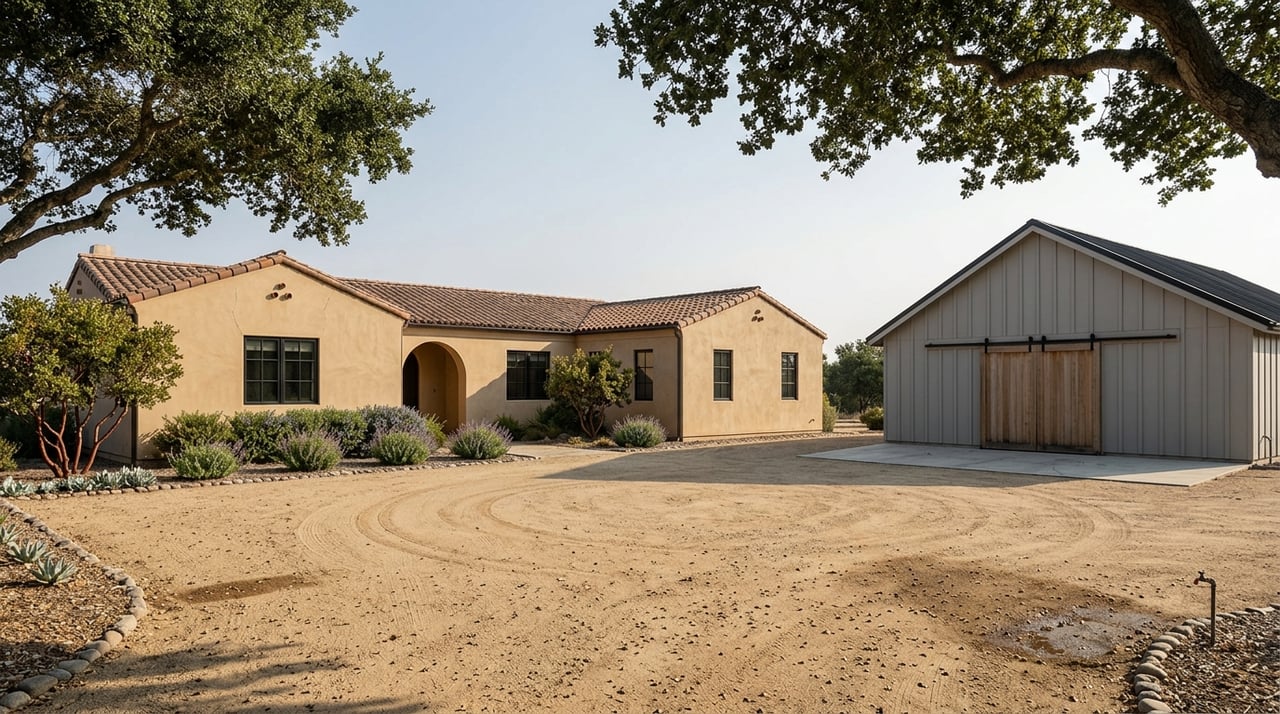
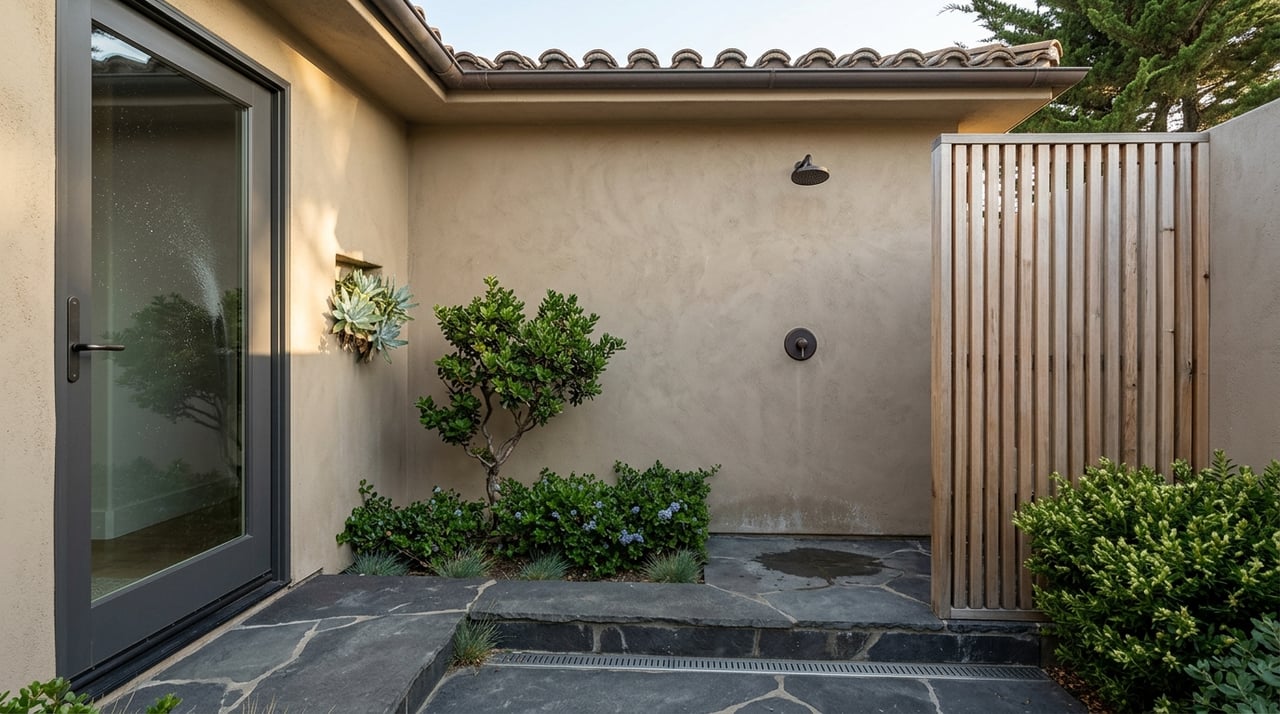
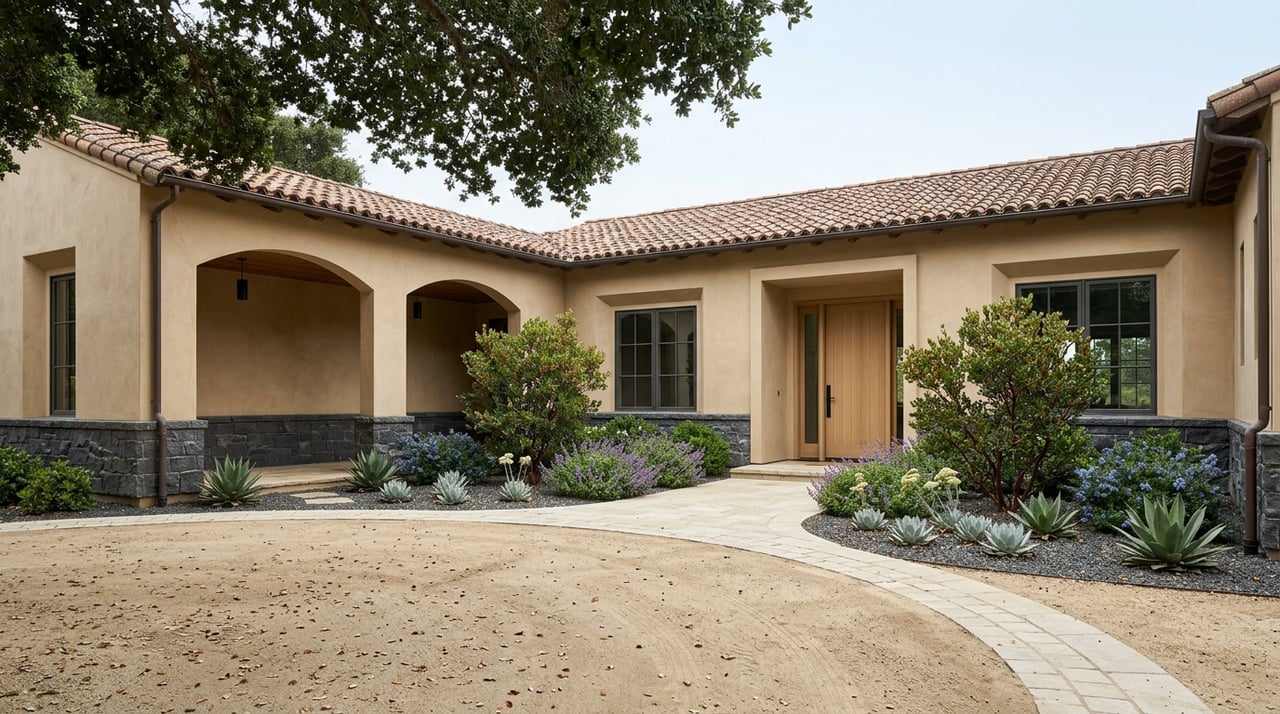
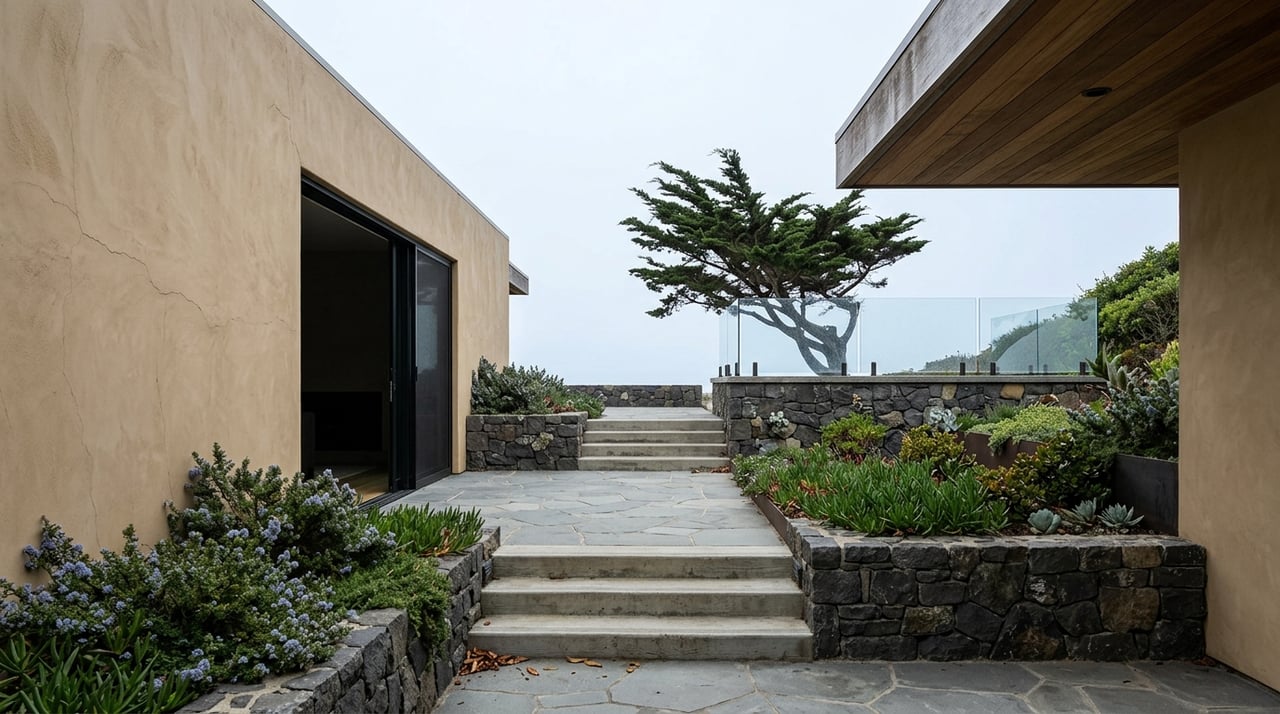
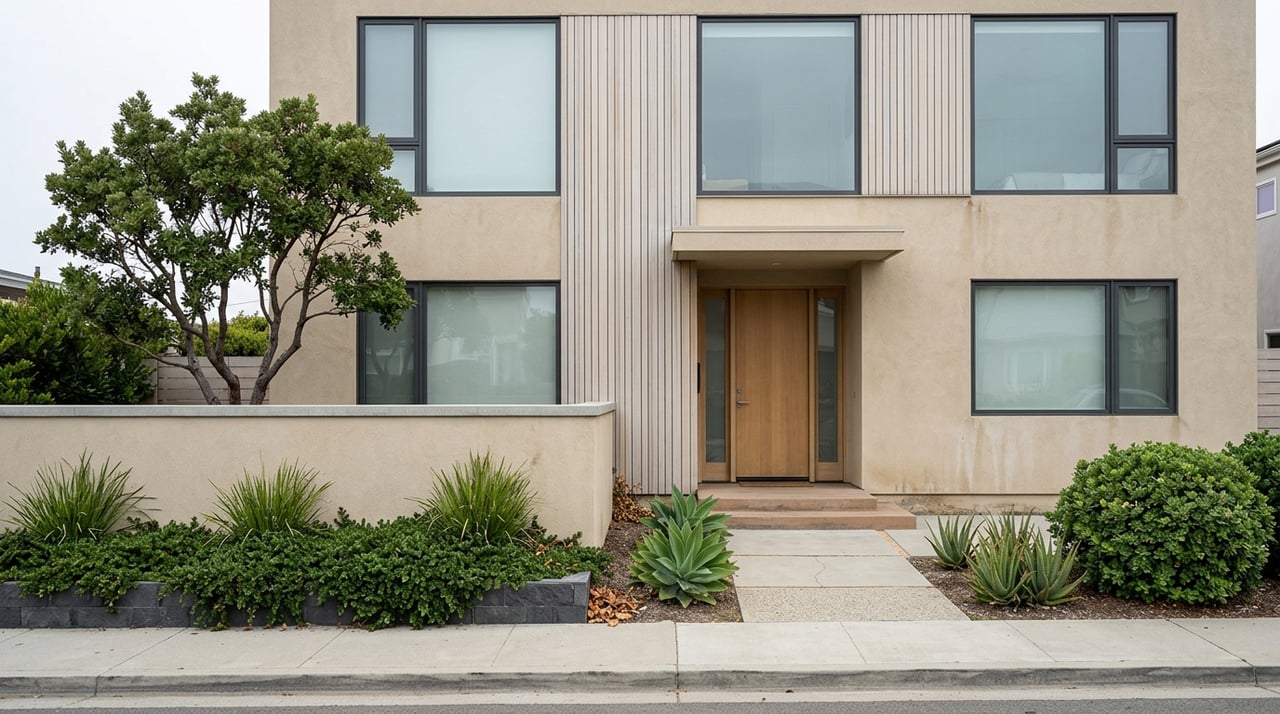
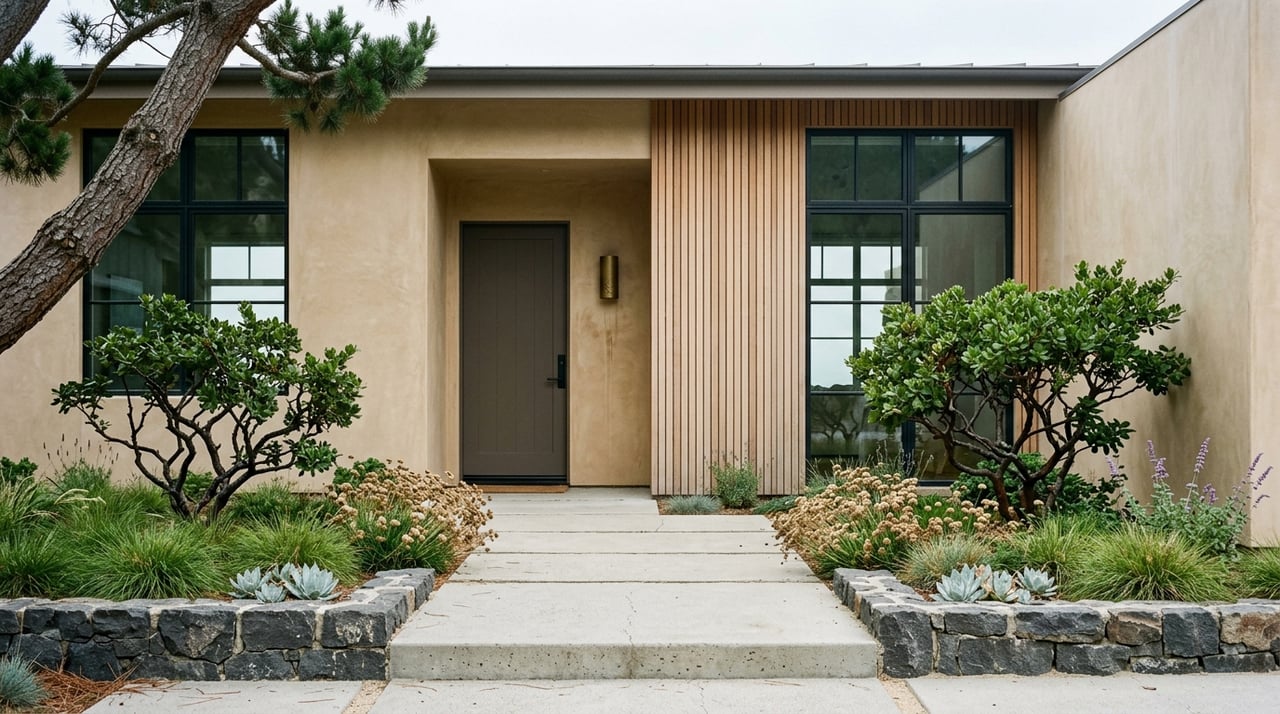
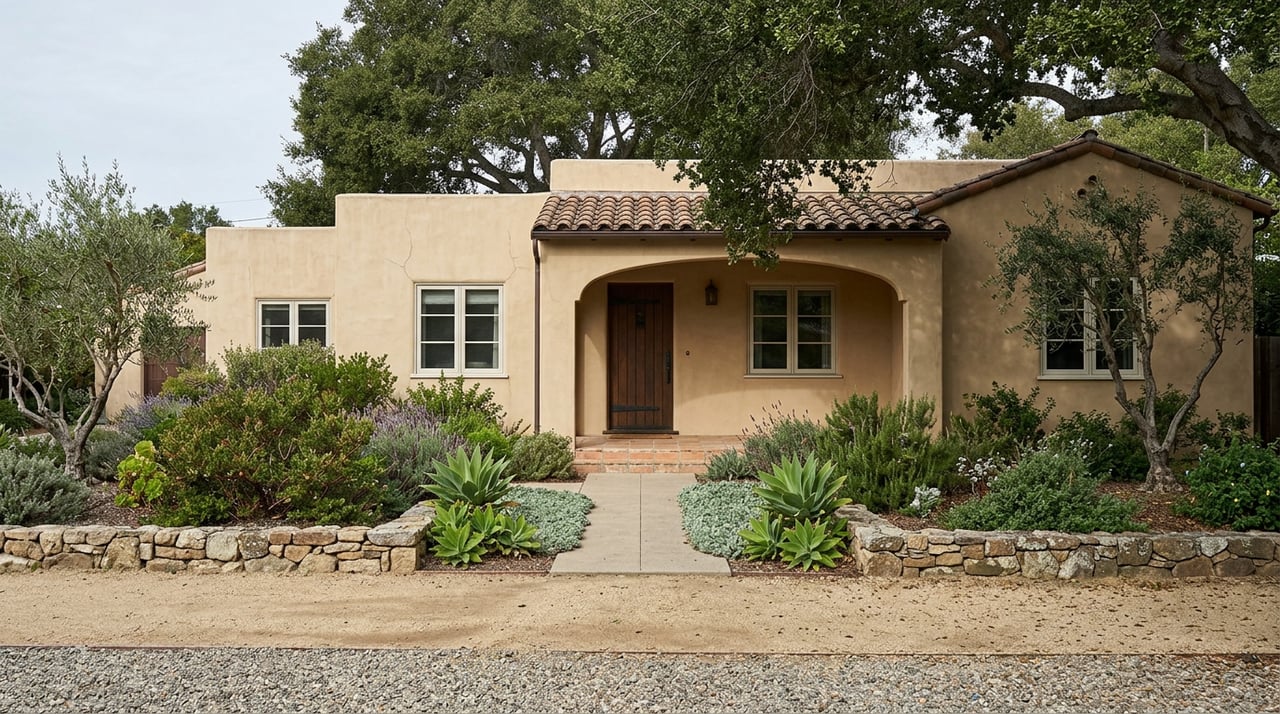
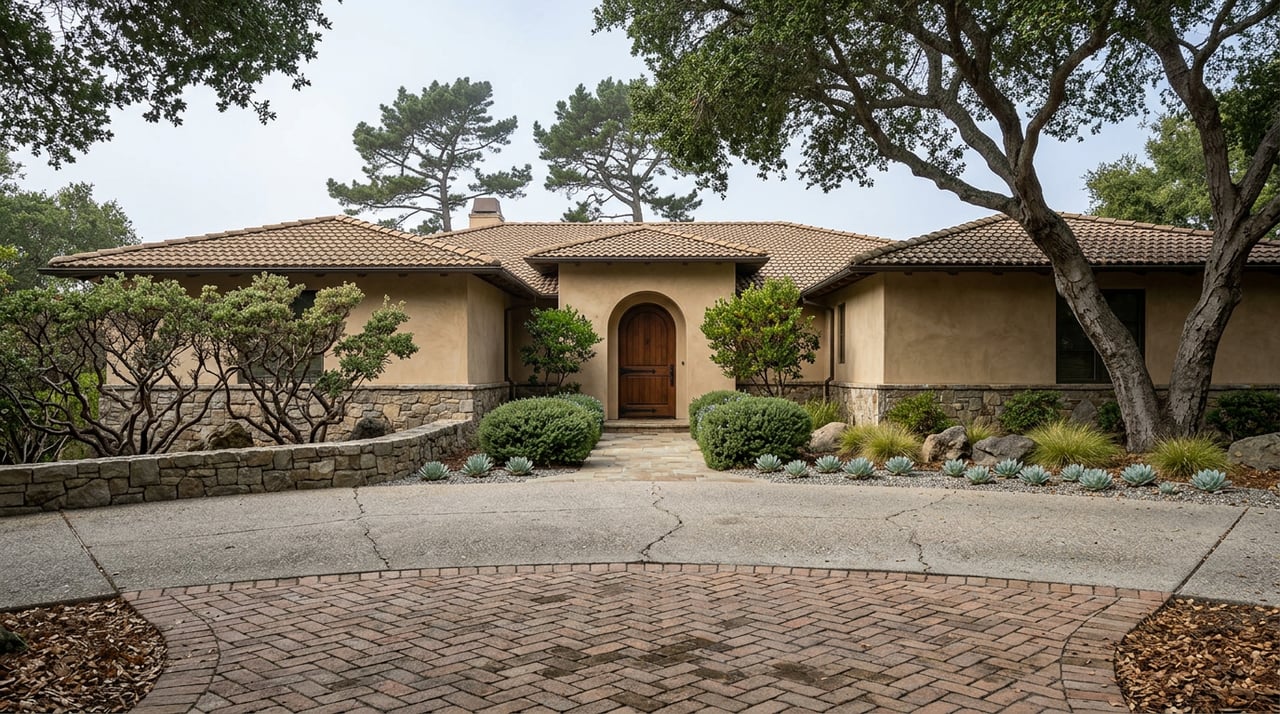
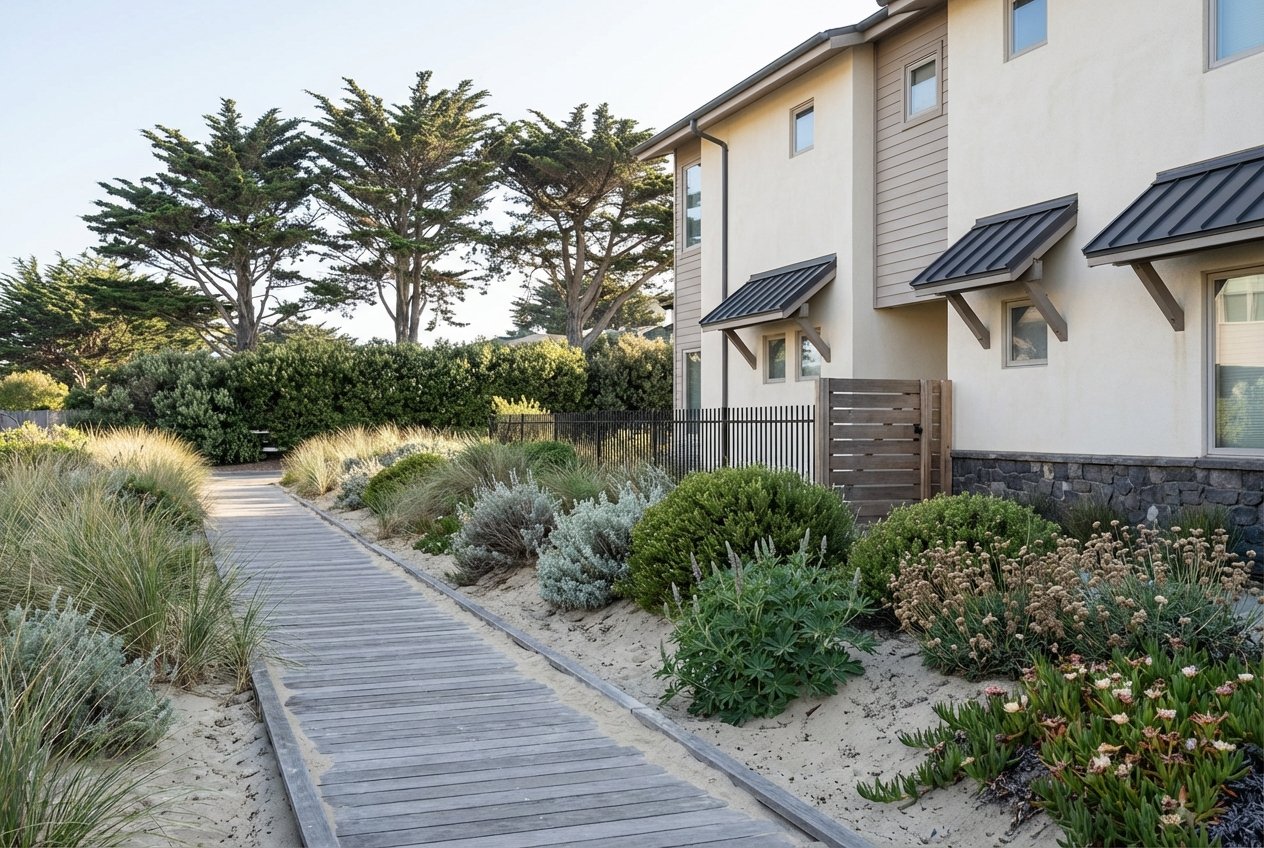
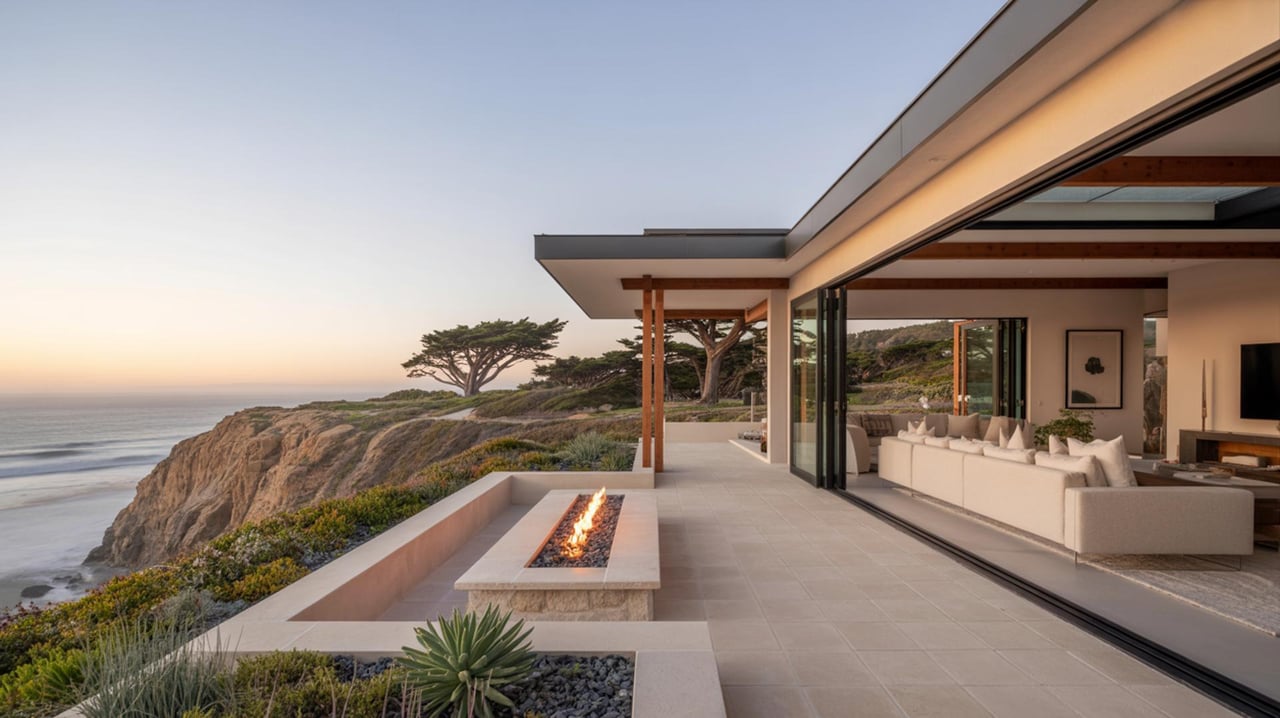
In Monterey, outdoor spaces are part of the product. Landscape clean-up, view enhancement, and modest improvements to patios, decks, and outdoor living areas align directly with what buyers are paying for: the setting. The goal is to frame the views and the environment, not compete with them through heavy ornamental planting or over-designed hardscape.
Exterior improvements consistently rank among the higher-ROI categories in national remodeling data, and in a market where outdoor living is central to the lifestyle, that holds true locally as well.
What to avoid: the over-improvement traps
William is direct about this with sellers: the projects most likely to cost more than they return are the highly personalized ones.
- Full kitchen or bath gut-renovations in an idiosyncratic style. A buyer who can spend well above the county median has opinions about their kitchen. They'll want to design it themselves.
- Complex smart-home systems that are proprietary, difficult to operate, or tied to a specific ecosystem. (If you're curious about which smart features actually hold buyer appeal, the smart home features guide for the Monterey Peninsula covers this in detail.)
- Highly themed or customized rooms, wine cellars built for a specific collection, home theaters with fixed seating, or rooms that serve one very specific use.
- Expansions or additions that push the home beyond the neighborhood's price ceiling. In Monterey, location and lot characteristics often set the ceiling, not square footage.
The smart alternative in most of these cases: update surfaces and address functional issues, price the home so a buyer can undertake major customization themselves, and let the location do its work.
Improvement CategoryTypical Buyer Impact in MontereyOver-Improvement RiskPre-listing repairs (roof, HVAC, windows)High, removes negotiating leverage, signals careLowNeutral paint and updated fixturesHigh, broad appeal, low cost relative to price pointLowLandscape and outdoor living enhancementsHigh, directly tied to Monterey coastal lifestyle appealLow to moderateFlooring refresh or replacementModerate to high, condition matters to coastal buyersLow if quality is appropriate to settingFull kitchen or bath gut-renovationVariable, depends heavily on buyer taste alignmentHigh, rarely returns full cost at resaleHighly customized or themed spacesLow to negative, narrows buyer poolVery high
Every seller's situation is different, and the right pre-sale plan depends on the home's current condition, its price point within Monterey, and the competitive landscape at the time of listing. That's exactly the kind of analysis William works through with sellers before a single improvement decision is made.
For sellers considering eco-conscious upgrades, which can resonate with certain buyers and sometimes qualify for incentives, the eco-friendly upgrades post covers what's worth considering on the Monterey Peninsula.
If you want to read what past clients say about working with William through exactly this kind of pre-sale planning process, his reviews are on Google, Zillow, and Realtor.com.
Frequently Asked Questions
What home improvements do Monterey buyers actually care about when I list my house?
Monterey buyers prioritize condition, cohesion, and setting over sheer spend. They want a home that has been well-maintained, presents cleanly with quality finishes, and doesn't require immediate remediation work, but they generally expect to customize major spaces like kitchens and primary baths to their own taste. Improvements that signal care (pre-listing repairs, fresh paint, refined landscaping, updated fixtures) resonate more broadly than highly personalized renovations that reflect the current owner's preferences.
How do I know if I'm over-improving my Monterey home before selling?
The clearest signal is when the cost of a planned improvement exceeds what comparable sales in your price tier suggest buyers are paying for that feature. According to NAR's Remodeling Impact research, many discretionary projects return less than their full cost at resale, and that gap tends to widen in markets where buyers expect to personalize. If a renovation is taste-specific, highly customized, or pushes the home's price beyond the neighborhood ceiling, it's a risk worth examining carefully with a local broker before proceeding.
Are minor cosmetic updates really enough in Monterey, or do buyers expect full remodels?
Minor updates are often exactly what the market rewards. Paint, fixtures, and landscaping typically pay off by increasing appeal without high costs, while major renovations rarely return their full cost at Monterey price levels. Buyers in this market have the resources to remodel on their own terms; what they're evaluating is condition, setting, and whether the home presents well, not whether the seller already did the renovation they would have chosen.
Should I remodel my Monterey kitchen and baths before selling, or just refresh finishes and stage?
In most cases, a targeted refresh and professional staging will serve you better than a full gut renovation. A full remodel completed shortly before listing rarely recovers its cost, particularly when the design choices are specific to the current owner's taste. Refreshing surfaces, refinishing cabinets, updating hardware, replacing countertops if they're genuinely dated, combined with strong staging that frames the architecture and views tends to be the more defensible investment. William works through this exact trade-off with sellers during the pre-listing planning process, where the right answer depends on the home's current condition and its specific position in the market.
If Monterey County prices are down year-over-year, does it still make sense to invest in upgrades before selling in Monterey?
The case for targeted improvements in Monterey remains sound, but the regional context reinforces the argument for restraint. The most recent data, covering the three months ending August 2026, shows county-wide median prices down roughly 9–10% year-over-year to around $880,000, per Redfin's Monterey County market report. Buyers are aware that prices have softened, which makes over-pricing driven by expensive recent renovations a real risk. Smart enhancements that improve condition and presentation without dramatically raising the ask are still worth making; speculative major remodels are a harder case to make in this environment.
The bottom line for Monterey sellers is straightforward: preparation creates value, but only when it's the right preparation. Targeted improvements that address condition, present the home cleanly, and respect the buyer's expectation of making their own major decisions will consistently outperform costly, personalized renovations. William has guided sellers through this planning process across hundreds of Monterey Peninsula transactions, and the conversation about what to do before listing is often where the most meaningful value is created.
To get a clear picture of what your specific home needs before it goes on the market, schedule a home valuation consultation with William. You can also review his transaction history and client feedback on Zillow.
About William Smith
William Smith is a California-licensed real estate broker and Founding Broker of the Carmel Luxury Group at Coldwell Banker Realty, serving Monterey, Carmel, Carmel-by-the-Sea, Carmel Valley, Pacific Grove, Pebble Beach, Big Sur, Seaside, Marina, Salinas, and surrounding Monterey County communities. Licensed since 1990, William brings more than 36 years of experience and approximately 1,722 completed transactions to his work with buyers and sellers. His practice is strongly seller-focused, with deep experience across luxury and coastal properties, historic homes, ranches, vineyards, and properties requiring substantial pre-sale preparation. William is particularly known for complex assignments: strategic pricing, extensive pre-sale improvements, multiple-offer situations, probate and trust sales, and remotely managed estate transactions. The Carmel Luxury Group is an award-winning Coldwell Banker Realty team utilizing Coldwell Banker Global Luxury marketing resources.
Carmel Luxury Group at Coldwell Banker Realty · (831) 626-2400
Equal Housing Opportunity. William Smith, Founding Broker, Carmel Luxury Group at Coldwell Banker Realty, licensed by the California Department of Real Estate (CA-DRE #01064866). This article is general information only and does not constitute legal, tax, or financial advice. Readers should confirm their own costs, tax obligations, and transaction details with their title company, tax advisor, or lender.