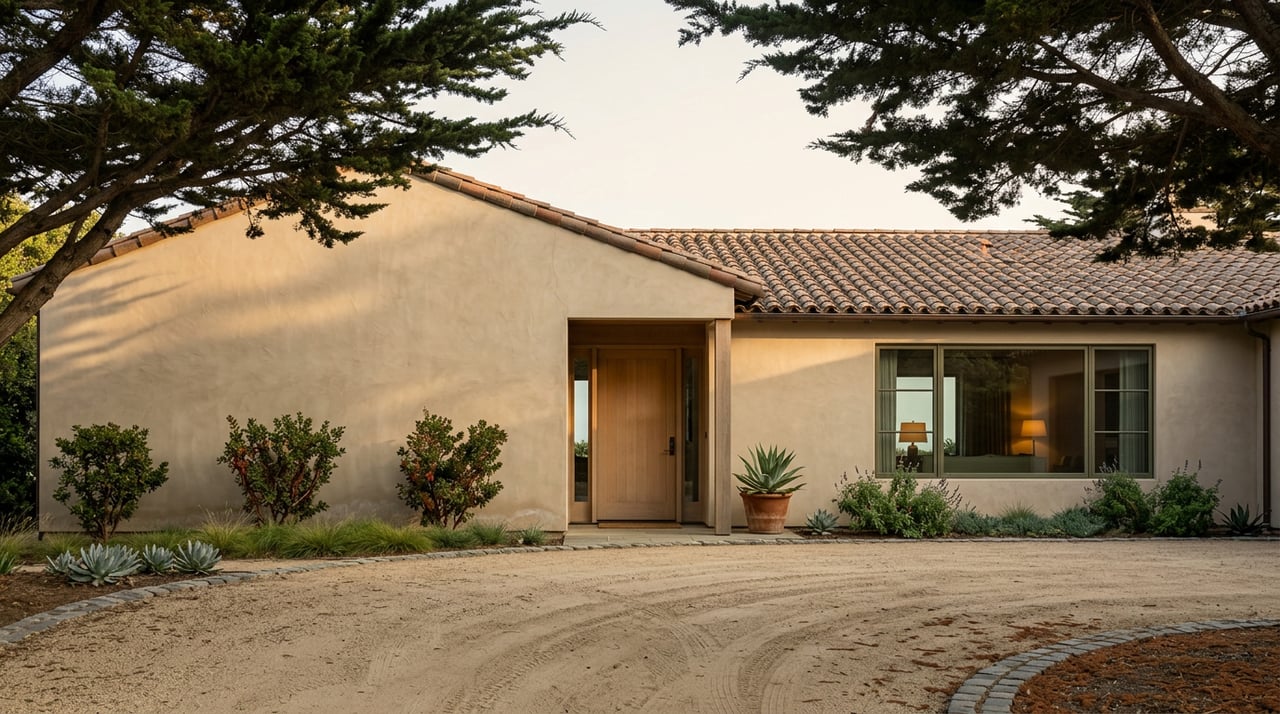
Before you hire a painter or order new windows, find out what city review applies to your house. In Pacific Grove, the order of work matters: gather records, confirm the review path, fix safety problems, then invest in reversible presentation that keeps original character intact.
How do you prepare Pacific Grove's Historic Homes for sale?
Preparing Pacific Grove's Historic Homes for sale starts with paperwork and a phone call, not a paint brush. Gather your permit and restoration records, confirm with the city what review your planned exterior work triggers, repair anything unsafe, and then invest in presentation that is reversible and keeps original features visible. Done in that order, you protect what buyers of older homes value most and avoid costly mistakes before the first showing.
Key Takeaways
- Exterior work that changes historically significant features, such as painting, window replacement, porch work, siding, additions, or demolition, may require consultation with the city and potentially review under Title 23, Chapter 23.76 of the Pacific Grove Municipal Code.
- The city's preservation framework states that its ordinance is intended to control demolition of historic structures where feasible, so removal of original fabric is the riskiest move a seller can make.
- Original windows, doors, trim, porch details, built-ins, and hardware are often a selling point in a historic home, not an obstacle to be modernized away.
- Urgent safety repairs (roof, drainage, moisture, electrical, plumbing, structure, stairs, heating) should be separated from cosmetic updates and addressed first.
- A documented file of permits, invoices, photographs, and original features gives buyers context and reduces the uncertainty that older homes can carry.
What should you confirm with the city before touching a historic home's exterior?
Confirm the review path with Pacific Grove Community Development before you contract for any visible exterior change. The process that applies depends on the property's status and on the work you propose, so a quick conversation up front is far cheaper than redoing work later.
The city's own preservation framework is direct about its purpose. It identifies the preservation and adaptive reuse of historic buildings as a way to rehabilitate existing housing and protect the community's housing supply, and it states that the ordinance is intended to control demolition of historic structures where feasible. You can read that language in the city's Municipal Code sections prepared for the Historic Resources Committee. Sellers sometimes assume a quick refresh is harmless. In a town with this much preservation emphasis, that assumption deserves a check.
Which projects deserve a call first?
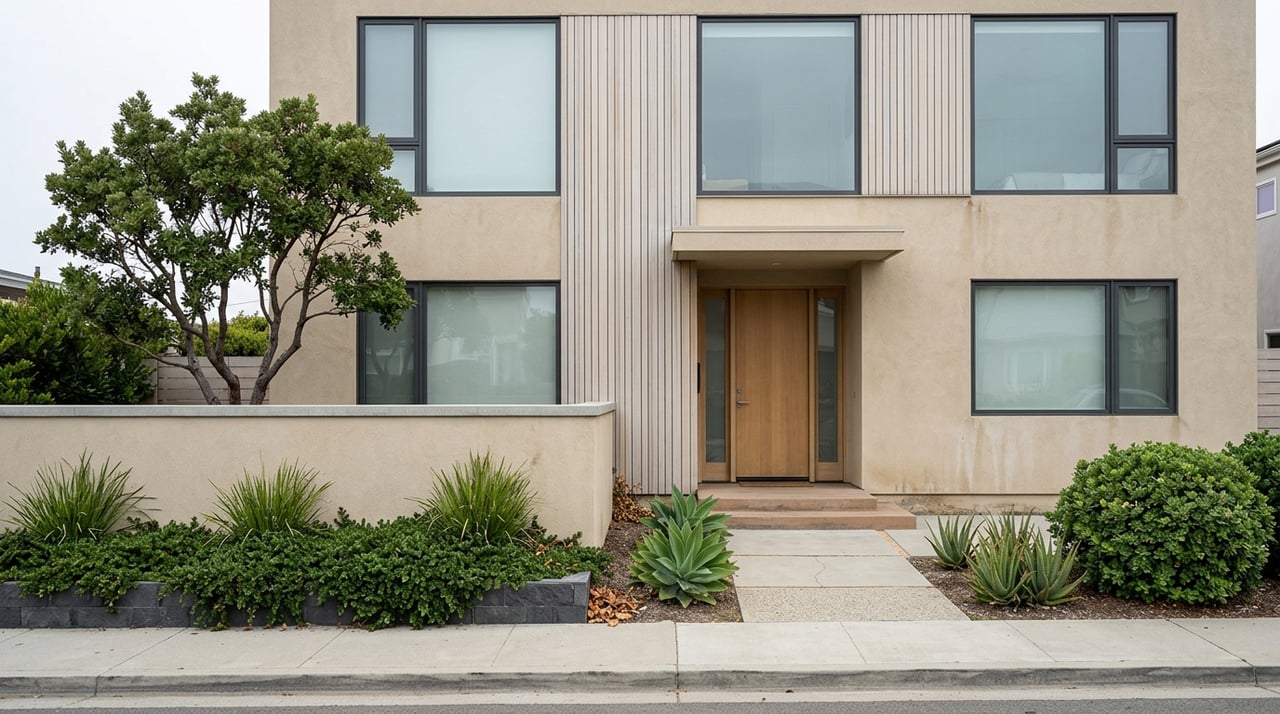
Anything that changes the look of the street-facing house. Exterior work affecting historically significant features may require consultation with the city and potentially review under Title 23, Chapter 23.76. That includes the projects sellers most often consider right before listing:
- Painting and exterior color changes
- Window replacement, especially divided-light or original wood windows
- Porch work, including railings, columns, and steps
- Siding, roofing, and exterior trim changes
- Additions or demolition of any portion of the structure
This is exactly the kind of sequencing question William walks clients through before a home is ever photographed. Your timeline, your property's status, and your planned scope all affect the answer.
How should you sort your preparation list?
Type of work | Typical examples | Approach before listing |
|---|---|---|
Presentation, reversible | Deep cleaning, landscape maintenance, lighting, decluttering, staging | Lowest risk to original material; do these first |
Safety and function | Roof leaks, drainage, moisture, electrical hazards, plumbing failures, unsafe stairs or decks, heating | Investigate and repair before listing, using specialists familiar with older construction |
Visible exterior alterations | Paint, windows, porch, siding, trim, additions, demolition | Confirm the review path with Community Development before contracting |
Cosmetic modernization | Replacing original hardware, trim, built-ins, or finishes to feel "updated" | Weigh carefully; character you remove is hard to bring back |
How do you make a historic home show well without erasing its character?
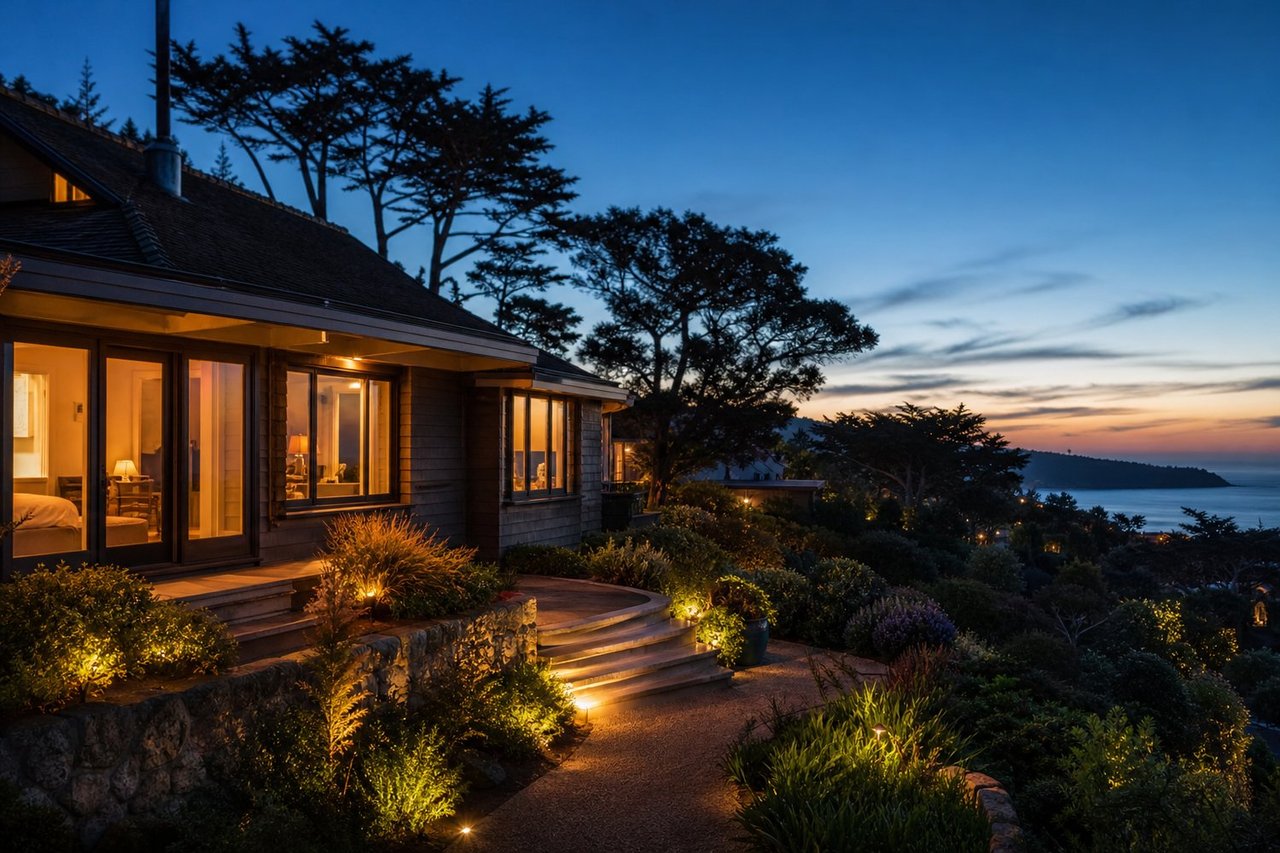
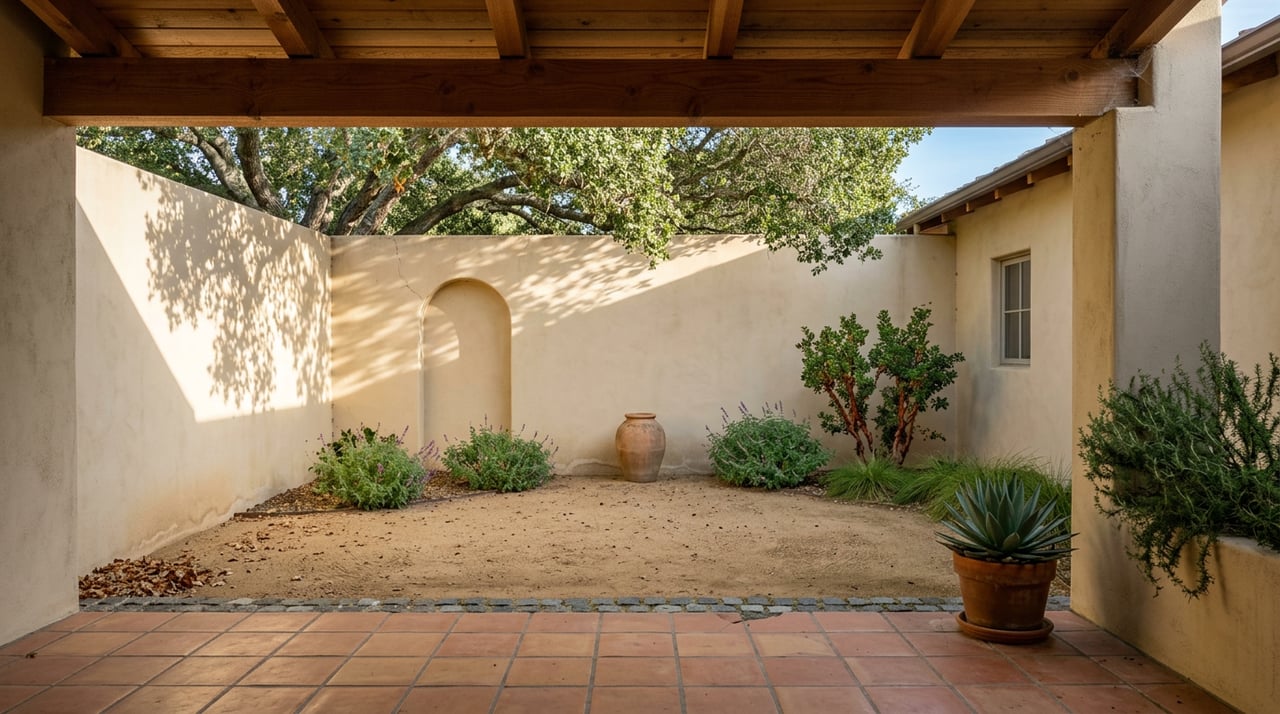
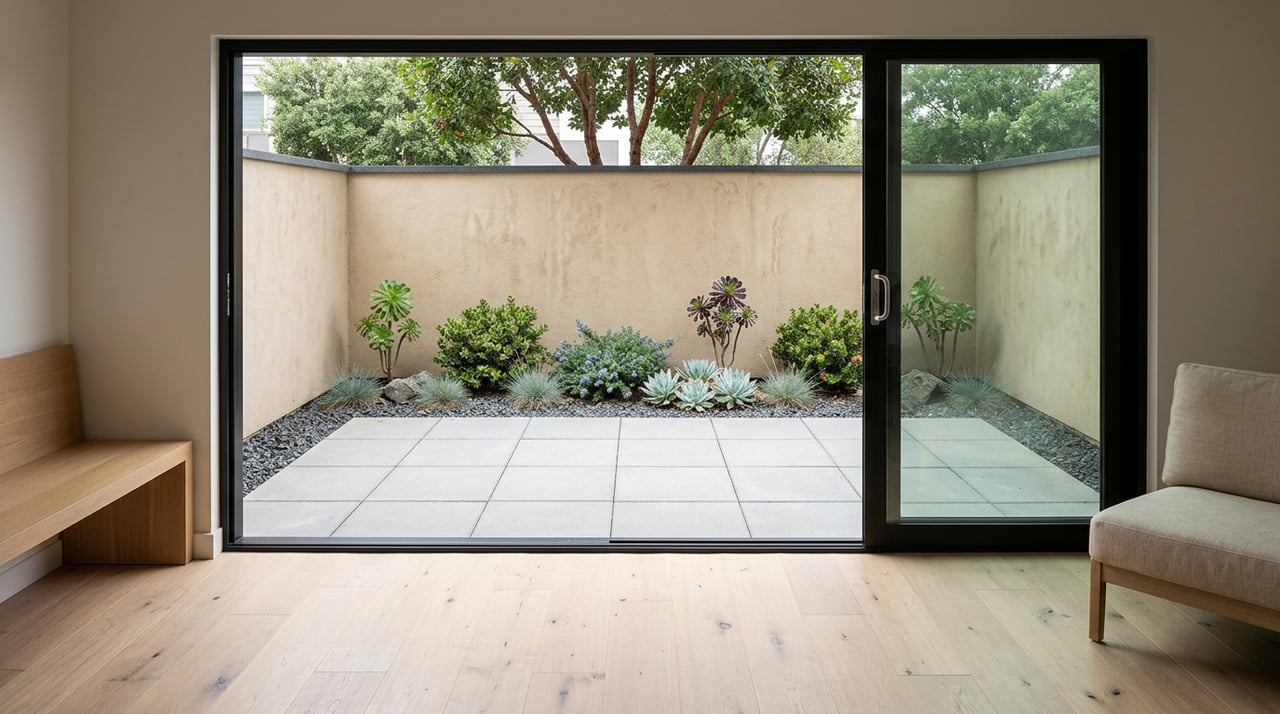
Lean on cleaning, light, landscape, repair, and careful staging, and leave original materials in place. These improvements change how the house feels without replacing anything a buyer of a historic home is hoping to find intact.
Why do reversible improvements work best?
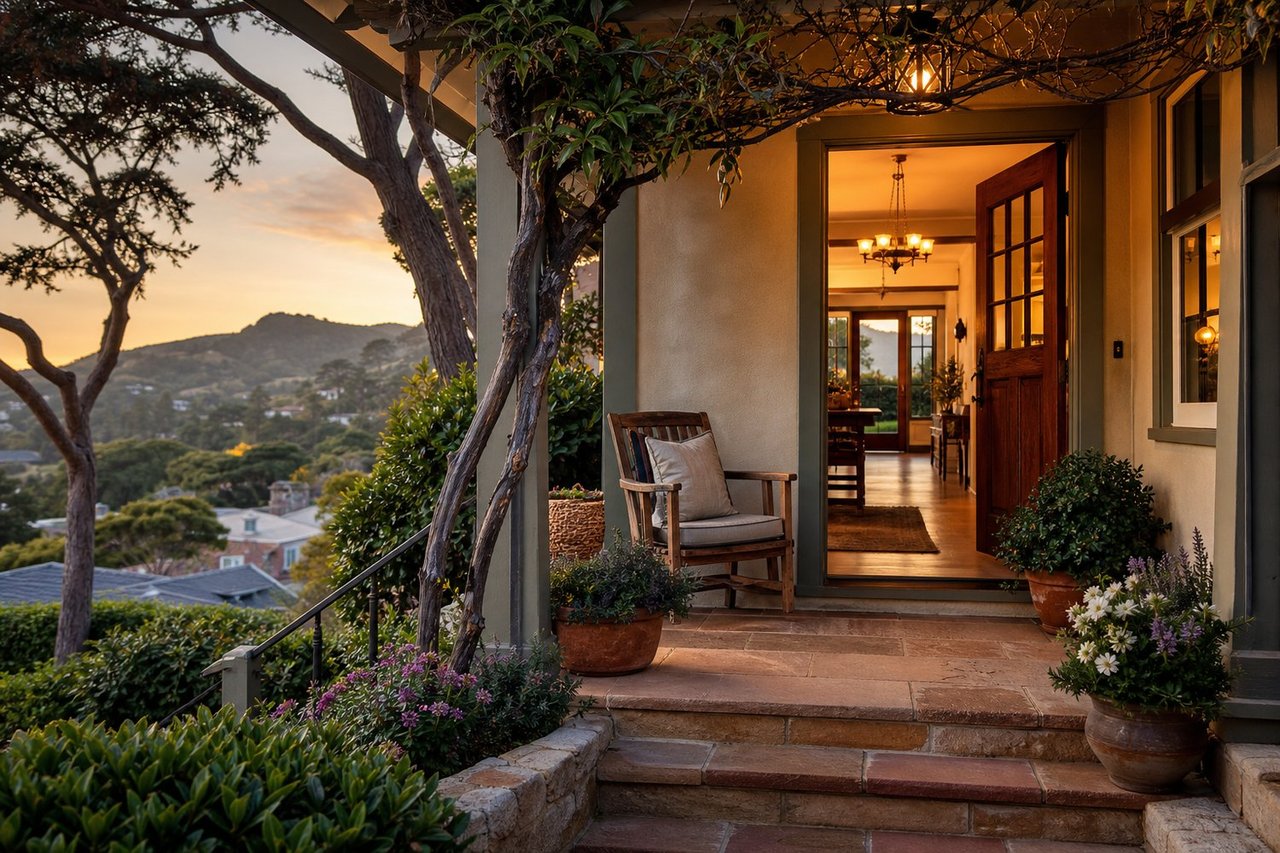
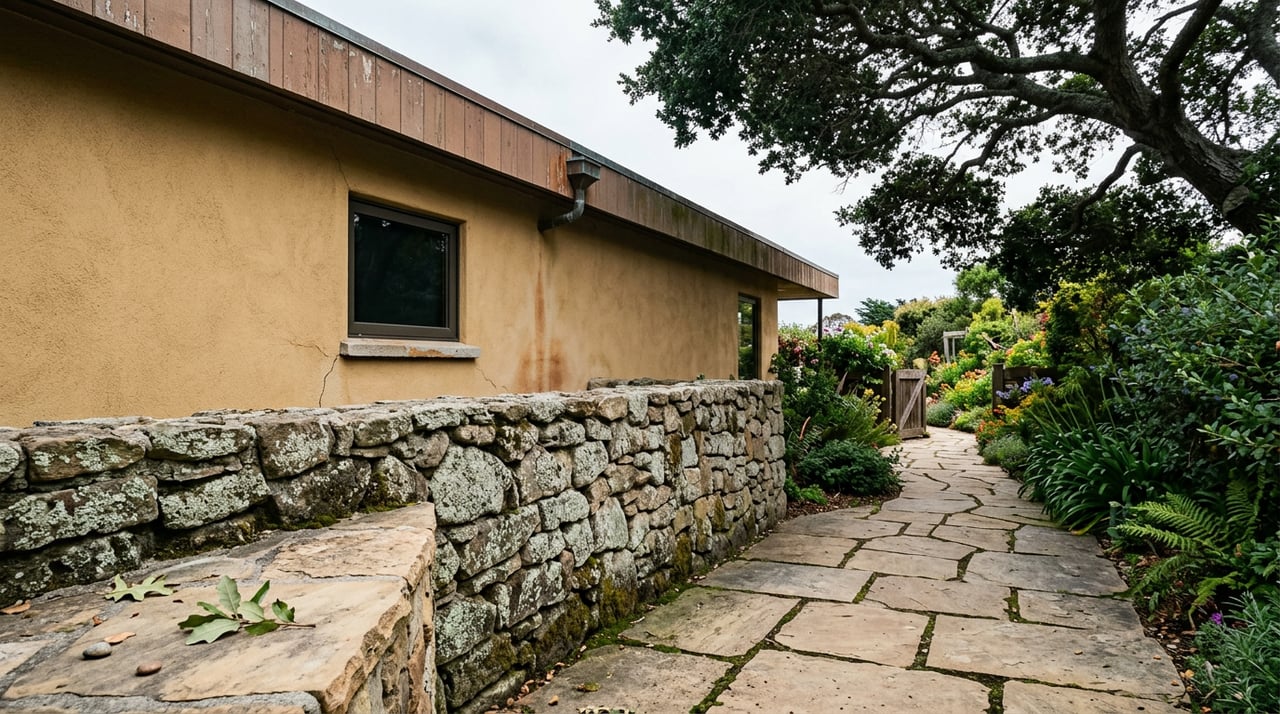
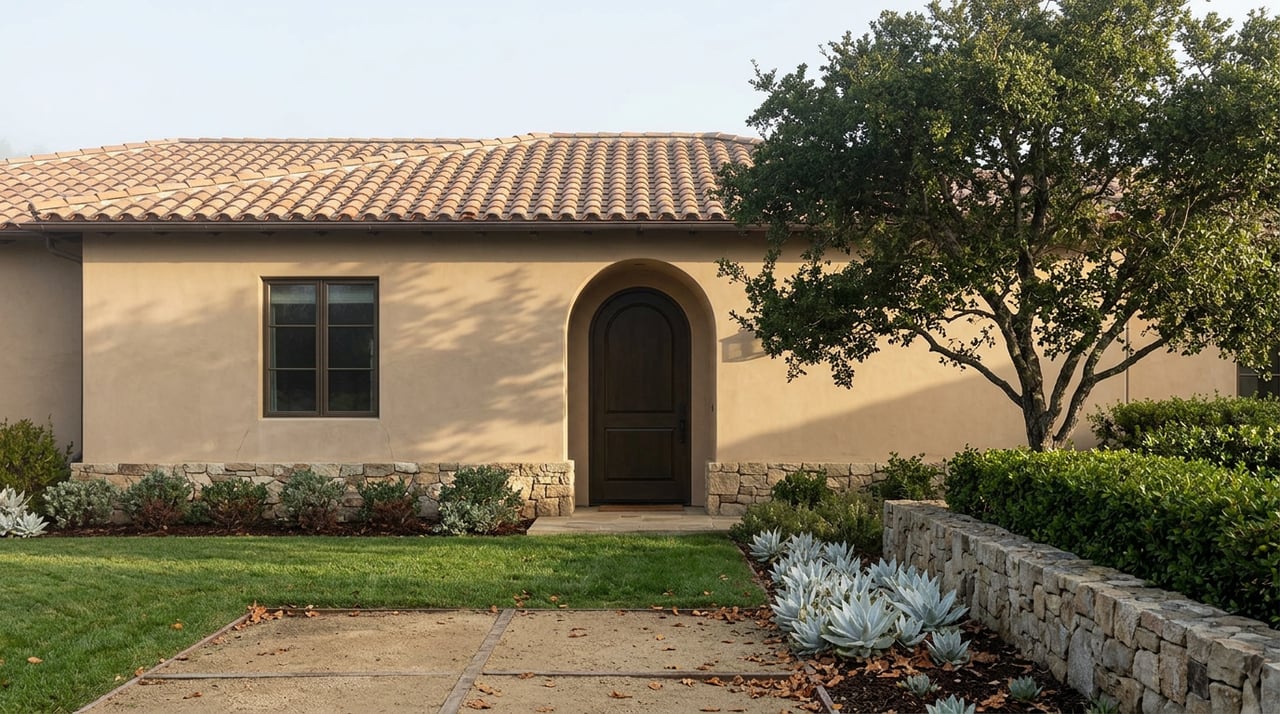
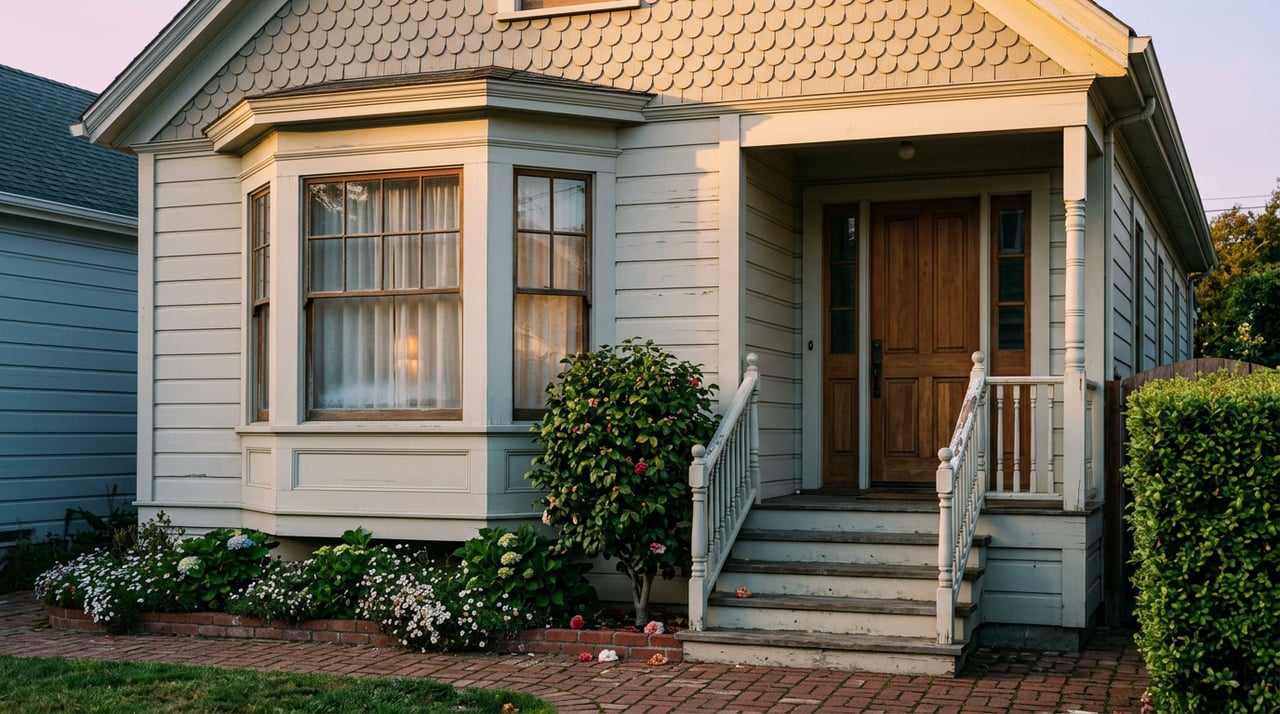
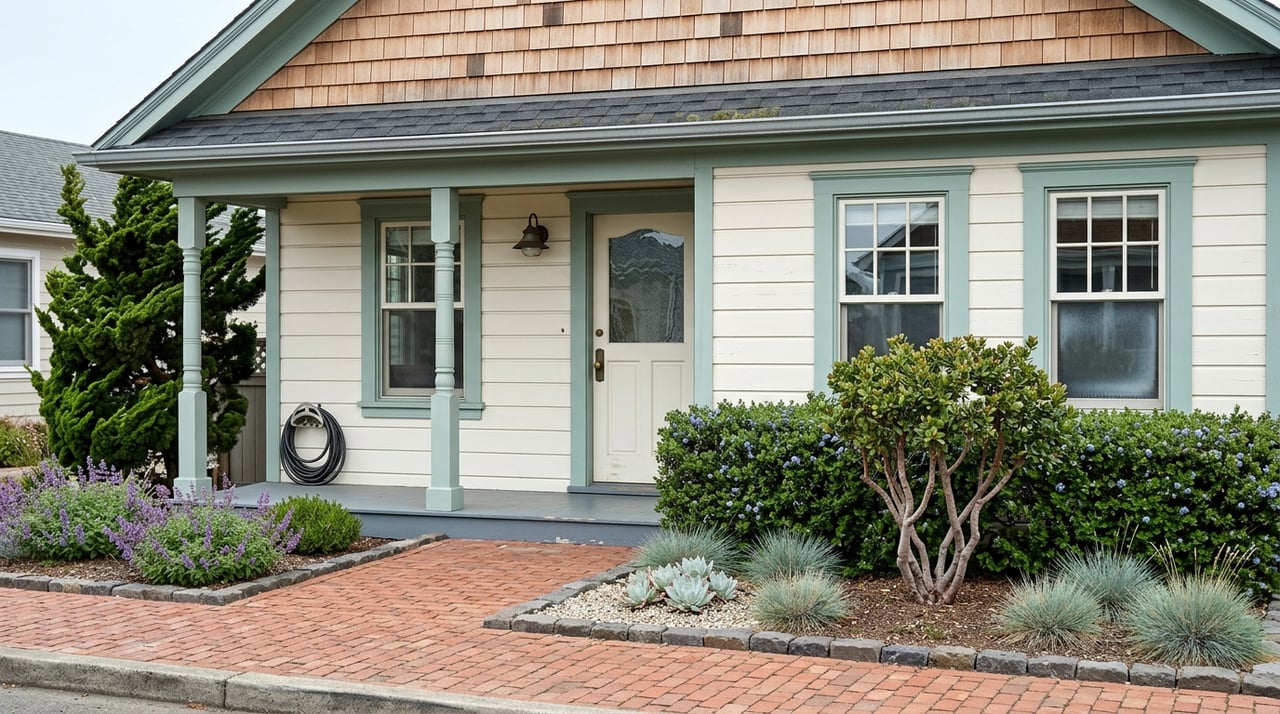
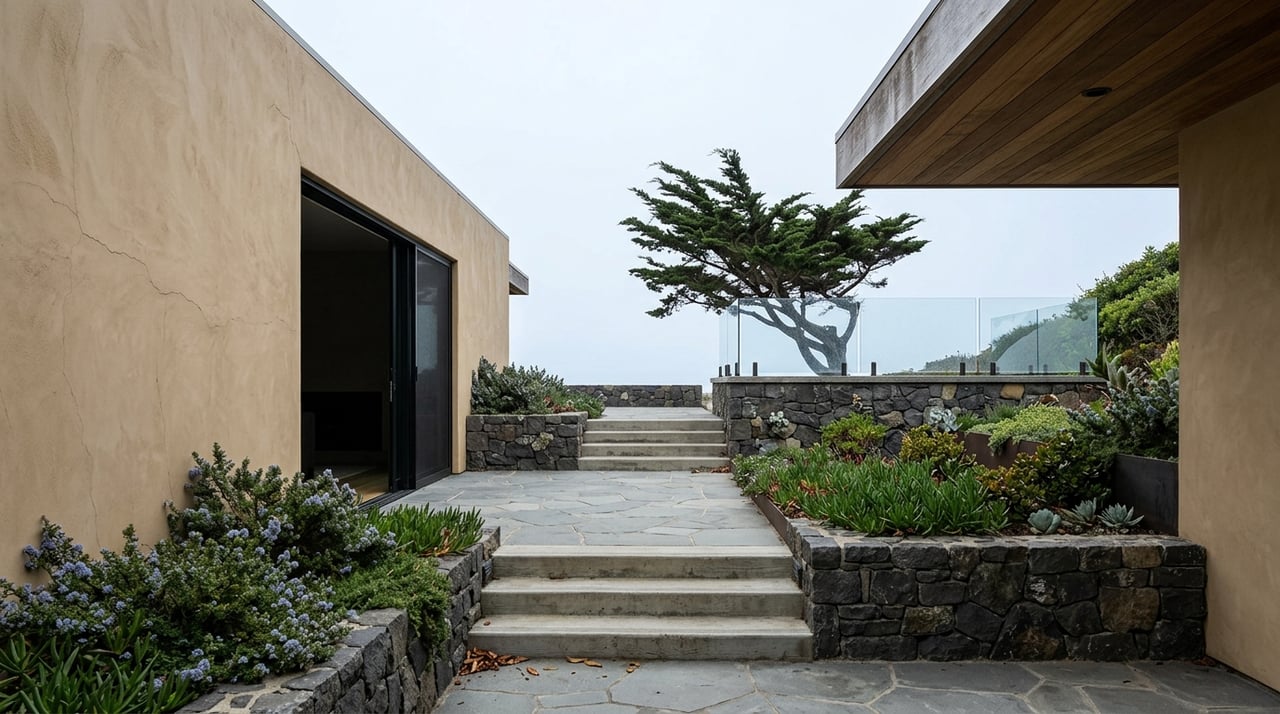
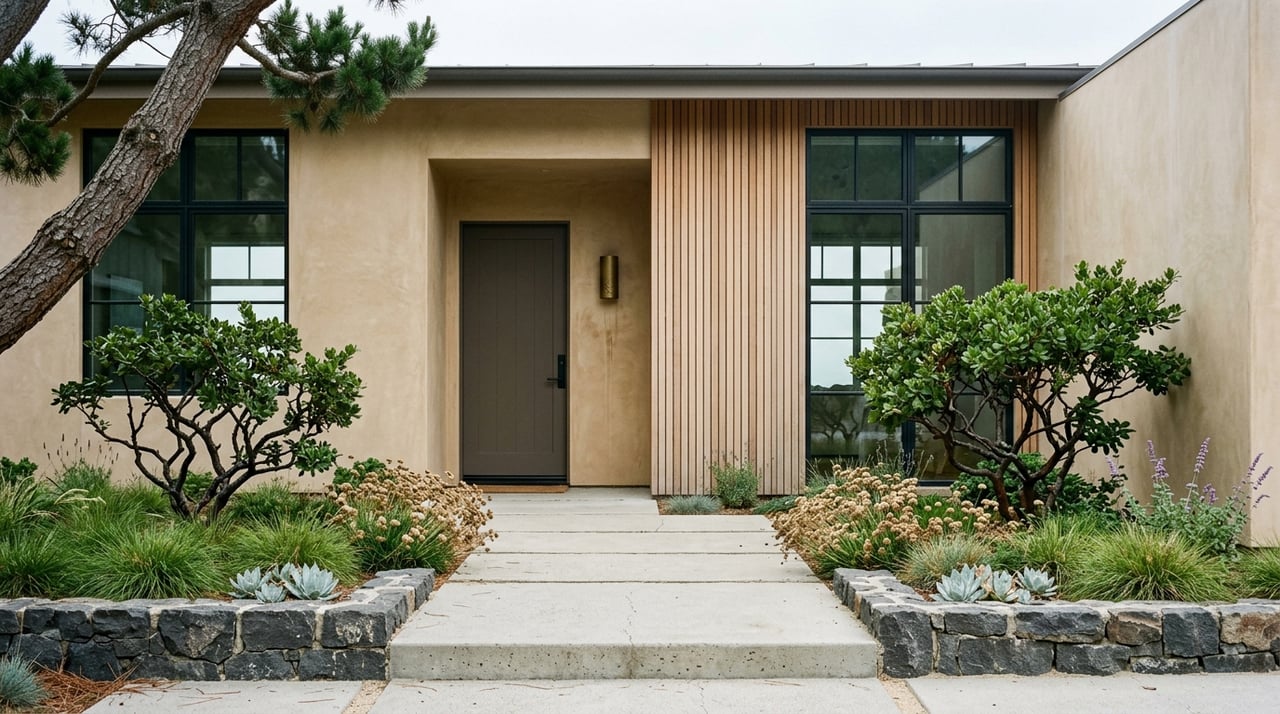
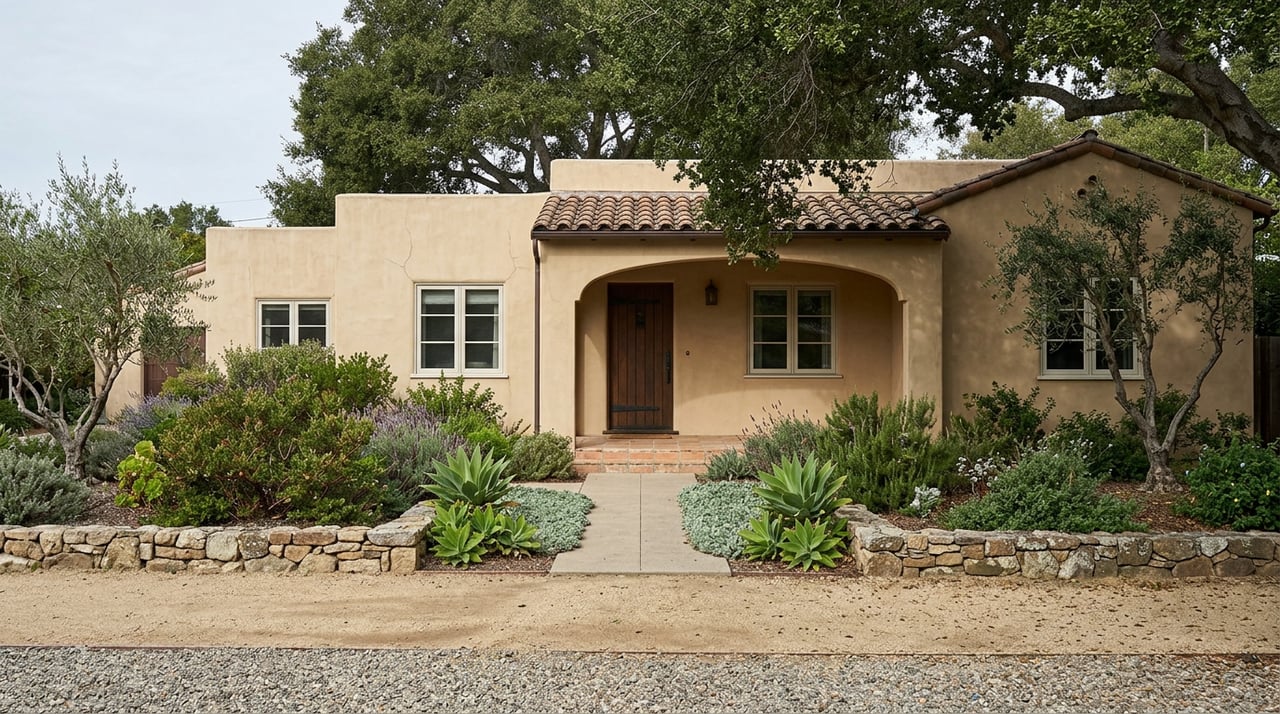
Buyers drawn to Pacific Grove's Historic Homes are usually looking for authenticity: wood siding, plaster walls, divided-light windows, porch details, built-ins, original hardware, and the proportions of the house itself. Retaining those features is frequently a marketable advantage. Cleaning, lighting, landscape maintenance, repair of visibly damaged elements, and thoughtful furniture placement lift the presentation while keeping options open for the next owner.
William's view is that the sale of a property begins well before it goes on the market. A house that has been thoughtfully readied tends to spend its listing period attracting offers instead of collecting explanations. For a historic property, that readiness means a clean, well-lit, honestly presented house, not a stripped and over-modernized one. For related ideas on presentation, see the approach William takes in luxury home staging that attracts serious buyers.
How do you separate safety repairs from cosmetic updates?
Treat them as two different lists. Before listing, investigate roof leakage, drainage, moisture intrusion, electrical hazards, plumbing failures, structural movement, unsafe decks or stairs, and heating-system problems. These are the items that surface in a buyer's inspection and shape their willingness to pay.
Cosmetic changes belong on a separate list and deserve more scrutiny. The risk in a historic home is making it feel "updated" at the cost of the very features that set it apart. If an item can be repaired instead of replaced, repair usually keeps more value in the house.
Who should do the work?
Use specialists who understand older construction. Wood siding, plaster, divided-light windows, masonry details, and older foundations call for different repair techniques than modern building. A preservation-minded architect, contractor, window specialist, or building inspector can often identify repair options that retain original material. William has helped assemble teams of specialists for historic-property and major pre-sale improvement projects, and the right team usually saves more time than it costs.
What records should you gather?
Build a preparation file before work begins. A strong one includes:
- Historic photographs, when available
- Permit records and plans
- Contractor invoices and restoration documentation
- Records of appliance and system replacements
- A room-by-room list of original or restored features
That file helps distinguish historic fabric from later alterations and gives buyers a clear picture of what maintenance and future work may involve. It also supports the questions covered in William's guide to what buyers should expect when purchasing a historic home in Pacific Grove, because it answers those questions before they are asked.
Should you restore Pacific Grove's Historic Homes before listing or sell as-is?
It depends on what the work is. Safety and function items are usually worth resolving or at least fully understanding before you list, while large restoration or modernization projects are a case-by-case decision that should follow a conversation about review requirements, timing, and what buyers in this market respond to.
How do buyers evaluate deferred maintenance in older homes?
They look for patterns. A visible roof issue, signs of moisture, outdated electrical, or an aging heating system raises questions about what else the house is hiding. Buyers of historic homes generally expect some age-related wear, but they want it identified and understood. A seller who can show records, repairs by qualified specialists, and a clear list of what has and has not been addressed gives buyers confidence to focus on the house's character.
Does historic status raise or lower value?
There is no single answer, and anyone who gives you one without reviewing your property is guessing. Some buyers see preservation oversight as protection for the character of the street and the house. Others weigh it as a limit on what they can change. What matters for pricing is your home's specific status, condition, documentation, and how well it is presented. A local market analysis is where that gets sorted out. William's guide to historic home rules in Pacific Grove explains how buyers think about those rules, which is useful context for any seller.
Is it better to finish projects or sell as-is?
Unfinished work is often harder to sell than either a finished project or a clearly disclosed as-is condition. If you are partway through a project that affects the exterior, confirm where it stands with the city before listing. If you plan to sell as-is, strategic pricing and honest, well-organized documentation matter even more. This is the type of decision William has worked through on probate and trust properties, and on remotely managed estate sales where the owner is not local, and a plan made early keeps the process calm.
Your decision comes down to your property, your timeline, and your goals. The most dependable way to decide is to walk the house with someone who has sold historic and architecturally significant properties across Monterey County and who can coordinate the specialists you may need.
You can read what past clients say about working with William on Google, Zillow, and Realtor.com.
FAQ
Can I remodel or repaint a historic home in Pacific Grove before listing it?
You may be able to, but confirm the process first. Painting and other visible exterior changes can involve consultation with the city and potentially review under Title 23, Chapter 23.76, depending on the property's status and the work proposed. Contact Pacific Grove Community Development before you hire a contractor.
Do I need city approval before replacing windows, siding, roofing, or exterior trim?
Possibly, since these are the kinds of visible changes the city's preservation framework is concerned with. The exact review path depends on your property and the scope of work. Verify with Community Development before ordering materials or signing a contract.
How can I preserve original features while making a historic home more appealing to buyers?
Repair instead of replace, and put your effort into presentation. Cleaning, lighting, landscape maintenance, repair of visibly damaged elements, and careful staging help a home show well, while original windows, doors, trim, porch details, built-ins, and hardware stay in place as selling points.
How do buyers evaluate deferred maintenance in Pacific Grove's older homes?
They read it as a signal about the whole house. Roof, drainage, moisture, electrical, plumbing, structural, and heating issues get the closest attention. Records of repairs by qualified specialists and a clear account of what remains to be done help buyers weigh the house on its merits.
What records should I gather about past alterations, permits, and restoration work?
Collect historic photographs, permit records, plans, contractor invoices, restoration documentation, and system or appliance replacement records. Add a room-by-room list of original or restored features. This file clarifies what is historic fabric and what was added later, which gives buyers useful context.
Ready to plan your sale?
The core lesson is simple: document first, confirm the review path, fix what is unsafe, and present what is original. William brings more than 36 years of experience with historic, architecturally significant, and pre-sale improvement projects to that process. Schedule a consultation for a Home Valuation and William will walk your home with you, identify what to do and what to leave alone, and build a preparation plan around your timeline.
About William Smith
Licensed as a Real Estate Broker since 1990, William Smith brings more than 36 years of experience and more than 1,700 completed transactions to his work with buyers and sellers, with roughly 70% of his practice representing homeowners and property owners. His experience spans entry-level through ultra-luxury homes, coastal and historic properties, ranches, horse properties, and vineyards, with particular strength in complex pre-sale improvements, strategic pricing, probate and trust sales, and remotely managed estate sales. His team has been with Coldwell Banker Realty since 2006, and his Zillow profile carries more than 50 five-star reviews. William Smith as Founding Broker, Nancy Nino as Team Leader, and their Sales, Marketing, & Admin Team comprise the award-winning Carmel Luxury Group, a team with decades of real estate and escrow experience, proven pricing strategies, and robust negotiation skills.
Carmel Luxury Group at Coldwell Banker Realty · (831) 626-2400
Equal Housing Opportunity. William Smith, is the Founding Broker, Carmel Luxury Group at Coldwell Banker Realty, CA-DRE #01064866 and Nancy Nino, is the Team Leader, Carmel Luxury Group at Coldwell Ranker Realty, CA-DRE #02168301. Affiliated real estate agents are independent contractor sales associates, not employees. This article is general information, not legal, tax, or financial advice; confirm your own numbers and requirements with your title company, tax advisor, lender, or the City of Pacific Grove.