How did Monterey's founding shape Carmel and the Monterey Peninsula?
Monterey's 1770 founding put the presidio and the seat of government on the harbor, and the mission's 1771 move to Carmel gave the two places different roles from the start. That split, along with Monterey's later role as California's capital, helps explain why the Monterey Peninsula still has distinct communities, each with its own character. It's context for how the area developed, not a guide to what you can build or permit on a property today.
Key Takeaways
- Monterey was founded on June 3, 1770, when an expedition led by Gaspar de Portolá and accompanied by Junípero Serra established the Royal Presidio of Monterey and Mission San Carlos de Borromeo, according to the City of Monterey.
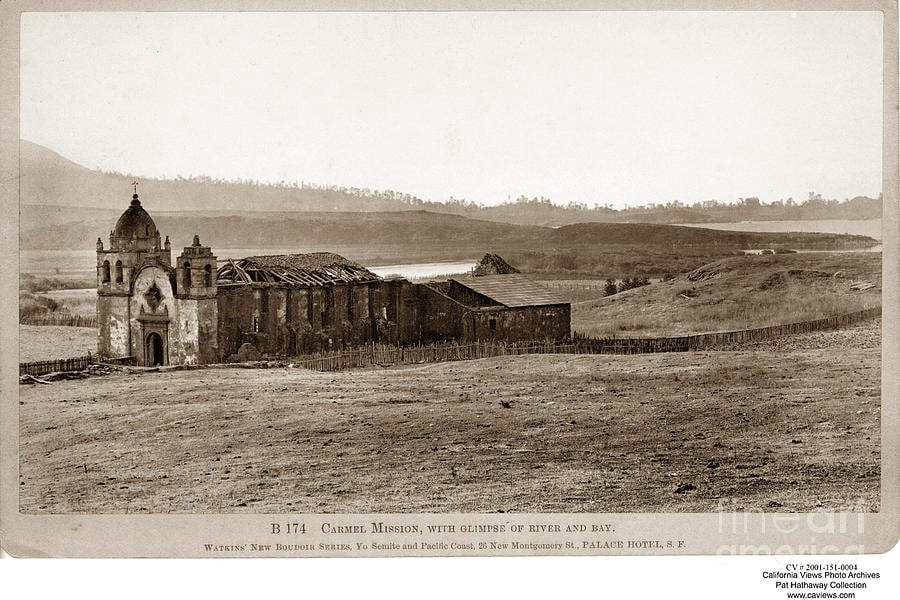
- Mission San Carlos de Borromeo moved from Monterey to Carmel in 1771, while the presidio stayed in Monterey as the seat of government.
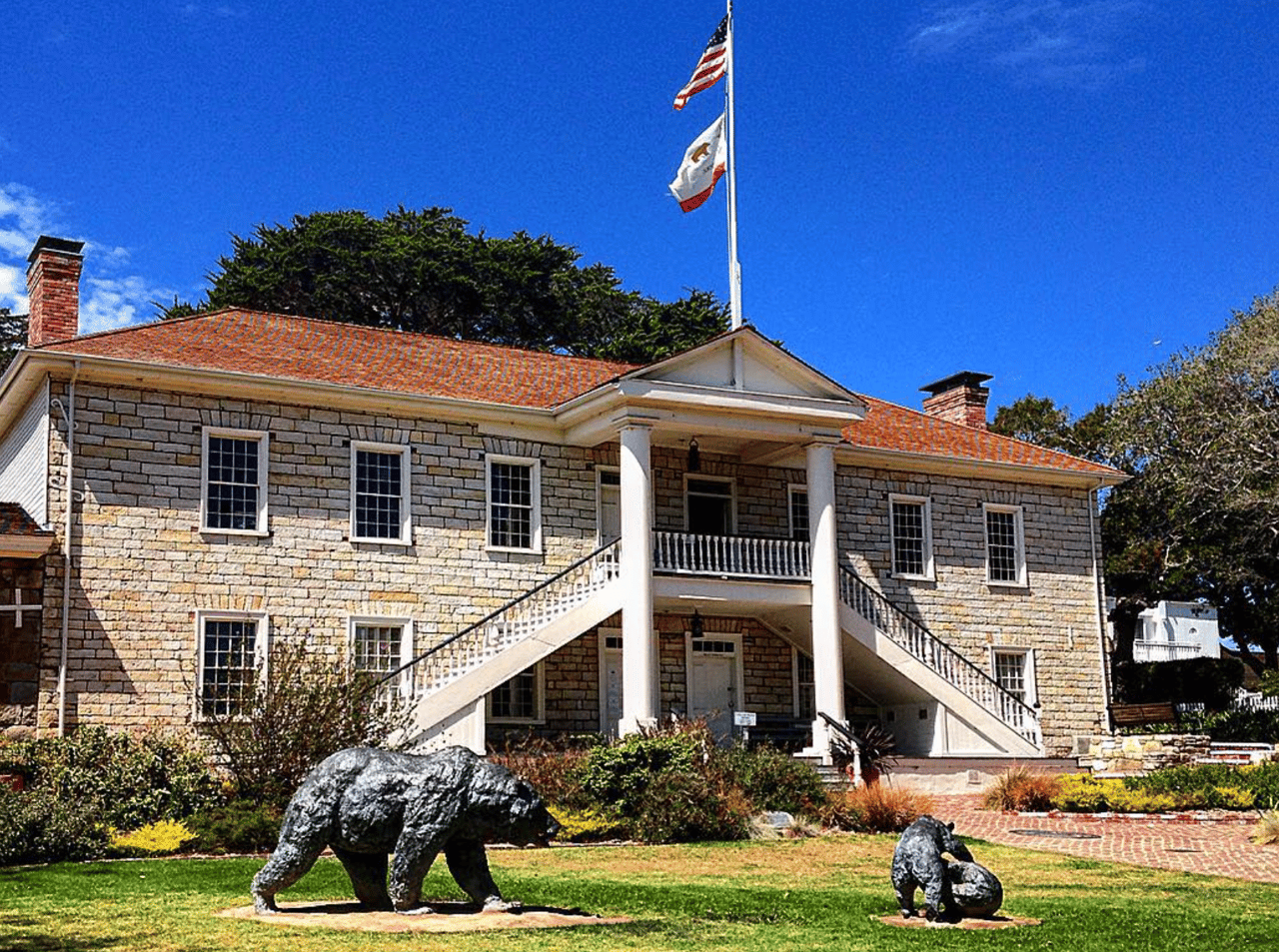
- Monterey hosted California's first Constitutional Convention at Colton Hall in 1849 and was incorporated on May 30, 1850.
- Carmel Valley belongs to the region's broader history, but the historical record does not show that its modern land-use patterns descend directly from the 1770 presidio or the 1771 mission move.
- Zoning, permitting, and property rights on the Monterey Peninsula come from current local rules, so confirm them for your specific property before you buy, sell, or build.
What did Monterey's 1770 founding and the 1771 mission move set in motion?
They created two anchors on the same stretch of coast with different jobs: Monterey kept the presidio and government, and Carmel became tied to the mission and its setting. That division is the clearest documented link between Monterey's founding and Carmel's early development.
Why did the mission leave Monterey for Carmel?
The City of Monterey identifies Carmel's more favorable agricultural and political environment as the reason for the 1771 move. The City of Monterey's own history is plain on this point: the mission relocated, and the presidio did not.
That is a historical fact. What it means for each community's identity is an interpretation, and it's a reasonable one. Monterey retained the presidio and its governmental functions, while Carmel became associated with the mission and the landscape around it.
Why did Monterey stay the region's center of government?
Monterey kept the presidio, and it served as California's capital through the Spanish and Mexican periods, as outlined in the city's harbor and marina history. That administrative role made it the peninsula's early political center.
The pattern continued into the statehood era. Monterey hosted California's first Constitutional Convention at Colton Hall in 1849 and was incorporated on May 30, 1850, shortly before California entered the Union, per the City of Monterey.
Date | Documented event | What it helps explain |
|---|---|---|
June 3, 1770 | Royal Presidio of Monterey and Mission San Carlos de Borromeo established | Monterey as the governmental and military anchor on the harbor |
1771 | Mission relocated from Monterey to Carmel | Carmel's association with the mission and its setting |
Spanish and Mexican periods | Monterey serves as California's capital | Monterey's early political and administrative role |
1849 | First Constitutional Convention held at Colton Hall | Monterey's statewide governmental importance |
May 30, 1850 | Monterey incorporated | The start of formal local government in the city |
How do Monterey, Carmel, and Carmel Valley fit together on the Monterey Peninsula?
The Monterey Peninsula is a regional term covering several coastal communities, while Carmel Valley is a separate inland valley area within Monterey County. The historical sources treat them as part of one connected regional story.
The City of Monterey's California History Room, for example, describes its collections as covering the region from Moss Landing to Big Sur and Carmel Valley, which reflects how interconnected the area's historical development was.
Here's the line William draws for clients. Shared regional history is well documented. A direct line from the 1770 presidio or the 1771 mission relocation to every modern Carmel Valley land-use pattern is not. If someone tells you a property's character or limits trace back to the founding, ask what document says so.
Which parts of the coastal character come from history, and which from the landscape?
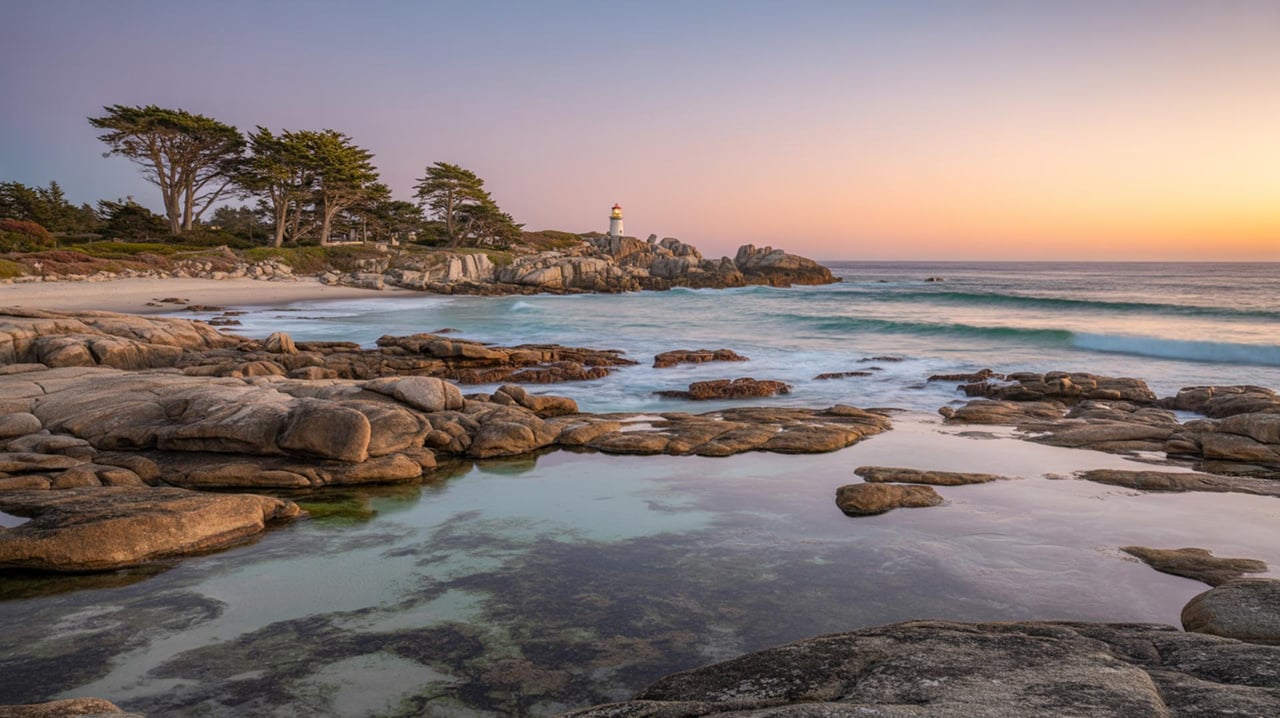
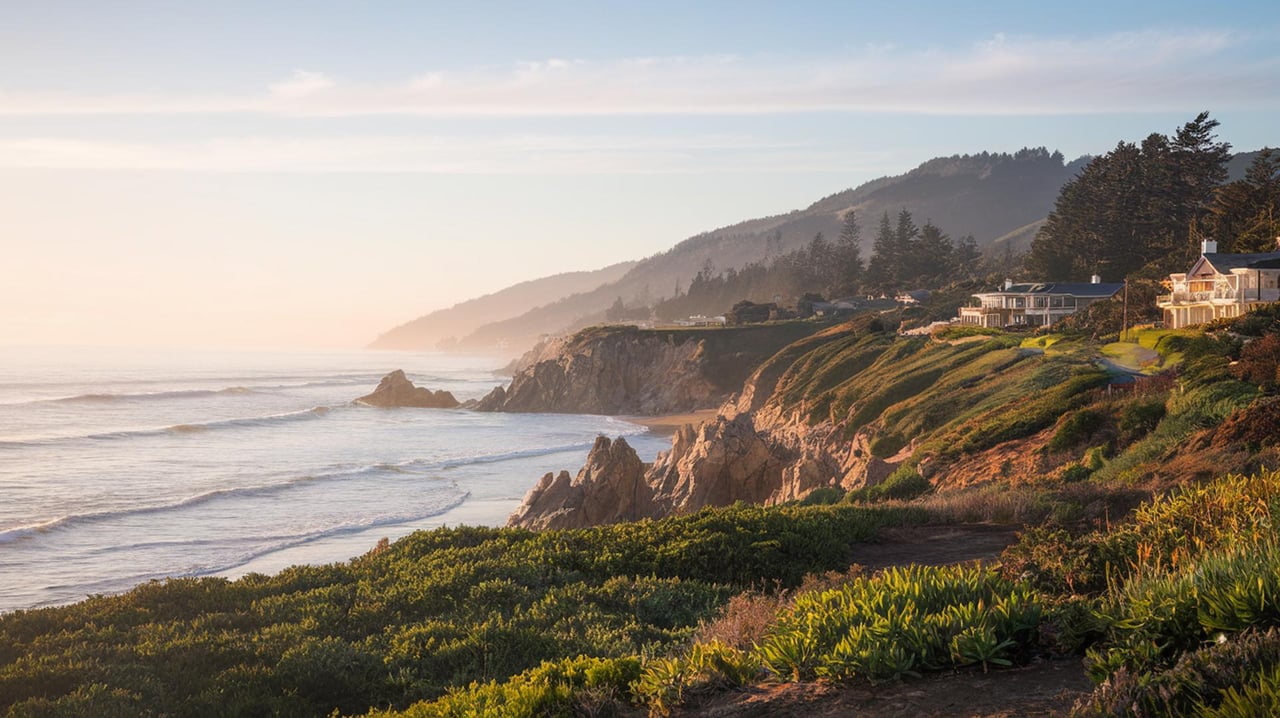
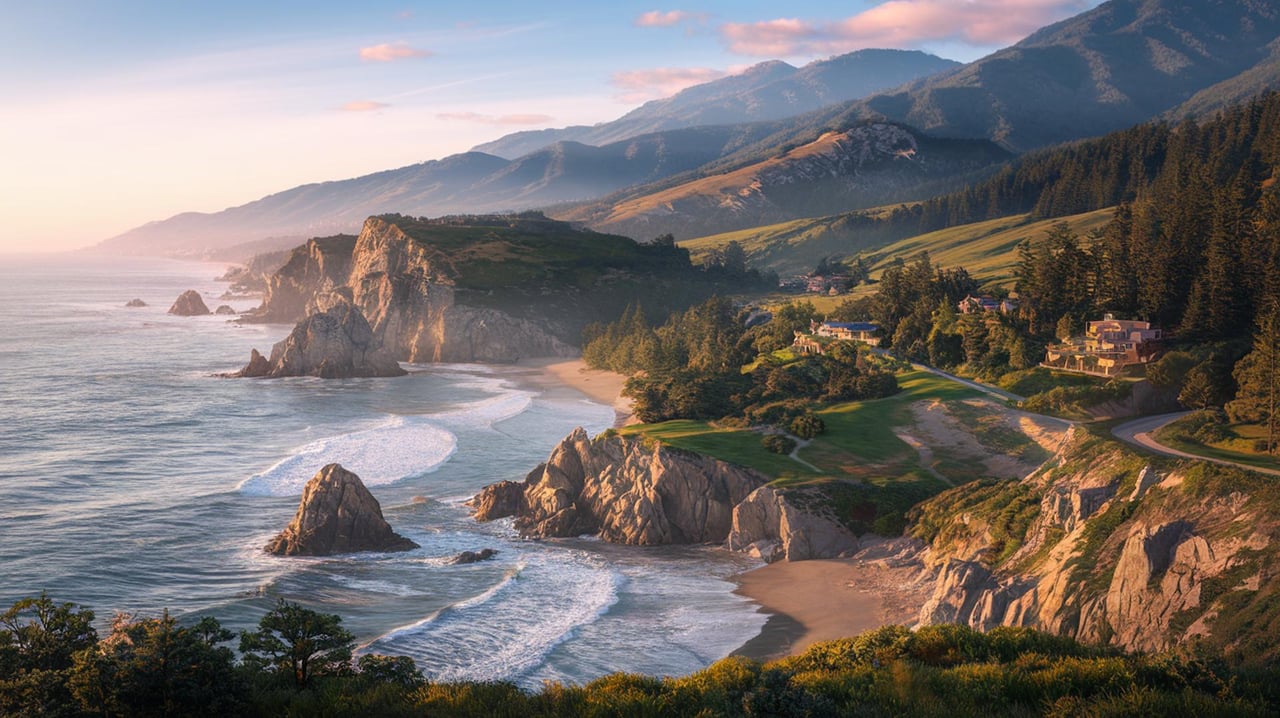
History supplies the layers, and the coastline supplies the setting. The record supports describing the peninsula as a place where Spanish, Mexican, governmental, mission, harbor, and coastal influences accumulated over time.
The ocean, the shoreline, and the terrain are geography, and they would shape the area's appeal with or without any founding story. The harbor in Monterey and the mission in Carmel are the places where history and setting visibly overlap.
If you want to see how that character shows up on the ground, William's guide to the iconic landmarks in Carmel-by-the-Sea is a good place to start. For what actually moves value in that village today, read what drives home value in Carmel-by-the-Sea.
Does Monterey Peninsula history change what you can do with a property today?
No. The founding story gives you context, but it is not evidence of current zoning, permitting, property rights, or development rules. Those come from the rules that apply to the specific property now.
This is where William's 36 years of experience matters most. Over decades of selling coastal homes, ranches, vineyards, and historic and architecturally significant properties, the useful questions have always been specific to the parcel in front of him. Local history makes a good conversation. It doesn't answer them.
If you're weighing a purchase, a sale, or a renovation, here is a sensible order of operations:
- Identify the jurisdiction. Carmel-by-the-Sea, Monterey, Pacific Grove, Carmel Valley, and other peninsula communities don't all answer to the same set of rules, so start with who has authority over your address.
- Ask that jurisdiction directly. Contact the local planning or building department about the specific use, addition, or improvement you have in mind, and get the answer in writing where you can.
- Have your title company review what's recorded. They can tell you what documents are attached to the property's title.
- Bring William in early. He can help you sequence pre-sale improvements, pricing, and timing, and assemble specialists when a project needs them.
Your situation determines your answers, and no blog post can substitute for that review. For how current conditions are reading right now, see William's piece on interpreting Monterey Peninsula market trends, then schedule a consultation for up-to-date local numbers on your specific property.
Read what past clients say about working with William on Google, Zillow, and Realtor.com.
FAQ
Why was Mission San Carlos Borromeo moved from Monterey to Carmel?
The mission moved in 1771 because Carmel offered a more favorable agricultural and political environment, according to the City of Monterey. The presidio stayed in Monterey as the seat of government, which is why the two places took on different roles.
What is the historical relationship between Monterey, Carmel, and Carmel Valley?
They are part of one regional story, and Monterey was its early governmental center. Carmel developed around the relocated mission, and Carmel Valley is an inland valley area within Monterey County that the historical sources treat as part of the broader region.
How did Monterey's role as California's early capital shape the peninsula?
It made Monterey the peninsula's political and administrative center during the Spanish and Mexican periods. That role carried forward to the 1849 Constitutional Convention at Colton Hall and Monterey's incorporation on May 30, 1850.
Did Monterey's early history influence modern development patterns in Carmel Valley?
The historical sources don't establish that, so treat any such claim with caution. Carmel Valley is part of the region's shared history, but today's land use is governed by current rules that apply to each property. Confirm yours with the relevant local department.
Why do Monterey and Carmel have different cultural identities?
The 1771 mission relocation is the documented starting point. Monterey kept the presidio and governmental functions, while Carmel became associated with the mission and its setting. That reading is a historical interpretation, and the coastal landscape adds to what you see today.
What should you take from the Monterey Peninsula's early history?
The Monterey Peninsula's story gives you a richer sense of why Monterey and Carmel feel the way they do, but your decisions should rest on current facts about the property in front of you. William brings more than 36 years of local experience to exactly that, from pricing and preparation to complex coastal, ranch, and historic properties. Schedule a consultation for a Home Valuation to talk through your property and your timing.
Equal Housing Opportunity. William Smith, Founding Broker, Carmel Luxury Group at Coldwell Banker Realty, CA-DRE #01064866. Affiliated real estate agents are independent contractor sales associates, not employees. This article is general information, not legal, tax, or financial advice; confirm your own details with your title company, tax advisor, or lender.