How do you sell a Carmel estate from out of the area?
You sell a Carmel estate from out of the area by confirming who has legal authority to act, then putting one accountable local coordinator in charge of preparation. That person turns a list of vendors into a sequence: assessment, repairs, landscaping, cleaning, inspections, staging, and photography, each verified before the next begins. William Smith of the Carmel Luxury Group at Coldwell Banker Realty walks remote owners and family representatives through this process so decisions keep moving without a flight to the Peninsula for every one.
Key Takeaways
- Confirm who has legal authority first, whether a trustee, executor, personal representative, or court-appointed fiduciary, because the will, trust, or court appointment determines who can approve work and sign.
- A list of vendors is not oversight; someone local has to sequence the work, verify completion, and report back with dated photographs, invoices, and completion notes.
- Separate work that protects the property or prevents inspection problems from cosmetic work that improves presentation, and decide which one comes first.
- A shared project log with task, responsible person, approval status, and target date gives a remote owner one source of truth instead of scattered emails and calls.
- "Carmel" can mean Carmel-by-the-Sea, Carmel Valley, Carmel Highlands, or a specific ZIP code, so pin down the exact location and property type before discussing timing or buyer competition.
What comes first when a Carmel estate from out of the area has to be sold?
Start with authority and access. Before a contractor is hired or a key changes hands, confirm who is legally permitted to direct the sale and approve spending.
Who has the authority to act?
For an estate, that is usually spelled out in the will, the trust, or a court appointment. The person may be a trustee, an executor, a personal representative, or a court-appointed fiduciary. Which of those applies to your situation is a legal question for the estate's attorney, not something a real estate agent decides. William's role is to work with whoever holds that authority and to make sure the property decisions line up with it. The estate sale guide for out-of-state owners covers this in more depth.
What needs to be settled on day one?
- Decision-maker: one named person who can approve work, with a backup if that person is unreachable.
- Access: keys, gate and alarm codes, and a record of who has them.
- Emergency contacts: someone local who can be reached if a pipe fails or a branch comes down.
- Documents: the paperwork establishing authority, kept where the coordinator and the title company can both reach it.
Which "Carmel" are you selling in?
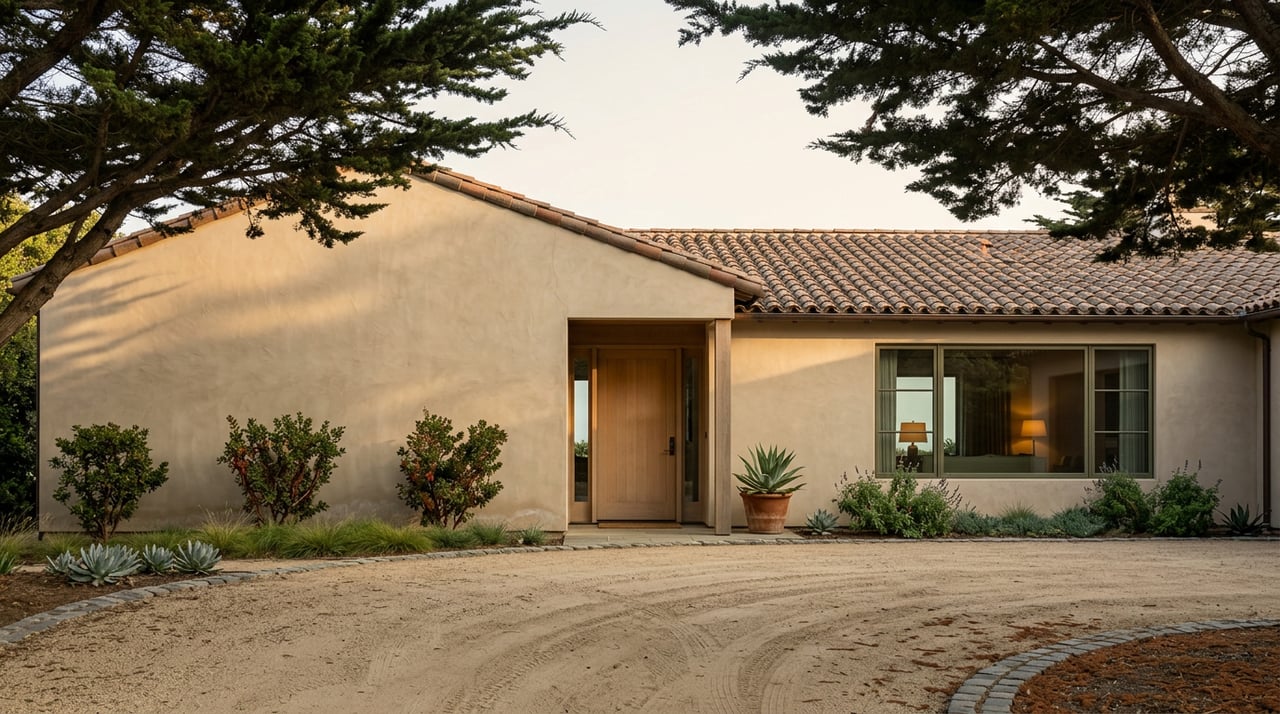
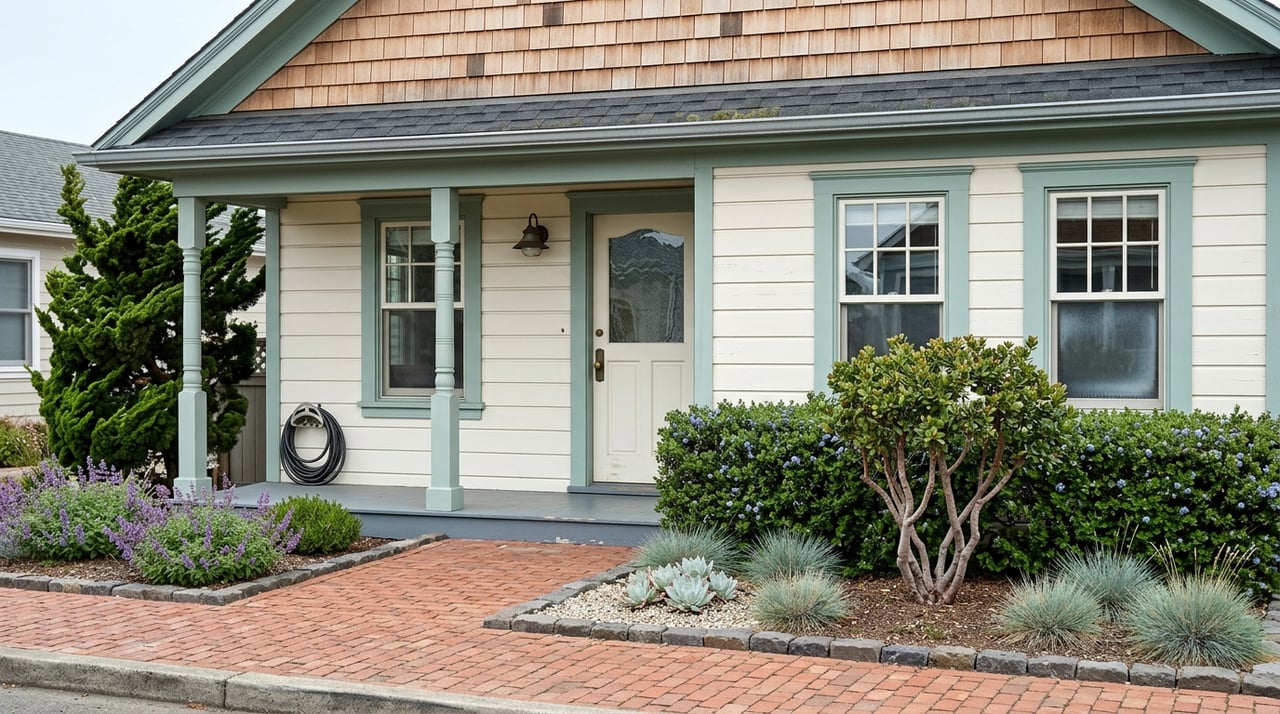
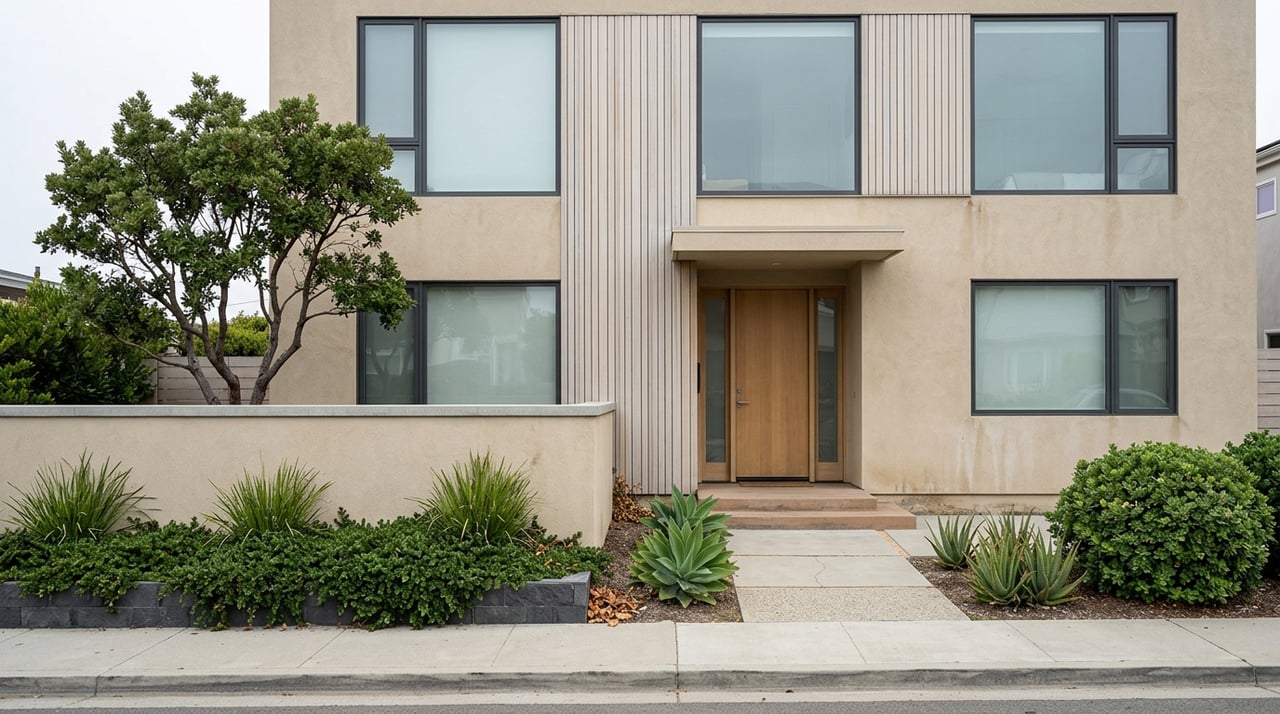
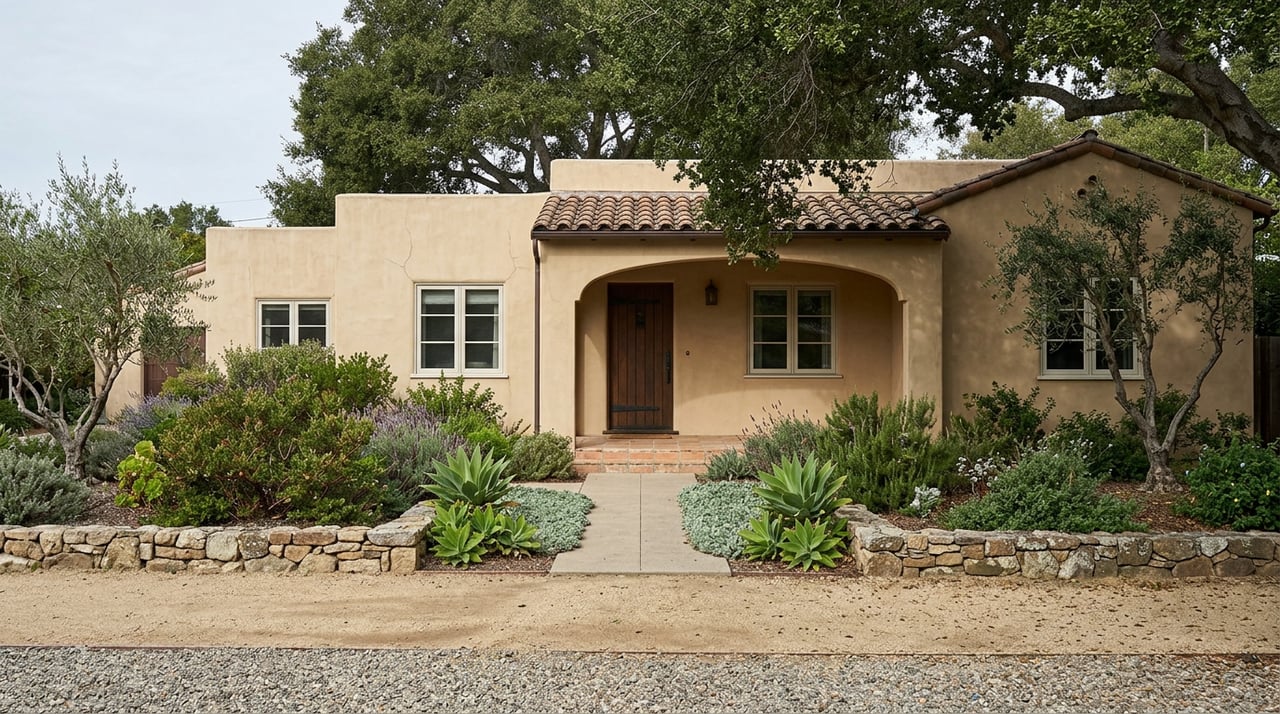
The word covers a lot of ground. MLSListings' broader Carmel results and its ZIP code 93921 results tell materially different stories, which is a good reminder that a cottage in Carmel-by-the-Sea, a ranch property in Carmel Valley, and a coastal home in Carmel Highlands do not compete in the same way. Identify the exact city, ZIP code, and property type first. Current numbers for your specific property are something to run in a consultation, not read off a generic page.
What does on-the-ground oversight cover before listing?
It covers every task between "the owner decides to sell" and "the home is ready for photography," with someone local confirming each one was actually finished. For a remote seller, that confirmation is the whole value. A phone call that says the work is done is not the same as a dated photograph and an invoice.
William has a straightforward view on this: a sale begins well before the listing goes live. Time spent getting a property right before it reaches the market beats months of explaining why it isn't selling.
How does the workflow break down?
The sequence below is a practical management approach, not a legal requirement and not a fixed timeline. Every property sets its own pace.
Stage | What it covers | What you should receive |
|---|---|---|
Authority and access | Confirm the decision-maker, collect keys and codes, name emergency contacts | Written list of who can approve what |
Property assessment | In-person walkthrough of deferred maintenance, moisture or drainage concerns, roof and exterior, landscaping, safety issues, contents | Photo-documented condition report |
Scope and priorities | Separate protective and inspection-related items from cosmetic upgrades | Ranked task list with proposals |
Execution | Repairs, landscape maintenance, cleaning, removal or storage of contents, staging, photography, in a defined order | Schedule with target dates |
Quality control | Verify each contractor finished the agreed scope | Dated photos, invoices, completion notes |
Why does the property's setting change the plan?
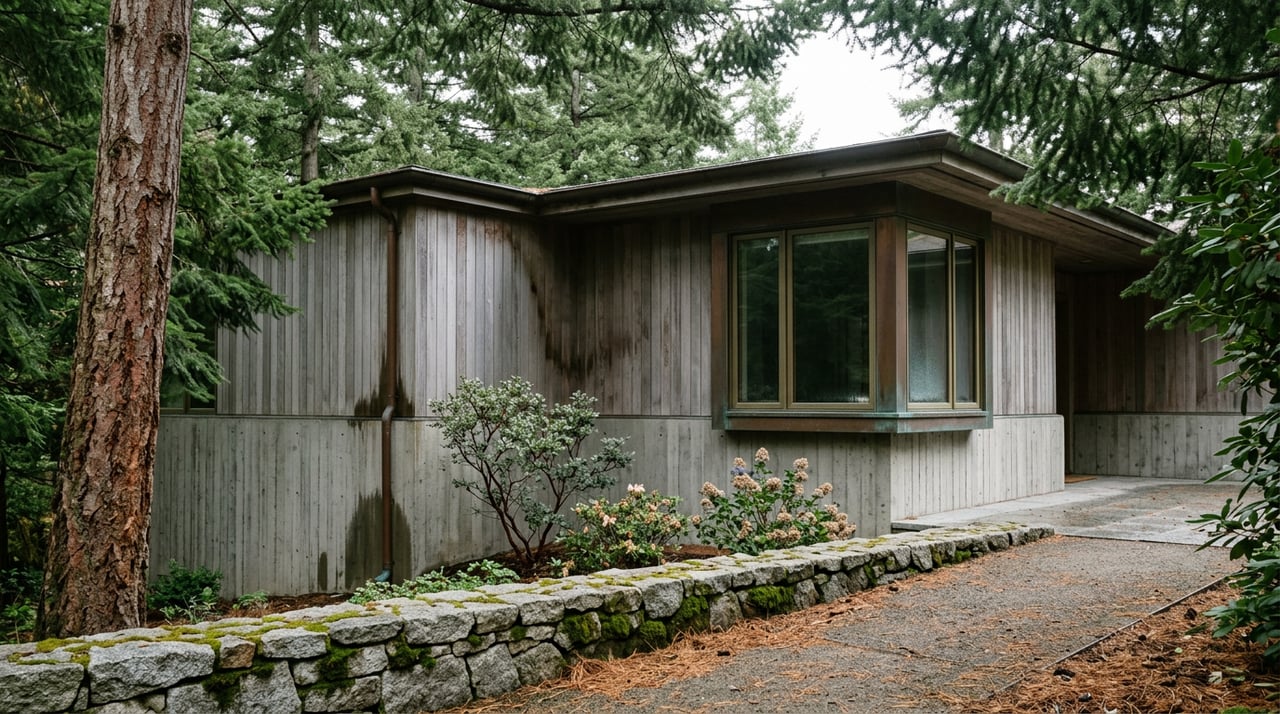
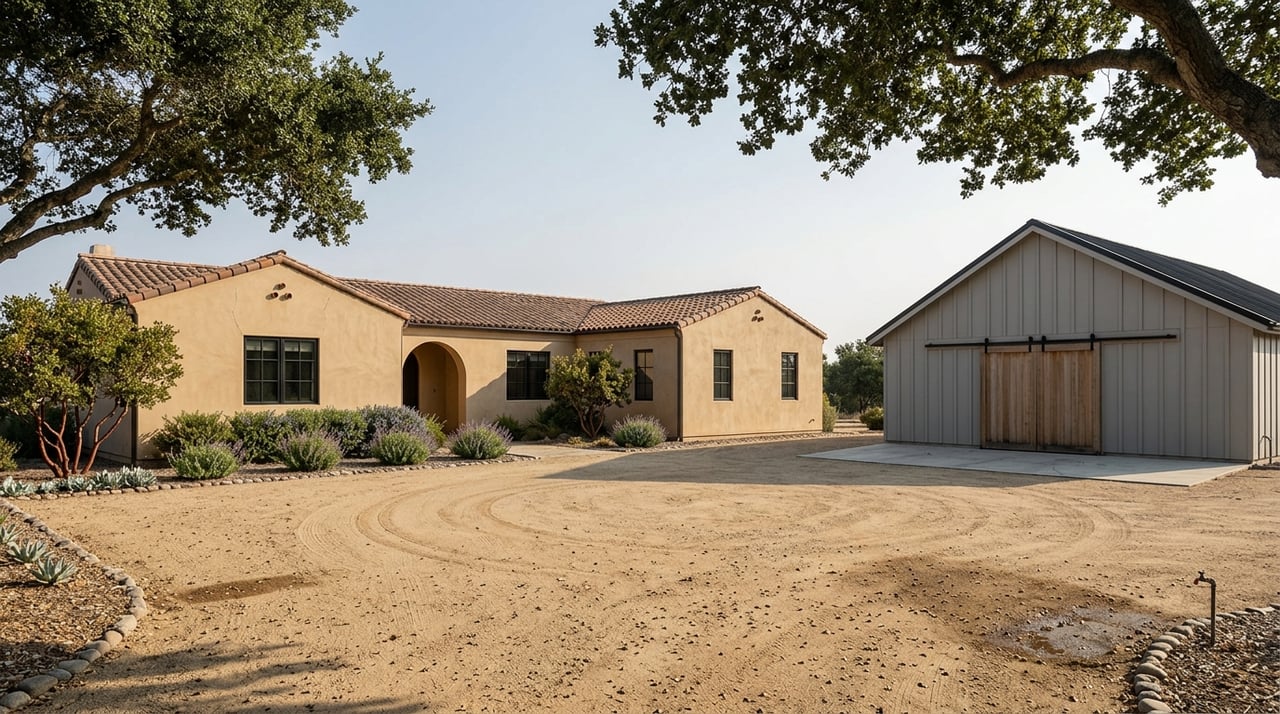
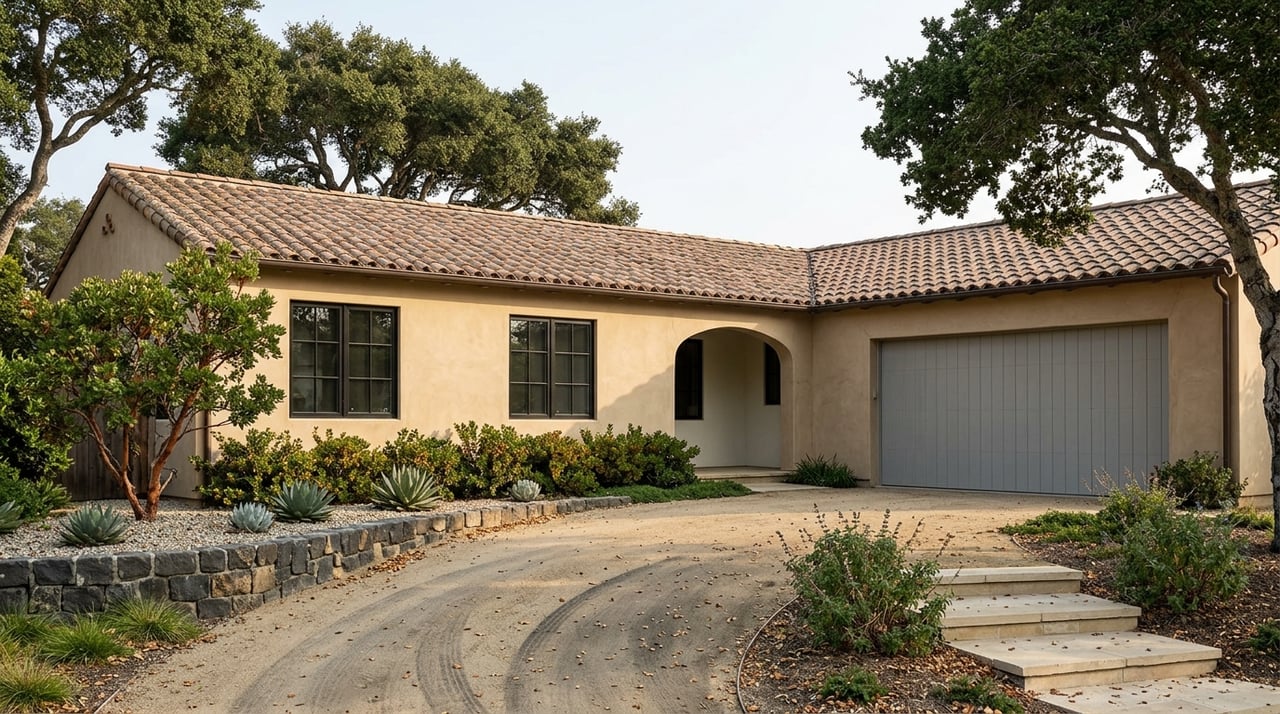
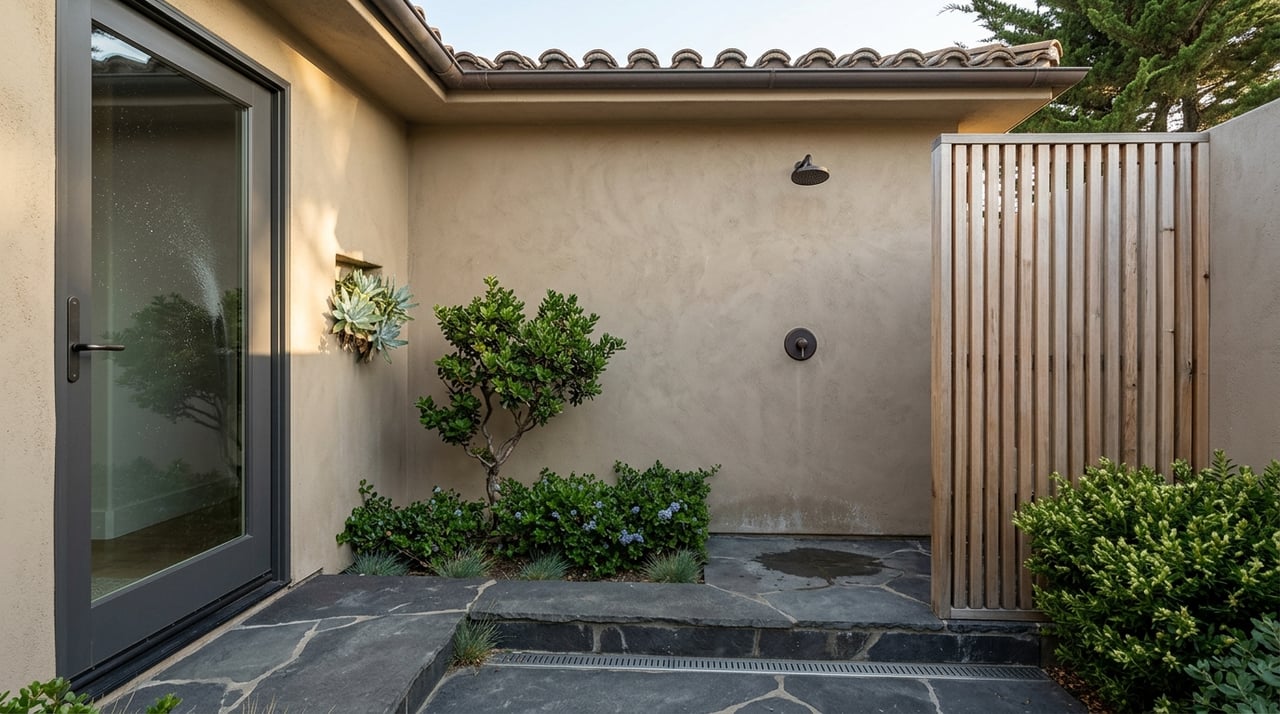
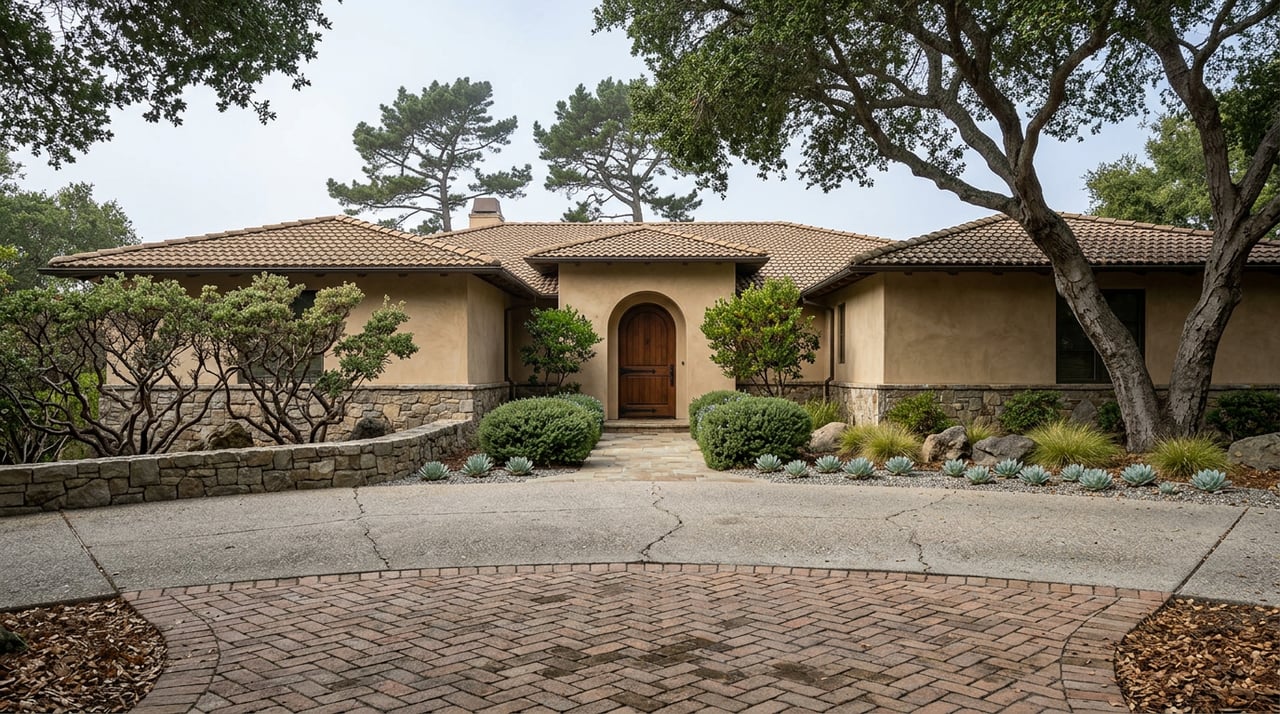
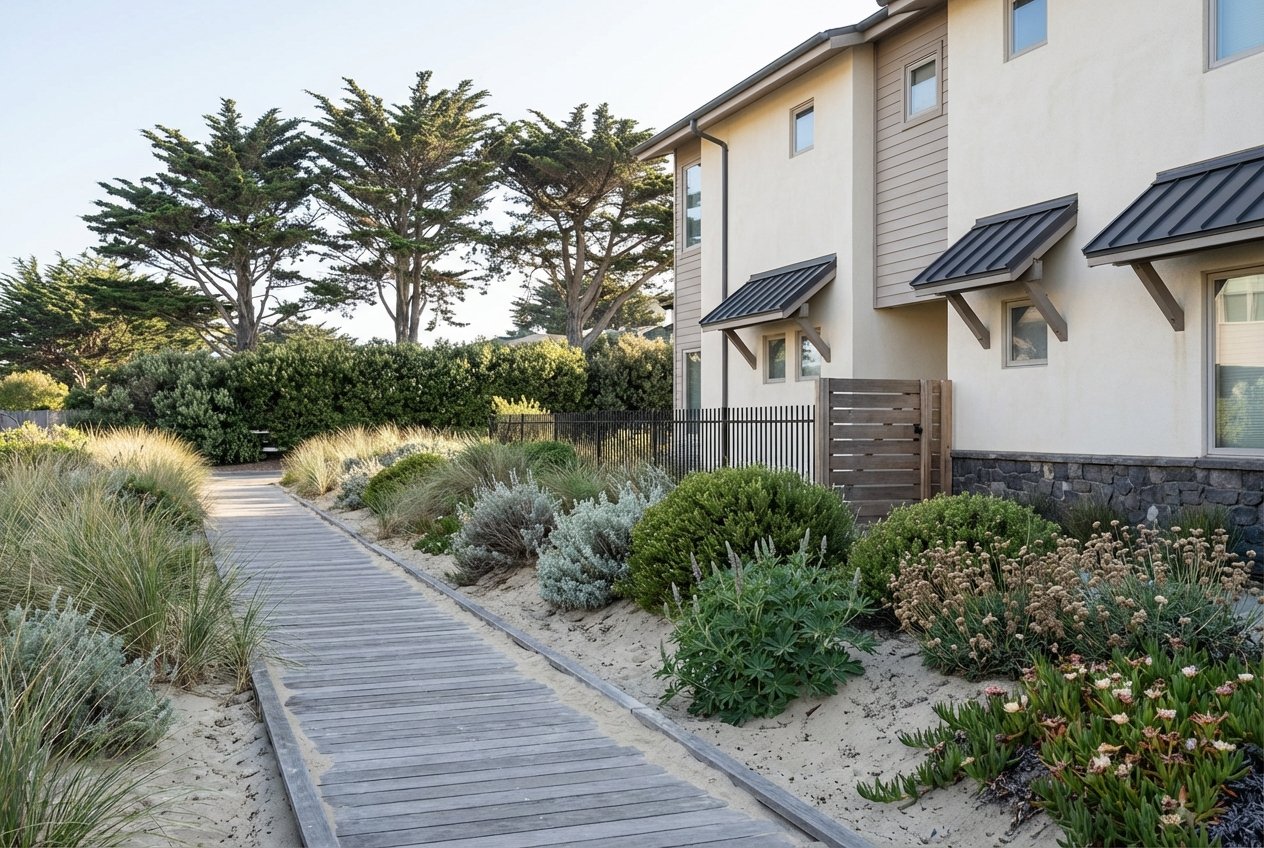
Carmel-area properties can come with steep drives, mature landscaping, exposed coastal conditions, older construction, private roads, drainage concerns, or limited contractor access. None of these is universal, which is exactly why the first walkthrough matters. A home near the water and a wooded hillside property call for different questions, and the right local eyes catch them before a contractor is scheduled. Properties inside private communities carry their own preparation considerations, as covered in the guide to preparing to sell in Santa Lucia Preserve.
Should you inspect before listing?
Sometimes, but it should be a deliberate decision. A pre-listing inspection can surface problems before buyers do, which lets you decide how to handle them on your timeline. It also creates a record of known conditions. Talk it through with William and the estate's attorney or other adviser before ordering one. No Carmel-specific legal requirement to obtain a pre-listing inspection has been confirmed, so treat it as a strategy choice, not an obligation.
Where do repairs, landscaping, and staging fit?
- Repairs: address anything that protects the property or would draw attention in an inspection before spending on appearance.
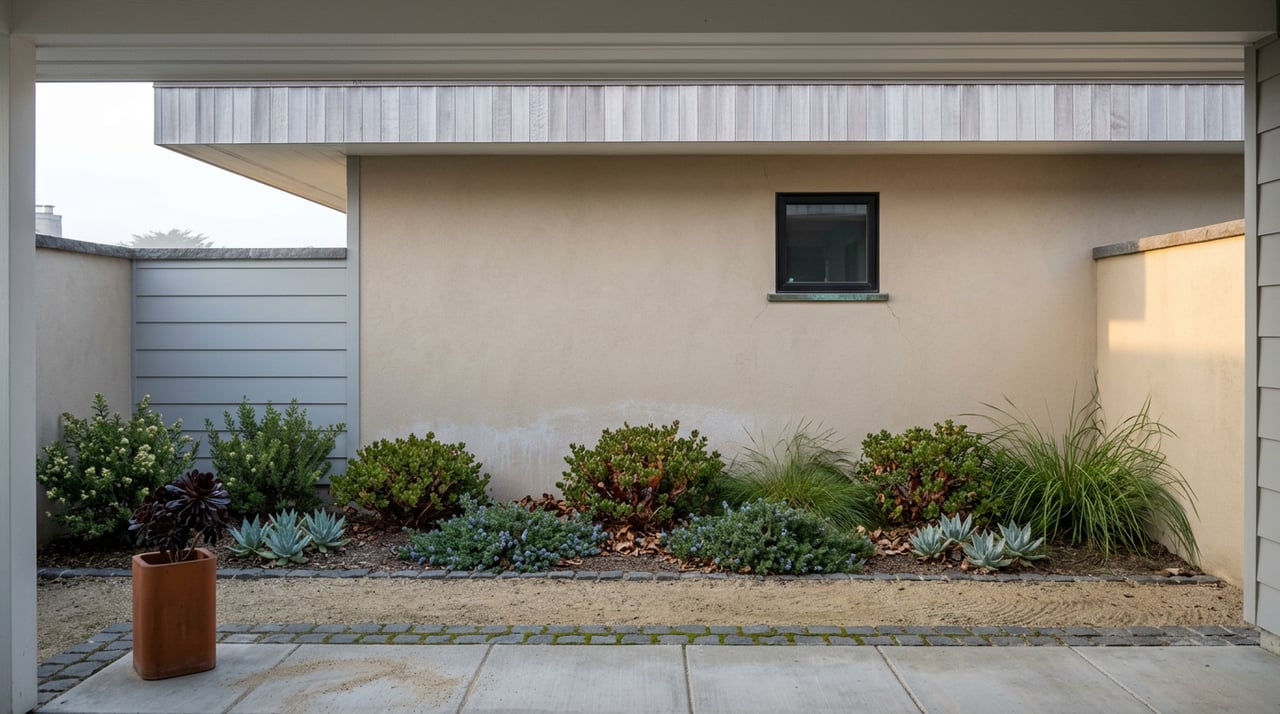
- Landscaping: mature coastal and woodland plantings often need cutting back, clearing, and shaping before photographs are taken, so schedule it ahead of the camera, not after.
- Cleaning and contents: decide what stays, what is removed, and what goes to storage before staging begins.
- Staging: the level of staging is an owner decision, and it belongs late in the sequence. See how this works in luxury home staging in Carmel.
How do you keep decisions moving from another state?
You centralize communication and attach a deadline to every decision. Most delays on a remote sale are not caused by contractors. They happen when three relatives give three different instructions, or when nobody knows an approval is waiting.
What does a single source of truth look like?
One shared schedule or project log, kept by the local coordinator, should list for each task:
- The task and the person responsible.
- The estimate or proposal.
- Approval status and who approved it.
- Target completion date.
- Photographs and the invoice once done.
- Any unresolved decision.
Family members can read the log, but instructions flow through the decision-maker. That keeps a sibling's well-meant call to the gardener from colliding with the plan.
Which choices need your approval, and by when?
Repair scope, removal of contents, staging level, inspection strategy, and the response to any defect that turns up are the choices that typically need the owner or fiduciary. Set a response deadline for each before it holds up work or the listing date. A coordinator who says "I need an answer by Thursday or the painter loses his slot" saves more time than any vendor discount.
What should you expect on timing?
Plan for multiple visits and handoffs, not one appointment. There is no verified universal number of days for preparing a Carmel estate from out of the area, and anyone quoting one without seeing the property is guessing. The coordinator's job is to convert recommendations into a sequence and drive toward a specific listing-readiness date that you agree on together.
What if something is discovered after you leave?
It will happen on some properties: a roof issue behind a ceiling, drainage that shows up after rain, a fixture that fails. Because someone local is already on site and documenting, the question becomes a routine one: what is the problem, what are the options, and what do you approve? The coordinator brings you the finding with photographs and proposals, you decide, and the log records it. That is far better than learning about it from a buyer's inspection report.
How does this connect to what you'll net?
Preparation choices affect the outcome of the sale, but what any of them costs, and what you keep at the end, depends on your property and your agreements. Those numbers belong in a personalized conversation, not a blog post. For the categories involved, see the breakdown of selling a Monterey home and what you will net. Closing itself is handled by a title company, which is another reason to keep your authority documents organized from the start.
Want to see how other Peninsula communities compare? William's work spans from Carmel Highlands to Salinas, and you can read the Carmel Highlands market overview for one example of how local conditions differ within the same ZIP neighborhood of conversation.
You can read what past clients say about working with William on Google, Zillow, and Realtor.com.
FAQ
How can I sell my Carmel home if I live in another state?
You can sell without living nearby by confirming who has legal authority and assigning a local coordinator to manage the property. That person handles access, repairs, landscaping, cleaning, inspections, staging, and reporting, while you approve the key decisions remotely. Selling a Carmel estate from out of the area is a matter of structure, not distance.
Who can oversee repairs and landscaping at my Carmel property while I'm away?
A local coordinator working with your listing agent is the most practical answer. That person schedules the trades, verifies completed work, and sends you dated photographs, invoices, and completion notes. William's team can assemble the right local professionals for the property and keep them accountable to one schedule.
Should I complete inspections before listing a Carmel estate?
It depends on the property and your strategy; no Carmel-specific legal requirement to get a pre-listing inspection has been confirmed. An inspection can reveal problems before buyers find them, but it also documents known conditions. Discuss the decision with William and the estate's attorney or adviser before ordering one.
How often should an out-of-area owner receive updates?
There is no fixed rule, so agree on a rhythm at the start. A reasonable setup is a written update at set intervals from the coordinator, plus immediate notice whenever an approval is needed or a problem surfaces. The shared project log keeps everyone looking at the same status.
What happens if repairs or property issues are discovered after I leave Carmel?
The local coordinator documents the issue, gets a proposal, and brings you the decision with a response deadline. Because someone is already on the ground, a surprise becomes an item on the log instead of a crisis. Whether to repair, disclose, or adjust strategy is a decision you make with William and, where relevant, the estate's attorney.
Selling a Carmel estate from out of the area works when someone local owns the sequence and you hold the decisions. Whether the property is in Carmel-by-the-Sea, Carmel Valley, Pebble Beach, or Carmel Highlands, the plan starts with a walkthrough and a clear line of authority. Schedule a consultation for a Home Valuation with William and the Carmel Luxury Group to map out preparation, oversight, and timing for your property. You can also review William's Zillow profile before you reach out.
Equal Housing Opportunity. William Smith, Founding Broker, Carmel Luxury Group at Coldwell Banker Realty, CA-DRE #01064866. Affiliated real estate agents are independent contractor sales associates, not employees. This article is general information, not legal, tax, or financial advice; confirm your own situation with your attorney, title company, tax advisor, or lender.