What improvements are worth making before you sell a Carmel Valley home?
When you sell a Carmel Valley home, the improvements worth making are the ones that remove buyer objections: water intrusion, deferred maintenance, failing systems, damaged surfaces, and visible neglect. Projects that only express a seller's taste, such as custom cabinetry, distinctive tile, or a new layout, are the ones a future owner is most likely to rip out. The right plan comes from your home's actual condition and the listings it will compete against, not from a generic remodel list.
Key Takeaways
- Condition problems (water damage, failed systems, unsafe areas, strong odors) are worth addressing before listing because they trigger inspection objections and price discounts.
- Style preferences (custom finishes, luxury appliances, layout changes) are the most likely to be replaced by the next owner, so they rarely justify a pre-sale remodel.
- The National Association of REALTORS® 2025 Remodeling Impact Report is national evidence, so it supports general principles but not a local promise that any project pays for itself.
- Your benchmark is the active, pending, and recently sold homes in your specific part of Carmel Valley, not Carmel-by-the-Sea or the county at large.
- Pricing the home honestly in its actual condition is a legitimate alternative to doing the work, and sometimes the smarter one.
Which repairs and prep are worth doing before you sell a Carmel Valley home?
The work worth doing is whatever a buyer or inspector would otherwise count against the property: moisture, deterioration, unsafe conditions, failing systems, and anything that makes the home look neglected. Everything else is a judgment call that depends on your competition.
Do condition problems come before cosmetic ones?
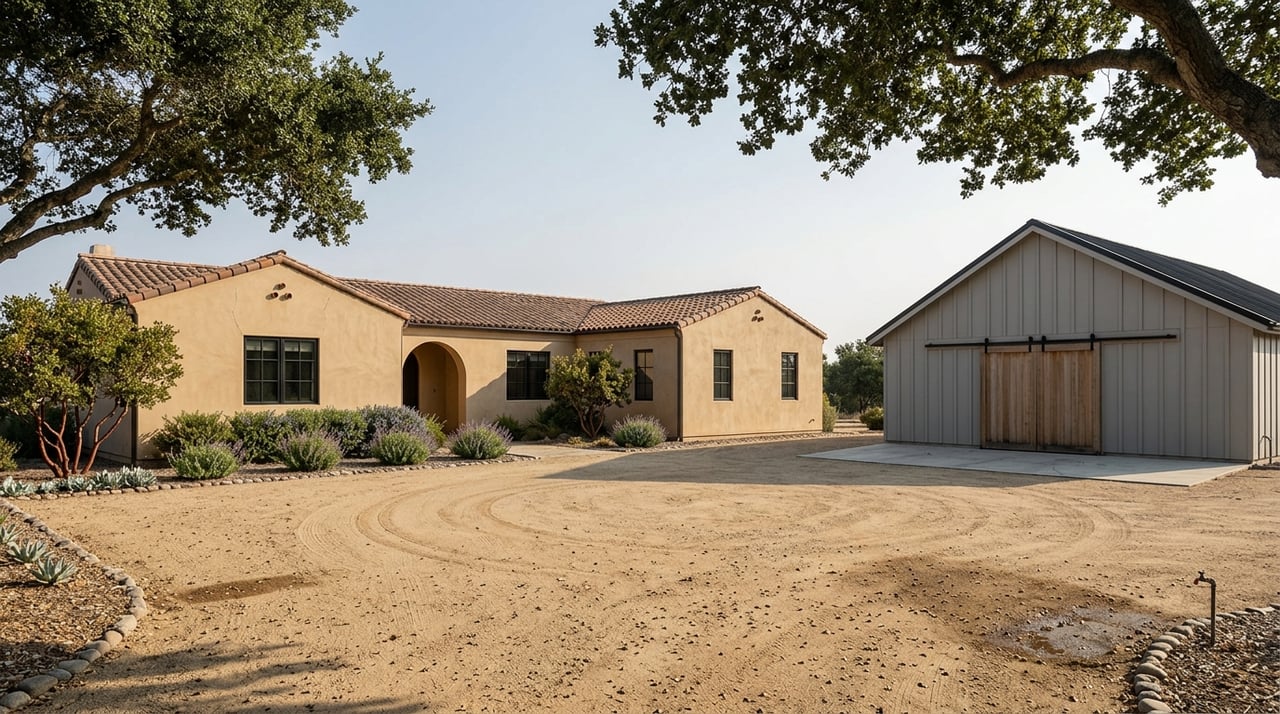
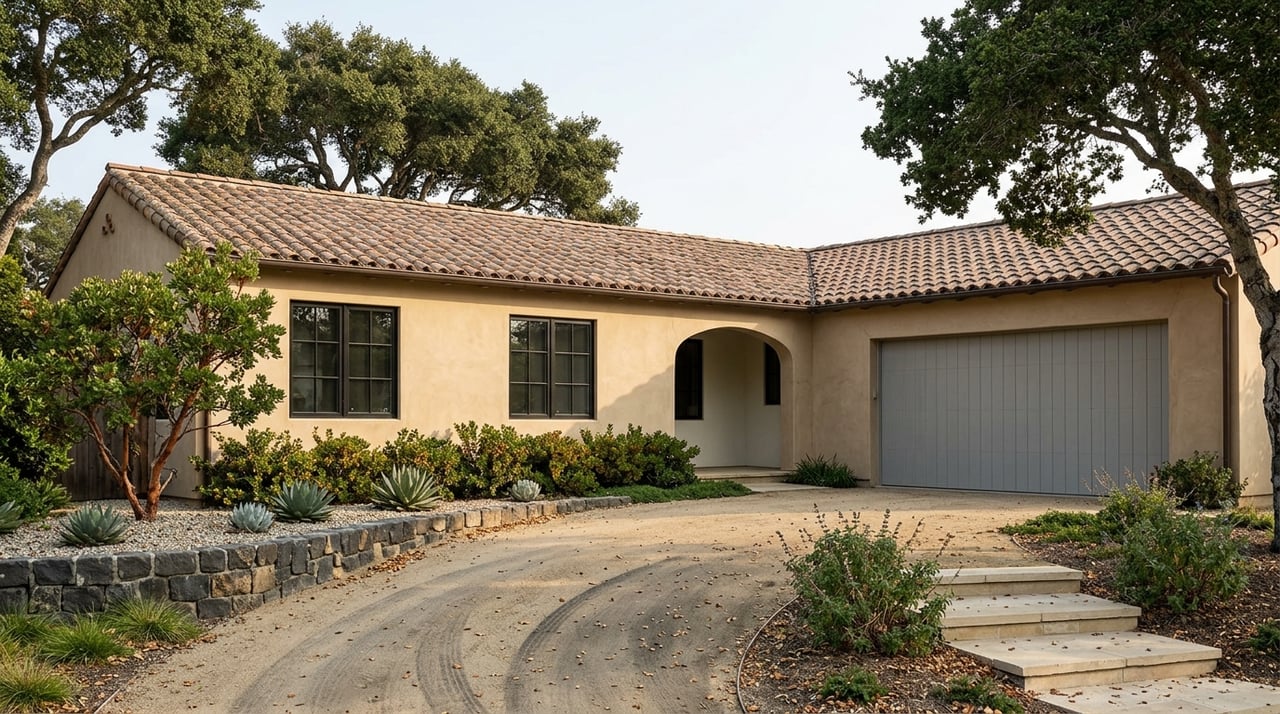
Yes. A buyer can picture new paint or a different kitchen. A buyer cannot easily picture past a stained ceiling, a soft deck, or a musty crawlspace, and neither can their lender or inspector. In Carmel Valley, where properties often include older construction, mature landscaping, and outdoor structures, these items surface quickly during inspections.
Prioritize, in roughly this order:
- Water and structural issues: roof leaks, drainage, window and door seals, rot, and anything behind a stain.
- Major systems: heating, electrical, plumbing, water heater, and septic or well components where they apply.
- Safety items: loose railings, damaged steps, and hazards around pools and outbuildings.
- Damaged surfaces: worn or stained flooring, broken fixtures, and peeling or scuffed paint.
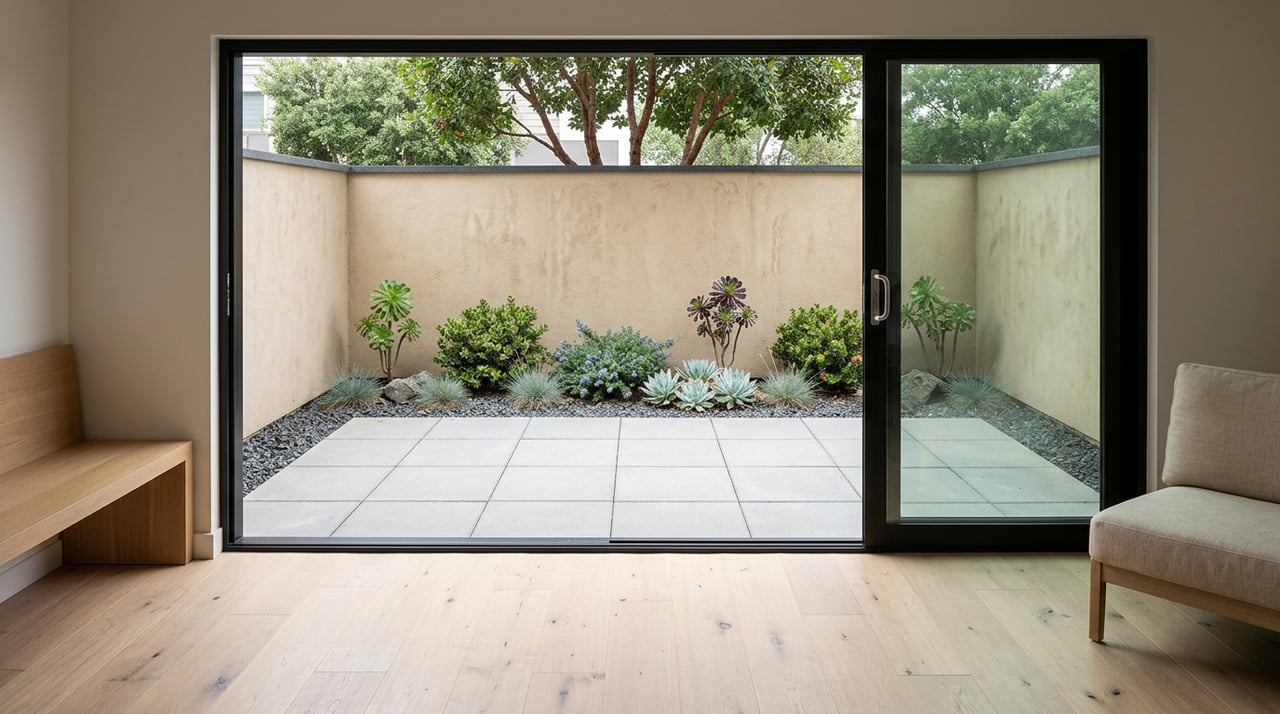
- Exterior neglect: overgrown or dead plantings, failing fences, and unusable patios or decks.
What buyer-visible work gives you the most for the least commitment?
Cleaning, decluttering, repairing damaged surfaces, improving lighting, refreshing worn paint where it's needed, and making outdoor areas usable. These improve first impressions without locking you into a redesign. Nothing in the research supports a Carmel-specific dollar figure or return percentage for any of them, so be skeptical of anyone who promises one. William's view is that the sale begins well before the sign goes up: he would rather get a property prepared and positioned properly than spend months explaining to a seller why it isn't moving.
Presentation matters at the higher end too. William covers the staging side in luxury home staging in Carmel.
Which upgrades are most likely to be wasted?
The most likely waste is any project that reflects your taste rather than fixing a problem, because a buyer who wants a different look will replace it regardless of what you spent. That includes custom cabinetry, highly distinctive tile, high-end appliance packages, and full layout changes on spaces that work fine.
The NAR 2025 Remodeling Impact Report evaluates 22 remodeling projects across 150 U.S. markets and compares project cost with value retained at resale. It also separates resale value, buyer appeal, and homeowner satisfaction. That distinction matters: a project can make a home easier to sell without recovering its cost. The report is national, so use it for the principle, not as a Carmel Valley forecast.
Type of work | Usually worth doing before listing | Usually worth reconsidering |
|---|---|---|
Water, roof, drainage, structure | Yes, when there is active damage or a clear defect | Full replacement when a repair or an honest price adjustment would do |
Kitchens and bathrooms | When damaged, dysfunctional, or clearly behind nearby competing homes | When merely dated but serviceable |
Flooring | When worn, stained, or damaged enough to hurt the first impression | Replacing sound flooring only for style |
Paint | Where surfaces are worn, marked, or mismatched | Repainting sound walls for a color preference |
Landscaping and outdoor areas | Cleanup, usable patios and decks, correcting obvious neglect | New hardscape or full redesigns |
Luxury finishes and layout changes | Rarely | Most of the time |
Should you remodel the kitchen or bathrooms before listing?
Only with a stronger case than "it's dated." A full remodel makes sense when the space is damaged, doesn't function, is materially inferior to the homes buyers will compare it to, or is likely to cause large inspection or financing concerns. If it works and is simply not to your buyer's taste, a clean, well-presented space and a realistic price usually serve you better than new finishes the buyer may not want.
William covers the same trap on the Peninsula in avoiding over-improvement before selling a Monterey home, and the logic carries over to the Valley.
How do you decide what to do, step by step?
Work through a fixed sequence so the property's condition and its competition make the decisions, not enthusiasm or a contractor's pitch. This is the order William walks sellers through before a Carmel Valley listing:
- Get a condition assessment so you know what a buyer's inspector will find.
- Identify safety, water, structural, and major-system issues. These go to the top of the list.
- Review competing listings. Compare active, pending, and recently sold homes in your actual segment (Carmel Valley Village, eastern Carmel Valley, Mid Valley, or another clearly defined area) on age, lot size, views, outdoor space, renovation level, condition, and asking price, not square footage alone.
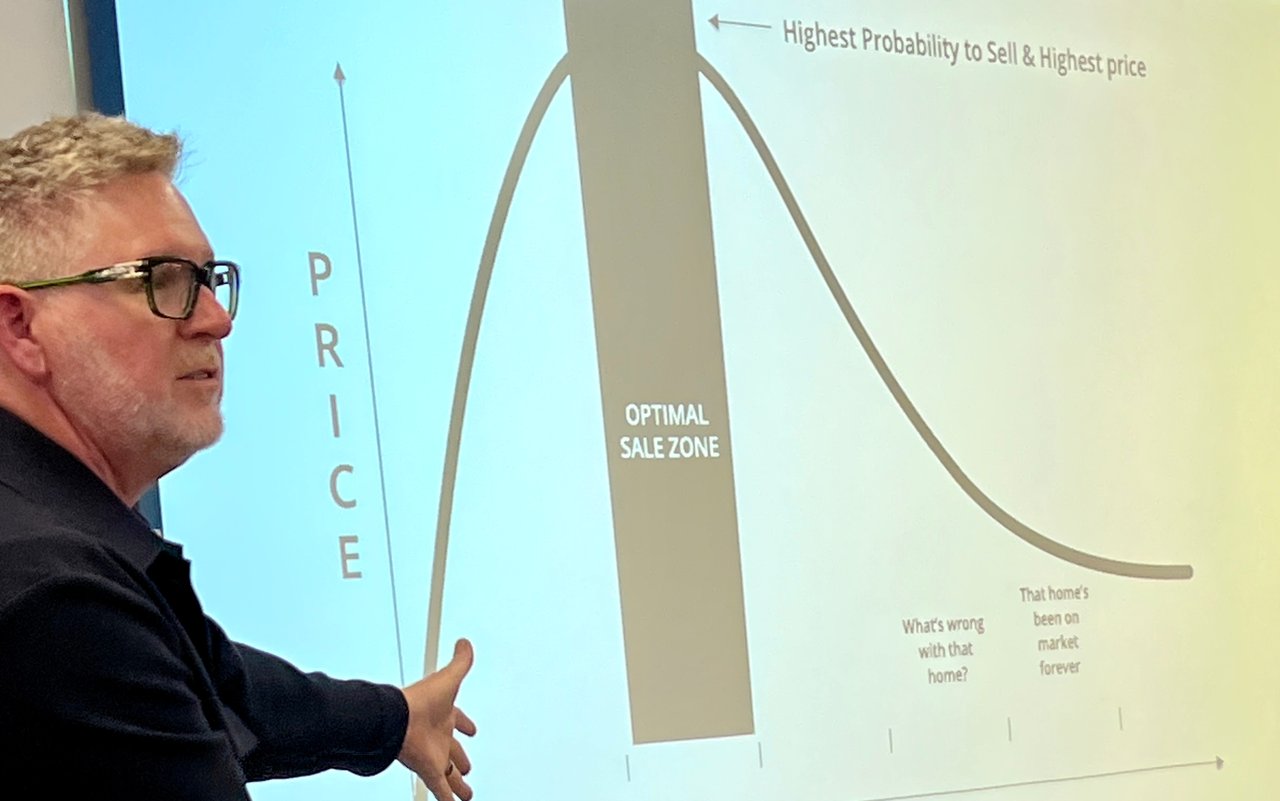
- Price the home in its actual condition to see what the unimproved version of the sale looks like.
- Obtain written bids for any work you're considering.
- Compare the project timeline with your likely listing window. A project that delays the sale has its own cost.
- Complete only the work that clearly improves buyer confidence, presentation, or competitive positioning.
Why does the exact geography matter?
Carmel, Carmel-by-the-Sea, and Carmel Valley are separate markets. MLSListings and Realtor.com both publish distinct pages for them, such as the MLSListings Carmel page and the Realtor.com Carmel Valley market page, and the numbers and market times differ materially between them. A village cottage, a Carmel Valley single-family home, an acreage property, and a high-end estate each face different buyer expectations. If you're weighing the buyer's side of the same market, William's guide to buying a home in Carmel Valley shows what those buyers look at.
Your numbers depend on your property, your sub-area, and your timing. That's where a local market analysis comes in. If you plan to sell a Carmel Valley home, the comparison against your real competition should happen before you sign a contractor's bid, not after.
Curious how clients describe working with William? Read the reviews on Google, Zillow, and Realtor.com.
FAQ
Which repairs are most worth doing before selling a Carmel Valley home?
Repairs tied to water intrusion, safety, failed systems, and visible deterioration are the most worth doing. These create inspection objections and push buyers to discount the price. A condition assessment will show you which ones apply to your property.
Should I remodel my kitchen before listing in Carmel Valley?
Usually not, unless the kitchen is damaged, dysfunctional, or clearly behind comparable nearby homes. A serviceable but dated kitchen is often better presented clean and priced realistically, since a buyer may prefer a different layout or finish package anyway.
Is it worth replacing old carpet or refinishing hardwood floors before selling?
It's worth it when the flooring is worn, stained, damaged, or carries odors, because buyers read those as neglect. If the floors are sound and merely not your buyer's style, leave them. Your competing listings will show whether flooring condition is setting your home apart.
Do Carmel Valley buyers expect updated bathrooms?
Expectations depend on the property's segment and what it competes against, so there's no single answer for the whole Valley. Bathrooms that are damaged, leaking, or noticeably behind comparable homes deserve attention. Clean, functional bathrooms that are simply older often don't need a remodel.
Should I repaint a neutral color before listing?
Repaint where the paint is worn, marked, or mismatched, since fresh paint is one of the simpler ways to improve presentation. If the existing color is in good shape and not extreme, there's little reason to repaint just for neutrality.
Should I replace an older roof or disclose it and price accordingly?
It depends on the roof's actual condition and what comparable homes offer. A roofer's written assessment tells you whether you're facing active leaks or just age. A buyer's inspector will find the issue either way, so the choice is between fixing it first or pricing the home honestly in its current condition. William can walk you through both versions before you decide.
Which improvements are most likely to be wasted because the buyer may remodel anyway?
Custom cabinetry, distinctive tile, luxury appliance packages, and layout changes are the most exposed. They reflect one owner's taste, and the next owner may replace them regardless of what you spent.
The core idea is simple: spend where a buyer's concern is real, and stop where the spending only reflects your taste. If you plan to sell a Carmel Valley home, William and Nancy can compare your property against its direct competition and tell you which projects earn their place on the list and which don't. Schedule a consultation for a Home Valuation to build your preparation plan.
Equal Housing Opportunity. William Smith, Founding Broker, Carmel Luxury Group at Coldwell Banker Realty, CA-DRE #01064866. Affiliated real estate agents are independent contractor sales associates, not employees. This article is general information, not legal, tax, or financial advice; confirm your own numbers with your title company, tax advisor, or lender.