The short version: Serra moved the mission to the Carmel River in 1771, the stone church was finished in 1791, and the church became a minor basilica in 1961. That timeline is a foundational layer of local history, and it explains why the coast and the valley share a story older than the village itself.
Carmel Mission Basilica's Place in Carmel-by-the-Sea
What is the Carmel Mission Basilica's place in Carmel-by-the-Sea?
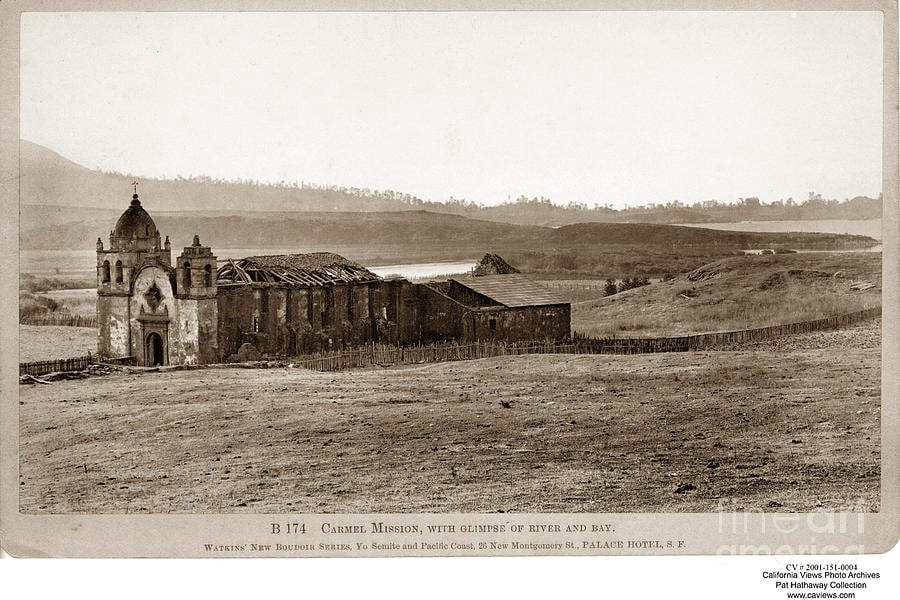
The Basilica's place in Carmel-by-the-Sea is foundational: the mission moved to the Carmel River area in 1771, its stone building was completed in 1791, and it received minor basilica designation in 1961. The City of Carmel-by-the-Sea describes the mission as sitting on the city's south side and as part of area history dating to the 1700s. That is why the story of this place reaches well past its twentieth-century artistic and resort identity.
Key Takeaways
- Mission San Carlos Borromeo was founded on June 3, 1770, as the second Alta California Spanish mission, and moved to its present Carmel River location in August 1771.
- The stone building was completed in 1791 and is described by California's Office of Historic Preservation as the first of only three stone mission buildings in California.
- Junípero Serra died at the mission on August 28, 1784, and was buried there, and the site received minor basilica designation in 1961.
- The Basilica's place in Carmel-by-the-Sea is geographic and historical: it stands on the city's south side near the Carmel River and the Pacific, with the river linking it to Carmel Valley.
- The Basilica is an active landmark, so access can be limited by private and special events, and visitors should confirm the schedule before going.
How did Carmel Mission Basilica develop from 1770 to today?
The mission was founded on June 3, 1770, beside Monterey Bay by Captain Gaspar de Portolá and Junípero Serra, according to the National Park Service. It moved to the Carmel River in 1771, the stone building followed in 1791, and basilica status arrived in 1961. The table below lays out the anchor dates.
Date | Milestone |
|---|---|
June 3, 1770 | Mission founded near Monterey Bay as the second Alta California Spanish mission |
August 1771 | Mission moved to its present site near the mouth of the Carmel River |
August 28, 1784 | Serra dies at the mission and is buried there |
1791 | Stone building completed |
1834 | Mission lands and buildings change hands under the Mexican government |
1936 | Major restoration associated with the present basilica's appearance |
1961 | Designated a minor basilica |
Why did Serra move the mission to the Carmel River?
Serra moved the mission in August 1771 for better agricultural land and a safer setting for the growing community, per the National Park Service. The new site became the headquarters from which Serra directed the founding of seven additional California missions. After his death in 1784, he was buried at the mission, which is a large part of why the site carries such weight in California history.
What makes the stone building architecturally different?
The building was constructed of stone and completed in 1791, and the California Office of Historic Preservation describes it as the first of only three stone mission buildings in California. That durability is part of why it remains a working landmark rather than a ruin.
One terminology note helps when you're reading about the site. "Carmel Mission" can refer to the broader historic mission complex, which has also been known as Mission San Carlos Borromeo del Río Carmelo. "Carmel Mission Basilica" refers specifically to the main building and its basilica designation.
What happened after 1834?
In 1834, mission lands and buildings changed hands under the Mexican government, according to the Carmel Mission Basilica. The site's original administrative role gave way to later private, civic, and regional land uses. A major restoration in 1936 is associated with the Basilica's present appearance, and the 1961 designation gave the landmark a continuing role as a working heritage site.
Whose history is this?
It is a layered history. The mission's own account places it within the regional context of the Esselen and Ohlone communities, as the Carmel Mission Basilica describes. A balanced reading keeps the institutional mission perspective alongside the experiences of the native peoples who lived in this region long before and during the mission era.
Where is the Basilica, and how does it connect to Carmel-by-the-Sea and Carmel Valley?
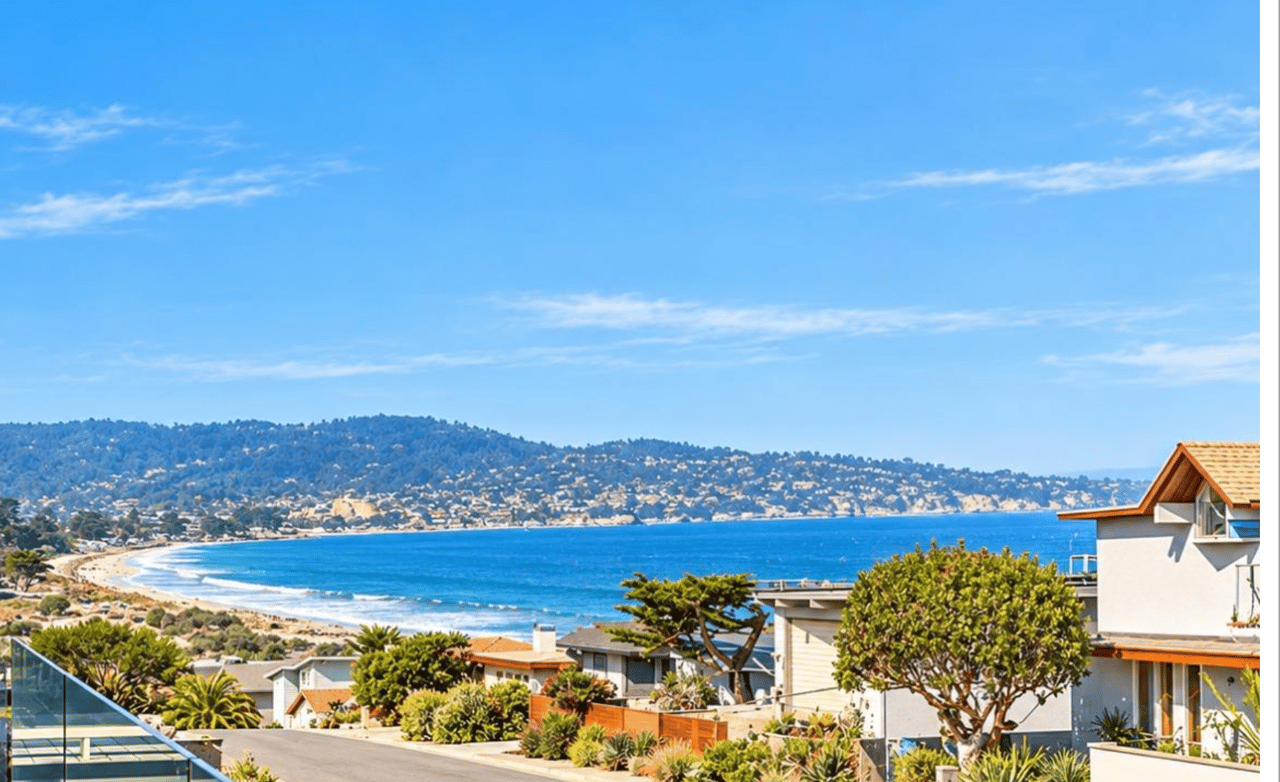
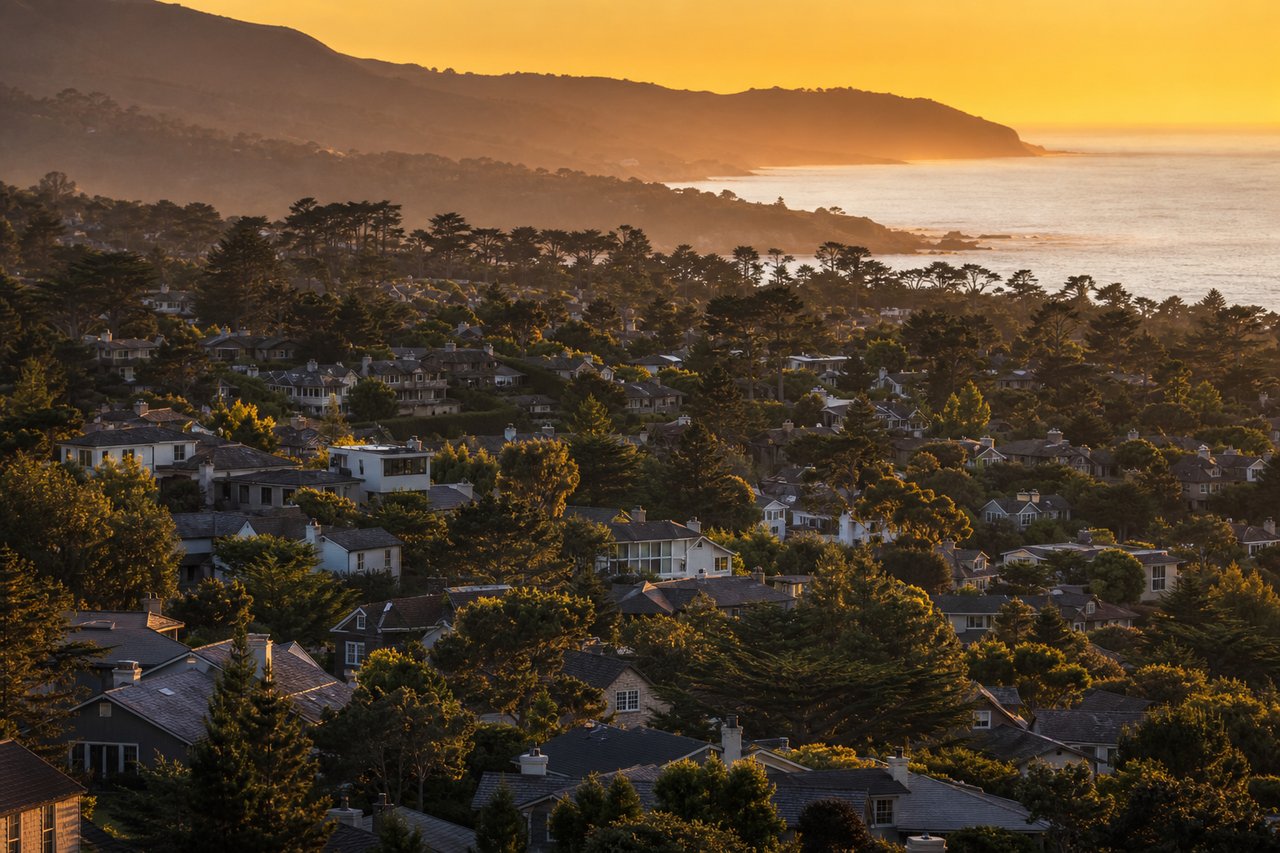
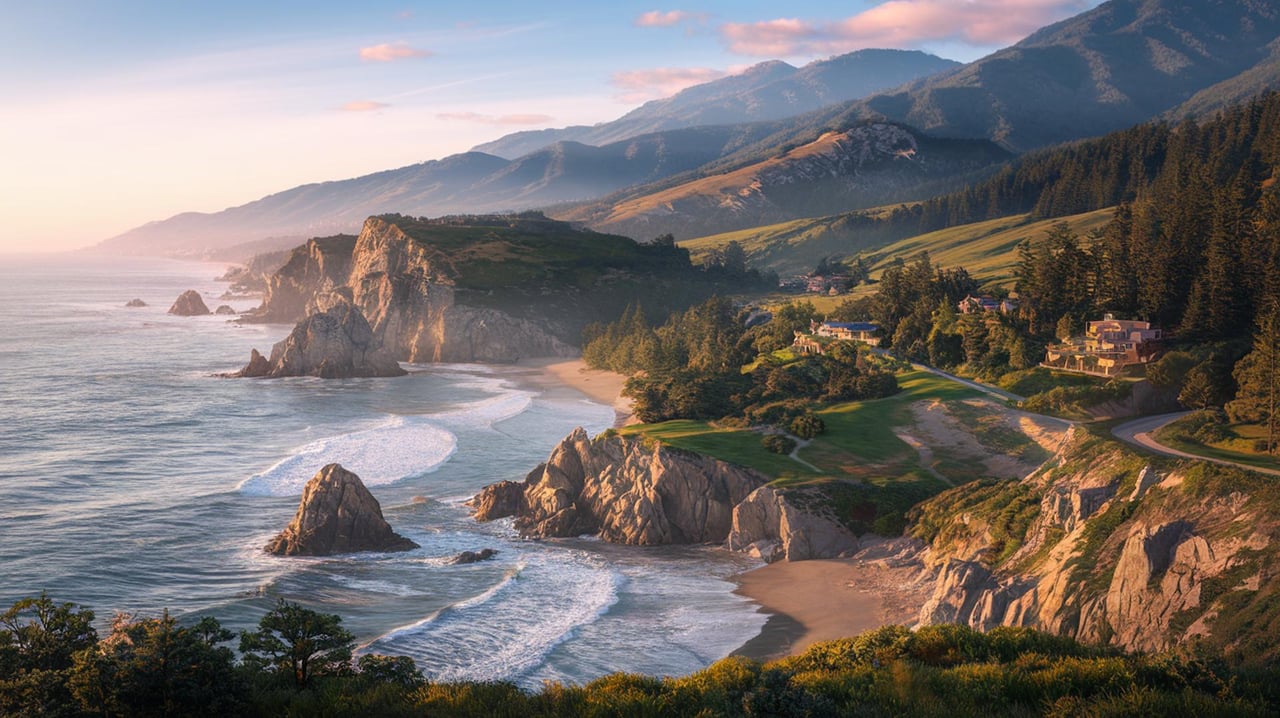
The Basilica stands in the Carmel River area on the southern side of Carmel-by-the-Sea, near the Pacific. The river ties the coast to the inland valley, so the mission's story belongs to both places even though the modern city and the historic mission did not occupy identical boundaries.
That geography is the clearest way to understand the Basilica's place in Carmel-by-the-Sea. The village grew up around an older mission landscape, with a river, agricultural land, and an ocean shoreline. Carmel Valley extends inland from that same river corridor, which is why the mission matters to the valley's longer agricultural and settlement history as well.
William Smith was baptized at the Carmel Mission Basilica as an infant, remains an active member of of the Carmel Mission parish community, and he treats the mission as useful context for anyone trying to understand why the area looks and feels the way it does. If you're exploring the village more broadly, his guide to iconic landmarks in Carmel-by-the-Sea and his local's guide to living in Carmel-by-the-Sea put the Basilica alongside the rest of the village.
Does the Basilica's historic status apply to nearby properties?
No, not automatically. California preservation materials treat the mission as a landmark-quality resource, as the Office of Historic Preservation recognized, but that does not mean every nearby home carries the same designation or restrictions. If you own or are considering an older property in the area, confirm its specific status with the City of Carmel-by-the-Sea before making plans. Questions like this are part of what drives home value in Carmel-by-the-Sea, and William walks clients through them one property at a time.
Can you visit the Basilica, and what should you check first?
Yes, the Basilica is open to visitors, but it is an active landmark, so access can be limited by private and special events. Check the official visitor schedule before you go.
The schedule published for 2026 lists public hours Wednesday through Sunday and closes the mission Monday and Tuesday:
- Wednesday and Thursday: 10 a.m. to 4 p.m.
- Friday and Saturday: 10 a.m. to 5 p.m.
- Sunday: 11:30 a.m. to 5 p.m.
- Monday and Tuesday: closed
Hours are time-bound and can change, so verify on the mission's own site rather than relying on this list. If you're visiting from out of the area and combining the Basilica with a look at Carmel Valley, William's guide to buying a home in Carmel Valley covers the inland side of the river corridor.
Prefer to hear from past clients before you reach out? Read William's reviews on Google, Zillow, and Realtor.com.
FAQ
When was Carmel Mission founded, and why was it moved from Monterey to Carmel?
Carmel Mission was founded on June 3, 1770, by Captain Gaspar de Portolá and Junípero Serra, and Serra moved it to the Carmel River area in August 1771. The move was associated with better agricultural land and a safer setting for the growing mission.
Is Carmel Mission Basilica in Carmel-by-the-Sea or Carmel Valley?
The Basilica is in the Carmel River area on the south side of Carmel-by-the-Sea, near the coast, not in the inland valley. The river links it to Carmel Valley, so the mission's history is relevant to both. That shared geography is central to the Basilica's place in Carmel-by-the-Sea and the wider region.
What is the connection between Junípero Serra and Carmel Mission?
Serra made Carmel Mission his headquarters and directed the founding of seven additional California missions from it. He died at the mission on August 28, 1784, and was buried there. If you plan to visit, confirm with the mission which areas are open to the public.
Why is Carmel Mission Basilica architecturally different from many other California missions?
Its main building is stone, completed in 1791, and California's Office of Historic Preservation describes it as the first of only three stone mission buildings in the state. A major restoration in 1936 is associated with the Basilica's present appearance.
Is Carmel Mission Basilica open to visitors, and what are the hours?
Yes, it remains an active landmark and received minor basilica designation in 1961. The 2026 schedule lists public hours Wednesday through Sunday with Monday and Tuesday closed, but private and special events can limit access, so confirm on the official site before visiting.
The Basilica as local context
The Basilica's place in Carmel-by-the-Sea is the thread that connects the village, the river, and the valley, from the 1771 move through the 1791 stone building to the 1961 designation. If its history has you curious about the property you own or the one you're considering, William and his team can talk through how an older home, its setting, and its status fit into a sale or purchase. Schedule a consultation for a Home Valuation, or send a property inquiry and the team will respond with current local guidance.
About William Smith
Licensed as a Real Estate Broker since 1990, William Smith brings more than 36 years of experience and more than 1,700 completed transactions to buyers and sellers across Monterey County. His work spans entry-level through ultra-luxury homes, coastal properties, historic and architecturally significant homes, ranches, horse properties, and vineyards, with particular strength in strategic pricing, pre-sale improvements, probate and trust sales, and remotely managed estate sales. William serves as Founding Broker of the Carmel Luxury Group, with Nancy Nino as Team Leader, at Coldwell Banker Realty.
Carmel Luxury Group at Coldwell Banker Realty · (831) 626-2400
Equal Housing Opportunity. William Smith, Founding Broker, Carmel Luxury Group at Coldwell Banker Realty, CA-DRE #01064866. Affiliated real estate agents are independent contractor sales associates, not employees. This article is general information, not legal, tax, or financial advice; confirm your own details with your title company, tax advisor, or lender.