Should you sell first or buy first when moving between Carmel Valley, Monterey, and Pacific Grove?
For most Peninsula owners, selling first gives the most financial certainty, and buying first gives the most housing continuity. The right order depends on how much of your next purchase depends on sale proceeds, and on how predictably your specific home will sell. Whether you're leaving Carmel Valley for Monterey or Pacific Grove, or going the other direction, the plan should be built around both properties, not around one shared market pace.
Key Takeaways
- Selling first removes financing uncertainty because you buy with known proceeds, but it may require temporary housing or storage.
- Buying first preserves continuity, but only if a lender confirms in writing that you can carry both properties if the sale takes longer than planned.
- A sale contingency protects you, but it can make your offer less competitive against buyers who don't need one.
- Equity is not the same as usable cash: payoff, selling expenses, taxes, and liens all come out before you can count on a dollar.
- Carmel Valley, Monterey, and Pacific Grove behave as distinct markets, so the street and property type matter more than the city label.
If you're weighing a move between Carmel Valley, Monterey, and Pacific Grove, the sequencing question usually feels urgent before it feels clear. William walks clients through this exact decision before a home is listed, because the order of operations is much easier to set at the start than to repair midstream.
What are your real options for selling and buying in the same period?
You have five workable ways to sequence the two transactions, and each trades certainty against convenience. The table below compares them side by side.
Approach | What works | What to watch |
|---|---|---|
Sell first, then buy | Known proceeds, cleaner financing, stronger offers | May need temporary housing or storage |
Buy first, then sell | No move-out gap, time to prepare the current home | Requires verified capacity to carry two properties |
Offer contingent on your sale | Protects you if your home doesn't sell | Can weaken your offer in competitive situations |
Coordinated closings | Shortest gap between homes | Little room for lender, appraisal, inspection, title, or repair delays |
Bridge financing or equity access | Can cover timing differences | Lender-specific underwriting, and you must be able to carry the debt if the sale runs long |
When does selling first make the most sense?
Selling first makes the most sense when your next purchase depends heavily on your sale proceeds. You walk into the purchase with a known number, which means a cleaner offer and no scramble if your home takes longer than expected.
The cost is logistics. You may need a short-term rental or a negotiated period of occupancy after closing, and you'll want a clear idea of where you'd go if the right home in Monterey or Pacific Grove takes longer to find than planned. That's a plan you want in hand before you list, not after.
When does buying first make sense?
Buying first makes sense when you can qualify for the new purchase without counting on your current home's sale, and can comfortably carry both properties for a period. It gives you time to move deliberately and to prepare the current home properly.
That second point matters. William would rather see a home prepared, priced, and positioned correctly before it reaches the market than spend months explaining why it hasn't sold. Carrying two properties makes that patience affordable only if the financing was verified first.
Is a contingent offer a good idea?
A contingent offer is a reasonable protection, but it isn't free. A seller comparing your offer to one with no sale contingency may favor the cleaner option, particularly when more than one buyer is interested. Whether a contingency is workable depends on the specific property, how it's been priced, and how motivated the seller is. Your lender should also confirm whether a sale contingency is acceptable under your loan.
What about coordinated closings and bridge financing?
Coordinated closings shorten the gap, but they leave very little slack. A delay in appraisal, inspection, lender processing, title work, or repairs on one side can ripple into the other.
Short-term financing or equity access can bridge a timing difference, but it requires lender-specific underwriting. The question isn't only whether you can get it. It's whether you can carry the debt if your sale takes longer than you expected. Ask your lender that question directly, and get the answer in writing.
How much of your equity can you actually use for the next purchase?
Less than the number you have in your head. Equity is not the same as immediately usable cash, and a rough online valuation is not a substitute for a real calculation.
To find your usable amount, work through each of these:
- Estimated market value of your current home, based on a proper local analysis rather than an automated estimate
- Mortgage payoff and any other liens against the property
- Selling expenses, which include escrow, title, and the fees you've agreed to in your listing agreement
- Taxes and any prorations owed at closing
- Funds that must stay available for the down payment, reserves, and closing needs on the next purchase
Your lender and your title company can verify the amount that is truly available. Broker fees and commissions are fully negotiable and not set by law, so they belong in a conversation with William about your specific listing rather than in a generic estimate. For a deeper look at the proceeds side, see selling a Monterey home and what you will net.
What should you document before you commit to a purchase?
Before you commit to a purchase that relies on sale proceeds, document the funding path. Ask your lender:
- Does the loan require your current home to close first?
- Is a sale contingency acceptable?
- Is a bridge facility available, and on what terms?
- How will the proceeds be documented?
- What happens if your home sells for less than you expected?
That last question is the one people skip. A plan that only works at your best-case price is not a plan.
How do Carmel Valley, Monterey, and Pacific Grove differ when you need to time both sides?
They differ enough that you shouldn't assume your sale and your purchase will move at the same pace. Each contains different housing types and micro-markets, so a plan built on the city label alone will miss the details that drive your timeline.
The most recent local snapshots, from September 2026, are the latest data available for the Carmel and Pacific Grove areas. According to Realtor.com's local market page for Carmel, conditions had moved toward a slower, buyer-leaning environment. The Realtor.com page for Pacific Grove showed homes selling slightly below asking on average. In practical terms, that suggests planning for negotiation and a timing cushion rather than counting on a quick, full-price sale.
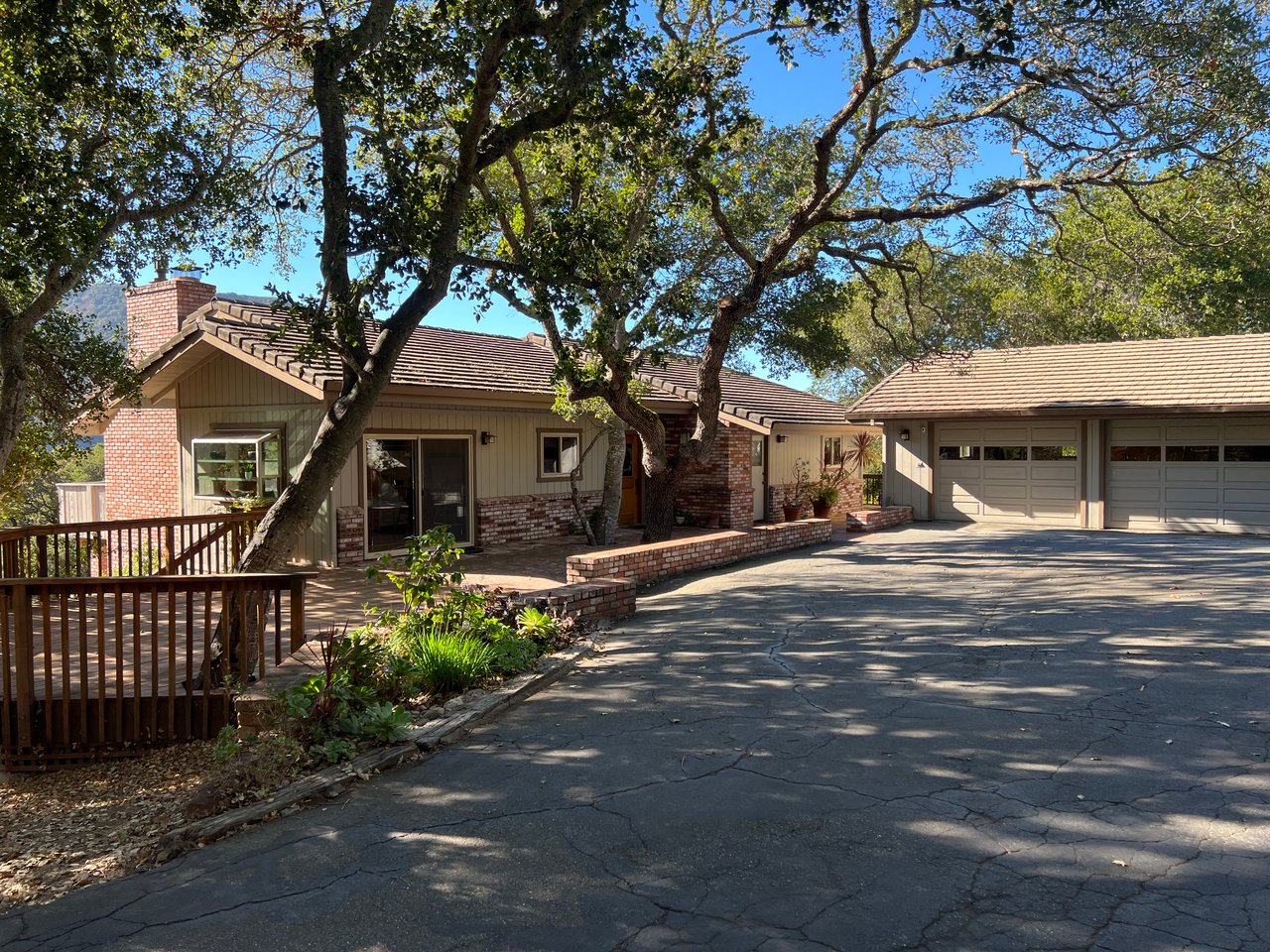
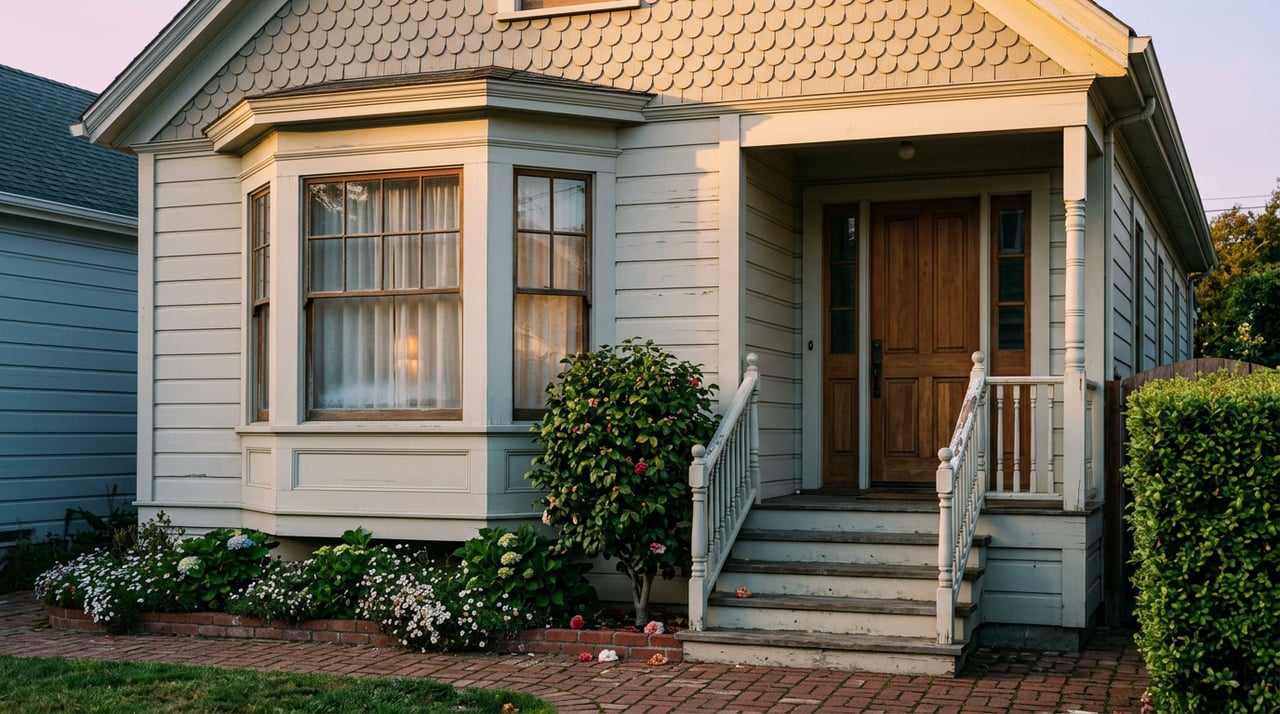
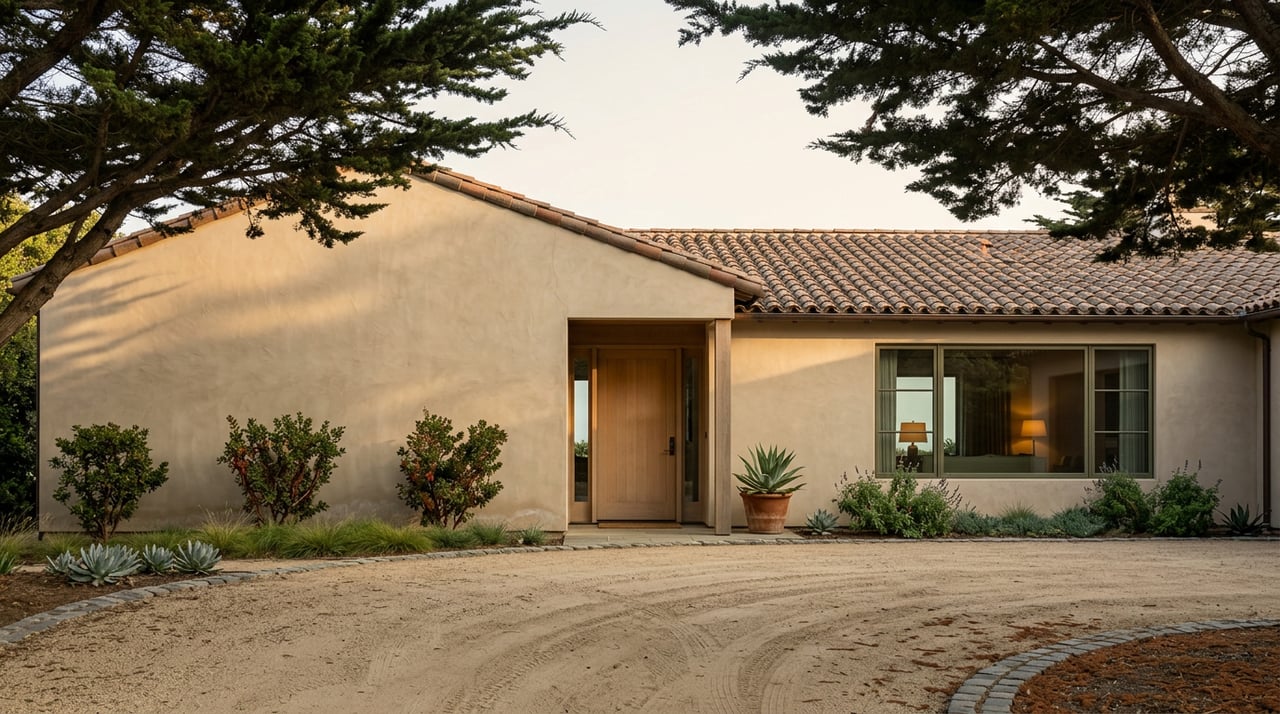
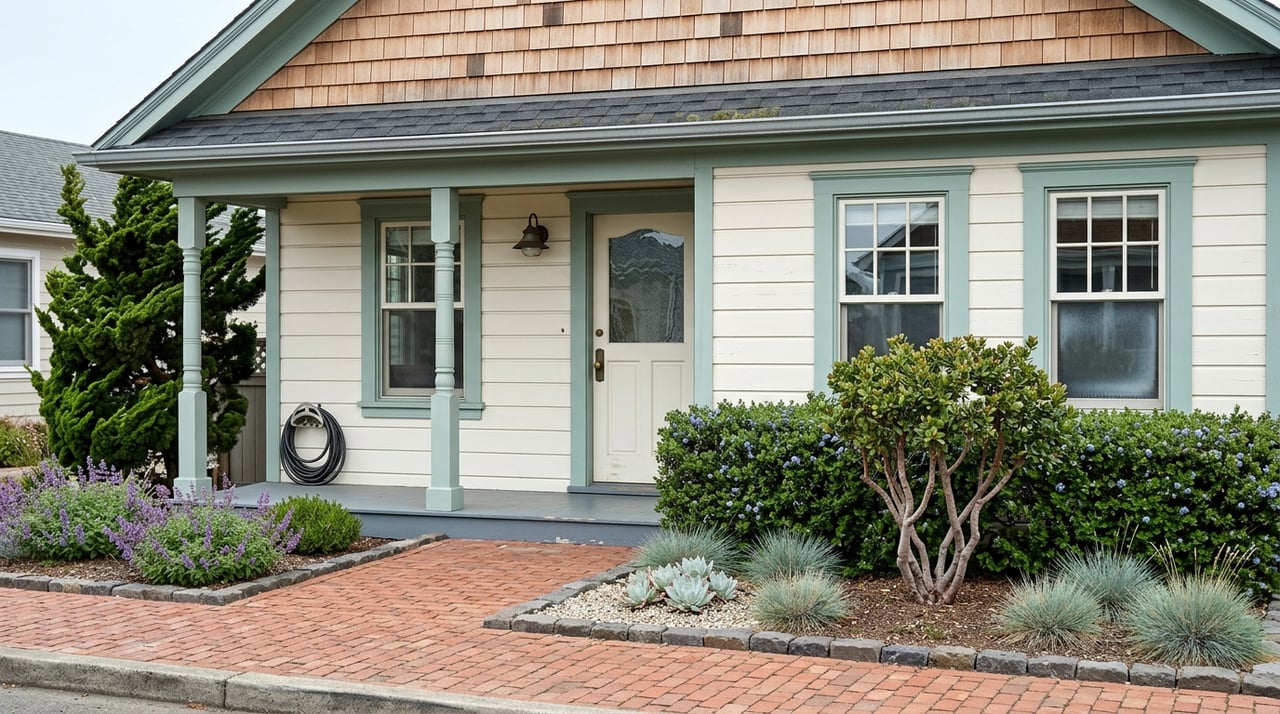
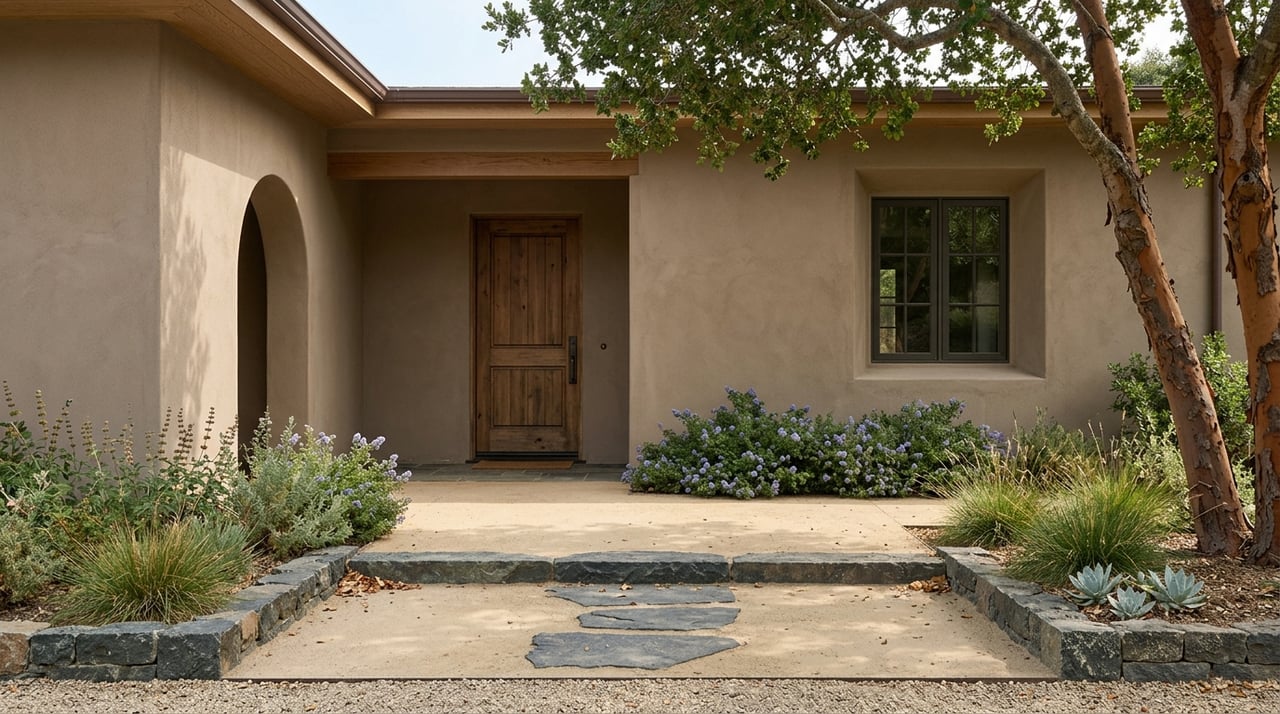
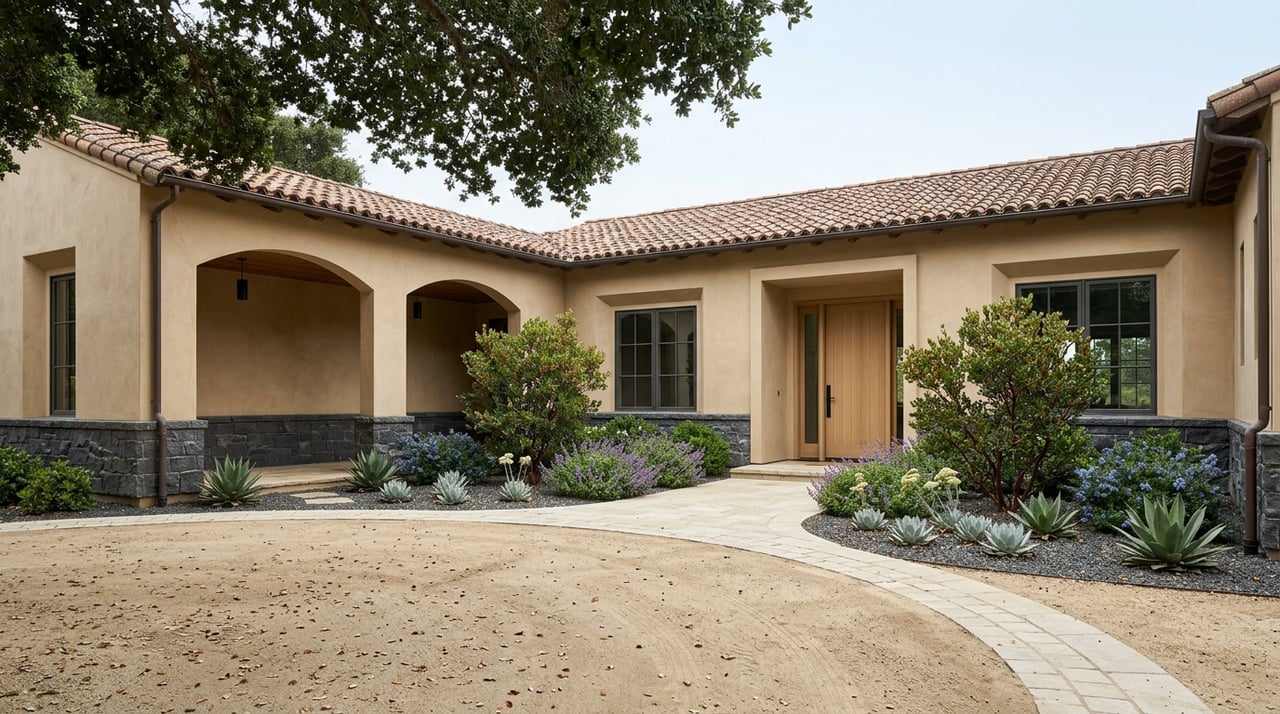
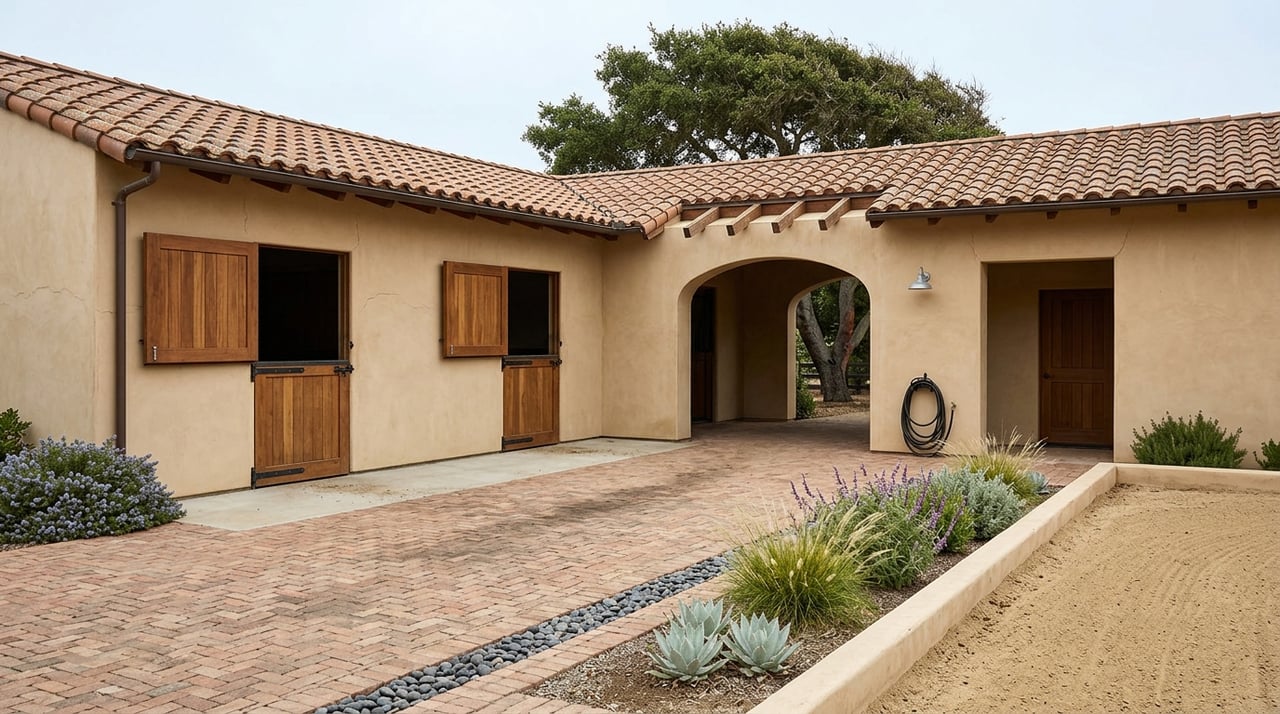
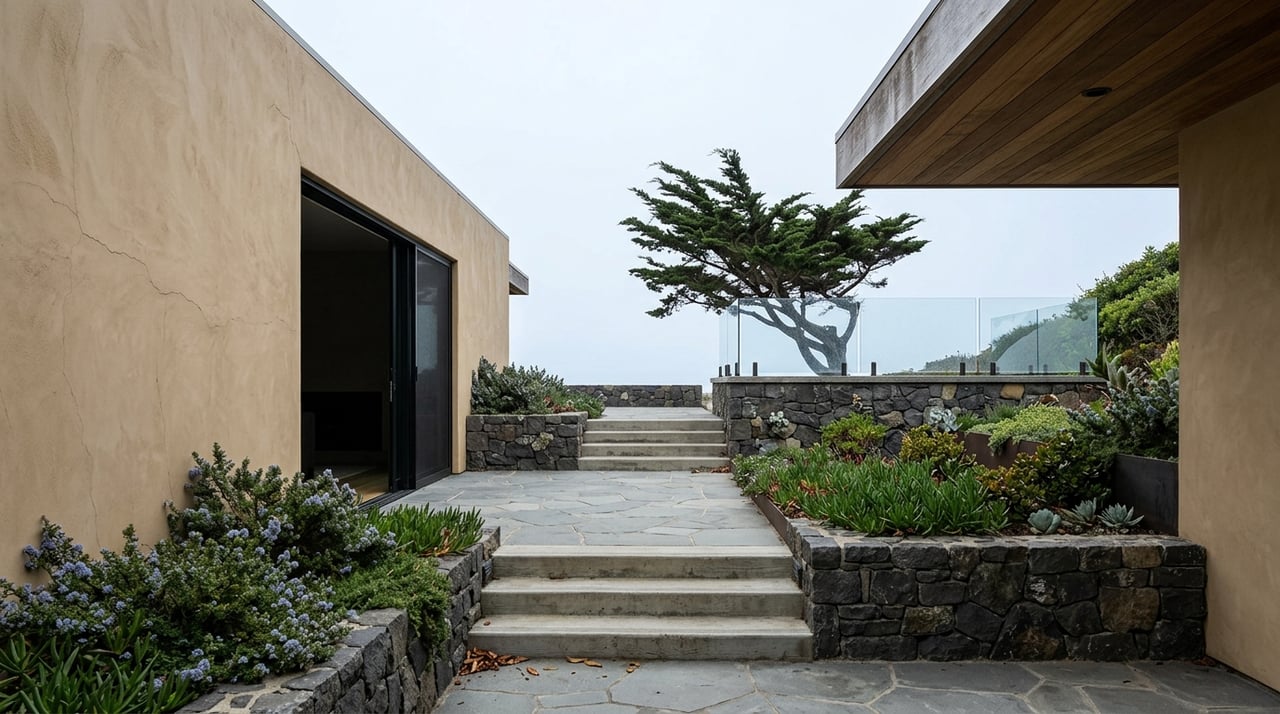
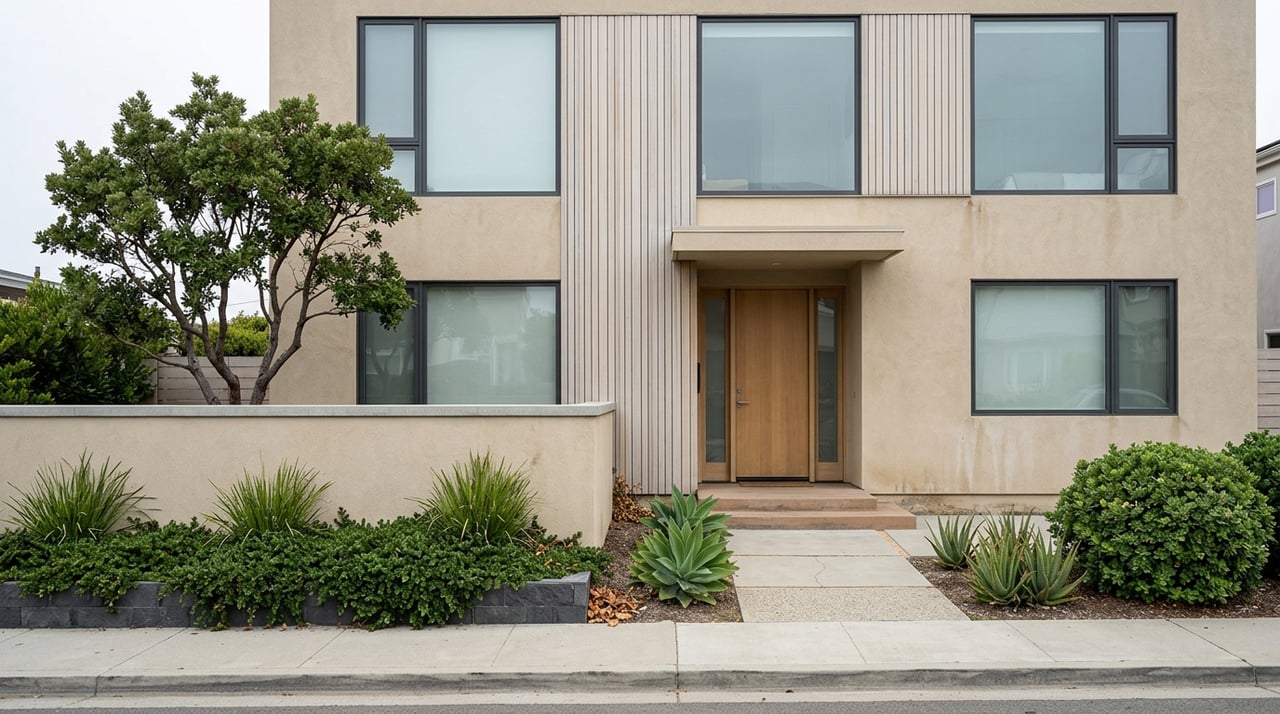
Those snapshots don't tell you how your home will perform. A ranch-style property in Carmel Valley, a historic home in Pacific Grove, and a Monterey residence close to the water can each follow a different path. For current numbers on the specific area and property type you're dealing with, a local market analysis from William is the right starting point.
What does that mean for your move?
If you're selling in Carmel Valley and buying in Pacific Grove, or the reverse, treat the two sides as separate projects that happen to touch. Price and prepare the sale on its own merits. Evaluate the purchase on its own merits. Then decide how tightly to link them.
These local reads can help as you compare areas:
- Carmel Valley areas compared: Village, Mid-Valley, or Ranch
- Buying a home in Carmel Valley
- Pacific Grove's historic homes, prepared for sale
Every situation here is different, and the only way to choose well is to run your own numbers with someone who knows how these markets move. That is the conversation William has with clients before a listing agreement is ever signed.
You can read what clients say about working with the team on Google, Zillow, and Realtor.com.
FAQ
Should I sell my Carmel Valley home before buying in Monterey or Pacific Grove?
Sell first if your next purchase depends on your sale proceeds and you can arrange temporary housing. Buy first only if a lender confirms you can qualify for and carry both properties. The better choice depends on your financing, your home's condition, and the specific property you want to buy.
Can I make an offer on a Monterey Peninsula home contingent on selling my current house?
Yes, you can propose one, but the seller decides whether to accept it. A sale contingency can make your offer less competitive, especially if other buyers are in the picture. Confirm with your lender that your loan allows it before you rely on it.
What happens if my Carmel home sells before I find a replacement property?
You'll need temporary housing, and possibly storage, until you find and close on the next home. Some sellers negotiate a short period of occupancy after closing, though that is a point of negotiation, not a given. Planning your fallback before you list keeps the pressure off your next purchase decision.
Is Carmel Valley generally faster or slower to sell than Monterey or Pacific Grove?
It varies by property, so don't assume one shared pace. The most recent local snapshots, from September 2026, showed a slower, buyer-leaning Carmel environment and Pacific Grove homes selling slightly below asking on average. How your own home performs depends on its type, location, price, and presentation.
Can a bridge loan or home-equity line help cover the timing gap?
It can, but only with lender-specific underwriting. Availability, terms, and qualification differ by lender, and you must be able to carry the debt if your sale takes longer than expected. Ask your lender for the details in writing before you build a plan around it.
The core point is simple: choose your sequence based on verified financing and a realistic read of both properties, not on hope that the dates will line up. If you're planning a move between Carmel Valley, Monterey, and Pacific Grove, schedule a consultation for a Home Valuation and William will help you map the sale and the purchase together.
Equal Housing Opportunity. William Smith, Founding Broker, Carmel Luxury Group at Coldwell Banker Realty, CA-DRE #01064866. Affiliated real estate agents are independent contractor sales associates, not employees. This article is general information, not legal, tax, or financial advice; confirm your own numbers with your title company, tax advisor, or lender.