If an appraiser walks through your house this month and stops to photograph the stain on the dining room carpet, she is not building a case against your price. She is filling out a form that, as of Monday, November 2, 2026, asks for that stain by name.
That is the date Fannie Mae and Freddie Mac make UAD 3.6, the redesigned Uniform Residential Appraisal Report, mandatory for new appraisals on the loans they buy. Freddie Mac's own FAQ is plain about it: the new format is required for every new report submitted to the agencies' portal on or after November 2. The old single-family form, the condo form, the exterior-only form and about a dozen others are retired and folded into one dynamic report.
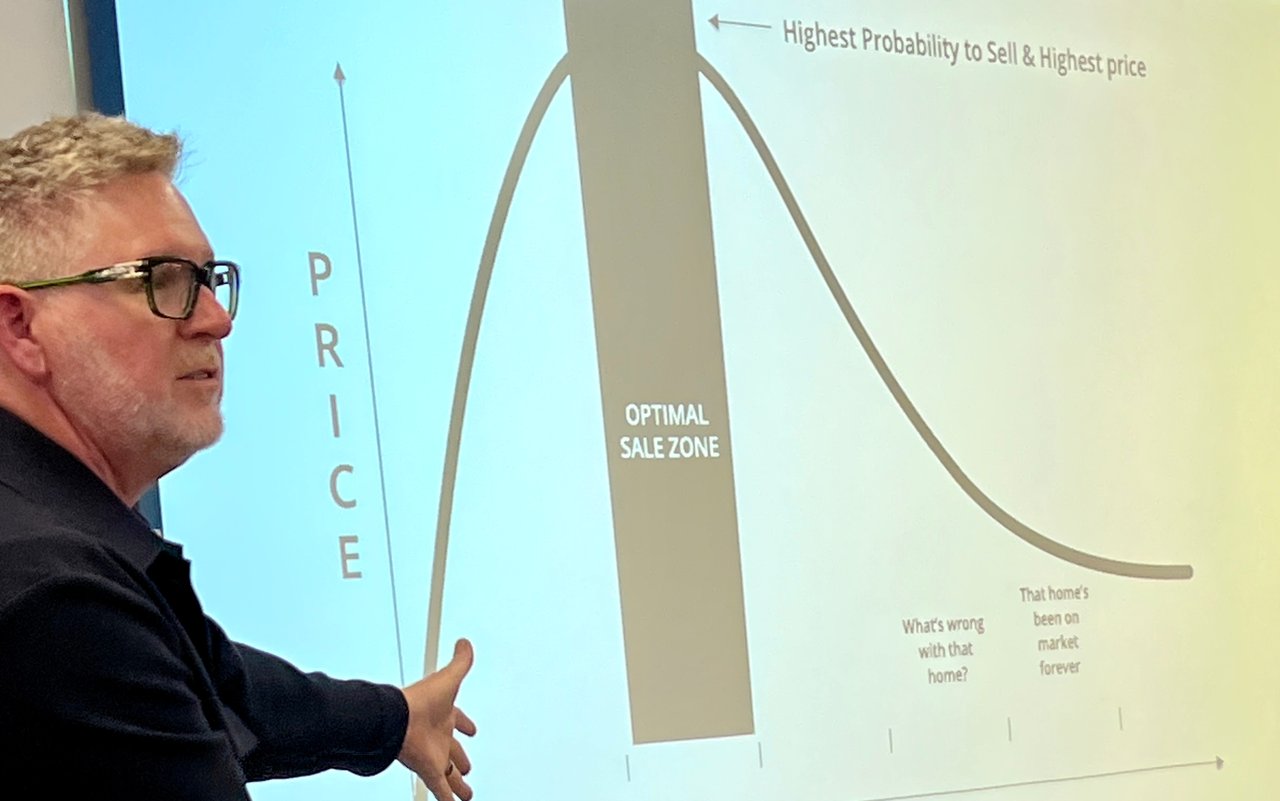
Nancy Nino and William Smith of Carmel Luxury Group sat down with Christina Campbell, an appraiser who has worked mostly in Santa Cruz County since 2006 and also takes assignments in parts of Monterey County, to walk through what changes. The claim of this post is small. The new report changes what gets written down and how long it takes. It does not change what a house is worth.
Nancy Nino and William Smith with appraiser Christina Campbell. Watch on YouTube.
A Typewriter Form Finally Got Replaced
The report most buyers have seen was last revised in 2005, and Campbell describes that version as a modest update to a 1990s form built to be fed through a typewriter. Whole sections sat blank when they didn't apply. The new one builds itself from what the appraiser enters. A condo opens condo sections. A property without rental income never shows an income approach page. "When you receive a document, every single page of the document is going to have important information in it," Campbell said.
The scale of the data is the real change. The old report carried roughly 350 data points, according to figures Campbell shared at Carmel Luxury Group's sales meeting. The new one carries more than 2,000. Where an appraiser once recorded square footage, bed and bath count, lot size and a single quality and condition rating, the form now asks for the elevation of the front door above grade, the ceiling height, and a separate quality and condition read on the siding, roof, windows, gutters, flooring, walls, kitchen and each bathroom.
One timing detail matters for anyone in escrow this fall. An appraisal done in the old format cannot be converted. "The appraiser is going to have to go back out to the property, collect data that's required for the new format, and then complete a whole new report," Campbell said. The mandate follows the date the report is submitted, not the date the loan application was taken. Lenders with an approved exception from the agencies can keep submitting old-format reports through May 19, 2027, but the agencies have said that accommodation will not be extended.
A Stain on the Carpet Is Now a Line Item
The new report has a section called Defects, Damages and Deficiencies. Campbell draws the line this way. Defects are cosmetic: a carpet stain, a doorknob-sized hole in the drywall. Damages are anything that affects what Fannie Mae calls the safety, soundness or structural integrity of the house, and those come with a required repair and an estimated cost to fix.
Her examples are the familiar ones. A missing deck railing. Exposed electrical. Dry rot in siding that no longer keeps weather out. A roof at the end of its life. None of that is new. "Fannie did not expand what they're requiring to be repaired," Campbell said. "They just changed the format."
What is new is the photography. Every image in the report now goes to the lender as a high-resolution file an underwriter can zoom into. If the report calls a kitchen condition 3 and the photo shows water damage on the cabinet faces, the underwriter can push back and argue it is a condition 4. Campbell's read is that this is about standardizing the ratings, not about the appraiser suddenly noticing more. "The appraiser always saw those things and they always took them into consideration, but now we have to document them."
"Computers do not buy properties. Humans buy properties."
The Square Footage You've Quoted May Not Be the Square Footage on the Report
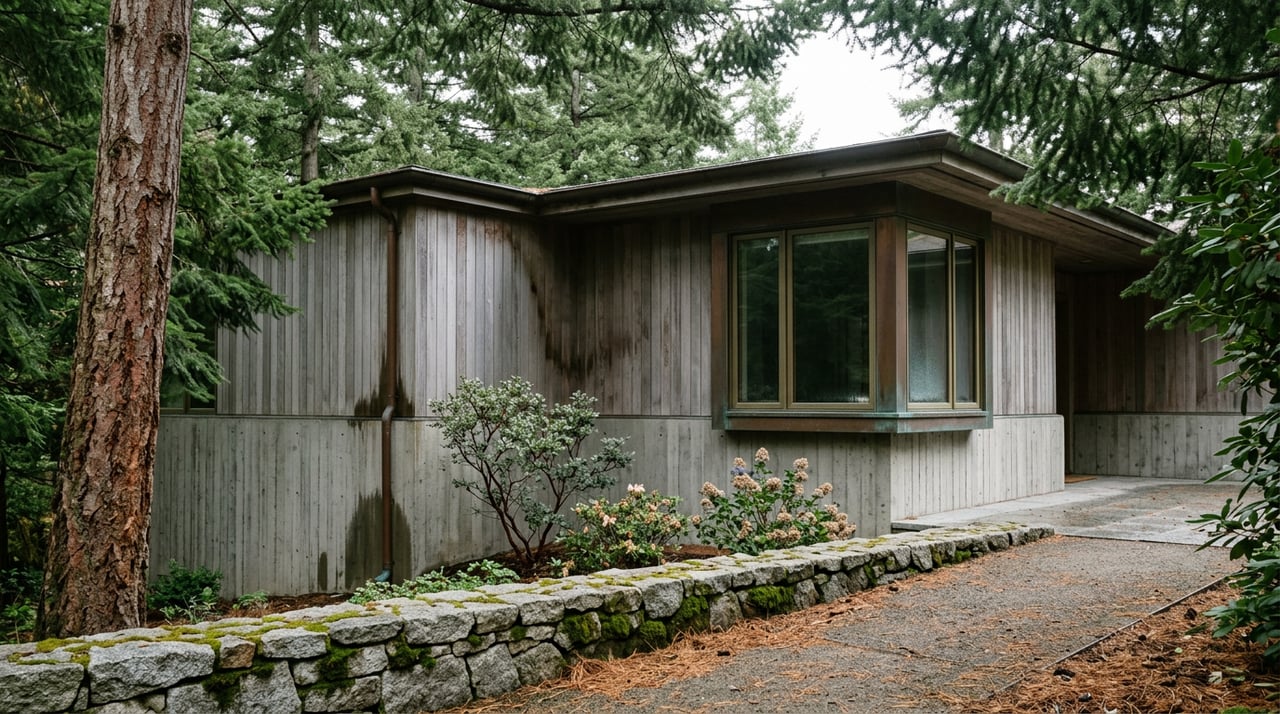
This is where the Peninsula's hillside houses come in. The new report splits living area into above-grade finished, below-grade finished, below-grade unfinished and non-standard space. Any level built partly into the slope, even with a foundation wall a few inches high on one side, is below grade. Space with a ceiling under seven feet, the threshold in the ANSI measurement standard appraisers use for lending, is non-standard. A bonus room reached only by walking through the garage is non-continuous.
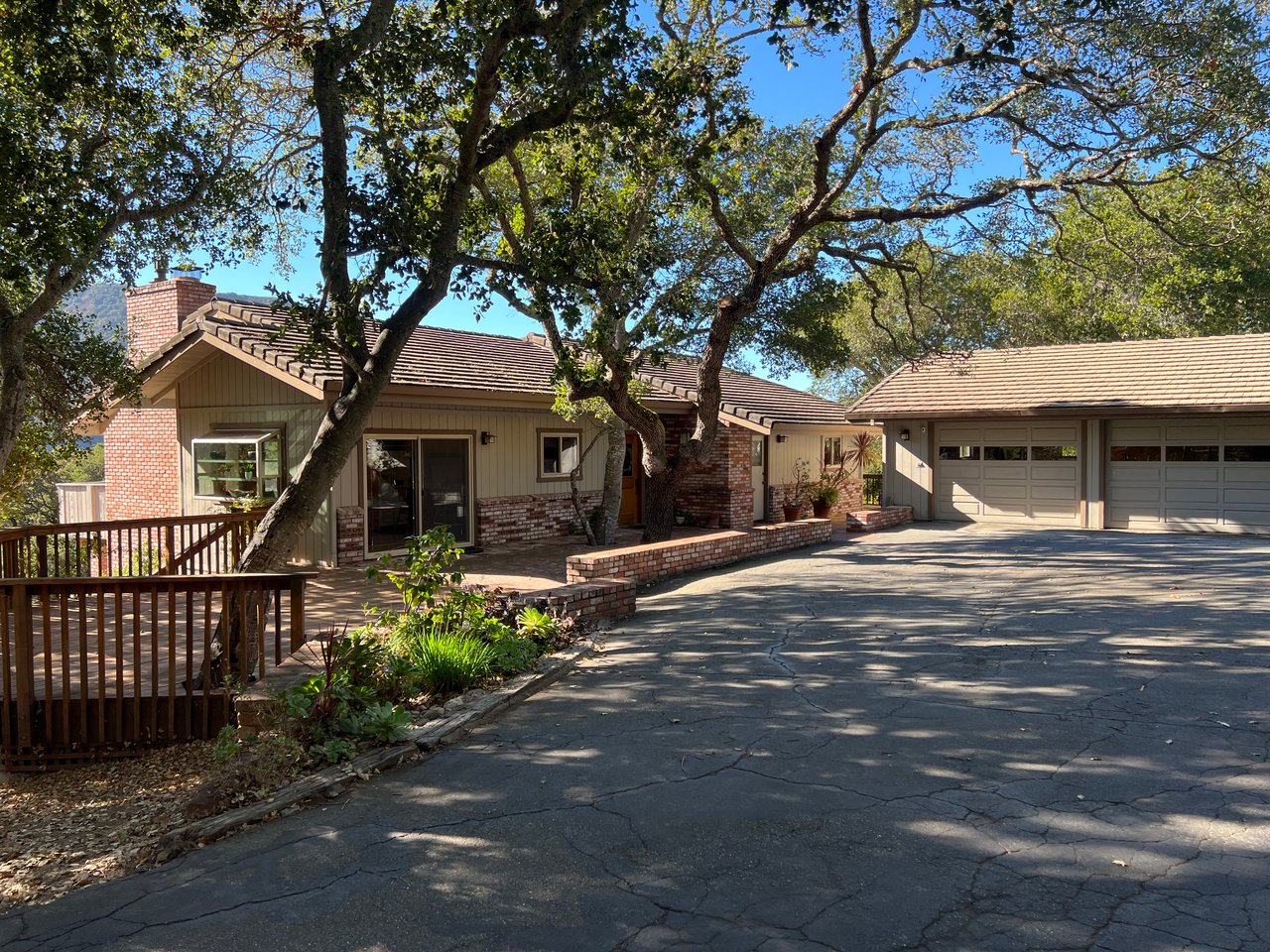
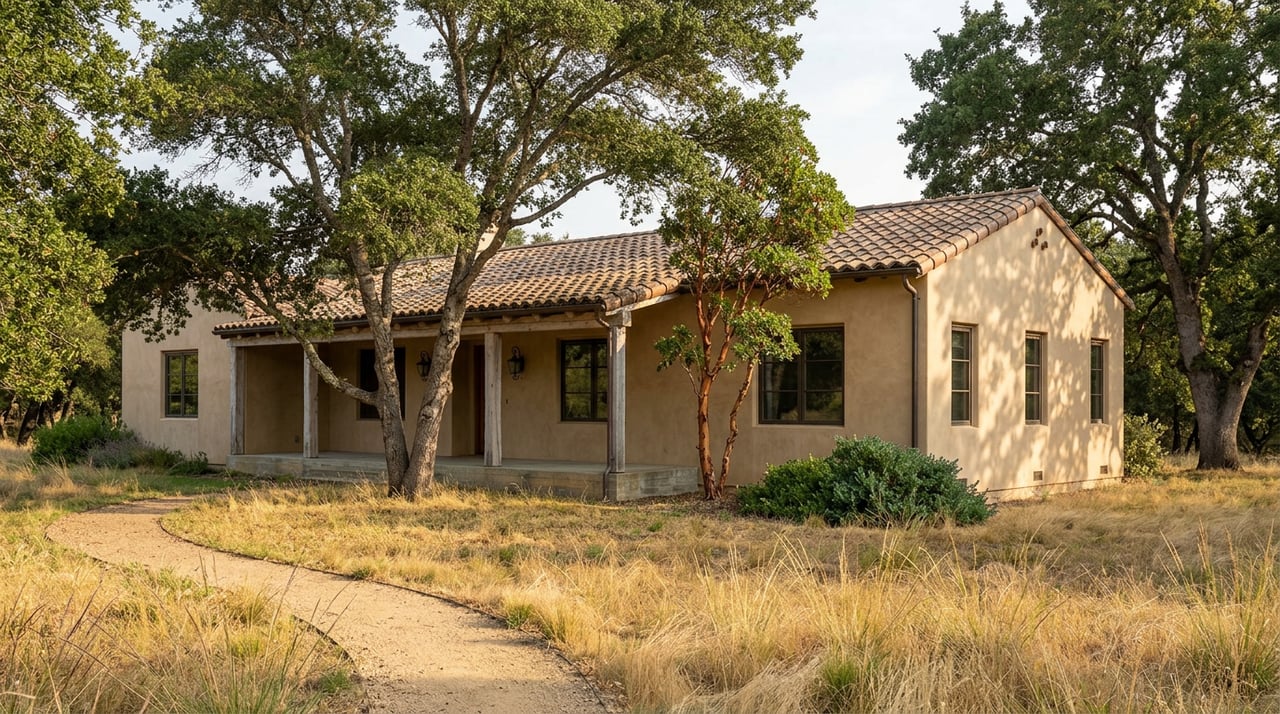
Campbell's own example is a 3,000 square foot house whose lower level was built to follow the land. On the new form, part of that 3,000 becomes below-grade square footage. The bedroom and bath counts from both levels are added together, which she considers an improvement for coastal California, where true basements are rare and buyers tend to treat a daylight lower level the same as the floor above it. On a Carmel Valley ranch house, a Pebble Beach home stepped down toward the fairway, or a Highlands house built into the hill, expect the report to describe the square footage differently than the listing does.
ADUs get the same scrutiny. The definition has not changed: a separate private entrance, a real kitchen with a sink, cabinets and permanent cooking, its own bath and a place to sleep. But the form now wants the ADU's square footage, bedroom count, bath count and year built. A studio with a plug-in countertop burner is not an ADU. It is a wet bar, and the space becomes either non-continuous area or an outbuilding, valued on its own amenities.
Owned Solar Counts. Solar With a Loan on It Does Not.
Solar is the place where sellers are most often surprised. Fannie Mae does not allow an appraiser to give contributory value to a system that is leased, under a power purchase agreement, or owned with a loan still owed against it. If the seller plans to pay off the solar loan at closing, it does not matter. On the day the appraiser visits, there is a lien, and the system adds nothing to the number.
The lease side shows up in negotiation too. Campbell described a sale she was researching where the buyer asked for and got a $50,000 credit because a leased system, and its monthly payment, would transfer to them. That kind of concession tends to appear when the market tilts toward buyers.
Newer green upgrades are harder still. The report now has fields for HERS ratings, green building certificates and solar valuation, but Campbell said she has not been able to isolate a market adjustment for green features alone in this area. A house with a green certificate is usually updated throughout, so she compares it to other updated houses.
Fewer Appraisers, Slower Software
The transition has a cost that lands on timelines. Campbell said the software vendors had about two years to build the new platforms, many are still effectively in testing, and support lines are overloaded. She has already waited four hours for a mobile inspection app to sync with her desktop on a rush assignment. A standard house of about 2,000 square feet takes close to an hour on site. Add an ADU, a studio or acreage and it takes longer. Her longest so far ran an hour and a half, mostly spent documenting defects.
At the meeting, she estimated that 20 to 30 percent of appraisers may retire rather than learn the new definitions and software. Fees will rise because each report takes longer. Right now, with sales slow heading into winter, there is capacity. The squeeze she expects comes if rates drop in spring and purchases and refinances arrive at once.
She was direct about who benefits. The agencies are collecting granular property data to improve the automated models behind appraisal waivers, and the new report also supports inspections by property data collectors, who photograph and measure without an appraiser's license. "They're using our labor to really limit the use of us in the future," she said.
What This Means If You're Buying or Selling This Fall
- Ask the lender which format it is ordering. Campbell has talked to private brokers who had not heard of the change. Confirm the appraisal is ordered as UAD 3.6 so it does not have to be redone mid-escrow.
- Give the appraisal contingency room. With slower software and fewer appraisers, the timeline that worked last spring may be tight now. Build in days you would not have needed a year ago.
- If you are selling, prepare three things. Open every space, including sheds, the garage, the basement and any outbuilding. Write a list of major upgrades with rough dates, such as a new roof in the last one to five years. And fix what will be called out before the appraiser arrives: dry rot, obvious termite activity, a missing railing, exposed wiring.
- Document the solar. Know whether the system is owned outright, financed, leased or under a power purchase agreement, and what paying it off at closing does and does not do for the appraisal.
None of this changes the appraiser's job. She is still asking whether the house is worth the contract price, still calling the agents when a sale doesn't make sense, still looking for the matched pair that tells her what a third garage bay is worth. The difference is that the stain on the carpet now has a line of its own.
A Few Questions Worth Asking Directly
Does a clean house appraise higher?
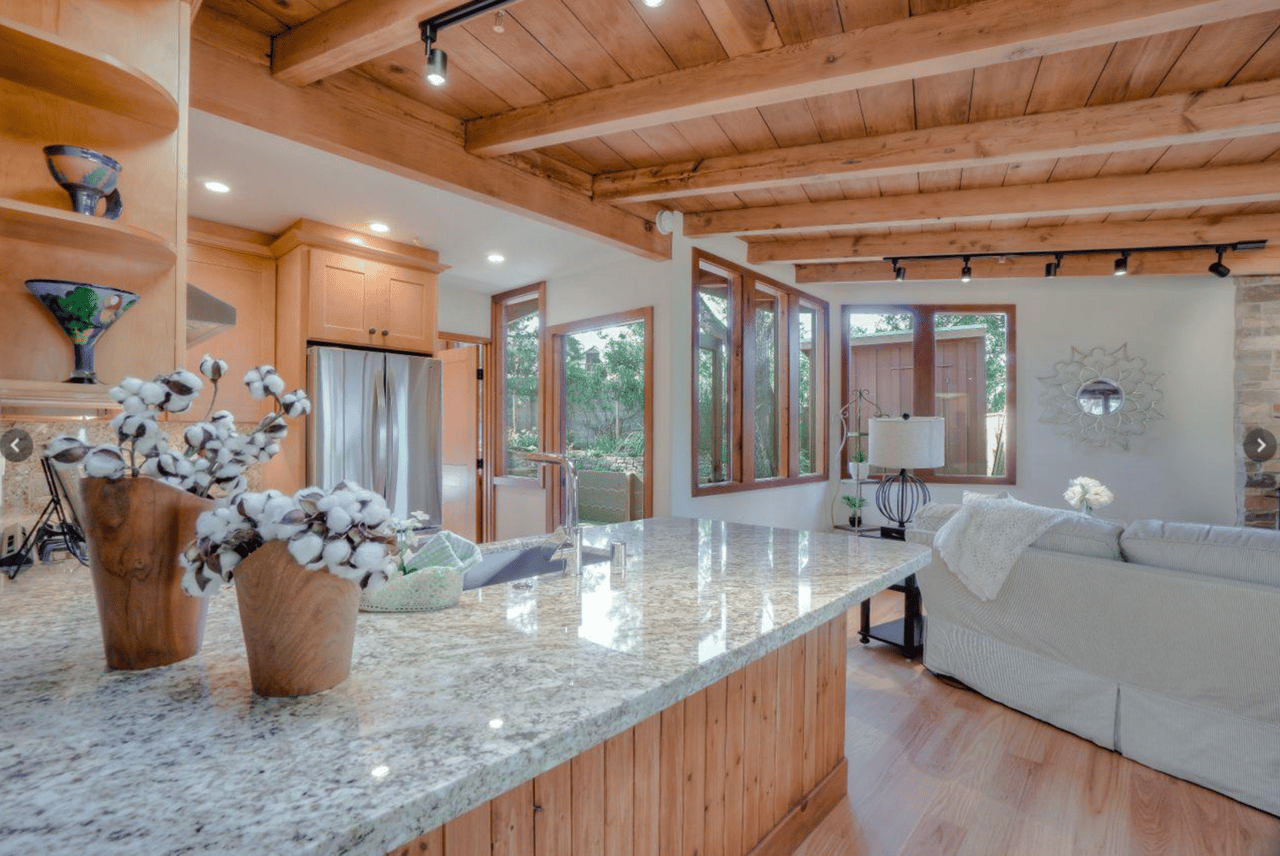
No. Campbell tells owners they do not need to clean for her. Clothes on a bedroom floor do not change value. A room stacked so full of boxes that she cannot see the floor or walls does, because she cannot rate its condition, and a kitchen island buried in belongings hides the finishes she needs to see.
Does the new report apply if I'm paying cash, settling an estate or dividing property in a divorce?
Not by requirement. The mandate covers appraisals for loans sold to Fannie Mae and Freddie Mac. Appraisals for cash purchases, date of death, divorce or property tax appeals can still use the older format or another general-purpose report, though some appraisers may move everything to the new format over time.
Can I ask the appraiser what my house is worth while she's here?
Not on a loan appraisal. The client is the lender, even though the buyer pays for the report, and confidentiality rules keep the appraiser from discussing value with the buyer or seller. The appraiser can talk about upgrades and repairs, and Campbell prefers to do that after she finishes a first pass through the house on her own.
Why would the report list sales the appraiser didn't use?
It is an optional new section that sits just below the sales comparison grid. If the appraiser includes it, each excluded sale gets a reason from a set list, such as distance, date, condition or size, plus a comment. If you disagree with a value and want to request a reconsideration, start there, because a sale already explained away will need a stronger argument than its address.
Will appraisals cost more?
Campbell expects fees to rise because each report takes longer to complete. How much depends on volume. She expects the tightest stretch if lower rates bring purchases and refinances back at the same time.
Nancy Nino of Carmel Luxury Group walks sellers through the appraisal before the listing goes live, from the solar paperwork to the square footage a hillside lower level will actually carry on the new form. If you are buying or selling on the Monterey Peninsula this fall and want to know how the new report will read your property, start a confidential consultation with Nancy.
Nancy Nino
Team Leader, Carmel Luxury Group | Coldwell Banker Realty
[email protected] | 831.277.0405
CA DRE# 02168301